Mastering Performance Anxiety: Sound Wellness for Stage Fright
Key Insights
Transform stage fright into calm confidence. Discover how sound wellness, including auditory beat stimulation, can help musicians and speakers manage performance anxiety with Soul Art in Dubai.
The spotlight shines, the audience stirs, and a familiar knot tightens in your stomach. For many, the thrill of performance is overshadowed by the pervasive shadow of performance anxiety, commonly known as stage fright. This isn't just a fleeting nervousness; it's a profound physiological and psychological response that can derail even the most seasoned performers, from musicians and public speakers to athletes and artists.
Imagine a world where you could step onto any stage, into any crucial moment, with a sense of calm, focus, and empowered presence. At Soul Art, Dubai’s premier sound wellness studio, we explore how ancient wisdom meets modern science to offer a unique pathway to mastering performance anxiety. We delve into the transformative power of sound, guided by founder Larissa Steinbach, to help you reclaim your composure and unlock your full potential.
This article will illuminate the scientific underpinnings of performance anxiety and unveil how meticulously designed sound experiences can be a profound ally in its management. We’ll explore the intricate ways sound interacts with your nervous system, offering practical strategies and insights into Soul Art’s distinctive approach to fostering resilience and confidence in the face of performance demands. Discover how sound wellness can elevate your performance, allowing your true self to shine without inhibition.
The Science Explained: Unraveling Performance Anxiety
Performance anxiety is far more than just "nerves"; it is a complex psycho-physiological state characterized by heightened arousal, both physical (somatic) and mental (cognitive). Understanding its mechanisms is the first step toward effective management. This anxiety can manifest as a racing heart, trembling hands, shallow breathing, or a mind consumed by self-doubt and fear of failure.
The body's "fight or flight" response, governed by the sympathetic nervous system, goes into overdrive during moments of perceived threat, which a performance can often feel like. Cortisol and adrenaline flood the system, preparing for danger rather than for eloquent delivery or artistic expression. This primal response, while crucial for survival, is counterproductive when precision, creativity, and calm are required.
Somatic and Cognitive Manifestations
Performance anxiety expresses itself in two primary forms:
- Somatic Anxiety: This encompasses the physical symptoms. Think of that pounding heart, sweaty palms, butterflies in the stomach, muscle tension, or even nausea. These are the body's direct responses to stress, designed to prepare for physical action. Research indicates that specific interventions can significantly reduce these physical manifestations of anxiety. A study published in PMC (2022) found that music-alone and combined music and auditory beat stimulation (ABS) conditions led to significantly higher somatic state anxiety reduction in participants with moderate trait anxiety compared to pink noise.
- Cognitive Anxiety: This refers to the mental symptoms – worry, self-doubt, negative self-talk, difficulty concentrating, and fears of judgment or failure. It’s the internal monologue that can sabotage focus and memory during a performance. The same PMC study (2022) highlighted that in high trait anxiety participants, the music-alone condition significantly reduced both somatic and cognitive state anxiety. For moderate trait anxiety, the combined music and ABS condition was particularly effective in reducing cognitive anxiety.
The Role of Sound in Nervous System Regulation
Sound wellness intervenes by directly addressing the dysregulation of the nervous system. By introducing specific frequencies and rhythms, sound experiences can encourage a shift from the sympathetic (fight-or-flight) to the parasympathetic (rest-and-digest) nervous system. This transition is crucial for calming both somatic and cognitive anxiety.
A scoping review in PMC (Saskovets, 2025) examining the effects of various sound interventions—including music and natural sounds—on the stress response in adults underscores the potential of sound to influence mental stress. Researchers are actively identifying the "therapeutic factors" and "mechanisms of change" associated with these interventions, exploring elements like rhythm, emotional prosody, and individual preferences.
Auditory Beat Stimulation (ABS) and Brainwave Entrainment
A key component of scientifically-backed sound wellness is Auditory Beat Stimulation (ABS), which includes binaural beats. This technique involves presenting two slightly different frequencies to each ear, causing the brain to perceive a third, illusory "beat" at the difference between the two frequencies. The brain then naturally synchronizes its electrical activity—its brainwave patterns—to this perceived beat, a phenomenon known as brainwave entrainment.
Different brainwave states are associated with different levels of arousal and mental function:
- Beta waves (13-30 Hz) are associated with active, focused concentration, and sometimes anxiety.
- Alpha waves (8-12 Hz) are linked to relaxed alertness, meditation, and calm.
- Theta waves (4-7 Hz) are characteristic of deep relaxation, creativity, and light sleep.
- Delta waves (less than 4 Hz) are prominent during deep, restorative sleep.
By targeting specific brainwave frequencies, ABS can guide the brain into more relaxed states (alpha or theta), thereby reducing the physiological and psychological symptoms of anxiety. Preliminary studies suggest that specially designed music incorporating ABS can significantly reduce anxiety. A clinical trial highlighted by ScienceDaily (2026) found that just 24 minutes of such music could significantly ease both mental and physical symptoms of anxiety, indicating a "sweet spot" for rapid relief.
Reappraising Stress: Beyond Dampening Anxiety
Crucially, modern understanding of performance anxiety suggests that merely "dampening stress" might not be the most effective strategy. A review in Frontiers in Psychology (2025) discusses the Biopsychosocial (BPS) model, which posits that performance responses depend on how individuals appraise the demands of a situation versus their available resources.
The key, according to this model, lies in "shifting the ratio of demand and resource appraisals," allowing performers to adopt more "challenge-type responses." Sound wellness, while promoting deep relaxation, also cultivates a state of inner calm and resilience that can empower individuals to reappraise their performance situations. It helps them perceive demanding situations as challenges they have the resources to meet, rather than as overwhelming threats. This shift in perspective is invaluable for sustained high performance and genuine self-expression.
How It Works in Practice: The Transformative Experience
Connecting the intricate science of sound with real-world application reveals its profound potential for performance enhancement and anxiety reduction. A sound wellness session is not just about listening; it's an immersive, full-body experience that engages your senses and recalibrates your internal state.
Upon entering a dedicated sound space, clients are enveloped in an atmosphere designed for tranquility and deep relaxation. The practitioner, often Larissa Steinbach herself, carefully selects instruments and frequencies tailored to address the specific needs of individuals seeking relief from performance anxiety. The ambient sounds, rich in harmonics and therapeutic vibrations, begin their work even before the session fully commences, preparing the mind and body for the journey ahead.
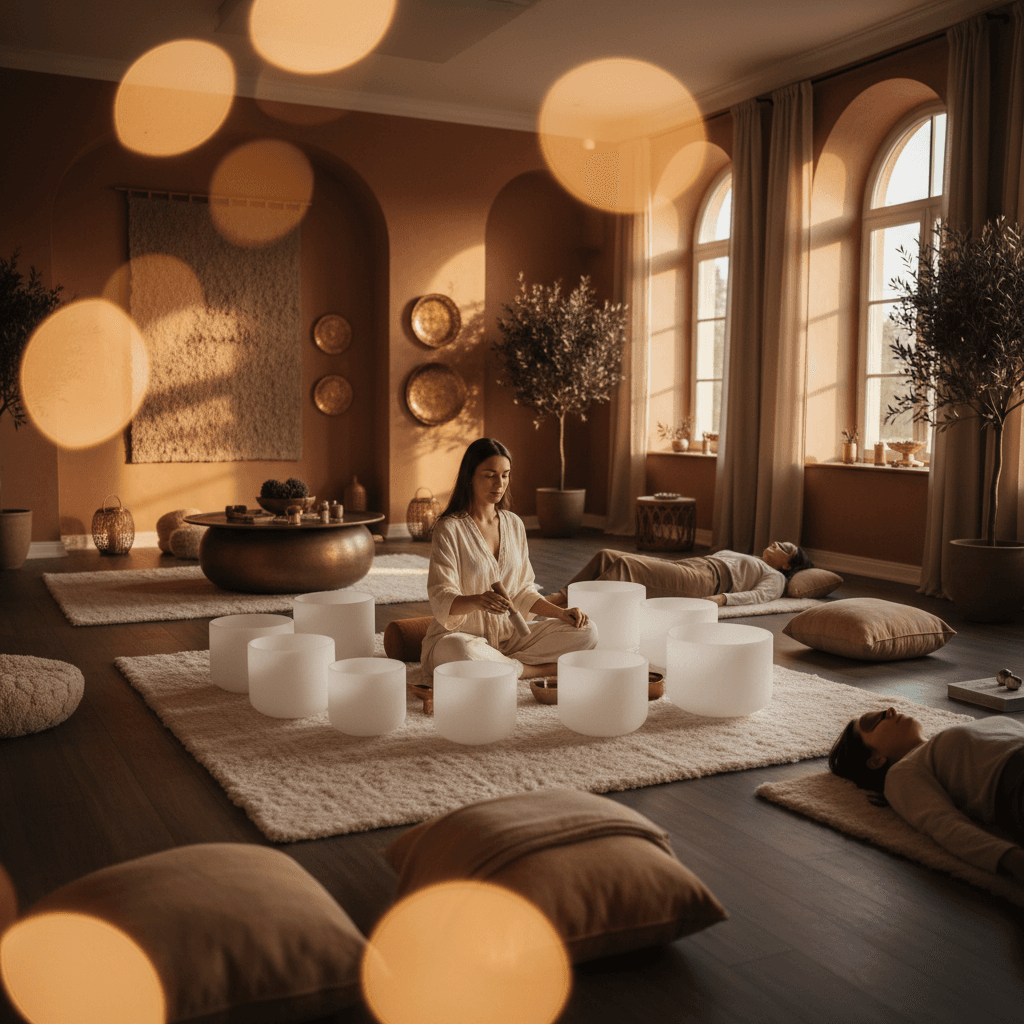
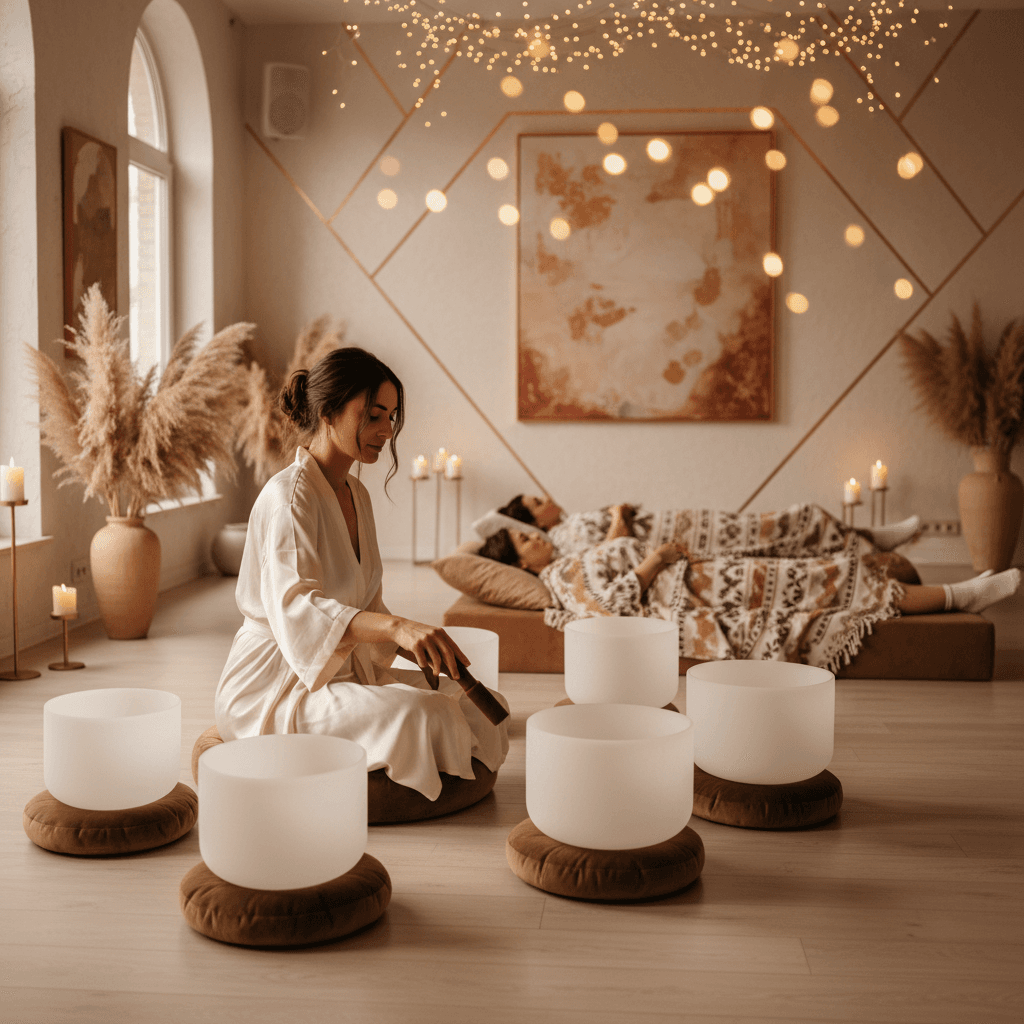
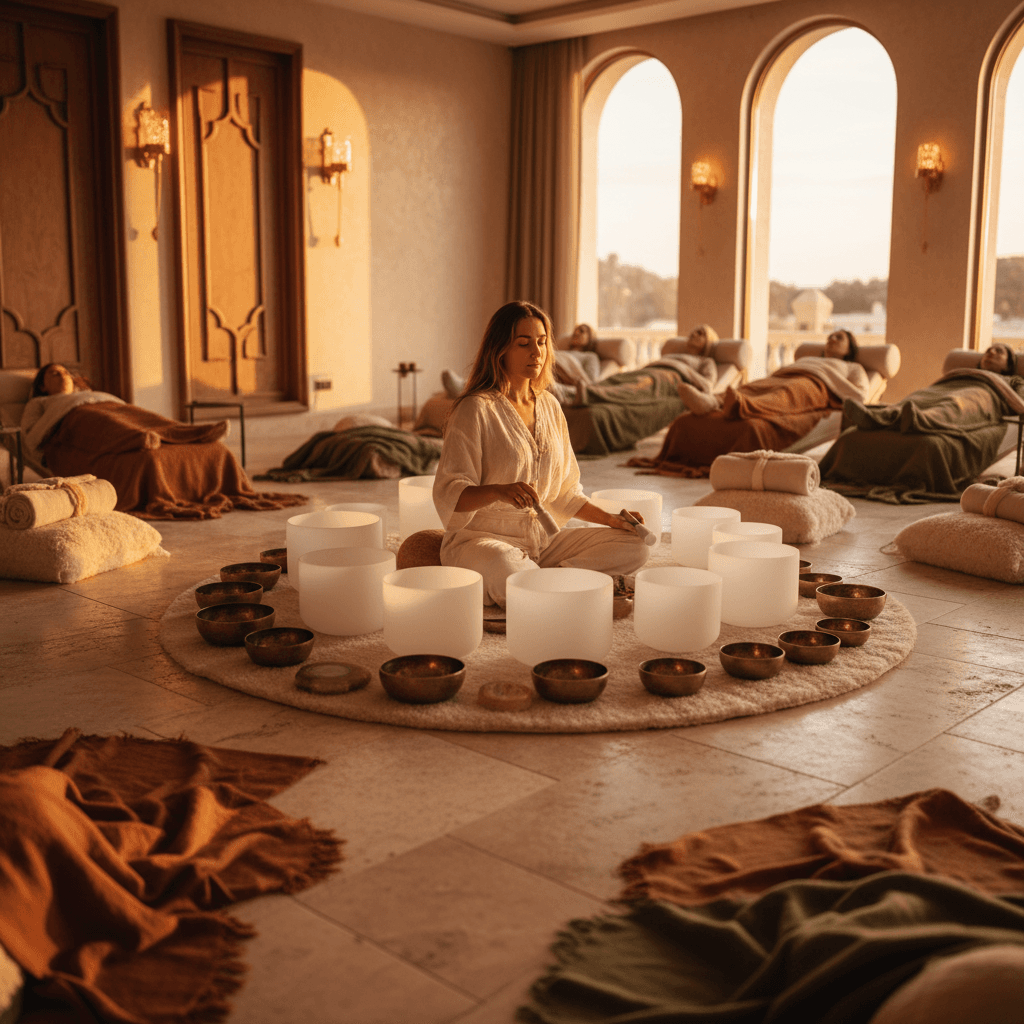
As the session unfolds, clients typically lie comfortably, allowing the sound to wash over and through them. The experience is deeply sensory:
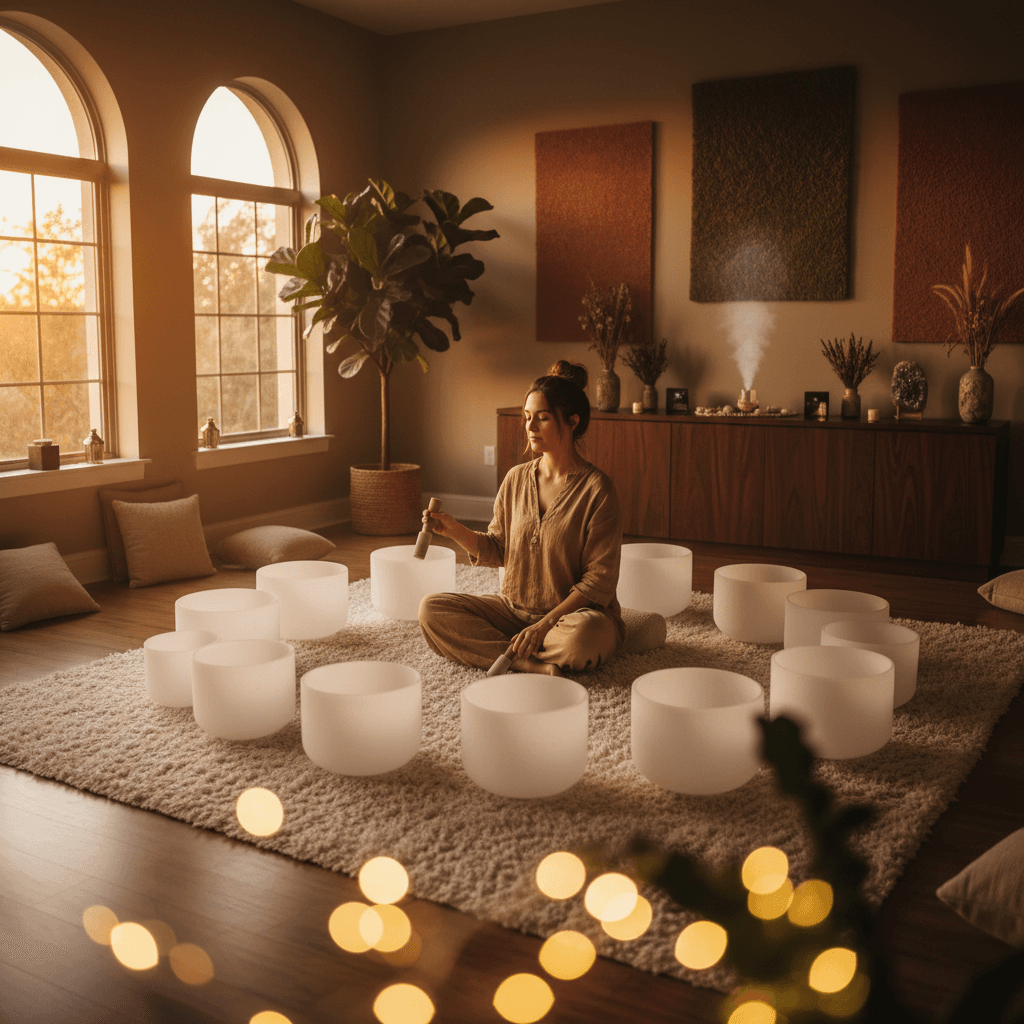
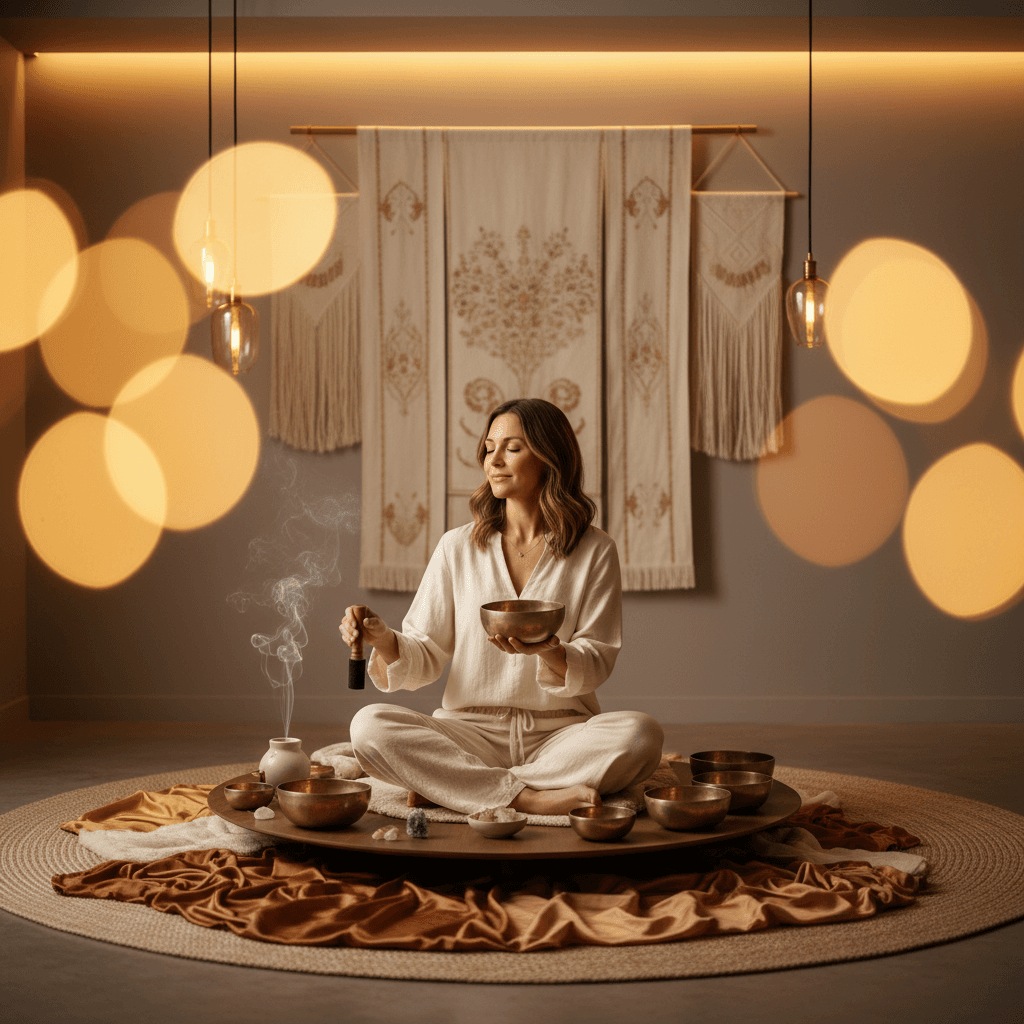
- Auditory Immersion: The ear registers a symphony of precisely tuned frequencies from instruments like crystal singing bowls, gongs, chimes, and tuning forks. These sounds are not just heard; they are felt, resonating within the body.
- Vibrational Sensation: Many sound instruments, particularly gongs and singing bowls, produce palpable vibrations that travel through the air and into the body's tissues. This vibroacoustic effect can loosen physical tension, soothe the nervous system, and create a sense of internal massage. It’s a direct physical release for the somatic anxiety often held in muscles.
- Mental Clarity: As the brainwave patterns shift towards alpha and theta states, the incessant chatter of cognitive anxiety often subsides. Clients report a profound sense of mental quietude, allowing for greater focus, introspection, and a release from self-critical thoughts. This mental space is where the reappraisal of performance demands can naturally begin.
Clients often describe emerging from a session feeling profoundly relaxed, yet simultaneously energized and mentally clear. The immediate benefits include reduced muscle tension, a slower heart rate, and a pervasive sense of peace. Over time, with consistent engagement, this practice supports a sustained reduction in baseline anxiety levels, making stressful situations feel less daunting. This consistent practice complements other performance strategies, such as the "repeated stage exposure" mentioned in research (PMC, 2023), by fostering a calmer internal state to approach these exposures.
"Sound wellness is not a distraction from anxiety; it's an invitation to rewrite your body's response to stress, transforming perceived threats into opportunities for resonant presence."
While research on the health benefits of sound therapy is growing and continues to be explored, experts agree that it may offer significant support for well-being. These practices are designed to be a complementary approach, enhancing self-awareness and offering a potent tool in one's holistic wellness toolkit. Many people report that the sustained exposure to these resonant frequencies helps them build a stronger inner reservoir of calm, enabling them to face future performances with greater equanimity and confidence.
The Soul Art Approach: Larissa Steinbach's Distinctive Method
At Soul Art, Larissa Steinbach brings a deeply informed and uniquely tailored approach to sound wellness, specifically addressing the nuanced challenges of performance anxiety. Her method is rooted in a philosophy that views sound not merely as an auditory phenomenon, but as a sophisticated tool for nervous system regulation, emotional release, and energetic recalibration. This holistic perspective ensures that each session is a bespoke journey toward inner harmony and enhanced performance readiness.
Larissa's expertise is distinguished by her meticulous understanding of how specific frequencies and vibrational patterns interact with the human energy field and physiological responses. She believes that true mastery over performance anxiety stems from cultivating an unwavering sense of inner stability and self-trust, which sound can profoundly facilitate. Her approach moves beyond superficial relaxation, aiming to create lasting changes in how the body and mind respond to pressure.
Tailored Sonic Landscapes
What makes the Soul Art method unique is its personalized engagement. Larissa doesn't offer a one-size-fits-all solution; instead, she crafts sonic landscapes that resonate with each individual's specific needs and anxieties. This might involve:
- Precision in Instrument Selection: Larissa skillfully integrates a diverse array of instruments, each chosen for its unique frequency and healing properties. These include:
- Crystal Singing Bowls: Tuned to specific chakra frequencies, these bowls produce pure, sustained tones and powerful vibrations that resonate deeply within the body, promoting cellular relaxation and emotional release.
- Therapeutic Gongs: Known for their rich, complex overtones and immersive vibrations, gongs create a "sound bath" effect that can induce profound states of relaxation and altered consciousness, facilitating deep stress reduction.
- Tuning Forks: Applied directly to specific points on the body or held near the ears, precision-calibrated tuning forks can target localized tension and encourage energetic balance, aiding in the release of physical anxiety.
- Himalayan Singing Bowls: Offering earthy, grounding tones, these bowls contribute to a sense of stability and presence, essential for performers.
- Integration of Breathwork and Mindfulness: Soul Art sessions often weave in gentle breathwork techniques and guided mindfulness practices. This combination amplifies the therapeutic effects of sound, teaching clients practical tools they can use to manage anxiety independently, both during and outside of sessions. By consciously regulating breath, individuals can further activate the parasympathetic nervous system, reinforcing the calming effects of sound.
- Focus on Stress Reappraisal: Drawing inspiration from advanced psychological models, Larissa incorporates elements that encourage clients to reframe their perception of performance situations. Rather than seeing a stage as a threat, the sound environment at Soul Art fosters a mindset where the challenge is viewed as an opportunity for growth and expression. This process aligns with research suggesting that shifting appraisals of demands and resources is key to effective self-regulation for performance.
Larissa Steinbach’s dedication to creating a sanctuary for profound transformation ensures that Soul Art is more than just a studio; it is a space where individuals can learn to harness the power of sound to not only manage performance anxiety but to truly thrive in their creative and professional endeavors. The Soul Art method offers a powerful, elegant solution for those seeking to transform stage fright into a state of empowered presence and flow.
Your Next Steps: Cultivating Calm for Performance
Embarking on a journey with sound wellness can be a transformative experience, particularly when navigating the pressures of performance. Integrating these practices into your routine offers a complementary pathway to developing resilience and presence. Here are several actionable steps you can take today to begin leveraging the power of sound for performance anxiety relief:
- Explore Sound Meditation Apps: Begin by experimenting with readily available sound meditation or binaural beat applications. Even a 24-minute session, as highlighted by research, can yield benefits in reducing anxiety symptoms. Start with frequencies known to induce alpha or theta brainwave states for relaxation.
- Create a Personal Sound Sanctuary: Dedicate a quiet space in your home where you can regularly listen to calming music, nature sounds, or guided sound meditations. Make this space your go-to for moments of pre-performance jitters or daily stress reduction.
- Practice Mindful Listening: Engage actively with sound. Instead of just hearing background noise, choose a piece of music or a soundscape and focus entirely on its nuances, rhythms, and vibrations. This practice trains your attention and can divert focus from anxious thoughts.
- Incorporate Sound into Your Warm-up Routine: Before a rehearsal or performance, dedicate 10-15 minutes to a sound bath recording or a focused binaural beat session. This can help to ground your nervous system, clear your mind, and prepare you physically and mentally to enter a state of flow.
- Seek Professional Guidance: For a deeper and more personalized experience, consider engaging with experts in sound wellness. A session with a practitioner like Larissa Steinbach at Soul Art can provide tailored frequencies and an immersive environment designed to address your specific performance anxiety triggers and goals.
These steps are designed to help you integrate sound as a valuable self-care practice, supporting your overall well-being and enhancing your ability to perform with confidence and grace.
Bookings Coming Soon
Soul Art is still in preparation. Session details and booking will be published here after launch.
Coming Soon
In Summary: Harmonizing Performance and Peace
Performance anxiety, or stage fright, is a prevalent challenge that can hinder creativity and confidence across various domains. It manifests as both physical and mental distress, deeply impacting an individual's ability to excel. Scientific research consistently points to the profound efficacy of sound interventions, particularly when combining music with Auditory Beat Stimulation, in reducing these somatic and cognitive symptoms.
Sound wellness practices, by gently guiding the nervous system into states of deep relaxation, offer a powerful complementary approach to managing and transforming performance-related stress. At Soul Art, Larissa Steinbach leverages her unique expertise to craft bespoke sound experiences. These sessions not only foster immediate calm but also cultivate a sustained resilience, enabling individuals to reframe performance demands as exciting challenges rather than daunting threats. Embracing sound wellness can unlock a greater sense of presence, clarity, and confidence, allowing you to perform not just adequately, but exceptionally.
Wellness Disclaimer: This article is for educational and informational purposes only. It does not constitute medical advice, diagnosis, or treatment. Soul Art Dubai provides non-medical wellness experiences focused on relaxation, stress management, and general wellbeing. Sound wellness is a complementary practice and should not replace professional medical care.