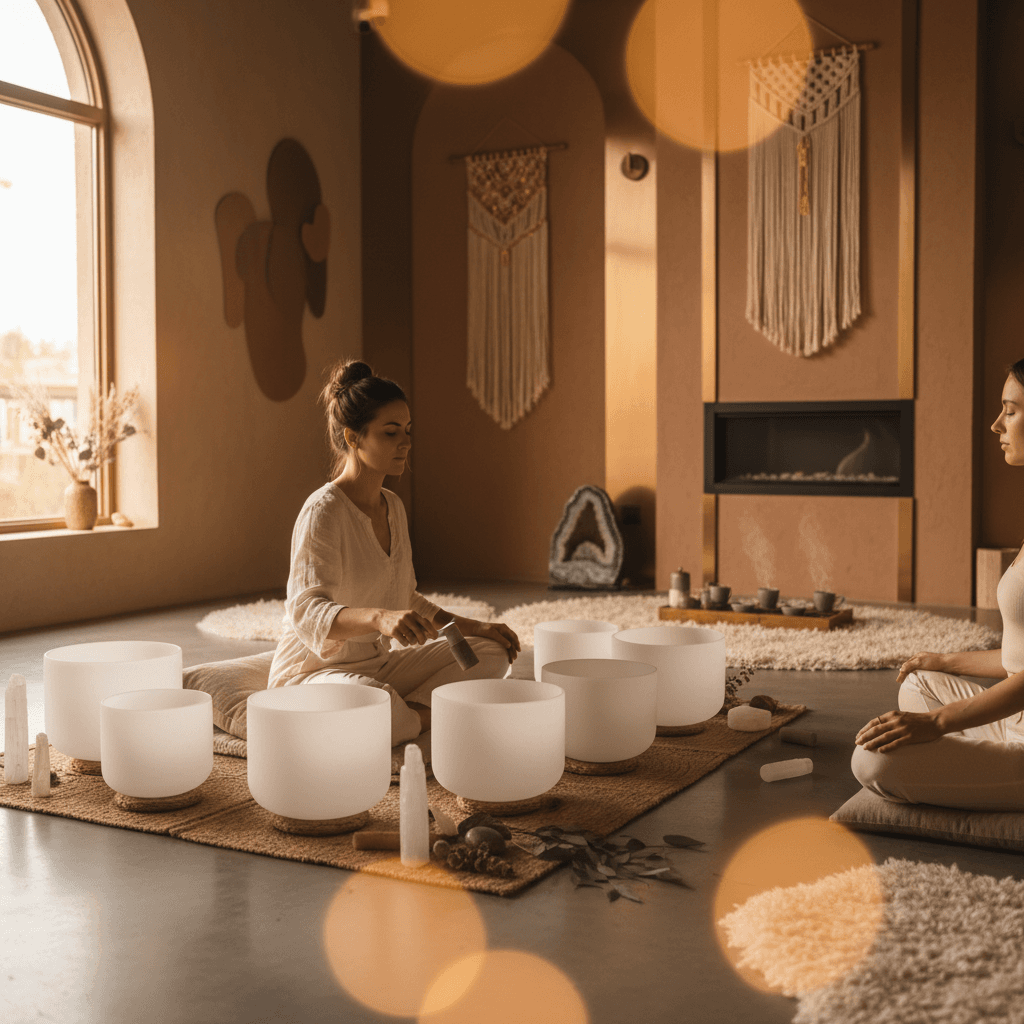
Harmonizing Parenthood: Sound for Partner Stress Relief
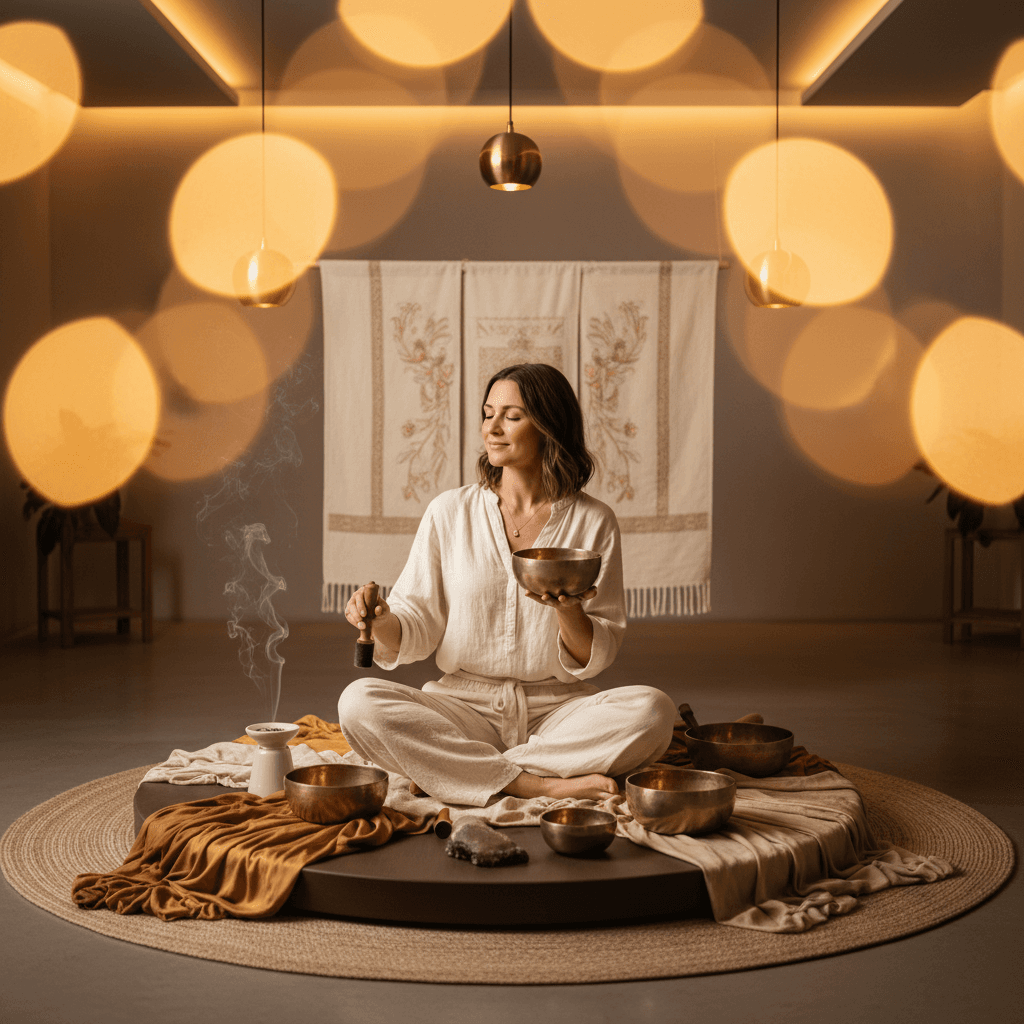
Key Insights
Discover how sound wellness at Soul Art Dubai supports partners in managing parenting stress, fostering stronger relationships, and enhancing family well-being.
Harmonizing Parenthood: Sound for Partner Support in Managing Stress
Imagine a symphony playing out the daily demands of parenting – the soaring highs of joy, the jarring crescendos of conflict, and the constant, underlying hum of responsibility. For many parents, this symphony often leans towards a cacophony, creating significant stress that can strain even the strongest relationships. But what if there was a way to restore harmony, not just within yourself, but within the crucial partnership that forms the bedrock of your family?
Parenting stress is a universal experience, yet its impact on relational dynamics and child development is often underestimated. While the focus frequently lies on the child or individual parent, the quality of the parental relationship acts as a powerful determinant of family well-being. This article delves into the scientific connection between partner emotional support and reduced parenting stress, exploring how the profound effects of sound wellness, as practiced by Larissa Steinbach at Soul Art Dubai, may offer a transformative pathway to cultivating deeper resilience and connection for parents.
We will journey through the neuroscience of stress, examine the critical role of partner support, and reveal how meticulously crafted sound interventions can act as a profound complementary tool. Prepare to discover how embracing sound can not only soothe individual nervous systems but also fortify the emotional bonds that allow parents to navigate the challenges of family life with greater ease and presence. This isn't just about coping; it's about thriving together.
The Science Explained: The Interplay of Stress, Support, and Sound
The journey of parenthood, while immensely rewarding, is undeniably fraught with stressors. From sleep deprivation to financial pressures and the constant demands of childcare, these pressures can accumulate, impacting parental well-being and, consequently, family dynamics. Understanding the intricate scientific connections between stress, partner support, and innovative wellness practices like sound interventions is crucial for fostering healthier family environments.
The Parenting Process Model and Proximal Support
At the heart of understanding parental stress lies the parenting process model, a robust theoretical framework (Belsky, 1984; Belsky & Jaffee, 2006). This model posits that parenting practices are shaped by a complex interplay of child characteristics, parent characteristics (such as parental depression or temperament), and critical proximal sources of support and stress. These factors collectively influence parenting behaviors, ultimately impacting child developmental outcomes. When parents experience high levels of stress, they may be more prone to “negative” parenting behaviors, whereas adequate support fosters “positive” and nurturing approaches.
Extensive research highlights parental relationship quality as a paramount proximal source of both support and stress (Cowan et al., 2019; Davies et al., 2019). A robust body of work indicates that emotional support from romantic partners is strongly linked to positive parenting outcomes for mothers (Brunelli et al., 1995; Contreras, 2004). This support is also associated with lower levels of psychological distress in parents, including reduced depression, anxiety, and parenting stress (Easterbrooks et al., 2016; Edwards et al., 2012). For children, this translates into benefits such as secure mother-child attachment (Goodman et al., 2011) and improved adjustment (Neece et al., 2012). Supportive partner relationships may thus act as a buffer, preventing negative behavioral cascades within families.
Unpacking Parental Stress: Nuances Between Genders
While both mothers and fathers experience parenting stress, meta-analyses suggest there can be notable differences in intensity and causes. A comprehensive meta-analysis encompassing 457 studies revealed that mothers generally experience higher levels of stress than fathers (Pinquart, 2018). This disparity is often attributed to the high amount of multitasking involved in childcare and housework, increased work-family conflict, and significant time pressure that mothers frequently face (Offer & Schneider, 2011; Ruppanner et al., 2019). Mothers also report more stress and exhaustion, particularly when partners work long hours (Connelly & Kimmel, 2015; Craig & Brown, 2017).
Given these variations, the role of dyadic coping—the support partners provide to one another when managing stress—becomes even more critical (Roth et al., 2024; Sharda, 2022). When partners actively engage in supportive behaviors, such as sharing emotions or initiating physical contact, it predicts more positive discipline behaviors and enhanced parental involvement (Faircloth et al., 2011). This highlights that improvements in couple dimensions, even without specific parenting education, are strongly associated with concurrent positive changes in parenting dimensions. A strong, supportive marital relationship has consistently been linked to higher quality parenting and parent-child relationships (Lindahl et al., 1997).
The Neuroscience of Sound and Stress Reduction
How does sound intervene in this complex stress cycle? Recent observational research underscores the remarkable power of music and sound therapy to significantly decrease stress and anxiety, helping individuals cope with emotions, feel stronger, and find distraction from overwhelming pressures (Psychology Today). Sound interventions, which extend beyond traditional music to encompass non-musical acoustic experiences like human voices or environmental sounds, offer new avenues for stress management strategies (mental.jmir.org, researchprotocols.org).
Neuroscience studies reveal the profound mechanisms through which sound influences our mental and physiological states. Specific musical rhythms and melodies may stimulate the release of crucial neurotransmitters such as dopamine and serotonin, both intimately linked to mood regulation (PMC, 2024). Furthermore, sound can modulate the activity of the amygdala, a key brain region responsible for processing emotions, particularly fear and stress. By reducing amygdala activity, sound helps to diminish negative emotions and enhance positive emotional states. This physiological response fosters a calmer environment, not just internally, but also for interactions between parents and children, strengthening bonding and overall family well-being. Sound, therefore, offers a powerful, non-pharmacological strategy to mitigate parental stress and foster a more harmonious family environment.
How It Works in Practice: Translating Science into Serenity
Connecting the scientific understanding of stress and partner support to tangible, real-world experiences is where sound wellness truly shines. At Soul Art, we translate these principles into practical, deeply impactful sessions designed to foster profound relaxation and enhance relational well-being for parents. It's not just about listening; it's about experiencing.
When clients engage in a sound wellness session, they are invited into an environment meticulously crafted for deep rest and rejuvenation. The experience often begins with guided breathwork, gently preparing the nervous system for the profound immersion to come. Then, the intentional vibrations of various instruments fill the space, creating a sensory journey that bypasses the analytical mind and speaks directly to the body's innate capacity for healing.
The Embodied Experience of Sound
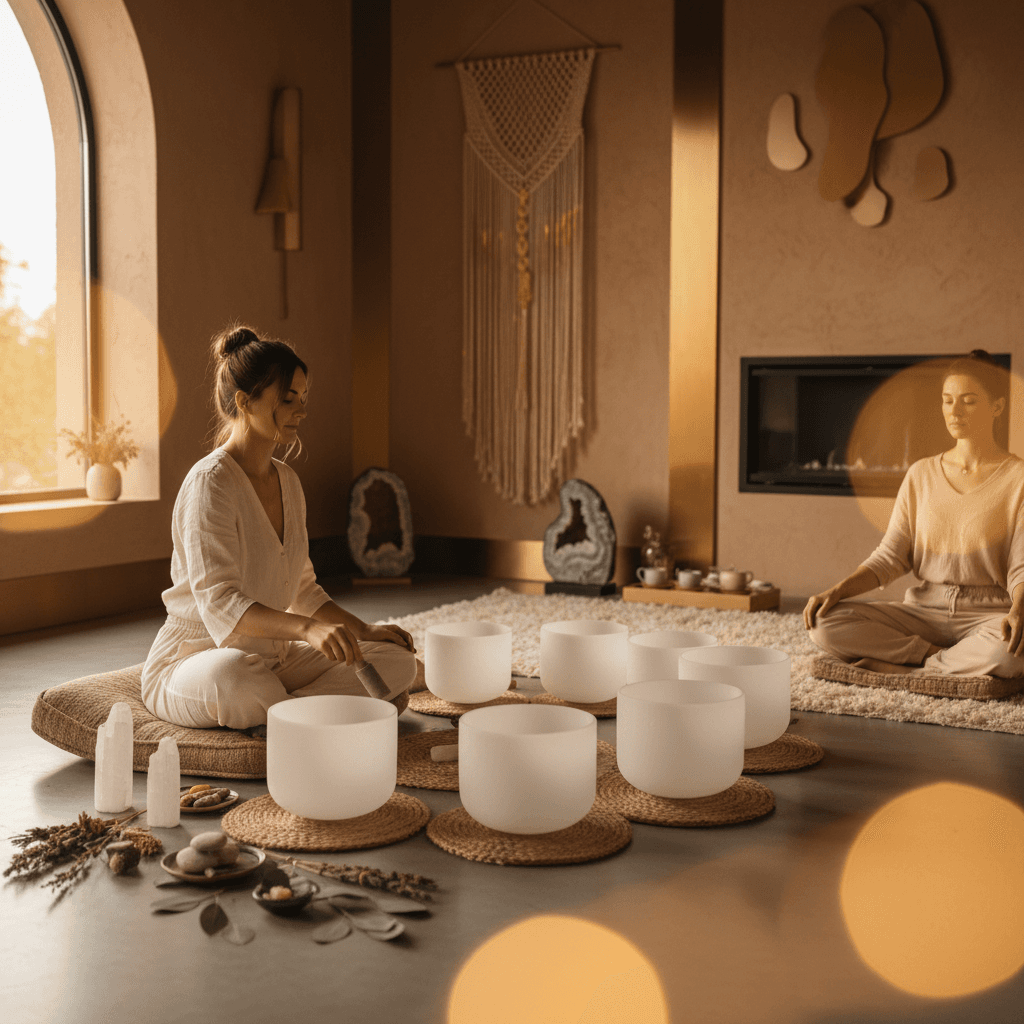
The beauty of sound wellness lies in its ability to induce a state of deep relaxation. As the frequencies wash over you, many people report a palpable shift in their physical and mental state. The gentle, rhythmic pulses of singing bowls or the resonant tones of gongs can slow brainwave activity, shifting from busy beta waves to more relaxed alpha and theta states. This change is not merely psychological; it is physiological. The heart rate may decrease, blood pressure may normalize, and muscle tension may dissipate. This reduction in physiological arousal directly counters the chronic stress response that often accompanies parenthood.
In this deeply relaxed state, the body activates its parasympathetic nervous system – the "rest and digest" mode. This allows for a significant decrease in stress hormones like cortisol, which are typically elevated during periods of high parental stress. As cortisol levels lower, the body moves out of its "fight or flight" response, creating space for emotional release and mental clarity. Many clients describe feeling an unburdening, a letting go of accumulated tension they may not have even realized they were holding.
Cultivating Relational Resilience Through Individual Well-being
While the immediate benefits are personal, the ripple effect on partner dynamics and parenting can be profound. When an individual parent experiences consistent periods of deep relaxation and stress reduction, they become more emotionally regulated. This enhanced emotional regulation means they are better equipped to handle the inevitable stressors of parenting without reacting impulsively or harshly. They may find themselves more patient, more present, and more empathetic with their children and their partner.
Consider the research on how positive couple behaviors, such as openly sharing emotions or initiating physical contact, are strong predictors of positive parenting (Faircloth et al., 2011). When parents are individually less stressed and more emotionally resourced, they are naturally more inclined and able to engage in these supportive couple behaviors. A calmer nervous system supports clearer communication and a greater capacity for empathy, making it easier to connect with a partner, listen actively, and offer genuine emotional support. This in turn strengthens the couple's bond, creating a virtuous cycle where individual well-being reinforces relational health, which then positively impacts the entire family system.
"The quiet moments of internal recalibration through sound are not just for self-preservation; they are an investment in the emotional landscape of your family, creating a fertile ground for connection and understanding."
This holistic approach recognizes that you cannot pour from an empty cup. By prioritizing the individual well-being of each parent through sound wellness, Soul Art helps to replenish those cups, allowing them to bring their best, most resilient selves to their partnership and their parenting journey.
The Soul Art Approach: Larissa Steinbach's Signature Method
At Soul Art, Dubai's premier sound wellness studio, Larissa Steinbach has meticulously developed an approach that goes beyond mere relaxation, aiming for deep nervous system regulation and holistic well-being. Larissa understands that parenting stress often requires a nuanced and profound intervention, one that speaks to the deepest parts of our being. Her signature method is built on a foundation of scientific understanding, intuitive artistry, and a deep commitment to creating a sanctuary for transformation.
Larissa's philosophy centers on the belief that sound is not just heard, but felt. She emphasizes that the body is a resonant chamber, and the right frequencies can help to realign its natural rhythm, bringing it back to a state of balance. This is particularly crucial for parents navigating chronic stress, whose nervous systems often remain in a perpetual state of alert. The Soul Art approach is designed to gently guide the body and mind out of this sympathetic dominance, allowing for profound rest and restoration.
Unique Instruments and Techniques
What makes the Soul Art method truly unique is Larissa Steinbach’s curated selection of instruments and her masterful application of their vibrational properties. Clients experience the rich, multidimensional sounds of:
- Himalayan Singing Bowls: Hand-hammered and tuned to specific frequencies, these bowls produce deeply resonant tones and palpable vibrations that are placed directly on or around the body. These vibrations can penetrate deep into tissues, promoting cellular relaxation and releasing tension.
- Crystal Singing Bowls: Made from pure quartz crystal, these bowls produce clear, sustained tones that resonate with subtle energy centers, often described as purifying and uplifting. Their high-frequency sounds can induce deep meditative states.
- Gongs: Used strategically, gongs create expansive, immersive soundscapes that can quickly shift brainwave states, leading to profound relaxation and often an altered state of consciousness where worries dissipate.
- Chimes and Other Percussion: Delicate chimes and other resonant percussion instruments are used to punctuate the sound journey, offering moments of gentle awakening or deep immersion, adding layers to the sonic tapestry.
Larissa integrates these instruments with guided meditation and conscious breathwork. She carefully crafts each session, intuitively responding to the energy and needs of her clients, creating a personalized experience that fosters safety and encourages vulnerability. Her sessions are not merely concerts; they are intentional sound journeys designed to facilitate specific outcomes: reduced anxiety, improved sleep, heightened clarity, and a renewed sense of calm.
Beyond the Session: Sustained Well-being
The Soul Art approach extends beyond the studio walls. Larissa empowers clients with simple practices and mindful awareness strategies they can integrate into their daily lives to sustain the benefits of their sound wellness experiences. She helps parents understand how to tap into their own inner resilience, utilizing the lessons learned during their sessions to navigate daily stressors with greater equanimity.
By focusing on deep nervous system regulation and providing a safe space for parents to release and recalibrate, Larissa Steinbach and Soul Art offer a vital complementary service. It supports parents in rediscovering their inner calm, which in turn enhances their capacity for emotional support within their partnership, ultimately contributing to a more harmonious and resilient family unit. The Soul Art experience in Dubai is a testament to the transformative power of intentional sound, meticulously applied to support the intricate dance of modern parenthood.
Your Next Steps: Cultivating Calm and Connection
Navigating the complexities of parenting while maintaining a strong, supportive partnership requires intentional effort and effective stress management strategies. Understanding the profound potential of sound wellness is the first step; integrating it into your life, either individually or as a couple, is the next. Here are some actionable steps you can take today to cultivate greater calm, enhance your partner support, and foster a more harmonious family environment:
- Prioritize Conscious De-stressing: Recognize that managing your own stress is not a luxury, but a necessity for your well-being and the health of your partnership. Dedicate specific time each week, even if it's just 20-30 minutes, to an activity that genuinely helps you unwind and reset. This could be a sound bath, a quiet walk, or deep breathing exercises.
- Open the Dialogue with Your Partner: Initiate conversations about your individual stress levels and how you can better support each other. Based on research, direct communication about needs and offering emotional support are crucial for mitigating parenting stress. Actively listen and validate each other’s experiences without judgment.
- Explore Sound Wellness: Consider experiencing a professional sound wellness session. Soul Art Dubai, founded by Larissa Steinbach, offers carefully crafted sound experiences designed to induce deep relaxation and nervous system regulation. This complementary practice can serve as a powerful tool for individual stress relief, which then naturally extends to improved relational dynamics.
- Integrate Micro-Moments of Sound: You don't always need a formal session to benefit from sound. Explore calming soundscapes, gentle instrumental music, or even guided meditations incorporating sound during short breaks in your day. Just 5-10 minutes can help to shift your state and re-center.
- Practice Mindful Presence: After experiencing sound wellness, aim to bring that sense of calm and presence into your interactions with your partner and children. Mindful presence allows you to respond thoughtfully rather than react impulsively, strengthening your connections and fostering a more peaceful home environment.
Taking these steps is an investment in yourself, your partner, and the flourishing of your family. The journey of parenthood is enriched when supported by a strong foundation of mutual well-being and understanding.
In Summary: Resonating with Resilience
Parenting is an incredible journey, yet it’s undeniably challenging, often leading to significant stress that can impact both individual well-being and the crucial foundation of partner relationships. Scientific research consistently highlights that robust emotional support between partners acts as a powerful buffer against parental distress, promoting positive parenting outcomes and fostering healthier child development. When parents feel supported, their capacity for empathy, patience, and effective communication flourishes.
Sound wellness, as expertly guided by Larissa Steinbach at Soul Art Dubai, offers a profound complementary pathway to achieving this vital equilibrium. By utilizing specific frequencies and vibrations, sound sessions help to regulate the nervous system, reduce stress hormones, and foster deep relaxation. This individual calm then radiates outwards, enhancing a parent's capacity for supportive interaction and strengthening the marital bond. Embracing sound is not just about personal stress relief; it's about investing in the harmonious resonance of your entire family. Discover this transformative potential for yourself and your partner at Soul Art.
Bookings Coming Soon
Soul Art is still in preparation. Session details and booking will be published here after launch.
Coming Soon
Related Articles
Anniversary Sound: Deepening Love Through Vibrational Wellness
Sound for Recommitment: Deepening Vows with Soul Art
Attachment Styles: Sound for Security – Building Inner Resilience