Harmonizing Hearts: The Science of Parent-Child Sound Bonding

Key Insights
Discover how parent-child sound activities, from lullabies to shared rhythms, scientifically strengthen bonds, reduce stress, and foster communication. Explore Soul Art Dubai's unique approach.
Harmonizing Hearts: The Profound Science of Parent-Child Sound Bonding
Imagine a world where the simplest melodies and rhythms could weave an unbreakable tapestry of connection between you and your child. While often overlooked amidst the daily hustle, shared sound experiences are a powerful, scientifically-backed pathway to deeper parent-child bonds, fostering emotional resilience and mutual understanding. Far beyond mere entertainment, these activities tap into ancient human instincts for connection and co-regulation.
In today's fast-paced environment, finding meaningful ways to truly connect with your child can feel like a monumental task. Parents frequently seek innovative methods to nurture these vital relationships amidst work, school, and myriad responsibilities. Sound wellness offers a profound, yet often underestimated, avenue for forging stronger emotional ties.
This comprehensive guide will explore the deep scientific foundations of parent-child sound bonding. We will delve into the neurochemistry of attachment, examine how music enhances communication and cooperation, and reveal the unique benefits experienced through a dedicated sound wellness practice, particularly at Soul Art Dubai, founded by Larissa Steinbach. Prepare to discover how harmonious interactions can transform your family's wellbeing.
The Profound Science of Parent-Child Sound Bonding
The impact of sound and music on human connection is not merely anecdotal; it is deeply rooted in our biology and psychology. When parents and children engage in shared musical activities, a cascade of physiological and emotional responses unfolds, profoundly strengthening their relationship. This intricate dance of sound and sensation creates a unique bond that transcends words.
Understanding these underlying mechanisms provides a robust foundation for appreciating the value of sound-based parent-child interactions. From the release of neurochemicals to the development of cognitive skills, the benefits are extensive and far-reaching. Let’s explore the key scientific principles at play.
The Neurochemistry of Connection
One of the most remarkable aspects of parent-child musical interaction is its direct impact on neurochemistry. When parents and children share musical moments, their brains release oxytocin, often referred to as the “love hormone.” This powerful neurochemical fosters feelings of trust, attachment, and deep emotional bonding.
Research from Harvard Medical School highlights that engaging in music activities can significantly enhance parent-child attachment by promoting trust and reducing stress. Furthermore, a study published in Frontiers in Psychology found that parent-child musical interactions notably improved emotional closeness and cooperative behavior. These findings underscore the profound, biological basis for sound-enhanced connection.
The calming and regulating effects of sound can also reduce cortisol levels, the primary stress hormone, in both parent and child. This creates a more serene and receptive environment, allowing for deeper emotional engagement and less friction in daily interactions. A relaxed state is fundamental for genuine connection and learning.
Non-Verbal Communication and Emotional Expression
Music provides an extraordinarily rich and accessible non-verbal language, especially crucial for young children who are still developing their verbal skills. Singing, clapping, and dancing together allow both parents and children to express and understand emotions without needing complex vocabulary. This shared emotional landscape builds empathy and mutual understanding.
Through rhythmic interplay and melodic expressions, parents can attune to their child's emotional state, responding with comfort or joyful engagement. This reciprocal communication strengthens the emotional tether between them. Such interactions also provide a safe space for children to explore their feelings, helping them to develop emotional literacy.
The act of expressing emotions through sound can be liberating for children, offering an alternative outlet when words are insufficient. This non-verbal communication lays a strong foundation for future verbal and social skills. It teaches children that their feelings are valid and can be shared and understood.
Synchronization, Trust, and Cooperation
Engaging in musical activities that require synchronization, such as singing a duet or playing instruments in rhythmic harmony, profoundly fosters a sense of togetherness. This shared timing and movement build a unique form of trust and cooperation between participants. Research consistently shows that synchronized activities are powerful tools for strengthening social bonds.
A study with 200 parent-child pairs over a year observed that families engaged in parent-child music interaction experienced a 40% reduction in conflict frequency. This remarkable outcome suggests that shared musical activities can enhance conflict resolution skills. Parents and children learn to express thoughts and needs in a gentler, more tolerant manner.
Facing and overcoming challenges together, like mastering a complex rhythm exercise, strengthens mutual trust and a collaborative spirit. This shared accomplishment deepens their cooperative bond, mitigating potential conflicts and fostering a more harmonious family environment. Synchronization truly creates a shared pulse within the family unit.
Cognitive and Developmental Benefits
Beyond emotional and social gains, parent-child sound activities offer significant cognitive and developmental advantages. The same study involving 200 parent-child pairs found that participants demonstrated significantly superior basic musical skills, including pitch discrimination and rhythm perception, compared to a control group. These foundational skills are crucial for overall cognitive development.
The Orff music education approach, which emphasizes learning through music games and improvisation, perfectly illustrates these benefits. In these interactions, children have the opportunity to play various simple instruments like wooden fish, shakers, and handbells. This exploration helps them understand sound characteristics and develop fine motor skills.
Furthermore, studies indicate that children involved in parent-child music interaction engage in exploratory activities 50% more frequently than those in a control group. Their strong curiosity and desire to learn about music drive deeper exploration, encouraging a transition from surface-level exposure to in-depth engagement. This fosters a lifelong love for learning and creativity.
Bringing Sound Bonding to Life: Practical Applications
Understanding the science behind parent-child sound bonding is the first step; the next is to integrate these insights into daily life. The beauty of sound wellness is its accessibility, offering numerous practical applications that can profoundly enhance family dynamics. These activities are not about achieving musical perfection, but about shared experience and connection.
From simple lullabies to active musical play, these interactions translate scientific principles into tangible, heartwarming moments. They create a consistent thread of positive connection that can help families navigate the complexities of modern life. It's about making sound a central part of your family's emotional landscape.
Consider the gentle power of a parent’s voice. As highlighted by Play Matters, familiar lullabies or calming songs are instrumental in helping children relax, feel secure, and prepare for sleep or quiet time. The familiar sound of a parent’s voice singing is especially comforting, directly strengthening the parent-child bond and providing invaluable emotional reassurance. This simple act is a profound attachment builder.
Music can also be dynamically energizing or wonderfully calming, depending on the context and a child’s specific needs. Using music to help children navigate tricky moments, such as transitions or stressful situations, provides distraction, comfort, and a crucial sense of routine. Imagine a playful song making bedtime easier or a rhythmic activity transforming a difficult morning.
The Vanderbilt Music Cognition Lab’s research emphasizes the importance of informal musical experiences at home, such as parents singing to or moving with their child. Their findings suggest that these everyday parent-child musical experiences are associated with more positive parent-child attachment. The key is consistent, joyful engagement, not structured lessons.
Activities that afford opportunities for parents and children to have productive, active roles in a social context are particularly beneficial. Dancing together, engaging in musical games, or collaboratively creating simple melodies or lyrics using instruments like shakers or handbells can unleash a child's imagination. This collaborative play, consistent with the Orff approach, deepens mutual engagement and joy.
"The most powerful melodies are often not the grandest, but the quietest harmonies shared between a parent and child, echoing the rhythm of a beating heart."
These shared, active musical experiences foster not just attachment, but also prosocial behaviors such as helping and cooperation. When children and parents engage physically and emotionally through sound, they build a shared history of positive, connected moments that reinforce their bond day after day.
Soul Art's Unique Approach to Parent-Child Sound Journeys
At Soul Art Dubai, founded by the visionary Larissa Steinbach, the understanding of parent-child sound bonding is elevated to an art form. We integrate these scientific principles into uniquely crafted sound wellness experiences designed to foster deep connection, relaxation, and emotional harmony for families. Our approach goes beyond simple musical play, creating an immersive journey for both parent and child.
Larissa Steinbach's philosophy centres on creating a serene and intentional space where sound becomes a medium for healing and connection. The Soul Art method combines gentle, resonant instruments with mindful guidance, allowing families to co-create a deeply restorative experience. This environment is meticulously designed to reduce external distractions and enhance internal attunement.
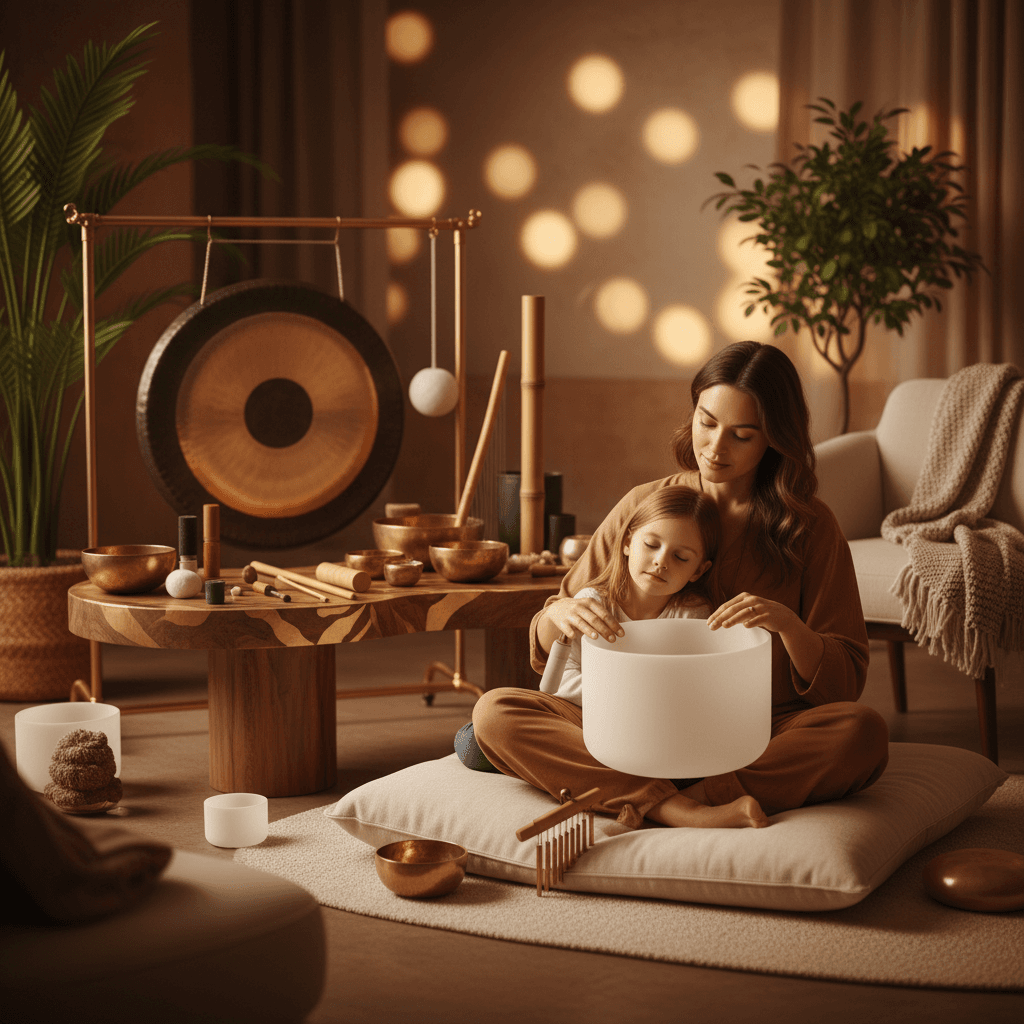
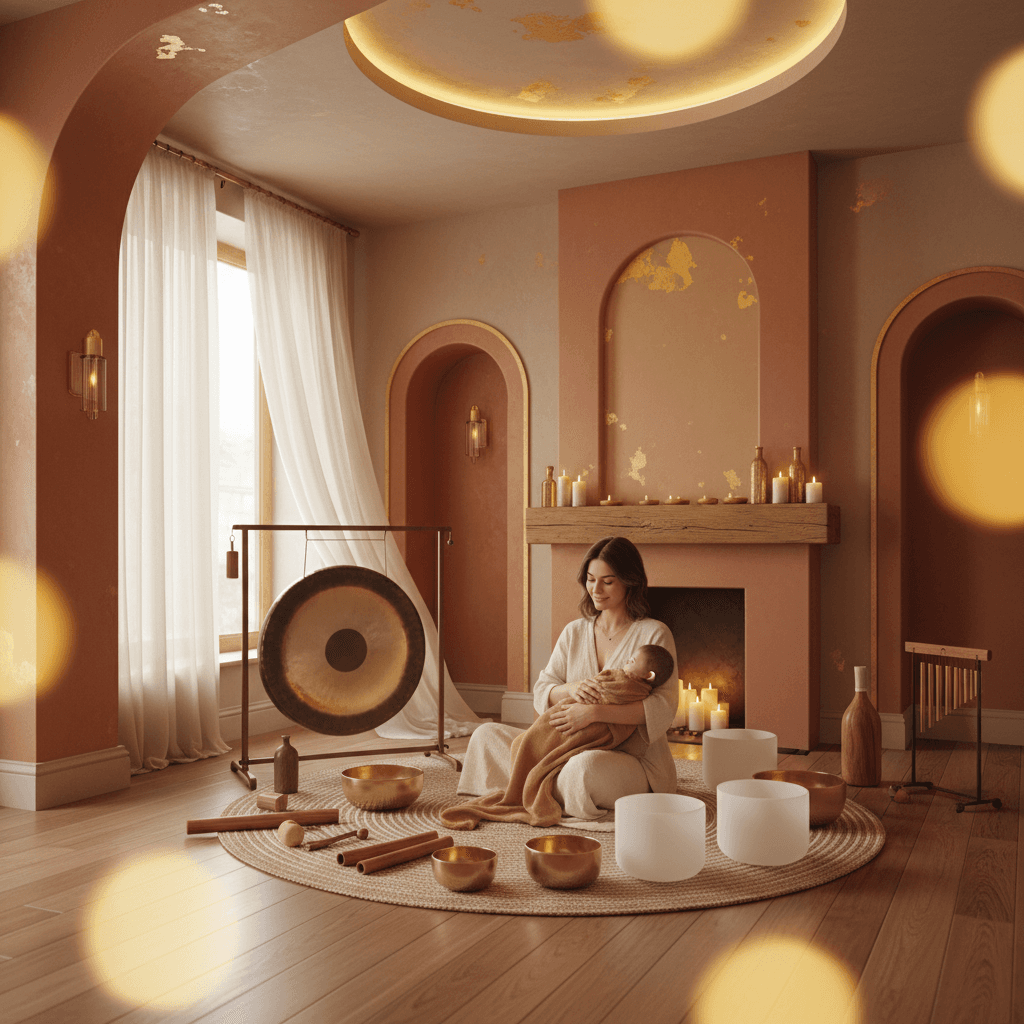
We utilize a carefully curated selection of ancient and contemporary sound instruments known for their profound vibrational qualities. This includes the pure tones of crystal singing bowls, the deep resonance of gongs, and the ethereal melodies of chimes and various percussion instruments. These sounds are chosen specifically for their ability to soothe the nervous system and promote a meditative state in both children and adults.
During a Soul Art parent-child sound journey, families are gently guided through interactive soundscapes. Children are encouraged to explore simple instruments, understanding their unique sounds and vibrations, while parents participate alongside them. This shared exploration becomes a powerful non-verbal dialogue, strengthening their mutual understanding and emotional synchronicity.
The Soul Art experience, under Larissa Steinbach's guidance, focuses on cultivating emotional co-regulation and attachment. It’s a complementary approach where parents and children learn to listen deeply – not just to the sounds, but to each other. This mindful presence is key to unlocking the full potential of sound bonding, making each session a profound journey of connection and peace.
Nurturing Your Bond: Actionable Steps for Today
Integrating sound into your parent-child relationship doesn't require musical expertise or expensive instruments. The most impactful changes often come from simple, consistent efforts that prioritize connection. Here are actionable steps you can implement today to begin nurturing your bond through sound:
- Create a Daily Sound Ritual: Start or end your day with a short, intentional sound activity. This could be singing a favorite lullaby, humming a calming tune, or playing a gentle rhythm together using household items as instruments. Consistency builds anticipation and strengthens routine.
- Mindful Listening: Dedicate time to simply listen to music together, paying attention to different instruments, rhythms, and emotions. Ask your child what sounds they like, fostering their auditory awareness and preferences. This shared focus enhances connection.
- Embrace Playful Rhythms: Engage in spontaneous rhythmic play. Clap hands, tap feet, or use simple percussion instruments like shakers or handbells to create patterns. Encourage improvisation and mimicry, which builds cooperation and communication skills.
- Dance and Movement: Put on some music and simply move your bodies together. Dancing is a joyful, synchronized activity that releases endorphins and oxytocin, deepening your bond through shared physical expression. It doesn't need to be choreographed; just free movement.
- Explore Guided Sound Experiences: Consider trying a professional sound wellness session designed for parent-child dyads, such as those offered by Soul Art. These structured, yet gentle, experiences can provide a profound baseline for relaxation and connection, guiding you into deeper states of harmony.
By regularly incorporating these sound-based activities, you are actively investing in a richer, more harmonious relationship with your child. These practices are not just fleeting moments of joy; they are foundational building blocks for a lifetime of secure attachment and emotional well-being.
In Harmony: A Recap of Sound Bonding's Power
The journey into parent-child sound bonding reveals a landscape rich with scientific evidence and heartwarming possibilities. We've explored how shared musical interactions ignite the release of oxytocin, the "love hormone," fostering trust and attachment. We've seen how sound acts as a powerful non-verbal language, enhancing communication and emotional expression, especially for young children.
Furthermore, synchronized musical activities have been shown to significantly reduce conflict and build cooperative behaviors, creating a more harmonious family environment. These engagements also contribute to vital cognitive development, improving skills like pitch discrimination and rhythm perception. Under Larissa Steinbach's thoughtful guidance, Soul Art Dubai offers unique, immersive sound wellness experiences designed to harness these profound benefits.
Embracing parent-child sound bonding is an invaluable investment in your family's emotional health and connection. It’s a complementary wellness practice that offers deep relaxation, reduces stress, and cultivates lasting memories. We invite you to explore the transformative power of sound and experience the profound harmony that awaits you and your child at Soul Art.
Bookings Coming Soon
Soul Art is still in preparation. Session details and booking will be published here after launch.
Coming Soon
Wellness Disclaimer: This article is for educational and informational purposes only. It does not constitute medical advice, diagnosis, or treatment. Soul Art Dubai provides non-medical wellness experiences focused on relaxation, stress management, and general wellbeing. Sound wellness is a complementary practice and should not replace professional medical care.
Related Articles
Moving Home: How Sound Wellness Supports Child Adaptation
Sound Wellness for Sibling Adjustment: Nurturing Family Harmony

Teen Identity & Sound: Self-Discovery for Adolescents at Soul Art Dubai