Sound Wellness: A Complementary Path to Pain Management
Key Insights
Explore how sound therapy, offered by Soul Art in Dubai, complements traditional pain management, reducing discomfort and enhancing well-being.
Have you ever considered that the gentle resonance of a singing bowl or the harmonious layering of a soundscape could play a role in managing physical discomfort? In an era where holistic well-being is increasingly valued, the potential of sound as an adjunct therapy in pain management clinics is emerging as a fascinating frontier. It’s a concept that marries ancient wisdom with contemporary scientific inquiry, offering a gentle yet profound pathway to support overall comfort.
This article delves into the fascinating world of sound wellness, exploring its scientific underpinnings and practical applications as a complementary approach to pain management. We will uncover how specific frequencies and auditory experiences may interact with our physiological and psychological states, potentially alleviating discomfort and fostering a deeper sense of calm. Join us as we explore how this non-invasive method is gaining recognition and how studios like Soul Art, led by Larissa Steinbach in Dubai, are pioneering its integration into modern wellness practices.
The Science Explained: Unpacking Sound's Impact on Pain Perception
The experience of pain is a complex interplay of sensory input, emotional response, and cognitive interpretation. It’s not merely a physical sensation but a highly personalized and intricate neurological process. When we introduce sound into this equation, we begin to explore pathways that may influence how the brain processes and perceives discomfort.
The Auditory-Nervous System Connection
Our auditory system is intricately linked with our nervous system, including regions responsible for emotional regulation, memory, and even pain processing. Sound travels as vibrations, which are then converted into electrical signals the brain interprets. These signals can influence the autonomic nervous system, shifting it from a state of "fight or flight" (sympathetic dominance) to one of "rest and digest" (parasympathetic dominance). This physiological shift is crucial for relaxation and can significantly impact the body's pain response.
Some preliminary studies suggest that targeted sound, such as binaural beats or specific musical compositions, may help to induce brainwave states associated with deep relaxation, like alpha and theta waves. These states are often linked with reduced anxiety and an increased capacity for self-regulation, which can be beneficial in managing the psychological components of pain. By promoting a calmer internal environment, sound wellness may create conditions conducive to the body's natural healing processes.
Music-Induced Analgesia: A Multifaceted Mechanism
Research into music and sound therapy as an adjuvant in pain management has explored several intriguing mechanisms. One prominent theory is distraction. When engaging with pleasant or immersive sounds, the brain’s attention is diverted away from pain signals. This cognitive redirection can reduce the intensity of pain perception, offering a temporary but welcome reprieve. Studies have shown that listening to music can significantly reduce pain unpleasantness, as evidenced by electroencephalogram (EEG) studies.
Another key mechanism involves hormone release and emotion regulation. Engaging with calming or preferred music has been associated with the release of neurochemicals such as endorphins, the body's natural painkillers, and oxytocin, a hormone linked to bonding and relaxation. These biochemical shifts can elevate mood, reduce feelings of tension, and improve emotional coping mechanisms, all of which are vital when navigating persistent discomfort. The mesolimbic dopaminergic system, involved in reward and pleasure, is also thought to contribute to music's affective component and its potential analgesic effects.
Evidence from Clinical Settings
The application of sound and music in clinical settings is garnering increasing attention. Multiple studies have demonstrated the utility of music as an adjunct therapy in postoperative pain management. For instance:
- Studies in China and South Korea indicated music was an effective therapy for surgical pain among colonoscopy patients.
- An Indian study among postoperative orthopedic patients revealed a statistically significant reduction in pain scores for an experimental group receiving music. It concluded that music is a beneficial complement to pain medication.
- A study involving postoperative tibia/fibula fractured patients found that the intervention group receiving music therapy plus conventional care showed significantly lower pain levels compared to the control group. These findings suggest that music as an adjuvant therapy can significantly reduce pain intensity after surgery more than routine care including analgesics alone.
Beyond surgery, the benefits extend to other acute and chronic conditions. A real-world study involving intubated surgical intensive care unit patients showed that natural sound therapy provided significant relief from pain intensity and reduced agitation during and immediately after endotracheal suctioning. For chronic pain, while research is still evolving, sound baths and binaural beats have been explored for their potential to help with pain management, possibly reducing dependence on medication, though more high-quality studies are needed to draw complete conclusions about their effect on pain perception. The ability of music to lower the requirement for analgesics in patients further underscores its value.
"The subtle power of sound lies in its ability to gently guide the mind away from the grip of discomfort, inviting a state of inner calm where healing may begin."
The consistent finding across various studies is that music and sound interventions act as valuable adjuncts to conventional treatments. They don't replace necessary medical care or medication but enhance overall patient well-being, potentially improving pain management outcomes and, in some cases, reducing the use of pharmacological interventions and their associated adverse effects. However, it's crucial that any sound-based therapy, especially for chronic pain patients, is mindful of auditory content and loudness, as heightened sensory sensitivity can be a factor. Individualized approaches, often incorporating active listening and personalized soundscapes, are key.
How It Works in Practice: The Transformative Experience of Sound
Translating scientific principles into a tangible, beneficial experience is where sound wellness truly shines. Imagine stepping into a tranquil space, away from the constant demands of daily life, where every element is designed to soothe your senses and quiet your mind. This is the essence of a sound wellness session, an immersive journey that can profoundly impact one's experience of discomfort.
The Journey into Sound
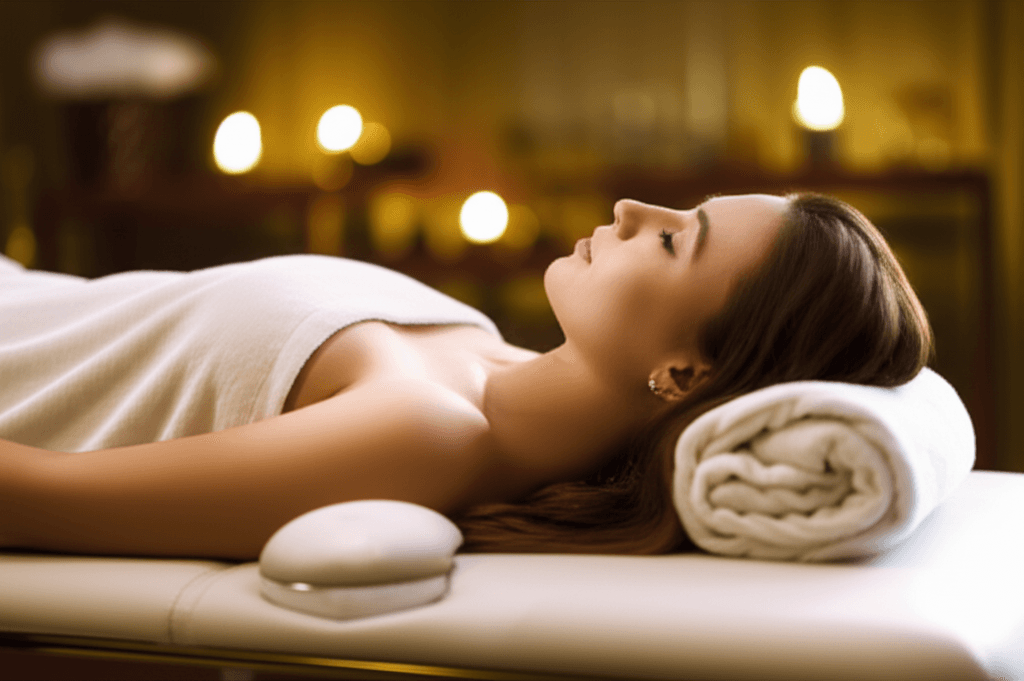
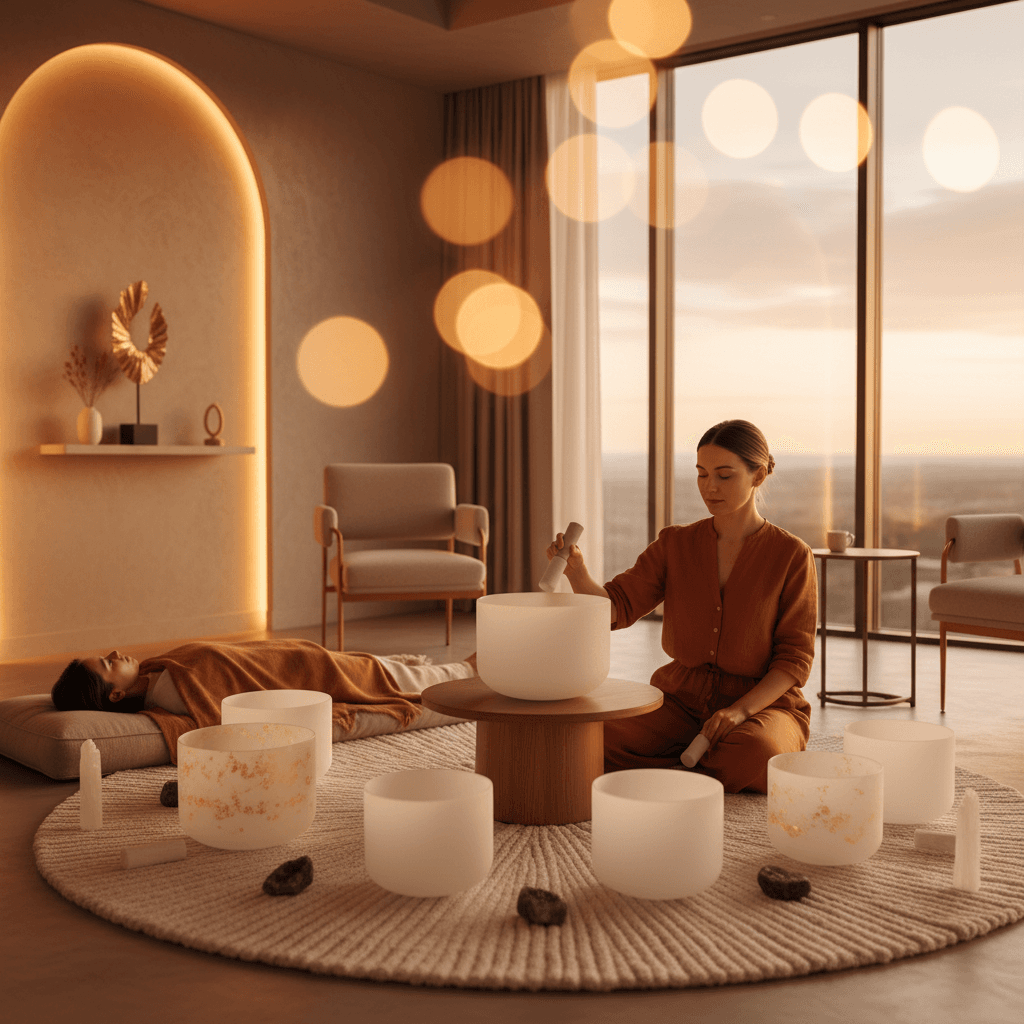
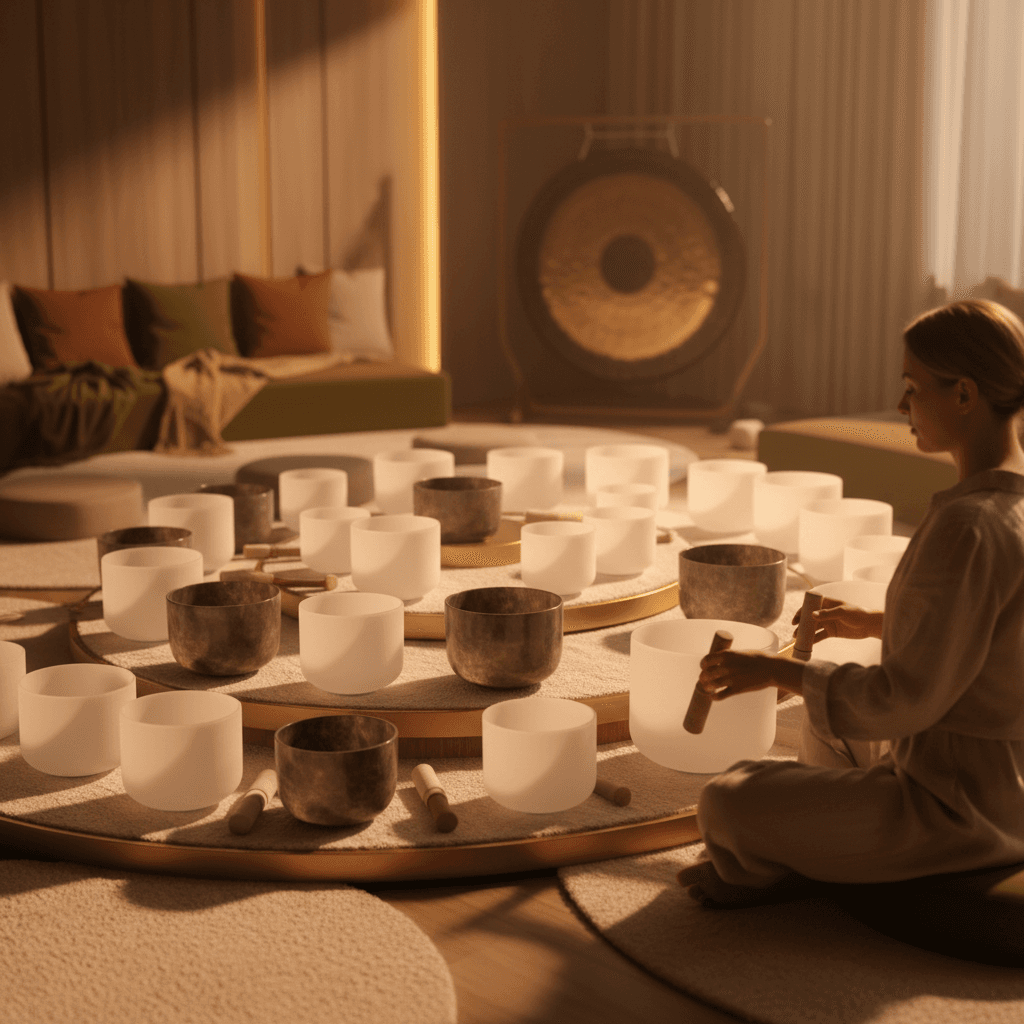
During a sound wellness session, clients typically recline comfortably, often covered by a soft blanket, allowing their bodies to fully relax. The practitioner then introduces a carefully curated symphony of sounds using various instruments. These might include crystal singing bowls, Tibetan singing bowls, gongs, chimes, tuning forks, or even specialized vocalizations. Each instrument produces unique frequencies and vibrations that resonate not just through the air, but also through the body itself.
As the sounds wash over you, a gentle shift begins. The auditory input acts as a focal point, drawing your attention away from internal chatter and external stressors. The body, being largely water, is an excellent conductor of these vibrations. Many people report feeling these subtle currents moving through their tissues, creating a deep sense of internal massage and release. This tactile experience, combined with the auditory immersion, can be deeply grounding and calming.
Shifting Perception and Promoting Relaxation
The experience extends beyond mere auditory pleasure. The sustained tones and harmonic frequencies encourage the brain to downshift from its active, beta wave state to more relaxed alpha and theta states. In these states, the mind becomes quieter, the body loosens its grip on tension, and a profound sense of peace can emerge. This deep relaxation is invaluable for individuals dealing with pain, as tension often exacerbates discomfort.
By inducing this state of profound relaxation, sound wellness may help to:
- Reduce muscle tension: A common contributor to both acute and chronic pain.
- Lower stress hormones: Creating an internal environment less prone to the physiological amplification of pain signals.
- Improve mood: Addressing the emotional burden that often accompanies persistent discomfort.
- Enhance self-awareness: Allowing individuals to connect with their bodies in a gentle, non-judgmental way, which can foster a more positive relationship with their physical experience.
The beauty of sound wellness lies in its non-invasive nature and its capacity to meet each individual where they are. The experience is highly personal; while one person might focus on the soothing melodies, another might deeply feel the vibrations in specific areas of their body. Both paths lead to a space of potential relief and renewed internal balance, offering a unique avenue for self-management and improved well-being alongside conventional treatments.
The Soul Art Approach: Larissa Steinbach's Vision for Holistic Well-being
At Soul Art, Dubai’s premier sound wellness studio, Larissa Steinbach has cultivated a unique approach that integrates the scientific understanding of sound with a deep reverence for individual well-being. Her vision is to offer a sanctuary where the transformative power of sound can be harnessed to support a spectrum of needs, including acting as a gentle complement to pain management strategies.
Expertise and Personalized Journeys
Larissa Steinbach, the founder of Soul Art, brings a profound understanding of sound frequencies and their impact on the human system. Her method is rooted in the belief that while the scientific principles of sound are universal, the experience and needs of each individual are entirely unique. This underpins Soul Art's commitment to personalized care, ensuring that each session is thoughtfully curated to align with the client’s specific intentions, whether it’s for deep relaxation, stress reduction, or supporting their journey with discomfort.
At Soul Art, the experience is meticulously designed to be immersive and deeply restorative. The studio environment itself is crafted to be a haven of tranquility, preparing clients for the profound sonic journey ahead. Larissa and her team understand that when addressing pain, an empathetic and supportive atmosphere is paramount. They guide clients through the experience with gentle expertise, fostering a sense of safety and allowing for complete surrender to the healing frequencies.
Curated Soundscapes and Vibrational Healing
Soul Art employs a diverse range of exquisite instruments, each chosen for its unique vibrational qualities and therapeutic potential. These often include:
- Alchemy Crystal Singing Bowls: Renowned for their pure tones and resonant vibrations, which can deeply penetrate the body.
- Symphonic Gongs: Their expansive sounds create a complex sonic tapestry that encourages profound relaxation and release.
- Therapeutic Chimes and Tuning Forks: Used for targeted vibrational work, which may help to alleviate localized tension.
- Custom-designed Soundscapes: Tailored compositions that integrate specific frequencies and natural sounds to promote desired states, such as deeper relaxation or emotional balance.
Larissa Steinbach's expertise lies in her ability to weave these elements together into coherent sound journeys. For clients seeking support for discomfort, the focus is often on creating soundscapes that promote parasympathetic nervous system activation, thereby reducing stress and tension which can exacerbate pain. The sessions are not merely passive listening; they are active engagements with vibration, encouraging the body and mind to find a state of equilibrium. Soul Art’s approach is about facilitating an internal shift, empowering clients to tap into their innate capacity for self-regulation and well-being. It is a harmonious blend of art, science, and compassionate care, making Soul Art a distinguished destination for sound wellness in Dubai.
Your Next Steps: Integrating Sound into Your Wellness Routine
Embracing sound wellness as a complementary strategy for managing discomfort can be a truly transformative experience. It’s an accessible, gentle, and profoundly enjoyable way to support your body and mind. If you’re curious about exploring the potential benefits of sound, here are some actionable steps you can take today:
- Explore Guided Sound Meditations: Many online platforms offer free or subscription-based guided sound meditations, including sound baths and binaural beats. Start with short sessions (10-15 minutes) to familiarize yourself with the experience and observe how your body responds.
- Curate Personal Soundscapes: Create playlists of calming music, nature sounds, or ambient tracks that resonate with you. Listen during moments of rest, before sleep, or when you feel discomfort beginning to emerge, to help shift your focus and promote relaxation.
- Investigate Local Sound Wellness Studios: Research reputable sound wellness practitioners or studios in your area, such as Soul Art in Dubai. Experiencing a facilitated session with an expert like Larissa Steinbach can offer a deeper, more immersive journey and guidance tailored to your needs.
- Integrate Regular Listening into Your Routine: Consistency is key. Even short, daily engagements with intentional sound can build cumulative benefits, helping to regulate your nervous system and support a more resilient state of well-being.
- Journal Your Experience: After listening to sound or participating in a session, take a few moments to note how you feel physically, mentally, and emotionally. This self-reflection can help you identify patterns and understand the specific ways sound supports your individual wellness journey.
Remember, sound wellness is a powerful self-care practice and a complementary approach to well-being. It’s not a substitute for professional medical advice or treatment but can be a profound enhancement to your holistic health regimen. Take the first step towards a more harmonious existence.
Bookings Coming Soon
Soul Art is still in preparation. Session details and booking will be published here after launch.
Coming Soon
In Summary: Harmonizing Well-being Through Sound
The journey through the science and practice of sound wellness reveals a compelling narrative: sound is a powerful, non-invasive tool that may serve as a valuable complement to traditional pain management. From its ability to distract the mind and regulate emotions to its potential to influence physiological responses, sound offers a holistic pathway to support overall comfort and well-being. While not a medical treatment, its capacity to foster deep relaxation, reduce stress, and potentially lower the perception of discomfort is increasingly supported by scientific inquiry and anecdotal reports.
As we continue to seek comprehensive approaches to health, the ancient wisdom of sound, revitalized by modern understanding, stands ready to offer solace and support. Larissa Steinbach and Soul Art in Dubai are at the forefront of this movement, providing expertly guided experiences that invite you to explore the profound healing potential within harmonious frequencies. Discover how the subtle art of sound can bring a new dimension of peace and balance to your life.
Wellness Disclaimer: This article is for educational and informational purposes only. It does not constitute medical advice, diagnosis, or treatment. Soul Art Dubai provides non-medical wellness experiences focused on relaxation, stress management, and general wellbeing. Sound wellness is a complementary practice and should not replace professional medical care.
Related Articles

40 Hz Sensory Stimulation and Alzheimer's Research
Unlocking Wellness: The Science of Sound Healing Research Design
Unlocking Wellness: Biomarkers for Effective Sound Therapy