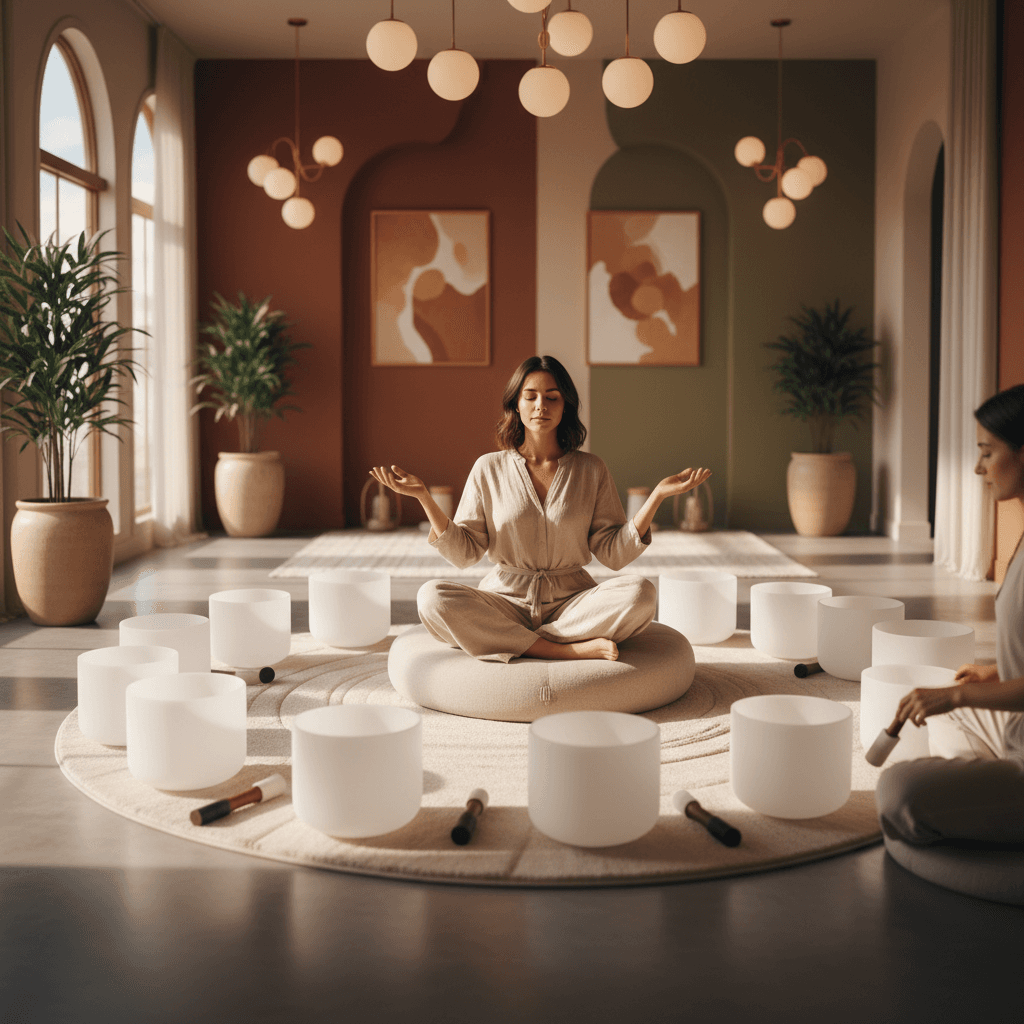
Harmonizing Elder Care: Sound Healing in Long-Term Facilities
Key Insights
Explore how sound healing enhances well-being, reduces anxiety, and supports holistic health for seniors in long-term care, backed by science.
Could the gentle resonance of a gong or the soothing hum of a singing bowl unlock a profound sense of peace and well-being for our elders in long-term care? It’s a question that many are now asking, as scientific research increasingly points towards the remarkable therapeutic potential of sound. Often overlooked, the auditory landscape of nursing homes can significantly impact resident comfort and health.
In environments where residents may experience chronic pain, anxiety, and a sense of disconnection, innovative, non-pharmacological approaches are vital. This article delves into the burgeoning field of sound healing and its transformative role in long-term care settings. We will explore the deep scientific mechanisms at play, illustrate how these practices unfold in real-world scenarios, and introduce Soul Art's unique approach, pioneered by Larissa Steinbach, to bring this ancient wisdom into modern elder care.
The Science Explained: How Sound Shapes Our Well-being
Sound is more than just an auditory experience; it is a powerful vibrational force that interacts with our entire physiological system. Modern science is now catching up to what ancient traditions have long understood: specific frequencies and harmonious sounds can influence our brainwaves, nervous system, and even cellular processes, offering profound benefits for holistic wellness.
Brainwave Entrainment and Neurological Harmony
One of the primary mechanisms through which sound influences our state is brainwave entrainment. Our brain naturally synchronizes its electrical activity with external rhythmic stimuli, a phenomenon explored in research from Frontiers in Human Neuroscience. Different sound frequencies can guide our brain into various states of consciousness.
For instance, slow, rhythmic sounds, like those produced by gongs or singing bowls, can encourage a shift from Beta brainwaves (associated with alertness and daily activities) to Alpha brainwaves (8-12 Hz), which promote deep relaxation and a feeling of calm. Moving deeper, Theta brainwaves (4-7 Hz) are linked to meditative states, emotional processing, and improved memory, while Delta brainwaves (less than 4 Hz) are characteristic of deep, restorative sleep and profound healing. By gently guiding brainwave patterns, sound may support reduced agitation and enhanced sleep quality, crucial elements for long-term care residents.
Autonomic Nervous System Regulation and Stress Reduction
The Autonomic Nervous System (ANS) plays a critical role in how our bodies respond to stress. It comprises the sympathetic nervous system (our "fight or flight" response) and the parasympathetic nervous system (our "rest and digest" state). Chronic stress and anxiety, common in long-term care, often lead to sympathetic nervous system overactivity.
Sound meditation, particularly with instruments like gongs and Himalayan singing bowls, can help activate the parasympathetic nervous system. Studies using heart-rate variability (HRV) as a metric reveal that this shift is supported by stimulating the vagus nerve and promoting deeper, diaphragmatic breathing patterns. This regulation may lead to a measurable decrease in stress hormones and a greater sense of peace. The calming effect of frequencies helps the brain settle, creating a sense of safety and trust, which is invaluable for individuals experiencing vulnerability in new or unfamiliar environments.
Hormonal Balance and Emotional Well-being
Beyond direct neurological effects, sound also impacts our endocrine system, influencing the release of key hormones. Research indicates that practices involving sound healing can significantly reduce levels of cortisol, the body’s primary stress hormone. A notable 2016 study at the University of California demonstrated that even after just 20 minutes of singing bowl meditation, participants exhibited significantly lower cortisol levels and heart rates. This directly translates to reduced physiological stress.
Furthermore, listening to harmonic sounds is associated with an increase in serotonin and dopamine, the brain’s natural feel-good chemicals. This biochemical shift can elevate mood, reduce symptoms of anxiety, and foster a greater sense of contentment. The Frontiers in Human Neuroscience study, for example, highlighted that sound therapy helped patients with chronic anxiety reduce symptoms over a 4-week period. For many people, this leads to feelings of peacefulness or even mild euphoria after a session, providing a vital emotional uplift.
Pain Management and Cellular Support
Chronic pain is a prevalent challenge for many elderly individuals in long-term care. Sound frequencies offer a gentle, non-invasive approach that may support pain management. Vibrations from sound instruments are believed to influence how the brain perceives pain, potentially by distracting the nervous system or by promoting relaxation that eases muscle tension.
A 2015 study published in Pain Research and Management found that music and sound therapy significantly reduced chronic pain in elderly patients. Beyond pain perception, these vibrations can also relax tense muscles, improve circulation, and stimulate healing processes at a cellular level. While not a cure, this form of energetic stimulation may offer a complementary avenue for comfort and improved well-being, contributing to the body's natural restorative functions. Even the ancient application of sound to heal fractured bones, as referenced by Higherfrequency.living, underscores the deep, vibrational interaction of sound with physical structures.
How It Works in Practice: A Gentle Path to Serenity
Implementing sound healing in long-term care facilities involves creating a nurturing and accessible environment where residents can comfortably receive the therapeutic benefits of sound. The approach is designed to be gentle, non-invasive, and adaptable to various levels of mobility and cognitive function, making it ideal for senior populations.
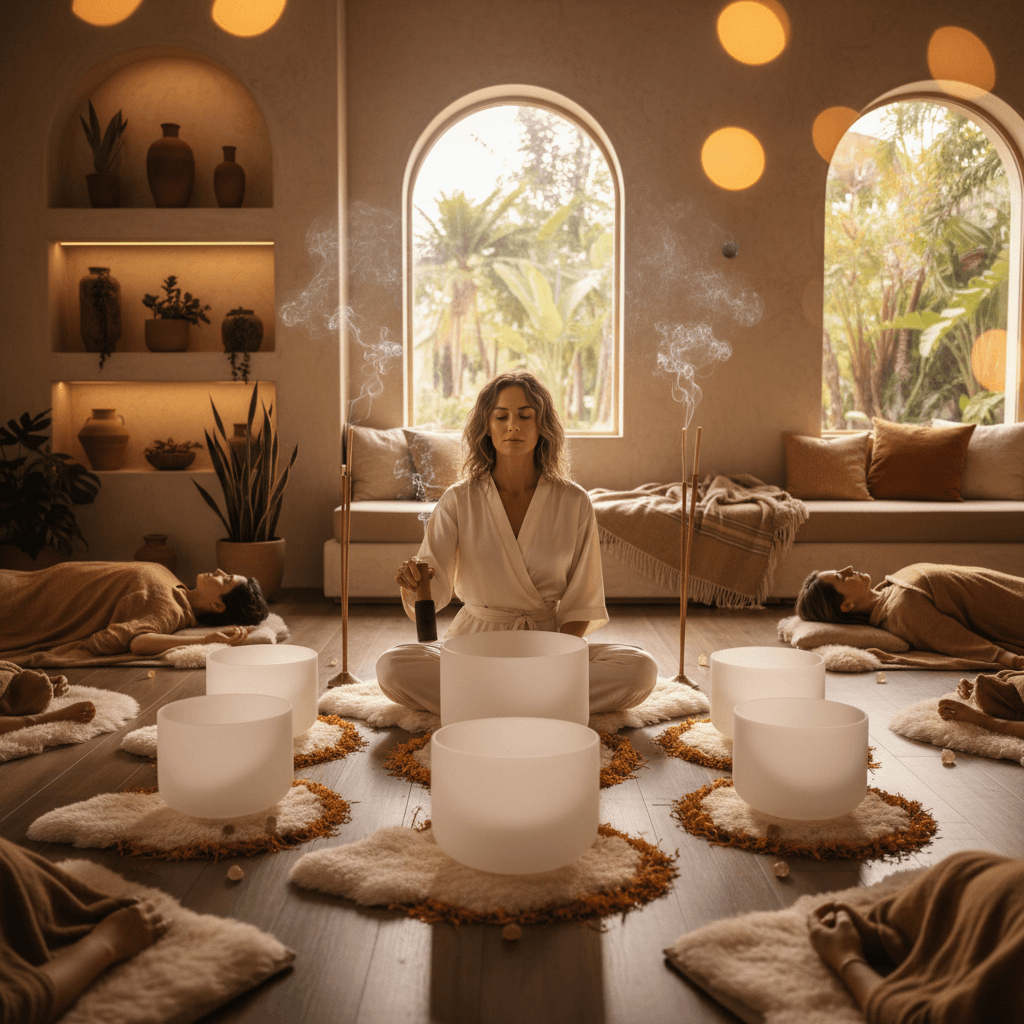
A typical sound session in a long-term care setting might take place in a common room, a quiet lounge, or even individually at a resident's bedside. Residents are encouraged to sit or lie in a comfortable position, often wrapped in blankets to enhance the feeling of safety and warmth. The practitioner then introduces a selection of instruments, carefully chosen for their specific frequencies and resonant qualities.
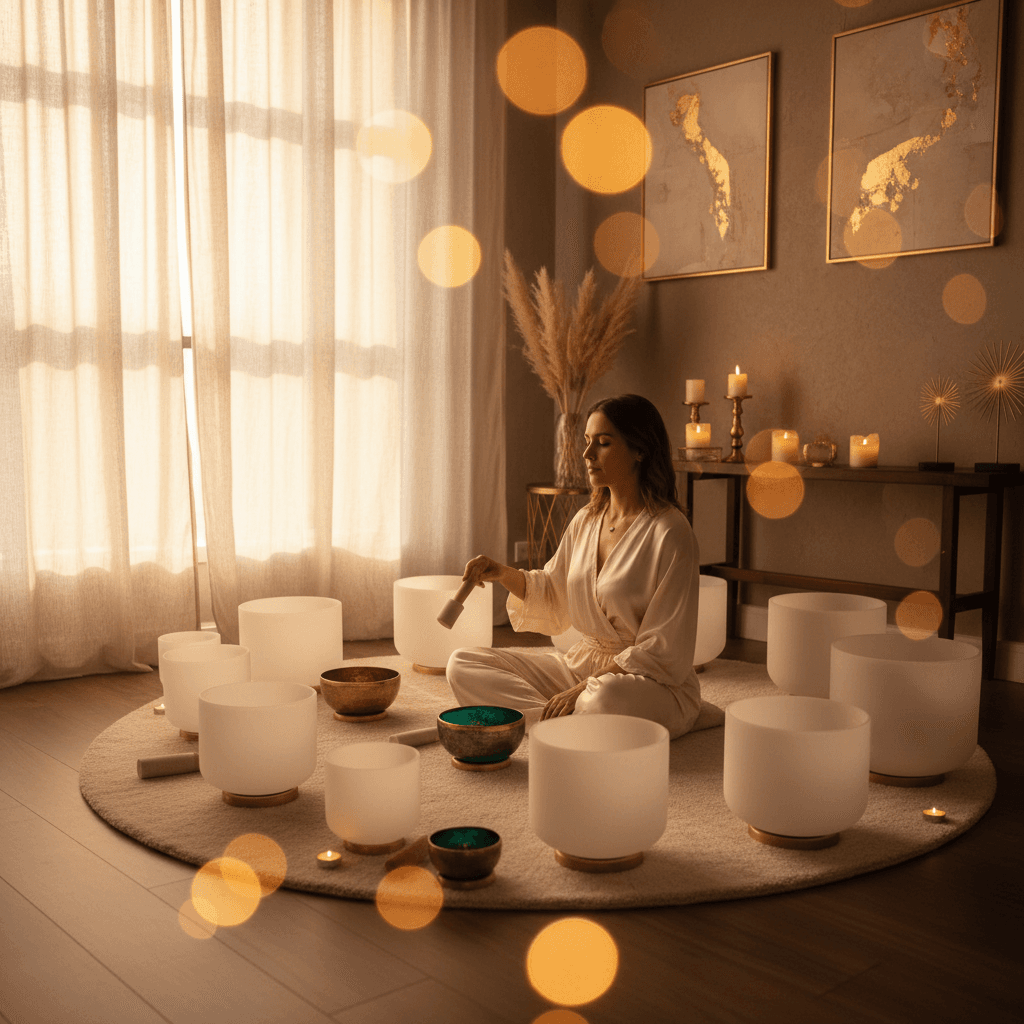
Instruments often include Himalayan singing bowls, which produce rich, sustained tones and palpable vibrations; crystal singing bowls, known for their pure, ethereal sounds; gongs, which create a deep, immersive soundscape; and various chimes, drums, and other percussive elements that add layers of texture and rhythm. The practitioner plays these instruments, allowing the sounds and vibrations to wash over the participants.
The experience is deeply sensory. Residents don't just hear the sounds; they often feel the vibrations resonating through their bodies. This tactile dimension is particularly beneficial for those with hearing impairments, as the physical sensation of sound can still elicit relaxation responses. The non-verbal nature of sound healing also makes it highly accessible for individuals with cognitive impairments or those who struggle with verbal communication, allowing them to connect with their inner experience without pressure.
"The beauty of sound healing in long-term care lies in its ability to meet individuals exactly where they are, offering comfort, presence, and a gentle invitation to release tension without the need for words or complex instructions."
The atmosphere is one of profound calm and acceptance. The sustained tones create a continuous field of sound that encourages mental quietude, helping to quiet internal chatter and external distractions. Many participants report a deep sense of peace, often drifting into a relaxed, dream-like state. For some, old memories or emotions may gently surface, which, when held in a supportive environment, can be a part of cognitive and emotional processing, as noted by research on sound resonance therapy (SRT) in helping emotions surface for processing (Chiasson et al., 2013). This gentle unfolding can contribute to a greater sense of emotional regulation and mental clarity over time.
For care staff, too, the environment can offer respite. Recreational music-making, for example, has been shown to reduce burnout and improve mood states in long-term care workers, leading to increased productivity (Bittman et al., 2003). While residents are the primary focus, the ambient tranquility often extends to caregivers, fostering a more harmonious overall atmosphere.
The Soul Art Approach: Larissa Steinbach's Vision for Elder Wellness
At Soul Art, Dubai's premier sound wellness studio, Larissa Steinbach brings a meticulously crafted approach to sound healing, rooted in both ancient wisdom and contemporary scientific understanding. Her vision extends beyond the individual seeking personal rejuvenation to encompass communities that can benefit profoundly, including our cherished seniors in long-term care.
Larissa's method is characterized by its "Quiet Luxury" ethos – sophisticated, deeply personal, and profoundly effective, yet delivered with warmth and empathy. For long-term care residents, this translates into bespoke sound journeys that are thoughtfully designed to address the specific needs and sensitivities of elderly individuals.
What makes the Soul Art method truly unique in this context is Larissa Steinbach’s deep intuitive understanding of sound frequencies combined with her extensive knowledge of their physiological and psychological impacts. She carefully curates each session, selecting instruments and crafting soundscapes that resonate most harmoniously with the residents' energetic and emotional states. This isn't a one-size-fits-all approach; it’s a personalized pathway to well-being.
Specifically, Soul Art utilizes a pristine collection of high-quality instruments, including:
- Himalayan Singing Bowls: Selected for their rich, earthy overtones and deep vibrational qualities that ground and soothe.
- Crystal Singing Bowls: Valued for their clear, resonant tones that elevate and purify, promoting mental clarity.
- Therapeutic Gongs: Used for their immersive, deeply transformative sound waves that can facilitate profound relaxation and release.
- Chimes and other gentle percussion: Employed to add delicate textures and support the transition between different sound phases, enhancing the overall journey.
Larissa Steinbach believes in creating an environment where every participant feels safe, seen, and deeply supported. Her sessions are not merely about listening; they are about experiencing deep resonance that encourages the body's natural capacity for self-regulation and peace. This gentle, yet powerful, interaction with sound may help mitigate feelings of loneliness, reduce anxiety, and foster a greater sense of connection and belonging among residents. By bringing the profound calm and restorative power of sound into these facilities, Soul Art aims to significantly enhance the quality of life, offering moments of profound tranquility and rejuvenation for those who need it most.
Your Next Steps: Integrating Sound for Enhanced Well-being
The growing body of evidence supporting sound healing in long-term care provides a compelling invitation to explore its benefits for your loved ones or facility. Even small steps can make a significant difference in enhancing daily well-being.
Here are a few actionable suggestions to begin integrating the power of sound:
- Introduce Calming Auditory Environments: Begin by curating playlists of gentle instrumental music, nature sounds (like soft rain or ocean waves), or ambient soundscapes. Even a low-volume background of serene sounds can shift the atmosphere from clinical to comforting, as some research into nature-based sound therapy on agitation and anxiety suggests.
- Explore Guided Meditations with Sound: Many apps and online platforms offer guided meditations accompanied by soothing music or binaural beats. These can be particularly helpful for promoting relaxation before sleep or during periods of increased stress.
- Consider Simple Vibrational Tools: Handheld chimes or small singing bowls can be introduced gently, allowing residents to experience subtle vibrations and tones. Always ensure supervision and assess individual comfort levels.
- Prioritize Restorative Spaces: If possible, designate a quiet area in the facility where residents can relax and listen to calming sounds without interruption, fostering a sense of peace and privacy.
- Connect with Wellness Professionals: Reach out to specialized sound wellness practitioners like Larissa Steinbach at Soul Art. They can provide expert guidance, deliver tailored sessions directly to your facility, and train staff on how to integrate basic sound practices safely and effectively.
Embracing sound as a complementary wellness practice can open new pathways to comfort, connection, and peace for our elderly population. It’s an investment in holistic well-being that resonates deeply.
In Summary: The Harmonious Future of Elder Care
The integration of sound healing into long-term care represents a profound shift towards a more holistic and compassionate approach to elder wellness. From scientifically validated effects on brainwave entrainment and nervous system regulation to its capacity for pain management and mood elevation, sound offers measurable, non-invasive support for many challenges faced by seniors. It promotes deep relaxation, reduces stress, and cultivates an environment of peace and emotional safety.
Soul Art, under the visionary leadership of Larissa Steinbach, is at the forefront of bringing these transformative practices to Dubai's communities, including its long-term care residents. By embracing the power of harmonious frequencies, we can offer our elders a pathway to greater comfort, joy, and dignity. Discover how sound can enrich lives and elevate the standard of care.
Bookings Coming Soon
Soul Art is still in preparation. Session details and booking will be published here after launch.
Coming Soon
Related Articles
Downsizing: Navigating Life's Big Changes with Sound Wellness
Restless Legs Relief: Sound Wellness for Deeper Nighttime Comfort
Embracing Age with Inner Peace: Sound Wellness for Acceptance