Sound for the Novel: The Science of Long-Form Creation
Key Insights
Discover how specific sound frequencies and ambient noise can enhance focus, boost creativity, and sustain you through the marathon of novel writing. A scientific guide from Soul Art Dubai.
The image of the solitary writer, locked away in a silent room, is a powerful and persistent myth. Many authors believe that absolute quiet is the only canvas upon which a masterpiece can be painted. But what if the opposite were true? What if the key to unlocking sustained creativity, deep focus, and the sheer endurance required for novel writing wasn’t the absence of sound, but the presence of the right sound?
The modern world is filled with distractions, yet many writers find themselves most productive in the gentle hum of a coffee shop. This paradox points to a profound truth about our brains and the creative process. Writing a novel is not a sprint; it is a marathon of cognitive and emotional energy. In this article, we will explore the robust science behind using sound as a sophisticated tool for long-form creation. We will delve into how specific auditory environments can influence brainwave states, enhance abstract thinking, and ultimately support your wellbeing through the arduous, beautiful journey of bringing a story to life.
The Auditory Brain: Your Co-Author in Creativity
Our relationship with sound is deeply neurological. The right auditory input can act as a key, unlocking specific cognitive states that are highly conducive to the complex task of writing. This isn't about simply masking distractions; it's about intentionally curating a soundscape that actively supports the different phases of the creative process.
The 'Coffee Shop Effect': Moderate Noise and Abstract Thought
One of the most compelling findings in auditory science relates to ambient noise. Research by Ravi Mehta and colleagues suggests that a moderate level of ambient noise—around 70 decibels (dB), the equivalent of a bustling café or a quiet library with background activity—may significantly boost performance on creative tasks.
Here's why this is thought to occur:
- Too Quiet (below 50 dB): A very quiet environment can feel sterile, providing insufficient stimulation and sometimes leading to a state of mental inertia.
- Too Loud (above 85 dB): High noise levels overwhelm our cognitive processing, creating too much distraction for the brain to focus effectively.
- Just Right (around 70 dB): This moderate level of noise seems to induce a state of "processing disfluency." This gentle cognitive challenge encourages the brain to engage in more abstract thinking and find novel connections between ideas—an essential skill for plot development, world-building, and creating complex characters.
This "ideal" noise level provides enough stimulation to keep the brain engaged without becoming a source of cognitive overload. It creates a gentle hum that supports, rather than hijacks, your attention.
Brainwaves, BPM, and the State of 'Flow'
Beyond ambient noise, the tempo and frequency of sound play a critical role. The state of "flow," where a writer is fully immersed and words seem to come effortlessly, is often associated with a prevalence of alpha brain waves (which oscillate between 8 and 12 Hz). This brainwave state is a bridge between the focused, conscious mind and the creative, subconscious realm.
Certain types of music and sound have been shown to encourage this state. Research indicates that music with a tempo of approximately 60-70 beats per minute (BPM), which mirrors the average resting heart rate, can be particularly effective. This tempo has a calming effect on the nervous system, reducing stress and anxiety—two common barriers to creative output.
This process is also biochemical. Listening to preferred, non-distracting music can support the release of neurotransmitters like dopamine and serotonin, which are linked to mood, motivation, and focus.
Emotional Resonance and Creative Flexibility
Recent studies have also highlighted the importance of a sound's emotional quality. A study published in the Public Library of Science found that instrumental music with high "emotional valence" (perceived as positive or happy) and moderate arousal was associated with enhanced creativity.
Participants listening to this type of music demonstrated greater persistence and flexibility in creative tasks. This suggests that the soundscape isn't just a background element; it actively cultivates the positive, open, and resilient mindset needed to navigate the inevitable challenges and breakthroughs of writing a novel.
From Soundscape to Sound Shape: The Writer's Experience
Understanding the science is one thing; applying it to the blank page is another. Imagine a writer settling into their workspace, but instead of seeking silence, they intentionally select a soundscape tailored to their task for the day.
The writer's work is not only to create a world on the page but also to cultivate the inner world from which that creation emerges. Sound is the architecture of that inner space.
For the pre-writing and ideation phase, the goal is expansive, abstract thought. Here, a 70dB ambient track—the gentle clatter of a distant café, the soft patter of rain on a window—can be ideal. This soundscape encourages the mind to wander productively, connecting disparate plot points and deepening character motivations without the pressure of prose.
During the drafting phase, the focus shifts to achieving a state of flow. This is where an instrumental track at 60-70 BPM, perhaps classical or ambient electronic music, can be transformative. The consistent, non-lyrical rhythm helps to silence the inner critic and allows the narrative to unfold organically. The absence of words is crucial, as lyrical music can compete for the same cognitive resources needed for language production.
Interestingly, as a writer becomes more immersed in their auditory environment, they may become more sensitive to the sound shape of their own writing. The rhythm of the external world can inform the rhythm of their prose. They might find themselves paying closer attention to alliteration, assonance, and the cadence of sentences, crafting passages that are not only meaningful but also sonically beautiful. This is the art of creating "music in the positioning of words," a skill honed by a heightened sense of hearing.
Curating Creativity: The Soul Art Approach
At Soul Art, we take these scientific principles and elevate them into a deeply personal and restorative practice. We understand that for a novelist, the creative process is intrinsically linked to the state of their nervous system. A dysregulated, stressed system cannot sustain the immense focus required for long-form work.
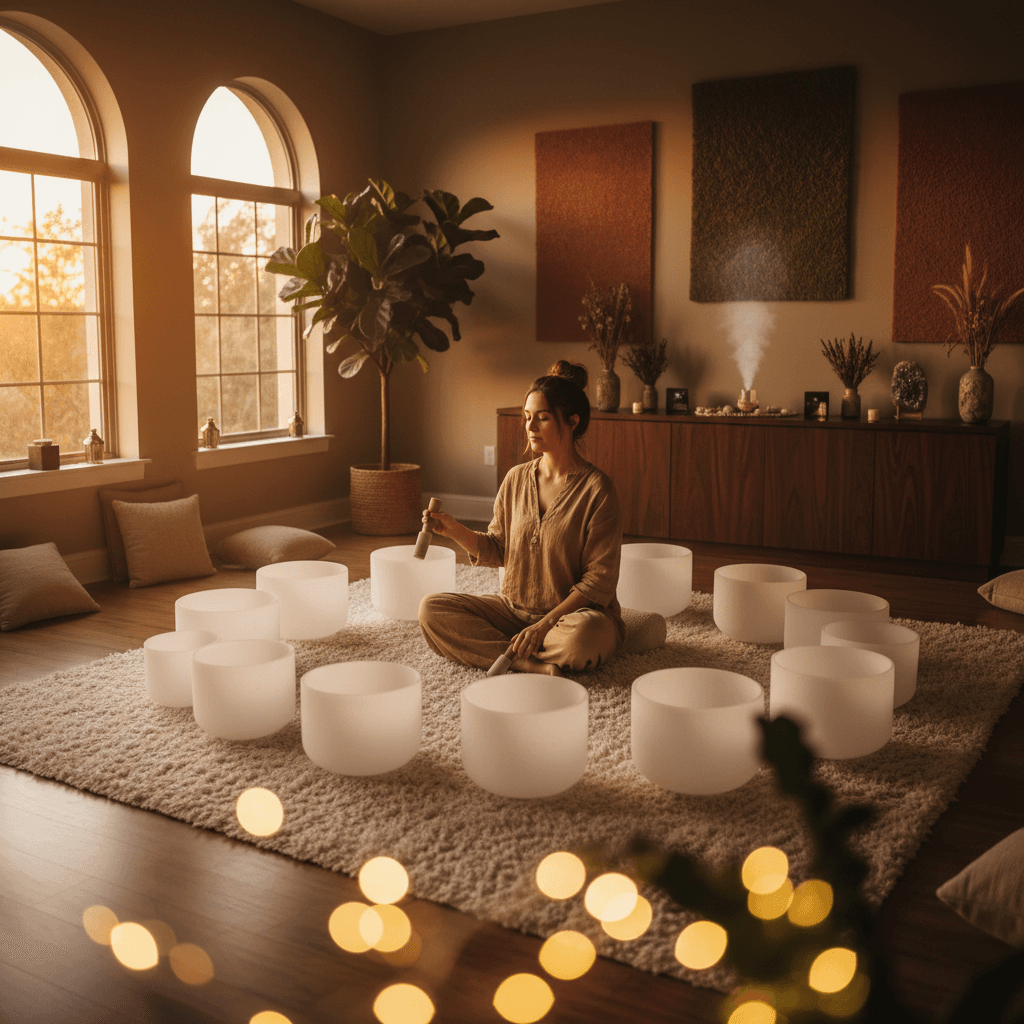
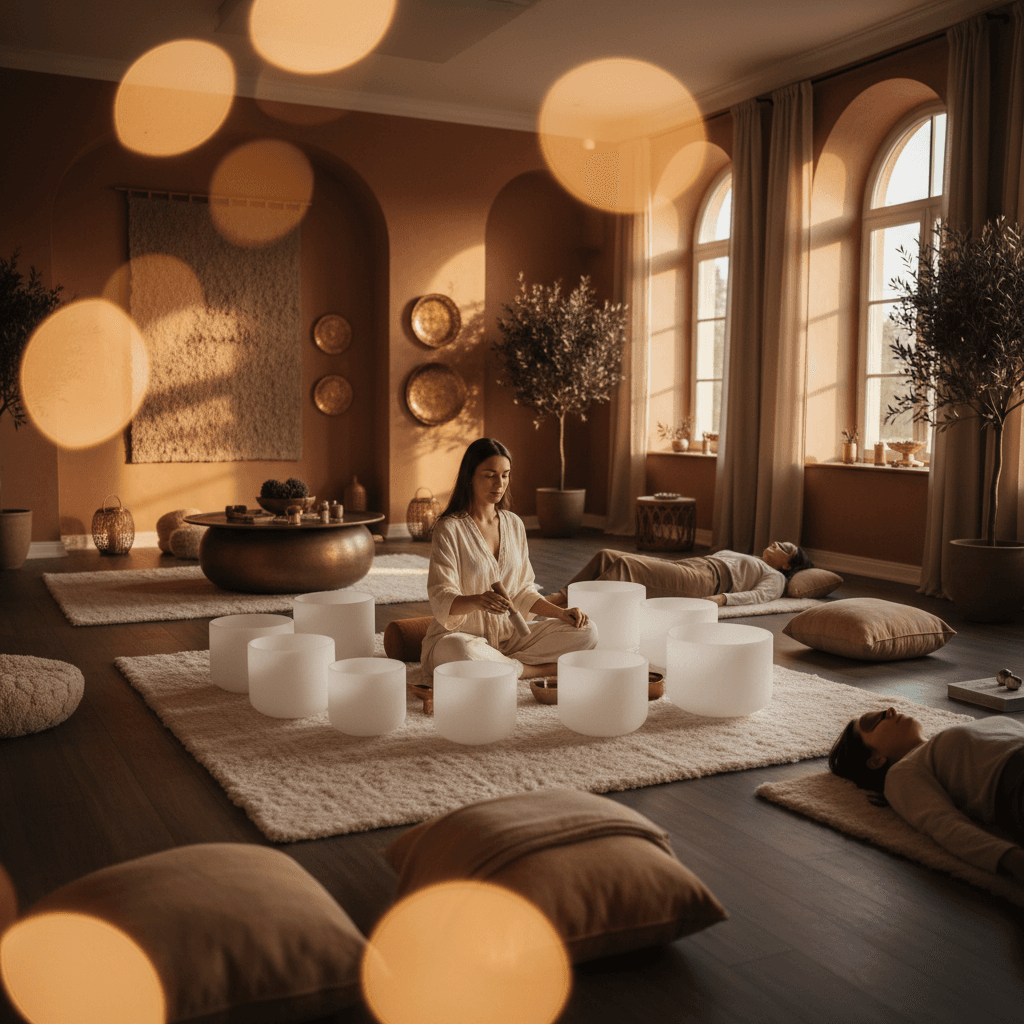
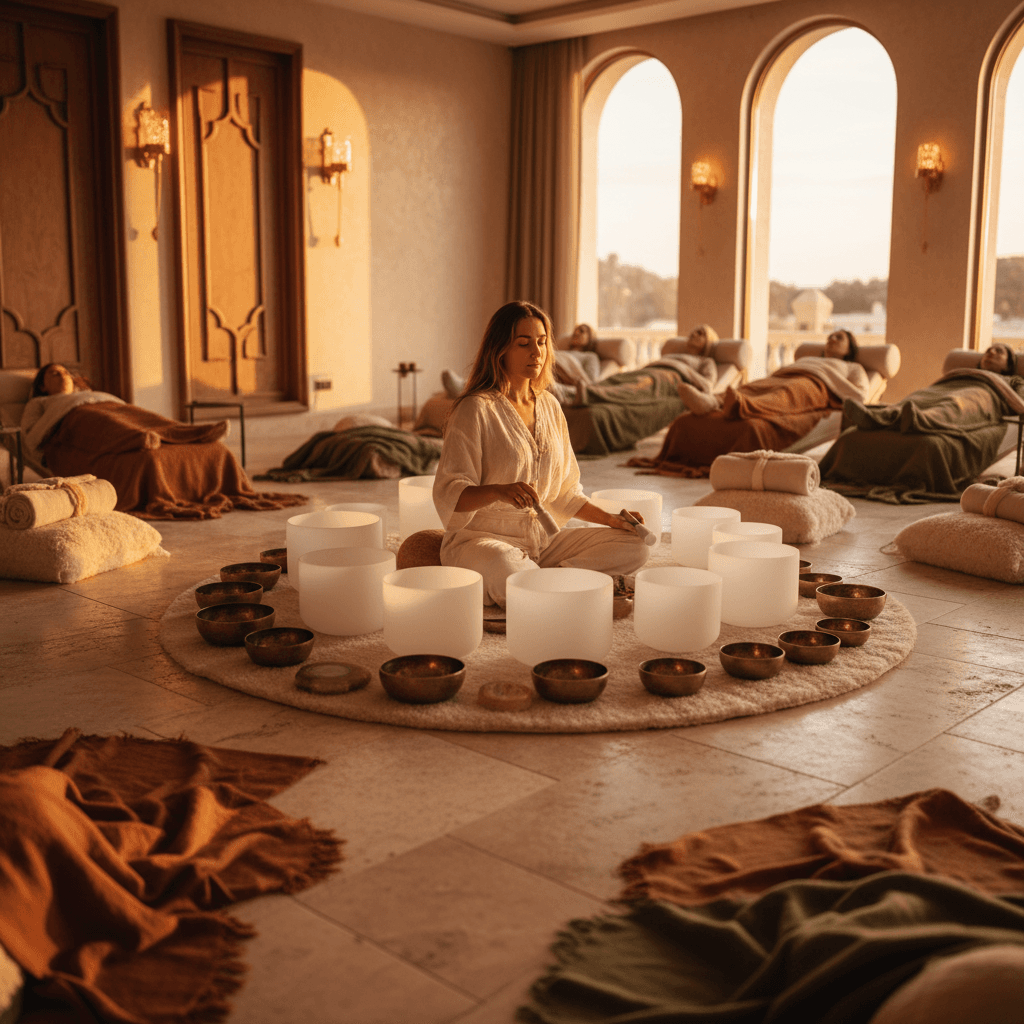
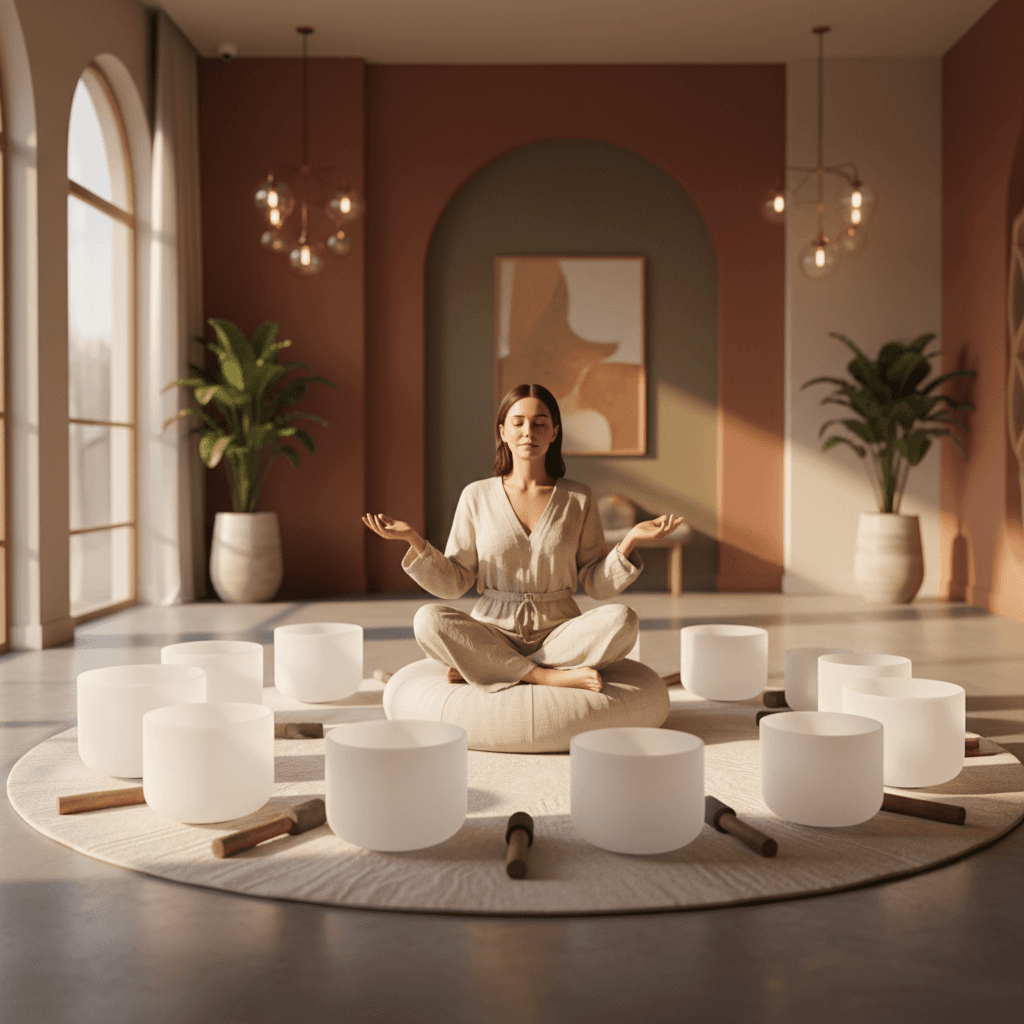
Led by founder Larissa Steinbach, our approach moves beyond generic playlists. We utilize specific therapeutic instruments whose resonant frequencies have a profound effect on the mind and body. The complex, overtone-rich sounds produced by Himalayan and crystal singing bowls, gongs, and chimes are more than just ambient noise; they are a form of vibrational information.
A sound wellness session at Soul Art is designed to guide the brain into those creative alpha and even deeper theta states gently and effectively. We create a bespoke soundscape that helps to quiet the analytical "editor brain" and grant access to the deeper wells of intuition and imagination. For a writer experiencing a creative block, this can be a powerful way to reset their system, release creative tension, and reconnect with their story on a more intuitive level. This personalized approach honors the fact that every writer's journey, and their corresponding need for support, is unique.
Crafting Your Own Auditory Sanctuary
While a professional sound session offers a profound experience, you can begin to integrate these principles into your daily writing routine today. Here are a few practical steps to create a more supportive sound environment for your novel writing.
- Identify Your Creative Threshold: Use a decibel meter app on your phone to find your 70dB sweet spot. Experiment with different ambient sound apps (which offer everything from coffee shops to gentle streams) and notice how they impact your ability to think expansively versus focusing on fine details.
- Match the Tempo to the Task: Curate a few instrumental playlists specifically for writing. Search for terms like "alpha wave music," "60 BPM focus," or "ambient instrumental for study." Reserve these for your deep drafting sessions to train your brain to associate them with a state of flow.
- Embrace Instrumental Sound: Make a conscious choice to use music without lyrics when you are actively writing. This minimizes cognitive interference and allows the language centers of your brain to remain fully dedicated to your manuscript.
- Implement a Pre-Writing Ritual: Before you type a single word, spend five minutes listening to a single, resonant sound—such as a track of a singing bowl or a simple chime. This practice can help you transition from the chaos of daily life into the focused, sacred space of your creative work.
For those looking to deepen this practice, a guided sound journey can help recalibrate the nervous system and unlock new pathways of creative energy.
Sound as Your Creative Partner
Writing a novel is an extraordinary act of endurance and imagination. The traditional view of the silent, isolated writer overlooks a powerful ally in the creative process: intentional sound. The right auditory environment is not a crutch or a distraction, but a sophisticated tool for nurturing your most creative state.
From the science-backed "coffee shop effect" that fosters abstract thinking to the specific tempos that encourage a state of flow, sound can be your partner in creation. It offers a sustainable, holistic way to manage the cognitive load and emotional demands of bringing a new world into existence. By curating your soundscape, you are not just setting a mood; you are actively shaping your brain's capacity for inspiration. At Soul Art, we invite you to experience just how profound that partnership can be.
Bookings Coming Soon
Soul Art is still in preparation. Session details and booking will be published here after launch.
Coming Soon