Soundscapes of Change: Neuroplasticity & Brain Wellness at Soul Art

Key Insights
Discover how sound wellness at Soul Art, founded by Larissa Steinbach, leverages neuroplasticity to promote emotional balance, cognitive clarity, and deep relaxation.
Could your brain be far more adaptable and responsive to change than you ever imagined? For decades, scientists believed our brains were largely fixed after childhood, a rigid network of circuits resistant to significant alteration. However, groundbreaking discoveries in neuroscience have revealed a truth far more empowering: your brain possesses an extraordinary capacity to reorganize itself, form new connections, and even grow throughout your entire life.
This remarkable ability, known as neuroplasticity, is one of the most enabling scientific insights of our time. It means that your current thought patterns, emotional responses, or even habits are not permanent fixtures. At Soul Art, Dubai's premier sound wellness studio founded by Larissa Steinbach, we explore how the ancient practice of sound, combined with modern scientific understanding, can serve as a powerful catalyst for this neural transformation, guiding you towards profound wellness and resilience.
In this comprehensive exploration, we will delve into the science of neuroplasticity, uncover how sound influences these intricate brain changes, and illuminate the practical ways our bespoke sound wellness experiences may support your journey to a more balanced and vibrant self. Prepare to discover how you can actively participate in rewiring your brain for optimal well-being.
The Adaptive Brain: Understanding Neuroplasticity
Neuroplasticity refers to the brain’s incredible ability to reorganize itself through new connections and brain growth. Stated in the early 1900s, this proposition that the brain is a dynamic structure has since been rigorously supported by scientific research and advanced imaging techniques. The organization, density, and strength of neuronal connections in the central nervous system have been found to change with learning, experience, and even during recovery from injuries or degenerative conditions.
This capacity for adaptive changes involves neurogenesis, the creation of new neurons, along with alterations in neuronal connectivity and neurochemistry. It fundamentally challenges the older notion that the brain was a static entity after puberty, showing instead that it continues to rewire itself and never stops changing as we age. The implications for mental health, learning, and overall well-being are profound, offering a pathway for lasting change beyond short-term symptom management.
While the metaphor of "rewiring" the brain has gained popularity, it is important to understand its nuance. It does not suggest an all-or-nothing overhaul, but rather a nuanced progression. Learning a simple new skill, for instance, can reliably change the responses of tens of millions, possibly hundreds of millions, of neurons and billions of synaptic connections in your brain. These changes require specific conditions: time, repetition, and consistent practice.
Neuroplasticity offers immense hope, particularly in contexts like trauma recovery, where evidence-based treatments utilizing this principle can, in a sense, reverse the effects of trauma. By creating new, non-traumatic responses to triggers, practices like mindfulness-based therapies and cognitive behavioral therapy leverage the brain's inherent capacity for change. This adaptability allows individuals to reshape neural pathways and foster healthier emotional and cognitive patterns.
The Symphony Within: How Sound Influences Neuroplasticity
Scientific research consistently supports the role of structured music and sound in cognitive and emotional development, offering a powerful avenue for influencing neuroplasticity. Studies indicate that specific sound programs can enhance brain function in critical areas such as memory, attention, and emotional regulation. This influence extends to supporting individuals with learning challenges, auditory sensitivities, and even social-emotional development.
The molecular basis of music-induced neuroplasticity is a burgeoning field of study. Both receptive music-based interventions (like attentive listening) and active ones (such as singing or music-with-movement exercises) have been found to enhance neuroplasticity. Music listening, in particular, has been associated with relaxation and improved immune function, marked by the upregulation of genes related to neuroprotection and synaptic plasticity, including important factors like Brain-Derived Neurotrophic Factor (BDNF).
Exposure to relaxing music has been reported to show reduced levels of cortisol, the human stress hormone, by influencing the functioning of the hypothalamic-pituitary-adrenal (HPA) axis. This physiological response is crucial for stress reduction and overall well-being, creating a conducive environment for neural adaptation. Music, therefore, is not just an auditory experience; it is a biochemical modulator.
Listening to music, especially subjectively preferred songs, engages the brain's pleasure pathways. When music evokes experiences like "chills" or "musical frisson," studies using techniques such as positron emission tomography (PET) show increased cerebral blood flow in brain regions associated with reward, motivation, arousal, and emotions. These areas include the ventral striatum (incorporating the nucleus accumbens), the midbrain, amygdala, orbitofrontal cortex, and ventral medial prefrontal cortices. Intriguingly, these same brain regions are activated by other highly rewarding stimuli like food or social connection.
This engagement of the reward circuitry plays a critical role in neuroplastic change. Research has shown that stimulating the ventral tegmental area (VTA), which comprises dopamine neurons activated by new stimuli or rewards, together with an auditory stimulus of a particular tone, can increase the cortical area and selectivity of neural responses to that sound. This mechanism highlights how sound can directly contribute to strengthening neural connections within the brain's reward system, fostering positive associations and learning. Furthermore, studies on musicians show greater activity in frontal theta and alpha bands when listening to emotional sounds, along with more intense patterns of emotional activation and related brain synchronization. This suggests that sustained engagement with music can lead to measurable changes in brain activity, indicating heightened neural processing and emotional depth.
How It Works in Practice
Connecting the sophisticated science of neuroplasticity to the tangible experience of sound wellness reveals a clear path to practical well-being. When you immerse yourself in a sound journey, you are not merely listening; you are providing your brain with rich, structured sensory input that may stimulate neural pathways in beneficial ways. The vibrations and frequencies from instruments interact with your auditory system, leading to profound effects on your mental and emotional state.
Clients often report a significant shift in their internal landscape during and after sound sessions. The deep relaxation induced by carefully crafted soundscapes can help calm the nervous system, shifting it from a state of heightened alert (sympathetic nervous system dominance) to one of rest and repair (parasympathetic activation). This physiological shift is crucial, as a relaxed state is more conducive to neuroplastic change and the formation of healthier neural networks. Many individuals experience a sense of feeling calmer, more connected, and better equipped to handle daily challenges after regular engagement with sound wellness practices.
"Our brains stay remarkably adaptable through life and form new neural connections as we experience things and consider our practices. Our current thought patterns or emotional responses don’t have to be permanent."
The consistent exposure to specific frequencies and harmonious tones, characteristic of sound wellness, may support improvements in focus and communication. By engaging the brain's auditory processing centers in a gentle yet profound way, sound practices can act as a form of "auditory training," much like how physical exercise strengthens muscles. This type of engagement can, over time, enhance the brain's efficiency in processing sensory information and regulating emotional responses.
One of the most compelling signs that your brain is developing new emotional pathways through these practices is a noticeable change in your emotional reactivity. What once triggered hours of distress might cause only momentary discomfort, indicating a quicker recovery from setbacks. Your emotional vocabulary might expand, moving beyond simple states, as your brain actively creates healthier neural networks. This reduction in emotional reactivity to former triggers, coupled with an enhanced ability to stay present during uncomfortable experiences, reflects the brain's active rewiring towards greater resilience and emotional balance.
The Soul Art Method: Cultivating Conscious Change
At Soul Art, Larissa Steinbach’s vision is to bridge ancient wisdom with cutting-edge scientific understanding, offering a unique and transformative sound wellness experience. The Soul Art method is meticulously crafted to leverage the principles of neuroplasticity, providing a pathway for clients to cultivate conscious change and profound well-being. Our approach is holistic, recognizing that true wellness emerges from a harmonious integration of mind, body, and spirit.
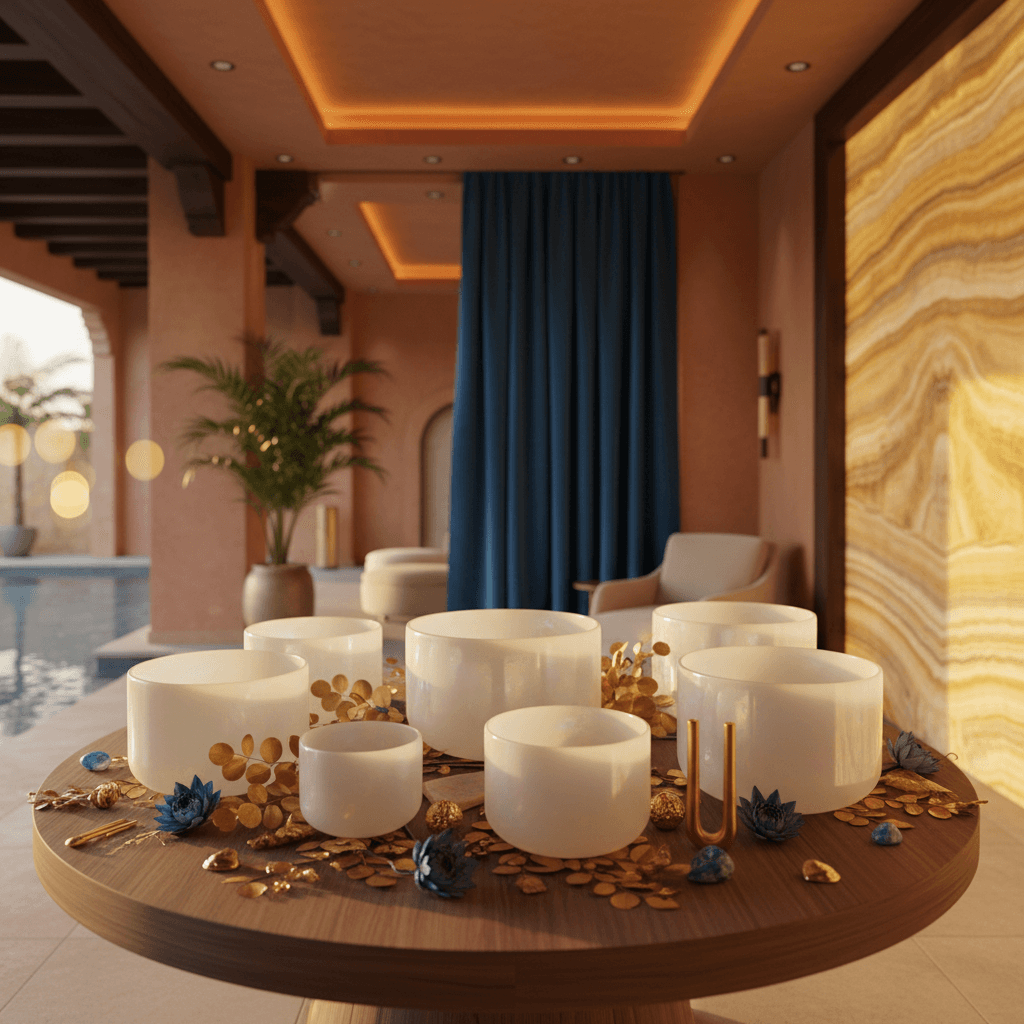
Larissa Steinbach and her team utilize a diverse array of sacred instruments, each selected for its unique vibrational qualities and capacity to induce specific brainwave states. Crystal singing bowls, renowned for their pure, resonant tones, create frequencies that can guide the brain into deeply relaxed alpha and theta states, optimal for neuroplasticity. Gongs, with their expansive and complex overtones, offer a full-body sonic immersion that promotes deep cellular relaxation and mental stillness. Chimes and tuning forks provide targeted frequencies that may help to balance the energetic system and clear mental fog.
What truly sets the Soul Art method apart is its intention-driven and personalized approach. Each session is more than just a sound bath; it's a carefully curated journey designed to support the individual's specific wellness goals. By creating a safe, nurturing, and aesthetically rich environment, Soul Art facilitates an experience where clients can surrender to the sound, allowing the frequencies to wash over them and gently encourage the brain's natural capacity for self-organization and healing. This environment is crucial for reducing external stressors, allowing the brain to enter a receptive state where positive neural changes may be more readily cultivated.
The soundscapes at Soul Art are designed to stimulate the brain's pleasure and reward pathways, engaging regions like the ventral striatum and midbrain. This activation is not merely about enjoyment; it supports the release of neurochemicals conducive to learning and adaptation, essentially priming the brain for positive change. Through consistent engagement with these carefully orchestrated sound experiences, the Soul Art method may support the development of stronger, healthier neural connections, fostering greater emotional resilience, cognitive clarity, and an enhanced sense of inner peace. It is a complementary approach that empowers individuals to actively participate in shaping their own mental and emotional landscapes.
Your Next Steps: Embracing Brain Wellness with Sound
Understanding neuroplasticity empowers you to take an active role in shaping your brain for greater well-being. Integrating sound wellness into your life can be a powerful, yet gentle, way to foster these positive changes. Here are some actionable steps you can take today to support your brain's incredible capacity for adaptation:
- Prioritize Consistent Practice: Just like physical exercise, consistent engagement with sound wellness practices is key to reinforcing new neural pathways. Regular sessions, even short ones, can compound their benefits over time.
- Mindful Listening in Daily Life: Beyond dedicated sessions, cultivate mindful listening. Pay attention to the sounds around you, or intentionally choose calming music. This simple practice can help train your brain to focus and reduce auditory sensitivities.
- Set Intentions for Your Wellness: Before engaging in a sound session or even a moment of quiet listening, set a clear intention. Whether it’s for stress reduction, emotional balance, or mental clarity, this focused awareness can amplify the impact on your brain.
- Create a Conducive Environment: Designate a quiet, comfortable space for your sound wellness practices. Minimizing distractions allows your brain to fully immerse itself in the experience, optimizing the potential for neuroplastic change.
- Explore New Sonic Landscapes: Just as learning new skills challenges the brain, exploring different forms of sound wellness can stimulate diverse neural networks. Consider experiencing a range of instruments and soundscapes to broaden your brain's adaptive responses.
Embracing these steps can lead to profound shifts in your mental and emotional well-being. The journey of rewiring your brain for wellness is continuous, and sound offers a beautiful, accessible guide. If you're ready to experience the deep, restorative power of sound and unlock your brain's potential, consider joining us at Soul Art for a truly unique and enriching experience.
In Summary
Neuroplasticity stands as a testament to the brain's enduring capacity for change, offering profound hope that our mental and emotional landscapes are not fixed. Sound wellness practices, particularly those meticulously curated at Soul Art by Larissa Steinbach, serve as a potent and enjoyable catalyst for this vital brain rewiring. By engaging the brain's pleasure pathways, regulating stress hormones, and fostering deep relaxation, sound creates an optimal environment for new neural connections to flourish.
This complementary approach to well-being may support enhanced emotional balance, improved cognitive clarity, and greater resilience in navigating life's challenges. Through consistent and intentional engagement, you can actively participate in shaping a brain that is more adaptable, responsive, and aligned with your highest well-being. Discover the transformative power of sound and begin your journey towards a rewired, revitalized self at Soul Art.
Bookings Coming Soon
Soul Art is still in preparation. Session details and booking will be published here after launch.
Coming Soon
Wellness Disclaimer: This article is for educational and informational purposes only. It does not constitute medical advice, diagnosis, or treatment. Soul Art Dubai provides non-medical wellness experiences focused on relaxation, stress management, and general wellbeing. Sound wellness is a complementary practice and should not replace professional medical care.
Related Articles

Cluster Headaches: Unveiling Pain and the Promise of Frequencies in Wellness

Epilepsy & Sound: Safety, Serenity, and Emerging Wellness Paths
Mastering Focus: Analytical Listening & Brain Engagement at Soul Art