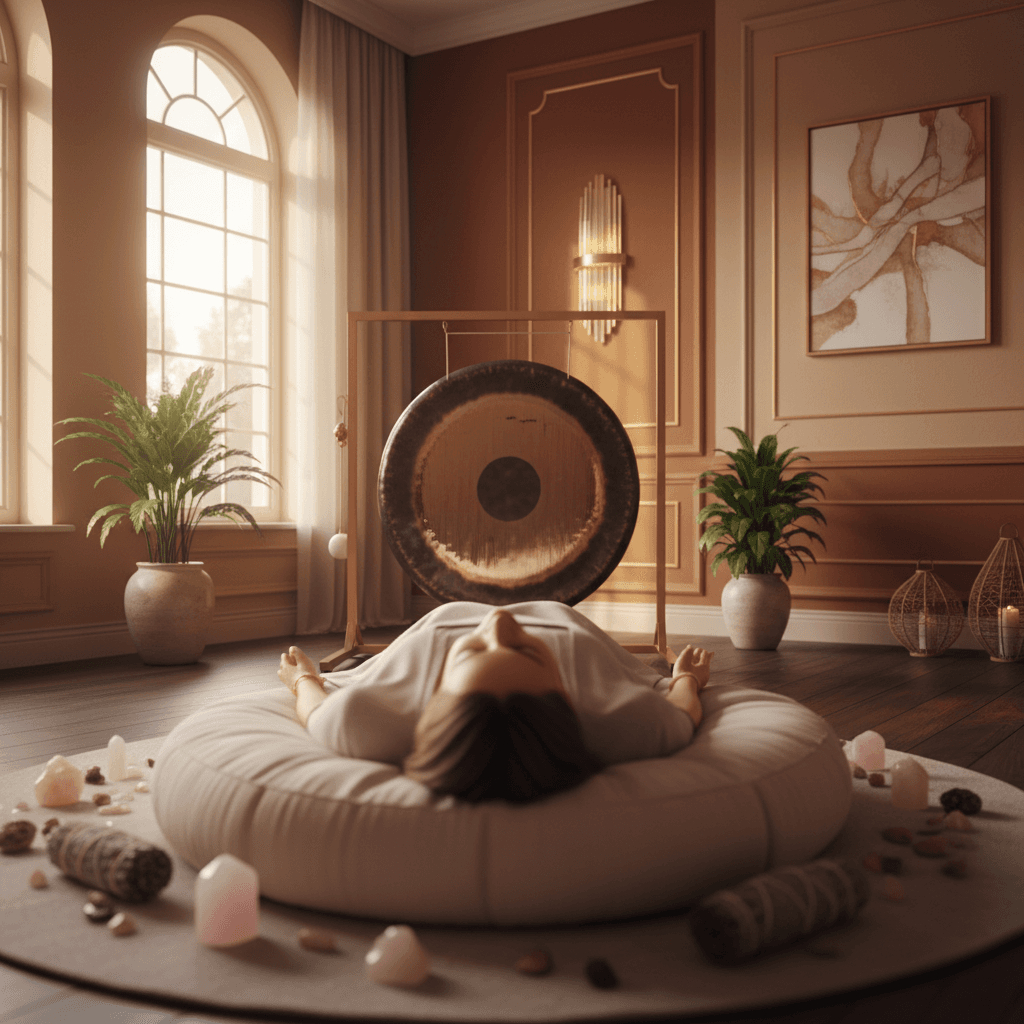
Harmonious Havens: Neurodivergent-Friendly Sound Baths at Soul Art
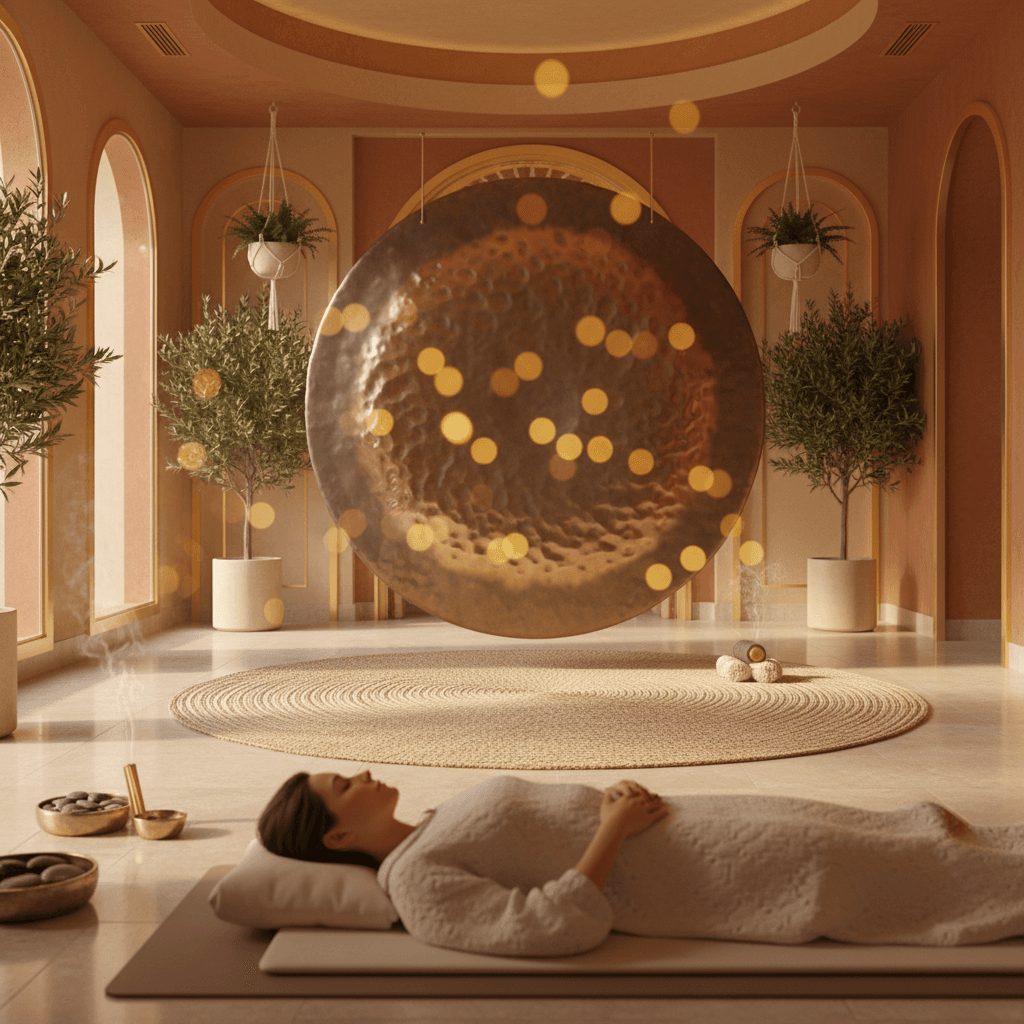
Key Insights
Discover how Soul Art Dubai, founded by Larissa Steinbach, designs inclusive sound baths for neurodivergent individuals, leveraging science for deep relaxation and sensory support.
Unlocking Tranquility: The Art of Neurodivergent-Friendly Sound Baths
Imagine an environment where every sound is a gentle embrace, specifically crafted to soothe rather than stimulate, to ground rather than overwhelm. For many neurodivergent individuals, whose sensory experiences can be profoundly different, this ideal of a "harmonious haven" is not just a luxury but a crucial element for well-being. Soul Art Dubai, under the visionary leadership of Larissa Steinbach, is pioneering an approach to sound wellness that prioritises this very need.
In a world often saturated with unpredictable stimuli, finding spaces that honour diverse sensory profiles is paramount. This article delves into the scientific principles behind neurodivergent-friendly sound bath design, exploring how carefully curated auditory experiences can foster deep relaxation, nervous system regulation, and enhanced cognitive function. We will uncover how ancient healing practices, when thoughtfully adapted with modern scientific understanding, offer a unique pathway to peace for everyone. Join us as we explore the intersection of sound science, sensory sensitivity, and inclusive wellness at Soul Art.
The Science Explained: How Sound Resonates with Our Brain and Body
The profound impact of sound on our physiological and psychological states is increasingly validated by modern neuroscience. What ancient cultures intuitively understood, contemporary research is now explaining with advanced neuroimaging and electroencephalogram (EEG) technology. Sound baths are far more than just pleasant background noise; they are carefully orchestrated sonic environments designed to elicit measurable changes in our brains and bodies.
During a sound bath, exposure to specific frequencies and vibrations produced by instruments like singing bowls and gongs can rapidly transform brain activity. EEG studies show a measurable shift from agitated, higher-frequency wave patterns, often associated with stress and alertness, to calmer, lower-frequency forms such as alpha, theta, and delta brainwaves. These states are intrinsically linked to deep relaxation, meditation, and restorative sleep, guiding the brain out of the "fight-or-flight" response and into the "rest-and-digest" mode.
The Nervous System and Neurodivergence
For neurodivergent individuals, including those with ADHD and autism spectrum disorder, sensory processing differences are a common characteristic. Heightened sensory sensitivity can lead to chronic activation of the "fight-or-flight" response, resulting in increased stress, anxiety, and sensory overwhelm. Polyvagal Theory underscores how the nervous system’s state profoundly influences our sense of safety and capacity for social engagement.
Sound-based interventions, when mindfully designed, offer a powerful tool for nervous system regulation. Calming auditory input, such as gentle music, steady rhythms, and consistent soundscapes, may support emotional regulation by influencing autonomic nervous system activity. This helps shift the body into a parasympathetic dominance, fostering a sense of safety and calm that is often elusive in everyday environments. The body’s system slows down, breathing and heart rate decrease, muscles relax, and the mind can find a moment of peace.
Brainwave Entrainment and Cognitive Benefits
One primary mechanism through which sound therapy impacts the brain is brainwave entrainment. This phenomenon describes the brain's natural tendency for its neural oscillations to synchronize with external rhythmic stimuli. By introducing specific frequencies, such as those associated with alpha (relaxation), theta (meditation), and delta (deep sleep) states, sound baths gently guide the brain into these desirable patterns. Preliminary studies, including those utilizing binaural beats, suggest that consistent auditory input may improve focus, attention, and memory for some individuals.
Beyond relaxation, research exploring specific frequencies, like the 40 Hz frequency, indicates potential neuroprotective effects. Studies from institutions like MIT's Picower Institute have investigated how 40 Hz auditory and visual stimulation may enhance neuroplasticity and reduce markers associated with neurodegenerative conditions. While direct research on traditional sound healing instruments in this context is still emerging, the broader scientific understanding of frequency-specific effects on brain function provides a compelling foundation for exploring sound as a wellness support.
Acoustic Design: A Foundation for Inclusivity
Crucially, the effectiveness of sound healing for neurodivergent individuals is not solely about the instruments used, but also the surrounding acoustic environment. Targeted architectural interventions and strategic acoustic design play a vital role in shaping inclusive spaces by addressing sensory overstimulation. Studies in educational and public settings highlight how sound-absorbing materials, designated sensory recovery zones, and adaptive designs can significantly enhance comfort and usability for neurodivergent individuals.
These principles directly apply to sound wellness studios. By controlling reverberation times and minimizing external noise, studios can create "necessary and sensitive refuges" where the carefully curated sound of the bath can be fully experienced without intrusive distractions. This intentional acoustic planning is foundational to providing a truly supportive and calming environment, particularly for those with heightened auditory sensitivities.
How It Works in Practice: Crafting a Sensory-Positive Sound Journey
Bringing these scientific principles into a real-world setting requires meticulous attention to detail and a deep understanding of sensory processing. A neurodivergent-friendly sound bath is an experience designed from the ground up to minimise potential triggers and maximise comfort, fostering a truly restorative journey. It’s about creating an inviting and predictable environment where clients can fully surrender to the vibrations and gentle sounds.
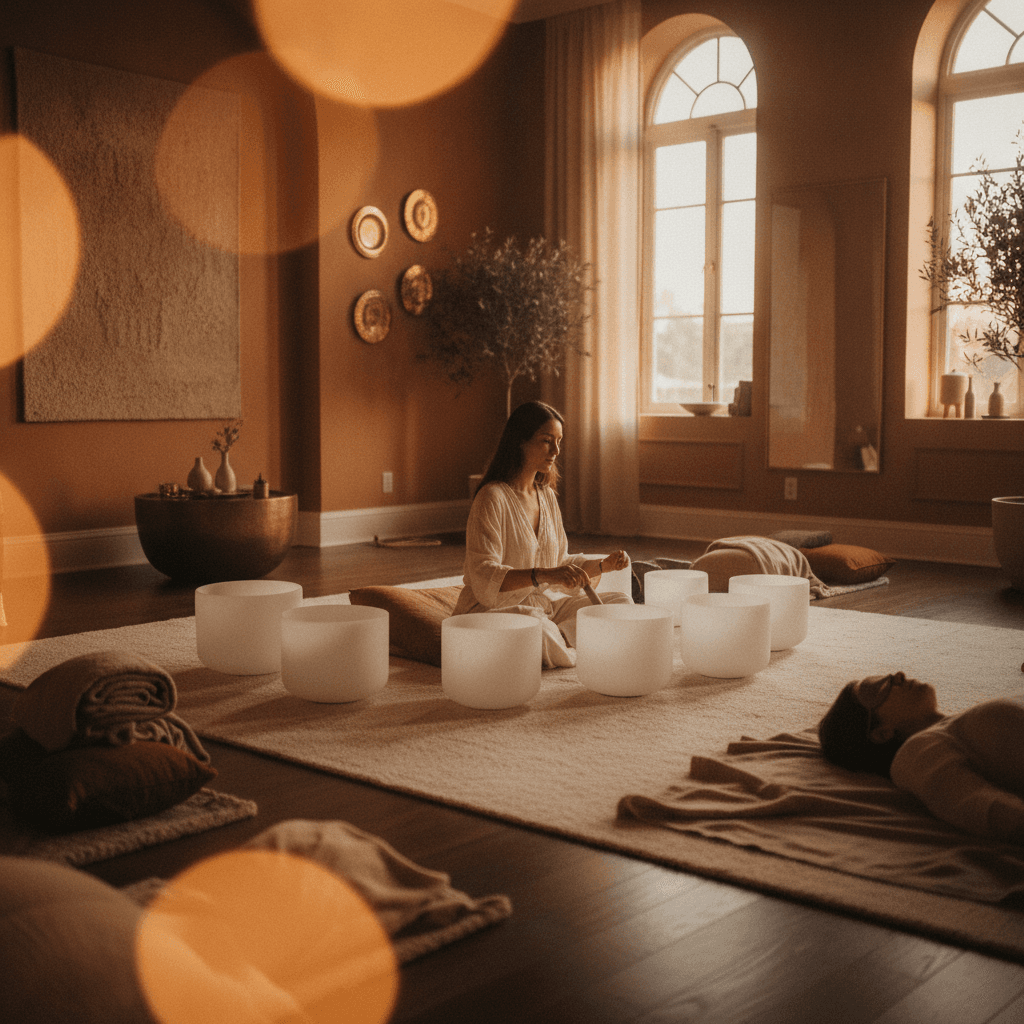
The journey begins before the first note is even played. The physical space itself is thoughtfully designed, incorporating soft lighting, calming colours, and tactile elements that are pleasing to the touch, not overwhelming. Sound-absorbing materials are strategically placed to ensure optimal acoustics, preventing echoes and unwanted reverberation that can be distressing for sensitive ears. This creates an enveloping sound field where the intended frequencies can resonate clearly without distortion or harshness.
The Auditory Landscape
During the session, the selection and progression of instruments are paramount. Rather than sudden, loud, or unpredictable bursts of sound, a neurodivergent-friendly sound bath focuses on a gentle, gradual unfolding of the soundscape. Instruments known for their soothing, sustained tones, such as crystal singing bowls, carefully tuned gongs, and chimes, are chosen. The intention is to create a consistent, yet evolving, tapestry of sound that allows the brain to comfortably entrain to calmer wave patterns.
The volume is always carefully moderated, often kept at a lower intensity than a traditional sound bath, allowing individuals to absorb the vibrations without feeling overwhelmed. Emphasis is placed on sustained tones and steady rhythms, which research suggests may improve focus and reduce distraction for some neurodivergent individuals. The vibrations of the instruments are not just heard but also felt through the body, offering a gentle, grounding tactile input that can further aid in nervous system regulation and relaxation.
Beyond Sound: A Holistic Sensory Experience
A truly inclusive sound bath extends beyond just auditory considerations. It involves a holistic approach to sensory input:
- Visual Comfort: Soft, diffused lighting, or the option for complete darkness, helps to reduce visual stimulation. Distracting visual elements are minimised.
- Thermal Regulation: The room temperature is maintained at a comfortable, consistent level, and blankets are often provided, allowing individuals to feel cocooned and secure.
- Olfactory Harmony: While scents can be powerful, they are used with extreme caution or omitted entirely to avoid triggering sensitivities. If used, only the most subtle, hypoallergenic, and widely accepted calming aromas might be considered.
This comprehensive approach ensures that the entire environment contributes to a sense of peace and safety, creating a truly sensory-positive space. Clients are encouraged to find a comfortable position, perhaps with props like cushions and eye masks, allowing them to fully immerse themselves in the experience at their own pace.
"True healing begins when we feel safe enough to simply be. For neurodivergent individuals, this safety often comes from a meticulously crafted environment that respects and anticipates their unique sensory needs."
The Soul Art Approach: Larissa Steinbach’s Vision for Inclusive Wellness
At Soul Art, Larissa Steinbach has meticulously translated these scientific insights and empathetic considerations into a distinctive offering: sound baths specifically designed with neurodivergent individuals in mind. Her approach goes beyond simply playing instruments; it’s about creating a deeply considered and customised wellness experience that honours individual sensory profiles. Larissa believes that deep relaxation should be accessible to everyone, regardless of their sensory differences.
Larissa Steinbach’s methodology is rooted in an interdisciplinary understanding of sound science, sensory integration, and empathetic client care. She begins by understanding the diverse needs of her clients, creating an environment that feels both safe and restorative. This client-centred philosophy ensures that each session can be adapted, whether through adjustments in sound intensity, instrument choice, or the overall pacing of the sound journey.
Tailored Sonic Landscapes
What makes the Soul Art method unique is its dedication to crafting tailored sonic landscapes. Larissa carefully selects instruments based on their specific vibrational qualities and their capacity to elicit calming brainwave states. This includes a curated collection of high-quality crystal singing bowls, Himalayan singing bowls, gentle gongs, and chimes, all played with precision and intention. The focus is on sustained, harmonious tones that promote gentle brainwave entrainment, moving away from abrupt or jarring sounds.
Larissa Steinbach ensures that the acoustic design of the Soul Art studio supports this intention, utilising sound-absorbing elements to create an optimal environment. This means reduced reverberation and a quiet space where the subtle nuances of the sound can be fully appreciated without external noise interference. The studio itself becomes a "sensory recovery space," a sanctuary where the nervous system can truly down-regulate.
Prioritising Comfort and Predictability
Beyond the sound itself, Soul Art prioritises comfort and predictability. Sessions are often structured with clear introductions and gentle transitions, helping neurodivergent individuals feel secure and prepared for what to expect. Soft lighting, comfortable mats, and the option for individualised space are all part of the Soul Art experience. This attention to detail reflects a deep understanding that a sense of control and predictability are crucial for managing sensory input.
Larissa Steinbach also integrates mindful breathing and gentle body awareness techniques, inviting clients to connect with their internal experience in a non-judgmental way. This holistic approach supports the body's natural relaxation response, allowing the therapeutic vibrations to penetrate more deeply. Soul Art stands as a testament to the belief that with thoughtful design and compassionate practice, sound wellness can be a powerful ally for neurodivergent individuals seeking profound peace and nervous system harmony.
Your Next Steps: Embracing Neurodivergent-Friendly Wellness
Understanding the science and the intention behind neurodivergent-friendly sound bath design is the first step towards a more inclusive wellness journey. Whether you are neurodivergent yourself, a caregiver, or simply an ally, there are practical ways to integrate these principles into your life and seek out supportive experiences. Embracing sound wellness can be a powerful self-care practice for managing stress and enhancing overall well-being.
Here are some actionable steps you can take today:
- Explore Sensory-Friendly Environments: Seek out wellness studios, like Soul Art, that explicitly mention accommodations or designs for sensory sensitivities. Don't hesitate to ask about their approach to lighting, sound intensity, and room acoustics.
- Communicate Your Needs: If attending a group session, discreetly inform the facilitator about any specific sensory sensitivities you may have. A good practitioner, like Larissa Steinbach, will be understanding and may offer modifications.
- Start with Shorter Sessions: If new to sound baths, consider trying shorter sessions to gradually acclimate yourself to the experience. This allows your nervous system to adjust at its own pace.
- Create Your Own Sanctuary: Identify elements in your home that promote sensory comfort. This could include using soft lighting, incorporating gentle background sounds or ambient music, and ensuring comfortable, calming textures in your personal space.
- Mindful Listening Practices: Even without formal instruments, practising mindful listening to natural, calming sounds (like rain or gentle chimes) can help train your brain to focus and relax.
Taking these steps can help you discover the profound benefits of intentionally designed sound environments, fostering a greater sense of calm and well-being in your daily life.
In Summary: A Symphony of Calm and Inclusivity
Neurodivergent-friendly sound bath design represents a vital evolution in the world of wellness, marrying ancient practices with modern scientific understanding and a deep commitment to inclusivity. By carefully considering acoustic environments, instrument selection, and overall sensory presentation, studios like Soul Art are creating sanctuaries where every individual, particularly those with sensory sensitivities, can find profound relaxation and nervous system regulation.
The work of Larissa Steinbach at Soul Art Dubai demonstrates that intentional design, informed by neuroscience and empathy, can transform the sound bath experience into a powerful tool for stress reduction, emotional regulation, and enhanced cognitive well-being. It is an invitation to experience a harmonious haven, meticulously crafted to support your unique journey towards peace. We invite you to explore this world of gentle vibration and discover a deeper sense of calm within yourself.
Bookings Coming Soon
Soul Art is still in preparation. Session details and booking will be published here after launch.
Coming Soon
Wellness Disclaimer: This article is for educational and informational purposes only. It does not constitute medical advice, diagnosis, or treatment. Soul Art Dubai provides non-medical wellness experiences focused on relaxation, stress management, and general wellbeing. Sound wellness is a complementary practice and should not replace professional medical care.
Related Articles
Empowered Choices: The Art of Clarity Without Overexplaining
Unveiling the Power: Photosensitivity & Visuals in Sound Sessions
The Subtle Art of Slow Transitions: Guiding Your Brain to Calm