The Silent Symphony: How Sound Healing Rewires Musicians' Well-being
Key Insights
Explore the science of sound healing and how it offers vital nervous system support for musicians, enhancing well-being at Soul Art Dubai.
The world resonates with music, yet behind the harmonious facade, a surprising discord often plagues its creators. Academic studies over the past decade increasingly suggest that while music-making is profoundly joyful and therapeutic, the psychosocial demands of a musical career can be deeply damaging for the emotional well-being of musicians (Musgrave 2022). From demanding schedules to performance anxieties and the constant pressure to innovate, artists often find themselves in a precarious balance, their nervous systems perpetually challenged.
This paradox highlights a critical need within the music industry: accessible, effective wellness solutions tailored to the unique stressors faced by those who shape our auditory landscapes. How can those who craft the very frequencies that move and inspire us find a path back to inner harmony and resilience? The answer, as explored by Larissa Steinbach and the team at Soul Art in Dubai, lies within the emerging science of sound healing, offering a powerful, non-invasive method to rewire the nervous system and foster profound well-being.
This article delves into the scientific underpinnings of sound healing, illustrating how it transcends mere entertainment to become a strategic tool for personal and professional flourishing. We will explore how specific frequencies and vibrations can gently guide the brain into restorative states, reduce physiological stress markers, and create a sanctuary of calm amidst the industry's storm. For musicians seeking sustainable careers and a deeper connection to their craft, understanding and integrating sound wellness practices may not just be beneficial—it could be essential.
The Science Explained: Resonating with Restoration
At its core, sound healing operates on the principle that everything, including the human body, is fundamentally vibration. Just as pharmaceutical interventions utilize chemicals to alter internal body chemistry, sound and vibration act as external sources that can profoundly influence our internal milieu. This includes the intricate intracellular structures, the spaces between cells, and the electrical conduction between brain and heart cells, impacting our very being at a foundational level (Brandi Fleck).
The exciting frontier of this research lies in understanding how the actual vibration and frequency of our bodies and minds are changed and affected by what we hear and feel. Early studies, though often small or limited, continue to gather scientific evidence supporting the benefits of various sound therapy modalities. This includes binaural beats, sound baths, and vibroacoustic therapy, all designed to promote healing and deep relaxation (UCLA Health).
Brainwave Entrainment and Altered States of Consciousness
A key mechanism in sound healing is brainwave entrainment, the process by which brainwave frequencies synchronize with external rhythmic stimuli. Dr. Yune S. Lee, a neuroscientist at The University of Texas at Dallas, is researching how rhythm helps focus the brain's ability to process language and quantify music's effects on the brain. His work on binaural beats is particularly insightful. When two slightly different frequencies are played in the left and right ears, the brain becomes "confused." It attempts to resolve this discrepancy by generating a new, "third frequency" internally, which corresponds to the small mismatch in hertz (Lee, UTDallas).
This offset frequency can then entrain the part of the brain that produces brain waves at that new frequency. For example, specific binaural beats can help guide brainwaves into a theta state, a trance-like condition associated with deep relaxation, meditation, and even heightened creativity. This state, often experienced during intense focus or certain auditory experiences, allows the brain to quiet busy thoughts and promote profound calm (Brandi Fleck, AMTA.Pro).
Beyond auditory entrainment, the integration of stroboscopic light stimulation alongside electronic music and spatial audio further amplifies this process. As Gavin Lawson highlights in "A Technological Approach to Well-Being in the Music Industry," continued inquiry into the pollination of stroboscopic light, electronic music, spatial audio, data, and sonification holds the potential to redefine creative expression and well-being for music professionals. Lawson's personal model, "Audyssey - Geom," uses these elements to support stress reduction and help individuals reach altered states of consciousness, demonstrating the powerful synergy between sound and light.
Physiological and Psychological Benefits
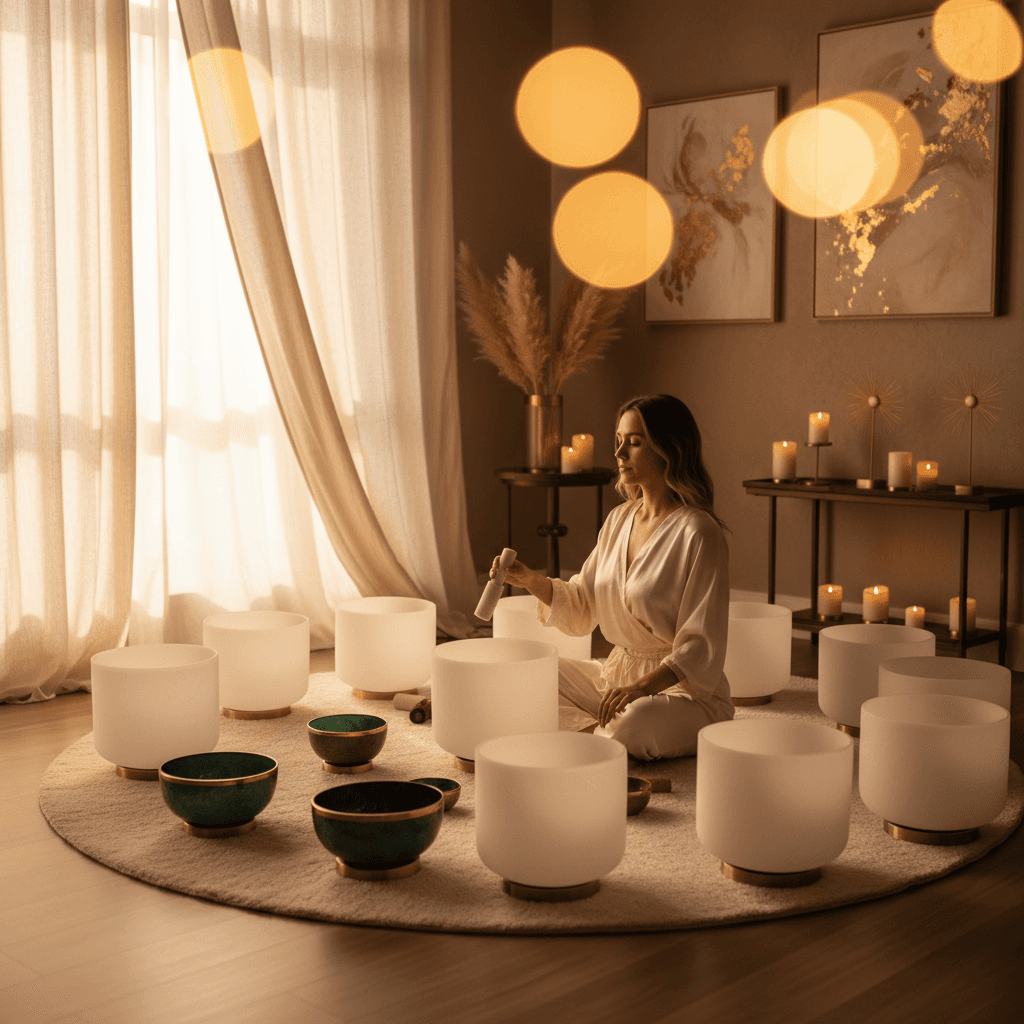
The impact of sound healing extends beyond brainwave synchronization to directly influence physiological markers of stress and well-being. Research indicates that practices like sound baths, which utilize instruments such as crystal singing bowls, Tibetan singing bowls, gongs, and drums, can significantly contribute to stress reduction. Preliminary studies suggest these practices may decrease cortisol levels, support blood pressure control, and aid in managing anxiety, depression, and feelings of worry, leading to states of deep relaxation (Brandi Fleck, UCLA Health).
Intentional listening practices, moving beyond music as mere entertainment, have been shown to positively impact health and well-being. Providing a space to engage with music in a focused, meditative manner allows for a deeper connection to the music itself, encouraging participants to experience sound as a strategic tool for well-being. This shift from passive consumption to active engagement is crucial for leveraging sound's therapeutic potential (Global Wellness Institute).
"What we see in music and sound therapy is that we are taking an external source of sound, of vibration, to see how it might affect the internal milieu of the body, the intracellular structure, the space between cells, how electricity is conducted between cells, brain cells, heart cells, all of those types of things." – Brandi Fleck
Classical music, while not explicitly created for therapeutic purposes, is renowned for its calming effects. It has been associated with promoting dopamine release and suppressing cortisol production, activating brain regions linked to positive emotions while decreasing activity in those connected to negative ones (PMC NCBI). This highlights the universal language of music and its inherent capacity to influence our emotional and physiological states, transcending cultural and genre boundaries.
Furthermore, vibrotactile stimulation, the application of musical vibrations directly to the body, offers another powerful avenue for healing. Methods like vibroacoustic therapy allow the body to receive sound waves through the skin, complementing the auditory experience. This dual sensory input amplifies the potential health benefits, enhancing relaxation and promoting a deeper sense of inner balance (AMTA.Pro, UCLA Health).
How It Works in Practice: The Immersive Experience
Stepping into a sound healing session is an invitation to shed the external world and reconnect with one's inner landscape. For musicians, accustomed to manipulating sound, this experience offers a unique perspective—to receive sound as a catalyst for restoration rather than solely to produce it. The practice creates an immersive environment where the body and mind can release tension and embrace profound states of calm.
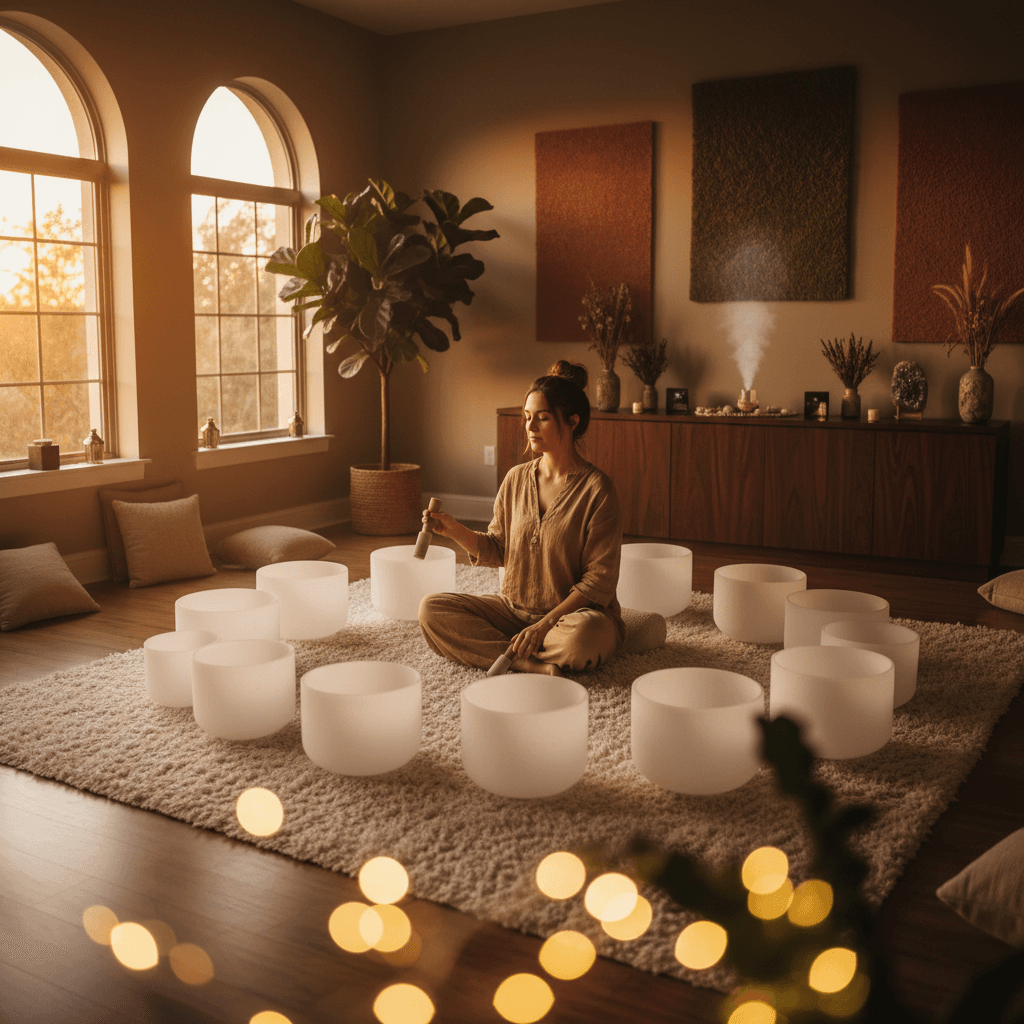
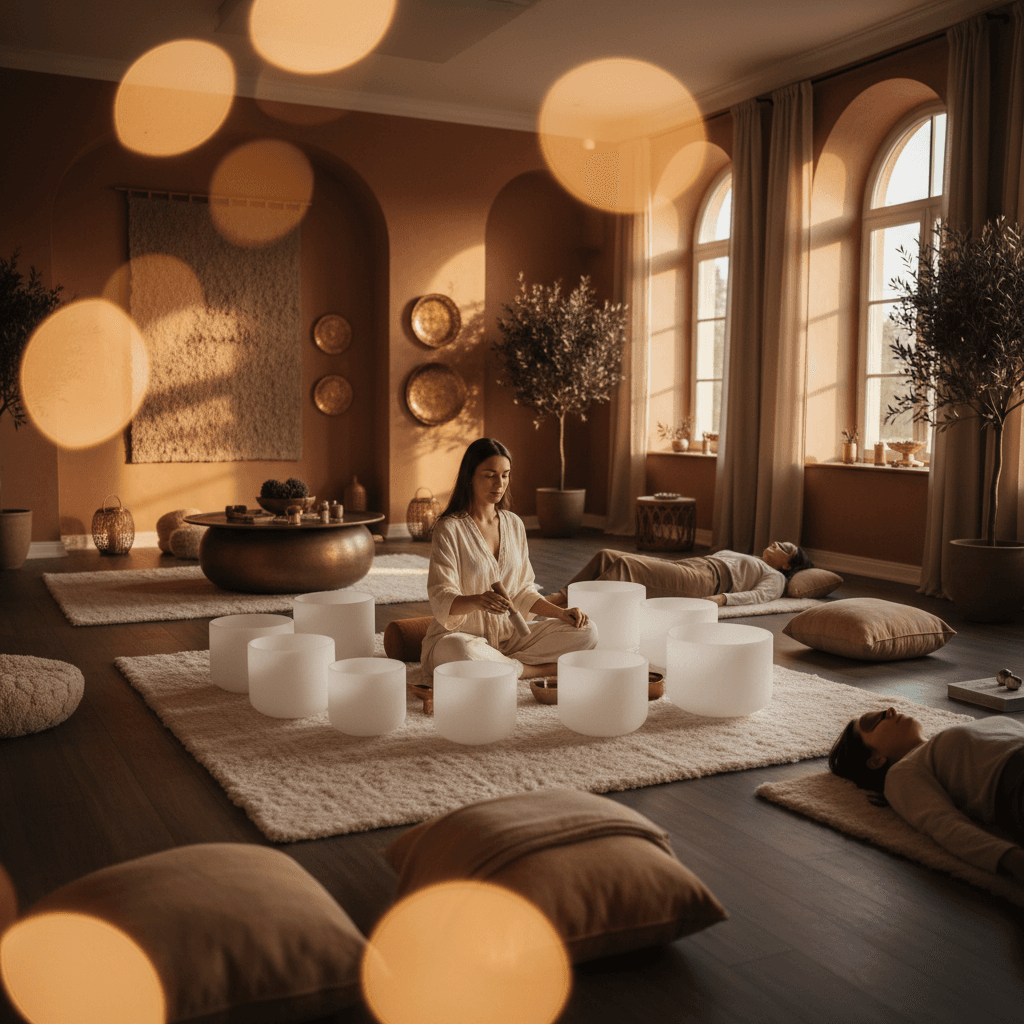
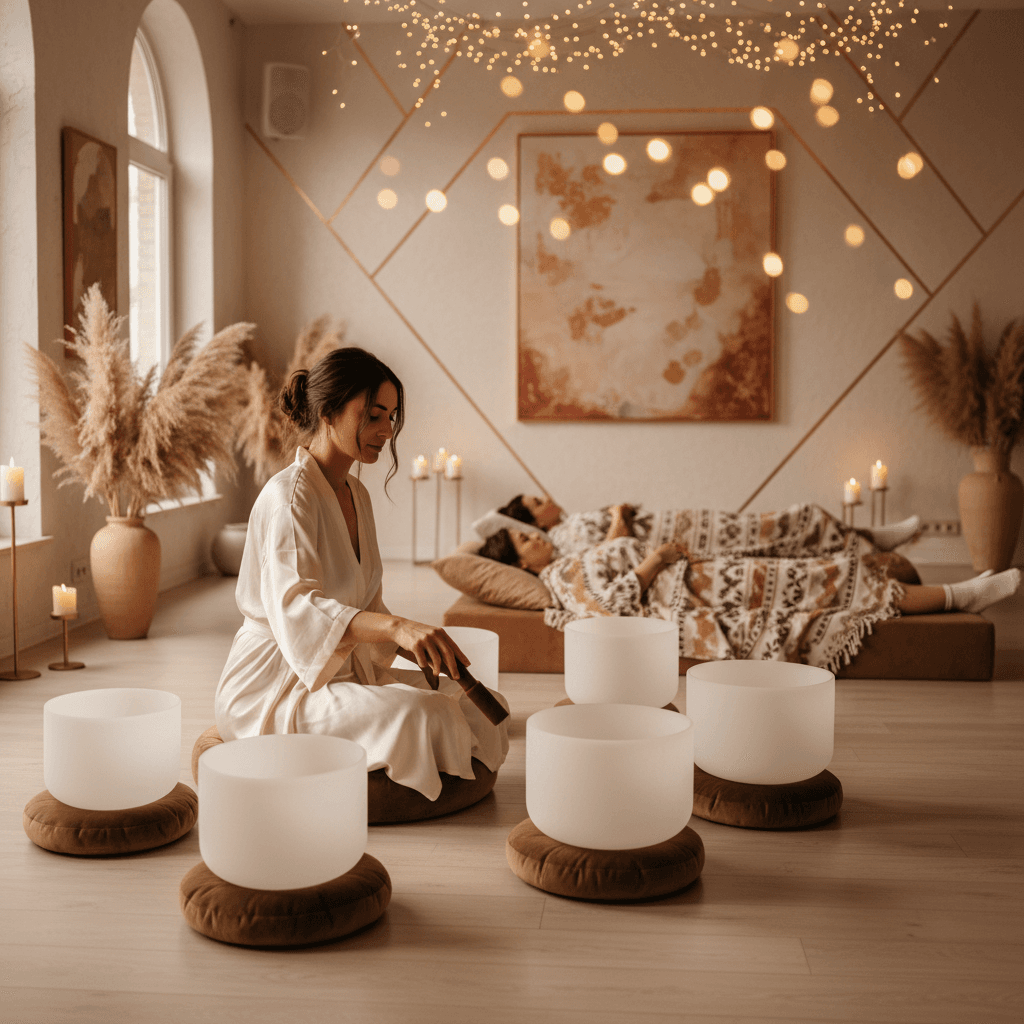
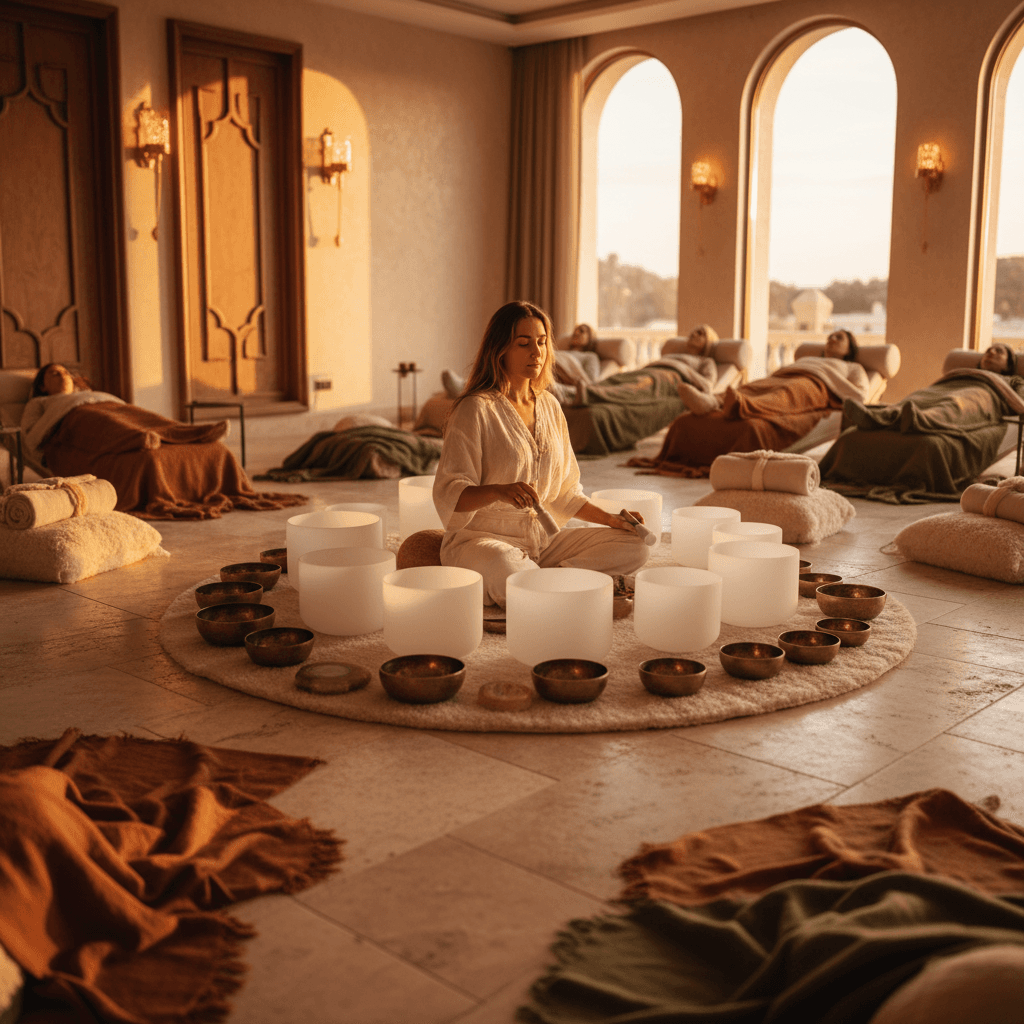
Typically, clients lie comfortably, often surrounded by a curated array of instruments or enveloped in precisely designed soundscapes. In a traditional sound bath, the practitioner plays instruments like crystal singing bowls, gongs, chimes, and various drums. The sounds wash over the body, creating gentle vibrations that are felt as much as they are heard, inviting the nervous system into a deep state of relaxation. This sensory experience helps quiet the incessant mental chatter, allowing the brain to shift from beta (alert, awake) into alpha (relaxed, reflective) and eventually theta (trance-like, meditative) brainwave states.
Advanced sessions might integrate sophisticated audio technologies, such as spatial audio and high-fidelity headphones, to deliver precisely calibrated frequencies. These technologies create a three-dimensional sound field that can enhance the brain's response to binaural beats and other entrainment techniques. The experience becomes deeply personal, with sounds seemingly moving around and through the body, dissolving the boundaries between self and sound.
Many people report a significant reduction in stress and anxiety after a session. This heightened state of relaxation may also lead to improved sleep, enhanced mood, and greater mental clarity. For musicians grappling with creative blocks or performance pressure, this deep reset can often unlock new perspectives and foster a renewed sense of flow and inspiration. It’s an opportunity for the nervous system, perpetually on alert in a demanding industry, to finally unwind and recalibrate.
The beauty of sound healing lies in its non-invasive nature and its ability to meet each individual where they are. Whether seeking a moment of peace, relief from chronic stress, or a deeper connection to their creative core, clients often emerge feeling refreshed, grounded, and harmonized. It’s an intentional practice that supports the body’s innate capacity for self-regulation and healing, offering a vital resource for well-being in a fast-paced world.
The Soul Art Approach: Larissa Steinbach's Vision
At Soul Art Dubai, the practice of sound wellness is elevated to an art form, meticulously crafted by founder Larissa Steinbach. With a distinguished background spanning 30 years as a DJ, music producer, educator, and performer, Larissa brings a unique and profound understanding of sound design, performance, and composition to her healing modalities. Her expertise allows Soul Art to offer a sophisticated, scientifically-informed approach that resonates deeply with musicians and creative professionals.
Larissa's method is deeply influenced by her extensive experience in electronic music, recognizing its profound potential beyond entertainment. She integrates advanced technologies and techniques, drawing parallels to the innovative work highlighted by Gavin Lawson in his "Technological Approach to Well-Being in the Music Industry." This involves the strategic use of electronic music, spatial audio, and even synchronized stroboscopic light stimulation to guide participants into altered states of consciousness, supporting profound stress reduction and enhanced well-being.
"I have personally developed this model into a working practice, supporting stress reduction, electronic music production, and synchronised stroboscopic light stimulation, thus helping to reach altered states of consciousness." – Gavin Lawson, reflecting the spirit of Soul Art's advanced methodologies.
Soul Art sessions often leverage high-fidelity audio equipment, such as premium headphones, to deliver precise soundscapes. These curated experiences are designed to maximize the effects of brainwave entrainment, utilizing binaural beats and carefully composed frequencies to induce deep relaxation and meditative states. Larissa’s deep understanding of how sound affects the human psyche allows for a highly personalized and impactful journey for each individual.
What makes the Soul Art method truly unique is its seamless blend of ancient wisdom with cutting-edge science and technology. While embracing the calming vibrations of traditional instruments like crystal and Tibetan singing bowls, Larissa Steinbach also pioneers the use of generative and adaptive sound environments, creating an intelligent, responsive experience. This innovative approach ensures that each session is not just a passive listening experience but an active engagement with sound as a sophisticated tool for nervous system regulation and self-discovery. Soul Art provides a sanctuary where the sophisticated artistry of sound meets the profound science of healing.
Your Next Steps: Cultivating Auditory Wellness
Integrating sound wellness into your life, especially if you're a musician or creative professional, can be a transformative journey towards sustainable well-being. It's about consciously engaging with sound as a tool for self-care and nervous system regulation. Here are some actionable steps you can implement today to begin cultivating auditory wellness:
- Mindful Listening Practice: Dedicate 10-15 minutes each day to intentional listening. Choose calming instrumental music, nature sounds, or guided meditation tracks. Focus solely on the textures, frequencies, and rhythms, allowing your mind to anchor in the present moment. This helps train your brain to enter relaxed states more readily.
- Create a Sacred Sound Space: Designate an area in your home or studio that is optimized for auditory calm. Minimize external distractions and consider incorporating elements that enhance relaxation, such as comfortable seating, soft lighting, and perhaps a diffuser with calming essential oils. Use this space for your mindful listening or meditation practices.
- Explore Sound Bath Experiences: Seek out local sound healing practitioners or studios, like Soul Art, that offer sound baths. Experiencing a guided session with live instruments such as crystal bowls and gongs can provide a profound introduction to the immediate relaxation and stress reduction benefits of sound vibrations.
- Investigate Binaural Beat Apps: There are numerous apps available that offer binaural beat recordings designed to encourage specific brainwave states (e.g., delta for sleep, theta for meditation, alpha for relaxation). Experiment with these during moments of stress or to prepare for rest. Remember to use headphones for optimal effect.
- Prioritize Digital Detox: Regularly disconnect from digital noise. The constant barrage of notifications, alerts, and digital content can overstimulate the nervous system. Schedule periods of silence or immerse yourself in natural soundscapes to give your auditory system a much-needed break.
These practices, when consistently applied, can serve as powerful complementary tools for managing stress, enhancing creativity, and maintaining a balanced nervous system. By actively engaging with the world of sound healing, you empower yourself to navigate the demands of your profession with greater resilience and inner peace.
Bookings Coming Soon
Soul Art is still in preparation. Session details and booking will be published here after launch.
Coming Soon
In Summary: Harmonic Resilience
The journey of a musician, while creatively fulfilling, can be fraught with unique stressors that impact well-being. Sound healing emerges as a scientifically supported, sophisticated pathway to address these challenges, offering profound nervous system support and fostering enduring resilience. By leveraging the power of vibration, frequency, and intentional listening, practices like brainwave entrainment, sound baths, and vibroacoustic stimulation gently guide the body and mind into states of deep rest and restoration.
Larissa Steinbach and Soul Art stand at the forefront of this wellness revolution, blending decades of musical expertise with cutting-edge scientific understanding to create bespoke experiences. Our approach, integrating electronic music, spatial audio, and light stimulation alongside traditional instruments, offers a unique sanctuary for creative professionals to recalibrate and thrive. Embrace the transformative potential of sound and allow its frequencies to harmonize your life, supporting not just your well-being, but also nurturing the very source of your artistry.