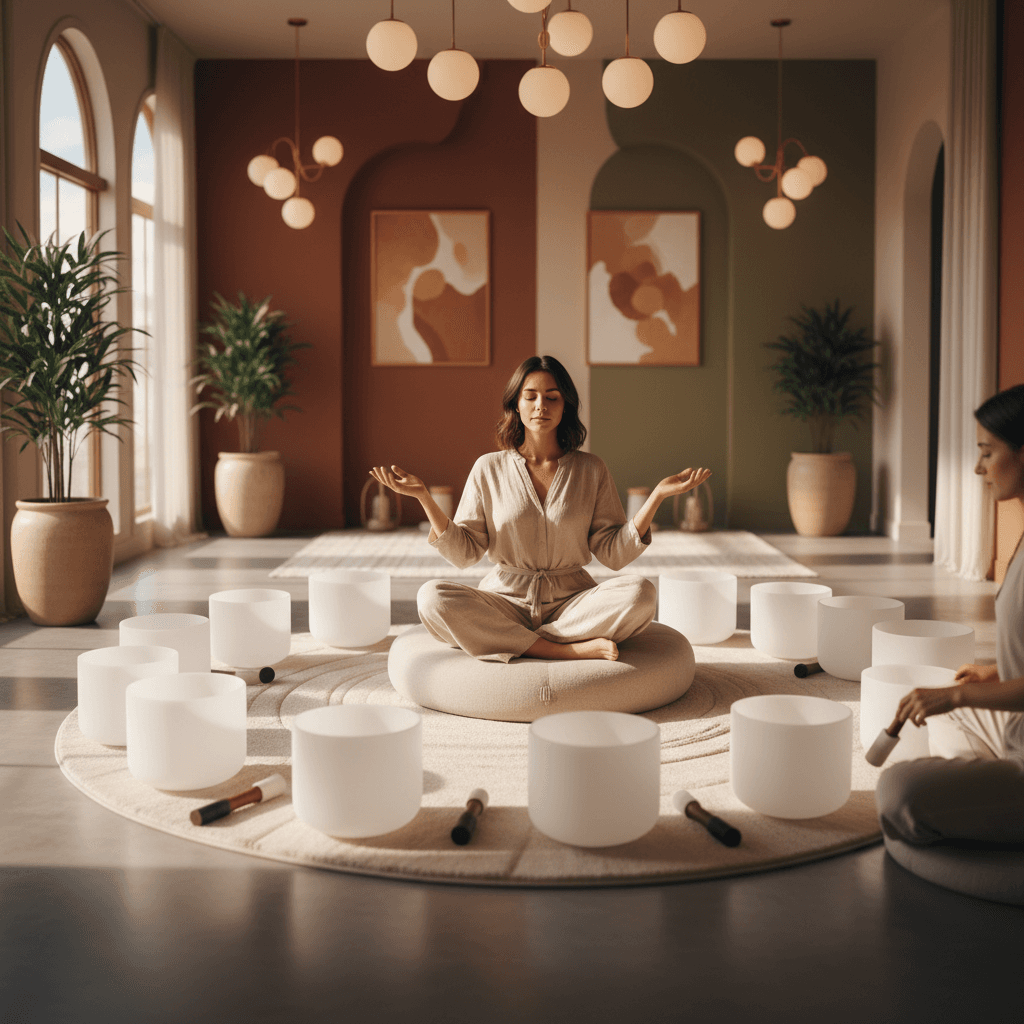
Unlock Your Mobility: Sound's Power for Limited Movement
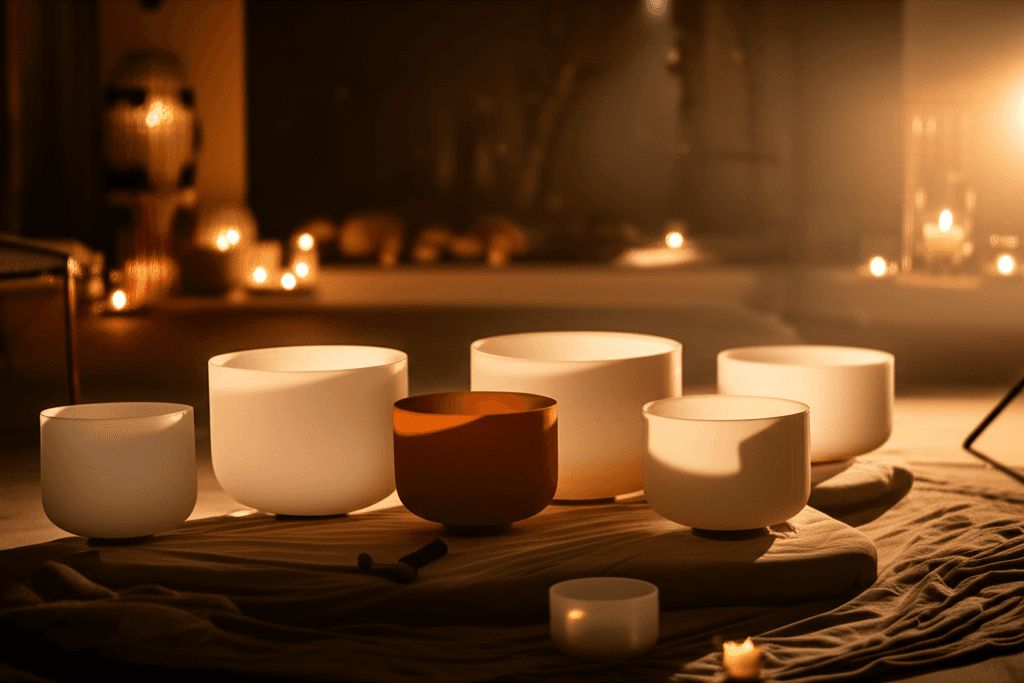
Key Insights
Explore how rhythmic sound and precise frequencies from Soul Art Dubai, founded by Larissa Steinbach, can enhance movement and well-being.
Unlocking Fluidity: The Surprising Power of Sound for Movement
Imagine a world where sound doesn't just soothe your mind, but also gently guides your body, enhancing fluidity and restoring a sense of ease in motion. For many living with limited movement, whether due to age, neurological conditions, or physical challenges, this concept might seem revolutionary. Yet, a growing body of scientific research points to the profound connection between auditory stimuli and our ability to move with greater coordination and stability.
At Soul Art, Dubai's premier sound wellness studio, founder Larissa Steinbach has long championed the transformative potential of sound. This article delves into the fascinating science behind how targeted sound interventions may support improved mobility, offering practical insights and a glimpse into how our unique approach can help you rediscover the joy of uninhibited movement. Prepare to explore how the subtle frequencies and rhythms around us can become powerful allies in our journey toward enhanced physical well-being.
The Symphony of Movement: How Sound Guides Our Bodies
Our relationship with sound is deeply ingrained in our biology, influencing not just our emotions but also our motor systems. From the natural rhythm of our heartbeat to the intricate patterns of music, auditory cues play a fundamental role in how we perceive and execute movement. Scientific inquiry has begun to unravel the complex neural pathways through which sound interacts with our motor control, offering promising avenues for wellness practices aimed at improving mobility.
This intricate interplay suggests that sound can act as a powerful external cue, helping to organize and regulate motor function even when internal systems are compromised. By understanding these mechanisms, we can better appreciate how sound wellness practices may support individuals facing diverse mobility challenges.
Rhythmic Auditory Stimulation (RAS): A Neurological Compass
One of the most extensively studied applications of sound for movement is Rhythmic Auditory Stimulation (RAS). This technique involves using precise rhythmic patterns, often akin to a metronome or beat-enhanced music, to facilitate the rehabilitation of intrinsically rhythmical movements like walking. Research consistently demonstrates that RAS can have immediate and significant effects on key gait parameters. Studies have shown improvements in gait velocity, step cadence, and stride length, offering tangible benefits for those with walking difficulties.
Furthermore, RAS has been associated with reducing gait variability and improving walking stability in various neurological conditions. This robust evidence extends to individuals with Parkinson's Disease (PD), stroke, traumatic brain injury (TBI), multiple sclerosis (MS), and cerebral palsy (CP). The rhythmic cues appear to help the brain synchronize motor commands, effectively providing an external pacemaker for movement. This external pacing can bypass damaged neural pathways or compensate for impaired internal rhythm generation, offering a supportive framework for more coordinated motion.
"The rhythmic patterns of sound act as an external neurological compass, guiding our bodies to rediscover their inherent capacity for fluid, stable movement."
While artificial stimuli like metronomes are effective, some preliminary studies suggest that biologically variable auditory cues, such as the sounds of footsteps, may be equally or even more effective in fostering natural gait variability. This indicates that the brain may respond differently to sounds that mimic natural biological processes, potentially leading to more integrated and sustainable improvements in movement patterns. The action-relevance of the auditory stimulus appears to be a dominant factor in facilitating these positive changes in gait.
Beyond Rhythm: Pitch, Proprioception, and Perception
The influence of sound extends beyond mere rhythm. Other acoustic properties, such as pitch and timbre, also play a vital role in how we perceive our bodies in space and how we initiate movement. Proprioception, our sense of the relative position of body parts and the strength of effort being employed in movement, can be significantly enhanced by specific sound qualities. Research into movement sonification, where movements are translated into sound, has explored how natural metaphors like wind or water sounds can enhance body perception, emotional state, and movement quality, particularly for physically inactive individuals.
One fascinating study investigated the effects of ascending sounds accompanying a simple arm raise. The results indicated that the ascending pitch eased the movement and enhanced several positive body feelings, including:
- Increased lightness
- Perceived speed
- Reduced tiredness
- Greater capability
- Higher motivation to perform the movement
This suggests that dynamic pitch changes can influence proprioceptive awareness and make movements feel less effortful and more enjoyable. The use of consonant musical intervals, such as a perfect fifth, with specific sound envelopes (attack, decay, sustain, release with reverberation), has been explored to create sounds that are perceived as stable and harmonious, further contributing to a positive movement experience.
Brain-Computer Interfaces and Auditory Cues
Emerging research, particularly in the realm of Brain-Computer Interfaces (BCIs), reveals an even deeper connection between sound and our intention to move. One groundbreaking study, published in Scientific Reports, found that a specific "urge-to-act" area in the brain responded to sound-based cues, but not to visual cues, in a participant with tetraplegia. This area, located in the middle frontal gyrus, appeared to be specifically primed by auditory information when planning movement.
While initial BCI implants focused on visual cues, the discovery that verbal or sound-based cues strongly activate this urge-to-act area is a significant breakthrough. It suggests that by incorporating auditory signals, BCIs could gather movement data from two distinct regions of the brain, potentially enabling more reliable and intuitive control over paralyzed limbs. This cutting-edge research underscores the unique capacity of sound to directly interface with our motor intentions at a neurological level, paving the way for future assistive technologies and wellness interventions.
Translating Science into Movement: Experiencing Sound's Influence
Understanding the science is one thing; experiencing its practical application is another. At Soul Art, we bridge this gap by designing immersive sound wellness sessions that harness these scientific principles to gently guide and support movement. The experience is not about strenuous exercise, but rather about re-establishing a harmonious connection between mind, body, and sound.
Imagine moving through a series of gentle stretches or guided motions, each movement subtly accompanied and enhanced by carefully curated soundscapes. The rhythmic pulses may encourage a steady breath and a more consistent pace for walking, while ascending pitches could make an arm raise feel lighter and more expansive. This sensory feedback creates a rich, multi-modal experience that bypasses conscious effort and taps into the brain's innate capacity for auditory-motor entrainment. The sounds are not merely background noise; they become an integral part of the movement itself.
For individuals with varied levels of physical function, the benefits can be particularly pronounced. Conventional exercise programs sometimes struggle to accommodate a wide spectrum of mobility limitations, leading to either insufficient challenge or overwhelming difficulty. By utilizing sound, we can create adaptable interventions. Sound can be tailored in intensity, tempo, and complexity to meet the individual where they are, promoting engagement and fostering physiological adaptations. The goal is to provide a supportive environment where participants can experience movement without the pressure of comparison, focusing instead on their personal journey of rediscovered fluidity.
Moreover, the versatility of sound allows for innovative applications, such as bone conduction technology. This method transmits sound vibrations directly to the inner ear through the bones of the skull, bypassing the eardrum. It has been explored in various rehabilitative contexts, even providing sensory feedback systems for individuals with visual impairment to facilitate mobility by generating auditory alerts to changes in the environment. While our focus at Soul Art is on ambient and resonant sound, the broader field demonstrates sound's profound capability to provide directional and spatial cues that enhance navigation and body awareness, particularly useful for those whose visual input is limited.
For instance, auditory training sessions have shown promise in helping blind and visually impaired individuals with tasks related to localizing moving sound sources and navigating virtual and real environments using sound-coded distance indications. This highlights how sound can provide crucial spatial information, enabling a greater sense of confidence and independence in movement.
Larissa Steinbach's Vision: The Soul Art Difference
Larissa Steinbach, the visionary founder of Soul Art, has meticulously crafted a unique approach to sound wellness that integrates these cutting-edge scientific insights with an artful, empathetic touch. Her methodology goes beyond mere sound baths, creating immersive experiences designed to address specific wellness goals, including enhancing mobility. At Soul Art, we understand that true well-being is holistic, encompassing physical ease, mental clarity, and emotional balance.
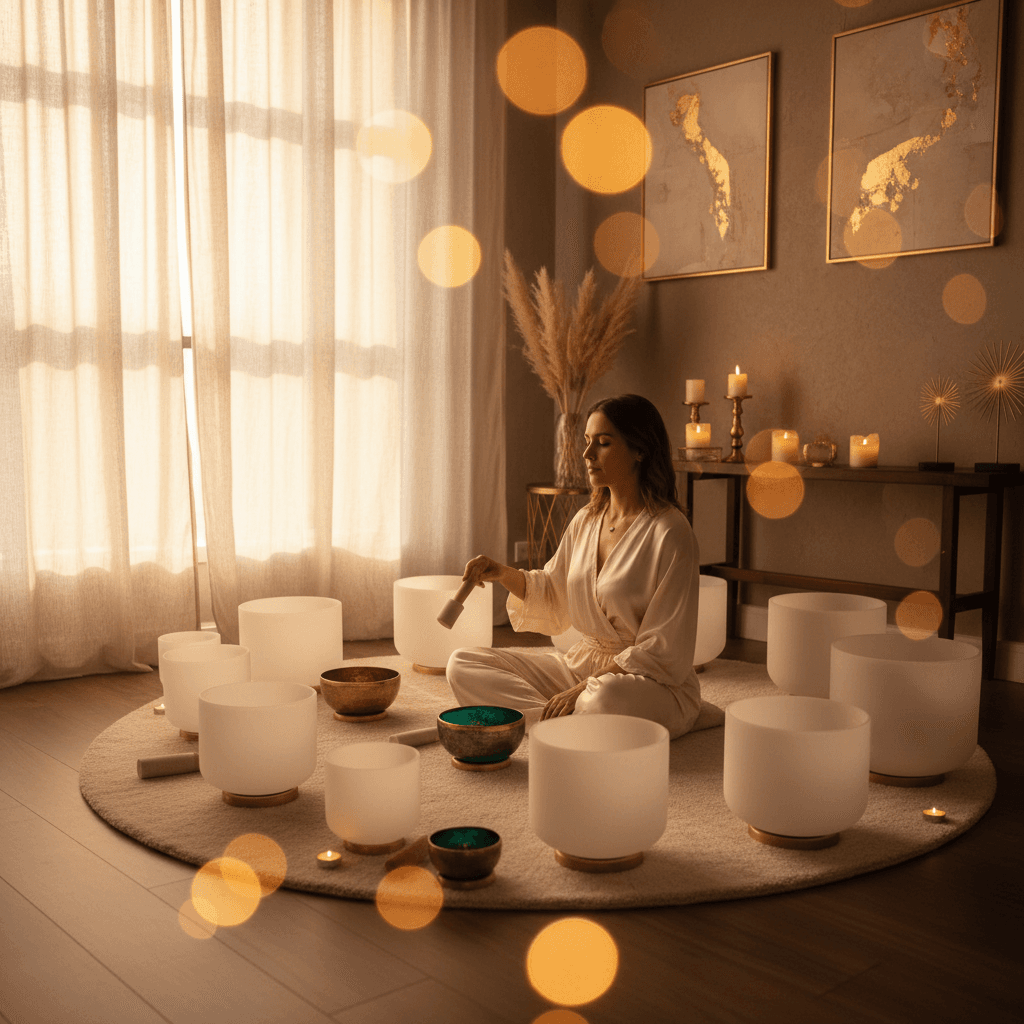
Larissa's expertise lies in curating bespoke soundscapes using a carefully selected array of instruments, including Himalayan singing bowls, crystal alchemy bowls, gongs, chimes, and other resonant tools. Each session is mindfully designed, taking into account the individual's current state and mobility goals. For those seeking to improve movement, the sound experiences are orchestrated to:
- Encourage rhythmic entrainment: Using precise tempos and patterns to gently guide the body's natural rhythms.
- Enhance body awareness: Employing varying pitches and frequencies to deepen proprioceptive sensations.
- Promote relaxation and reduce tension: Calming the nervous system to allow for easier, less restricted movement.
What truly sets the Soul Art method apart is its deeply personalized nature. Larissa Steinbach and her team are adept at adapting sessions to clients with diverse needs, ensuring that each experience is both supportive and transformative. We focus on creating an environment of "quiet luxury," where scientific rigor meets profound serenity. The nuanced interplay of sound, vibration, and intention guides participants toward a state where movement feels more natural, less effortful, and inherently joyful. Our unique blend of ancient wisdom and modern scientific understanding positions Soul Art as Dubai's premier destination for holistic well-being, where every sound is an invitation to greater freedom.
Harmonize Your Movement: Practical Steps for Enhanced Well-being
Integrating the power of sound into your daily life can be a gentle yet impactful way to support your mobility and overall well-being. While professional guidance offers the most tailored experience, there are simple steps you can take to begin exploring this connection. Remember, these are wellness practices designed to complement, not replace, any medical advice or treatment you may be receiving.
Here are a few actionable steps to begin harmonizing your movement with sound:
- Mindful Rhythmic Listening: Pay attention to the rhythm in your environment. When walking, try to synchronize your steps with a gentle, steady beat from instrumental music. This simple practice can help improve gait consistency and awareness.
- Explore Movement with Music: Choose music with a tempo that feels comfortable and encouraging. Engage in gentle, unweighted movements or stretches, allowing the music to guide your pace and fluidity. Notice how different rhythms influence your desire and ability to move.
- Tune into Natural Sounds: Spend time in nature, listening to the rhythmic sounds of waves, birdsong, or wind rustling through leaves. These natural soundscapes can have a calming effect on the nervous system, potentially reducing muscle tension and promoting a sense of ease.
- Practice Conscious Breathing with Sound: Use a gentle, consistent sound (like a humming or a simple chime) as an anchor for slow, deep breathing. This can help regulate your internal rhythm and calm your mind, which in turn may support more relaxed movement.
- Consider a Guided Sound Wellness Session: For a deeper, professionally curated experience, explore sessions at a reputable studio like Soul Art. Our expertly guided sound journeys are designed to target specific areas of well-being, including mobility, within a supportive and luxurious environment.
Ready to explore how the precise frequencies and rhythms at Soul Art can transform your sense of movement and vitality? We invite you to experience the profound benefits of sound wellness firsthand.
Embracing a Future of Fluidity: Your Sound Journey Awaits
The journey toward enhanced mobility is a deeply personal one, and sound offers a remarkably gentle yet powerful pathway. As we've explored, scientific evidence increasingly supports the use of rhythmic auditory stimulation and specific sound qualities to improve gait parameters, reduce variability, enhance body perception, and even influence our brain's intention to move. From fostering greater stability in conditions like Parkinson's to making simple movements feel lighter and more motivated, the potential of sound is truly expansive.
At Soul Art, Larissa Steinbach and her dedicated team are committed to translating this scientific understanding into deeply transformative wellness experiences. By harnessing the subtle yet potent power of sound, we offer a unique complementary approach that may support individuals in rediscovering their innate capacity for fluid, joyful movement. It's an invitation to embrace a holistic path where every sound is a step towards greater freedom and well-being.
Bookings Coming Soon
Soul Art is still in preparation. Session details and booking will be published here after launch.
Coming Soon
Wellness Disclaimer: This article is for educational and informational purposes only. It does not constitute medical advice, diagnosis, or treatment. Soul Art Dubai provides non-medical wellness experiences focused on relaxation, stress management, and general wellbeing. Sound wellness is a complementary practice and should not replace professional medical care.
Related Articles
Downsizing: Navigating Life's Big Changes with Sound Wellness
Restless Legs Relief: Sound Wellness for Deeper Nighttime Comfort
Embracing Age with Inner Peace: Sound Wellness for Acceptance