Misophonia & Sound Baths: Understanding Sensory Well-being
Key Insights
Explore misophonia, its impact, and how sound baths at Soul Art, led by Larissa Steinbach, offer a unique pathway to sensory wellness and relaxation.
Have you ever experienced an intense, disproportionate emotional reaction to an ordinary sound—perhaps the gentle tap of a pen, the soft rustle of paper, or someone chewing? For millions, these everyday auditory stimuli aren't merely annoying; they can trigger profound distress, anger, and anxiety. This complex phenomenon is known as misophonia, a condition that remains widely misunderstood but profoundly impacts quality of life.
At Soul Art Dubai, founded by Larissa Steinbach, we frequently encounter individuals seeking paths to greater calm and sensory harmony. While sound baths are celebrated for their profound relaxation benefits, it's natural to wonder about their role when sound itself can be a source of discomfort. This article delves into the current scientific understanding of misophonia and explores how the carefully curated soundscapes of a sound bath may offer a complementary avenue for managing sensory sensitivities and fostering overall well-being.
Join us as we navigate the intricate relationship between misophonia and the deeply resonant world of sound baths. We aim to provide clear, scientifically-grounded insights into how these practices may support your journey towards a more balanced and tranquil sensory experience.
Understanding Misophonia: A Scientific Perspective
Misophonia, often translated literally as "hatred of sound," is far more nuanced than simple annoyance. It’s characterized by a decreased sound tolerance, where specific common sounds—known as 'trigger sounds'—elicit an atypical and often debilitating negative emotional and physiological response in affected individuals. Research into this condition is rapidly advancing, shedding light on its complex nature.
What is Misophonia?
The original conceptualization by Jastreboff and Jastreboff (2001) described misophonia as a condition of decreased sound tolerance. This involves subconscious connections between particular auditory stimuli and emotional responses, often maintained through principles of associative learning and memory. The experience is not limited to anger; individuals may also report intense irritability, annoyance, disgust, and anxiety.
Common misophonic triggers are often repetitive or oral-nasal, such as another person breathing, chewing, slurping, or even the ticking of a clock. These sounds can make everyday environments and social contexts unbearable, leading to significant distress and negative consequences for individuals and their families. While the term translates to "hatred of sound," the emotional phenotype of this syndrome is not limited to anger alone, highlighting the complexity of its presentation.
The Neurological Landscape of Misophonia
Current research strongly suggests that misophonia is a neurological condition, not merely a psychological quirk or an overreaction. Studies have identified altered brain activity in key regions, including the auditory cortex and the salience network, among individuals with misophonia. This points to a difference in how the brain processes and interprets certain sounds, leading to heightened emotional responses.
The scientific community is actively working to clarify whether misophonia represents a constellation of symptoms that can be definitively classified as a discrete disorder. While some researchers have suggested it could be a psychiatric disorder, others, like Taylor (2017), argue that more scientific research is needed to draw clear conclusions. What is clear, however, is that misophonia does not appear to be better explained by existing psychiatric disorders, underscoring its unique characteristics.
"The existence of misophonia reminds us that our sensory world is profoundly subjective, and what brings peace to one may bring profound distress to another. Understanding this divergence is the first step toward empathy and effective support."
Research is increasing in breadth and scope, exploring its prevalence, symptomatology, phenomenology, demographics, and comorbidities. Despite these advancements, a lack of consensus on its exact definition and diagnostic criteria continues to hinder rapid progress in combining research and clinical data, making the search for effective treatments challenging.
The Science of Sound Baths: A Complementary Approach
Sound baths have surged in popularity, offering a deeply immersive experience where participants are enveloped in resonant frequencies. While ancient cultures intuitively understood the healing power of sound, modern neuroscience is now beginning to validate these benefits. Studies from institutions including UCLA and Stanford University are using advanced neuroimaging to reveal precisely how sound alters our physical and mental states.
During a sound bath, the brain's activity can shift significantly. Recent breakthrough studies using EEG technology show that exposure to frequencies from singing bowls, gongs, and other instruments can transform agitated brainwave patterns into exceptionally calm wave forms, often within minutes. This shift typically moves towards alpha (relaxed awareness) and theta (deep relaxation, meditation) states.
The benefits of sound baths extend beyond temporary relaxation. They are associated with a range of measurable physiological and psychological improvements. Many people report enhanced mood, reduced stress, and lower anxiety levels. The act of deeply listening during a sound bath can give the brain a task, helping to quiet racing thoughts and promoting a reduction in heart rate and blood pressure. These practices leverage both the sounds we hear with our ears and the vibrations our bodies receive through the skin, both of which may have potential health benefits. While ongoing research is continually providing more data to conclude reliable health benefits, current evidence indicates that sound therapy may have some significant positive impacts on well-being.
Bridging the Gap: Sound Baths for Sensory Sensitivity
For individuals navigating misophonia, the idea of engaging in a "sound" bath might seem counterintuitive. However, the nature of sound baths—characterized by harmonious, intentional, and often deeply resonant frequencies—differs profoundly from the unpredictable, irritating trigger sounds of misophonia. Here, the focus shifts from a "hatred of sound" to a guided experience of sound as a medium for relaxation and nervous system regulation.
Creating a Sanctuary: The Environment
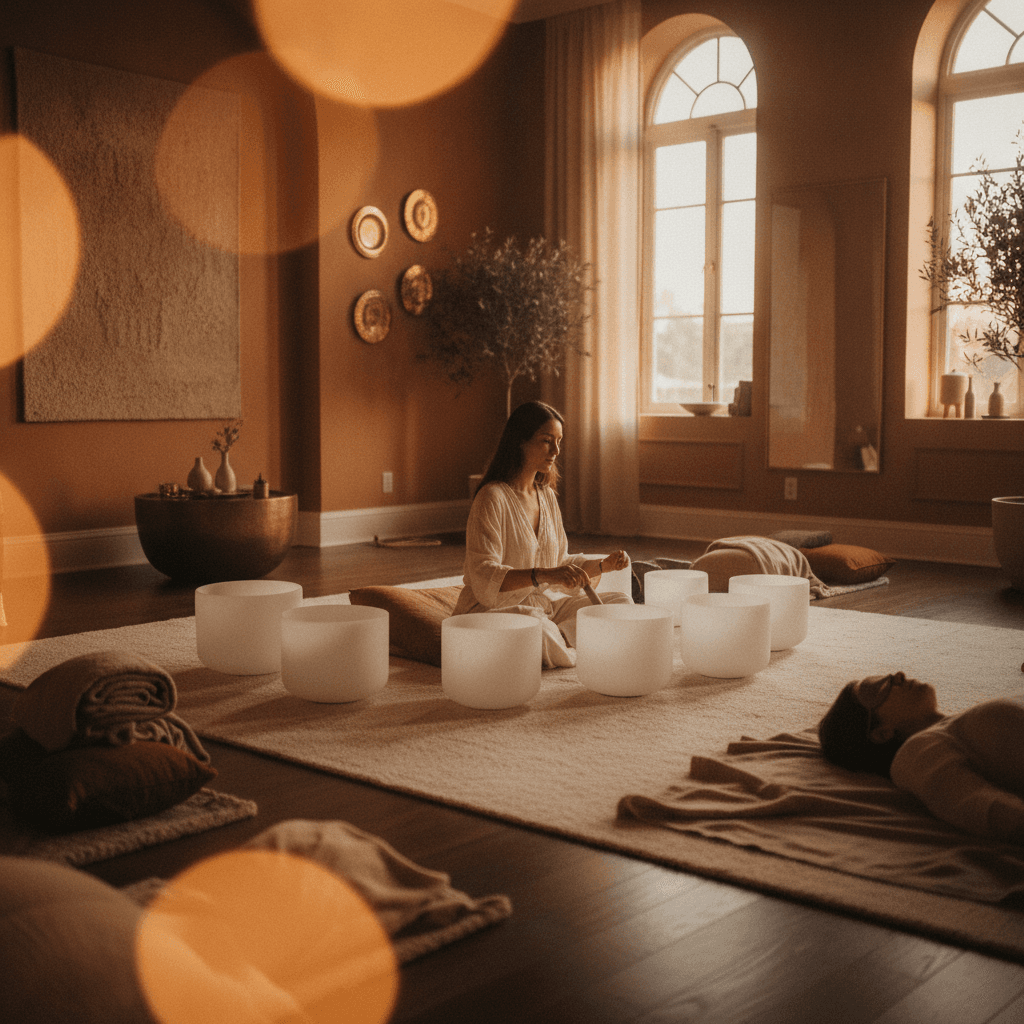
A fundamental aspect of the sound bath experience is the creation of a controlled and safe environment. Unlike the unpredictable real world where misophonic triggers can ambush an individual, a sound bath offers a curated auditory space. This predictability and intention are crucial. Within this sanctuary, participants are invited to surrender to a soundscape designed for profound calm, contrasting sharply with the chaotic sensory input that often characterizes daily life.
The goal is not to "expose" individuals to their misophonic triggers, which can be counterproductive and even harmful. Instead, it is to provide an opportunity for the nervous system to experience profound relaxation through a different quality of sound. This gentle immersion helps individuals with sensory sensitivities manage their responses by offering a deeply restorative state, allowing them to experience sound in a non-threatening, supportive context.
The Journey of Sound and Sensation
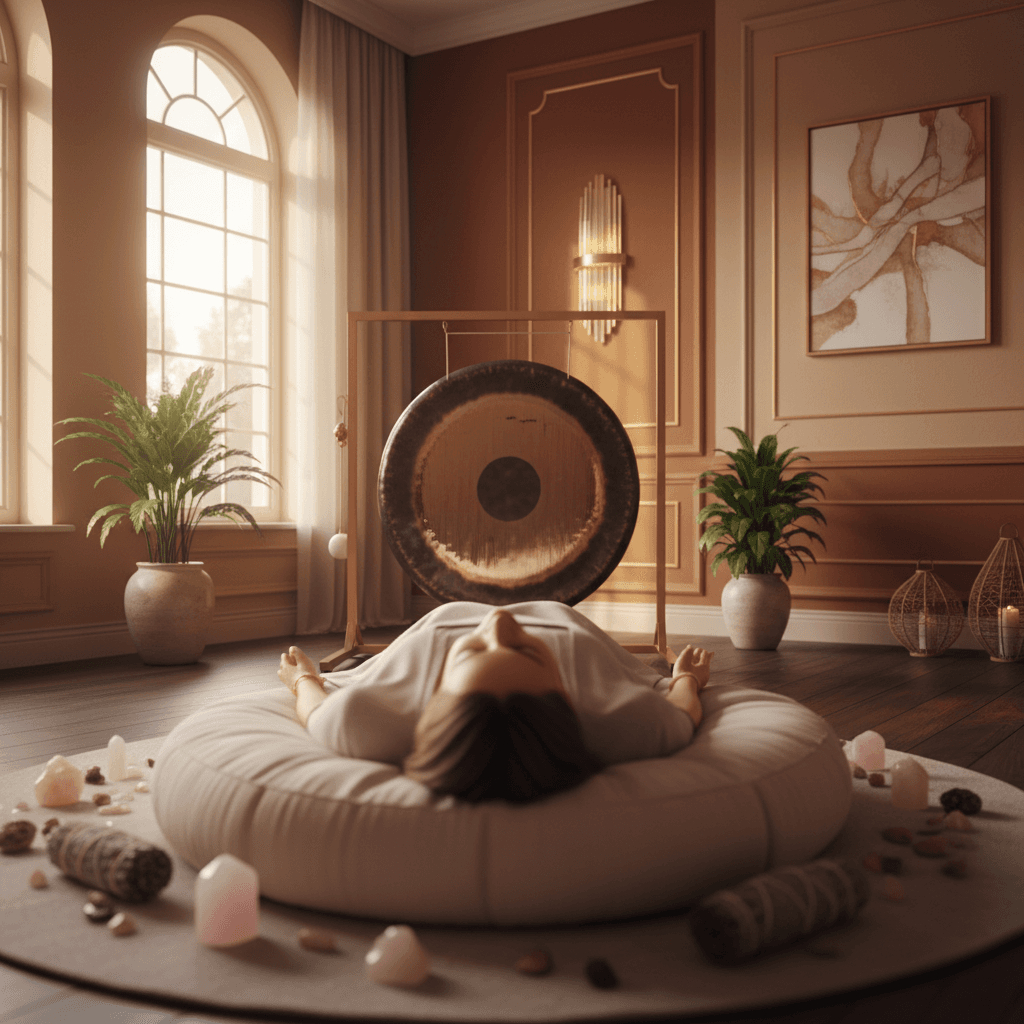
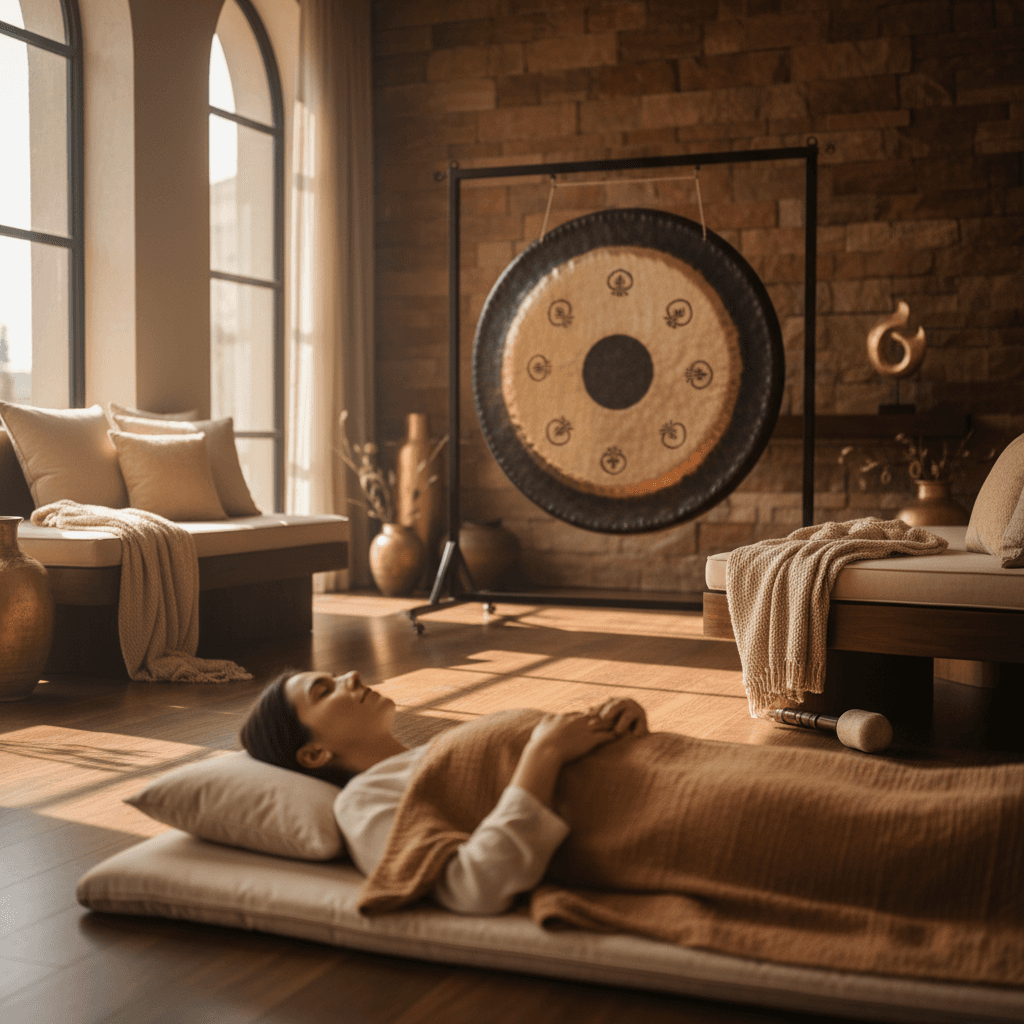
During a sound bath, clients typically recline comfortably, allowing the rich tapestry of sounds to wash over them. Instruments like crystal singing bowls, gongs, and chimes produce pure, sustained tones and complex overtones that resonate throughout the body. These aren't the jarring, specific, and often human-generated sounds that trigger misophonia. Rather, they are frequencies designed to harmonize, soothe, and entrain brainwaves towards states of deep relaxation.
The experience engages both auditory and kinesthetic senses. While the ears perceive the melodies and harmonies, the body absorbs the gentle vibrations through the skin and tissues. This multi-sensory engagement provides a unique pathway for the nervous system to downregulate. By giving the brain a focused, non-threatening "task" of listening to these harmonious frequencies, it can help to quiet the mental chatter and redirect attention away from potential internal distress, fostering a profound sense of calm.
Cultivating Resilience and Calm
While sound baths are not a direct "treatment" for misophonia, they may support individuals in cultivating greater emotional resilience and enhancing their perceived control over emotional reactions. The deep relaxation achieved during a sound bath can help to reset the nervous system, reducing overall baseline anxiety and physiological arousal. This in turn may create a greater capacity to manage stress, including reactions to sensory input.
Preliminary studies and anecdotal evidence suggest that learning about and addressing unhelpful coping mechanisms for misophonia, combined with practices that enhance skill use for emotional responses, can be beneficial. Sound baths, as a complementary wellness practice, offer a space to practice presence and nervous system regulation. This may indirectly help individuals develop a stronger internal anchor when confronting external sensory challenges, promoting a sense of inner peace and equilibrium.
The Soul Art Difference: A Nurturing Path with Larissa Steinbach
At Soul Art Dubai, we understand the profound impact sensory experiences have on well-being. Larissa Steinbach, our founder, approaches sound wellness with deep empathy and a nuanced understanding of sensory sensitivities, ensuring that every session is a journey towards gentle restoration. Our philosophy is rooted in creating a deeply supportive and non-judgmental space, where everyone can feel safe to explore the profound benefits of sound.
A Curated Soundscape for Inner Harmony
What makes the Soul Art method unique is Larissa's meticulous curation of each sound bath experience. The environment is designed to be a true sanctuary, free from jarring distractions, allowing for a complete immersion in the sound. This careful attention to detail ensures that even those with sensory sensitivities can find comfort and profound relaxation.
We utilize a carefully selected array of instruments known for their therapeutic qualities, including:
- Crystal Singing Bowls: Tuned to specific frequencies, these bowls produce pure, resonant tones that are believed to align with the body’s energy centers, promoting deep relaxation and energetic balance.
- Gongs: Offering a powerful and immersive sound experience, gongs create expansive sound waves that can encourage a release of tension and a profound shift in brainwave states.
- Chimes: The delicate, ethereal sounds of chimes add texture and lightness, often used to signify transitions and bring a sense of clarity and peace.
Each instrument is chosen not just for its sound, but for its capacity to gently guide the nervous system towards states of coherence and calm. The intention is to offer a refuge, a space where the overstimulated mind can find quiet, and the body can release accumulated stress.
Larissa Steinbach's Empathetic Approach
Larissa Steinbach's expertise lies not only in her mastery of sound instruments but also in her profound understanding of the human experience. She guides each session with a gentle presence, ensuring that the sound journey is accessible and beneficial for all, including those exploring sound wellness as a complementary approach to managing misophonia.
Her methodology focuses on inviting the nervous system into a state of deep rest, rather than overwhelming it. This careful pacing and conscious choice of frequencies support the brain in shifting from agitated states to more peaceful alpha and theta wave patterns. Soul Art offers a sophisticated, yet warm, approach to wellness that truly embodies "quiet luxury," providing a haven where inner peace can flourish.
Navigating Your Sensory Journey: Practical Wisdom
For those living with misophonia or exploring ways to manage sensory sensitivities, integrating complementary wellness practices like sound baths can be a valuable part of a holistic self-care strategy. Here are some actionable steps you can consider:
- Seek Professional Guidance: If you suspect you have misophonia, consult with an audiologist or a mental health professional specializing in sensory disorders. They can offer diagnosis, personalized coping strategies, and support tailored to your specific needs. Sound wellness is a complementary practice and should not replace professional medical care.
- Explore Sound Baths Mindfully: Begin with individual sound bath sessions or small group settings to ensure a comfortable and controlled environment. Communicate any sensitivities to your practitioner beforehand. Focus on the overall relaxation and nervous system regulation benefits, rather than viewing it as a direct "treatment" for misophonia triggers.
- Cultivate Mindful Listening: Practice paying attention to sounds in your environment without judgment during non-triggering moments. This simple self-care practice may help develop a greater awareness of your auditory experiences and responses.
- Identify Personal Triggers and Coping Mechanisms: Understanding your specific misophonic triggers is key. Learning about your own unhelpful coping mechanisms and developing enhanced skills for emotional responses to trigger sounds can be an important step in managing the condition.
- Create a Sensory Sanctuary at Home: Designate a quiet space in your home where you can retreat from overwhelming sounds. This could involve using noise-canceling headphones, playing gentle background music, or simply enjoying silence to regulate your nervous system.
Bookings Coming Soon
Soul Art is still in preparation. Session details and booking will be published here after launch.
Coming Soon
In Conclusion: Embracing Wellness for Sensory Well-being
Misophonia is a complex and often challenging condition that highlights the intricate connection between sound and emotion. While scientific understanding continues to evolve, the search for effective management strategies is vital for those affected. Sound baths, as a deeply restorative wellness practice, offer a unique and complementary pathway to cultivate calm, manage sensory responses, and enhance overall well-being.
At Soul Art Dubai, Larissa Steinbach and her team are dedicated to providing a nurturing space where the power of harmonious sound can gently guide you towards a state of profound peace. We invite you to explore this journey with us, discovering how carefully curated soundscapes may support your personal quest for sensory harmony and inner tranquility.
Wellness Disclaimer: This article is for educational and informational purposes only. It does not constitute medical advice, diagnosis, or treatment. Soul Art Dubai provides non-medical wellness experiences focused on relaxation, stress management, and general wellbeing. Sound wellness is a complementary practice and should not replace professional medical care.
Related Articles
Empowered Choices: The Art of Clarity Without Overexplaining
Unveiling the Power: Photosensitivity & Visuals in Sound Sessions
The Subtle Art of Slow Transitions: Guiding Your Brain to Calm