Sound Resilience: Supporting Military Personnel Through Active Duty Challenges
Key Insights
Explore how sound wellness offers a vital complementary approach to support military personnel in managing stress, auditory challenges, and enhancing holistic well-being. Discover Soul Art's unique methodology by Larissa Steinbach.
Sound Resilience: Supporting Military Personnel Through Active Duty Challenges
A Silent Battle: The Unique Pressures on Military Personnel
Imagine a life where the very air around you often vibrates with the thunderous roar of machinery, the sharp crack of gunfire, or the sudden, concussive force of an explosion. This is the reality for many active military personnel, whose environments are inherently challenging and often loud. Beyond the visible physical demands, there lies a profound, often overlooked burden: the relentless impact of hazardous noise and chronic stress on their hearing and overall well-being.
The pervasive presence of high-intensity sound in military settings contributes significantly to a silent epidemic among those who serve our nations. It's a contributing factor to issues that can profoundly affect their performance, their mental health, and their quality of life, both during and after service. This article delves into the scientific understanding of noise exposure in the military and explores how sound wellness, as offered by Soul Art in Dubai under the guidance of Larissa Steinbach, may provide a powerful complementary pathway to support their resilience and restoration.
We will explore the physiological mechanisms through which sound impacts the body, the specific auditory challenges faced by service members, and how carefully curated sound experiences can assist in nervous system regulation and deep relaxation. Our goal is to illuminate a holistic approach to well-being for these dedicated individuals, offering profound insights into self-care and stress management techniques that are truly transformative.
The Hidden Battlefield: Noise and its Physiological Impact
The auditory system, a marvel of biological engineering, is remarkably sensitive. Yet, it is also incredibly vulnerable to the rigors of military life. Constant exposure to extreme noise levels fundamentally alters its delicate structures and can trigger widespread physiological responses, impacting far more than just hearing acuity. Understanding these mechanisms is crucial to appreciating the depth of the challenge and the potential for holistic support.
Hazardous Noise Exposure in Military Service
Military environments are characterized by noise levels that routinely exceed safe civilian limits, posing a significant hazard to human hearing. Research, including an in-depth study by the Institute of Medicine (IOM), indicates that daily time-weighted average noise exposures greater than approximately 85 dBA for 8 hours, sustained over many years, are sufficient to pose a severe risk to hearing. Combat situations, training exercises, and even daily operations involving vehicles and machinery can far surpass this threshold.
The problem is compounded by often inadequate compliance with hearing protection device usage. Studies across various military units, both U.S. and international, frequently report that fewer than 50 percent of personnel who should be wearing protection consistently do so in combat situations. Even when worn, the "real-world" protection can be significantly less than laboratory ratings, with effective protection sometimes reduced to less than 3 dB for devices rated at 20 dB, primarily due to inconsistent wearing time. This highlights a critical gap in traditional hearing conservation programs.
Beyond continuous noise, military personnel are frequently exposed to impulsive or blast noise from small arms fire, artillery, and explosives. The damage from these short, intense bursts of sound is particularly complex and difficult to quantify, with variations in intensity, duration, and exposure level leading to diverse auditory injuries. This type of noise can mechanically and metabolically damage the cochlea, the inner ear's sound-transmitting chamber. For instance, noise levels of 105 dB may favor cell death via necrosis, while louder noises exceeding 120 dB can accelerate cell death through apoptosis, with cell damage continuing for at least 30 days post-exposure.
The Twin Scourges: Hearing Loss and Tinnitus
The direct consequence of this hazardous noise exposure is often noise-induced hearing loss (NIHL) and tinnitus, which together represent the second most prevalent service-connected disabilities among U.S. military personnel and veterans. NIHL can significantly impair a soldier's ability to process speech and maintain situational awareness, directly affecting combat performance and communication crucial for safety and mission success. It is a profound, irreversible impairment that diminishes quality of life long after active service concludes.
Tinnitus, characterized by the perception of ringing, buzzing, or hissing sounds in the ears when no external sound is present, is another debilitating condition intrinsically linked to noise exposure and hearing loss. Preliminary studies suggest its pathogenesis may involve a compensatory increase in neural gain in the auditory brainstem, a response to reduced neural output from the cochlea. This amplification of spontaneous auditory neuron activity can lead to the phantom sounds of tinnitus. Intriguingly, it can occur even in individuals with normal hearing thresholds but who exhibit cochlear neuropathy, indicated by reduced Wave I at high sound levels.
Beyond the Ear: Stress and the Nervous System
The impact of military noise exposure extends far beyond direct auditory damage. Chronic exposure to high-stress environments, often intertwined with auditory challenges like NIHL and persistent tinnitus, places immense strain on the nervous system. The body's "fight or flight" response, designed for acute threats, can become chronically activated. This sympathetic dominance can lead to a cascade of physiological issues, including:
- Elevated Cortisol Levels: The primary stress hormone, when consistently high, may disrupt sleep, impair immune function, and contribute to anxiety and depression.
- Increased Heart Rate and Blood Pressure: Sustained cardiovascular strain has been associated with long-term health implications.
- Muscular Tension: Chronic physical tension contributes to discomfort and perpetuates the stress cycle.
- Cognitive Impairment: Difficulty concentrating, impaired decision-making, and memory issues can arise from persistent stress.
Furthermore, the persistent nature of tinnitus itself acts as a chronic stressor, perpetuating a cycle of anxiety and hyper-vigilance. The brain's natural attempts to cope with this internal "noise" can lead to heightened sensitivity, known as hyperacusis, or further dysregulation of the auditory processing pathways. Addressing these interconnected challenges requires a holistic approach that acknowledges both the auditory and systemic impacts of military service. The ongoing NOISE Study, a joint effort between the Department of Veterans Affairs and the Department of Defense, aims to further inform efforts to advance hearing health in those who have served.
How Sound Wellness Works in Practice: Restoring Inner Harmony
Connecting the scientific understanding of noise's impact to the practical application of sound wellness reveals a powerful avenue for support. Sound wellness practices leverage specific frequencies and vibrations to guide the body and mind into states of deep relaxation, aiming to counteract the effects of chronic stress and auditory overstimulation. This is not about treating medical conditions, but rather about supporting the body's innate capacity for self-regulation and restoration.
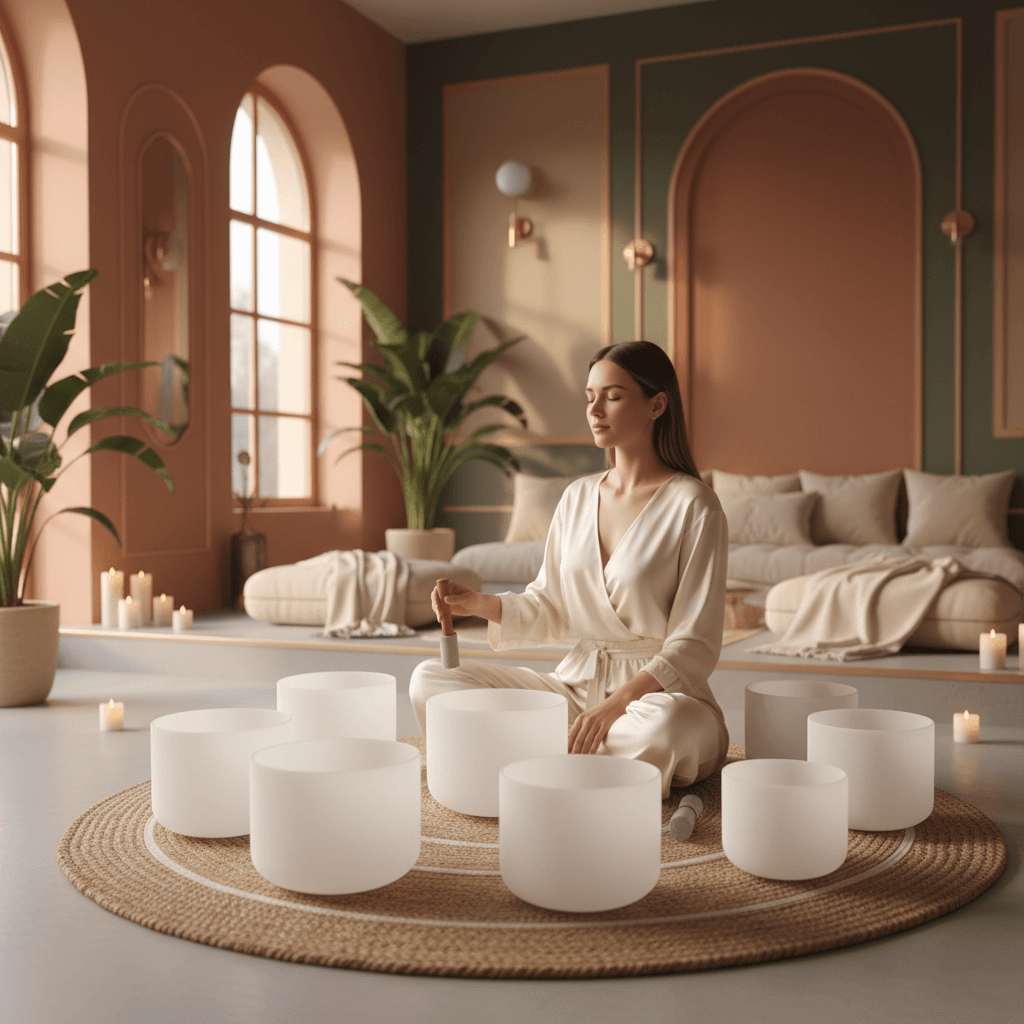
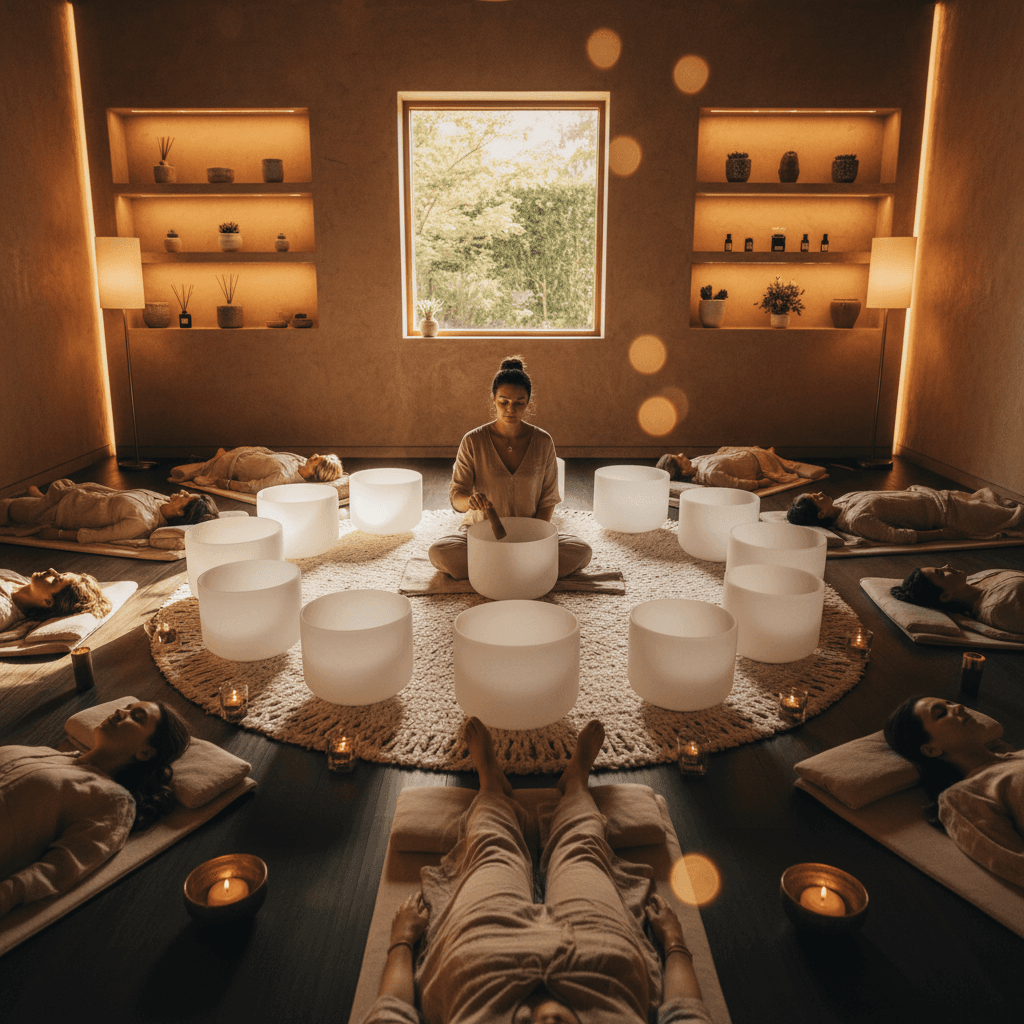
During a sound wellness session, clients lie comfortably, enveloped in a carefully orchestrated tapestry of resonant tones. These sounds, generated by instruments like crystal singing bowls, gongs, and chimes, produce vibrations that are not only heard but also felt throughout the body. The fundamental principle at play is that sound, as a form of energy, can interact with our physiological systems. Different frequencies may influence brainwave states, shifting them from the active beta waves associated with wakefulness and stress towards slower alpha and theta waves, which are characteristic of meditative and deeply relaxed states.
The immersive experience gently encourages the nervous system to transition from a sympathetic (fight-or-flight) dominant state to a parasympathetic (rest-and-digest) dominant state. This shift is crucial for healing and recovery, triggering a cascade of beneficial physiological responses:
- Reduced Heart Rate and Blood Pressure: The body naturally slows down, easing cardiovascular strain.
- Deepened Respiration: Breathing becomes slower and more rhythmic, enhancing oxygen intake and promoting calm.
- Muscle Relaxation: Tension held in the body begins to release, alleviating physical discomfort.
- Mental Clarity and Emotional Release: The mind, often racing with intrusive thoughts, finds a quiet space. Many people report a sense of release from emotional burdens, fostering a renewed perspective.
For those experiencing the persistent challenges of tinnitus or hyperacusis, while sound wellness does not cure these conditions, it may support a more harmonious relationship with sound itself. By introducing gentle, structured, and intentional sound, individuals may learn to manage their perception of internal sounds, potentially reducing the associated anxiety and distress. Preliminary studies and anecdotal evidence suggest that mindful engagement with specific sound frequencies can foster a sense of control and calm, which may ameliorate the subjective experience of auditory sensitivities.
"The profound silence desired by the overstimulated mind is often not found in the absence of sound, but in the presence of harmonically rich vibrations that gently guide the nervous system back to its natural rhythm."
Furthermore, insights from music therapy research, as evidenced by studies on military service members and veterans, highlight music and sound-based interventions' impact on reducing stress and trauma, decreasing isolation, and improving functional outcomes. While sound wellness is distinct from clinical music therapy, it shares the common thread of utilizing auditory experiences to foster emotional regulation and support overall well-being, making it a valuable complementary approach for those who have served.
The Soul Art Approach: Larissa Steinbach's Harmonious Sanctuary
At Soul Art in Dubai, Larissa Steinbach brings a deeply empathetic and scientifically informed approach to sound wellness, crafting experiences that are particularly attuned to the unique needs of military personnel and veterans. Her methodology is rooted in the understanding that true well-being comes from balancing the body's energy systems and nurturing the nervous system, providing a sanctuary of calm amidst life's inherent complexities.
Larissa Steinbach's expertise lies in creating a bespoke sound environment, where each session is intuitively guided and tailored to the individual. She recognizes that military personnel may carry deep-seated stress, auditory sensitivities, or even trauma, which necessitates a gentle, respectful, and highly considered approach. Her studio provides a safe, non-judgmental space where individuals can surrender to the power of resonant sound without pressure or expectation.
The Soul Art method employs a carefully curated selection of ancient and modern instruments, chosen for their purity of tone and vibrational qualities:
- Himalayan Singing Bowls: These hand-hammered bowls produce complex overtones and profound vibrations that are felt deep within the body, promoting cellular relaxation and energetic alignment.
- Crystal Singing Bowls: Made from pure quartz crystal, these bowls emit clear, sustained tones that resonate with the body's natural frequencies, known for their ability to balance energy centers.
- Gongs: The powerful, expansive sounds of gongs create an immersive soundscape that can facilitate states of deep meditation and release, assisting the mind in letting go of tension.
- Chimes and Tuning Forks: These offer delicate, precise frequencies that can be used for targeted energetic work, gently shifting blockages and restoring harmony.
Larissa Steinbach's unique skill lies not only in playing these instruments but in creating a coherent, flowing sound journey that deeply resonates with each individual. The goal is to facilitate a profound state of nervous system regulation, encouraging the body's natural healing processes. This practice may support a reduction in stress, a softening of hyper-vigilance, and an improved ability to cope with daily stressors. It is a powerful self-care practice aimed at restoring inner balance, fostering mental calm, and facilitating emotional release, offering a quiet strength that may extend far beyond the session itself.
Your Next Steps: Cultivating Auditory Resilience and Inner Peace
For military personnel and veterans navigating the unique landscape of service-related stressors and auditory challenges, integrating proactive wellness practices is paramount. While sound wellness offers a profound complementary pathway, there are several practical steps you can take today to cultivate auditory resilience and foster inner peace. These actions are designed to support your nervous system and enhance your overall well-being.
Here are a few actionable steps you can implement:
- Prioritize Moments of Silence: Intentionally seek out quiet environments for short periods each day. Even 5-10 minutes of calm, free from artificial noise, can allow your auditory system and mind to reset. This practice helps to reduce sensory overload and promotes mental clarity.
- Engage in Mindful Listening: Instead of constantly filtering out sounds, try listening mindfully to natural sounds – the rustle of leaves, distant bird calls, or gentle rain. This helps to re-train the brain to perceive sound as less of a threat and more as a neutral or pleasant experience.
- Incorporate Gentle Soundscapes: Explore curated soundscapes designed for relaxation, such as nature sounds or ambient music, at a low, comfortable volume. These can provide a soothing auditory backdrop that may assist in stress reduction and the transition to restful sleep.
- Practice Deliberate Breathing: Deep, diaphragmatic breathing exercises can immediately activate the parasympathetic nervous system, counteracting the effects of stress and hyper-vigilance. Pair this with a gentle hum or soft vocal toning to enhance the calming effect.
- Consider a Professional Audiological Evaluation: If you suspect hearing loss, tinnitus, or hyperacusis, consulting with an audiologist is a crucial first step for diagnosis and guidance on managing these conditions. Sound wellness practices are designed to complement, not replace, professional medical care.
Embracing these self-care strategies, alongside practices like sound wellness, may support a profound shift in your daily experience. It's about empowering yourself with tools to manage stress, enhance your relationship with sound, and nurture your inner peace. We invite you to explore the transformative potential of sound and vibration as a cornerstone of your holistic well-being journey.
Bookings Coming Soon
Soul Art is still in preparation. Session details and booking will be published here after launch.
Coming Soon
In Summary: A Path to Restoration for Our Service Members
Military personnel face extraordinary challenges, with chronic noise exposure and high-stress environments contributing significantly to hearing loss, tinnitus, and systemic nervous system dysregulation. These conditions not only affect combat performance but also profoundly impact the long-term well-being of those who serve. Traditional hearing conservation efforts, while vital, often fall short, necessitating comprehensive, holistic support.
Sound wellness offers a complementary, non-invasive approach to help address these unique challenges. By utilizing resonant frequencies and vibrations, practices like those offered by Soul Art in Dubai, under the expert guidance of Larissa Steinbach, may support deep relaxation and nervous system regulation. This fosters a shift from stress to calm, assisting individuals in managing the physiological and emotional impacts of their service. It is a powerful tool for self-care, promoting inner peace, resilience, and an enhanced quality of life for our dedicated military personnel and veterans. We invite you to discover this profound pathway to restoration.
Wellness Disclaimer: This article is for educational and informational purposes only. It does not constitute medical advice, diagnosis, or treatment. Soul Art Dubai provides non-medical wellness experiences focused on relaxation, stress management, and general wellbeing. Sound wellness is a complementary practice and should not replace professional medical care.
Related Articles
Chefs: Mastering Kitchen Pressure Through Sound Wellness
Sound for Death Workers: Managing Stress for Funeral Directors

Sound Wellness: Respite for Retail's Customer-Facing Heroes