Sound Wellness for Military Families Facing Deployment Stress
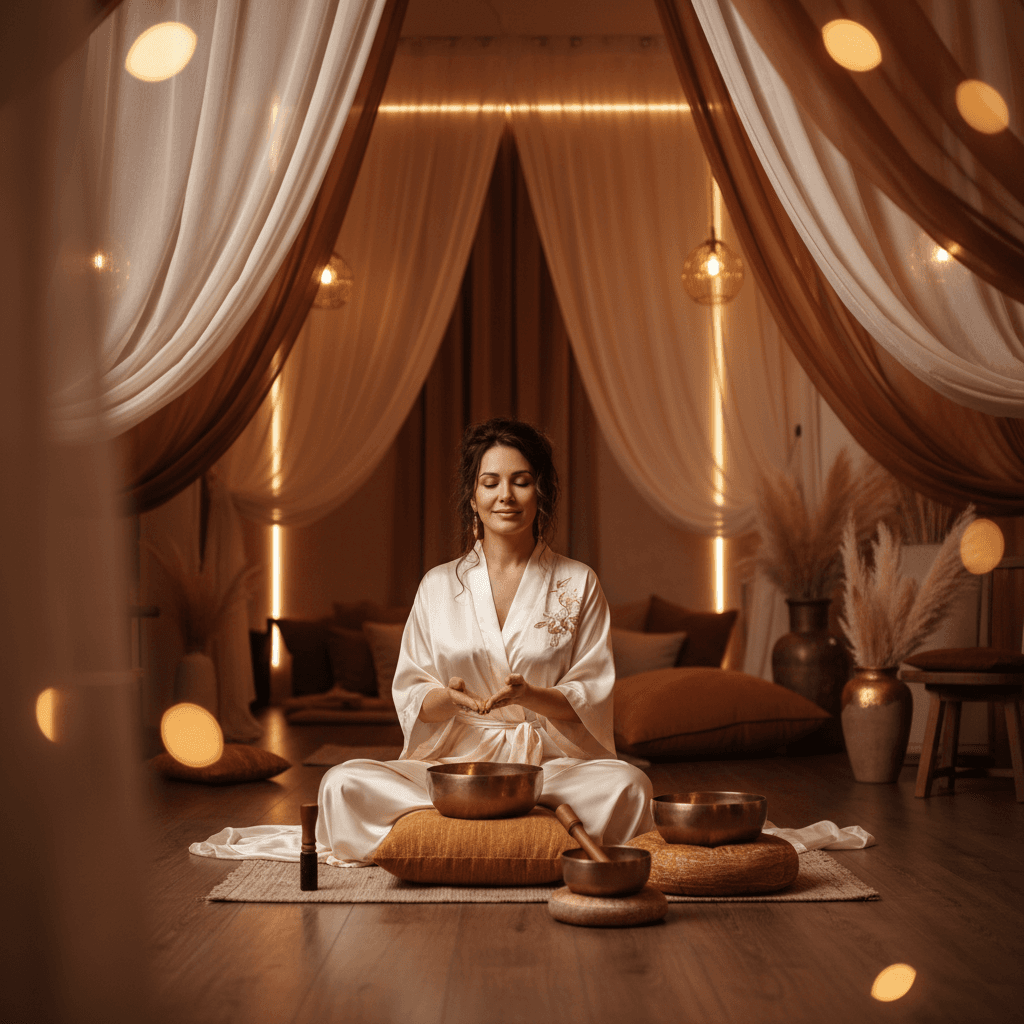
Key Insights
Explore how sound wellness offers vital support for military families navigating deployment's unique stresses, enhancing resilience and well-being with Soul Art Dubai.
A Resonant Anchor: Supporting Military Families Through Deployment Stress
Military deployment is a profound journey, not just for the service member, but for the entire family unit. The emotional landscape of anticipation, separation, and reintegration can be fraught with significant stress, leaving lasting impacts on spouses and children. Did you know that military children report emotional difficulties at higher levels than observed in the general population, with the duration of parental deployment strongly linked to the number of challenges they face?
At Soul Art, Dubai's premier sound wellness studio, founded by Larissa Steinbach, we understand the unique pressures faced by these resilient families. This article delves into the scientifically-backed effects of deployment stress and explores how the thoughtful application of sound wellness practices may offer a profound sense of calm and a complementary pathway to enhanced resilience for military families. We will uncover how deep relaxation through sound can create a vital anchor during times of uncertainty and change.
Join us as we explore the intricate science behind stress and the potential for sound to foster emotional balance and well-being, providing practical strategies for navigating these challenging periods.
The Science Explained: Unpacking Deployment's Impact on the Family Nervous System
The human body is an intricate network designed to respond to stress. When a loved one deploys, military families enter a prolonged state of heightened awareness, triggering a cascade of physiological and psychological responses that can disrupt the entire nervous system. This constant vigilance, often referred to as secondary stress, extends beyond the service member, deeply affecting those left at home.
The Neurological Cascade of Stress
Deployment acts as a significant stressor, activating the body's 'fight or flight' response. This involves the release of stress hormones like cortisol and adrenaline, preparing the body for perceived threats. While essential for survival in acute situations, chronic activation of this system can lead to long-term issues.
Sustained high levels of cortisol can impair cognitive functions, disrupt sleep patterns, and suppress the immune system. For military spouses, especially those with young children or who are pregnant, increased stress and depression during deployment and reintegration may even put the developing brain of a fetus at risk, as highlighted by Osofsky & Chartrand (2013).
Deployment's Ripple Effect on Children and Spouses
Research consistently shows that military deployment significantly impacts the mental and emotional well-being of families. A study by Chandra et al. (2010) revealed that caregivers and children from military families report child emotional difficulties at higher levels than the general population. The total number of months of parental deployment in the previous three years was strongly related to the number of challenges children faced, indicating a direct correlation between deployment duration and child stressors.
Specific vulnerabilities have also been identified across different age groups and genders:
- Girls tend to experience more problems with reintegration—the challenging period when the deployed parent returns home.
- Older children, particularly those in middle or later adolescence, also faced increased difficulties during reintegration.
- Conversely, boys and younger children appear to be more vulnerable to the effects of deployment itself, experiencing higher levels of depressive symptoms during the separation.
Parental stress emerges as a critical factor influencing child outcomes. A study of Army spouses with a deployed service member and children aged 5 to 12 years showed that one-third of the children were at high risk for psychosocial morbidity, with parental stress being the most significant predictor of child psychosocial functioning during deployment (Chandra et al., 2010). The RAND Deployment Life Study further explored these dynamics, identifying which families are most vulnerable to negative consequences and highlighting the emotional, behavioral, social, and academic functioning of children and teens.
Increased Risks and Attachment Disruptions
The stress of deployment can escalate the risk of child maltreatment and neglect within military families. The Gibbs maltreatment study (2007) showed a 42-percent increase in the risk of maltreatment during a combat deployment, with rates of neglect nearly twice as great. These risks are particularly pronounced in families with younger parents and young children (Rentz et al., 2007).
Moreover, deployment can impede a mother’s ability to form secure attachments and positively interact with children due to added stress (Lester & Flake, 2013). Secure attachments are crucial as they buffer physiological stress responses in early childhood and protect early brain development. Disruptions in primary relationships and support systems during deployment can consequently impede social and emotional development for some children.
Secondary Stress and Avoidance
Beyond the direct impacts, military families often experience secondary stress. This phenomenon, explored in Joseph E. Hensley's phenomenological study, refers to the stress experienced by spouses and children due to the military member's high-tempo operational rates. This study highlighted the importance of addressing isolation (self-choice, perceived, and realized) and psychological safety (mental/emotional and financial) within military families, pointing to a potential lack of awareness or willingness to pursue available deployment resources.
Furthermore, service members returning from deployment can face challenges such as hyperacusis—an intolerance of sounds at low-to-moderate intensity levels—or decreased sound tolerance (DST). This condition can increase stress and anxiety, leading some to avoid everyday sounds, which paradoxically can heighten the auditory system's responsiveness and worsen symptoms over time, as per research on military experiences with noise trauma (PMC, Noise: Acoustic Trauma and Tinnitus, 2022). This suggests a complex relationship with sound, where certain sound environments may be aggravating, while others may be profoundly healing.
How It Works in Practice: The Calming Resonance of Sound Wellness
When the nervous system is perpetually on high alert due to the chronic stress of deployment, the body and mind crave a pathway to calm. Sound wellness offers a unique, non-invasive complementary approach that many people report to be deeply restorative. It works by engaging the auditory system and, through specific frequencies and vibrations, may gently guide the brain into states of deep relaxation.
During a sound wellness session, clients are invited to recline comfortably in a serene environment. The practitioner uses a variety of resonant instruments, each carefully selected for its unique vibrational qualities. These may include crystal singing bowls, Himalayan singing bowls, gongs, chimes, and other therapeutic percussion instruments. The sounds are not merely heard; they are felt as subtle vibrations permeating the body.
The experience is designed to facilitate a profound shift from the sympathetic nervous system (responsible for 'fight or flight') to the parasympathetic nervous system (responsible for 'rest and digest'). This physiological transition is often accompanied by a slowing of heart rate, a deepening of breath, and a reduction in muscle tension. As the body relaxes, the mind often follows, moving from states of anxious thought to a more meditative and peaceful awareness.
The consistent, rhythmic, and harmonious sounds create an auditory landscape that encourages the brain to produce slower brainwave frequencies, such as alpha and theta waves. Alpha waves are associated with a relaxed, alert state, while theta waves are linked to deep relaxation, meditation, and even sleep. This brainwave entrainment may support the body's natural ability to regulate stress and promote emotional balance.
Many individuals experience a sense of release and renewal during and after a session. The gentle vibrations and enveloping sounds may help to soothe an overstimulated nervous system, offering a respite from the constant worry and emotional fatigue that often accompany deployment stress. This practice provides a dedicated space for self-care, allowing military family members to process emotions in a gentle, supportive environment, fostering a renewed sense of inner peace and resilience.
The Soul Art Approach: Larissa Steinbach's Bespoke Resonance
At Soul Art, Larissa Steinbach, our founder and lead practitioner, brings a compassionate and scientifically-informed approach to sound wellness, particularly for those navigating significant life challenges like military deployment. Her methodology is deeply rooted in understanding the physiological and emotional responses to stress, tailoring each experience to the individual's unique needs. Soul Art is more than just a sound studio; it's a sanctuary for deep restoration.
Larissa's approach at Soul Art emphasizes creating a profoundly safe and nurturing environment where military family members can feel supported and truly let go. She uses a curated collection of world-class instruments, including:
- Alchemy Crystal Singing Bowls: Renowned for their pure, clear tones and potent vibrational frequencies, these bowls are selected for their ability to promote deep cellular relaxation and energetic recalibration.
- Himalayan Singing Bowls: Hand-hammered and steeped in ancient tradition, their rich, complex overtones and grounding vibrations are excellent for calming the nervous system and fostering a sense of stability.
- Therapeutic Gongs: The expansive and immersive sounds of gongs create a "sound bath" effect that can facilitate profound release and transcend ordinary states of consciousness, offering a deep journey of self-discovery and stress reduction.
- Chimes and Other Percussion: Delicate chimes, ocean drums, and other subtle percussive instruments are incorporated to add layers of texture and gentle stimulation, promoting a sense of wonder and presence.
What makes the Soul Art method truly unique under Larissa Steinbach's guidance is the personalized integration of these tools with an understanding of the specific stressors faced by military families. She crafts sessions that are not merely generic sound baths but rather intentional journeys designed to address underlying tension, emotional fatigue, and the pervasive effects of secondary stress. Larissa's expertise allows her to intuitively guide participants towards states of profound calm, helping to rebalance the nervous system and replenish emotional reserves.
"In the heart of every military family lies an extraordinary strength, yet also a silent burden of constant vigilance. Sound wellness offers a gentle hand to guide them back to their inner sanctuary, providing a resonant space for healing and renewal amidst the echoes of deployment."
Larissa’s practice extends beyond the immediate session, empowering individuals with a greater capacity for self-regulation and a toolkit for managing everyday stressors. By focusing on holistic well-being, Soul Art aims to be a beacon of support, helping military families cultivate inner resilience and maintain emotional equilibrium, no matter the challenges they face. This complementary approach may support mental clarity, emotional release, and a deeper connection to one's inner resources.
Your Next Steps: Cultivating Calm Amidst Change
Navigating deployment is a marathon, not a sprint, and incorporating self-care practices is essential for sustained well-being. Sound wellness, while a powerful tool, is one part of a holistic approach to managing the unique stressors faced by military families. Taking proactive steps can significantly enhance your resilience and support your family's emotional health.
Here are some practical suggestions to integrate into your daily life:
- Mindful Breathing Practices: Dedicate a few minutes each day to conscious breathing. Simple techniques like box breathing (inhale for four, hold for four, exhale for four, hold for four) can immediately engage the parasympathetic nervous system and reduce acute stress.
- Establish Routine and Predictability: Children, in particular, thrive on routine. Maintaining consistent schedules for meals, homework, and bedtime can provide a sense of stability and security during times of parental absence.
- Connect with Community: Seek out other military families or support groups. Sharing experiences and knowing you are not alone can be incredibly validating and provide valuable coping strategies and emotional support.
- Limit Overwhelm and External Stressors: Be mindful of news consumption and social media, which can amplify anxiety. Prioritize activities that bring you joy and calm, creating boundaries around what you allow into your mental space.
- Explore Complementary Wellness: Consider practices like sound wellness, meditation, or gentle yoga. These self-care practices may offer profound relaxation and stress management benefits, helping to re-regulate your nervous system.
For military families seeking a deeper level of relaxation and support, exploring sound wellness sessions at Soul Art with Larissa Steinbach may be a transformative experience. It is a dedicated space to release tension and replenish your emotional reserves.
In Summary: A Harmonic Path to Resilience
The journey of military deployment places immense strain on families, contributing to elevated stress levels, emotional difficulties in children, and increased risks of neglect. Understanding these scientifically-backed impacts underscores the urgent need for robust support systems. Sound wellness, as offered by Soul Art and guided by Larissa Steinbach, provides a gentle yet powerful complementary approach to managing these challenges.
Through carefully curated resonant frequencies and vibrations, sound wellness may help rebalance the nervous system, promote deep relaxation, and foster a heightened sense of peace. This practice offers a vital anchor for military families, empowering them to cultivate resilience, manage stress, and nurture their emotional well-being throughout the deployment cycle and beyond. We invite you to experience this profound pathway to inner harmony and strength.
Bookings Coming Soon
Soul Art is still in preparation. Session details and booking will be published here after launch.
Coming Soon
Wellness Disclaimer: This article is for educational and informational purposes only. It does not constitute medical advice, diagnosis, or treatment. Soul Art Dubai provides non-medical wellness experiences focused on relaxation, stress management, and general wellbeing. Sound wellness is a complementary practice and should not replace professional medical care.
Related Articles
Chefs: Mastering Kitchen Pressure Through Sound Wellness
Sound for Death Workers: Managing Stress for Funeral Directors
Sound Wellness: Respite for Retail's Customer-Facing Heroes