The Symphony Within: A Meta-Analysis of Sound Therapy's Wellness Impact
Key Insights
Explore the profound science behind sound therapy with Soul Art Dubai. A meta-analysis reveals benefits for stress, sleep, pain, and mood, guided by Larissa Steinbach.
The Symphony Within: A Meta-Analysis of Sound Therapy's Wellness Impact
Imagine a world where specific frequencies and vibrations could gently guide your body back to a state of profound calm and balance. Does this sound like a distant dream, or a scientifically grounded reality? As Dubai's premier sound wellness studio, Soul Art, founded by Larissa Steinbach, is at the forefront of exploring this fascinating intersection.
Recent meta-analyses and systematic reviews offer compelling insights into how sound therapy may serve as a powerful complementary approach to enhance overall well-being. This article delves into the accumulating body of evidence, exploring the mechanisms through which intentional sound and vibration interact with our physiology to foster deep relaxation, reduce stress, and support various aspects of health. We will uncover what the science says, how these principles manifest in practice, and how Larissa Steinbach’s unique Soul Art approach integrates these findings to offer transformative experiences.
Join us as we navigate the intricate layers of sound therapy research, providing you with a clearer understanding of its potential benefits and how it can be integrated into your personal wellness journey. Understanding the science empowers us to make informed choices for our self-care practices.
The Science Explained: Unpacking Sound's Influence on Well-being
The human body is an intricate orchestra of systems, each responding to external stimuli, including sound. Sound therapy, often referred to as vibroacoustic healing, leverages specific frequencies and vibrations to influence our physiological and psychological states. This is not merely about what we hear with our ears; it encompasses the subtle vibrations our body receives through the skin, potentially interacting with our body's own energetic rhythms.
Experts believe that both audible sounds and tactile vibrations contribute to the potential health benefits observed. Research in this field is growing, with an increasing number of studies exploring the precise mechanisms through which sound may support various aspects of human health. While some studies are still in their early stages or have small sample sizes, a consistent pattern of promising outcomes is emerging.
Nervous System Regulation and Stress Reduction
One of the most widely studied areas of sound therapy's impact is its capacity to regulate the nervous system. The autonomic nervous system, comprising the sympathetic (fight-or-flight) and parasympathetic (rest-and-digest) branches, directly influences our stress response. Sound interventions, particularly those focused on rhythmic entrainment and relaxation-inducing sounds, have been observed to gently shift the body towards a parasympathetic state.
A systematic review published in Complementary Therapies in Medicine (2020) highlighted that after a 60-minute sound therapy bowl session, participants reported significant reductions in tension, anger, fatigue, and depression. Interestingly, these effects were often strongest in individuals new to sound meditation, suggesting a powerful initial impact. This aligns with findings that music therapy, particularly relaxation-focused sounds, may reduce salivary cortisol levels, a key biomarker of stress, as noted in the Journal of Taibah University Medical Sciences (2020). Lower cortisol levels are indicative of a calmer, less stressed physiological state.
Enhancing Mood and Alleviating Anxiety
Sound therapy, including practices like sound baths, tends to induce a state of deep relaxation that may significantly enhance mood and reduce feelings of anxiety. By providing the brain with a focal task—listening to specific tones and frequencies—it can help quiet racing thoughts, thereby lowering heart rate and blood pressure. The Journal of Evidence-Based Integrative Medicine (2016) reported that a 60-minute sound therapy session could lead to noticeable drops in stress, tension, and anxiety levels.
Furthermore, a comprehensive systematic review with multilevel meta-analyses on music therapy for anxiety, published in eClinicalMedicine (2025), found that music therapy offers effective, flexible, and scalable interventions for reducing anxiety symptoms. It appears to offer psychological benefits that may enhance patient autonomy and quality of life. This suggests that structured sound interventions can be a valuable complementary tool for managing mood and emotional well-being.
Supporting Sleep Quality and Addressing Insomnia
In an increasingly demanding world, sleep disturbances are common. Sound therapy may offer a gentle pathway to improved sleep. A randomized pilot study in 2019 indicated that tuning fork sound therapy could improve sleep quality and reduce insomnia symptoms within just four weeks. The calming effects of sound and vibration can prepare the body for restful sleep by encouraging a relaxed state conducive to falling asleep and staying asleep.
Many participants in studies involving singing bowl sessions have reported better sleep quality, especially when these sessions were combined with other calming practices like yoga or meditation. This highlights sound therapy's potential as a valuable self-care practice for those seeking to enhance their nocturnal restorative processes.
Pain Management and Quality of Life
Chronic pain can be debilitating, impacting every aspect of life. Structured music and sound therapy interventions have shown promise in supporting individuals managing chronic pain and fibromyalgia. Research, including a systematic review and meta-analysis in BMC Psychology (2025), suggests that these interventions can reduce perceived pain, improve mood, and enhance the overall quality of life for patients.
The vibrations generated by certain sound instruments, such as singing bowls, may contribute to pain relief. One study measured pain relief associated with seated therapeutic vibration in people with moderate-to-severe pain in their feet, legs, and lower back. Participants reported a statistically significant reduction in pain that lasted several hours. While more research is needed, this finding suggests that vibroacoustic therapy may be a viable complementary approach for pain management.
Cognitive Support and Immune Function
Beyond the more commonly discussed benefits, researchers are exploring sound therapy's potential in other areas. Some groups, including individuals with Parkinson’s disease, have shown improvements in memory and focus after engaging with sound interventions, according to insights from The Chiltern Sound Spa. This suggests a potential for cognitive support, although more extensive research is required to fully understand these mechanisms.
Additionally, music interventions have been linked to broader health benefits, such as supporting immune function and treatment tolerance in cancer patients. The Cochrane Library (2016) published a review indicating that music interventions could reduce anxiety, pain, and fatigue in cancer patients. This suggests a holistic impact, where psychological well-being fostered by sound may indirectly support physiological resilience.
"The growing body of research, though still evolving, paints a compelling picture: sound is not merely something we hear, but a profound energetic force that can interact with our very cells, guiding us towards greater harmony and restoration."
While experts agree that more data is needed to definitively conclude reliable, broad health benefits, the consistent findings across various preliminary studies and systematic reviews indicate that sound therapy is a promising field within holistic wellness. Researchers are also focused on optimizing these benefits, seeking to identify the most effective sound frequencies, optimal session durations, and the ideal candidates for this practice.
How It Works in Practice: Experiencing the Resonance
Understanding the scientific underpinnings of sound therapy helps to demystify its practical application. At Soul Art, we translate these research insights into tangible experiences designed to promote deep relaxation and holistic well-being. The core principle revolves around the concept that our bodies are deeply resonant, and when exposed to specific, harmonious sound frequencies, they can be encouraged to return to a state of balance.
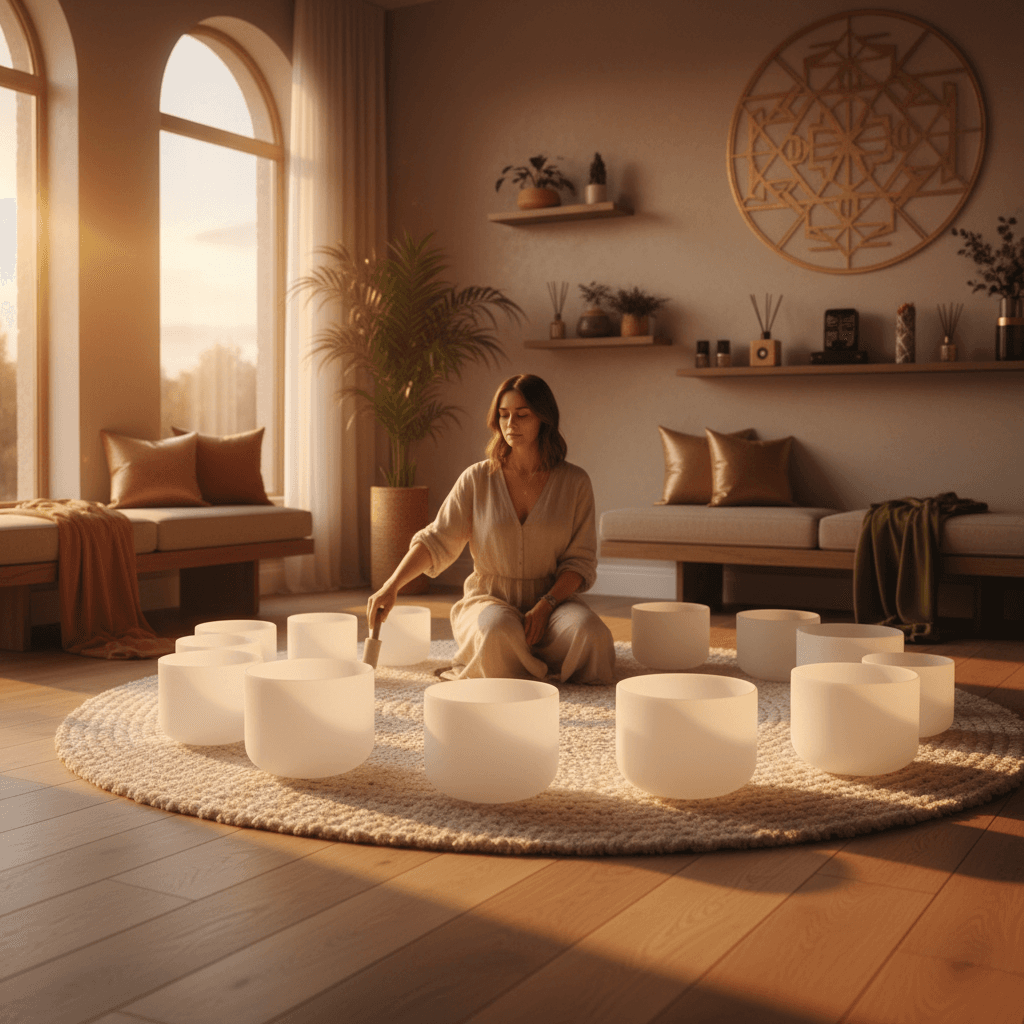
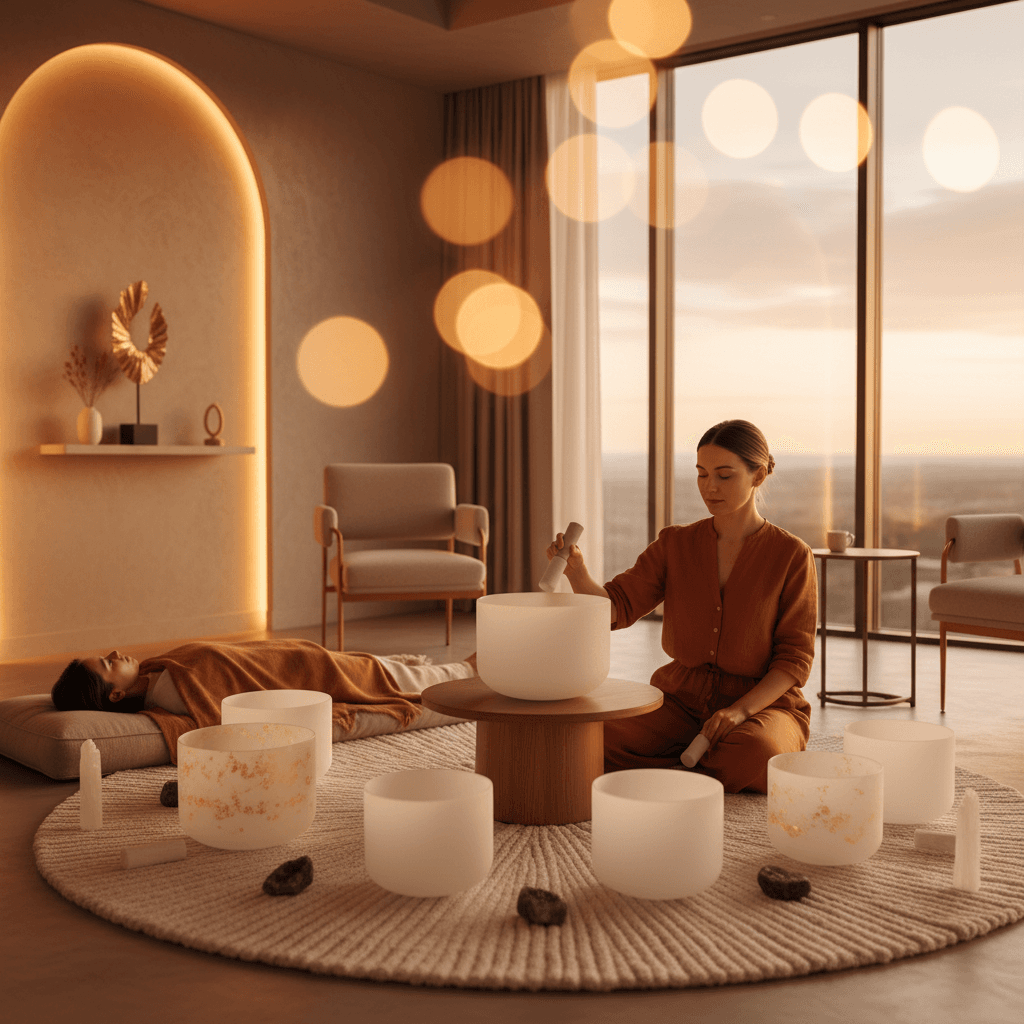
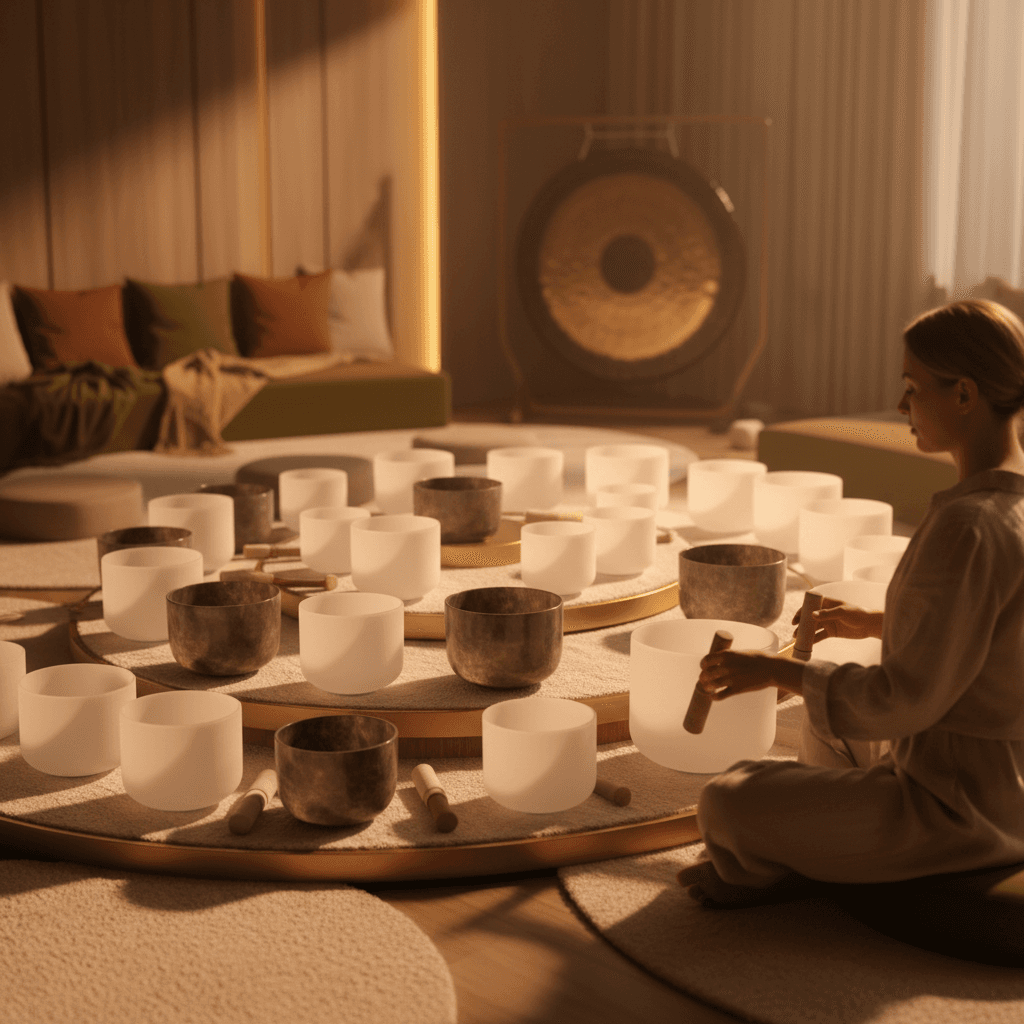
During a sound wellness session, clients typically lie down in a comfortable position, often enveloped in a serene, carefully curated environment. Instruments such as Himalayan singing bowls, crystal singing bowls, gongs, tuning forks, and chimes are played around and sometimes directly on the body. The sounds produced are rich in overtones and harmonics, creating a complex sonic tapestry. These sounds are not just heard; they are felt as subtle vibrations permeating the body.
The experience is often deeply meditative. The auditory input gives the brain a gentle task, helping to quiet the incessant mental chatter that often accompanies stress and anxiety. As the mind settles, the body's physiological responses begin to shift. Heart rate tends to slow, breathing becomes deeper and more rhythmic, and muscle tension may dissipate. Many clients report a profound sense of peace, stillness, and restored energy during and after a session.
Consider the vibrations from a singing bowl placed on the body. These physical sensations contribute to the vibroacoustic aspect of sound therapy. The sound waves travel through the skin, tissues, and fluids, potentially impacting cellular function and promoting a sense of release. This direct vibrational input is believed to support the body's natural healing processes and enhance the feeling of relaxation.
The combination of auditory and tactile stimulation creates a multi-sensory journey. The brain moves from active beta wave states, common during daily activities, towards more relaxed alpha and even theta wave states, characteristic of meditation and deep rest. This shift in brainwave activity is thought to be a key mechanism by which sound therapy supports nervous system regulation and mental clarity. It's an opportunity for the body and mind to simply be, without the demands of external stimuli, fostering a true sense of calm and rejuvenation.
The Soul Art Approach: Curating Transformative Frequencies with Larissa Steinbach
At Soul Art, Larissa Steinbach embodies the essence of quiet luxury in sound wellness. Drawing upon her deep understanding of both ancient wisdom and modern scientific insights, Larissa has meticulously crafted a unique approach to sound therapy that resonates deeply with her clients. Her methodology at Soul Art is not merely about playing instruments; it's about creating an intentional sonic environment designed to facilitate profound inner transformation.
Larissa's expertise lies in her ability to intuitively select and harmonise various instruments, each chosen for its specific frequency and energetic properties. She often incorporates a diverse array of instruments, including large planetary gongs, tuned to celestial bodies for their deep, immersive resonance; pure quartz crystal singing bowls, known for their powerful vibrational purity; and traditional Himalayan singing bowls, revered for their rich, earthy tones. Her sessions also frequently include crystal harps, chimes, and tuning forks, each contributing to a layered soundscape.
What makes the Soul Art method unique is Larissa Steinbach's personalised approach. She understands that everyone experiences sound differently, and her sessions are intuitively guided to meet the individual or group's energetic needs. She creates a sacred space where sound becomes a medium for self-discovery and restorative healing. This bespoke curation ensures that each experience is not just a treatment, but a journey tailored to foster optimal well-being.
Larissa integrates breathwork and gentle guidance into her sound baths, enhancing the meditative process. She educates clients on the principles behind the sounds, empowering them with knowledge about their own nervous systems and how to cultivate inner peace. The Soul Art experience extends beyond the session itself, offering clients tools and insights to carry into their daily lives. It is a sophisticated blend of art and science, delivered with a profound sense of care and intention.
Soul Art's philosophy aligns perfectly with the evolving research in sound therapy, focusing on practices that may support stress reduction, mood enhancement, and nervous system regulation. Larissa believes in the body's innate capacity for self-repair and uses sound as a gentle catalyst to activate this potential, offering a sanctuary of sound for busy minds and weary bodies in the heart of Dubai.
Your Next Steps: Integrating Sound into Your Wellness Journey
Embracing the potential benefits of sound therapy doesn't require a radical overhaul of your lifestyle; it's about introducing intentional practices that support your well-being. The insights from meta-analyses reinforce that sound can be a powerful, complementary tool in your self-care arsenal. Here are some actionable steps you can take today to integrate the principles of sound wellness into your life:
- Mindful Listening: Begin by incorporating periods of mindful listening into your daily routine. This could involve focusing intently on natural sounds like rainfall or birdsong, or curating a playlist of instrumental music specifically chosen for its calming effects. Pay attention to how these sounds make you feel, noting any shifts in your mood or tension.
- Explore Guided Meditations: Many apps and online platforms offer guided sound meditations featuring singing bowls, gongs, or ambient music. These can be an excellent way to introduce yourself to structured sound experiences from the comfort of your home. Start with short sessions and gradually increase duration as you feel comfortable.
- Create a Restorative Environment: Designate a quiet space in your home where you can retreat from daily distractions. Enhance this space with elements that promote relaxation, such as soft lighting, comfortable seating, and perhaps some calming scents. Use this space for brief sound breaks or meditation sessions.
- Consider a Professional Sound Bath: For a truly immersive experience, seek out a qualified practitioner for a sound bath or sound healing session. A professional can guide you through the process, utilizing a range of instruments and techniques to facilitate deep relaxation. This provides an opportunity to experience the full spectrum of vibroacoustic therapy.
- Research Reputable Sources: Stay informed by continuing to explore research and reputable wellness resources on sound therapy. Understanding the nuances and ongoing developments in the field can help you make informed decisions about your wellness practices. Remember that sound wellness is a complementary approach and should be integrated thoughtfully alongside other health practices.
Ready to experience the profound effects of intentional sound? Discover how Larissa Steinbach and the Soul Art team can guide you on a journey to inner harmony and deep restoration.
In Summary: The Enduring Resonance of Sound Wellness
The journey through the meta-analysis of sound therapy studies reveals a compelling narrative: sound is a sophisticated, non-invasive modality with significant potential to support various dimensions of human well-being. From regulating the nervous system and reducing stress to enhancing mood, improving sleep, and aiding in pain management, the accumulating evidence points towards its integrative impact. While research continues to evolve and refine our understanding, the consistent reports of deep relaxation and physiological shifts are undeniable.
Sound wellness, particularly through practices like sound baths, offers a gentle yet powerful pathway to restore balance and foster inner peace in an often chaotic world. It stands as a valuable complementary practice within a holistic approach to self-care. At Soul Art Dubai, Larissa Steinbach meticulously curates these experiences, leveraging scientific insights to provide transformative sessions that resonate deeply. Embrace the power of sound to harmonise your mind, body, and spirit, inviting a lasting sense of calm and rejuvenation into your life.
Bookings Coming Soon
Soul Art is still in preparation. Session details and booking will be published here after launch.
Coming Soon
Wellness Disclaimer: This article is for educational and informational purposes only. It does not constitute medical advice, diagnosis, or treatment. Soul Art Dubai provides non-medical wellness experiences focused on relaxation, stress management, and general wellbeing. Sound wellness is a complementary practice and should not replace professional medical care.
Related Articles
40 Hz Sensory Stimulation and Alzheimer's Research
Unlocking Wellness: The Science of Sound Healing Research Design
Unlocking Wellness: Biomarkers for Effective Sound Therapy