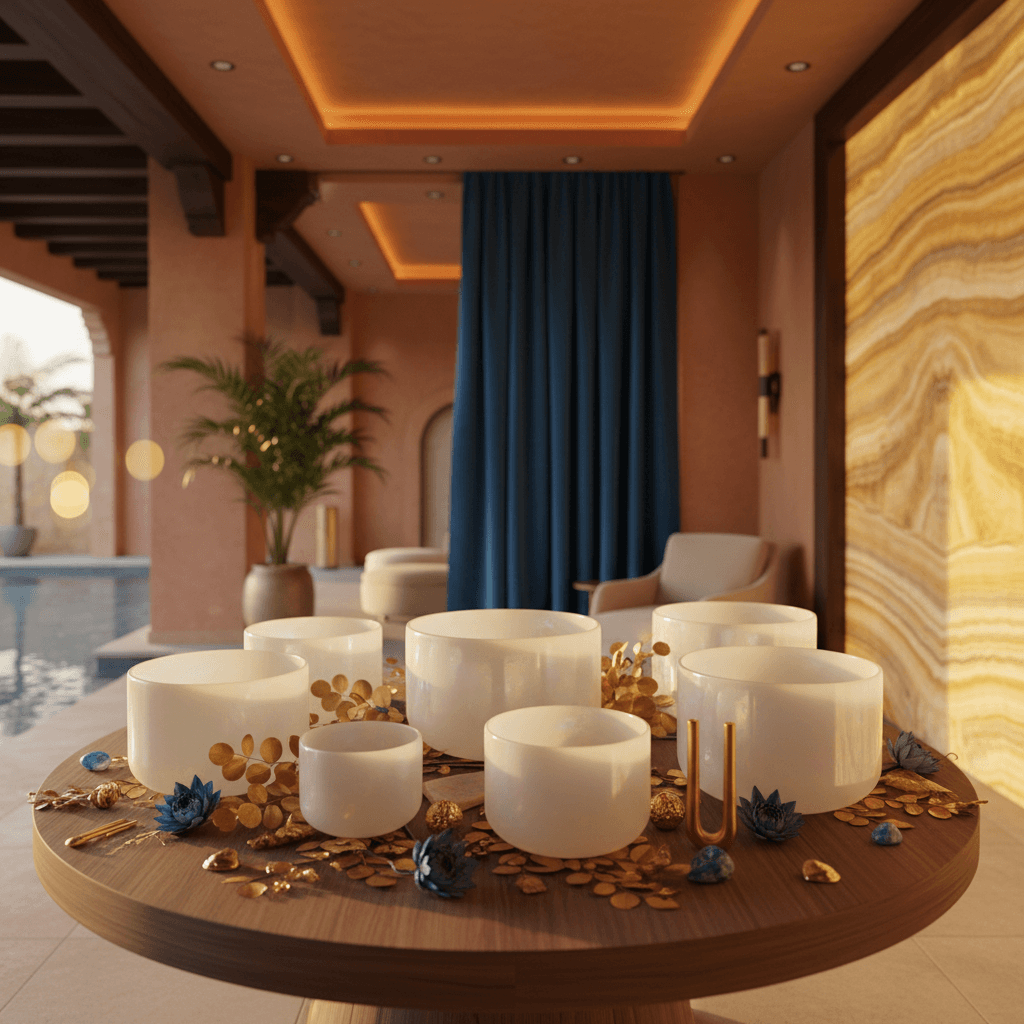
Harmonizing Your Sleep: Melatonin & Evening Sound Rituals with Soul Art
Key Insights
Discover how intentional evening sound rituals, as curated by Larissa Steinbach at Soul Art Dubai, may support melatonin production for deeper, more restorative sleep. Explore the science behind sound, light, and your body's natural rhythms for enhanced well-being.
Have you ever considered that the subtle symphony of evening stimuli, or even the jarring cacophony, could be quietly orchestrating your sleep quality and profoundly affecting hormones crucial for your well-being? In our hyper-connected world, the way we transition from day to night often dictates how deeply we rest. These seemingly minor environmental factors wield significant power over our biological clocks.
This article delves into the fascinating interplay between sound, light, and melatonin production, the master hormone of sleep. We will explore the scientific evidence behind how ambient conditions, particularly sound and specific light exposures, influence your body’s natural rhythm. You'll discover how the intentional practice of sound wellness, as curated by Larissa Steinbach at Soul Art Dubai, may help optimize your sleep hormones for a truly restorative experience. Understanding these connections empowers you to reclaim your nights and foster a happier, healthier life.
The Science Explained
Our bodies are intricate systems, exquisitely tuned to the rhythms of nature. The modern world, however, often disrupts these ancient biological processes, leading to widespread sleep disturbances. Understanding the science behind our sleep-wake cycle, known as the circadian rhythm, is the first step towards reclaiming restorative rest.
The Melatonin-Circadian Rhythm Connection
At the heart of our sleep regulation lies melatonin, a hormone primarily produced by the pineal gland in the brain. Melatonin’s main role is to signal to the body that it’s time to sleep, helping to regulate our internal clock. Its production typically begins to rise in the evening as darkness falls, peaks in the middle of the night, and gradually declines towards morning. This natural curve is essential for healthy sleep onset and duration.
The entire process is profoundly linked to the circadian rhythm, our internal 24-hour cycle that governs various physiological functions, including sleep, alertness, and hormone release. When this delicate rhythm is disrupted, melatonin production can be inhibited, making it harder to fall asleep and stay asleep. Many people report that aligning with natural light-dark cycles helps them feel more rested.
The Impact of Light on Melatonin
Light is the single most powerful environmental cue for regulating our circadian rhythm and melatonin production. Our modern lifestyles, filled with artificial illumination, often send conflicting signals to our brains. Exposure to electrical lighting in the late evening, even at relatively low intensities, can significantly suppress melatonin synthesis.
Studies reveal that exposure to room light, even less than 200 lux, in the hours before bedtime, profoundly alters melatonin synthesis. This light exposure can suppress the onset of melatonin production and shorten its duration. This chronic evening light effectively extends the biological photoperiod (daylight period) and shortens the scotoperiod (darkness period), essentially placing modern humans in a continual biological summer. Such prolonged light exposure can disrupt the natural timing of melatonin release, potentially leading to sleep difficulties.
Furthermore, specific wavelengths of light, particularly blue light emitted from smartphones, tablets, and computer screens, are particularly disruptive. The retina contains specialized ganglion cells that contain a photopigment called melanopsin, which is highly sensitive to blue light. When melanopsin is activated by blue light in the evening, it signals to the brain that it's still daytime, actively suppressing melatonin production in the pineal gland. Preliminary research also suggests that afternoon bright light exposure might reduce later evening melatonin levels in some individuals, further highlighting the complex relationship between light and sleep hormones.
The Silent Influence of Sound
While the impact of light on sleep is widely acknowledged, the subtle yet pervasive influence of sound often goes unnoticed. Yet, our physiological systems are highly responsive to acoustic interruptions, even if we are not consciously aware of waking. The soundscape of our evening environment can either soothe us into slumber or activate our stress response.
Further laboratory studies reveal that increased sound levels during sleep can significantly disturb rest, leading to higher heart rates (HR) even with sound-induced arousals. These findings demonstrate that our bodies react physiologically to noise, even if we don't fully awaken. The continuous physiological stress of fragmented sleep can accumulate, hindering the body's natural restorative processes. Even subtle noise peaks, such as those reaching 50.3 dB(A), can cause awakenings, while changes in sleep state can occur at 48.5 dB(A). Studies suggest that limiting noise peaks to below 40 dB(A) may prevent a high percentage of sleep disturbances and awakenings. Maintaining ambient noise below 45 dB(A) could potentially avoid two-thirds of sleep impairments, highlighting the importance of a quiet environment.
"The subtle symphony of evening stimuli, from ambient noise to artificial light, profoundly dictates how deeply we rest and how effectively our bodies can produce the crucial sleep hormone, melatonin."
The continuous physiological stress of fragmented sleep can accumulate, hindering the body's natural restorative processes. Our brain doesn't have an on-off switch for sleep; it requires a gradual transition, and intrusive sounds can prevent this crucial wind-down. This makes the intentional creation of a supportive sound environment a powerful tool for sleep wellness.
How It Works in Practice
Translating this scientific understanding into actionable daily practices can profoundly impact your sleep quality and overall well-being. By consciously managing your evening environment, you can send clear signals to your body that it's time to prepare for rest. This involves creating a sanctuary for your senses, especially light and sound.
Crafting Your Evening Sanctuary
Your pre-sleep hour is a critical window for signaling to your brain that rest is imminent. Modern life often fills our evenings with stimulating activities that work directly against our body's natural sleep preparation process. However, understanding the science of sleep can help us reclaim our nights with intentional rituals.
Consider dimming the lights throughout your home as evening approaches. This simple act reduces the intensity of light exposure, allowing your body's natural melatonin production to begin its ascent. Switching from harsh overhead lights to softer, warmer lamps can make a significant difference in your physiological state. This practice helps to mimic the natural progression of sunset, which has historically cued our ancestors' bodies for sleep.
The temperature of your environment also plays a crucial role. Your body's core temperature naturally drops 1-2 degrees Celsius as part of the sleep initiation process. This temperature decline signals to your brain that it's time for sleep by triggering the release of melatonin. Sleep researchers have discovered that deliberately creating a larger temperature differential, perhaps with a warm bath followed by a cooler room, may accelerate this natural process.
The Power of Conscious Relaxation
Beyond light and temperature, the activities you engage in during your evening wind-down period are paramount. Engaging in quiet, self-soothing routines tells your brain, "You are going to sleep now, and happily." This conscious shift away from stimulating content is vital for reducing stress hormones like cortisol, which actively suppress melatonin production.
One of the most impactful steps is to leave your phone outside the bedroom, or at least put it away at least an hour before turning in. The blue light from devices suppresses melatonin, and the mental stimulation from scrolling or checking emails keeps your nervous system in a state of arousal. Many people report significant improvements in sleep quality simply by implementing this digital detox.
Incorporating gentle practices can further support relaxation. Evening stretches or meditation, even just for 5 minutes, can help decrease ruminating thoughts, lower blood pressure, and reduce heart rate. Many people report that these practices may also increase melatonin and serotonin production in the body, both of which support sleep. Reading a physical book (avoiding blue-light emitting e-readers unless they have a night mode) or listening to an audiobook can also significantly reduce stress levels and improve sleep quality. Some individuals find solace in a quiet skincare ritual or using a 20-minute candle, creating an analog timer that signals the winding down of the day.
The Soul Art Approach
At Soul Art Dubai, we understand that true well-being stems from a harmonious balance between our inner and outer worlds. Larissa Steinbach, our founder, has meticulously designed sound wellness experiences that address the core scientific principles of sleep regulation, providing a unique approach to fostering restorative rest. Our approach is rooted in the belief that an intentionally curated sound environment can be a profound catalyst for the body's natural healing and sleep-inducing processes.
Larissa Steinbach's Vision
Larissa Steinbach's vision for Soul Art extends beyond mere relaxation; it's about empowering individuals to connect with their innate capacity for self-regulation and deep rest. Drawing on a blend of ancient wisdom and modern scientific understanding, Larissa has crafted a unique methodology for sound wellness. Her work focuses on creating specific, therapeutic soundscapes that gently guide the body and mind into states conducive to optimal hormone production and nervous system regulation. This intentionality sets the Soul Art experience apart.
Larissa's expertise ensures that each session is not just a pleasant experience, but a scientifically informed practice designed to support the body's natural rhythms. She understands that the "subtle symphony of evening stimuli" profoundly dictates our rest, and she harnesses this understanding to create environments that actively promote melatonin synthesis and deep physiological relaxation. Larissa's commitment to individual well-being is at the forefront of every Soul Art offering.
The Soul Art Difference: Precision and Presence
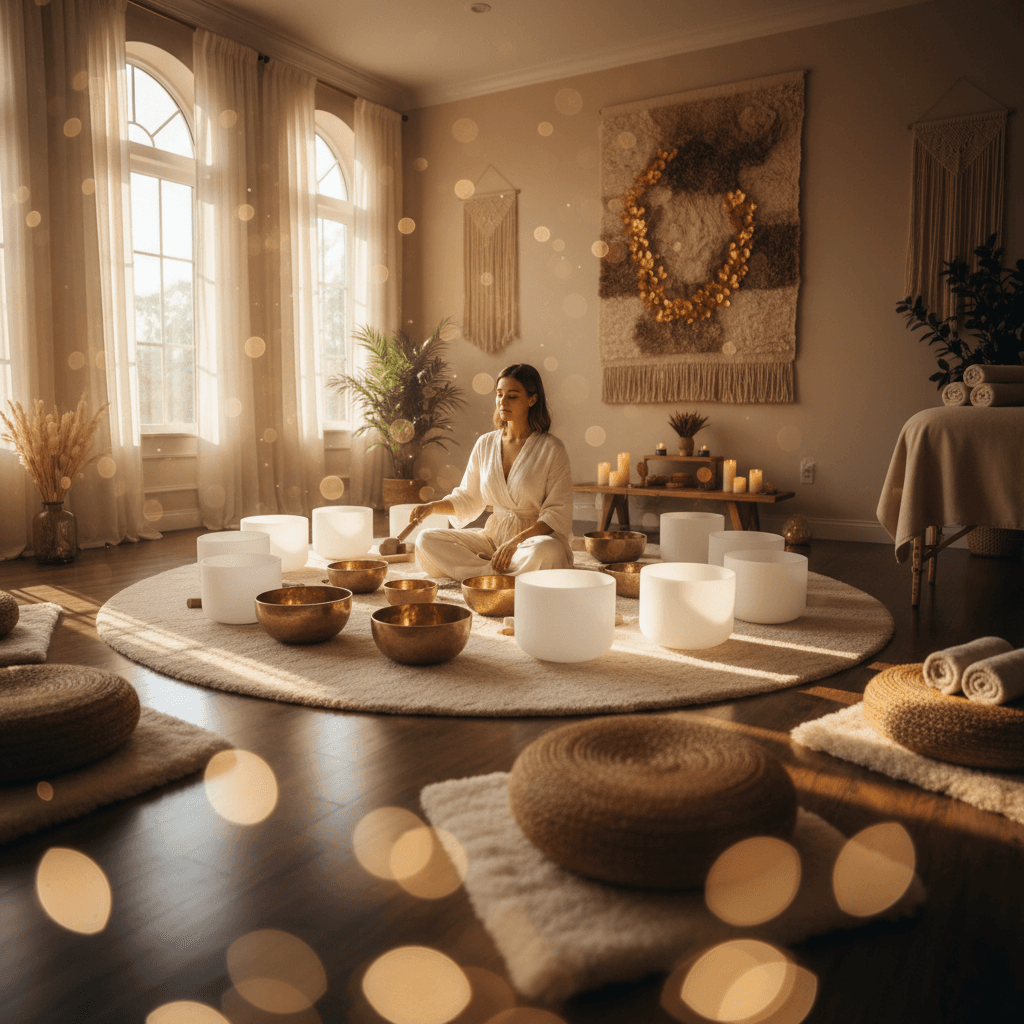
The Soul Art method stands out through its emphasis on precision in sound curation and presence in delivery. We move beyond generic background noise, instead focusing on specific frequencies and vibrations known to influence brainwave states and physiological responses. The carefully selected instruments, from crystal singing bowls to gongs and other resonant tools, are played with an understanding of their harmonic impact on the human body. This precision helps to create an auditory environment that supports the downregulation of the nervous system.
Our sessions are designed to gently quiet the external world, allowing the body to naturally transition into states where melatonin production can flourish. The experience may support the reduction of mental chatter and physical tension, key elements that often impede sleep onset. By offering a sanctuary from disruptive evening sounds and light, Soul Art provides a dedicated space where your body can realign with its natural sleep signals. Many people report that the immersive soundscapes help them achieve profound relaxation, fostering a sense of calm that extends well beyond the session itself.
Your Next Steps
Embracing intentional evening rituals is a powerful act of self-care that can significantly enhance your sleep quality and overall vitality. While Soul Art offers a profound experience, there are steps you can integrate into your daily life starting tonight to support your body's natural melatonin production. These practices are designed to complement your wellness journey and pave the way for more restorative nights.
Here are a few actionable steps you can implement to optimize your evening routine for better sleep:
- Create a Digital Sunset: Begin dimming lights and putting away electronic devices at least 60-90 minutes before your target bedtime. Opt for soft, warm lighting and engage in screen-free activities.
- Curate Your Soundscape: Introduce calming sounds, such as gentle ambient music or natural soundscapes, into your evening routine. Conversely, strive to minimize jarring noises and create a quiet environment in your bedroom.
- Embrace Mindful Wind-Downs: Practice gentle stretching, meditation, or deep breathing exercises for 5-10 minutes each evening. These practices may support the reduction of stress and prepare your mind for rest.
- Journal for Clarity: Spend a few minutes before bed writing down any lingering thoughts or tasks for the next day. This can help clear your mind, preventing worries from keeping you awake.
- Consider a Sound Wellness Session: Explore the deeply relaxing and scientifically informed sound experiences offered by Larissa Steinbach at Soul Art Dubai. Our sessions are designed to guide your body into states conducive to natural melatonin production and profound rest.
In Summary
The journey to truly restorative sleep is deeply intertwined with our body's natural melatonin production and the harmony of our circadian rhythm. We've explored how seemingly innocuous elements like artificial light and ambient sound profoundly influence these vital processes. Modern living often disrupts our delicate biological clock, but with intentional evening sound rituals and conscious environmental choices, we can reclaim our capacity for deep rest.
Soul Art, under the expert guidance of Larissa Steinbach, offers a unique and scientifically grounded approach to fostering this harmony. Through meticulously curated sound wellness experiences, we provide a sanctuary where your body and mind can realign, supporting natural melatonin synthesis for truly rejuvenating sleep. By understanding and respecting your body's innate rhythms, you can unlock a path to enhanced well-being and a more vibrant life.
Bookings Coming Soon
Soul Art is still in preparation. Session details and booking will be published here after launch.
Coming Soon
Wellness Disclaimer: This article is for educational and informational purposes only. It does not constitute medical advice, diagnosis, or treatment. Soul Art Dubai provides non-medical wellness experiences focused on relaxation, stress management, and general wellbeing. Sound wellness is a complementary practice and should not replace professional medical care.
Related Articles
Cluster Headaches: Unveiling Pain and the Promise of Frequencies in Wellness
Epilepsy & Sound: Safety, Serenity, and Emerging Wellness Paths
Mastering Focus: Analytical Listening & Brain Engagement at Soul Art