Sound for Relief: Gentle Support for Medication Side Effects

Key Insights
Explore how evidence-based sound wellness practices can offer gentle relief from common medication side effects, supporting your holistic wellbeing.
The landscape of modern medicine offers incredible advancements, yet for many, the journey to wellness often involves navigating the labyrinth of medication side effects. From persistent discomfort to a subtle erosion of mental clarity, these unintended consequences can significantly impact quality of life. Imagine a complementary approach that offers gentle support, helping to harmonize the body's systems and foster a deeper sense of ease.
This is where the ancient wisdom, now validated by contemporary science, of sound wellness emerges as a compelling pathway. Here at Soul Art, founded by Larissa Steinbach, we explore how precise acoustic stimulation may help to alleviate various medication-related discomforts. We'll delve into the scientific underpinnings of this powerful modality and explain how it can become a vital part of your holistic self-care regimen, supporting your journey towards enhanced well-being.
The Science Explained: Resonating with Relief
The human body is a complex orchestra of vibrations, and emerging research suggests that external sound frequencies can profoundly influence our internal harmony. Sound wellness, particularly vibroacoustic therapy, engages the body at a cellular level, initiating a cascade of beneficial physiological and neurological responses. These responses may offer a unique avenue for relief from the sometimes challenging impacts of pharmaceutical interventions.
Modulating Pain Perception through Vibration
Many medications, while effective for their primary purpose, can leave individuals contending with chronic pain or discomfort as a side effect. Sound wellness offers a promising complementary strategy. Low-frequency vibrations, often delivered through specialized vibroacoustic beds or instruments, stimulate mechanoreceptors throughout the body. These tiny sensory receptors respond to pressure and vibration, sending signals that may modulate pain perception via the well-established gate control theory. This theory suggests that non-painful input can close the "gates" to painful input, preventing pain sensations from reaching the central nervous system.
Clinical studies provide compelling evidence for this mechanism. For instance, research focusing on conditions like fibromyalgia, often characterized by widespread chronic pain, has shown significant improvements. Patients receiving twice-weekly 40 Hz vibroacoustic treatments over five weeks reported meaningful reductions in pain scores and enhanced quality of life. Remarkably, a quarter of participants were able to discontinue pain medications entirely, while others achieved substantial reductions in their pharmaceutical dependency, highlighting sound's potential as a supportive tool. The rhythmic stimulation of music, rather than solely its melody, has been associated with pronounced anti-pain effects in the brain, further supporting the vibratory aspect of sound as medicine.
Harmonizing the Nervous System: Stress Reduction
Medication side effects frequently manifest as increased stress, anxiety, or disrupted sleep patterns, which in turn can amplify the perception of physical pain and reduce overall resilience. Sound interventions directly address this by promoting a shift towards parasympathetic nervous system activity, often referred to as the body's "rest and digest" state. This activation helps to counter the often overactive sympathetic "fight or flight" response, which can be exacerbated by stress, illness, and medication.
Research indicates that even single 20-30 minute sessions of vibroacoustic therapy can lead to an increase in parasympathetic activity and a reduction in subjective pain scores. Studies assessing stress relief effects through physiological measures such as heart rate variability (HRV), salivary cortisol levels, and neuroimaging markers, alongside self-reported stress levels, consistently point towards sound’s efficacy in fostering relaxation. This physiological shift helps to decrease cortisol levels and encourage the release of calming neurotransmitters, promoting a more balanced internal environment.
Beyond Pain: Cognitive & Emotional Support
Pharmaceutical side effects can extend beyond physical discomfort, impacting mental clarity, mood, and emotional regulation. Confusion, for example, is a reported side effect of many drugs, which can be disorienting and frustrating. While sound wellness is not a cure for cognitive impairment, it may offer supportive benefits. Binaural beats, a form of auditory illusion created by playing two slightly different frequencies into each ear, have shown some association with improved memory and attention in studies when used before or during tasks. The extent of these effects may depend on the specific sound frequency and length of exposure.
Furthermore, sound interventions have been associated with positive impacts on mood and emotional well-being. Music, gongs, and singing bowls have been used for centuries to help lower blood pressure and heart rate, while also reducing tension, anxiety, and feelings of depression. Research suggests that sound can affect the release of beneficial neurotransmitters such as endorphins, dopamine, and serotonin, while decreasing cortisol levels. This biochemical modulation contributes to the observed mental and physical health benefits, including enhanced mood management and stress reduction, which can be particularly helpful for individuals navigating the psychological side effects of medications for chronic conditions or even intensive treatments like chemotherapy.
"The subtle vibrations of sound can resonate deep within us, not only touching the physical body but gently coaxing the mind towards a state of quiet resilience. It's about finding harmony amidst the internal static."
It is important to acknowledge that while many people report immediate subjective well-being and relaxation, more significant and lasting benefits typically emerge after several weeks of regular treatments. Sound wellness is considered a safe complementary approach for a wide range of individuals, including children and elderly patients, reflecting a broader understanding of how the human body responds to precise acoustic stimulation. Targeted frequencies are being increasingly integrated into comprehensive treatment protocols by practitioners worldwide, based on peer-reviewed research.
How It Works in Practice: The Immersive Experience
Stepping into a sound wellness session is an invitation to deeply relax and allow your body to receive. Unlike traditional therapies, the experience is largely passive, requiring only your willingness to be present. Clients often describe a profound sense of calm washing over them, as the carefully curated soundscape guides their nervous system into a state of deep repose.
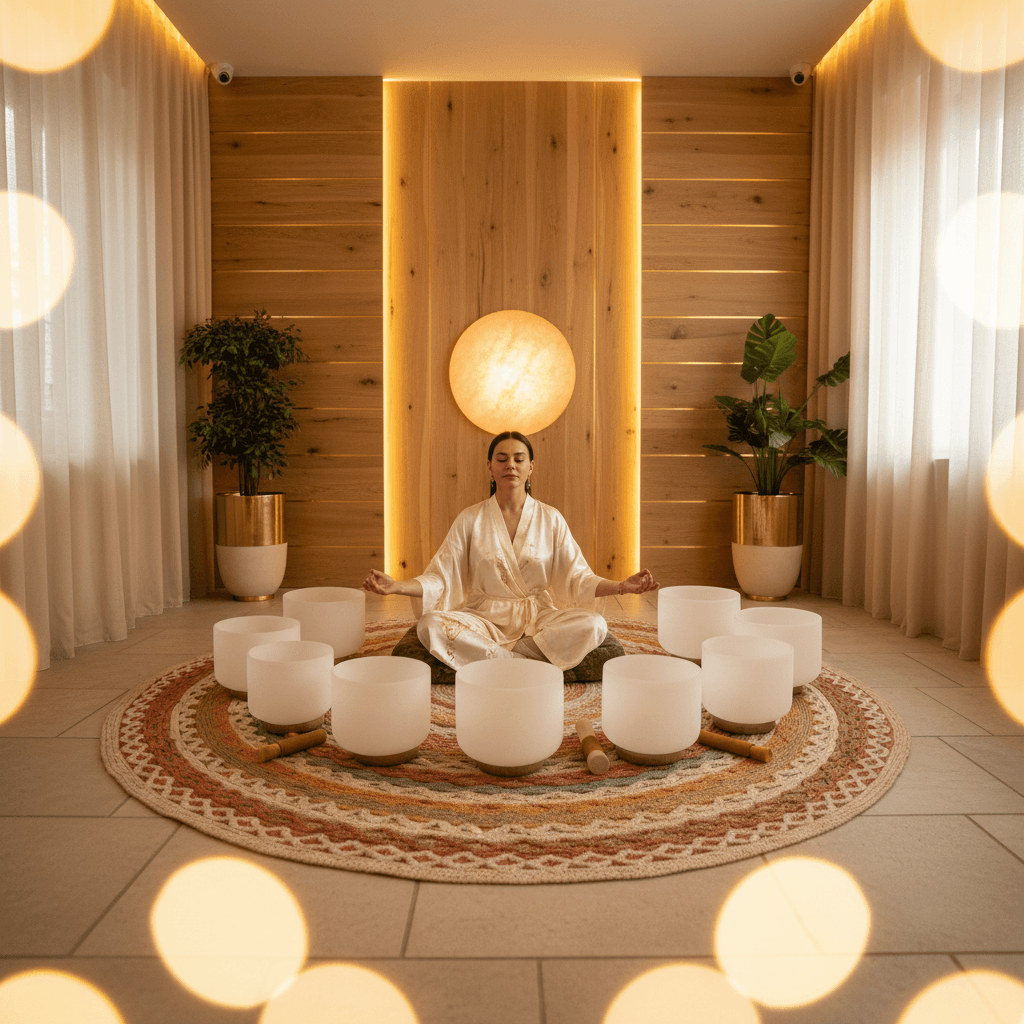
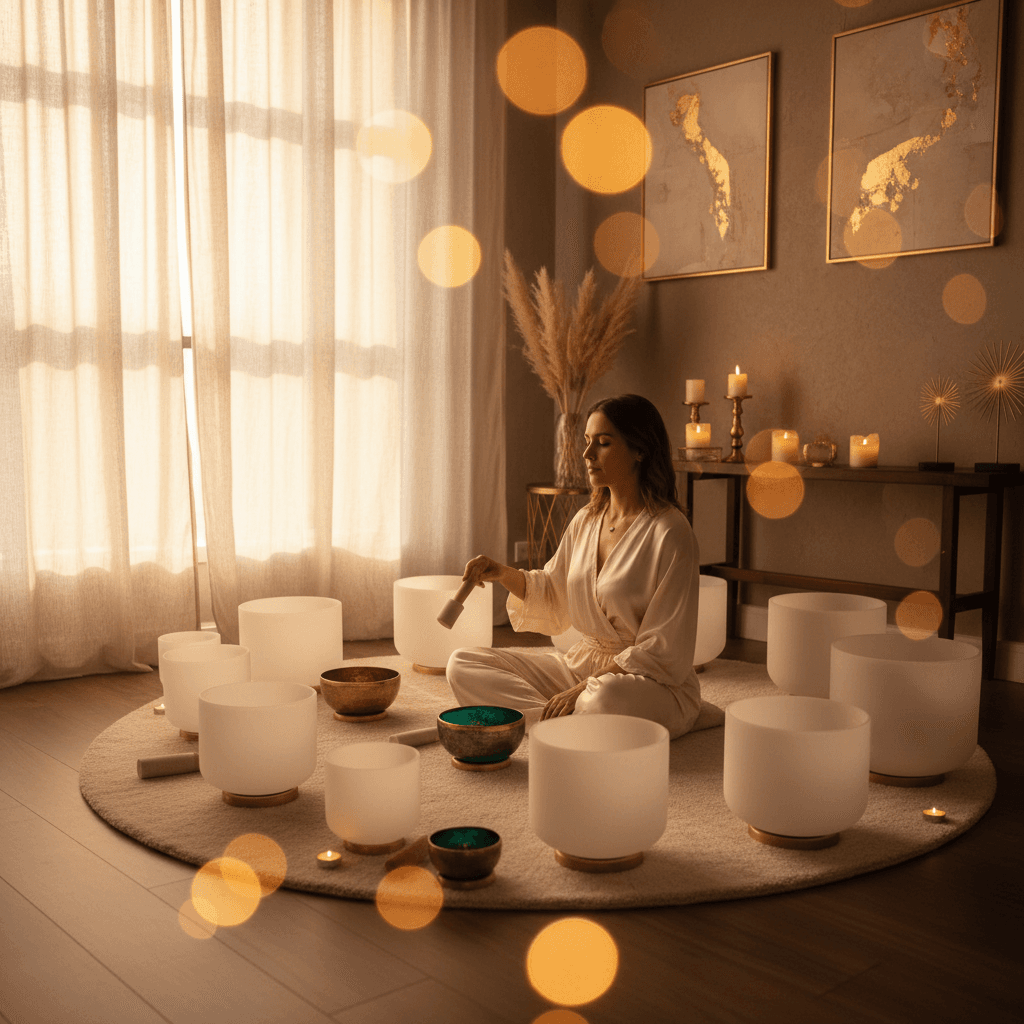
A typical session might involve reclining on a comfortable vibroacoustic bed or mat, designed to transmit gentle, low-frequency vibrations directly into your body. Simultaneously, the air is filled with the rich, resonant tones of instruments like Himalayan singing bowls, gongs, or chimes. These sounds are not merely listened to; they are felt. The vibrations permeate every cell, creating an internal massage that can be both deeply soothing and surprisingly invigorating.
Many people report an immediate release of tension, a reduction in anxious thoughts, and an improved sense of emotional balance after even a single sound meditation session. The combination of auditory and tactile stimulation creates a multi-sensory experience that bypasses the analytical mind, allowing for a direct path to relaxation. This deep relaxation is key to unlocking the body's natural restorative processes, which in turn may help to mitigate the physiological impacts of medication side effects.
While immediate effects like reduced tension, anger, fatigue, and depression are often noted, the cumulative benefits of consistent engagement are where truly lasting changes may emerge. For individuals seeking relief from persistent discomforts associated with medication, an initial series of 8-12 sessions is often recommended to establish baseline improvements. These regular exposures allow the body and mind to progressively learn to recalibrate, building a foundation of sustained well-being, followed by maintenance sessions as needed. This consistent approach supports the nervous system in finding its equilibrium, helping to sustain the positive shifts achieved.
The Soul Art Approach: Larissa Steinbach's Vision
At Soul Art, Larissa Steinbach has cultivated a sanctuary where the art and science of sound wellness converge to offer truly transformative experiences. The Soul Art method is rooted in a philosophy that recognizes each individual's unique resonant frequency and their innate capacity for self-healing. Larissa’s approach is not about simply playing sounds; it is about creating an environment of deep immersion and intentional resonance.
What makes the Soul Art method unique is its dedication to personalized, evidence-informed care within a luxurious and serene setting. Larissa Steinbach meticulously curates each session, drawing upon a deep understanding of acoustic principles and their physiological impacts. She selects specific frequencies and instruments – including her collection of exquisite Himalayan singing bowls, powerful gongs, and precise tuning forks – to address the individual needs of her clients. The studio's vibroacoustic furniture is state-of-the-art, ensuring that the vibrational input is both gentle and profoundly effective.
Larissa's expertise ensures that every experience is designed to facilitate profound relaxation, stress reduction, and a gentle recalibration of the nervous system. The goal is to support the body’s natural ability to restore balance, offering a complementary pathway for those seeking relief from the challenges of medication side effects. Soul Art is a space where ancient healing traditions meet modern scientific understanding, providing a holistic wellness practice that honors both body and mind.
The intention behind every Soul Art session is to empower clients to tap into their inner resources, fostering a sense of peace and resilience that extends beyond the studio walls. This complementary approach supports overall wellness, working in harmony with any medical treatments a client may be undergoing.
Your Next Steps: Embracing Sound for Wellness
Integrating sound wellness into your life can be a gentle yet powerful step towards managing the side effects of medication and enhancing your overall well-being. It is a commitment to self-care, offering a sophisticated and scientifically-grounded method to support your body’s natural rhythms. Remember, this is a complementary approach designed to work alongside, not replace, conventional medical advice and treatment.
Here are some practical steps you can take today:
- Consult Your Healthcare Provider: Always discuss any new wellness practices with your doctor, especially if you are managing existing health conditions or taking medications. Sound wellness is a supportive tool, not a substitute for medical care.
- Explore Sound Wellness: Begin by experiencing a professional sound session. Immerse yourself in the unique vibrations and discover how your body responds to the soothing frequencies offered in a dedicated studio like Soul Art.
- Embrace Consistency: As research suggests, the most significant and lasting benefits often arise from regular engagement. Consider an initial series of sessions to allow your nervous system to fully integrate the profound relaxation and harmonizing effects.
- Listen to Your Body: Pay attention to how you feel after sessions. Notice any improvements in sleep, pain levels, mood, or cognitive clarity. Your body is an intelligent guide in your wellness journey.
- Learn More with Soul Art: Discover the tailored experiences available with Larissa Steinbach at Soul Art. Our expert guidance can help you navigate the profound benefits of sound wellness, creating a personalized path to enhanced vitality and peace.
In Summary
Navigating medication side effects can be a challenging aspect of modern healthcare. However, the evidence-informed practice of sound wellness offers a gentle, complementary pathway to relief. By stimulating mechanoreceptors, harmonizing the nervous system, and supporting emotional and cognitive balance, sound interventions may help to mitigate various discomforts associated with pharmaceuticals.
Under the expert guidance of Larissa Steinbach, Soul Art provides a sophisticated environment where these profound benefits can be experienced. It’s an invitation to embrace a holistic wellness practice, fostering deep relaxation and promoting your body's innate capacity for balance. While not a cure, sound wellness serves as a powerful supportive tool, helping you to find greater ease and well-being on your health journey.
Bookings Coming Soon
Soul Art is still in preparation. Session details and booking will be published here after launch.
Coming Soon
Wellness Disclaimer: This article is for educational and informational purposes only. It does not constitute medical advice, diagnosis, or treatment. Soul Art Dubai provides non-medical wellness experiences focused on relaxation, stress management, and general wellbeing. Sound wellness is a complementary practice and should not replace professional medical care.
Related Articles
Downsizing: Navigating Life's Big Changes with Sound Wellness

Restless Legs Relief: Sound Wellness for Deeper Nighttime Comfort
Embracing Age with Inner Peace: Sound Wellness for Acceptance