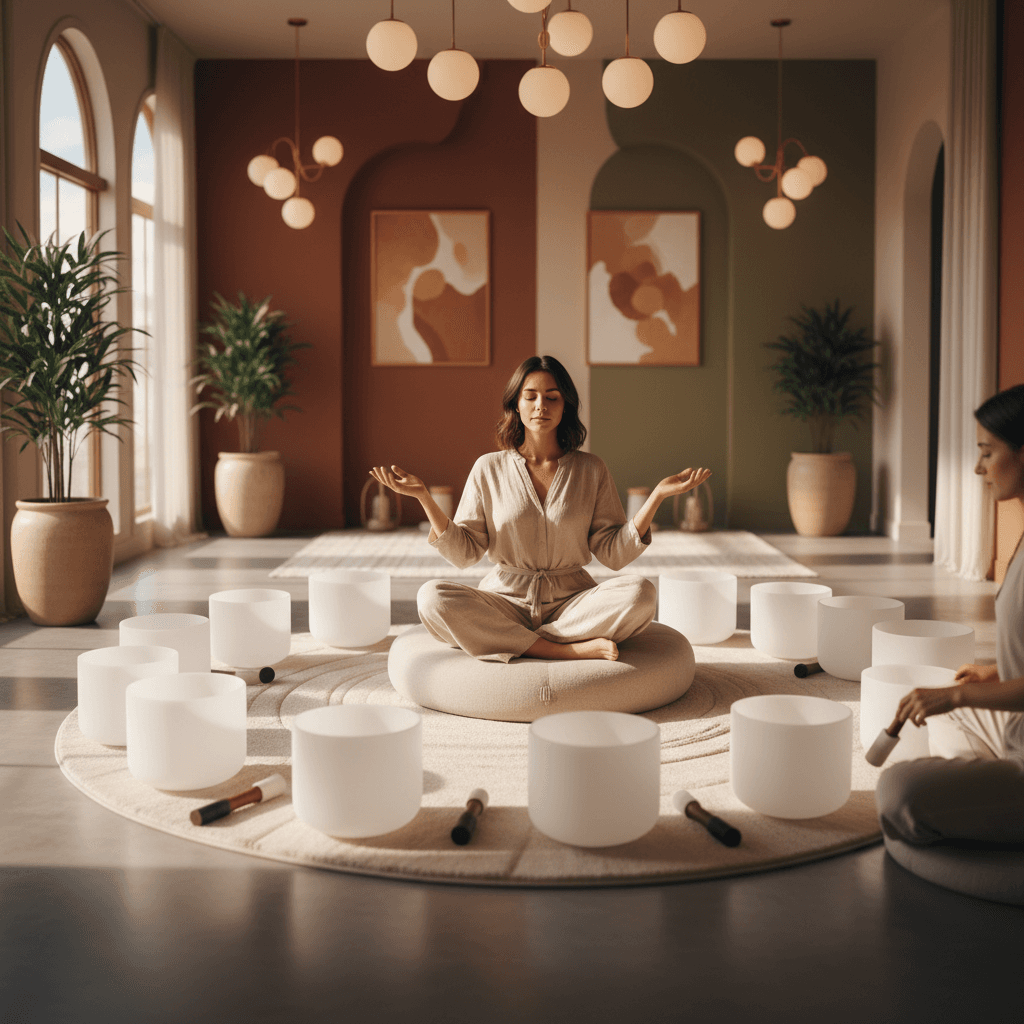
Sound for Adaptation: Reclaiming Independence Through Vibrational Wellness
Key Insights
Explore how sound wellness, guided by Larissa Steinbach at Soul Art Dubai, supports adaptation and promotes independence, especially during life transitions and aging.
The thought of losing one's independence can evoke profound apprehension. It's a universal human desire to maintain autonomy, to navigate life on our own terms, and to continue engaging with the world in meaningful ways. Yet, as life progresses, whether through the natural aging process, illness, or unforeseen circumstances, the ability to perform daily activities and sustain full independence may sometimes shift.
This journey of adaptation is not merely physical; it encompasses deeply personal psychological, emotional, and social dimensions. At Soul Art Dubai, founded by the visionary Larissa Steinbach, we understand that supporting adaptation is crucial for maintaining a rich quality of life. We explore how the profound practice of sound wellness may offer a unique and powerful pathway to navigate these transitions with grace, resilience, and a renewed sense of inner independence.
The Science Explained: Adaptation and the Human Spirit
The capacity to adapt is fundamental to human well-being, especially when facing life's inevitable changes and challenges. Research consistently highlights the importance of adaptation strategies in improving life satisfaction, particularly for older adults experiencing a decline in activity and independence. These strategies are not just about physical adjustments; they deeply involve mental fortitude and emotional regulation.
The Role of Adaptation in Life Satisfaction
Studies indicate that activity, independence, and adaptation are three critical themes that contribute to life satisfaction in old age. When individuals face consequences of disease or aging, their ability to reorganize daily routines, interact effectively with caregivers, and engage in mental adaptation – such as recalling pleasant past memories – becomes vital. This internal resilience can foster a sense of contentment, even amidst challenging external circumstances.
However, a sole reliance on recalling pleasant memories, while helpful, carries a potential risk. It might inadvertently mask underlying dissatisfaction with conditions that could otherwise be addressed. Therefore, a comprehensive approach to adaptation, integrating various supportive strategies, is essential for truly enhancing life satisfaction and promoting genuine well-being.
Navigating Sensory Declines and Cognitive Load
As we age, our sensory systems naturally undergo changes, which can sometimes interfere with daily functioning and quality of life, particularly after the age of 75 or due to illness. These sensory losses, such as a decreased ability to hear or see, often necessitate adaptive measures. For example, individuals might learn lip-reading or implement environmental modifications to compensate for diminished senses. Understanding these age-related changes and accepting what cannot be completely overcome allows for more effective adaptation.
One significant sensory challenge is age-related hearing loss, which impacts far more than just auditory perception. Scientific investigations have established a clear link between hearing impairment and psychological effects, including heightened anxiety, depression, social withdrawal, and reduced self-esteem. The brain itself experiences profound impacts, with research showing atrophy in key regions like the auditory cortex and hippocampus, alongside decreased gray matter volume. This neurological shift leads to increased cognitive load as the brain works harder to interpret sounds, contributing to mental fatigue and potential declines in memory and processing speed.
The Brain's Adaptability and Sensorimotor Control
The ability to adapt to environmental demands is essential for maintaining independence and health throughout life. However, with advanced age, there can be a declining ability to modulate sensorimotor output to specific task demands. This is often described as a loss of adaptability in sensorimotor control, affecting how we interact physically with our surroundings.
While some studies suggest a decline in using faster timescales of sensorimotor control, others point out that perceived lack of adaptability in older adults might sometimes be due to unfamiliarity with new tasks rather than an intrinsic aging process alone. This distinction underscores the importance of continued engagement and supportive environments that encourage novel, yet safe, activities to sustain the brain's adaptive capabilities. Environmental and technological interventions in the home, for instance, have been shown to slow functional decline in frail older persons, highlighting the profound impact of supportive surroundings on independence.
Sound Wellness: A Complementary Approach to Adaptation
Sound wellness, particularly through practices like those offered at Soul Art, may serve as a powerful complementary approach to support the body and mind in adapting to life's shifts.
- Supporting Mental Adaptation: Calming soundscapes can help reduce stress and anxiety, which are common responses to feelings of diminished independence or sensory loss. By promoting a state of deep relaxation, sound may facilitate clearer thinking and emotional regulation, making it easier to engage in positive mental adaptation strategies.
- Enhancing Emotional Resilience: The therapeutic frequencies used in sound wellness may help individuals process emotions related to loss and frustration. This can foster a sense of peace and acceptance, mitigating the psychological effects often associated with sensory impairment or reduced mobility.
- Gentle Sensory Engagement: For those experiencing sensory decline, carefully curated sound experiences can offer gentle, non-overwhelming stimulation. This can engage the auditory system in a soothing way, potentially supporting neural pathways without adding to cognitive load. Some preliminary studies on music-based interventions for older adults with mild-to-moderate dementia have even shown improvements in well-being, cognition, and executive functions.
- Fostering Inner Control: When external control over one's life diminishes, cultivating an inner sense of peace and stability becomes paramount. Sound wellness offers a unique space for individuals to connect with their inner self, potentially restoring a feeling of agency and calm regardless of external circumstances. This internal shift can be a profound form of adaptation, empowering individuals to navigate their experiences from a place of strength.
How It Works in Practice: The Vibrational Experience
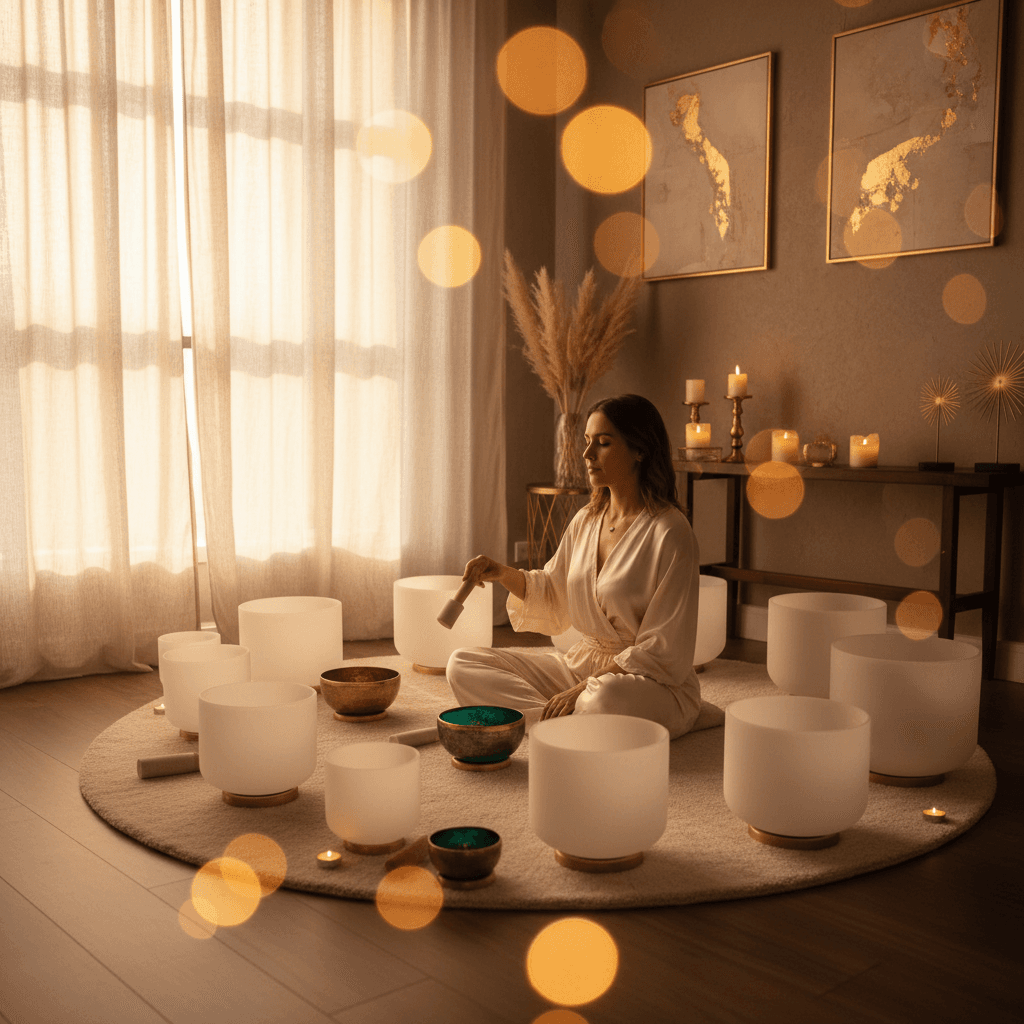
At Soul Art, stepping into a sound wellness session is an invitation to a unique sensory journey. It's an experience designed to meet you where you are, offering a supportive environment for your mind and body to engage in gentle self-regulation and adaptation. The practice moves beyond passive listening, engaging the entire being through vibrations and resonant frequencies.
Clients often describe a profound sense of peace and calm that descends as the session begins. The carefully selected instruments and their harmonizing sounds create an immersive soundscape that encourages the nervous system to shift from a state of stress to deep relaxation. This shift is crucial for fostering mental adaptation. When the mind is quiet and calm, it may become easier to process emotions, find clarity, and cultivate a more optimistic outlook, even when facing significant life changes.
The gentle yet pervasive vibrations of instruments like singing bowls and gongs are not just heard, but felt throughout the body. These tactile sensations can be incredibly grounding, helping individuals reconnect with their physical presence and find a sense of stability. For those experiencing sensory losses, particularly hearing impairment, these somatic vibrations can offer a different pathway for engagement, stimulating the body in a soothing and non-invasive manner. Many people report that the feeling of the vibrations helps them feel more "present" and connected to their own body, which can be particularly empowering when facing limitations.
Furthermore, sound has a unique ability to evoke memories and emotional responses. In the context of adaptation, especially when recalling pleasant past memories is identified as a coping strategy, specific soundscapes can gently facilitate this process. A harmonious melody or a resonant tone might unlock positive associations, bringing forth feelings of joy, comfort, or a sense of accomplishment. This experience can reinforce a feeling of continuity and purpose, supporting mental well-being and life satisfaction.
The experience at Soul Art also focuses on creating a "sanctuary" within. Even if external circumstances present challenges to independence, the inner state cultivated through sound wellness can be one of quiet control and comfort. This internal resilience allows individuals to adapt to their situation not from a place of defeat, but from a foundation of inner strength and peace. The immersive nature of sound helps to quiet the external world, allowing for a deeper introspection and acceptance of one's current state, while gently nudging the system towards balance and renewal.
The Soul Art Approach: Larissa Steinbach's Vision
Larissa Steinbach, the founder of Soul Art, approaches sound wellness with a deep understanding of its potential to foster holistic well-being and adaptation. Her method is rooted in a person-centered philosophy, recognising that each individual's journey with independence and adaptation is unique. Larissa's vision is to create a space where clients can explore their inner landscapes, finding peace, resilience, and new ways to navigate life's transitions.
What makes the Soul Art method unique is its curated blend of ancient wisdom and contemporary understanding of sound physics and its impact on the human system. Larissa Steinbach thoughtfully designs each session, whether private or group, to address the specific needs and intentions of her clients. She doesn't just play instruments; she orchestrates a therapeutic sound experience, guiding participants through a journey of self-discovery and inner healing.
Specific instruments are chosen for their unique vibrational qualities and reported effects.
- Himalayan Singing Bowls are often placed directly on or around the body, their deep, rich vibrations creating a somatic experience that can release tension and promote cellular relaxation.
- Crystal Singing Bowls, known for their pure, sustained tones, are believed by many to resonate with the body's energy centres, fostering emotional balance and mental clarity.
- Gongs offer a powerful, immersive wave of sound that can facilitate profound states of relaxation and altered consciousness, promoting deep surrender and release.
- Chimes and Tuning Forks are used for their precise frequencies, which may help to fine-tune the nervous system and promote energetic alignment.
Through the Soul Art approach, Larissa aims to facilitate not just relaxation, but a deeper integration of mind, body, and spirit. By carefully crafting these soundscapes, she supports clients in strengthening their innate capacity for adaptation. This holistic framework helps individuals cultivate emotional resilience, enhance cognitive serenity, and maintain a vibrant sense of inner independence, regardless of external shifts in their lives. The intention is always to empower individuals to adapt to change gracefully, finding strength and harmony within themselves.
"True independence isn't just about what we can do, but how resiliently we can adapt to what life brings, finding strength and serenity within ourselves."
Your Next Steps: Cultivating Adaptability with Sound
Embracing adaptation and maintaining a strong sense of independence is an ongoing journey that benefits from intentional self-care practices. Incorporating sound wellness into your routine may offer significant support, helping you navigate life's changes with greater ease and inner strength.
Here are a few practical steps you can take to cultivate adaptability:
- Mindful Listening Practices: Dedicate a few minutes each day to simply listen to soothing sounds, whether it's calming music, nature sounds, or ambient tones. Focus solely on the auditory experience, allowing your mind to rest and your nervous system to calm. This can be a simple yet powerful way to practice mental adaptation.
- Create a Personal Sound Sanctuary: Designate a quiet space in your home where you can regularly engage with sound. This doesn't require elaborate equipment; it could be a comfortable chair where you listen to gentle chimes or a calming playlist. Having a dedicated space for relaxation can reinforce feelings of control and independence.
- Engage with Community: While sound wellness can be a deeply personal journey, consider joining group sound baths or workshops. Social connection and shared experiences can be a powerful antidote to feelings of isolation that sometimes accompany changes in independence or sensory loss.
- Explore Professional Sound Wellness: Consider booking an individual session or attending a group sound bath at Soul Art Dubai. Guided by Larissa Steinbach, these experiences offer a professionally curated environment to explore the deeper benefits of vibrational healing, tailored to support your unique adaptive journey.
Remember, every step towards nurturing your inner well-being is a step towards reinforcing your capacity for graceful adaptation and a fulfilling sense of independence.
In Summary
The journey of life often brings unforeseen changes, sometimes impacting our sense of independence and activity. However, the human spirit's capacity for adaptation is a powerful tool for maintaining life satisfaction and well-being. From reorganizing daily routines and engaging in mental activities to addressing sensory declines and supporting cognitive function, adaptation is key. Sound wellness, as offered by Larissa Steinbach at Soul Art Dubai, provides a complementary and profound pathway to support this adaptive process.
By fostering deep relaxation, emotional resilience, and a profound sense of inner calm, sound may help individuals navigate physical and sensory changes with greater grace. It's about cultivating an inner sanctuary where independence thrives, irrespective of external circumstances. We invite you to explore the transformative potential of sound and embrace a journey towards enhanced well-being and a sustained sense of personal autonomy.
Bookings Coming Soon
Soul Art is still in preparation. Session details and booking will be published here after launch.
Coming Soon
Wellness Disclaimer: This article is for educational and informational purposes only. It does not constitute medical advice, diagnosis, or treatment. Soul Art Dubai provides non-medical wellness experiences focused on relaxation, stress management, and general wellbeing. Sound wellness is a complementary practice and should not replace professional medical care.
Related Articles
Downsizing: Navigating Life's Big Changes with Sound Wellness
Restless Legs Relief: Sound Wellness for Deeper Nighttime Comfort
Embracing Age with Inner Peace: Sound Wellness for Acceptance