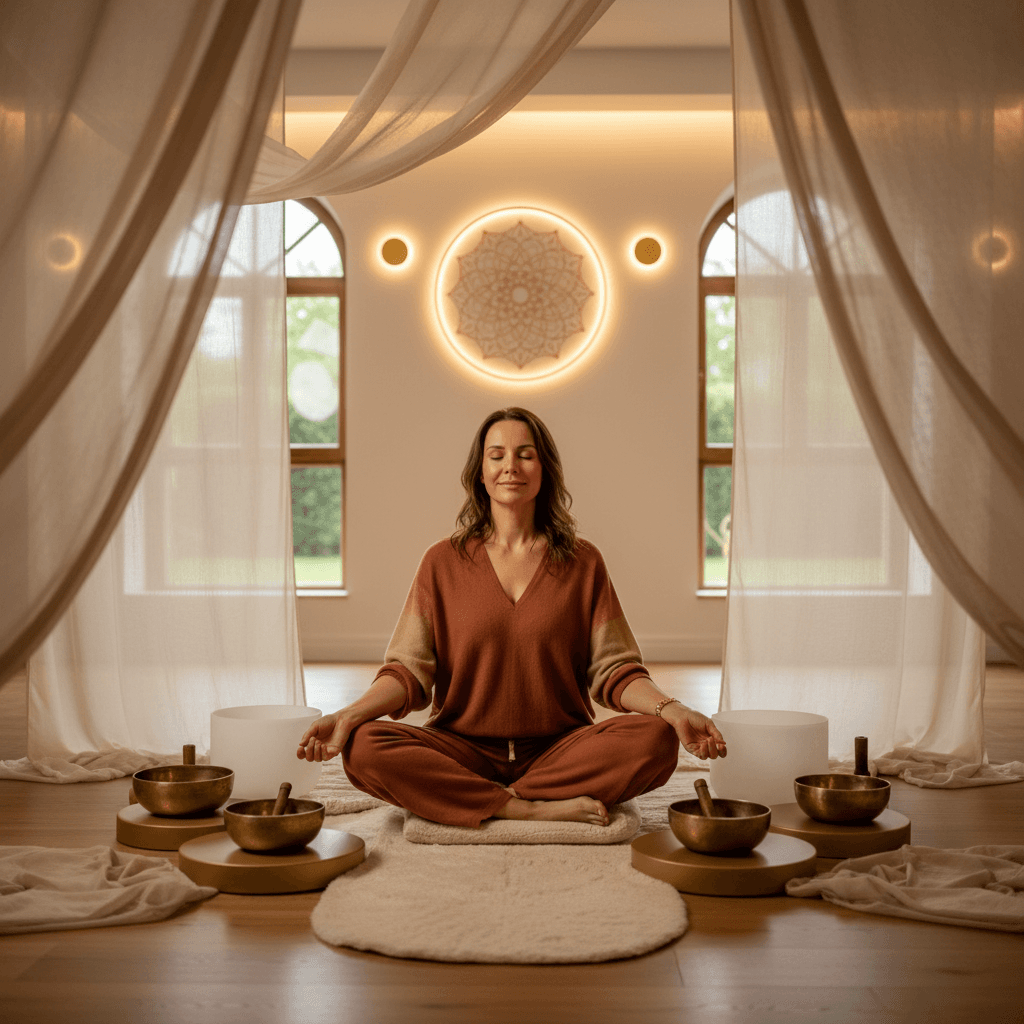
Sound for Media Professionals: Enhancing Clarity & Resilience
Key Insights
Discover how sound wellness can transform the demanding world of journalism, boosting focus, reducing stress, and enhancing cognitive resilience for media professionals.
Is it possible for the relentless pace of news, the ceaseless demand for accuracy, and the omnipresent deadlines to coexist with profound inner calm and sustained cognitive sharpness? For journalists and media professionals, this question often feels like a rhetorical one, dismissed amidst the clamour of daily reporting. Yet, in an era where information overload is the norm and stress is an occupational hazard, finding effective tools for mental and emotional resilience is no longer a luxury but a professional imperative.
This article delves into the transformative potential of sound wellness, a powerful, scientifically-grounded practice, specifically tailored for the unique challenges faced by media professionals. We will explore how targeted sound experiences can not only mitigate the detrimental effects of chronic stress but also enhance the very cognitive functions crucial to exceptional journalism: focus, critical thinking, and unbiased communication. Join us as we uncover a pathway to a more resilient, clear-headed, and ultimately more impactful career in media, guided by the principles embraced by Larissa Steinbach and Soul Art.
The Science Explained: How Sound Reshapes the Journalist's Mind
The world of journalism is inherently demanding, characterized by tight deadlines, the need for rapid information processing, and the constant pressure to verify facts amidst conflicting narratives. This environment can lead to chronic stress, impacting a journalist's cognitive function, emotional regulation, and overall well-being. Researchers like Scheufele & Krause (2019) highlight the revenue-driven nature of news, which often intensifies these pressures.
Chronic stress triggers the body's fight-or-flight response, governed by the sympathetic nervous system. This state releases stress hormones like cortisol, which can impair executive functions such as memory, attention, and decision-making – faculties indispensable for accurate reporting (Jacques et al., 2020). For media professionals, who must often critically assess the 'soundness' of research findings and cross-verify academic sources (Lawson, 2021; A. Van Witsen & Takahashi, 2021; Godler & Reich, 2017), any compromise in cognitive clarity can have significant repercussions.
The Brain on Sound: Frequencies of Focus and Calm
Sound wellness, particularly through practices like sound baths, operates on a profound physiological level by influencing our brainwave states. Our brains naturally cycle through different frequencies, each associated with distinct states of consciousness:
- Beta waves (13-30 Hz) are linked to active, alert, and concentrated thinking, often associated with journalistic deadlines and analytical tasks. While necessary, prolonged beta states can lead to mental fatigue.
- Alpha waves (8-12 Hz) emerge during relaxed wakefulness, meditation, and light focus, promoting creativity and a sense of calm.
- Theta waves (4-7 Hz) are characteristic of deep relaxation, dreaming, and meditative states, fostering intuition and memory consolidation.
- Delta waves (less than 4 Hz) are present during deep, restorative sleep, vital for physical and mental recovery.
During sound wellness sessions, the sustained, resonant tones of instruments like crystal bowls and gongs may guide brainwave activity from heightened beta states towards more relaxed alpha and theta patterns. This shift helps to activate the parasympathetic nervous system, the body’s "rest and digest" system, counteracting the effects of chronic stress. This physiological change may support a reduction in cortisol levels and a calming of the nervous system.
Neuro-Acoustic Principles and Their Impact
The efficacy of sound wellness is also rooted in neuro-acoustic principles. The vibrations generated by specialized instruments are not merely heard but felt, potentially interacting with the body's cellular structure. This phenomenon is known as sympathetic resonance. As the body absorbs these vibrations, it may encourage a state of coherence and balance.
Some preliminary studies indicate that these resonant frequencies can promote vagal nerve stimulation, a key pathway for regulating internal organ functions and controlling inflammatory responses. Activation of the vagus nerve has been associated with improved mood, reduced anxiety, and enhanced resilience to stress. For journalists, who constantly juggle complex information and potentially conflicting sources, these physiological benefits may translate into sharper critical thinking, greater emotional equilibrium, and an improved ability to separate factual communication from subjective interpretations (Jacques et al., 2020).
The ability to process information clearly and objectively is paramount for journalists, who are expected to collaborate with scientific researchers to assert claims (Jacques et al., 2020). By fostering states of deep relaxation and mental clarity, sound wellness may support journalists in maintaining their passion for truth, as eloquently described by Matthew Arnold – "to see things as they are," fostering a societal idea of diffusing the "best knowledge" (Inside Higher Ed, 2006).
How It Works in Practice: A Journalist's Path to Inner Harmony
Imagine stepping away from the bustling newsroom, the glow of multiple screens, and the insistent ping of notifications, into an oasis of calm. This is the transition many media professionals seek, and it’s precisely what a sound wellness session offers. The practical experience of sound wellness is a profound journey, designed to unwind the tightly coiled tension that often accompanies the pursuit of a story.
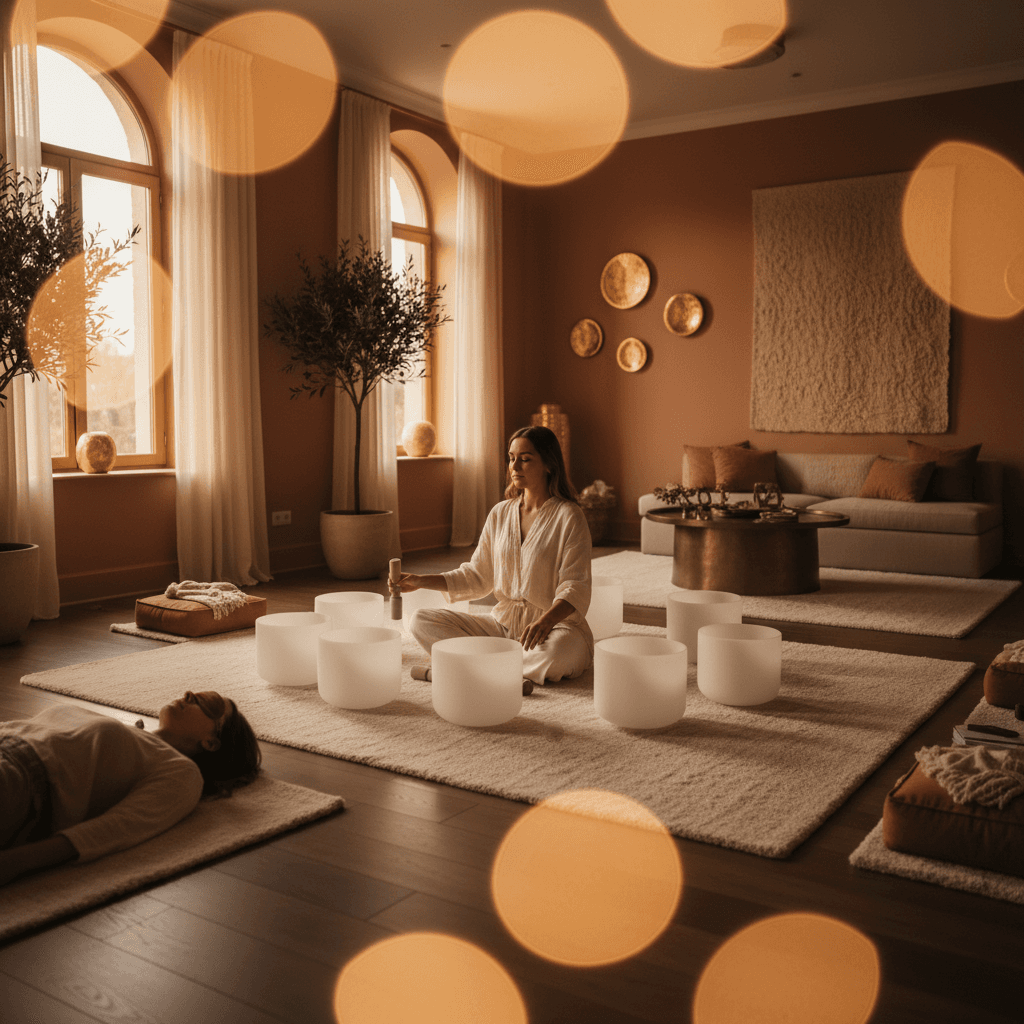
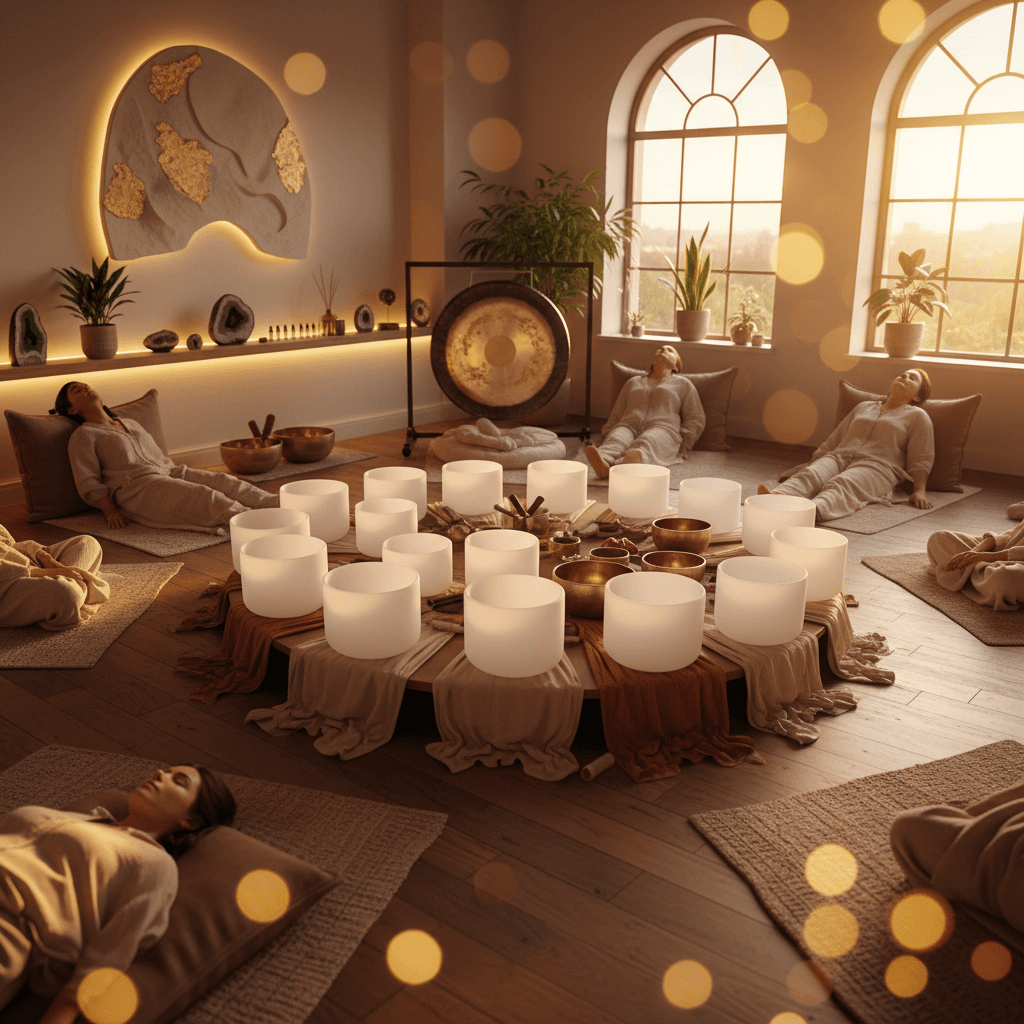
As participants recline comfortably, the space fills with an intricate tapestry of sounds. The pure, sustained tones of crystal singing bowls resonate through the air and body, their vibrations felt as much as heard. These are complemented by the deep, enveloping hum of gongs and the gentle tinkling of chimes, creating an immersive sonic landscape. This isn't just music; it's a carefully curated experience designed to gently coax the mind and body into a state of deep relaxation.
Sensory Immersion for Mental Clarity
The sensory details of a sound bath are central to its efficacy. The low, guttural rumbles of a large gong can induce a feeling of being cocooned, while the high, ethereal notes of a smaller bowl may create a sense of lightness and expansion. This intricate interplay of sound and vibration encourages the brain to release its grip on external stressors and internal narratives. Many people report a sensation of their thoughts slowing down, replaced by a quiet spaciousness.
For journalists constantly evaluating information, often under pressure and with limited time (Jacques et al., 2020), this mental deceleration is invaluable. It provides a rare opportunity to disengage from the "heuristic-based strategies" for verification (Lawson, 2021) and allow deeper processing. The experience helps to release physical tension held in the body, such as tight shoulders or a clenched jaw, which are common manifestations of stress among professionals who spend long hours at a desk.
Cultivating Resilience in a Demanding Field
The benefits extend beyond the immediate relaxation. Regularly engaging in sound wellness may support enhanced cognitive resilience, a critical trait for journalists navigating complex topics and potential controversies. Studies on Swiss, German, and Austrian science journalists indicate that the assessment of 'soundness' in research findings is highly context-dependent, often less thorough if it aligns with a predefined story frame or is perceived as societally irrelevant (Lehmkuhl & Peters, 2016). This highlights the need for journalists to maintain a clear, unbiased mind, unswayed by external pressures.
"In the cacophony of breaking news and conflicting reports, sound wellness offers journalists a unique opportunity to recalibrate their internal compass, ensuring that their pursuit of truth remains unclouded by the pervasive noise of modern media."
Sound wellness can act as a counterbalance to the mental fatigue that comes from constant critical assessment and cross-verification (Godler & Reich, 2017). By fostering states of deep relaxation, it may support improved sleep quality, which is fundamental for memory consolidation, emotional regulation, and sustained mental performance. For media professionals striving to uphold the integrity of their profession and report scientific research more accurately (Dempster, 2020), a well-rested and clear mind is their most powerful asset. This holistic approach complements the rigorous demands of their work, allowing them to return to their reporting with renewed focus and a calmer, more centred perspective.
The Soul Art Approach: Larissa Steinbach's Vision for Media Professionals
At Soul Art, Dubai's premier sound wellness studio, Larissa Steinbach has cultivated an experience that transcends mere relaxation, offering a sophisticated and deeply intentional journey into self-discovery and resilience. Larissa understands the unique pressures faced by professionals across industries, and her approach is particularly resonant with the intense demands of the media world. Her philosophy centres on creating bespoke sound experiences that are both scientifically grounded and profoundly spiritual.
What sets the Soul Art method apart is its meticulous attention to detail and Larissa Steinbach's intuitive mastery of sound. Each session is more than just a collection of beautiful sounds; it is a carefully orchestrated symphony of frequencies designed to guide participants toward a specific state of well-being. Larissa’s expertise allows her to craft a sonic journey that addresses the specific needs of journalists, from alleviating the acute stress of tight deadlines to fostering sustained mental clarity required for complex investigations.
Instruments of Transformation and Intentional Practice
Soul Art utilizes a curated collection of high-quality, resonant instruments, each chosen for its unique vibrational properties. Pure crystal singing bowls, hand-hammered Gongs of various sizes, Tibetan bowls, and chimes are among the tools employed. These instruments produce rich overtones and sustained vibrations that may penetrate deep into the body, encouraging cellular resonance and promoting a profound state of calm. Larissa Steinbach’s skill lies not only in playing these instruments but in creating an immersive soundscape that resonates with the individual’s energy field, helping to release blockages and restore balance.
The experience at Soul Art is also distinguished by its emphasis on conscious intention. Larissa guides each session with a clear purpose, inviting participants to set their own intentions for healing, clarity, or stress release. This intentionality amplifies the potential benefits of the sound, making it a more active and transformative practice. For journalists, who often operate in environments that can be overwhelming and sometimes desensitizing, this intentional space offers a sanctuary for reconnecting with their inner wisdom and renewing their passion for impactful storytelling.
The environment itself at Soul Art is a testament to quiet luxury and thoughtful design, fostering an immediate sense of peace. From the moment one enters, the studio acts as a natural buffer from the external world, preparing the mind and body for deep immersion. This holistic approach ensures that every aspect of the Soul Art experience, under Larissa Steinbach's guidance, is geared towards supporting the highest level of well-being, empowering media professionals to navigate their demanding careers with renewed energy and unwavering focus.
Your Next Steps: Integrating Sound Wellness into Your Media Life
The demanding nature of journalism, with its tight deadlines and the critical need for accurate reporting (Inside Higher Ed, 2006), often leaves little room for self-care. However, integrating sound wellness practices can be a transformative step towards sustained well-being and enhanced professional performance. You don't need to be a seasoned meditator to begin experiencing the benefits.
Here are some practical steps you can take to incorporate the power of sound into your busy life:
- Start with Mindful Listening Breaks: Even 5-10 minutes can make a difference. Step away from your desk, put on quality headphones, and listen to a sound bath recording or calming ambient music. Focus solely on the sounds, allowing your mind to rest from the constant influx of news. This simple practice may help reset your cognitive focus during a demanding day.
- Create a Sonic Sanctuary at Home: Dedicate a quiet corner in your home for relaxation. Play gentle, resonant sounds from a crystal bowl, a small chime, or a high-quality soundscape before or after your workday. This can signal to your nervous system that it’s time to shift from active beta states to more restful alpha or theta waves.
- Prioritize Full Sound Wellness Sessions: Schedule regular appointments for professional sound baths, like those offered at Soul Art. These immersive experiences provide a deeper level of relaxation and recalibration than at-home practices, offering a powerful antidote to chronic stress and mental fatigue. Many people report feeling a profound sense of clarity and renewed energy after a session.
- Integrate Sound for Pre-Reporting Focus: Before a significant interview, writing a complex piece, or a critical news broadcast, engage in a brief sound meditation. This can help quiet the mind, enhance focus, and potentially reduce anxiety, allowing you to approach your work with greater presence and precision.
- Explore Binaural Beats for Enhanced Focus: While not a replacement for traditional sound baths, some preliminary studies indicate that specific binaural beat frequencies may support improved concentration. Experiment with these during tasks requiring deep focus, ensuring they are used as a complementary tool and not a substitute for rest.
Embracing sound wellness is an investment in your most valuable professional asset: your mind. It’s a complementary approach that may support journalists in cultivating greater resilience, clarity, and sustained energy, ensuring they can continue to deliver impactful and accurate stories without compromising their own well-being.
In Summary
Journalists and media professionals navigate a high-pressure landscape, demanding unwavering focus, critical accuracy, and profound resilience. The constant deadlines, information overload, and the imperative to verify facts can lead to significant stress, impacting cognitive function and overall well-being. Sound wellness, particularly through practices like sound baths, offers a scientifically-grounded and holistic solution to these challenges.
By guiding brainwave activity into more restorative states and activating the parasympathetic nervous system, sound wellness may support reduced stress, enhanced mental clarity, and improved emotional regulation. Larissa Steinbach's Soul Art provides a sophisticated sanctuary for this transformative practice, offering bespoke sound experiences designed to fortify the minds and spirits of media professionals. Embracing sound wellness is a powerful step towards a more resilient, focused, and balanced career, allowing journalists to continue their vital work with sustained energy and profound inner peace.
Bookings Coming Soon
Soul Art is still in preparation. Session details and booking will be published here after launch.
Coming Soon
Wellness Disclaimer: This article is for educational and informational purposes only. It does not constitute medical advice, diagnosis, or treatment. Soul Art Dubai provides non-medical wellness experiences focused on relaxation, stress management, and general wellbeing. Sound wellness is a complementary practice and should not replace professional medical care.
Related Articles
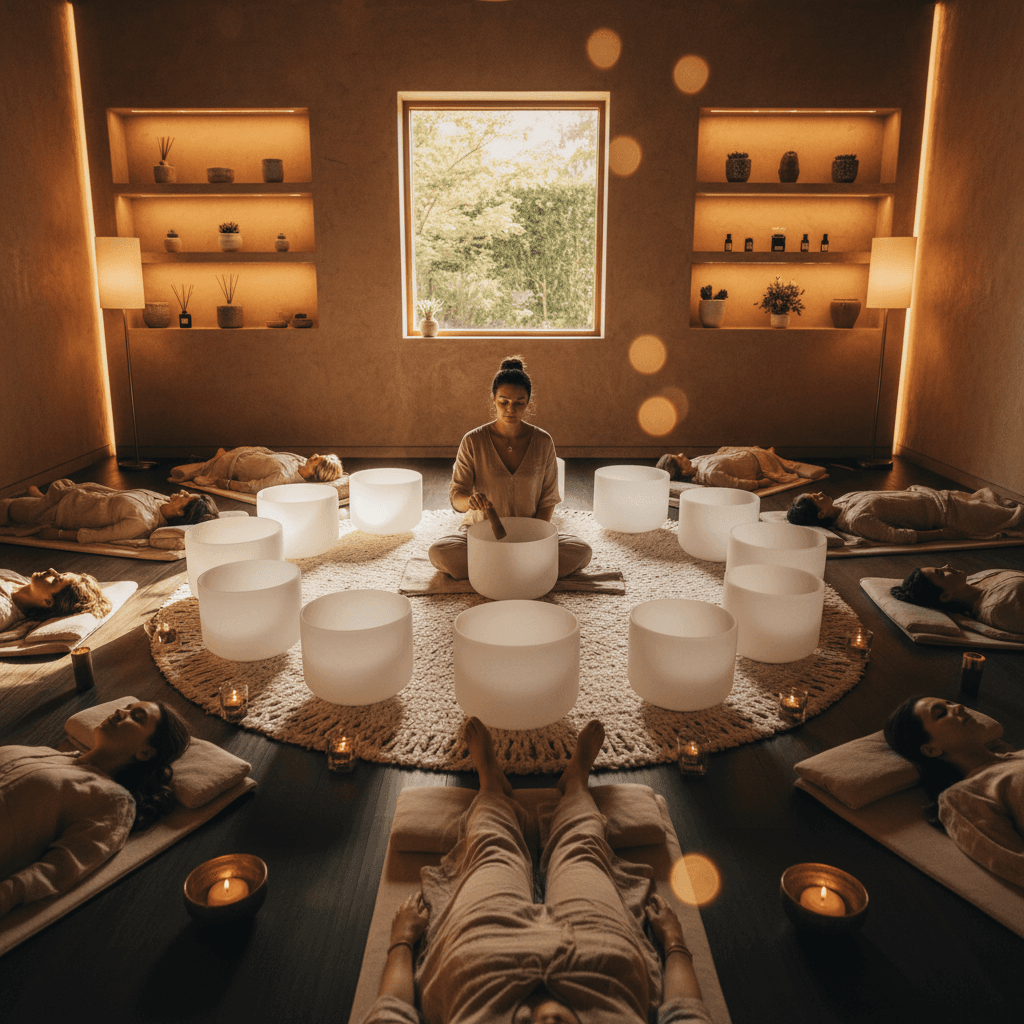
Chefs: Mastering Kitchen Pressure Through Sound Wellness
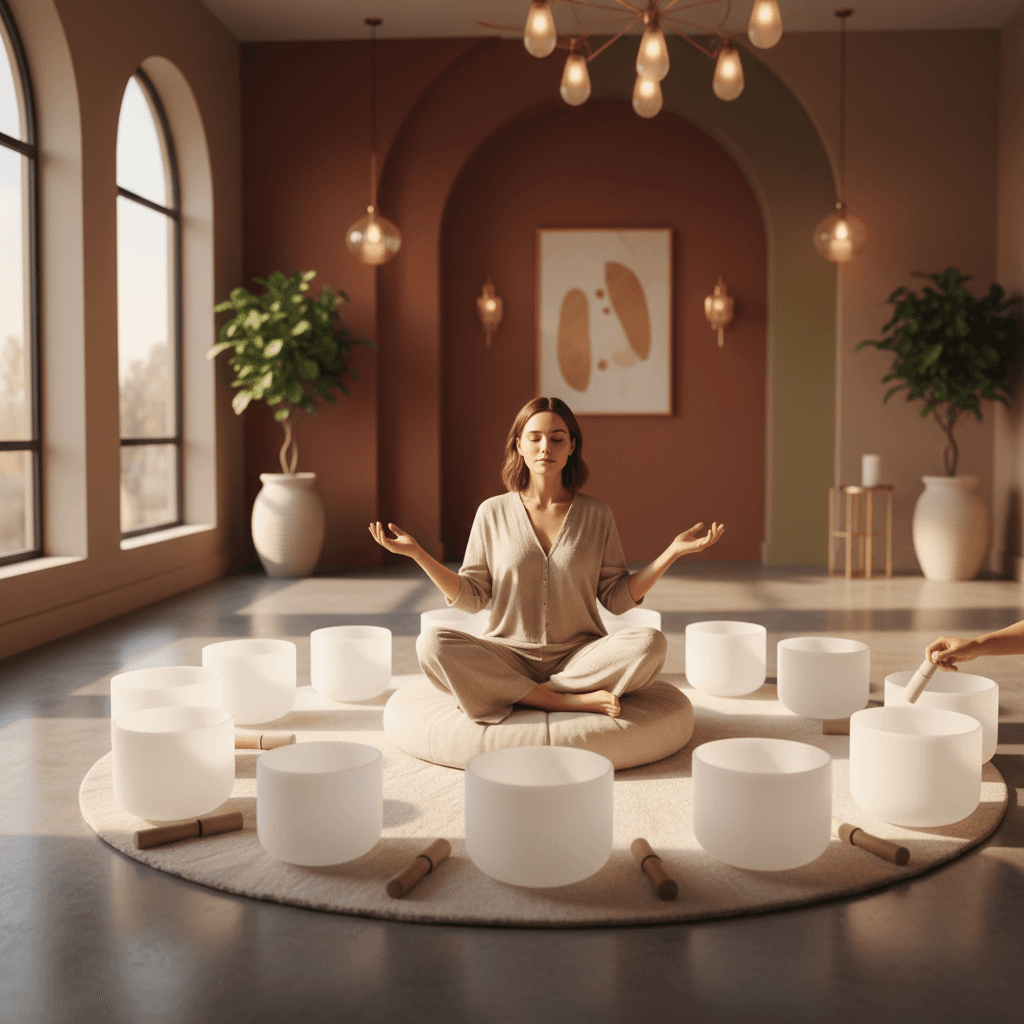
Sound for Death Workers: Managing Stress for Funeral Directors
Sound Wellness: Respite for Retail's Customer-Facing Heroes