Harmonizing Beginnings: Sound's Role in Infant Brain Development

Key Insights
Explore how gentle sound shapes infant brain development from prenatal stages. Learn Soul Art's approach for holistic family wellness.
From the softest lullaby to the rhythm of a mother's heartbeat, sound is a fundamental architect of the infant brain, long before a baby's first cry. It’s a sensory input that begins to shape neural pathways, influence emotional regulation, and even lay foundations for language and cognitive skills. How profoundly does this unseen world of vibration impact the tiny, rapidly developing mind?
Understanding the intricate dance between sound and early brain development offers a unique lens through which we can nurture our children from their earliest moments. This article delves into the scientific underpinnings of how sound stimuli, both prenatal and postnatal, contribute to a baby's growth and wellbeing. We will explore how intentional sound environments can foster cognitive, emotional, and physical development, aligning with a holistic approach to family wellness championed by Soul Art.
At Soul Art, we believe in creating supportive soundscapes that resonate with the natural rhythms of life, promoting deep relaxation and harmonious development for both parents and their precious little ones. This journey through the science of sound will illuminate practical ways to integrate conscious auditory experiences into your family's daily life, supporting a thriving environment for everyone.
The Orchestration of the Infant Brain
The human brain, even in its earliest stages of development, is a marvel of complexity and adaptability, constantly responding to the environment around it. Sound, as one of the earliest senses to fully develop, plays an instrumental role in this intricate orchestration. Research in neurodevelopment highlights how auditory experiences shape everything from neural architecture to behavioral responses.
Prenatal Foundations: The Earliest Symphony
The journey of sound perception begins long before birth. Studies suggest that fetal hearing develops significantly, allowing unborn babies to process and even remember auditory stimuli from the outside world. This prenatal acoustic environment is far from silent, filled with the mother's bodily sounds, her voice, and muffled external noises.
Research by Partanen et al. indicates that prenatal exposure to specific sounds, such as music or speech, can lead to long-term plastic effects on the developing brain, lasting for several months after birth. These studies demonstrate a boosted neural responsiveness and an enhancement of neural commitment in neonates who were exposed to selected stimuli during the prenatal period. Similarly, other findings by Partanen et al. highlighted a modulation of neural responsiveness, suggesting that the fetal brain actively learns and adapts to its auditory environment.
Beyond neural changes, prenatal sound exposure has been associated with observable behavioral effects. A study by Arya et al. demonstrated that mothers’ prenatal music exposure had significant favorable effects on neonatal behavior, suggesting a calming or regulatory influence. These findings collectively emphasize the profound importance of the prenatal environment on fetal development, indicating that the sounds a baby hears in the womb are not merely background noise, but active contributors to their emerging neural landscape.
The permanence of these early memory traces is a fascinating area of study. Some investigators speculate that such traces may persist for up to a year, with neurophysiological studies showing that children exposed to a simple lullaby during pregnancy exhibited a significantly stronger brain response to that lullaby at birth and even four months later, compared to those not exposed. This remarkable capacity for prenatal learning underscores the brain's incredible plasticity and its readiness to engage with the world from the earliest moments.
"The symphony of life begins not with the first breath, but with the first sound heard in the gentle sanctuary of the womb, meticulously shaping the neural pathways of tomorrow."
It is important to approach these findings with careful consideration. While the fetus can learn, this does not imply a need for intense "teaching" or commercially driven "brain improvement" products applied to the pregnant abdomen. Such practices, particularly those involving headphones placed directly on the belly, might be potentially harmful due to unregulated sound characteristics and intensity. The emphasis should always be on natural, gentle exposure and a nurturing overall environment, rather than overstimulation.
Postnatal Harmonies: Shaping Young Minds
After birth, the world opens up into a rich tapestry of sounds, further accelerating brain development. Newborns demonstrate an innate ability to process complex auditory information, including the detection of beats and rhythm in musical sequences. Electroencephalography (EEG) studies have revealed beat anticipation in newborns responding to percussive accompaniment, indicating an aptitude for temporal processing of music just days after birth.
Music, in particular, has a remarkable impact on the infant brain. Studies from the Institute of Learning and Brain Sciences show that after babies listen to music, their auditory and prefrontal cortexes—regions critical for processing both music and speech—show distinct differences. This suggests that engaging with music actively sculpts these vital brain areas, enhancing their functional capacity.
The concept of Elkhonon Goldberg further illuminates how learning occurs through sound. He proposes that processing completely new information primarily engages the right cerebral hemisphere, while familiar information involves greater participation of the left hemisphere. This transition of activity from the right to the left hemisphere over time is crucial for learning, reflecting in a child's ability to develop language, moving from understanding the prosodic aspects of speech and singing to grasping the meanings of words and expressive language.
The benefits of music extend beyond cognitive skills, influencing a child's broader development. Neuroscientists like Graham Welsh emphasize music's impact on literacy, numeracy, gross and fine motor coordination, and crucial social-emotional development. Music can unlock a child’s path for learning, building confidence and language skills, and potentially improving math scores later in school. The interaction inherent in making music with others has even been linked to positive personality traits like helpfulness and cooperation.
The Flip Side: The Impact of Adverse Sound Environments
While beneficial sounds are developmental allies, chronic exposure to adverse sound environments can pose challenges. Research indicates that persistent noise, such as continuous white noise during sleep or community and traffic noise, may be associated with negative effects on children's cognitive and behavioral development. Studies in animals have also shown that postnatal exposure to noise can impair sound level processing in the auditory cortex into adulthood.
Therefore, creating a calm, predictable, and supportive auditory environment is just as crucial as providing enriching sound stimuli. The goal is a balanced approach, where infants are exposed to gentle, intentional sounds that foster development, while simultaneously being protected from harsh or disruptive noise that could impede it. This mindful approach to sound ensures a nurturing foundation for overall well-being.
How It Works in Practice
Translating the intricate science of infant brain development and sound stimulation into practical, nurturing experiences is at the heart of holistic well-being. It’s about creating an intentional soundscape that supports growth, connection, and calm for both parent and child. This doesn't require elaborate equipment, but rather a conscious shift in how we perceive and utilize sound.
Consider the gentle, rhythmic sounds that naturally soothe an infant: the steady beat of a parent's heartbeat, the soft cadence of their voice, or the calming hum of a lullaby. These are not merely pleasant noises; they are potent signals that communicate safety, presence, and love. The predictability of these sounds helps organize the infant's developing nervous system, providing a sense of security in a vast, new world.
When an expectant mother engages in gentle sound practices, such as listening to harmonious music or participating in sound baths, the vibrations are subtly transmitted to the fetus. This prenatal auditory experience is not about teaching specific facts but about providing a consistent, soothing presence that fosters neural responsiveness and emotional regulation. The mother’s relaxed state, induced by gentle sounds, further contributes to a calm intrauterine environment.
Postnatally, intentional sound stimulation can take many forms. Singing to your baby, even if you feel your voice isn't perfect, provides a unique auditory fingerprint that strengthens your bond. The varying pitches and rhythms in speech and song help develop auditory processing skills, laying groundwork for language acquisition. Engaging children with simple musical instruments, even household items, encourages beat detection and coordination.
At Soul Art, we understand that the quality of sound is paramount. It’s not just about what is heard, but how it is felt – resonating through the body, promoting a deep sense of peace. Our experiences are designed to create an immersive, yet gentle, auditory journey that encourages relaxation and connection, harmonizing the internal and external environments. This focus on gentle, resonant frequencies may support a balanced state for both mother and child, fostering a sense of innate calm and receptivity.
The Soul Art Approach
At Soul Art, founded by the visionary Larissa Steinbach, our philosophy for infant brain development and sound stimulation is deeply rooted in the principles of holistic well-being and intentional auditory nurturing. We recognize that the journey of sound begins in the womb and continues through early childhood, impacting development on multiple profound levels. Our approach is designed to create a sanctuary of sound, fostering relaxation and growth for both expectant parents and young families.
Larissa Steinbach champions the power of gentle, resonant sound to cultivate a supportive environment for developing minds. Our method is not about overstimulating or "teaching" infants, but rather about creating a harmonious frequency landscape that promotes innate calm, safety, and optimal brain function. We focus on complementary practices that may support natural developmental processes rather than interfering with them.
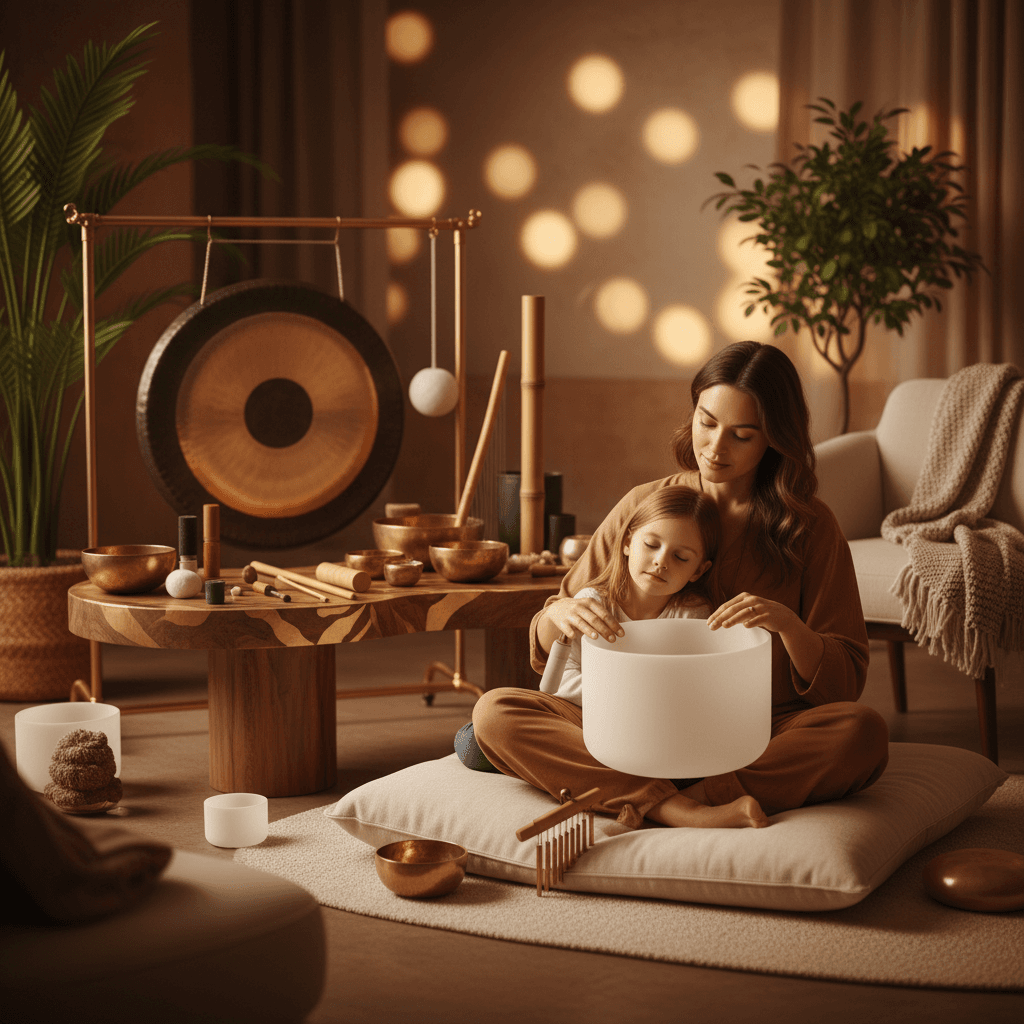
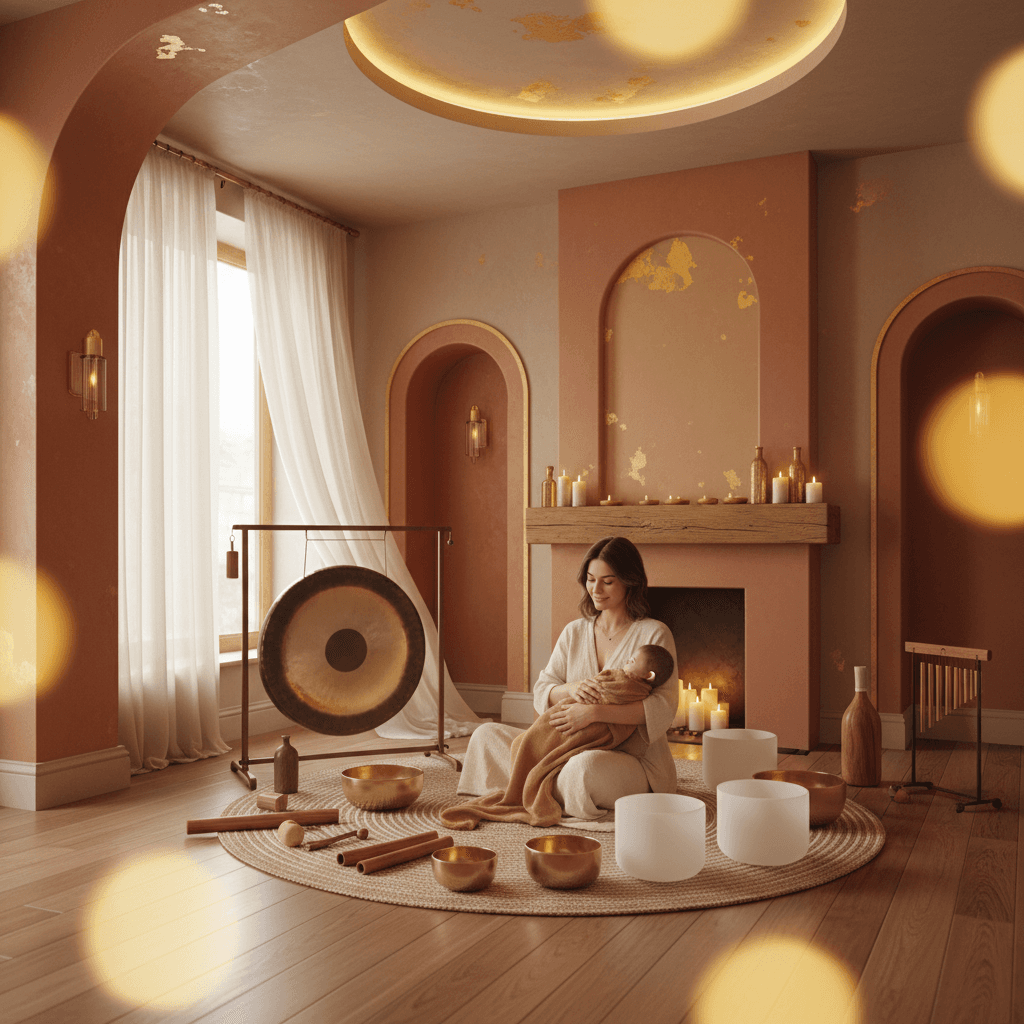
What makes the Soul Art method unique is its dedication to personalized, restorative sound experiences. We often utilize carefully selected instruments known for their profound vibrational qualities, such as crystal singing bowls, gongs, and chimes. These instruments produce rich, sustained tones that create a deeply immersive and calming auditory field. For expectant mothers, these sessions may support stress reduction, which in turn can contribute to a more serene prenatal environment for the baby.
For postnatal bonding, Soul Art offers gentle soundscapes that can be experienced by parents and infants together, or that provide a restorative space for parents to recharge. The intention is always to offer a soothing, predictable auditory backdrop that can aid in relaxation, improve sleep quality, and foster deeper emotional connection. Larissa Steinbach emphasizes that the parent's relaxed state is a crucial component, as a calm parent is better equipped to create a calm environment for their child.
Our specific techniques involve tailored sound sequences and gentle vocalizations, carefully chosen for their potential to evoke peace and presence. This mindful application of sound is a testament to Soul Art’s commitment to providing sophisticated yet accessible wellness experiences. We guide participants to tune into their internal rhythms, allowing the external sounds to gently guide them towards a state of profound rest and receptivity, which may indirectly support healthy development through stress reduction.
Your Next Steps
Embracing the power of sound for infant brain development doesn't require drastic changes, but rather a conscious and gentle integration into daily life. By thoughtfully curating your auditory environment, you can foster a sense of calm and stimulate healthy growth for your little one. Here are some actionable steps you can begin today:
- Engage with Gentle Music and Singing: Sing lullabies, talk to your baby in a melodic voice, and play soft, harmonious music. Even simple nursery rhymes offer rich linguistic and rhythmic patterns that stimulate auditory processing and language development.
- Create a Calm Auditory Environment: Be mindful of household noise levels. Try to create pockets of quiet during the day and particularly before sleep. This reduces potential stressors and allows for clearer reception of intentional, soothing sounds.
- Limit Harsh or Continuous Noise: While background noise is unavoidable, prolonged exposure to loud or abrasive sounds, including some white noise devices, may not be beneficial. Aim for natural, varied soundscapes rather than monotonous, high-decibel input.
- Connect Through Your Voice: Your voice is the most powerful sound for your child. Read aloud, narrate your day, and engage in gentle conversations with your infant. This strengthens emotional bonds and builds foundations for communication.
- Prioritize Parental Well-being with Sound: Remember that a calm parent can create a calm environment. Explore sound wellness practices for yourself, such as meditation with gentle chimes or listening to relaxing music. Larissa Steinbach at Soul Art offers experiences designed to restore your nervous system, indirectly benefiting your child by fostering a more peaceful home atmosphere.
Ready to explore how intentional sound can enrich your family's journey? Discover the profound peace and developmental support that awaits.
In Summary
The journey of infant brain development is profoundly influenced by the world of sound, beginning even before birth. From fostering neural responsiveness in the womb to enhancing cognitive and social-emotional skills postnatally, gentle and intentional auditory stimulation plays a pivotal role. The brain's remarkable plasticity allows it to adapt and grow in response to harmonious soundscapes, laying crucial groundwork for language, learning, and emotional regulation.
However, it is equally important to be mindful of adverse noise and to prioritize natural, nurturing sound environments. At Soul Art, Larissa Steinbach and our team are dedicated to harnessing the power of resonant frequencies to support this delicate developmental process. We offer complementary wellness experiences designed to cultivate deep relaxation and a harmonious environment for both parents and their little ones, promoting overall well-being and connection.
Bookings Coming Soon
Soul Art is still in preparation. Session details and booking will be published here after launch.
Coming Soon
Wellness Disclaimer: This article is for educational and informational purposes only. It does not constitute medical advice, diagnosis, or treatment. Soul Art Dubai provides non-medical wellness experiences focused on relaxation, stress management, and general wellbeing. Sound wellness is a complementary practice and should not replace professional medical care.
Related Articles
Moving Home: How Sound Wellness Supports Child Adaptation
Sound Wellness for Sibling Adjustment: Nurturing Family Harmony

Teen Identity & Sound: Self-Discovery for Adolescents at Soul Art Dubai