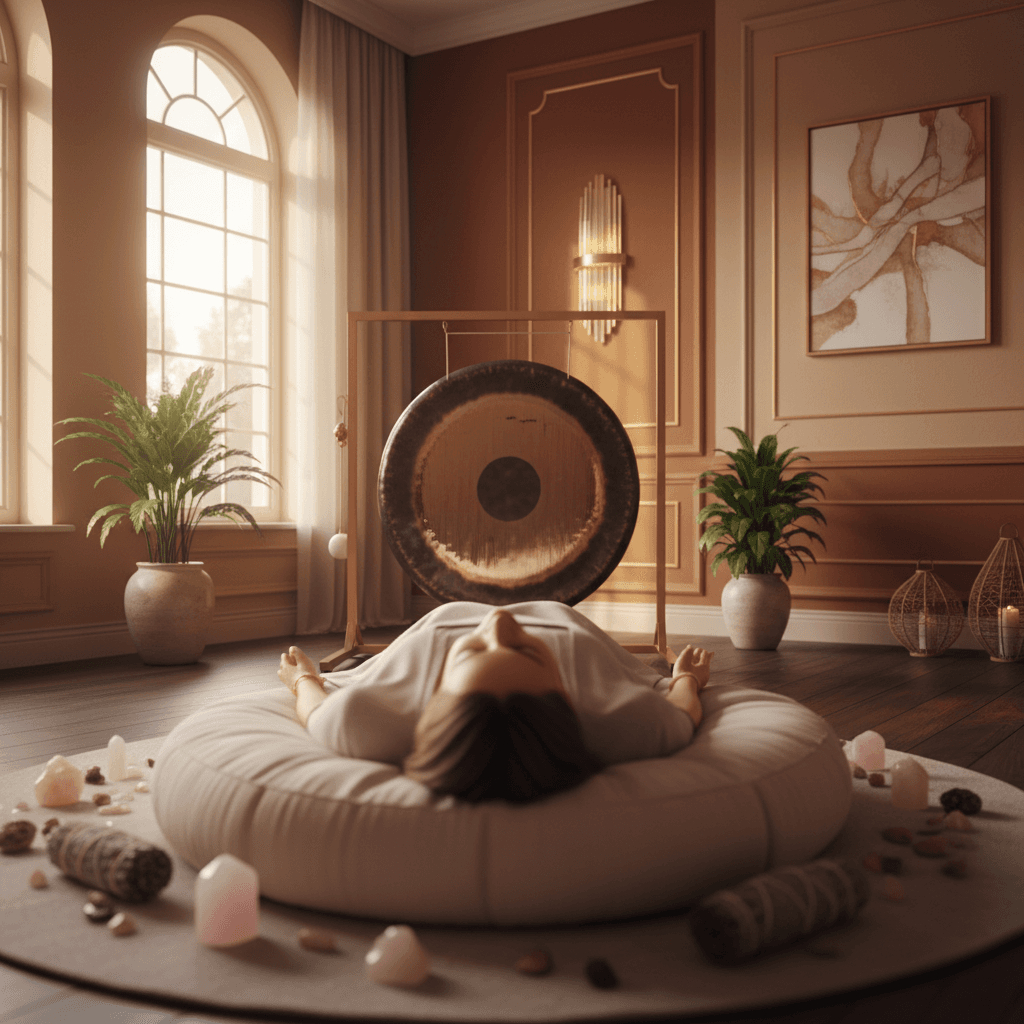
Beyond Words: Inclusive Language for a Soul Art Sound Bath
Key Insights
Discover how Soul Art's inclusive language philosophy by Larissa Steinbach cultivates a safe, transformative space for deep relaxation and well-being. Learn the science and practice.
The profound power of sound transcends the auditory, reaching deep into our physiology to recalibrate the nervous system and foster states of profound calm. Yet, before the first resonant hum of a crystal bowl or the deep vibration of a gong fills the air, another, often overlooked, form of communication sets the stage: language. The words chosen by a sound wellness facilitator are not merely instructions; they are invitations, promises, and the very foundation of an inclusive and safe experience.
At Soul Art, Dubai's premier sound wellness studio, founder Larissa Steinbach understands that true well-being begins with a sense of security and belonging. This article delves into why inclusive language is not just a polite gesture but a scientifically grounded cornerstone of an effective sound bath, exploring how mindful communication enhances the journey of relaxation and self-discovery for every participant. We will uncover the neuroscience behind sound's impact and connect it to the critical role of thoughtful verbal guidance.
The Science Explained: How Sound Rewires Your Nervous System
Sound is more than just an external stimulus; it is a powerful force that interacts directly with our internal biology, influencing everything from our cellular vibrations to our brainwave patterns. Understanding this intricate connection reveals why a considered approach to facilitation, including the language used, is paramount. The body’s response to sound is both immediate and profound, affecting physiological and psychological states long after the vibrations fade.
The Body as a Resonator: Frequency Alignment
Every organ, tissue, and system within your body vibrates at its own unique, optimal frequency. Think of your body as a complex symphony, where each part plays a specific note in harmony. When this harmony is disrupted by stress, illness, or daily demands, the body’s natural frequencies can become imbalanced.
Sound baths introduce external sound frequencies—like the sustained tones of crystal singing bowls, the deep reverberations of gongs, or the delicate shimmer of chimes. Your body naturally "absorbs" these external frequencies and, through a phenomenon known as resonance, begins to mirror them. This process can help reset the body into a more harmonious state, much like one tuning fork can cause another to vibrate in sync.
Research indicates that specific frequencies can stimulate key physiological responses. For instance, frequencies between 40 and 150 Hz have been associated with stimulating the Vagus Nerve. This crucial nerve is a primary regulator of the parasympathetic nervous system, influencing stress response, digestion, heart rate, and emotional balance. By toning the Vagus Nerve, sound may support a reduction in anxiety and potentially strengthen immune functioning, facilitating a return to physiological equilibrium.
Sound Doesn’t Just Enter Your Ears… It Rewires Your Nervous System.
Orchestrating Brainwave Entrainment for Deep States
Your brain operates through rhythmic electrical patterns known as brainwaves, each corresponding to a different state of consciousness. These brainwave frequencies dictate how alert, relaxed, or deeply meditative you feel. When we are constantly engaged in active thinking and problem-solving, our brains often operate in higher-frequency Beta waves, which can be overactive in states of anxiety and stress.
Sound frequencies have the remarkable ability to entrain the brain, syncing its natural rhythms with external sounds. This phenomenon makes it easier to gently guide the brain into more restorative states. For example, the sustained, resonant tones of a sound bath can encourage a shift towards:
- Alpha waves (8–12 Hz): Associated with relaxed alertness, reduced stress, and a calm, centered mind.
- Theta waves (4–8 Hz): Linked to dreamlike, deeply meditative states, enhanced creativity, and profound emotional processing.
- Delta waves (0.5–4 Hz): The slowest brainwaves, characteristic of deep sleep and physical repair, crucial for cellular regeneration and restorative rest.
By facilitating this brainwave shift, sound baths may help individuals move away from states of tension and cognitive overload, making space for deep relaxation and mental clarity. This process allows the nervous system to downregulate, fostering an environment where emotional processing and physical restoration can occur more readily.
A Bottom-Up Approach: Prioritizing Safety
For many individuals, especially those who have experienced trauma, traditional "top-down" therapies that rely on verbal processing or analytical storytelling can be activating or re-traumatizing. Sound baths, in contrast, are considered a bottom-up therapy. They begin with sensation, rhythm, and the body itself, meeting the nervous system where it is. This approach does not require analysis, discussion, or a verbal recounting of experiences, which can be incredibly liberating and safe for many.
Instead, a sound bath offers an immediate pathway to safety and calm through direct sensory input. By first creating a sense of physiological and emotional security, it can help prepare the nervous system for deeper internal work, if and when that becomes appropriate. This makes sound wellness a powerful complementary approach to traditional psychotherapy, supporting the body’s innate capacity for self-regulation and resilience.
Preliminary studies and observational research have explored the impact of sound interventions on stress and well-being. For example, a quantitative quasi-experimental study by Novosel (2024) indicated that a 15-minute sound bath may provide evidence of effectiveness in reducing self-reported stress levels and promoting well-being among teachers. Another observational study involving 62 people reported lower scores on anxiety and depressed mood scales after a single singing bowl meditation, with a greater effect noted for those new to the practice. These findings suggest that sound baths can be a valuable relaxation technique and stress management tool, offering immediate benefits in the moment, though it is important to acknowledge that the full extent of these benefits, and their generalizability, warrants further rigorous scientific trials. It is also challenging to definitively separate the effects of the sound itself from the relaxing environment in which it is experienced.
How It Works in Practice: The Art of Guiding with Words
Understanding the deep scientific impact of sound on the nervous system directly informs the practical application of sound wellness. This is where inclusive language truly shines, bridging the gap between scientific understanding and the deeply personal experience of a sound bath. The words chosen before, during, and after a session profoundly influence a participant’s expectations, comfort, and capacity for surrender.
Setting the Stage for Transformation
The journey into a sound bath begins long before the first chime. It starts with the atmosphere, the welcoming gestures, and most importantly, the verbal instructions and invitations from the facilitator. A well-crafted introduction not only explains the process but also creates a psychological container of safety and trust. It prepares participants, allowing them to relax into the experience rather than bracing for an unknown outcome.
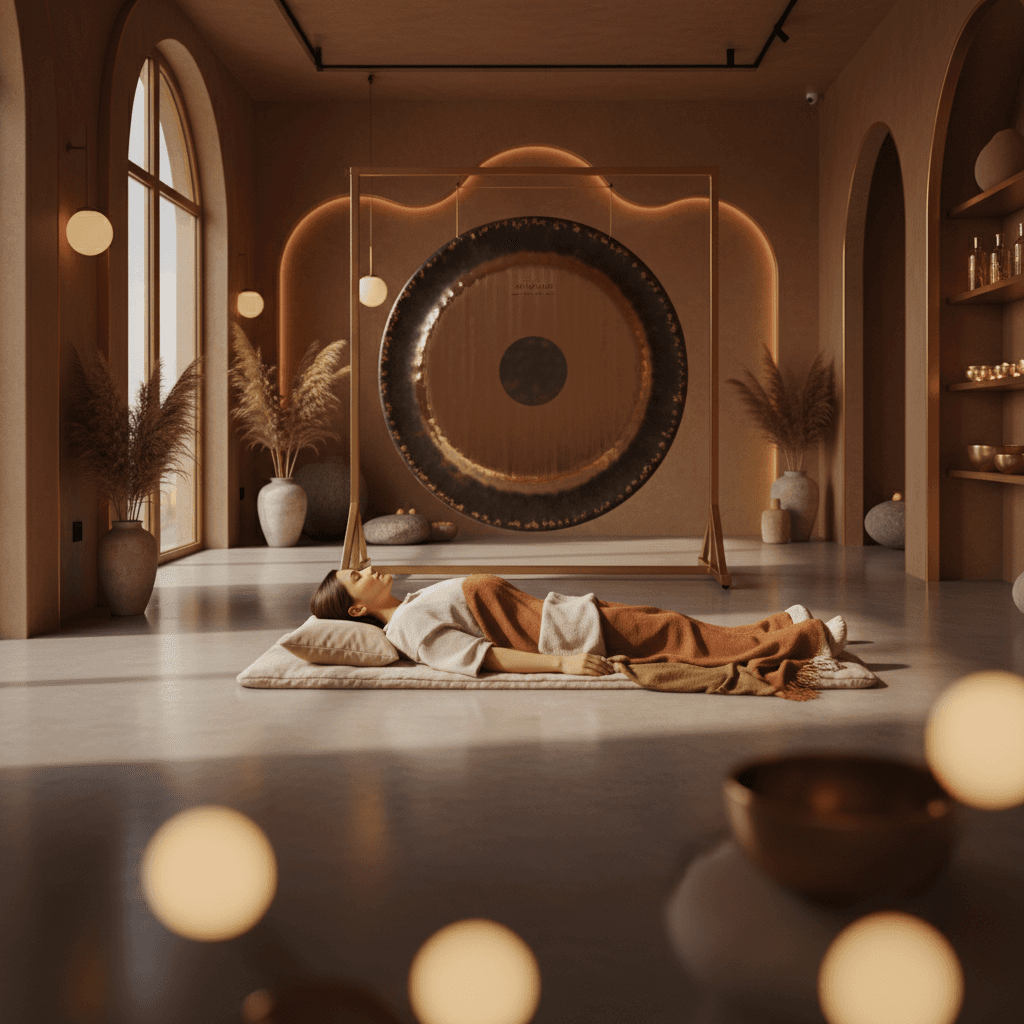
Clients entering a Soul Art sound bath are greeted by a serene environment, where the soft lighting and calming aromas already begin to soothe the senses. This initial sensory experience is then reinforced by Larissa Steinbach's gentle verbal guidance, which aims to make every individual feel seen, respected, and empowered within their personal journey. Setting an intention for the session is often offered as an option, not a requirement, allowing participants to connect with their personal aspirations in a non-pressured way.
The Subtle Power of Inclusive Invitations
The language used by a sound bath facilitator carries significant weight, shaping perceptions and managing expectations. At Soul Art, Larissa Steinbach is highly intentional about avoiding prescriptive or absolute terms, particularly those that might overpromise or pathologize a natural human experience. While the healing power of sound is deeply felt and observed by many, cautious language maintains integrity and transparency.
Terms like "sound healing" or "sound therapy" are often carefully considered or avoided because they can imply a medical treatment or a guaranteed cure, which is beyond the scope of a wellness practice. As highlighted by trauma-informed practitioners, "words shape expectations, perceptions, and trust." By choosing more neutral, inviting language, facilitators can prevent participants from feeling that they "failed" to heal if their experience doesn't match an overly ambitious promise.
Furthermore, some critical perspectives caution against wellness trends that can inadvertently "feed on and fuel narratives regarding trauma, stress, and dysregulation," potentially perpetuating a "trauma-informed self-identification" rather than fostering inherent resilience. Inclusive language actively counters this by offering a space for exploration and sensation without imposing a pre-defined narrative of deficit or illness. It focuses on the experience as a holistic wellness opportunity, emphasizing personal observation and integration rather than specific problem-solving.
Guiding Through Sensation, Not Interpretation
During the sound bath itself, the facilitator’s voice becomes another instrument in the soundscape, offering gentle anchors and invitations rather than directive commands. The guidance focuses on awareness of bodily sensations, breath, and the interplay of frequencies. Participants are encouraged to simply observe what arises—be it emotions, memories, or physical sensations—without judgment or the need to interpret or resolve them.
The music communicates non-verbally and universally, allowing individuals to connect with their emotions and remain present. A facilitator's gentle prompt to "notice where you feel the vibration in your body" or "allow any thoughts to drift by like clouds" helps maintain this present-moment awareness. After the sound journey concludes, equally inclusive language is used for integration. Participants are given time and space to slowly re-orient themselves, with options for quiet reflection or journaling any insights or sensations that emerged. This respectful approach acknowledges the unique processing journey of each individual, fostering autonomy and self-awareness.
The Soul Art Approach: Larissa Steinbach's Vision for Inclusivity
At Soul Art, the commitment to inclusive language is not merely a guideline; it is an intrinsic part of the studio's philosophy, meticulously cultivated by founder Larissa Steinbach. Larissa believes that the foundation of a truly transformative sound wellness experience is an environment where every individual feels unconditionally safe, respected, and empowered to engage with their internal landscape on their own terms.
Larissa Steinbach's Philosophy of Gentle Guidance
Larissa Steinbach brings a profound understanding of the delicate interplay between sound, mind, and emotion. Her approach is rooted in trauma-sensitive practices, acknowledging the diverse lived experiences that participants bring into the space. This translates into a deliberate choice of language that prioritizes invitation over instruction, exploration over expectation. Larissa intentionally avoids terms that might suggest a definitive "cure" or "treatment," opting instead for words that empower individual agency.
She often uses phrases like "you may find," "you are invited to," or "allow yourself to explore," gently guiding participants without imposing specific outcomes. This careful linguistic framework fosters a sense of trust and autonomy, crucial for deep relaxation and genuine self-discovery. It signals to participants that their experience is valid, unique, and entirely their own, free from the pressure of achieving a predefined state.
Cultivating a Sanctuary of Self-Discovery
The physical space at Soul Art, designed with a "quiet luxury" aesthetic, complements Larissa Steinbach's gentle approach to facilitation. It is a sanctuary where every detail, from the ambient lighting to the comforting textiles, is curated to promote a sense of calm and safety. This intention extends to the instruments themselves, which are chosen for their pure tones and profound vibrational qualities.
Larissa masterfully orchestrates a symphony of sound using a diverse range of instruments, including Himalayan singing bowls, crystal quartz bowls, planetary gongs, ocean drums, koshi chimes, and monochords. Each instrument is played with precision and intuition, creating rich soundscapes that support the shift into various brainwave states, from relaxed Alpha to deeply meditative Theta. Her expertise lies not only in playing the instruments but also in creating a cohesive, deeply immersive experience that respects the individual's journey.
By harmonizing the subtle power of sound with conscious, inclusive language, Soul Art offers more than just a sound bath; it provides a profound opportunity for mind-body-spirit integration. Larissa’s method is about creating a space where the noise of the external world diminishes, allowing participants to reconnect with their inner stillness, supported by both resonant frequencies and empathetic words. This unique blend ensures that everyone, regardless of their background or current state, can access the profound benefits of sound wellness in a truly welcoming setting.
Your Next Steps: Embracing Inclusive Sound Wellness
Engaging with sound wellness is a deeply personal journey, and selecting the right environment and facilitator can significantly enhance your experience. By understanding the profound impact of both sound and language, you are better equipped to seek out practices that genuinely support your well-being. Soul Art is dedicated to empowering you on this path.
Here are some practical steps you can take to embrace inclusive sound wellness:
- Prioritize Conscious Facilitation: Seek out sound wellness facilitators who openly discuss their approach to language and trauma-sensitivity. Ask about their philosophy to ensure it aligns with your comfort and needs.
- Set Intentions, Not Expectations: Approach a sound bath with an open mind and a gentle intention for relaxation or stress management, rather than rigid expectations of specific outcomes. Allow the experience to unfold naturally.
- Tune Into Your Body: During a session, focus your awareness on how the sound and vibrations feel within your body. Notice any shifts in sensation, emotion, or mental state without judgment.
- Allow for Integration: After a sound bath, dedicate a few minutes for quiet reflection or journaling. This allows your nervous system to fully integrate the experience and any insights that may have emerged.
- Embrace Sound as a Complementary Practice: View sound baths as a valuable self-care practice and a complementary tool for stress reduction and well-being. They can effectively support other holistic health practices and, if needed, professional medical or therapeutic care.
At Soul Art, we invite you to discover the transformative potential of sound, guided by the thoughtful and inclusive approach of Larissa Steinbach. Experience a sanctuary where mindful language creates the space for profound inner calm and genuine connection.
In Summary
The journey into sound wellness at Soul Art is a testament to the profound impact of intention, vibration, and, crucially, inclusive language. We have explored how sound scientifically influences our nervous system, from encouraging brainwave entrainment for deep relaxation to stimulating the Vagus Nerve for stress reduction. This scientific understanding underscores the critical role of a facilitator's words in cultivating a truly safe and transformative environment.
Larissa Steinbach and the team at Soul Art are dedicated to providing experiences where every participant feels understood and respected. By carefully choosing language that invites rather than prescribes, we ensure that the path to relaxation and self-discovery is accessible, gentle, and deeply nourishing. This commitment to inclusive communication, combined with the resonant power of sound, establishes Soul Art as a premier destination for holistic well-being in Dubai, offering a space where healing and harmony can flourish.
Bookings Coming Soon
Soul Art is still in preparation. Session details and booking will be published here after launch.
Coming Soon
Wellness Disclaimer: This article is for educational and informational purposes only. It does not constitute medical advice, diagnosis, or treatment. Soul Art Dubai provides non-medical wellness experiences focused on relaxation, stress management, and general wellbeing. Sound wellness is a complementary practice and should not replace professional medical care.
Related Articles

Empowered Choices: The Art of Clarity Without Overexplaining
Unveiling the Power: Photosensitivity & Visuals in Sound Sessions
The Subtle Art of Slow Transitions: Guiding Your Brain to Calm