HRV Insights: Mastering Heart Rate Variability for Holistic Well-being
Key Insights
Unlock the secrets of Heart Rate Variability (HRV) with Soul Art Dubai. Discover how this vital biomarker reflects nervous system health and how sound wellness supports your journey to profound calm and resilience with Larissa Steinbach.
Unlocking the Heart's Secret Language: Why HRV Matters for Your Well-being
Imagine a hidden conversation happening within your body, a constant dialogue between your heart and your brain that whispers profound truths about your inner state. This intricate communication is known as Heart Rate Variability (HRV), and it's far more than just how fast your heart beats; it's the subtle, beat-to-beat variations that offer a remarkable window into the adaptability and resilience of your nervous system. In our fast-paced world, understanding and nurturing your HRV has become an indispensable tool for holistic well-being.
At Soul Art, Dubai's premier sound wellness studio founded by Larissa Steinbach, we believe in empowering individuals with scientifically-grounded insights to cultivate a life of balance and profound calm. This comprehensive article delves into the fascinating world of HRV studies, exploring its physiological underpinnings, the factors that influence it, and how conscious practices, particularly sound wellness, may support optimal heart rate variability. You will discover why a healthy, adaptable nervous system, reflected in robust HRV, is fundamental to managing stress, enhancing focus, and experiencing a deeper sense of peace. Join us as we uncover how this vital biomarker can become your personal guide to enhanced vitality and inner harmony.
The Science Explained: Diving Deep into Heart Rate Variability
Heart Rate Variability (HRV) is an intrinsic attribute of cardiac activity, representing the fluctuation in the time intervals between consecutive heartbeats, specifically the R-R intervals on an electrocardiogram (ECG). Unlike a perfectly steady rhythm, a healthy heart actually exhibits subtle, constant variations, which are a direct reflection of the dynamic interplay within your autonomic nervous system (ANS). This sophisticated system operates largely unconsciously, controlling vital functions such as breathing, digestion, and heart rate, and is divided into two primary branches.
The Autonomic Nervous System: A Balancing Act
The ANS comprises two main components that work in opposition to each other, influencing your HRV:
- The Sympathetic Nervous System: Often dubbed the "fight or flight" response, this system prepares the body for action, increasing heart rate and diverting energy to immediate survival needs. An overactive sympathetic system is typically associated with reduced HRV.
- The Parasympathetic Nervous System: Known as the "rest and digest" or "feed and breed" system, it promotes relaxation, conserves energy, and facilitates bodily recovery. A dominant parasympathetic system is generally linked to increased HRV, signaling a state of calm and adaptability.
A higher HRV is widely considered an indicator of good health and fitness, suggesting a nervous system that is flexible and well-equipped to respond to diverse demands. Conversely, a consistently low HRV may point to chronic stress, fatigue, or an impairment in the autonomous nervous system's regulatory capacity, as indicated by converging evidence from various studies.
Factors Influencing Heart Rate Variability
Numerous elements, from our lifestyle choices to our genetic makeup, can significantly impact our HRV:
- Stress: Perhaps the most extensively studied factor, psychological stress consistently reduces HRV. Research indicates that HRV variables, particularly a decrease in the high-frequency band (linked to parasympathetic activity) and an increase in the low-frequency band, change in response to stress induced by various methods. HRV is often more sensitive to detecting stress than heart rate alone, offering earlier and more detailed insights into stress responses. While laboratory studies often show strong associations, real-life settings with wearables can yield mixed results, highlighting the complexity of measuring perceived stress in daily life, though some studies suggest a correlation with longer-term perceived stress.
- Age and Sex: HRV naturally decreases with age. Studies involving large participant groups have shown that SDNN (a common HRV metric) generally decreases as individuals get older. Females, on average, tend to present with higher heart rates and higher high-frequency (HF) power (an indicator of vagal activity) compared to males, although they may exhibit lower SDNN values.
- Genetics: Intriguing research reveals that genetic variants can influence HRV. For example, specific genes like RGS6 and GNG11 have been found to affect the activity of G protein heterotrimers, which play a role in regulating the heart's pacemaker membrane, thus impacting HRV.
- Exercise Intensity: Physical activity profoundly affects HRV. High-intensity interval aerobic exercise, for instance, has been shown to delay autonomic recovery, meaning HRV remains suppressed for a longer period post-workout. There is a clear dose-response relationship, where the degree of HRV suppression is tightly coupled to the intensity of the workout.
- Medical Conditions (General Nervous System Health): HRV is a crucial health indicator used worldwide, playing a vital role in evidence-based medicine. It's important for evaluating cardiac conditions by studying fluctuations in R-R intervals. Low HRV has been associated with an impairment in the autonomous nervous system. While specific medical conditions like Bipolar Disorder (BD) show HRV reduction, and an improvement in symptoms' severity can be paralleled by a positive change in HRV, the use of HRV in clinical settings is often to complement, rather than replace, clinical assessments. Research is ongoing into its potential as a measurable biological signal for monitoring the course of an episode, particularly using advanced statistical frameworks like Bayesian analysis which are beneficial for smaller sample sizes typical of HRV studies in specific clinical populations. Other studies have also explored HRV in relation to conditions like epilepsy, suggesting shifts towards sympathetic dominance, and in predicting stroke, with lower nighttime SDNN correlating with increased risk.
- Hormonal and Thermal Fluctuations: Non-linear HRV assessment methods, while less commonly used than linear methods, can provide additional information, indicating that hormonal variations and thermal fluctuations also influence HRV.
Measuring and Monitoring HRV
HRV assessment is primarily performed using:
- Linear Time-Based Methods: Analyzing the standard deviation of R-R intervals (SDNN) or the root mean square of successive differences (RMSSD).
- Frequency-Based Methods: Breaking down HRV into different frequency bands, such as high-frequency (HF) power, which reflects parasympathetic activity, and low-frequency (LF) power, which is influenced by both sympathetic and parasympathetic activity.
- Non-Linear Methods: Providing additional insights into the complex dynamics of heart rhythm, though less frequently employed.
The increasing adoption of wearable devices has made HRV monitoring more accessible to the public. While laboratory studies with controlled conditions often provide the most robust data, there is growing evidence that short-term HRV measurements, even those less than one minute, can be reliable indicators of autonomic status when performed under standardized conditions. This includes measurements taken with PPG (photoplethysmography) from wearables, especially when lying down or sitting, though the quality of daytime data collected with optical sensors can sometimes be poor. This accessibility means more individuals can begin to observe their own nervous system's responses and understand the impact of daily choices on their resilience.
How It Works in Practice: Connecting Science to Personal Experience
Understanding the science of Heart Rate Variability provides a powerful lens through which to view our daily experiences and choices. In practice, a robust HRV isn't just a number; it translates directly into a tangible sense of well-being, resilience, and an improved capacity to navigate life's inevitable challenges. Clients often describe a profound shift when they begin to align their lifestyle with practices that support a healthier HRV profile.
When your HRV is balanced and robust, it suggests your autonomic nervous system is functioning optimally, allowing you to fluidly shift between states of activity and rest. This flexibility is critical in today's demanding world. Instead of feeling perpetually "on edge" or "burnt out," individuals with healthy HRV report a greater sense of calm and an enhanced ability to bounce back from stress. This isn't about avoiding stress altogether, but rather about cultivating the physiological capacity to process and recover from it more effectively.
Practices designed to activate the parasympathetic nervous system are key to positively influencing HRV. These can include:
- Mindful Breathing: Slow, deep, diaphragmatic breathing immediately signals safety to your brain, engaging the vagus nerve and enhancing parasympathetic activity.
- Meditation and Mindfulness: Regular meditation practice helps to quiet the mind, reduce racing thoughts, and promote a state of relaxed awareness, all of which may support improved HRV.
- Gentle Movement: Activities like yoga, tai chi, or leisurely walks can gently stimulate the parasympathetic system without over-activating the sympathetic response.
- Quality Sleep: Restorative sleep is fundamental for the body's repair processes and for balancing the ANS, directly impacting HRV.
At Soul Art, we see firsthand how integrating these principles into a holistic wellness routine can transform lives. Many people report an increased sense of internal peace, an ability to focus more clearly, and a reduction in the physical manifestations of stress. They begin to notice subtle shifts in their energy levels, their emotional responsiveness, and their overall sense of vitality. This journey of self-discovery through HRV awareness empowers individuals to take proactive steps towards nurturing their nervous system, fostering a deep and sustainable well-being.
"The heart's rhythm is a symphony of adaptability. By listening closely to its variations, we gain invaluable insights into our capacity for calm and resilience in a world that never stops moving."
Connecting with your HRV means cultivating a deeper awareness of your body's signals, allowing you to proactively adjust your daily habits to support your nervous system. This approach moves beyond simply managing symptoms; it focuses on strengthening the underlying physiological mechanisms that contribute to your overall health and peace of mind. The experiences are often sensory and deeply personal, ranging from a profound sense of weightlessness during a sound bath to a newfound clarity in daily tasks.
The Soul Art Approach: Larissa Steinbach's Vision for Vibrational Well-being
At Soul Art, Larissa Steinbach has meticulously crafted an environment and methodology that harnesses the profound power of sound to influence the nervous system and, by extension, support healthy Heart Rate Variability. Larissa's vision extends beyond mere relaxation; it's about providing a scientifically-informed, yet deeply experiential, pathway to holistic well-being through intentional vibrational therapy. The Soul Art method is unique in its dedicated focus on restoring autonomic balance, guiding clients towards a state where the parasympathetic nervous system can flourish.
Larissa's approach is rooted in the understanding that specific frequencies and resonant vibrations can directly impact brainwave states and stimulate the vagus nerve, a crucial component of the parasympathetic nervous system. When the vagus nerve is stimulated, it sends signals to the brain that promote relaxation, reduce inflammation, and may enhance HRV. This is where the magic of Soul Art's instruments comes into play.
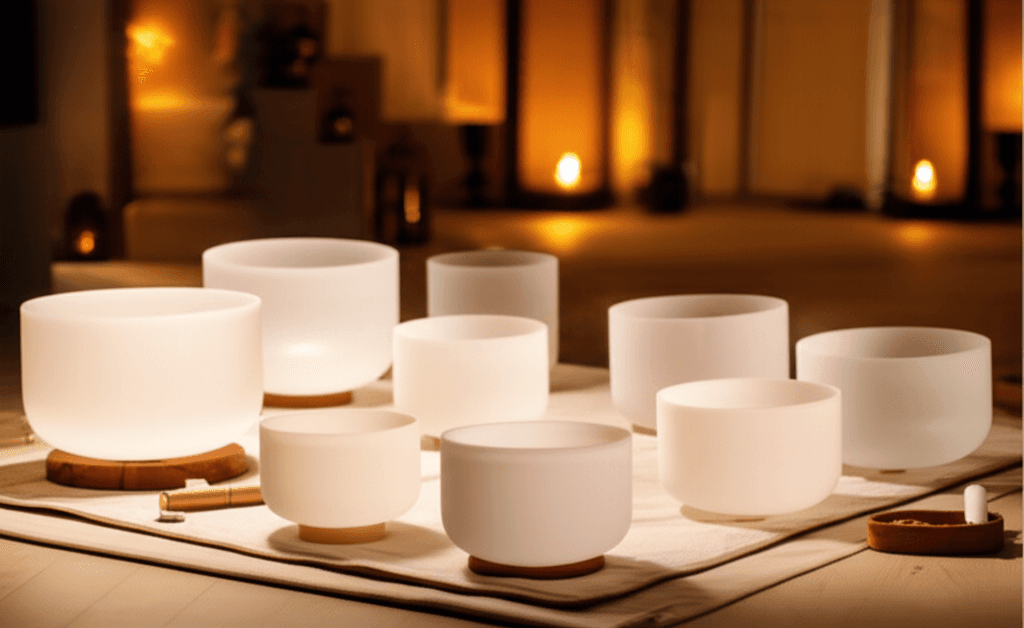
- Crystal Singing Bowls: These exquisite instruments produce pure, sustained tones that resonate deeply within the body. The harmonic frequencies they generate are carefully chosen to encourage brainwave entrainment towards alpha and theta states, conducive to deep relaxation and introspection. This shift helps to quiet the sympathetic nervous system and activate the parasympathetic.
- Gongs: The rich, complex overtones and powerful vibrations of gongs create an immersive soundscape. These vibrations are not only heard but also felt throughout the body, providing a form of internal massage that can release tension and further promote a profound sense of calm. The deep resonance may support the body's natural healing processes and further encourage a healthy HRV response.
- Chimes and Other Percussion: These add layers of delicate texture and evoke a sense of spaciousness and serenity. Their gentle sounds help to anchor the mind in the present moment, diverting attention from daily stressors and fostering a state of mindfulness that is highly beneficial for nervous system regulation.
Each session at Soul Art, curated by Larissa Steinbach, is more than just a sound bath; it's a carefully guided journey designed to create an optimal physiological environment for stress reduction and autonomic balance. The intention is to help individuals release accumulated tension, quiet the incessant mental chatter, and reconnect with their inner equilibrium. Many people report leaving sessions feeling profoundly refreshed, with a clarity of mind and a sense of lightness that permeates their entire being. This complementary approach to wellness offers a sanctuary where the body and mind can truly rest, allowing for the restoration of a healthy and adaptable Heart Rate Variability.
Your Next Steps: Cultivating a Resilient Heartbeat
Empowered with a deeper understanding of Heart Rate Variability, you now have practical pathways to proactively support your nervous system and enhance your overall well-being. Integrating small, consistent practices into your daily routine can make a significant difference in fostering a resilient heartbeat and a more adaptable mind. These steps are designed to gently encourage parasympathetic activity, leading to a healthier HRV profile.
Here are a few actionable steps you can implement starting today:
- Practice Mindful Breathing Daily: Dedicate 5-10 minutes each day to slow, deep diaphragmatic breathing. Inhale for a count of four, hold for four, exhale for six, and hold for two. This simple practice may help to immediately activate your vagus nerve.
- Prioritize Restorative Sleep: Aim for consistent sleep patterns, going to bed and waking up at roughly the same time each day, even on weekends. Creating a relaxing evening routine can significantly improve sleep quality, which is crucial for HRV recovery.
- Incorporate Gentle Movement: Engage in activities like leisurely walks, yoga, or stretching. Regular, moderate physical activity, rather than consistently high-intensity workouts, can be particularly beneficial for long-term HRV health.
- Seek Moments of Stillness: Find short periods throughout your day to disconnect from technology and simply be present. Whether it's five minutes of quiet reflection or a brief walk in nature, these moments can profoundly impact your stress levels and nervous system.
- Explore Sound Wellness: Experience the transformative power of intentional sound. Sessions at Soul Art, guided by Larissa Steinbach, offer a unique and deeply immersive way to achieve profound relaxation and support your autonomic balance.
By consistently nurturing your nervous system through these self-care practices, you are actively working towards a more robust Heart Rate Variability, leading to a greater capacity for calm, focus, and resilience in your daily life.
In Summary: The Rhythm of Well-being
Heart Rate Variability (HRV) stands as a vital, non-invasive indicator of our nervous system's health and its capacity for adaptation. It is a powerful biological signal reflecting the dynamic balance between our sympathetic and parasympathetic systems, profoundly influenced by factors such as stress, age, lifestyle, and even genetics. Nurturing a healthy HRV is paramount for managing stress, enhancing emotional resilience, and fostering overall well-being.
While HRV has a significant role in clinical research, its practical application in wellness empowers individuals to gain deeper insights into their internal state. Practices that encourage parasympathetic activation, such as mindful breathing, quality sleep, and immersive sound experiences, are crucial in supporting optimal HRV. At Soul Art, Larissa Steinbach's unique approach to sound wellness offers a sanctuary where carefully curated vibrations guide you towards profound relaxation, stress release, and the cultivation of a more adaptable, resilient heartbeat. Embrace the rhythm of well-being and discover a deeper sense of inner harmony.
Bookings Coming Soon
Soul Art is still in preparation. Session details and booking will be published here after launch.
Coming Soon
Wellness Disclaimer: This article is for educational and informational purposes only. It does not constitute medical advice, diagnosis, or treatment. Soul Art Dubai provides non-medical wellness experiences focused on relaxation, stress management, and general wellbeing. Sound wellness is a complementary practice and should not replace professional medical care.
Related Articles
40 Hz Sensory Stimulation and Alzheimer's Research
Unlocking Wellness: The Science of Sound Healing Research Design

Unlocking Wellness: Biomarkers for Effective Sound Therapy