Hospital Music Therapy: The Evidence-Based Power of Sound

Key Insights
Explore the robust evidence for music therapy in hospitals, from pain reduction to psychological well-being. Discover how sound supports healing, grounded in scientific research.
The hum of hospital machinery, the unfamiliar environment, and the persistent presence of pain or discomfort can be profoundly isolating. For many, a hospital stay ushers in a cascade of anxiety and distress, challenging both physical and emotional resilience. Yet, amidst this clinical landscape, a powerful, non-pharmacological ally is gaining significant recognition: music therapy.
This ancient art, reimagined through modern scientific inquiry, is transforming patient experiences by offering a pathway to calm, comfort, and healing. Far from being a mere distraction, music therapy in hospital settings is an evidence-based practice with demonstrable effects on pain, anxiety, and overall well-being. This article delves into the robust scientific foundation supporting its integration into healthcare, revealing how carefully curated sound interventions may support a more holistic recovery journey.
At Soul Art, founded by Larissa Steinbach, we understand the profound impact of sound on the human nervous system. While our studio focuses on creating deeply restorative wellness experiences, the scientific insights from hospital music therapy underpin much of our approach to relaxation and stress management. Join us as we explore the compelling evidence.
The Neuroscientific Symphony: Decoding Music's Therapeutic Power
The human brain is intricately wired to respond to sound, transforming acoustic vibrations into a rich tapestry of emotion, memory, and physiological response. Music therapy harnesses this innate connection, applying targeted musical interventions to address specific health and wellness goals. This isn't simply listening to a favorite song; it's a structured, evidence-based practice led by board-certified professionals.
Pain Management: A Harmonious Intervention
Pain is a universal and often debilitating aspect of hospitalization. The quest for effective, non-addictive pain relief methods has led healthcare systems to increasingly explore complementary approaches. Music therapy has emerged as a promising solution, with growing evidence highlighting its efficacy in reducing pain intensity.
A landmark study from University Hospitals Connor Whole Health, published in The Journal of Pain in 2025, revealed significant findings. Led by Samuel Rodgers-Melnick, PhD, the research analyzed data from over 2,000 music therapy sessions involving hospitalized patients experiencing moderate-to-severe pain. The study found that certain active music therapy interventions were notably more beneficial than receptive listening alone.
These active interventions included:
- Singing: Engaging the vocal cords and breath may promote physiological relaxation and emotional release.
- Active Instrument Play: Simple, accessible instruments can provide a sense of agency and focus, redirecting attention away from pain.
- Relaxation/Imagery techniques combined with music: Guiding patients through visualization while supported by specific musical elements enhances the therapeutic effect.
The study concluded that these active approaches may lead to clinically significant reductions in pain intensity, defined as a reduction of two units or more on a 0-10 numeric rating scale. This research underscores music therapy’s potential to optimize pain management strategies, particularly in the context of reducing reliance on opioid medications. Further investigation into the biological mechanisms of music-based interventions for pain is actively underway through initiatives like the ENSEMBLE project, a national collaborative supported by a 5-year NIH U24 grant, co-led by Mount Sinai and UC Irvine.
Alleviating Anxiety and Depression in Hospital Settings
Beyond physical pain, hospital environments often trigger heightened levels of anxiety and depression. Chronic illness, uncertainty, and the disruption of daily life can severely impact a patient’s mental and emotional well-being. Music therapy offers a compassionate and effective means to address these psychological symptoms.
Preliminary studies indicate that music therapy may significantly improve mental health-related quality of life. A randomized controlled experimental study conducted at Merzifon Kara Mustafa Paşa State Hospital, scheduled for completion in 2025, is actively examining these effects. Researchers are exploring how music therapy applied over four days to individuals hospitalized with chronic diseases impacts their hospital anxiety, depression, and overall comfort levels.
The findings from this kind of research build upon broader systematic reviews and meta-analyses, which have consistently shown that diverse music interventions—including listening to music, singing, and formal music therapy—can create significant improvements in psychological quality of life. While no single "best" intervention or "dose" has been universally identified, the consistent positive impact on mental health underscores music's profound influence on mood, stress reduction, and emotional regulation. Music works by activating various brain regions involved in emotion, memory, and reward, potentially leading to a cascade of neurochemical changes that promote feelings of well-being.
Specialized Applications: From NICU to Psychiatry
The versatility of music therapy extends across diverse patient populations and clinical specialties. Its adaptability allows for tailored interventions that address unique needs, from the most vulnerable infants to individuals grappling with complex psychiatric conditions.
In the Neonatal Intensive Care Unit (NICU), Mount Sinai's Louis Armstrong Center for Music and Medicine is spearheading vital research. Studies are investigating the effects of live music therapy interventions on premature infants, particularly those with Neonatal Abstinence Syndrome (NAS). These delicate interventions may support improved respiratory therapy and cerebral oxygenation in preterm infants, potentially fostering healthier development. Another poignant project, "Oh momma," explores the impact of culturally-based live music on stress pathways and the risk of preterm birth in Black women, highlighting music’s potential in maternal health.
Music therapy also plays a crucial role in child and adolescent psychiatry. Research from German hospitals, for instance, confirms that music therapy is a common and valued method within inpatient psychotherapy programs, with therapists being well-trained and experienced. While further research is always needed to continuously evaluate efficacy and strengthen professional identity, its established presence underscores its perceived value in supporting young patients through mental health challenges.
Even in more complex psychiatric contexts, such as schizophrenia in the chronic phase, early research from Mexico has explored the usefulness of music therapy within comprehensive therapeutic programs. These diverse applications collectively illustrate music therapy's broad potential as a holistic, evidence-based complementary approach across the entire spectrum of hospital care.
How It Works in Practice: The Client Experience
Translating scientific findings into tangible, healing experiences requires skilled application and a deep understanding of human needs. In a hospital setting, music therapy is delivered by a board-certified music therapist, who designs personalized interventions to meet individual patient goals. These sessions are far from passive; they are interactive, responsive, and deeply personal.
Imagine a patient recovering from surgery, grappling with both physical discomfort and the emotional strain of their situation. A music therapist might enter their room, not with a prescription, but with a gentle guitar or a set of chimes. The session might begin with a receptive experience, where the therapist plays soothing, live music to create a calm atmosphere. This mindful listening may help to quiet the patient's mind, reducing the physiological indicators of stress like heart rate and muscle tension.
"Music is an extraordinary medium that bypasses the limitations of language, reaching directly into the core of our being to offer comfort, connection, and a pathway to self-regulation, especially when we are most vulnerable."
As the session progresses, the therapist might introduce active elements. Perhaps the patient is invited to sing along softly, or even to gently tap a hand drum or shake a maraca. This active participation provides a sense of agency and control, which can be incredibly empowering in an environment where patients often feel powerless. For others, guided imagery paired with specific musical selections can help them visualize a peaceful place, diverting attention from pain and anxiety. This combination of auditory input and focused imagination creates a powerful therapeutic synergy.
The "iso principle," often used in music therapy, involves matching the music to the patient's current mood or energy level, and then slowly and subtly shifting the musical qualities (tempo, dynamics, harmony) to guide them towards a desired state, such as relaxation or upliftment. This technique respects the patient's emotional starting point while gently facilitating a therapeutic shift.
The therapist observes and adapts, ensuring the intervention resonates with the individual's cultural background, musical preferences, and current physical and emotional state. This patient-centered approach is crucial for optimizing the therapeutic impact, fostering a sense of safety, and building rapport. Ultimately, these sessions provide a much-needed respite, offering emotional processing, stress reduction, and an enhanced sense of comfort during a challenging time.
The Soul Art Approach: Harmonizing Wellness with Evidence
At Soul Art, founded by Larissa Steinbach, we deeply resonate with the evidence-based principles of music therapy, even as we operate within the realm of holistic wellness and self-care rather than clinical treatment. Our mission is to provide an oasis of sound, designed to help individuals in Dubai restore their nervous system, manage stress, and foster emotional balance. We draw inspiration from the profound impacts demonstrated in hospital settings to create deeply restorative experiences for everyday well-being.
Larissa Steinbach's approach at Soul Art is rooted in the understanding that specific frequencies and vibrations can have a powerful, positive influence on the body and mind. We apply the insights from research on music's effect on pain, anxiety, and relaxation to curate experiences that promote deep relaxation and inner harmony. While we do not provide medical therapy, our sound wellness sessions are designed as complementary practices to support overall health.
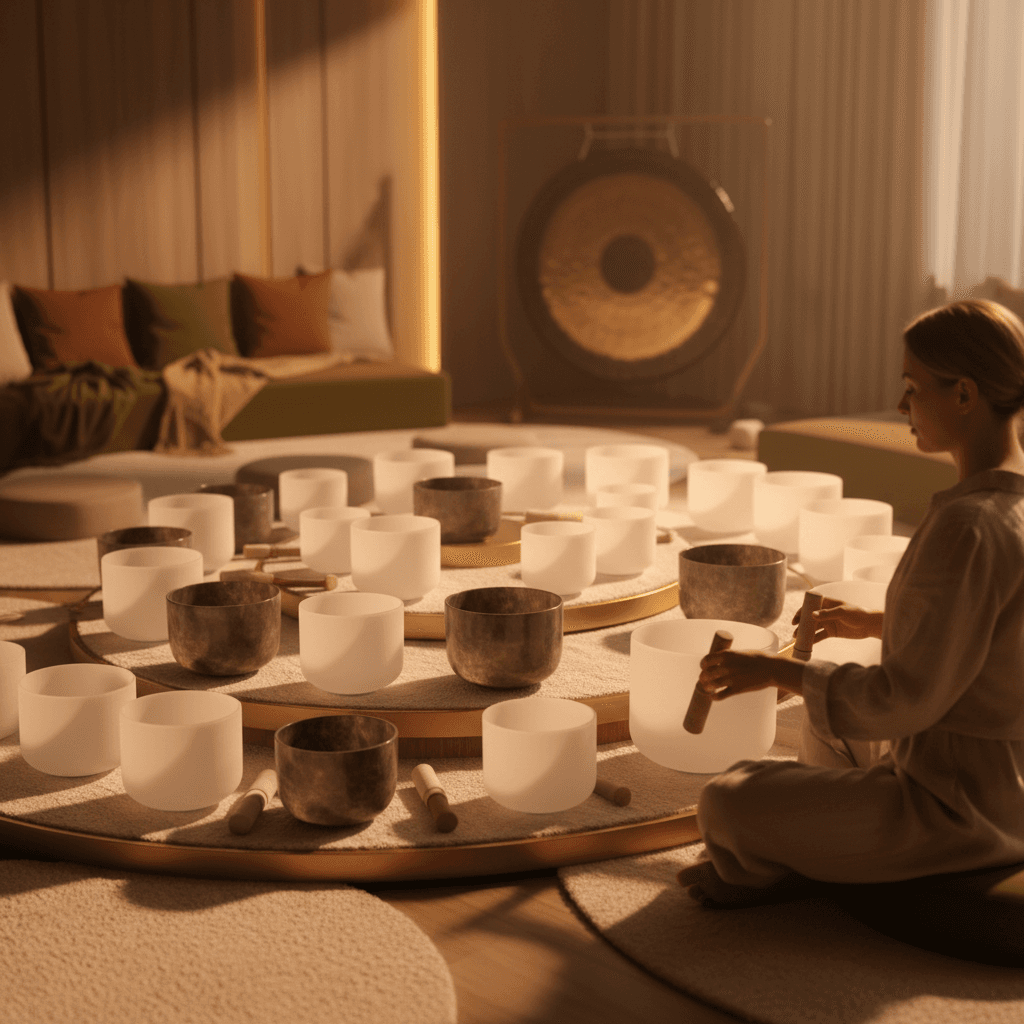
What makes the Soul Art method unique is its blend of ancient wisdom and modern scientific understanding. We utilize a curated selection of instruments known for their rich overtone frequencies and resonant qualities, including:
- Himalayan Singing Bowls: Their deep, sustained tones encourage relaxation and meditation.
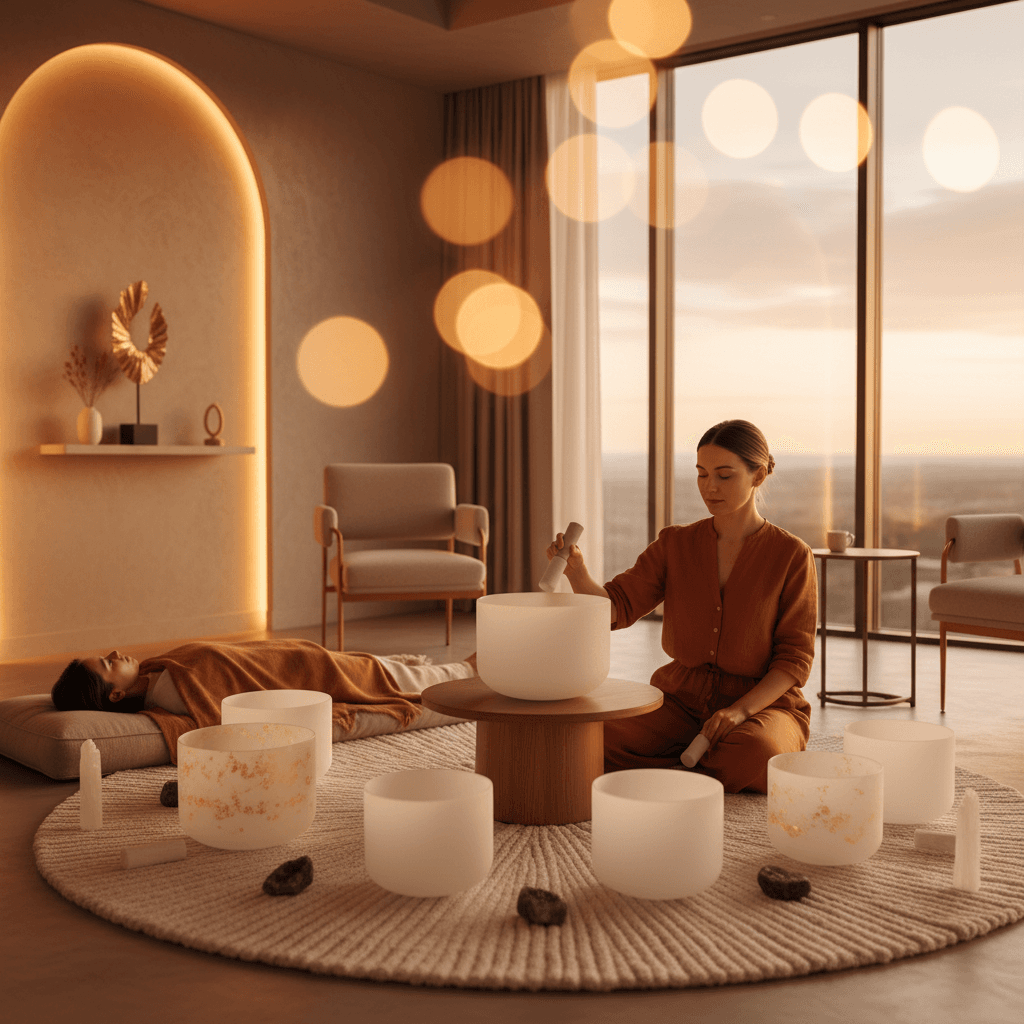
- Crystal Singing Bowls: Known for their pure, resonant frequencies, often associated with energetic alignment.
- Gongs: Creating a powerful "sonic bath" that may facilitate profound states of relaxation and release.
- Chimes and Percussion: Used to introduce gentle textures and shifts in acoustic landscapes, much like active instrument play in therapy.
- The Human Voice: Employed in guided vocal toning and breathwork, echoing the therapeutic benefits of singing.
Each session at Soul Art, whether a group sound bath or a personalized experience, is mindfully designed to guide participants into states of deep rest. By immersing individuals in carefully crafted soundscapes, we aim to regulate the nervous system, quiet the overactive mind, and facilitate emotional release. This holistic wellness practice helps individuals navigate the stresses of modern life, offering a peaceful counterpoint to daily demands. Larissa Steinbach believes that by providing these deeply resonant experiences, Soul Art empowers individuals to cultivate resilience and nurture their inner calm.
Your Next Steps: Embracing Sound for Personal Wellness
The robust evidence supporting music therapy in hospitals offers compelling insights into the power of sound for well-being. While formal clinical music therapy is a specialized practice, you can integrate aspects of sound-based wellness into your daily life to support your own journey of self-care and relaxation. These practices are complementary and designed to enhance your overall quality of life.
Here are some actionable steps you can take today:
- Curate Your Personal Sound Sanctuary: Create playlists specifically designed for different moods or activities, whether it's calming ambient music for relaxation, instrumental tracks for focus, or uplifting tunes for energy. Experiment with different genres and styles to discover what resonates most with you.
- Explore Guided Meditations with Sound: Many apps and online platforms offer guided meditations that incorporate nature sounds, binaural beats, or gentle music. These can be powerful tools for stress reduction and mental clarity.
- Mindful Listening Practice: Dedicate short periods each day to simply listen to music without distraction. Notice the textures, melodies, and how the sounds make you feel. This can enhance your presence and emotional awareness.
- Consider Engaging with Instruments: You don't need to be a musician to experience the benefits of active sound creation. Simple instruments like chimes, a small drum, or even your own voice through humming or toning can be profoundly therapeutic.
- Seek Professional Sound Wellness: For a deeply immersive and expertly guided experience, explore sound bath sessions or personalized sound wellness practices. Studios like Soul Art offer structured environments designed to optimize the benefits of sound for relaxation and nervous system regulation.
Embracing sound as a tool for personal wellness is a journey of discovery. It’s about creating a harmonious relationship with your internal and external sound environments to foster greater peace and resilience.
In Summary
The integration of music therapy into hospital settings represents a profound shift towards holistic, evidence-based care. Research consistently highlights its significant role in alleviating acute pain, reducing anxiety and depression, and improving overall quality of life for hospitalized patients. From the nuanced interventions designed to support premature infants to its proven benefits in adult pain management, music's therapeutic power is undeniable.
Through active engagement like singing and instrument play, as well as carefully curated receptive experiences, music therapy offers a non-pharmacological pathway to comfort and healing. This growing body of scientific evidence underscores the transformative potential of sound. At Soul Art, we are inspired by these insights, offering serene sound wellness experiences that empower individuals to tap into their innate capacity for self-regulation and profound relaxation, guided by Larissa Steinbach's expertise.
Bookings Coming Soon
Soul Art is still in preparation. Session details and booking will be published here after launch.
Coming Soon
Wellness Disclaimer: This article is for educational and informational purposes only. It does not constitute medical advice, diagnosis, or treatment. Soul Art Dubai provides non-medical wellness experiences focused on relaxation, stress management, and general wellbeing. Sound wellness is a complementary practice and should not replace professional medical care.
Related Articles

40 Hz Sensory Stimulation and Alzheimer's Research
Unlocking Wellness: The Science of Sound Healing Research Design
Unlocking Wellness: Biomarkers for Effective Sound Therapy