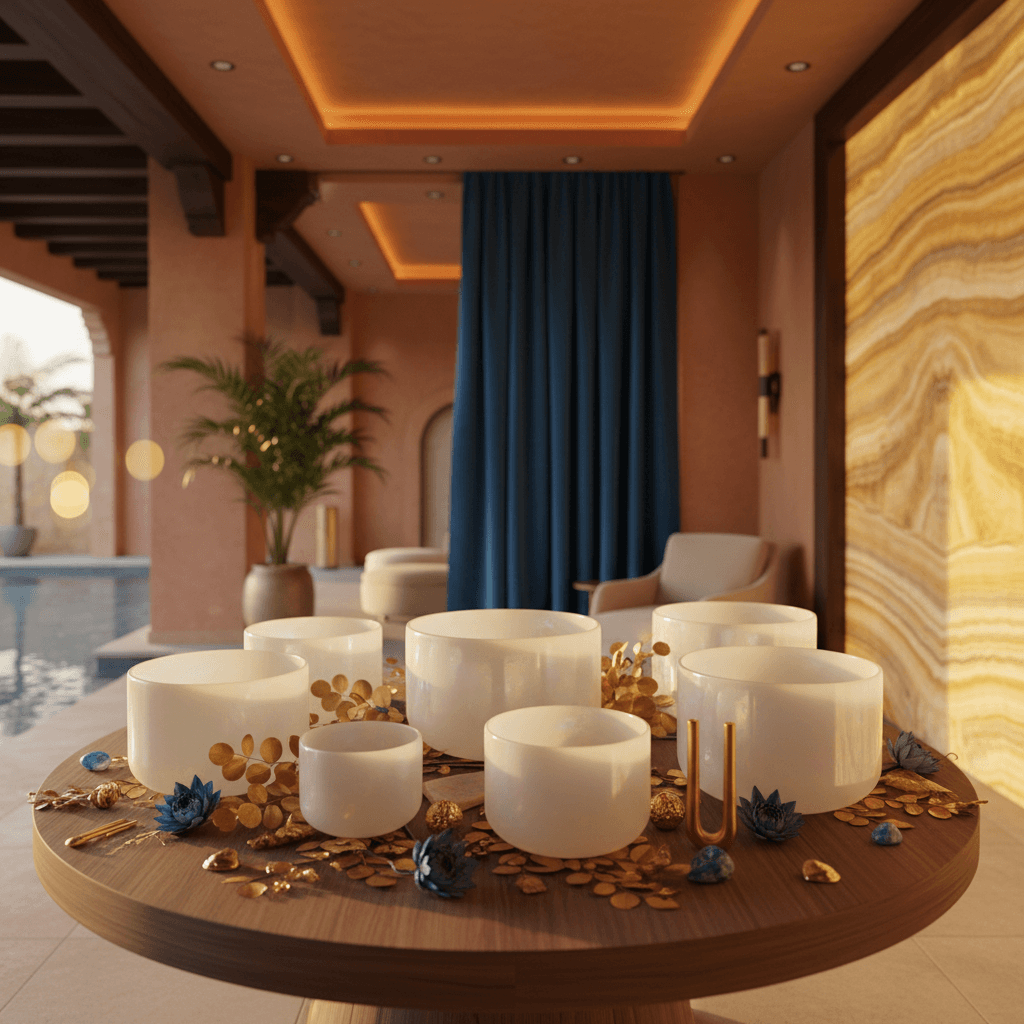
Harmonizing Your Heart: Acoustic Therapy & HRV at Soul Art
Key Insights
Discover how Soul Art's acoustic therapy, guided by Larissa Steinbach, may enhance Heart Rate Variability (HRV) for profound stress relief and well-being.
Have you ever considered that the subtle, invisible rhythm between your heartbeats holds a profound secret to your overall health and resilience? Far beyond a simple pulse, the intricate timing of your heart’s contractions, known as Heart Rate Variability (HRV), offers a direct window into the dynamic interplay of your nervous system. It’s a sophisticated metric that whispers volumes about your body’s capacity to adapt to stress, recover from challenges, and maintain inner balance.
At Soul Art Dubai, we delve into this fascinating connection, exploring how ancient sound wisdom, curated into modern acoustic therapy sessions, may support the enhancement of your HRV. This journey is not merely about relaxation; it's about re-tuning your internal orchestra to play a more harmonious and resilient symphony. By understanding and gently influencing your HRV, you can unlock a deeper sense of calm, improve your stress response, and cultivate lasting well-being.
The Science Explained
Our hearts are miraculous organs, diligently pumping blood through our circulatory system to supply oxygen and nutrients to every cell in the body. While we often focus on the number of beats per minute, the subtle variations in the time between each beat offer a more nuanced understanding of our physiological state. This is the essence of Heart Rate Variability (HRV).
What is Heart Rate Variability (HRV)?
HRV is not about how fast or slow your heart beats, but rather the precise measurement of the beat-to-beat differences in time. A common misconception is that a perfectly regular heartbeat indicates peak health, but in fact, a healthy, adaptable heart exhibits a healthy degree of variability. This dynamic rhythm reflects the flexibility of your autonomic nervous system (ANS), the control center for involuntary bodily functions.
The ANS operates primarily through two branches:
- The Sympathetic Nervous System: Often called the "fight or flight" system, it gears the body up for action, increasing heart rate, blood pressure, and alertness. When dominant, HRV tends to be lower.
- The Parasympathetic Nervous System: Known as the "rest and digest" system, it promotes calm, recovery, and energy conservation. It lowers heart rate and blood pressure. A higher HRV often indicates a more active parasympathetic system.
A higher HRV is generally associated with better health, greater stress resilience, and a more adaptable nervous system. Conversely, a consistently low HRV may indicate chronic stress, fatigue, or an overburdened system. It suggests the body is stuck in a more reactive, less flexible state.
The Heart's Electrical Symphony
The rhythmic contraction of your heart—the "lub-DUB" sound you might hear—is driven by an intricate electrical system. This system originates in a group of specialized cells called pacemaker cells, located in the sinoatrial (SA) node in the right atrium. This SA node acts as the heart’s natural pacemaker, initiating the electrical signal that orchestrates each beat.
The electrical signal then travels through the atria, causing them to contract and pump blood into the ventricles. Next, it moves to the atrioventricular (AV) node, which briefly slows the signal, allowing the ventricles to fully fill with blood. Finally, the AV node sends a signal along the ventricular walls, prompting them to contract and pump blood out to the lungs and the rest of the body. The heart's valves close at precise moments, creating the distinct "lub" and "DUB" sounds as they prevent backflow.
While this electrical system dictates the fundamental rhythm, the ANS continuously modulates its pace. This means your nervous system is constantly fine-tuning the intervals between beats in response to internal and external cues—from breathing patterns to emotional states. It's this continuous, subtle adjustment that creates HRV. When the nervous system is balanced and responsive, it allows for greater variability in these intervals, reflecting a robust capacity for adaptation.
How Acoustic Therapy Interacts with the Nervous System
Acoustic therapy, or sound wellness, involves immersing oneself in specific frequencies and vibrations created by various instruments. These sounds are not just perceived by the ears; their vibrations can be felt throughout the body, engaging our physiological systems in profound ways. Preliminary studies and anecdotal evidence suggest that these carefully chosen frequencies may gently guide the nervous system into a state of deep relaxation.
One significant pathway through which sound may influence HRV is via the vagus nerve. The vagus nerve is a crucial component of the parasympathetic nervous system, playing a key role in regulating heart rate, digestion, and mood. Gentle stimulation of the vagus nerve, which can occur through resonant vibrations and deep relaxation, may help shift the body from a sympathetic (stress) dominant state to a parasympathetic (rest and recovery) dominant state.
When the body enters this parasympathetic state, the nervous system becomes more flexible, allowing for an increase in HRV. Specific sound frequencies, particularly those found in instruments like gongs and singing bowls, are thought to induce brainwave states such as alpha (relaxed, calm awareness) and theta (deep relaxation, meditation). This shift in brainwave activity is often associated with reduced stress hormones and enhanced parasympathetic tone, indirectly supporting healthier HRV. By creating an environment conducive to deep calm, acoustic therapy provides a unique opportunity for the nervous system to recalibrate and strengthen its adaptive capacity.
How It Works in Practice
Stepping into a Soul Art acoustic therapy session is an invitation to leave the bustling world behind and embark on an inner journey. It is a carefully curated experience designed to connect the theory of nervous system regulation with tangible, sensory immersion, fostering an environment where your body’s natural ability to self-regulate may flourish.
The Experience of Sound Immersion
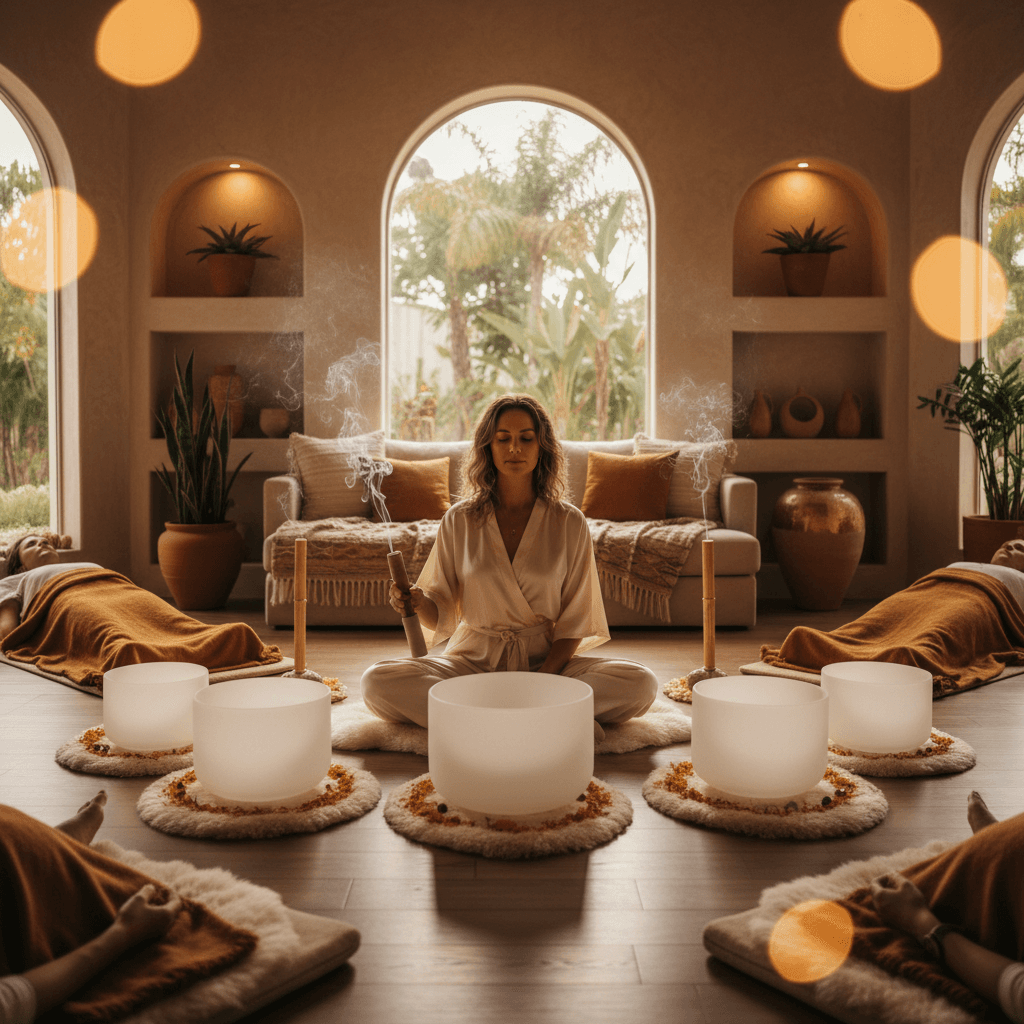
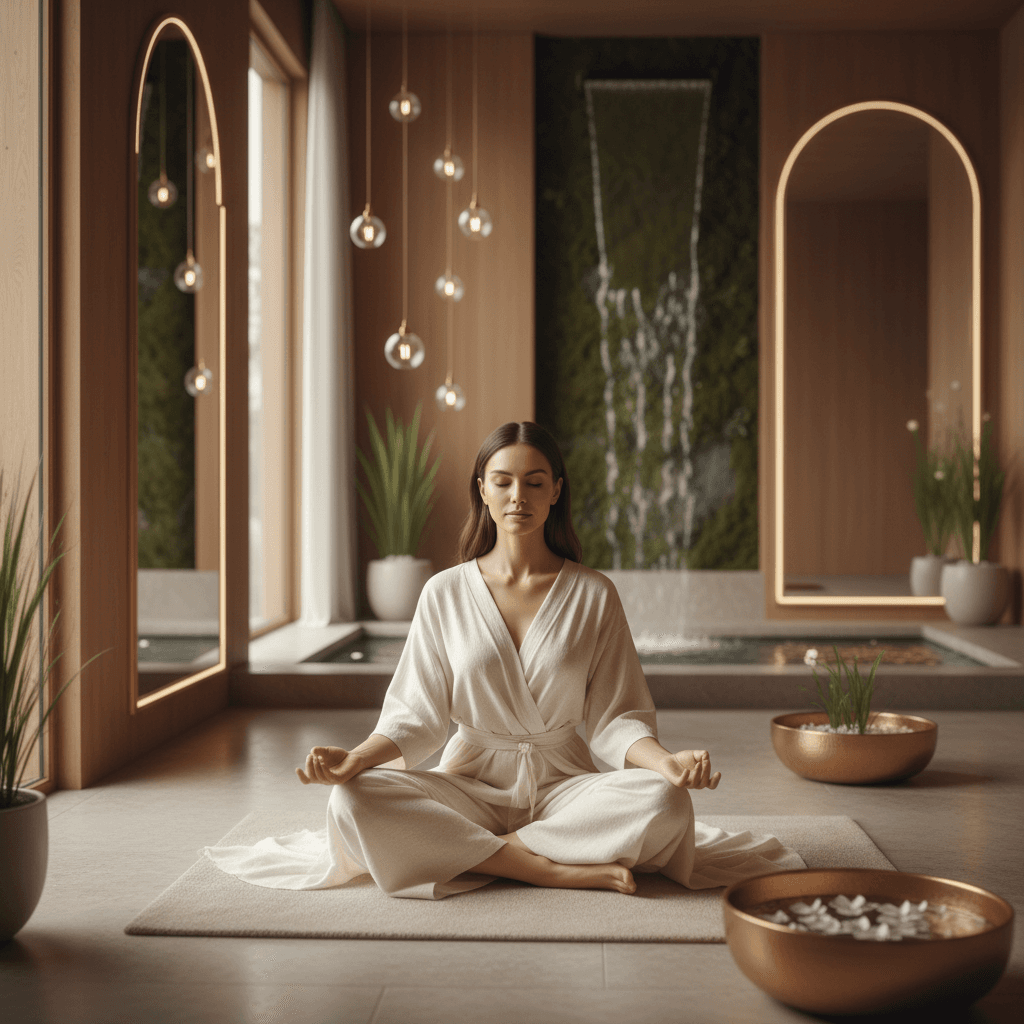
Upon entering the tranquil space at Soul Art, clients are enveloped in an atmosphere designed for deep introspection and relaxation. The lighting is soft, the air is calm, and comfortable mats or cushions await. As you settle in, the journey begins with the introduction of subtle, yet powerful, sonic vibrations.
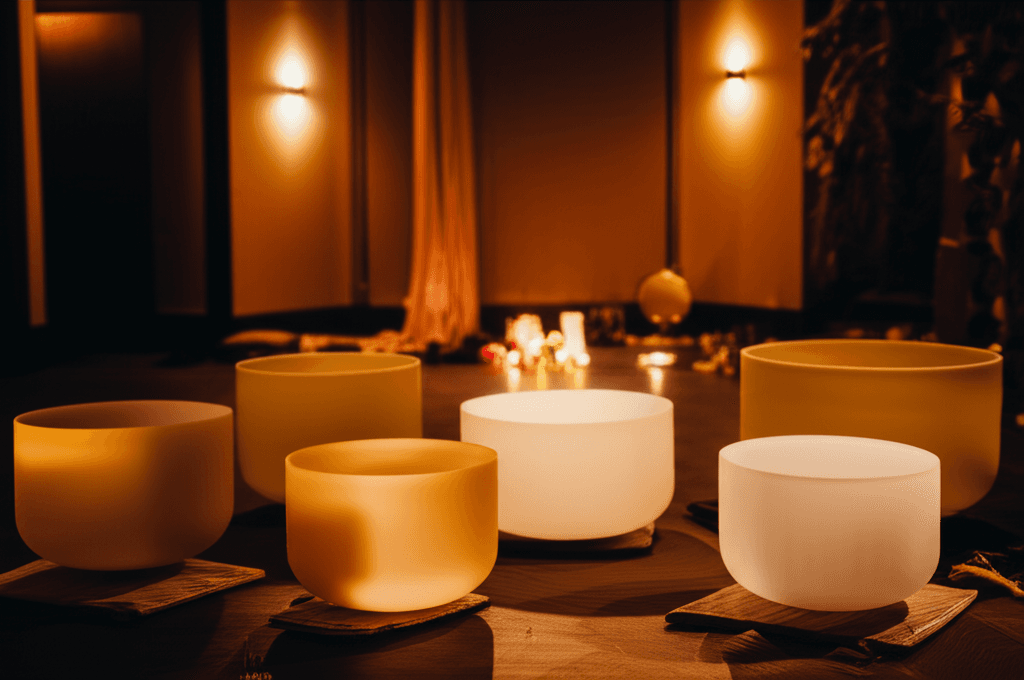
Our sessions feature an exquisite array of instruments, each chosen for its unique vibrational quality and ability to evoke specific responses within the body. You may experience the deep, grounding resonance of large gongs, whose sustained vibrations seem to wash over you, penetrating tissues and bones. The pure, shimmering tones of crystal singing bowls create an ethereal soundscape, while the earthy, rich harmonics of Himalayan singing bowls offer a comforting embrace. Other instruments, such as chimes, rain sticks, and kalimbas, add layers of texture and depth, guiding your awareness inward.
The sounds are not merely heard; they are felt. As the frequencies ripple through the air, many people report feeling gentle vibrations moving through their body, creating a full-body sonic massage. This somatic experience encourages the release of physical tension, allowing the muscles to soften and the mind to quiet. The diverse sonic tapestry works together to create a profoundly immersive experience that encourages the body and mind to surrender to the moment.
Physiological Responses During a Session
As the acoustic journey unfolds, the carefully composed soundscape encourages a natural shift in your physiological state. The initial moments may involve a conscious effort to quiet the mind, but as the session progresses, the resonant frequencies often facilitate a gentle transition from beta brainwave activity (associated with alertness and thought) to more relaxed alpha and even theta states (linked to meditation and deep relaxation).
This shift in brainwave activity is often accompanied by measurable physiological changes. As the parasympathetic nervous system becomes more engaged, your breathing naturally deepens and slows. Heart rate tends to decrease, and muscle tension may noticeably diminish. Many individuals report a profound sense of inner calm, a feeling of being deeply rested, and a quiet clarity that extends beyond the session itself. This conscious engagement of the "rest and digest" system is precisely what cultivates an environment where HRV can potentially be enhanced.
The collective impact of these responses—reduced physiological arousal, decreased stress hormone levels, and a dominant parasympathetic tone—all contribute to supporting a healthier, more adaptable nervous system. While we do not measure individual HRV during a session, the very mechanisms promoted by acoustic therapy are those that scientific literature associates with an improvement in this vital metric over time.
Measuring the Shift: HRV in Action
While Soul Art focuses on providing a profound wellness experience rather than medical diagnostics, the intention behind our acoustic therapy is to nurture your body’s innate capacity for self-regulation and stress resilience. Consistent engagement with practices that promote deep relaxation and nervous system balance is increasingly recognized for its potential to positively influence HRV.
Many of our clients, after regular sessions, report a noticeable difference in their ability to handle daily stressors, an improved quality of sleep, and a greater sense of overall calm and mental clarity. These anecdotal shifts are often precisely the subjective indicators that align with a better-regulated autonomic nervous system and, by extension, potentially enhanced HRV. It’s about building a physiological "buffer" against life's demands.
Some individuals who track their HRV using wearable technology or dedicated apps may observe improvements in their HRV scores with consistent engagement in stress-reduction practices, including sound wellness. While individual results may vary, the core principle remains: fostering a state of deep relaxation and nervous system balance through acoustic therapy offers a powerful complementary approach to cultivating a more resilient heart and mind.
"The heart's rhythm is a complex dance, reflecting our inner world. By tuning into the subtle language of sound, we offer our nervous system a chance to recalibrate, fostering a profound sense of balance and resilience." - Larissa Steinbach
The Soul Art Approach
At Soul Art, we believe that true well-being stems from a harmonious connection between mind, body, and spirit. Under the visionary guidance of Larissa Steinbach, our studio has become Dubai’s premier destination for those seeking a sophisticated yet deeply impactful approach to sound wellness. Our methodology is rooted in both ancient wisdom and an understanding of modern physiological science, particularly concerning the nervous system and its relationship with HRV.
Curated Frequencies for Well-being
Larissa Steinbach meticulously curates each Soul Art session, selecting instruments and crafting soundscapes designed to create a specific energetic and physiological response. This is not simply playing music; it's about intelligent sonic architecture. From the deep, grounding tones that invite release and stability, to the ethereal, soaring frequencies that encourage mental clarity and spiritual expansion, every sound has a purpose.
Our unique method focuses on creating a sympathetic-to-parasympathetic shift, a critical factor in HRV enhancement. By initiating the session with sounds that gently calm the mind and body, we guide participants away from the high-alert state of modern life. As the session progresses, we introduce frequencies and rhythms that encourage deep relaxation, allowing the vagus nerve to become more active and promoting a state of profound rest and regeneration. This intentional sequencing helps the nervous system to rebalance and optimize its adaptive capacity.
The Expertise of Larissa Steinbach
Larissa Steinbach brings a wealth of knowledge and a deeply intuitive understanding of sound's therapeutic potential. Her approach is characterized by a blend of scientific curiosity and heartfelt compassion, ensuring that every session is both grounded and transformative. Larissa understands that the heart’s rhythm is not just mechanical but an intricate expression of our overall well-being, directly influenced by our emotional and mental states.
Under Larissa’s direction, Soul Art distinguishes itself by offering not just sound baths, but meticulously designed acoustic therapy experiences aimed at supporting the body’s natural healing and regulatory processes. Her expertise allows for the creation of immersive environments that are safe, nurturing, and highly effective in guiding participants towards a state where their HRV may naturally improve. It is this dedication to intentionality and personalized care that truly sets the Soul Art method apart, fostering a deeper connection to one’s inner landscape and promoting sustainable well-being.
Your Next Steps
Embracing the potential benefits of acoustic therapy for HRV enhancement is a proactive step towards cultivating greater resilience and peace in your life. Integrating these practices into your routine may offer lasting advantages for your nervous system and overall well-being. Here are some actionable steps you can take today:
- Explore Sound Wellness: Experience a session at Soul Art Dubai. Feel the powerful, yet gentle, vibrations and observe how your body and mind respond. This firsthand experience is often the most compelling way to understand its benefits.
- Practice Mindful Breathing: Simple diaphragmatic breathing exercises can immediately engage your parasympathetic nervous system, which is a direct pathway to supporting higher HRV. Dedicate a few minutes daily to slow, deep breaths.
- Monitor Your Stress Triggers: Become more aware of what elevates your stress levels. Identifying and strategically managing these triggers can significantly reduce their cumulative impact on your nervous system and HRV.
- Prioritize Rest and Recovery: Adequate sleep and intentional periods of rest are fundamental for nervous system repair and optimal HRV. Treat rest as a non-negotiable part of your daily rhythm.
- Listen to Your Body: Pay attention to the subtle signals your body sends. By tuning in, you can better understand your unique needs and make choices that support your physiological and emotional balance.
Ready to restore your nervous system and discover a pathway to profound relaxation? Soul Art offers a serene sanctuary where you can explore the transformative power of sound.
In Summary
Heart Rate Variability is a sophisticated indicator of your nervous system's flexibility and your body's capacity to adapt to life's stresses. A healthy, robust HRV is synonymous with greater resilience, improved emotional regulation, and an enhanced state of overall well-being. Acoustic therapy, through its profound ability to guide the body into deep states of relaxation, offers a powerful complementary approach to potentially enhance this vital metric.
At Soul Art, Larissa Steinbach expertly crafts immersive sound experiences designed to gently activate the parasympathetic nervous system, fostering an environment where your heart's rhythm can find its most harmonious and adaptable beat. By embracing sound wellness, you are investing in a holistic self-care practice that supports not just your physical heart, but the very core of your stress resilience. We invite you to experience this unique journey towards inner calm and lasting balance.
Bookings Coming Soon
Soul Art is still in preparation. Session details and booking will be published here after launch.
Coming Soon
Wellness Disclaimer: This article is for educational and informational purposes only. It does not constitute medical advice, diagnosis, or treatment. Soul Art Dubai provides non-medical wellness experiences focused on relaxation, stress management, and general wellbeing. Sound wellness is a complementary practice and should not replace professional medical care.
Related Articles
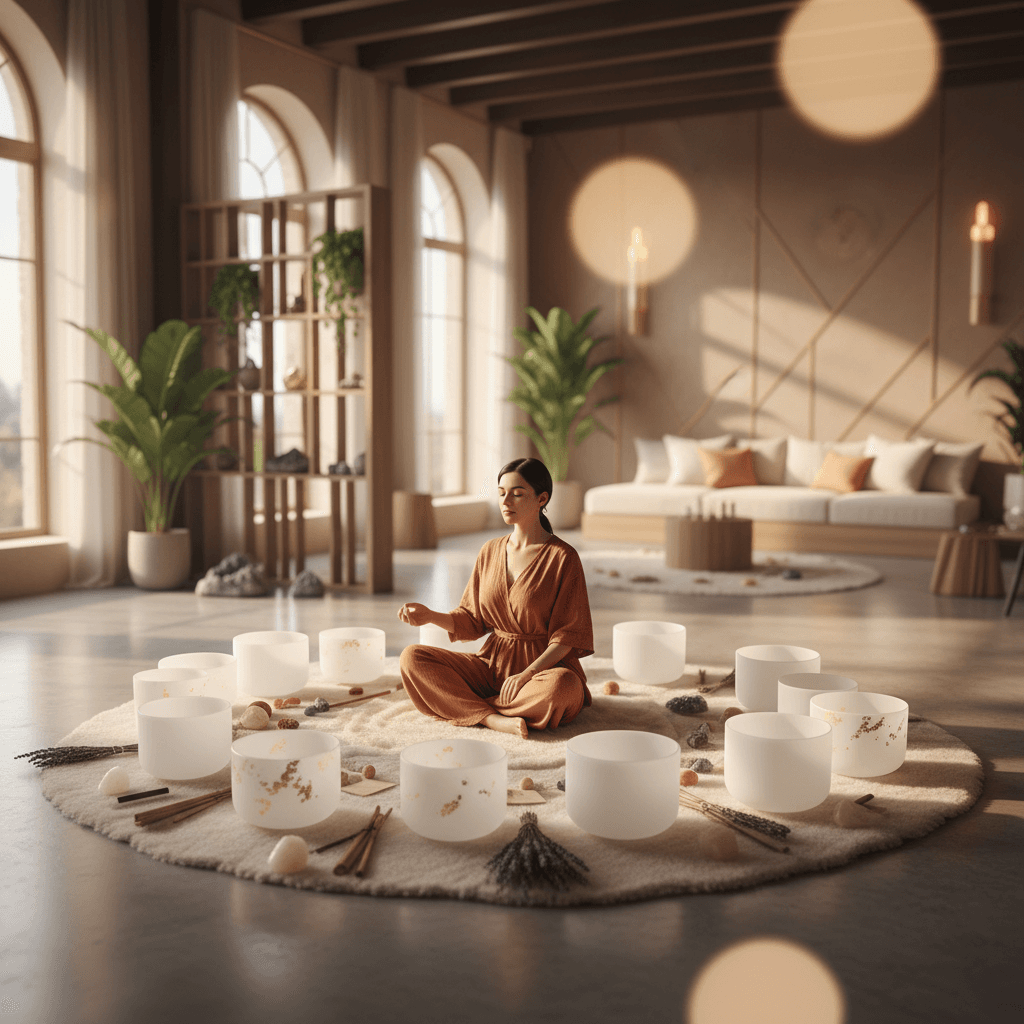
Cluster Headaches: Unveiling Pain and the Promise of Frequencies in Wellness
Epilepsy & Sound: Safety, Serenity, and Emerging Wellness Paths
Mastering Focus: Analytical Listening & Brain Engagement at Soul Art