Sound Health for Musicians: Protecting Your Precious Hearing
Key Insights
Musicians face unique hearing challenges. Discover scientific insights, practical protection strategies, and holistic sound wellness at Soul Art, Dubai, with Larissa Steinbach.
The world of music is a symphony of passion, dedication, and boundless creativity. For musicians, sound is not just an experience; it is their language, their livelihood, and the very essence of their craft. Yet, this deep immersion in sound comes with a significant, often overlooked, challenge: the profound risk of noise-induced hearing loss (NIHL).
Imagine a painter losing their sight, or a chef their sense of taste. For a musician, compromised hearing can be an equally devastating reality, impacting their ability to discern pitch, timbre, and dynamic range – fundamental elements of their performance. Shockingly, a 2015 Help Musicians UK (HMUK) survey revealed that 47% of musicians reported experiencing some form of hearing problem.
This crucial article delves into the scientific realities of hearing damage for musicians, explores practical strategies for protection, and highlights how a holistic approach to sound health can sustain a vibrant musical journey. By understanding the risks and embracing proactive measures, musicians can preserve their auditory health, ensuring a lifetime of musical joy and excellence. We will uncover how to strike a harmonious balance between performance and preservation, a philosophy deeply embedded in the work of Larissa Steinbach at Soul Art.
The Science Explained: Understanding Noise-Induced Hearing Loss (NIHL)
Our ears are incredibly intricate organs, capable of distinguishing a vast spectrum of sounds. However, this delicate system is highly vulnerable to prolonged or intense sound exposure, a reality that impacts musicians disproportionately. Understanding the underlying science is the first step toward effective protection.
The Delicate Mechanics of Hearing Damage
Noise-induced hearing loss (NIHL) occurs when the delicate sensory hair cells within the inner ear, responsible for converting sound vibrations into electrical signals for the brain, are irrevocably damaged. Repeated exposure to loud sounds, as highlighted by the British Medical Journal, leads to their gradual deterioration. Once these hair cells are damaged or destroyed, they do not regenerate, making NIHL a permanent condition.
Beyond the hair cells, recent research suggests that loud sound exposure can also disrupt the way cells transmit information via synapses, leading to what is often termed hidden hearing loss. This insidious form of damage may not always be easily detected by traditional hearing tests, yet it can significantly impact a musician's ability to process complex auditory information, especially in noisy environments.
Why Musicians Face Elevated Risks
Musicians, by the very nature of their profession, are routinely exposed to sound levels that far exceed safe thresholds. Professional musicians, for instance, average approximately 30.9 hours of active playing per week, a figure that aligns with previous findings (Laitinen et al., 2003; Schmidt et al., 2011). This level of exposure translates to nearly three times the yearly music sound exposure and almost four times the lifetime exposure compared to amateur musicians.
The cumulative effect of this exposure places musicians at a significantly higher risk of NIHL than the general population (Zhao et al., 2010). The World Health Organization (WHO) has even warned of a global public health emergency, with 1.1 billion young people potentially at risk for NIHL due to noisy leisure activities and increased personal listening device use. Musicians, from early-career students to seasoned professionals, often find themselves within this vulnerable demographic. Studies show that half of student musicians may experience premature hearing loss (Phillips et al., 2008), with increased instances of difficulty hearing speech, understanding conversations in noise, temporary or constant tinnitus, and hyperacusis (Pawlaczyk-Luszczynska et al., 2017).
The Insidious Onset of Auditory Symptoms
One of the most concerning aspects of NIHL for musicians is its often gradual onset. Early symptoms, such as tinnitus (a persistent ringing or buzzing in the ears) or hyperacusis (decreased sound tolerance), can be early warning signs that the auditory system is under stress. A survey found that 31% of professional and amateur orchestral musicians reported some form of hearing loss, and 37% reported experiencing tinnitus, yet consistent use of hearing protection remained remarkably low.
NIHL is unique in that it is almost entirely preventable. This critical fact underscores the profound importance of proactive measures to safeguard hearing health, not just for longevity in one's career but for overall wellbeing. Regular, annual hearing tests are a cornerstone of this preventative approach, as they can help detect early signs of damage and provide a baseline for monitoring auditory health.
How It Works in Practice: Navigating the Realities of Protection
Despite the clear risks, the uptake of hearing protection among musicians remains surprisingly low. This phenomenon is often rooted in a complex interplay of practical challenges, perceived barriers, and deeply ingrained habits.
The Paradox of Protection: Performance vs. Preservation
A significant hurdle to the widespread adoption of hearing protection is the unique relationship musicians have with sound. For performers, the ability to accurately monitor the timbre, pitch, and dynamic range of their own playing, as well as that of other musicians, is paramount. The idea of attenuating musical sound levels can feel inherently counterintuitive. As one professional opera singer noted in a survey, wearing hearing protection can be "unadvisable… as it alters the singers’ sense of the sound they produce."
This sentiment highlights a strong tension: a genuine concern for protecting one's hearing from the damaging effects of loud sounds, versus the potentially undesirable effects of hearing protection on the perception and performance of music. Surveys of professional orchestral musicians, such as one in Denmark, showed that only 15% wore hearing protection regularly, with the exception of those already experiencing a hearing disorder (Laitinen & Poulsen, 2008). This reluctance persists despite the known risks and the potential for long-term damage.
"Musicians may underestimate how loud music truly is, not perceiving it as 'noise.' Relying solely on one's ears and instincts is often insufficient to judge harmful sound levels, putting their auditory health at risk without them even knowing."
Indeed, a study by Hagerman (2013) found that only half of musicians were able to reasonably judge harmful levels of music and sound. This gap in perception underscores why personal experience of a hearing problem, such as tinnitus or existing hearing loss, often strongly prompts individuals to seek protection. Decisions to use protection in 'real time' are most strongly influenced by loud noise perceived as 'unsafe'.
Choosing the Right Tools: Tailored Protection for Musicians
Not all hearing protection is created equal, especially for the nuanced demands of a musician. While foam earplugs offer basic attenuation, they often distort sound quality, making music sound muffled or unnatural. This distortion is a major deterrent for musicians who rely on accurate auditory feedback.
The solution lies in specialized hearing protection designed for music. These are often custom-fit earplugs that offer uniform sound attenuation across frequencies, meaning they reduce overall volume without significantly altering the timbre or balance of the sound. This allows musicians to hear music clearly, only at safer levels.
Key options include:
- Custom-Fit Earplugs with Interchangeable Attenuators: These are widely considered the highest-fidelity hearing protectors available. They come with filters that provide different levels of sound reduction, typically:
- ER-9: Offers approximately 9 dB of attenuation in low frequencies and 14-15 dB at high frequencies, ideal for less intense environments.
- ER-15: Provides a near-uniform 15 dB of attenuation across the frequency spectrum, making it the most popular choice for maintaining sound quality while significantly reducing volume.
- ER-25: Delivers approximately 25 dB of attenuation, developed for musicians with the highest sound exposure, such as drummers and high-intensity rock musicians.
- In-Ear Monitors (IEMs): While IEMs allow musicians to hear their own performance clearly amidst loud stage volumes, they can be a double-edged sword. Improper use, particularly at excessively high volumes directly into the ear canal, can contribute significantly to hearing damage. Musicians must be diligent about monitoring their IEM volume levels.
Interestingly, some musicians report that HPDs designed for music can even improve the sound quality of music by enhancing clarity (Beach & O’Brien, 2017). This is because high sound levels can cause distortion in the inner ear, which hearing protectors help mitigate (Beach, Williams, & Gilliver, 2010).
Overcoming Barriers: Education and Accessibility
The low uptake of hearing protection is not solely due to perceptual challenges. Real-world barriers like availability and cost can also play a role, as music-specific earplugs are often more expensive than generic foam options. However, there is some indication that younger musicians are more inclined toward protective measures, with one study finding that among 80 British early-career musicians, 77% used hearing protection at least once a week (Couth et al., 2021). This suggests a growing awareness that needs to be fostered and supported across all age groups.
Creating awareness about hearing health and providing accessible, high-quality protection options are crucial steps. This includes:
- Education: Informing musicians about the risks, the benefits of specialized protection, and how to choose and use it correctly.
- Availability: Making quality hearing protection more readily available in relevant environments (music stores, venues, educational institutions).
- Regular Check-ups: Emphasizing annual hearing tests as a vital part of a musician's health routine.
The Soul Art Approach: Harmonizing Wellness and Auditory Health
At Soul Art, Dubai's premier sound wellness studio, Larissa Steinbach understands the profound connection between sound, body, and mind. While our primary focus is on therapeutic sound experiences for relaxation and nervous system regulation, the principles of conscious listening and responsible sound engagement resonate deeply with the needs of musicians seeking to protect their auditory health.
Larissa Steinbach's approach emphasizes creating safe, restorative sound environments where the auditory system can find repose and recalibrate. For musicians constantly exposed to high-decibel performance settings, Soul Art offers a valuable counterpoint—a sanctuary where sound is a tool for healing, not potential harm.
Cultivating Mindful Listening
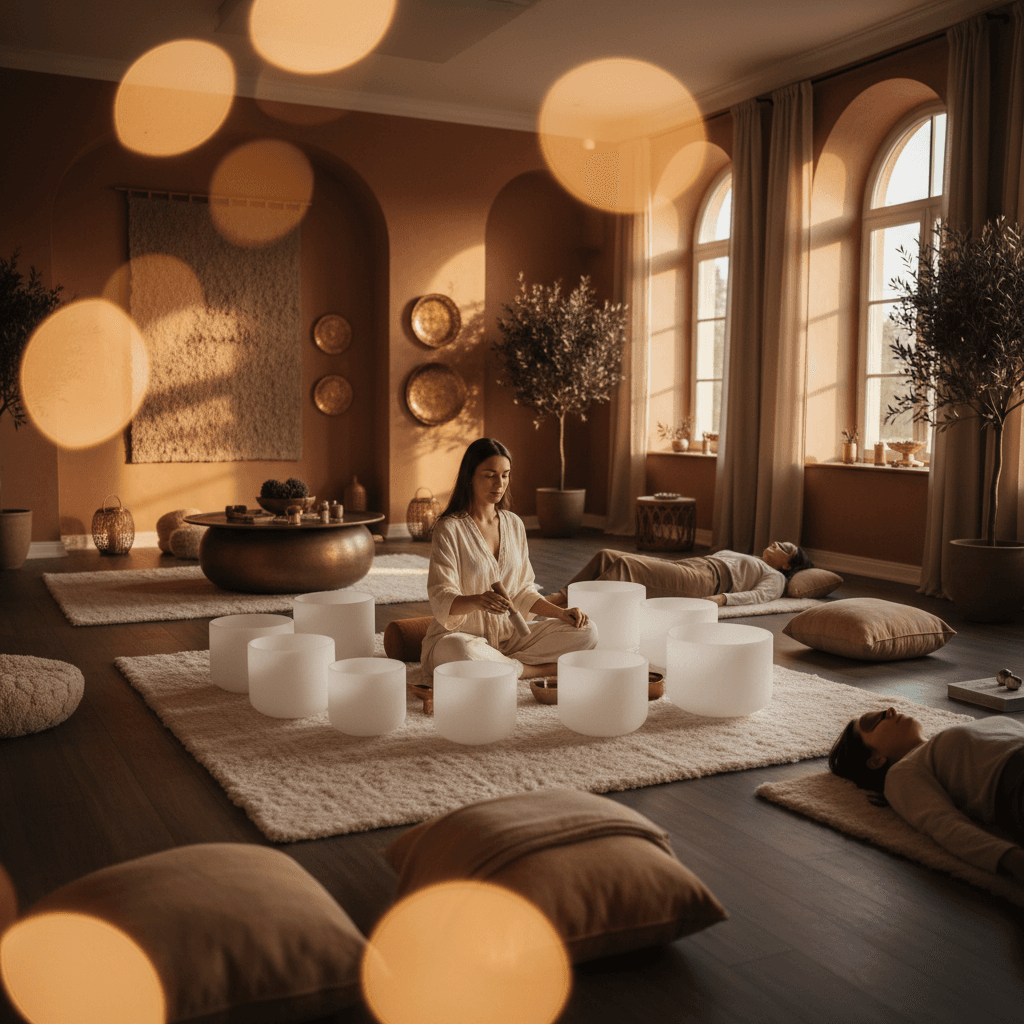
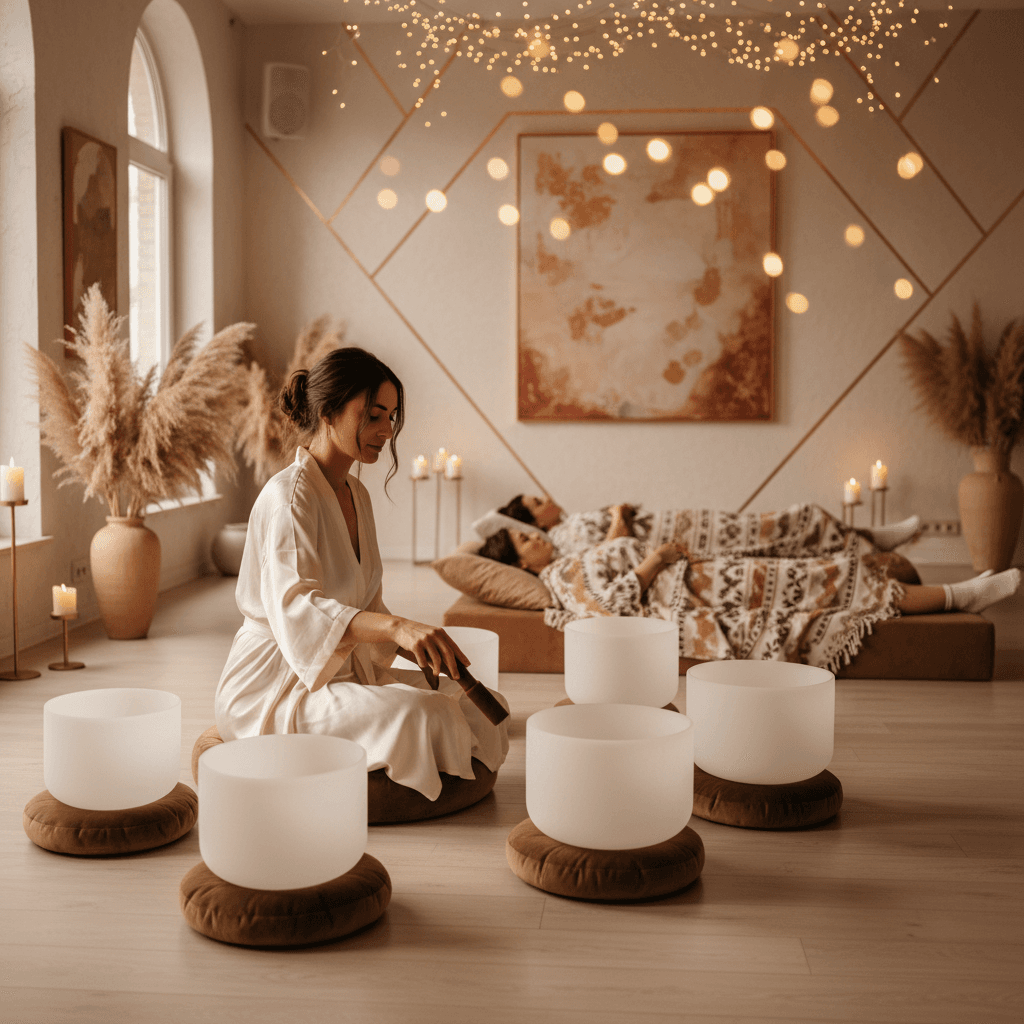
Through practices like sound baths and immersive sonic journeys, Larissa Steinbach guides individuals to cultivate mindful listening. This involves paying close attention to the nuances of sound without the intensity that often characterizes musical performance. This practice can implicitly train musicians to:
- Appreciate healthy sound levels: Experiencing sound at safe, gentle volumes can help reset the auditory system's perception of "loud."
- Enhance auditory discrimination: In a serene sound wellness session, participants often become more attuned to subtle sonic textures and frequencies, refining their listening skills without strain.
- Support Auditory Rest: Just as the body needs rest, the ears and the entire auditory processing system benefit from periods of quiet and exposure to non-stressful soundscapes. This restorative downtime may support the natural resilience of the auditory system.
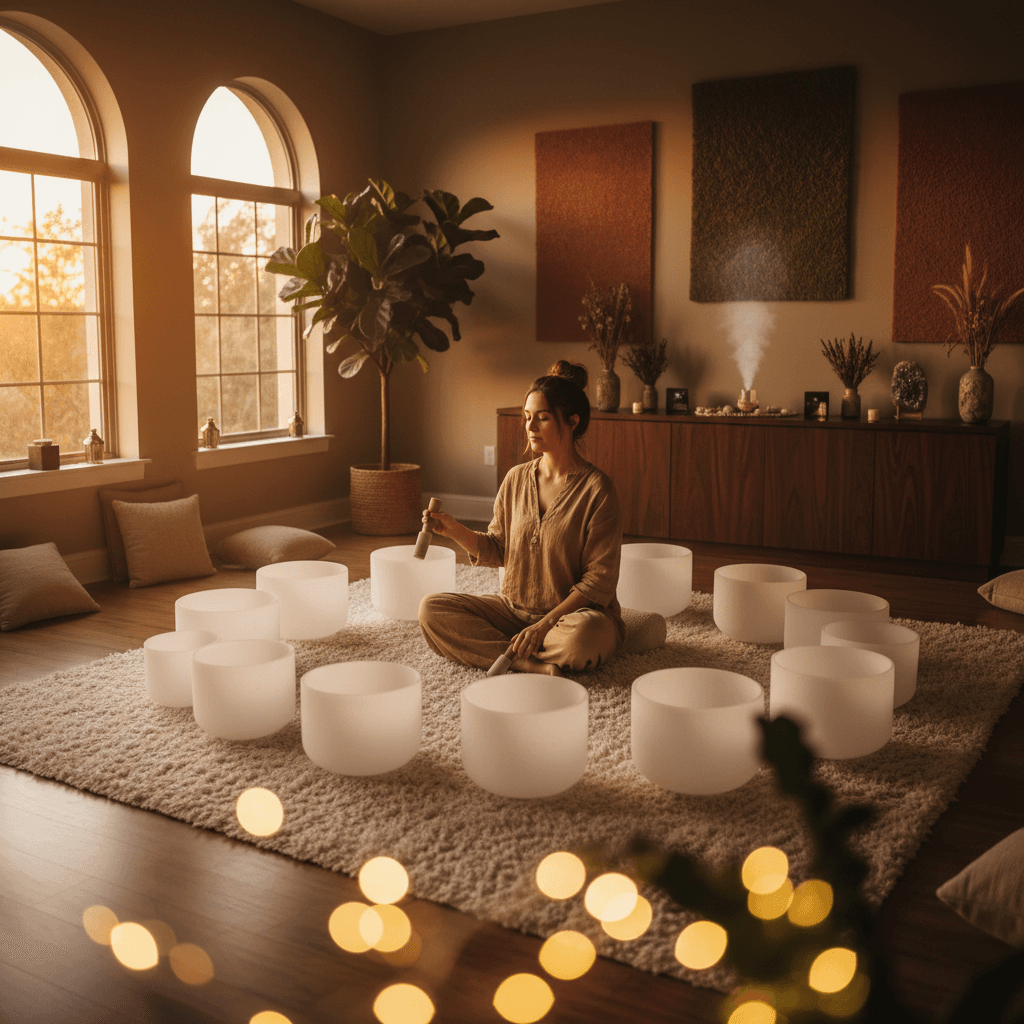
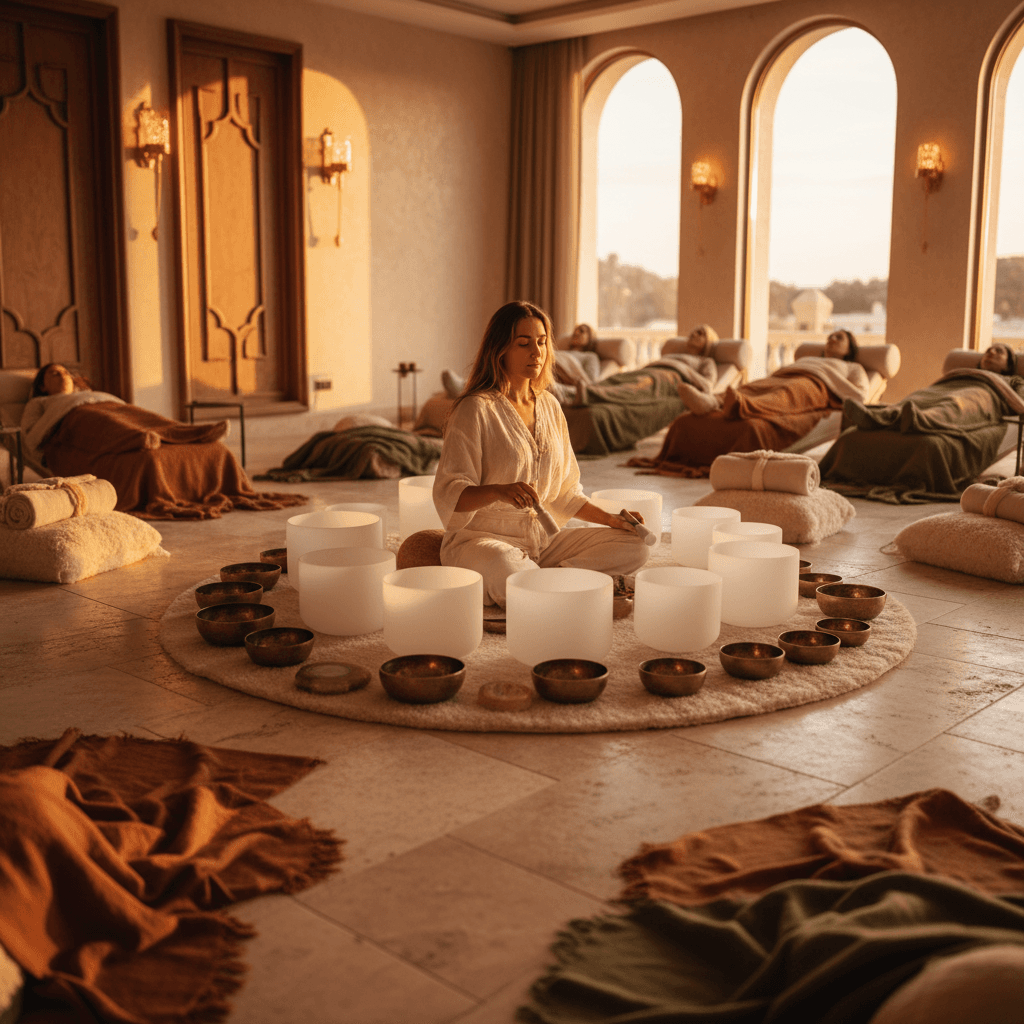
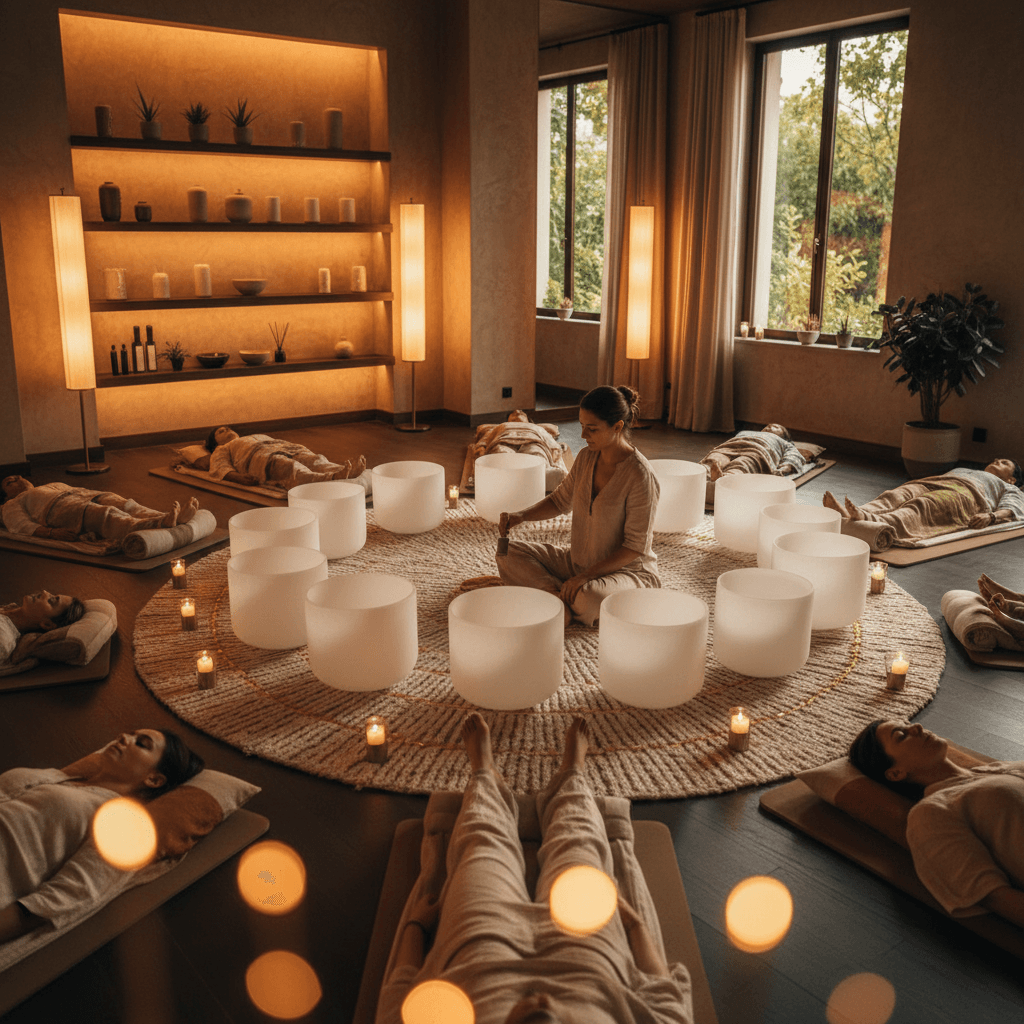
Larissa Steinbach frequently incorporates instruments known for their pure tones and resonant frequencies, such as Himalayan singing bowls, crystal bowls, and gongs, within controlled and therapeutic soundscapes. These instruments are played with precision and awareness of volume, ensuring a deeply immersive yet gentle experience. This intentional approach stands in stark contrast to the often unpredictable and high-intensity sonic landscapes of a musician's professional life.
Beyond Protection: A Holistic View of Sound Health
The Soul Art method, guided by Larissa Steinbach, extends beyond simply avoiding loud noises. It is a holistic wellness practice that recognizes the interconnectedness of hearing health with overall mental and emotional wellbeing. By promoting relaxation and reducing stress through sound, Soul Art may support the body's natural restorative processes, which can indirectly contribute to greater resilience against external stressors, including noise exposure.
While Soul Art sessions do not directly "treat" hearing loss, they offer a complementary approach to auditory wellness. They provide a space where musicians can consciously disconnect from demanding sonic environments, allowing their ears and minds to rest, recharge, and rediscover the profound beauty of sound in a gentle, nurturing way. It's about fostering a deep respect for sound, both as a source of artistic expression and a pathway to inner peace.
Your Next Steps: Practical Strategies for Auditory Preservation
Protecting your hearing as a musician is an ongoing commitment, but it is one that will profoundly impact your career longevity and overall quality of life. Embrace these actionable steps to safeguard your most vital artistic tool.
- Get Annual Hearing Tests: Make an annual visit to an audiologist a non-negotiable part of your health routine. These check-ups help detect early signs of hearing loss and provide personalized advice on protection.
- Invest in High-Fidelity Hearing Protection: Ditch the foam plugs for custom-fit musician's earplugs with interchangeable attenuators (e.g., ER-9, ER-15, ER-25). These reduce volume without sacrificing sound clarity.
- Master In-Ear Monitors (IEMs): If you use IEMs, learn how to monitor your volume levels diligently. Treat them with the same caution as high-power amplification, ensuring they are not contributing to inner ear fatigue or damage.
- Practice Smart & Take Breaks: During rehearsals and performances, take regular "quiet breaks" to allow your ears to rest. Utilize acoustically treated spaces when possible and be mindful of your proximity to loud instruments.
- Cultivate Mindful Listening & Auditory Rest: Incorporate periods of intentional quiet or gentle sound exposure into your routine. Consider exploring sound wellness practices, such as those offered by Larissa Steinbach at Soul Art, to give your auditory system restorative downtime.
- Advocate for Auditory Health: Spread awareness among fellow musicians, students, and venue managers. Encourage a culture that prioritizes hearing protection and safe sound levels within the music community.
In Summary: Preserving the Symphony of Life
For musicians, hearing is an invaluable gift, essential for both their craft and their experience of the world. Noise-induced hearing loss poses a significant threat, yet it is a largely preventable condition. By understanding the science behind hearing damage, embracing specialized protection, and adopting mindful sound practices, musicians can proactively safeguard their auditory health.
Prioritizing hearing protection allows you to continue creating, performing, and experiencing music with clarity and joy for years to come. At Soul Art, Larissa Steinbach champions a holistic approach to sound wellness, offering environments where your ears and nervous system can find profound rest and recalibration. We invite you to explore complementary paths to sustained auditory health and overall well-being.
Bookings Coming Soon
Soul Art is still in preparation. Session details and booking will be published here after launch.
Coming Soon
Wellness Disclaimer: This article is for educational and informational purposes only. It does not constitute medical advice, diagnosis, or treatment. Soul Art Dubai provides non-medical wellness experiences focused on relaxation, stress management, and general wellbeing. Sound wellness is a complementary practice and should not replace professional medical care.