Navigating Hearing Loss: Adapted Sound Healing Practices
Key Insights
Explore how adapted sound healing at Soul Art, led by Larissa Steinbach, offers a complementary path to support auditory processing and enhance wellbeing for those with hearing loss.
Navigating Hearing Loss: Adapted Sound Healing Practices for Enhanced Well-being
Imagine a world where the symphony of life, from birdsong to a loved one's voice, begins to fade. Hearing loss, affecting billions globally and projected to impact nearly 2.5 billion by 2050, presents significant challenges to quality of life, extending beyond simply not hearing. It can contribute to social isolation, cognitive decline, and increased stress, profoundly impacting one's overall well-being. Sensorineural hearing loss (SNHL), often caused by noise exposure, aging, or ototoxic drugs, specifically impairs the delicate hair cells of the inner ear, for which effective pharmaceutical solutions remain elusive.
While conventional treatments continue to evolve, many individuals seek complementary practices to support their auditory health journey. This is where the innovative field of adapted sound healing emerges, offering a promising, non-invasive avenue for enhancing sensory perception and promoting relaxation. At Soul Art in Dubai, founder Larissa Steinbach champions personalized sound wellness experiences that acknowledge the unique auditory landscape of each individual. This article will delve into the science behind how adapted sound healing may support those experiencing hearing loss, exploring its potential to foster brain plasticity, manage associated conditions like tinnitus, and ultimately enrich daily life.
The Science Explained: How Sound Interacts with the Auditory System
The intricate process of hearing involves sound waves traveling through the air, being converted into electrical signals, and then interpreted by the brain. When hearing loss occurs, this delicate system is disrupted, often leading to a reduction in neural input to the central auditory system (CAS). Paradoxically, this reduced input can trigger plastic changes in the CAS, including hyperactivity, which may contribute to conditions like tinnitus and hyperacusis. Understanding these complex physiological models is key to appreciating the potential role of adapted sound healing.
Research into how sound therapy influences the auditory system and brain function is continually expanding. Evidence supports the idea that targeted sound stimulation can impact cognition, auditory processing, and overall hearing health. By engaging the brain's remarkable capacity for plasticity, adapted sound practices aim to encourage the nervous system to rewire itself, potentially improving the transmission and interpretation of electrical signals. This fascinating interplay between sound, brain, and perception forms the bedrock of our approach at Soul Art.
Auditory Processing & Brain Plasticity
The brain is an incredibly adaptable organ, a quality known as neuroplasticity. When hearing loss occurs, the brain attempts to compensate, sometimes leading to changes in how it processes sound. Studies have consistently supported the hypothesis that hearing loss can result in plastic changes within the CAS, including hyperactivity. Sound therapy endeavors to gently re-engage these neural pathways.
Adapted sound practices may work by stimulating specific regions of the auditory system. This consistent, targeted stimulation could help activate cells and neurons that have become less active due to hearing loss. The goal is to encourage the brain to re-establish more efficient electrical signal transmission and potentially improve its capacity to recognize and interpret familiar sounds once again. This reorganisation of cortical activity is a fascinating area of ongoing research, with some behavioral evidence in humans showing improved frequency discrimination abilities after hearing loss.
Targeted Frequencies & Cellular Stimulation
One of the most compelling aspects of advanced sound therapy, as highlighted by innovations like AudioCardio’s Threshold Sound Conditioning (TSC) technology, is its ability to personalize sound stimulation. This approach identifies the primary frequencies where an individual has lost sensitivity and then exercises those specific frequencies with tailor-made sound signals. By repeatedly targeting these areas, the aim is to generate consistent stimulation that may activate damaged cells within the ears.
This cellular stimulation is thought to support the transmission of signals to the brain. Think of it as a gentle workout for the auditory system, helping to maintain and potentially enhance hearing by spurring cellular activity. While the precise mechanisms are still being explored, the principle is to provide the auditory system with the specific input it needs to encourage optimal function. This method is distinct from broadband sound and has been associated with more focused effects on auditory sensitivity.
Addressing Related Conditions: Tinnitus and Hyperacusis
Hearing loss often coexists with other challenging auditory conditions, notably tinnitus (ringing in the ears) and hyperacusis (hypersensitivity to sound). Adapted sound healing practices can play a significant complementary role in managing these symptoms. For tinnitus, sound therapy can help manage and cope with the perception of internal sounds, often by providing external sounds that help mask or habituate the brain to the tinnitus. Some studies show that sound therapy implemented through various devices can significantly impact tinnitus distress.
For hyperacusis, a condition marked by decreased auditory gain and heightened sensitivity to external sounds, specific sound protocols have shown promise. Research, such as a 2007 study by Noreña & Chery-Croze, indicated that stimulating the auditory system with sound specifically within the region of hearing loss could dramatically decrease auditory sensitivity. This suggests that carefully calibrated, targeted sound exposure, distinct from broadband noise often used in other therapies, may help reduce hypersensitivity by modulating auditory gain in the central auditory system. These findings underscore the importance of precision in sound application for these complex conditions.
How It Works in Practice: The Client Experience
Transitioning from scientific principles to a practical session, an adapted sound healing experience at Soul Art is profoundly immersive and highly personalized. It begins not with a diagnosis (as we are a wellness studio, not a medical facility), but with a thorough consultation. Larissa Steinbach and her team carefully listen to the client's experiences, understanding their unique relationship with sound, their specific challenges, and their wellness goals. This empathetic approach ensures that the sound environment created is not only soothing but also mindful of their auditory sensitivities.
During a session, clients recline in a comfortable, serene space, often wearing specialized headphones that deliver carefully calibrated sound frequencies. The sounds themselves are not overly loud or jarring; instead, they are designed to be gentle, immersive, and often subtle. These can range from pure tones, gentle ambient soundscapes, to intricate harmonic compositions, all chosen to resonate with the individual's auditory profile. The intention is to create an environment where the auditory system is supported, not overwhelmed.
The experience is often described as deeply relaxing and meditative. Clients may report a heightened sense of awareness of subtle sound nuances, or a reduction in the perceived intensity of internal sounds like tinnitus. The practice focuses on fostering a sense of calm and allowing the brain to engage with sound in a gentle, non-threatening way. This re-engagement, coupled with deep relaxation, may help to reduce the stress commonly associated with hearing challenges, thereby enhancing overall well-being and promoting a more positive relationship with one's auditory environment. The session is a holistic journey, encompassing both the physical and emotional aspects of sound perception.
The Soul Art Approach: Larissa Steinbach's Unique Method
At Soul Art, Dubai's premier sound wellness studio, Larissa Steinbach has cultivated a unique approach to adapted sound healing that prioritizes individualized care and profound relaxation. Larissa's method is not about "fixing" hearing, but rather about creating an optimal sound environment that may support auditory processing, reduce stress, and enhance the quality of life for individuals experiencing hearing loss and related conditions. Her philosophy is rooted in the understanding that true wellness encompasses mind, body, and spirit, and sound is a powerful conduit for this integration.
What makes the Soul Art method unique is its blend of scientific insight with intuitive, empathetic guidance. Larissa leverages her extensive knowledge of acoustics, neuroscience, and vibrational healing to tailor each session. This might involve adjusting sound levels with incredible precision, selecting specific frequencies and timbres of instruments, or integrating periods of silence. Instead of just playing music, the focus is on crafting a therapeutic sound journey designed to meet the client's specific auditory needs and sensitivities.
"Our aim at Soul Art is to create a sanctuary where sound becomes a source of comfort and recalibration, even for those navigating the complexities of hearing loss. It’s about rediscovering a harmonious relationship with the auditory world." - Larissa Steinbach
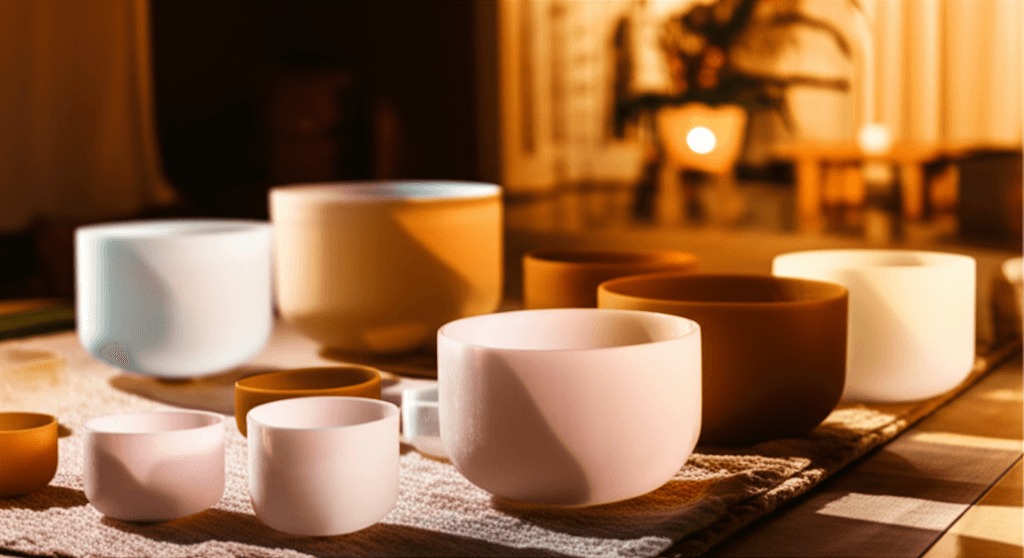
Specific instruments and techniques used at Soul Art often include crystal singing bowls, gongs, tuning forks, and specialized audio systems capable of delivering precisely modulated tones. For clients with hearing loss, sessions are meticulously adapted, often utilizing headphones for direct, controlled sound delivery that respects their auditory thresholds. The emphasis is on gentle, sustained tones and carefully composed soundscapes that encourage the brain's natural plasticity, rather than overwhelming it. This thoughtful application of sound is a hallmark of Larissa Steinbach's visionary work.
Your Next Steps: Embracing Auditory Wellness
Embarking on a journey of adapted sound healing is a personal step towards holistic well-being. If you or a loved one are navigating hearing loss or related auditory challenges, exploring complementary practices like sound wellness can be incredibly empowering. Remember, this is a path of support and enhancement, designed to work alongside any medical advice or treatments you may be receiving.
Here are a few actionable steps you can consider today:
- Consult Your Audiologist: Discuss your interest in complementary sound practices with your healthcare provider. Ensure you have a clear understanding of your specific hearing profile before exploring new wellness avenues.
- Research and Educate Yourself: Learn more about the science behind sound and hearing, and how gentle, adapted sound stimulation may support auditory processing and relaxation. The more informed you are, the more empowered your choices will be.
- Practice Mindful Listening: Begin to pay attention to the sounds around you in a non-judgmental way. Even subtle sounds can offer opportunities for connection and presence. This self-care practice can start to build a more positive relationship with your auditory environment.
- Explore Adapted Sound Experiences: Consider scheduling an introductory session at a reputable sound wellness studio like Soul Art. An experienced practitioner can guide you through a gentle, personalized experience tailored to your unique needs and sensitivities. This is an invitation to discover a new dimension of relaxation and sensory harmony.
In Summary: A Harmonious Path Forward
Hearing loss, while a significant challenge, does not preclude the pursuit of a rich and engaging auditory life. Adapted sound healing practices offer a thoughtful, complementary approach, grounded in the scientific understanding of brain plasticity and cellular stimulation. By delivering carefully calibrated and personalized sound experiences, this wellness modality may support improved auditory processing, help manage conditions like tinnitus and hyperacusis, and ultimately reduce stress.
At Soul Art, Larissa Steinbach and her team are dedicated to crafting these unique journeys, emphasizing gentle, tailored stimulation and profound relaxation. Through a "quiet luxury" approach, Soul Art invites individuals to explore a path where sound becomes a source of comfort, contributing to an enhanced sense of overall well-being. Reconnect with the subtle nuances of sound and discover a deeper state of harmony.
Bookings Coming Soon
Soul Art is still in preparation. Session details and booking will be published here after launch.
Coming Soon
Wellness Disclaimer: This article is for educational and informational purposes only. It does not constitute medical advice, diagnosis, or treatment. Soul Art Dubai provides non-medical wellness experiences focused on relaxation, stress management, and general wellbeing. Sound wellness is a complementary practice and should not replace professional medical care.
Related Articles
Downsizing: Navigating Life's Big Changes with Sound Wellness
Restless Legs Relief: Sound Wellness for Deeper Nighttime Comfort
Embracing Age with Inner Peace: Sound Wellness for Acceptance