Sound for Compassion Fatigue: Restoring Healthcare Workers at Soul Art
Key Insights
Discover how sound wellness and mindfulness at Soul Art, led by Larissa Steinbach, can help healthcare workers mitigate compassion fatigue and enhance resilience.
The unwavering dedication of healthcare workers is the bedrock of our communities, yet it often comes at a profound personal cost. Imagine daily encounters with trauma, suffering, and the relentless pressure of saving lives – a reality that can lead to a condition known as compassion fatigue. This emotional and physical exhaustion is a significant challenge, impacting not only the well-being of these vital professionals but also the quality of care they can provide.
At Soul Art, Dubai’s premier sound wellness studio, founded by the visionary Larissa Steinbach, we understand the immense burden carried by healthcare heroes. This article delves into the scientifically-grounded ways sound wellness may support healthcare workers in mitigating compassion fatigue, fostering resilience, and rekindling their inherent capacity for empathy. We invite you to explore a complementary path to profound restoration, designed to replenish the wellspring of their compassion.
The Silent Epidemic: Understanding Compassion Fatigue
Compassion fatigue is far more than just "burnout"; it is a specific form of emotional exhaustion and disengagement that arises from the continuous exposure to the suffering and trauma of others. Healthcare workers, especially those in high-stress environments such as psychiatric units and critical care, are identified as being at particularly high risk (Garnett et al., 2023). This pervasive issue can erode a professional’s ability to empathize and care, leading to a profound sense of depletion.
The literature consistently demonstrates that compassion fatigue is a significant concern for healthcare workers across various disciplines. Psychiatric nurses, for instance, face an elevated risk due to the intense emotional demands of their roles (Garnett et al., 2023). Furthermore, some research suggests that newer professionals in the field may report higher levels of compassion fatigue than their more experienced counterparts (Craig & Sprang, 2010; Moore & Cooper, 1996), highlighting a critical need for early support.
The insidious impact of compassion fatigue extends beyond emotional distress, often manifesting as physical and mental ailments. Studies indicate a strong association between higher levels of compassion fatigue and conditions such as anxiety, depression, chronic pain, migraines, hypertension, obesity, and insomnia. These interconnected challenges underscore the comprehensive toll that prolonged exposure to stress and trauma can take on a healthcare provider's overall well-being.
The consequences for both the individual and patient care are substantial. Compassion fatigue has been linked to reduced empathy, diminished job satisfaction, and an increased likelihood of errors in patient care. In critical care settings, where distressing events are commonplace, the psychological toll is exceptionally high, leading to heightened risks of mental health issues, including depression and anxiety. This creates a challenging cycle where the very desire to help can lead to a state of exhaustion, making it harder to continue providing optimal care.
The Physiological Impact of Chronic Stress
The human body's response to chronic stress, often experienced by healthcare workers, involves the activation of the sympathetic nervous system, our "fight or flight" response. This leads to an elevated heart rate, increased blood pressure, and the release of stress hormones like cortisol. While essential for acute threats, prolonged activation can deplete energy reserves and contribute to persistent feelings of anxiety and exhaustion.
This sustained physiological alert can disrupt the delicate balance of the nervous system, hindering the body’s natural ability to rest and repair. The constant exposure to alarm sounds in hospital environments, for example, has also been shown to escalate the risk of compassion fatigue, further compromising both nurse performance and patient care quality. Such environmental stressors add another layer to the complex challenge healthcare workers face.
The key to mitigating these effects lies in activating the parasympathetic nervous system, responsible for the "rest and digest" state. This system promotes relaxation, slows the heart rate, and aids in recovery. Intentional practices that engage this system are crucial for rebuilding resilience and counteracting the physical manifestations of compassion fatigue.
Sound: A Bio-Hacking Tool for Resilience
Emerging research highlights the profound capacity of sound to influence our physiological and psychological states, offering a complementary approach to stress management. Specific frequencies, rhythms, and vibrations generated by sound instruments can gently guide the brain into states associated with deep relaxation and meditative awareness. These are often characterized by shifts into alpha and theta brainwave patterns, moving away from the high-alert beta waves often experienced during stress.
Mindfulness-based interventions, which often incorporate sound, have been shown to reduce compassion fatigue among healthcare professionals (Tripathi & Mulkey, 2023). These practices help individuals cultivate a non-judgmental awareness of the present moment, allowing them to observe their emotional responses without being overwhelmed. The rhythmic and resonant nature of sound serves as a powerful anchor for this present-moment awareness.
Studies specifically exploring the impact of music and sound interventions on healthcare workers offer promising insights. Research indicates that structured music listening combined with relaxation techniques can lead to a significant reduction in burnout and compassion fatigue. Other findings reveal that music-related activities may reduce secondary traumatic stress, depression, insomnia, and loneliness, while increasing self-compassion and self-awareness (PMC, Music, 2022). These findings underscore sound’s potential as a multifaceted tool for holistic wellness.
Chanting, a form of vocal sound production, has been associated with significant reductions in stress hormones such as serum cortisol and salivary alpha-amylase (PMC, Music, 2022). This physiological response demonstrates how sound can directly impact the body's stress chemistry. Furthermore, even classical music experienced through virtual reality has shown promise in significantly reducing burnout among healthcare workers (PubMed, VR, 2022).
These wellness practices are not merely about temporary relief; they are about cultivating psychological resilience. Resilience is an essential resource, enabling nurses and other healthcare professionals to cope with patients’ pain and needs more effectively, minimizing the negative impacts of emotional exhaustion. Hospitals that actively create environments conducive to enhancing psychological resilience, through offerings such as meditation rooms and positive thinking meditation training, contribute significantly to their staff's sustained well-being (Springer, 2025). Sound wellness, in this context, becomes a powerful, accessible tool for fostering this vital inner strength.
The Embodied Experience of Sound Wellness
Stepping into a sound wellness session, particularly one at Soul Art, is an invitation to shed the burdens of the outside world and surrender to a unique sensory journey. Clients are typically invited to lie down comfortably, often on a mat or cushion, in a serene, dimly lit space. The journey begins with gentle guidance, focusing on breathwork to calm the mind and prepare the body for deeper relaxation.
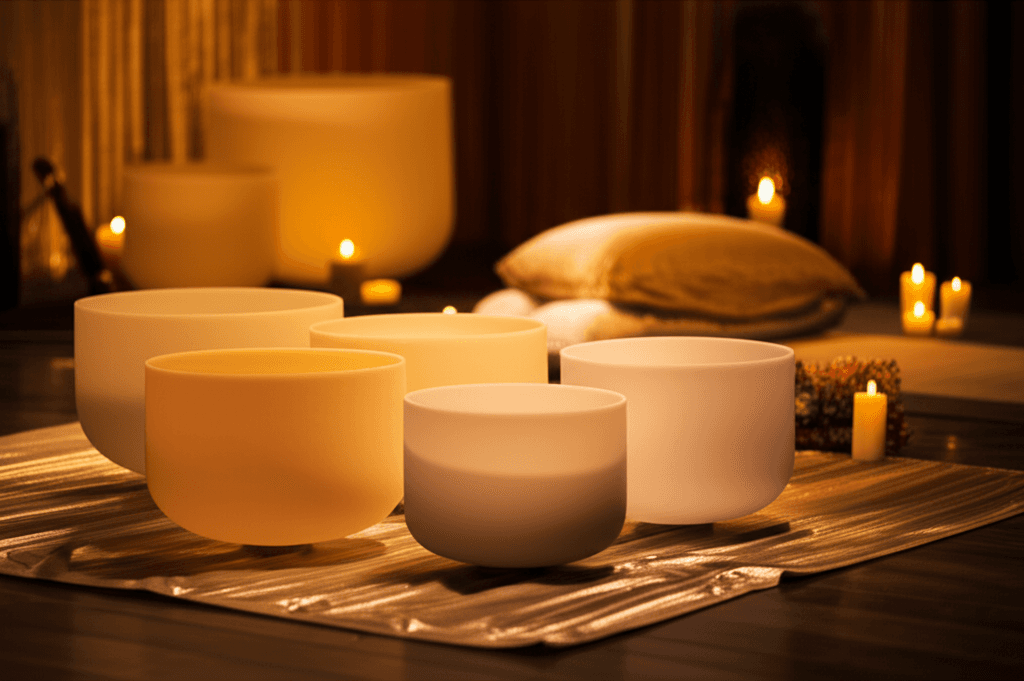
What unfolds next is a carefully curated soundscape, created by skilled practitioners like Larissa Steinbach. Instruments such as Himalayan singing bowls, crystal bowls, gongs, and chimes are played around and sometimes even on the body. These instruments produce rich, harmonic vibrations that are not just heard but profoundly felt, resonating through every cell. The sound waves create a palpable sensation, often described as a gentle massage from within.
The experience is deeply immersive and multi-sensory. The enveloping sound acts as a natural anchor for the mind, drawing attention away from intrusive thoughts and external stressors. Many people report a profound sense of peace, a feeling of weightlessness, and a release of tension that has been held deep within their physical and emotional bodies. This deep relaxation helps facilitate the shift from a hyper-vigilant state to one of profound calm.
During a session, the brain's activity often naturally transitions from alert beta waves to calmer alpha and theta states. This shift may support a reduction in mental chatter, facilitating a state similar to deep meditation. This allows for restoration, fostering a sense of inner quietude that can be incredibly therapeutic for those constantly exposed to high-stress environments and the demanding nature of their work.
The practice of sound wellness offers a powerful conduit for self-compassion and present moment awareness, which are critical for mitigating the effects of compassion fatigue. By creating a safe space for deep rest and internal exploration, these sessions may support the processing of emotional exhaustion and secondary traumatic stress. This unique form of self-care provides a vital opportunity for healthcare workers to replenish their reserves, enhancing their personal accomplishment and ability to connect with patients from a place of renewed strength.
Soul Art: Curating Well-being for the Dedicated
At Soul Art, Larissa Steinbach’s philosophy is rooted in a holistic and evidence-informed approach to well-being, specifically designed to address the profound needs of professionals experiencing high levels of stress. Larissa brings a compassionate understanding of the challenges faced by healthcare workers, offering a sanctuary where true restoration can begin. The Soul Art method is not merely a service; it is a meticulously crafted experience aimed at nurturing the 'whole person'.
What makes the Soul Art method truly unique is its thoughtful integration of ancient wisdom with contemporary scientific understanding of sound and vibration. Larissa Steinbach curates each soundscape with intention, blending the resonant frequencies of Himalayan singing bowls, the pure tones of crystal bowls, the powerful vibrations of gongs, and the subtle harmonics of tuning forks. These instruments are chosen for their specific therapeutic properties, creating a deeply immersive and transformative journey.
The environment at Soul Art in Dubai is intentionally designed to be a haven of tranquility, a stark contrast to the often chaotic and demanding settings healthcare workers navigate daily. Every detail, from the ambient lighting to the comforting textures, contributes to an atmosphere of quiet luxury and profound safety. This allows participants to fully let go, trusting in the expert guidance of Larissa and the supportive energy of the space.
Larissa's approach emphasizes personalized care, recognizing that each individual's experience of compassion fatigue is unique. While group sessions offer a shared healing experience, the underlying intention is always to create a space for personal revelation and release. The tailored sound journeys aim to gently guide the nervous system into a state of deep relaxation, fostering the conditions necessary for self-healing and emotional regulation.
Soul Art's offerings are a vital complementary approach for healthcare workers seeking to mitigate the effects of compassion fatigue, emotional exhaustion, and secondary traumatic stress. By providing a consistent, supportive space for deep rest and sonic immersion, Larissa Steinbach empowers these dedicated professionals to replenish their inner resources, fostering greater psychological resilience and sustaining their invaluable capacity for compassion.
Cultivating Sustained Well-being: Actionable Insights
Integrating practices that support mental and emotional well-being is not a luxury for healthcare workers; it is an absolute necessity. Proactive self-care is a powerful defense against compassion fatigue and its pervasive effects. These actionable steps can be woven into daily life, offering continuous moments of restoration and self-connection.
Here are some practical tips to begin cultivating greater well-being today:
- Mindful Micro-Breaks: Throughout your demanding day, take 1-2 minutes to focus solely on your breath. Inhale deeply, hold for a few seconds, and exhale slowly. This simple practice can reset your nervous system and bring you back to the present moment.
- Curated Sound Moments: Create a short playlist of calming instrumental music or nature sounds. Listen with headphones during breaks or commutes, allowing the sounds to wash over you and provide a brief mental escape.
- Prioritize Sleep Hygiene: Establish a consistent bedtime routine. Create a calming environment in your bedroom, free from screens, and consider incorporating soft, ambient sounds or white noise to aid in falling asleep and staying asleep.
- Connect with Nature: Even a short walk outdoors, focusing on the sights and sounds of nature, can be incredibly grounding. Green spaces and natural light have been associated with reduced stress and improved mood.
- Engage in Self-Compassion Practices: Be kind to yourself. Acknowledge the immense challenges you face and offer yourself the same understanding and care you so readily provide to others. Simple affirmations can be powerful tools.
Embracing these small, consistent steps can make a profound difference in building long-term resilience and fostering a more sustainable career. Remember, your well-being is not just important for you; it enhances your ability to serve others.
Bookings Coming Soon
Soul Art is still in preparation. Session details and booking will be published here after launch.
Coming Soon
Embracing a Path to Renewed Compassion
Compassion fatigue is a silent, yet significant, burden carried by countless healthcare workers, impacting their physical, emotional, and professional lives. Acknowledging this challenge is the first step towards fostering a culture of well-being and sustained care. Sound wellness emerges as a powerful, scientifically-backed, and deeply restorative complementary approach to support these dedicated individuals.
"The true measure of a society lies in how it cares for its caregivers. By nurturing their well-being, we ensure the strength and compassion that holds our world together."
Through the intentional application of therapeutic sound, practices like those offered by Larissa Steinbach at Soul Art may support the reduction of stress hormones, enhance psychological resilience, and facilitate profound relaxation. This unique approach provides a vital avenue for healthcare workers to process the emotional tolls of their profession, renew their sense of purpose, and replenish their capacity for empathy. Soul Art invites all healthcare heroes to discover this path to holistic well-being, fostering a renewed sense of balance and sustained compassion.
Wellness Disclaimer: This article is for educational and informational purposes only. It does not constitute medical advice, diagnosis, or treatment. Soul Art Dubai provides non-medical wellness experiences focused on relaxation, stress management, and general wellbeing. Sound wellness is a complementary practice and should not replace professional medical care.
Related Articles
Sound Resilience for First-Time Managers: Thrive as a New Leader

Harmonizing Global Teams: Sound Healing for Time Zone Stress
Transforming Workplace Conflict: Sound for Team Harmony