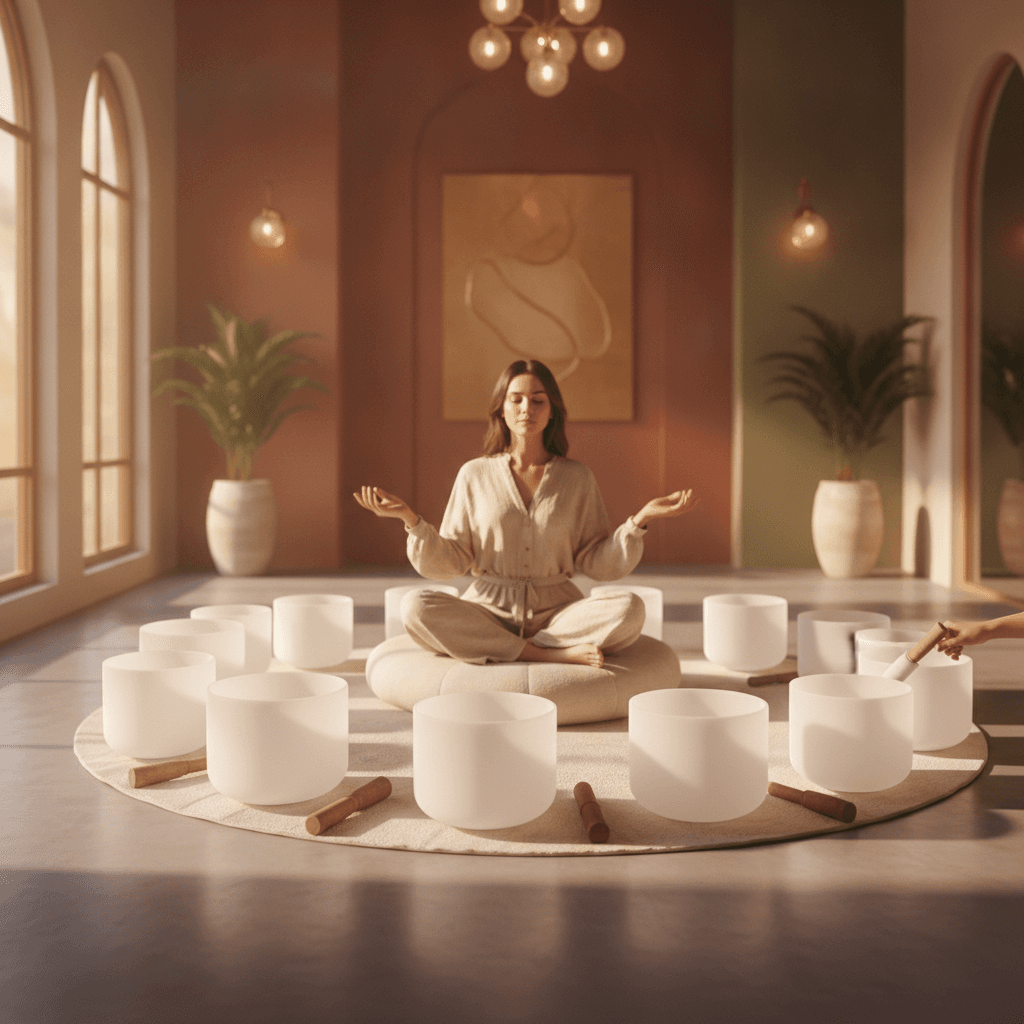
Sound Bath Pacing: The Gentle Art of Nervous System Safety
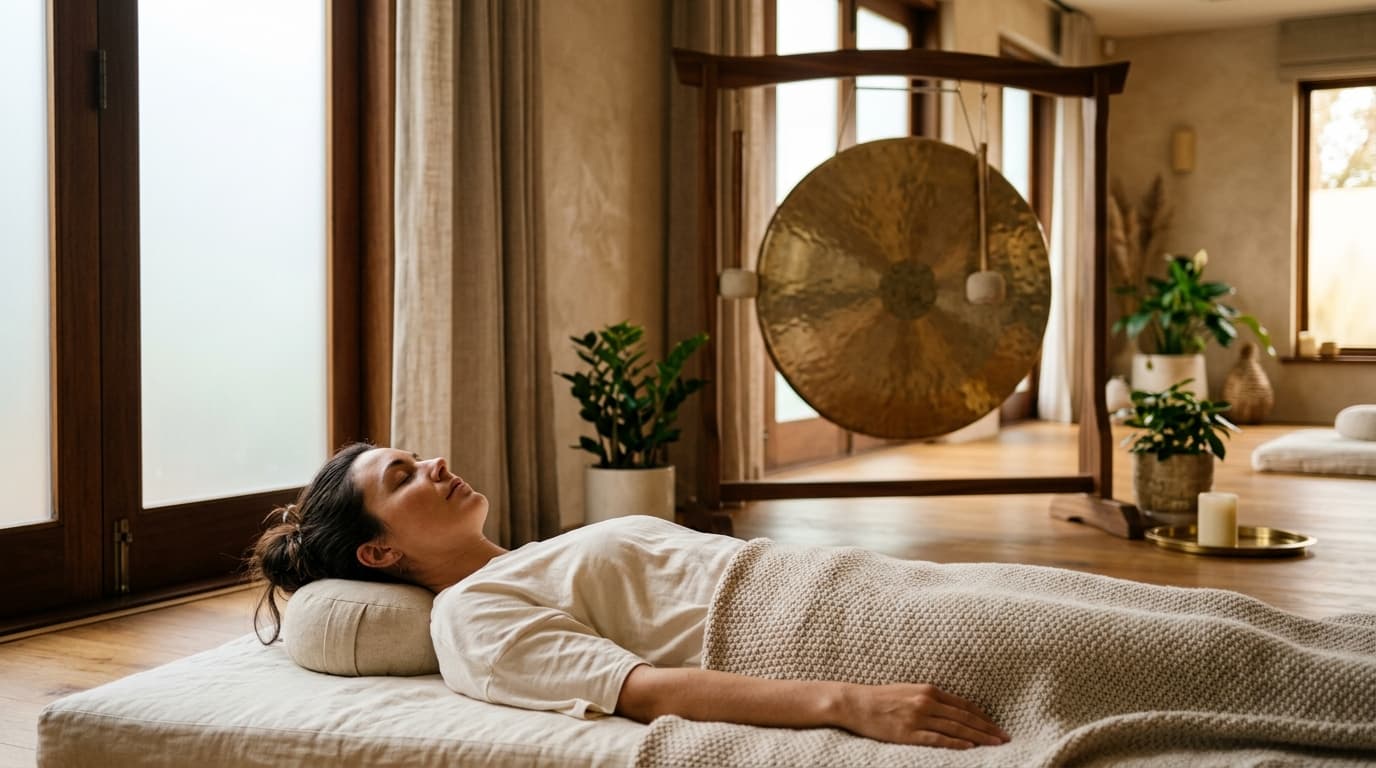
Key Insights
Discover how intentional pacing in sound baths, championed by Larissa Steinbach at Soul Art Dubai, optimizes nervous system regulation, reduces stress, and fosters deep relaxation. Learn the science behind gentle sound transitions.
The Gentle Rhythm: Unlocking Nervous System Safety in Sound Baths
Imagine closing your eyes, ready to surrender to a sound bath, only to be met with an abrupt surge of overwhelming vibrations. While sound baths are widely celebrated for their profound relaxation benefits, the way sound is delivered is paramount to their efficacy and safety. Could the subtle art of pacing be the unsung hero in unlocking true nervous system regulation?
This article delves into the crucial role of intentional sound bath pacing, exploring the scientific principles that govern our body's response to vibration. We will uncover how thoughtful transitions, strategic pauses, and a deep understanding of human physiology can transform a mere sound experience into a deeply restorative journey for your nervous system. Prepare to discover why gentle, nuanced soundscapes, championed by experts like Larissa Steinbach at Soul Art Dubai, are not just pleasant, but scientifically essential for optimal well-being.
The Neuroscience of Sound: A Symphony for Your System
The calming effect of a well-facilitated sound bath is far from mystical; it is deeply rooted in how sound vibrations interact with our intricate nervous system. Preliminary and growing evidence supports sound bath therapy as a safe, low-risk tool for reducing subjective stress and promoting relaxation. These physiological shifts contribute significantly to reported improvements in mood and overall well-being.
Autonomic Nervous System Regulation
Sound, particularly low-frequency, repetitive sounds and predictable rhythms, can promote parasympathetic activation, often referred to as the "rest-and-digest" response. This crucial shift helps to lower heart rate and can significantly improve heart rate variability (HRV), a key indicator of stress resilience. Studies using HRV reveal that sound meditation increases parasympathetic activation by stimulating the vagus nerve and supporting diaphragmatic breathing patterns, thereby reducing sympathetic overactivity.
Concurrently, sound healing can help reduce levels of cortisol, the body’s primary stress hormone. A 2016 study at the University of California demonstrated that after just 20 minutes of singing bowl meditation, participants exhibited significantly lower cortisol levels and heart rates. This activation of the parasympathetic nervous system helps individuals transition from states of stress to calm, fostering an environment conducive to healing.
Brainwave Modulation and Entrainment
Meditative states are intrinsically linked to shifts in our brainwave patterns, most notably an increase in alpha and theta band activity. Sound-mediated meditation and guided listening are shown to increase alpha and theta power, which correlates with relaxed alertness, enhanced creativity, and reduced rumination. Our brains operate at different frequencies, corresponding to various states of mind:
- Beta: Alert and focused
- Alpha: Relaxed and creative
- Theta: Deep meditation or dreaming
- Delta: Deep sleep
Research, including a study in Frontiers in Human Neuroscience, indicates that rhythmic auditory stimulation can entrain brainwaves to targeted frequencies. This allows the brain to transition from high-stress beta states into calmer alpha or theta states, associated with profound relaxation and reduced anxiety.
Vibrational Mechanics and Cellular Response
Sound vibrations are not merely perceived by our ears; they permeate our entire being, influencing a myriad of bodily systems. These acoustic waves travel through the body, affecting the vestibular system (responsible for balance), the vagus nerve (a key regulator of stress and emotional balance), and even our cellular structures. Research from Stanford Medicine suggests that acoustic waves can penetrate deep into body tissues, influencing everything from blood pressure to emotional processing centers in the brain.
Every organ and system within the body vibrates at its own unique frequency, and sound healing leverages the principle of resonance. When exposed to external sounds—such as the deep hum of a gong or the shimmering tones of a crystal bowl—the body's systems can begin to mirror these frequencies, helping to reset into a state of harmony. For instance, studies indicate that frequencies between 40–150 Hz can stimulate the vagus nerve, further promoting regulation and reducing anxiety.
Hormonal Harmony
Beyond immediate neurological shifts, sound healing also impacts our biochemical landscape. Listening to harmonic sounds has been associated with an increase in serotonin and dopamine, the brain’s natural feel-good chemicals, which may explain why many individuals report feelings of peace or even euphoria post-session. Multiple studies also show that oxytocin levels increase, fostering feelings of connection and well-being.
These hormonal shifts, coupled with the reduction in cortisol, create an optimal physiological state for deep relaxation and mental clarity. The cumulative effect is a profound sense of well-being and a gentle restoration of the body's natural balance, fostering emotional and psychological benefits.
The Art of Pacing: Guiding the Nervous System to Safety
The efficacy of a sound bath hinges not just on the instruments used, but critically, on the pacing of the experience. The way sound unfolds profoundly impacts how our nervous system responds, dictating whether we enter a state of deep relaxation or, paradoxically, heightened anxiety. This thoughtful orchestration is key to nervous system safety.
Gradual Immersion and Intentional Transitions
A hallmark of a high-quality sound bath is its gradual entry into sound. Rather than an abrupt start, a skilled facilitator introduces sounds gently, allowing the nervous system to acclimate without triggering a threat response. Research in sound therapy and music therapy highlights that predictability and gradual progression play a significant role in how the brain responds. Sudden, aggressive, or chaotic sound can activate the sympathetic nervous system (our stress response), while gradual, rhythmic, and coherent sound actively supports parasympathetic activation.
A well-designed sound bath features natural rises and falls in intensity, creating a dynamic yet reassuring soundscape. These intentional transitions prevent overwhelm, guiding the brainwave shifts towards those alpha and theta states associated with deep relaxation and meditative awareness. The objective is immersion without saturation, ensuring the sound feels supportive rather than intrusive.
The Power of Silence and Integration
One of the most profound, yet often underestimated, components of sound healing is silence. The misconception that a powerful sound bath must be continuously loud or saturated with sound often misses the therapeutic potential of intentional pauses. Neuroscience research on auditory processing reveals that the brain integrates sound most effectively when there are moments of quiet.
These strategic moments of silence allow the nervous system to recalibrate, process the auditory input, and seamlessly shift into deeper parasympathetic states. It is in these quiet spaces that the body truly integrates the vibrational experience, consolidating the benefits and fostering a more profound sense of inner calm. Silence acts as a crucial reset button, allowing the profound effects of the sound to settle.
Facilitator Expertise and Acoustic Awareness
A truly effective sound bath is profoundly influenced by the facilitator's expertise and their acute acoustic awareness. A good facilitator listens as much as they play, continuously adjusting volume and tempo based on the energetic subtleties of the space and the collective nervous system. They prioritize nervous system regulation over sheer intensity, understanding that not all gongs produce the same physiological effect and selecting instruments for their tonal balance, not just their volume.
This level of discernment extends to frequency layering rather than constant saturation, and a keen awareness of room acoustics and resonance. The facilitator's ability to create a safe, predictable, and responsive sonic environment ensures that the sound experience is deeply nourishing and avoids any potential for overstimulation, allowing for a deeply personalized journey of release and restoration.
Addressing Potential Sensitivities
While sound baths are generally considered safe, it is vital to acknowledge that intense sensory experiences can sometimes trigger anxiety in sensitive individuals. Those with sensory processing disorders, autism spectrum conditions, or general anxiety disorders may find unpredictable sound progression overwhelming. Clinical observations indicate that individuals with trauma histories might experience hypervigilance or panic responses if deep, sudden sounds activate their nervous system’s threat detection mechanisms.
This underscores the critical importance of a facilitator who prioritizes careful pacing and creates an environment of perceived safety. Acknowledging these potential sensitivities allows for a more inclusive and therapeutic experience for all, ensuring that the sound journey is one of comfort and calm, not distress.
"Sound doesn't just enter your ears… It rewires your nervous system. The careful guidance of sound through thoughtful pacing is akin to a gentle hand guiding the nervous system back to its natural state of balance."
Larissa Steinbach's Philosophy at Soul Art: Precision in Sound Wellness
At Soul Art, Dubai's premier sound wellness studio, Larissa Steinbach embodies the philosophy that precision in sound delivery is paramount to genuine well-being. Her approach to sound bath pacing is meticulously crafted, moving beyond mere musical performance to a scientifically informed practice that prioritizes nervous system safety and deep regulation. Larissa understands that the goal isn't just to play sounds, but to orchestrate an experience that allows the body to gently unwind and restore itself.
What makes the Soul Art method truly unique is Larissa Steinbach's commitment to creating a bespoke sound journey for each session, deeply rooted in the principles of mindful pacing. She carefully curates soundscapes that feature gradual entries, intentional builds, and, crucially, moments of therapeutic silence, allowing for profound integration. This "Quiet Luxury" approach ensures that every vibration, every pause, contributes to a holistic sense of calm and safety, fostering an environment where the nervous system can truly exhale.
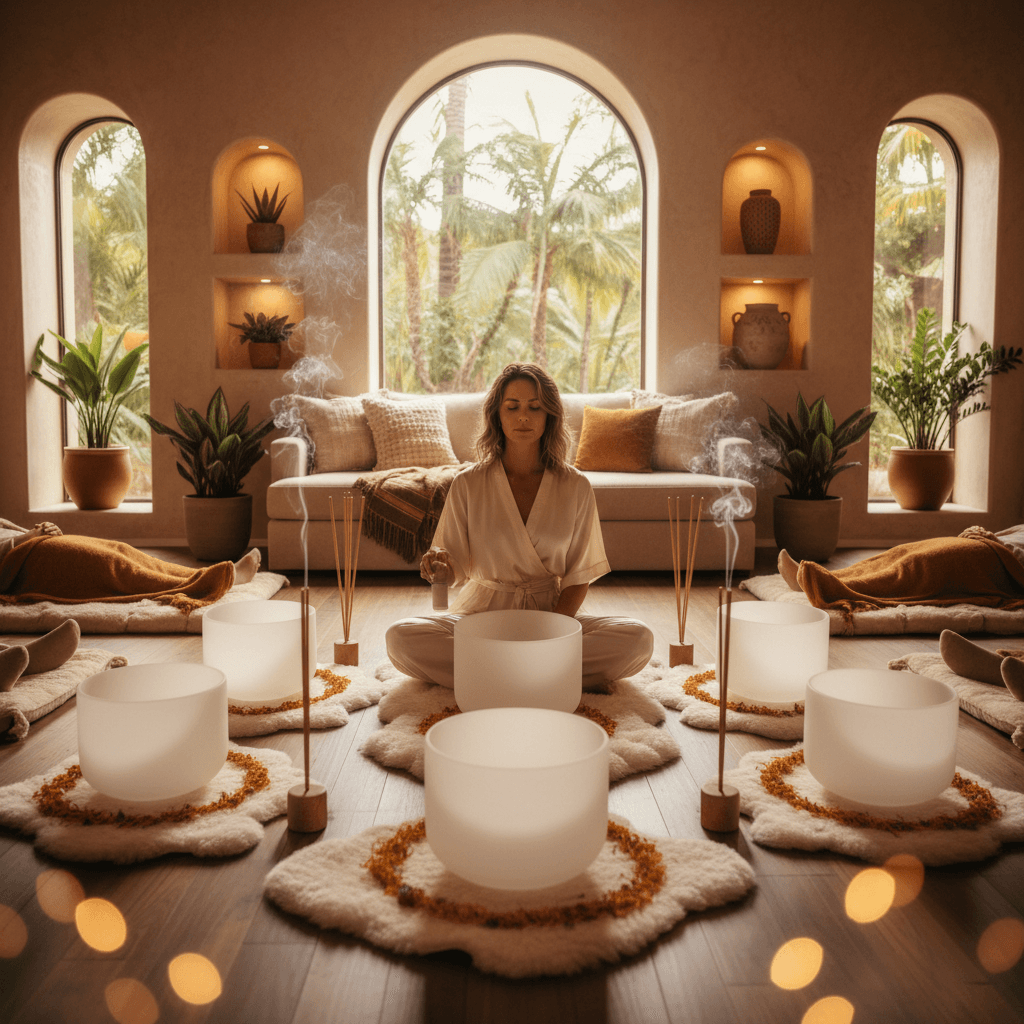
Soul Art employs a carefully selected array of instruments—from resonant gongs and crystal singing bowls to specific tuning forks—each chosen for its unique vibrational quality and therapeutic potential. However, it is Larissa's expert hand in how these instruments are played, their volume precisely controlled, and their frequencies layered with exquisite sensitivity, that elevates the experience. Her focus is always on creating an immersive field of sound that invites relaxation without ever overwhelming, making Soul Art a sanctuary for nervous system restoration in the heart of Dubai.
Cultivating Calm: Practical Steps for Nervous System Support
Embracing the wisdom of sound bath pacing can extend beyond the studio, empowering you to integrate principles of nervous system safety into your daily life. These actionable steps can help you maintain the harmonious balance cultivated during a sound session and build greater resilience to stress.
- Practice Mindful Listening: Pay attention to the sounds around you, noticing their texture, rhythm, and intensity. Consciously seek out sounds that are gentle and predictable, and observe how your body responds to them.
- Integrate Intentional Pauses: Just as silence is crucial in a sound bath, incorporate brief moments of quiet into your busy day. Step away from screens, close your eyes, and simply be in the absence of external stimulation, allowing your nervous system to recalibrate.
- Curate Your Sonic Environment: Be conscious of the music or sounds you allow into your personal space. Opt for slower, calmer music with long tones or natural soundscapes that support relaxation and reduce overstimulation, particularly when feeling stressed.
- Engage with Your Breath: Synchronize your breath with gentle, rhythmic sounds, a practice known as rhythmic entrainment. Deep, diaphragmatic breathing naturally activates the parasympathetic nervous system, enhancing the calming effects of sound.
- Set Clear Intentions: Before engaging with any sound-based practice, whether a formal sound bath or personal meditative listening, set a clear intention for what you wish to release or invite. This mindful approach amplifies the potential for positive outcomes.
Ready to experience the profound benefits of expertly paced sound wellness? Larissa Steinbach and the team at Soul Art invite you to explore a journey of deep relaxation and nervous system restoration.
In Summary: The Harmonious Balance of Pacing and Presence
The efficacy of sound baths in promoting profound relaxation and nervous system regulation hinges significantly on the art of pacing. It’s the intentional sequencing of sounds, the gentle transitions, and the strategic embrace of silence that truly allows the body to shift into a state of safety and repair. Scientific evidence underscores how precise pacing can modulate brainwaves, regulate the autonomic nervous system, and balance stress hormones, transforming a sound experience into a powerful tool for well-being.
By understanding and prioritizing these nuanced elements, practitioners like Larissa Steinbach at Soul Art Dubai ensure that each session is not merely a collection of sounds but a meticulously crafted journey designed to soothe and restore. This thoughtful approach minimizes overwhelm, maximizes therapeutic potential, and provides a safe sanctuary for individuals seeking to cultivate deep calm and resilience. Experience the transformative power of expertly paced sound wellness and rediscover your inner harmony.
Bookings Coming Soon
Soul Art is still in preparation. Session details and booking will be published here after launch.
Coming Soon
Wellness Disclaimer: This article is for educational and informational purposes only. It does not constitute medical advice, diagnosis, or treatment. Soul Art Dubai provides non-medical wellness experiences focused on relaxation, stress management, and general wellbeing. Sound wellness is a complementary practice and should not replace professional medical care.
Related Articles
Beyond Hearing: Sound Waves & Your Body's Inner Boundaries at Soul Art
Breath Holding & Sound: Releasing Guarded Patterns at Soul Art Dubai
Reclaim Vitality: Soft Sound Practices for Fatigue & Collapse