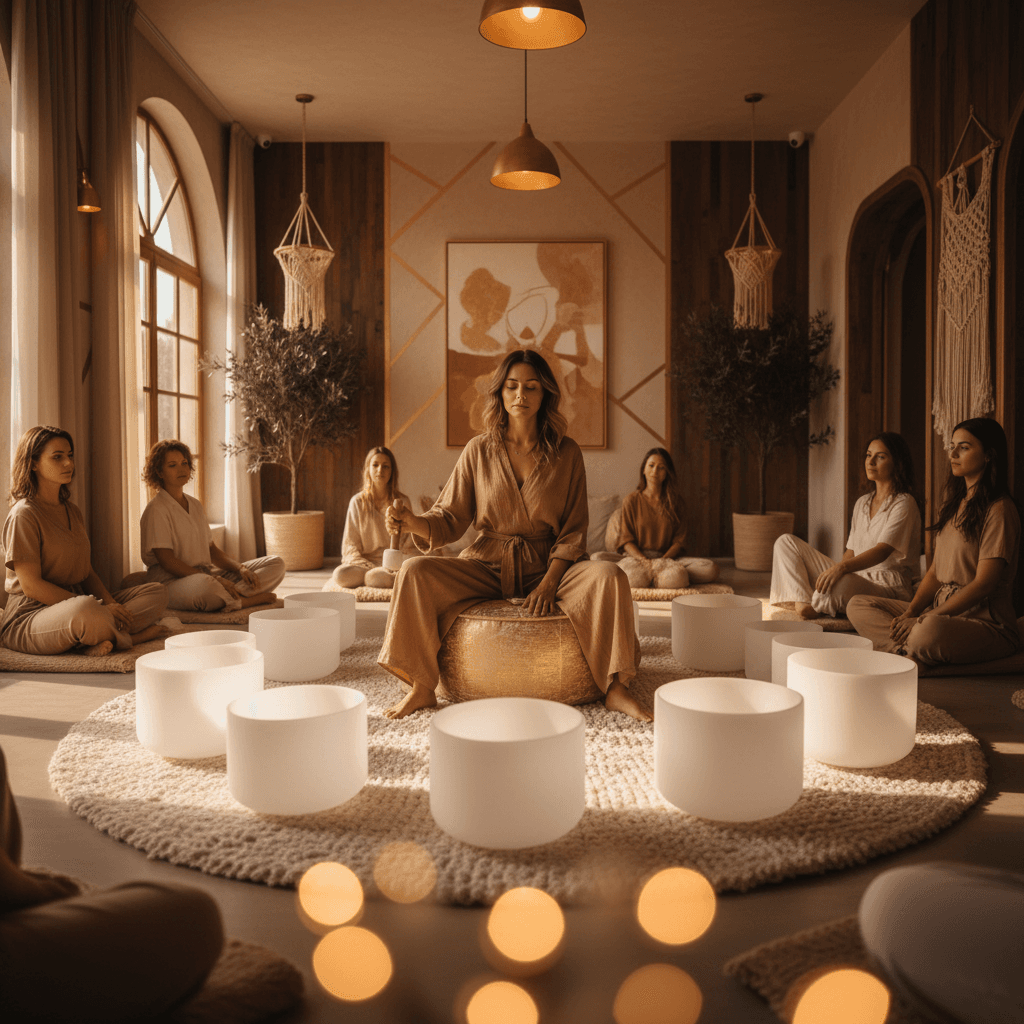
Sound Healing for Children's Grief: A Path to Gentle Healing
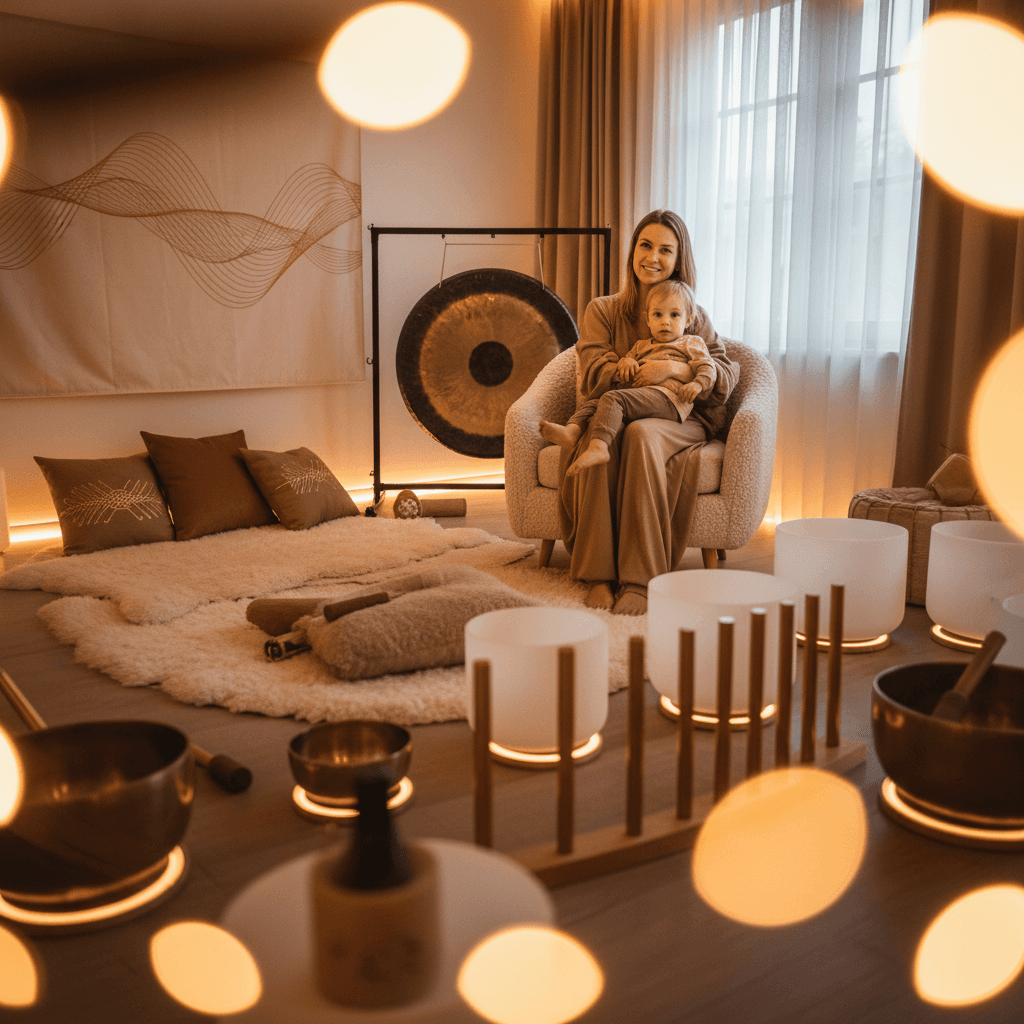
Key Insights
Explore how sound healing at Soul Art Dubai offers a unique, gentle path for children to process loss and find comfort. Led by Larissa Steinbach.
Grief in Children: Sound Healing for Loss
What if the deepest comfort for a child navigating the labyrinth of loss wasn’t found in words, but in vibrations? Grief, an intensely personal and often isolating journey, presents unique challenges when experienced by children. Their developing minds and emotional landscapes can struggle to articulate the overwhelming sensations of sorrow, confusion, and fear that accompany the loss of a loved one. Understanding and supporting children through this profound experience is not merely an act of kindness; it is a critical investment in their long-term emotional wellbeing.
At Soul Art, Dubai's premier sound wellness studio, founded by Larissa Steinbach, we explore how sound healing may offer a profoundly gentle and effective complementary approach for children experiencing grief. This article delves into the intricate science behind sound's capacity to soothe the nervous system, facilitate emotional release, and support a child's natural healing process. We will uncover how specific sound modalities can create a safe, non-verbal sanctuary where young hearts can find solace amidst sorrow.
Through deep scientific analysis and practical insights, you'll learn why sound wellness is becoming an increasingly recognized tool for supporting bereaved youth. We aim to provide parents and caregivers with a fresh perspective and actionable steps to help their children navigate loss with greater resilience and peace, fostering post-traumatic growth. This holistic wellness practice focuses on creating an environment of emotional safety and gentle exploration.
The Science Explained
The experience of grief, particularly in children, is a complex interplay of neurological, physiological, and emotional responses. Recent research continues to refine our understanding of grief reactions and the diagnostic criteria for grief disorders in this vulnerable population. There's a growing recognition of the need for developmentally appropriate measures and interventions to support bereaved youth. Sound healing, as a complementary approach, works by engaging the body’s innate capacity for self-regulation and emotional processing through vibrational frequencies.
The Physiological Impact of Sound
Sound, at its core, is vibration. When these vibrations interact with the human body, they can induce profound physiological changes. The brain, in particular, is highly responsive to auditory stimuli. Studies on sound experiences, including those involving singing bowls, indicate that exposure to calming frequencies may significantly alter brainwave patterns. Typically, our brains operate in beta waves during alert, active states. During a sound wellness session, there is a hypothesis that brain activity can shift towards more relaxed states, such as alpha (relaxed wakefulness), theta (deep relaxation, meditation), or even delta waves (deep sleep, restoration).
This shift in brainwave activity is crucial for stress reduction. When a child is grieving, their nervous system may be in a constant state of hyperarousal, often stuck in a fight-or-flight response. Gentle sound vibrations, particularly from instruments like crystal singing bowls or gongs, can stimulate the vagus nerve, which plays a central role in regulating the parasympathetic nervous system – our "rest and digest" system. Activating this system helps to lower heart rate, reduce muscle tension, and decrease the production of stress hormones like cortisol. This physiological down-regulation creates a foundational state of calm, making it easier for the child's body and mind to begin processing their experience. The impact of binaural beats, often subtly present in the rich overtones of multiple singing bowls, further contributes to this deep relaxation by encouraging brainwave entrainment towards calmer frequencies.
Emotional Processing and Expression
One of the significant challenges for grieving children is the difficulty in verbalizing their complex emotions. Research consistently highlights the limitations of purely verbal approaches for assessing and supporting grief in this population, noting that children often lack the vocabulary or cognitive maturity to express the depth of their feelings. Creative art modalities, including music and sound, offer alternative pathways for emotional expression.
Music therapy research underscores the power of music creation, such as group songwriting activities, in facilitating processes associated with healthy grieving. While much of this research focuses on young adults, the underlying principle of using creative mediums to externalize internal experiences is highly relevant for children. Sound healing provides a non-directive medium where children do not need to "talk about" their grief directly unless they choose to. Instead, the immersive soundscape may act as a container for their emotions. The vibrations can help release trapped energy associated with sadness, anger, and anxiety, allowing for a natural, unforced emotional catharsis. As one study on vocal sounding and healing suggests, this process can assist in moving from inhibited to uninhibited vocal sounding and emoting, reflecting a deeper release.
Neuroplasticity and Healing
The brain’s ability to reorganize itself by forming new neural connections, known as neuroplasticity, is a key component of healing from trauma and loss. While intense grief can impact a child’s developing brain, positive and supportive interventions can foster resilience and promote adaptive coping mechanisms. Consistent exposure to calming and harmonizing sound frequencies, particularly when experienced in a safe and nurturing environment, may gently encourage the brain to build pathways associated with peace and security.
This process is not about erasing the memory of loss but about integrating the experience in a way that allows for growth. The concept of "posttraumatic growth," observed in children attending bereavement camps where creative activities like sandtray worlds facilitate support, suggests that even profound loss can lead to new understandings and strengths. Sound wellness, by consistently promoting states of deep relaxation and emotional release, may support the neurological and psychological foundations for such growth. It helps to regulate the stress response, creating conditions where a child can feel safe enough to process their grief, thereby potentially fostering new emotional and cognitive coping strategies.
How It Works in Practice
Bringing the scientific understanding of sound into a tangible, supportive experience for a grieving child requires a compassionate and skilled approach. At Soul Art, we translate these principles into practical sessions designed to meet children where they are, offering a gentle hand through the power of vibration. The sessions are carefully curated to provide a safe, nurturing, and non-intrusive environment.
Creating a Safe Sonic Sanctuary
The first and most critical step in supporting a grieving child through sound is establishing an atmosphere of absolute safety and trust. Children experiencing loss are often highly sensitive and may feel insecure or overwhelmed by their emotions. At Soul Art, our studio spaces are designed to be tranquil havens, free from external distractions and sensory overload. Gentle lighting, comfortable seating, and a warm, inviting ambiance immediately signal a space of quietude and acceptance.
The sound practitioner, particularly Larissa Steinbach, approaches each child with empathy and understanding, explaining the process in child-friendly terms that demystify the experience without trivializing their feelings. There is no pressure to engage in any particular way, allowing the child to simply be with the sounds. This non-judgmental container is essential for allowing children to drop their guard and simply absorb the healing frequencies.
The Journey Through Vibration
Once the child feels comfortable, the sound journey begins. Instruments like Himalayan singing bowls, crystal bowls, gongs, chimes, and ocean drums are carefully selected for their rich, resonant tones and their ability to produce a wide spectrum of frequencies. These sounds are not simply played; they are experienced. The gentle, sustained vibrations permeate the space, resonating not just through the ears but through the entire body.
As these sounds wash over them, many children report a profound sense of relaxation and calm. The vibrations may help to dissolve physical tension, quiet an overactive mind, and provide a focal point that distracts from intrusive thoughts of sadness or worry. The brainwave shift towards alpha and theta states allows for deep rest and a sense of detachment from immediate distress. This can be especially beneficial for children who struggle with sleep disturbances or heightened anxiety due to their grief. The experience is often described as a soothing bath for the soul, allowing for a gentle release without the need for verbal expression.
Empowering Non-Verbal Expression
Perhaps one of the most powerful aspects of sound healing for children's grief is its capacity to facilitate non-verbal emotional processing. While structured music therapy often involves active creation like songwriting, passive sound immersion allows children to process their emotions inwardly, at their own pace. They don't need to find the "right words" or explain their feelings, which can be immensely freeing for young individuals grappling with ineffable sorrow.
"Sometimes, the deepest expressions of grief and the most profound steps towards healing happen not through words, but through the silent resonance of the heart in response to sound."
The sounds create a dynamic auditory landscape that can mirror, hold, and eventually transform internal emotional states. A child might experience a wave of sadness during a particular tone, followed by a sense of peace as the sound shifts. This organic process allows them to acknowledge and integrate their feelings without feeling overwhelmed. For children who find it challenging to articulate their pain, sound offers a voice—a way to express and experience their grief in a safe, contained, and therapeutic manner. This can support the child in finding their unique way of coping and moving towards healthy grieving, fostering an internal sense of support much like the sandtray worlds in bereavement camps.
The Soul Art Approach
At Soul Art, Larissa Steinbach and her team are dedicated to providing a distinct and deeply empathetic approach to sound wellness, particularly for sensitive populations like grieving children. Our methodology is rooted in a profound understanding of the interconnectedness of mind, body, and spirit, combined with a commitment to creating an individualized healing journey for each participant.
Larissa Steinbach's expertise lies in her intuitive ability to select and orchestrate a symphony of therapeutic instruments, tailoring each session to the child's specific needs and comfort levels. She incorporates a rich array of sounds, including the deep, grounding tones of Himalayan singing bowls, the expansive, ethereal resonance of crystal bowls, the vibrational intensity of gongs, and the gentle whispers of chimes and shakers. This diverse sound palette allows for a multi-layered experience that can address various emotional and physiological states.
What makes the Soul Art method unique is its holistic framework. We understand that grief manifests differently in every child, requiring a flexible and compassionate response. Our sessions are not merely about playing sounds; they are about creating an intentional energetic container where healing can unfold naturally. Larissa often begins with gentle guided breathwork, encouraging children to ground themselves before immersing them in the sonic landscape. This helps regulate the nervous system from the outset, enhancing receptivity to the sound vibrations.
Furthermore, Larissa Steinbach places a strong emphasis on post-session integration. While children may not articulate their experiences verbally in detail, subtle shifts in their demeanor, improved sleep, or a newfound sense of calm are observed. Parents and caregivers receive gentle guidance on how to continue fostering a supportive environment at home, reinforcing the benefits of the sound experience. This might include recommending calming music, encouraging quiet reflection, or simply providing a space for open, non-pressured communication. The Soul Art approach is not just a single session; it’s an invitation to embark on a sustained journey towards emotional balance and resilience. It's a testament to the power of complementary wellness practices in supporting complex emotional landscapes.
Your Next Steps
Supporting a grieving child is a profound act of love, and exploring diverse avenues for comfort and healing is a testament to that care. If you believe sound wellness might offer a gentle pathway for your child to navigate their loss, there are several practical steps you can consider today.
- Observe and Listen: Pay close attention to your child's non-verbal cues. Are they more withdrawn, restless, or showing changes in sleep or appetite? Understanding their unique way of expressing grief is the first step.
- Create a Calming Environment: Incorporate quiet moments into their day. This could involve listening to gentle, calming music, reading together in a peaceful setting, or simply allowing for unstructured play in a serene space.
- Explore Complementary Wellness Practices: Research and consider practices like sound healing, gentle yoga, or art therapy that offer non-verbal avenues for emotional expression and stress reduction. These can be powerful additions to any support system.
- Communicate Openly (Without Pressure): Let your child know it’s okay to feel sad, angry, or confused. Reassure them that you are there for them, whether they want to talk, cuddle, or simply sit in silence.
- Consider a Consult: If sound wellness resonates with you, reach out to a reputable studio like Soul Art. A preliminary discussion can help you understand how a tailored sound experience could benefit your child specifically.
Remember, every child's grief journey is unique. Offering a variety of supportive tools and practices can empower them to process their loss in a way that feels natural and safe, fostering their inherent capacity for healing and growth.
In Summary
Grief in children is a nuanced and deeply personal experience that requires compassionate, multi-faceted support. Sound healing, as practiced at Soul Art under the guidance of Larissa Steinbach, offers a powerful, non-invasive complementary approach. By gently shifting brainwave patterns, activating the parasympathetic nervous system, and providing a non-verbal channel for emotional release, sound vibrations may help children find deep relaxation, process complex feelings, and cultivate resilience. This unique wellness practice creates a safe sanctuary where young hearts can begin to heal, fostering emotional balance and supporting their journey towards post-traumatic growth. We invite you to explore the profound potential of sound to bring solace and serenity to your child during times of loss.
Bookings Coming Soon
Soul Art is still in preparation. Session details and booking will be published here after launch.
Coming Soon
Wellness Disclaimer: This article is for educational and informational purposes only. It does not constitute medical advice, diagnosis, or treatment. Soul Art Dubai provides non-medical wellness experiences focused on relaxation, stress management, and general wellbeing. Sound wellness is a complementary practice and should not replace professional medical care.
Related Articles
Moving Home: How Sound Wellness Supports Child Adaptation
Sound Wellness for Sibling Adjustment: Nurturing Family Harmony

Teen Identity & Sound: Self-Discovery for Adolescents at Soul Art Dubai