Enhance Focus & Homework Productivity with Sound Wellness
Key Insights
Discover how scientifically-backed soundscapes and music can transform focus and concentration for homework. Learn Larissa Steinbach's Soul Art approach.
In a world brimming with digital distractions and constant demands, maintaining deep focus, especially for tasks like homework or study, can feel like an increasingly elusive superpower. How many times have you or someone you know settled down to concentrate, only to find attention drifting within minutes? What if the very medium we often associate with distraction – sound – could, when harnessed correctly, become our most powerful ally in achieving sustained concentration and enhancing learning?
At Soul Art, Dubai’s premier sound wellness studio, we believe in unlocking this potential. This article will delve into the compelling science behind how specific sounds and carefully crafted auditory environments can significantly improve focus, reduce stress, and ultimately transform the way we approach demanding cognitive tasks. We'll explore evidence-based strategies, connect theory to practical application, and reveal how Larissa Steinbach and the Soul Art team guide individuals toward a more centered, productive learning experience through bespoke sound wellness.
The Science of Sound: Unlocking Cognitive Potential
The idea that sound can influence our mental state is not new; ancient cultures have long used sound for healing and meditation. Modern science, however, is now rigorously quantifying these effects, revealing sophisticated mechanisms by which auditory input interacts with our brain to modulate focus and concentration. This understanding forms the bedrock of effective sound wellness practices.
Personalized Soundscapes vs. General Music
Recent research highlights a significant distinction in the effectiveness of different types of auditory stimuli. A study examining the effect of audio on human focus in at-home environments found that personalized, engineered soundscapes were remarkably effective at increasing participant focus levels. Listeners of these tailored soundscapes experienced a meaningful increase in focus, on average, within just 2.5 minutes, a stark contrast to music playlists which took approximately 15 minutes to achieve a similar appreciable increase.
This impactful difference underscores the power of intentional sound design. The study also revealed that the audio's effect on focus was task-dependent, with soundscapes being most beneficial for participants who were actively working. This suggests that a willful orientation of attention toward specific tasks may create a brain context especially suited to modification by precisely designed audio. Furthermore, evidence suggests that natural sounds and certain classical music genres have also been associated with benefits for learning and concentration.
Crucially, the research emphasizes that there is a large variance in how individuals respond to sound. This variation, particularly observed across different age groups, indicates that while all sounds might increase focus for younger audiences, the effect might be less pronounced or non-existent for older individuals. This points to the critical role of personal preferences in maximizing the potential improvements offered by audio, making a personalized approach highly valuable.
The Brain's Response: Reducing Stress and Enhancing Concentration
Sound, when used strategically, can act as a powerful tool to positively impact key cognitive functions. Scientific research indicates that the right kind of music or soundscape can stimulate brain areas involved in concentration and memory. This enhancement of focus is often achieved by decreasing the impact of external noise distractions, reducing anxiety levels, and promoting a mental state conducive to absorbing information.
One of the primary ways sound supports focus is by helping to reduce stress and anxiety. The pressures of demanding cognitive tasks, such as homework, can often lead to feelings of overwhelm. Listening to music with a soothing rhythm may help to lower cortisol levels, the body's primary stress hormone. Lower stress levels, in turn, can foster clearer thinking and potentially enhance the long-term retention of important concepts, allowing individuals to approach their studies with a calm and focused mind.
Beyond stress reduction, certain auditory inputs can directly enhance concentration. Some studies have highlighted that background music, specifically instrumental and carefully structured pieces, can stimulate cognitive performance. This acts as a catalyst, encouraging the mind to resolve intricate problems or digest complex content more easily. Research into "work flow" music, characterized by instrumental compositions without lyrics or sudden melodic changes, found that it could boost both listeners' mood and productivity. After just 10 minutes of listening, it was also associated with a decrease in anxiety, proving to be a winning formula for keeping spirits high and attention focused during demanding tasks. This approach stands in contrast to personal preference-driven music, which, while enjoyable, may not always be optimal for cognitive performance, with some studies even suggesting that performance in silence can sometimes be superior to listening to preferred music.
The Power of Specific Frequencies and Sound Characteristics
The efficacy of sound for focus extends to specific characteristics of sound, including frequency. An intriguing area of study involves binaural beats, which are created when two different sound frequencies are played simultaneously, one in each ear, leading the brain to perceive a "new", third sound frequency. These frequencies, measured in Hertz (Hz), can be designed to support various states, from sleep and relaxation to enhanced focus and concentration.
For instance, studies have shown that listening to 15Hz binaural beats during a working memory task can increase response accuracy by approximately three percent over a five-minute period. This suggests that specific binaural beat frequencies may effectively support working memory performance, offering a unique avenue for cognitive enhancement during study sessions.
It is also vital to consider the characteristics of sounds that can disrupt attention. Auditory events that are salient (personally significant), unexpected (like a door slamming), or deviant from the ongoing auditory context (such as a sudden change in a speech stream) have a strong potential to capture attention. Children, in particular, may be more susceptible to sound-induced distraction due to their developing attentional control. Furthermore, even seemingly quiet environmental elements, such as low-frequency noise (LFN) emitted by computers, printers, and air conditioning systems (often between 50-70 dB in office settings), have been linked to impacts on attentional functioning and concentration. Understanding these nuances allows for the creation of sound environments that not only introduce beneficial elements but also actively mitigate disruptive ones.
How It Works in Practice
Translating the science of sound into practical, everyday benefits involves understanding how these principles manifest in a real-world setting, whether it’s a dedicated sound wellness session or a mindful approach to a home study environment. The goal is to create an auditory backdrop that doesn't just passively exist but actively supports cognitive functions and emotional regulation.
In practice, leveraging sound for focus begins with an appreciation for its dual potential: to both minimize distractions and amplify concentration. Imagine sitting down to tackle a challenging assignment. Instead of battling ambient household noises or the mental chatter that often accompanies procrastination, you engage with a carefully chosen soundscape. This soundscape might feature personalized frequencies, gentle natural sounds, or instrumental compositions designed to envelop your auditory field without demanding explicit attention. The absence of lyrics or sudden changes in melody is critical here, ensuring the sound acts as a subtle guide rather than a new source of distraction.
The experience is often described as feeling enveloped, as if the sounds are gently guiding the mind to a state of quiet alertness. The soothing rhythms may help to reduce the body's physiological stress responses, creating a sense of calm that allows for clearer thinking. Simultaneously, specific frequencies and harmonic textures can stimulate brain regions associated with sustained attention and memory, creating an ideal mental state for absorbing information and tackling complex problems. This isn't about blocking out the world, but rather about creating an internal sanctuary where cognitive resources can be fully deployed.
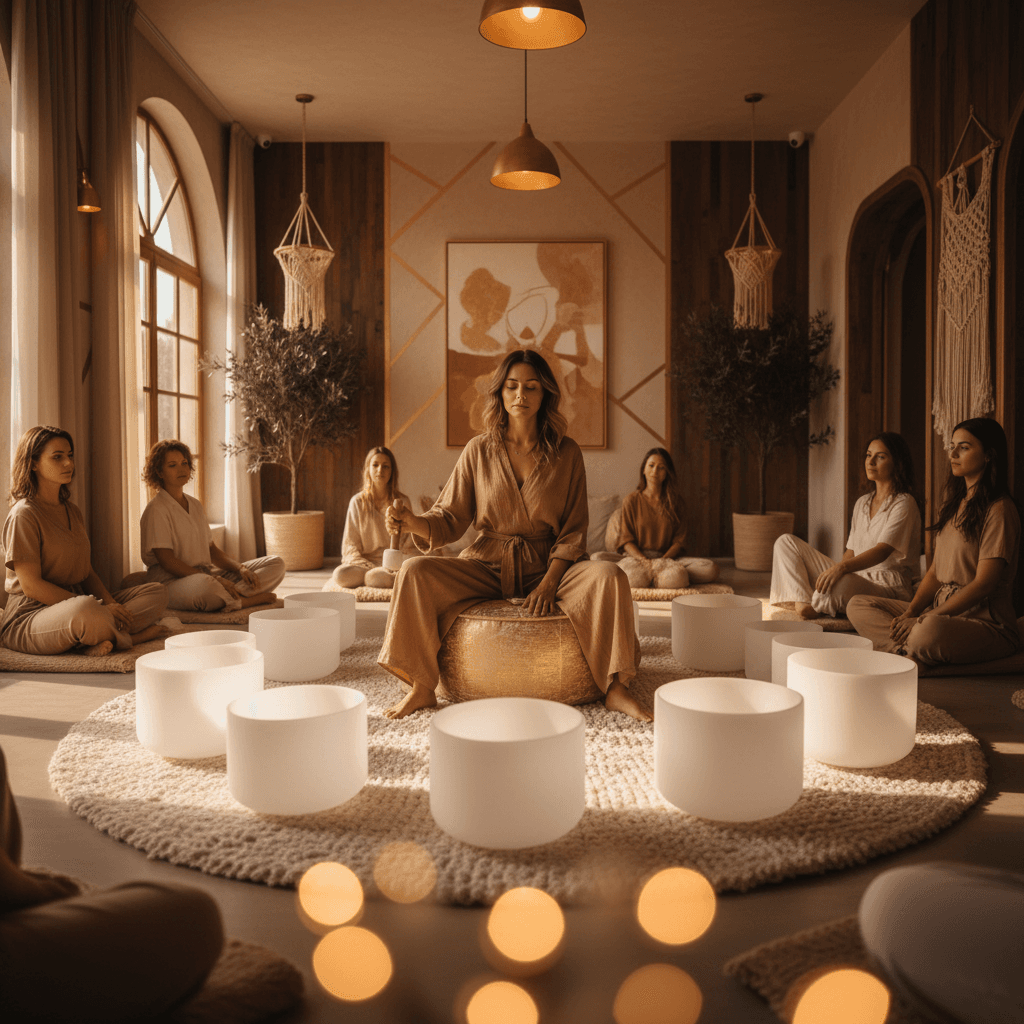
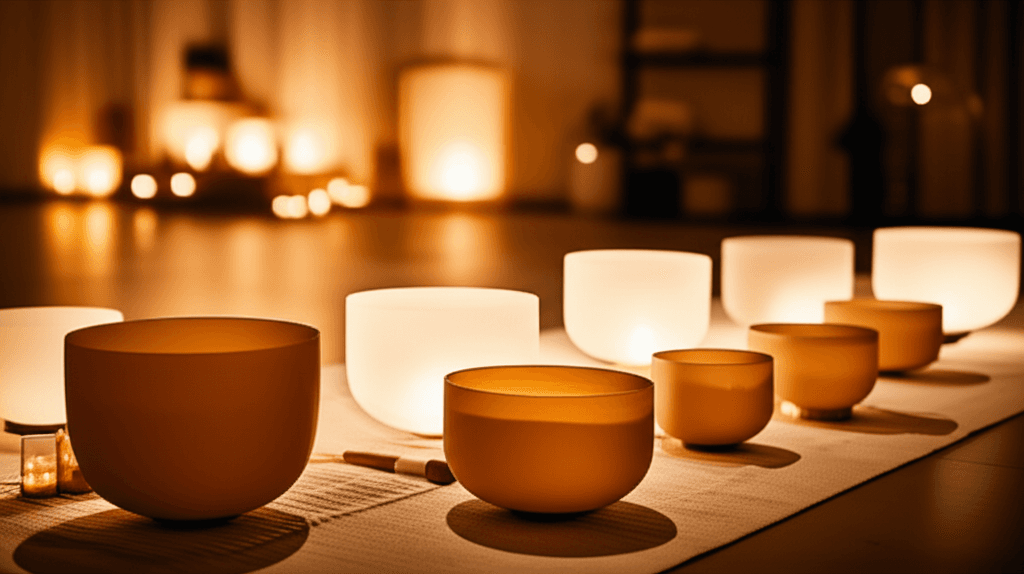
Sensory details play a crucial role in this practical application. You might experience the subtle, resonant hum of singing bowls or the delicate shimmer of chimes, which can gently anchor your attention. The vibrations from these instruments are not just heard but felt, potentially promoting a deeper state of relaxation and mental clarity. This holistic engagement of the senses contributes to a sense of endurance and resilience, helping individuals sustain focus over longer periods without succumbing to fatigue or overwhelm. While the benefits can be profound, it’s important to remember that there's no single "magic" sound for everyone. The journey involves individual experimentation to discover what truly resonates and optimizes one's unique cognitive landscape, aligning perfectly with the research that highlights the importance of personal preference.
"The right sound doesn't just fill silence; it sculpts a space for the mind to thrive, transforming distraction into direction and effort into effortless focus."
The Soul Art Approach
At Soul Art, Larissa Steinbach and her team bring a refined and scientifically informed approach to sound wellness, meticulously crafting experiences designed to enhance focus and concentration for life's many demands, including academic and professional pursuits. Our methodology is rooted in the understanding that true well-being comes from a holistic balance, and sound offers a powerful, yet gentle, pathway to achieving that equilibrium. This bespoke approach embodies the "quiet luxury" ethos, offering a sophisticated and deeply personal journey.
The Soul Art method begins with an individual consultation, recognizing the critical role of personal preference highlighted in scientific studies. We understand that a one-size-fits-all solution is ineffective, especially when addressing the nuanced complexities of human focus. Based on this, Larissa Steinbach and our certified practitioners curate personalized soundscapes, which are significantly more effective than general music playlists for sustained attention. These custom sound environments are designed to resonate uniquely with each client's specific needs and goals, aligning with research that shows tailored audio yields superior results for focus and concentration.
Our sessions often incorporate a blend of specific instruments and sophisticated sound technologies. Clients may experience the deep, enveloping tones of Nepalese singing bowls, the subtle vibrations of tuning forks precisely calibrated to particular frequencies, or the expansive resonance of gongs. We also integrate elements like carefully composed instrumental music, similar to the "work flow" music found to boost mood and productivity, ensuring there are no lyrics or abrupt changes that might divert attention. For those exploring deeper cognitive enhancement, we may introduce specific binaural beat frequencies, such as those around 15Hz, which research suggests can support working memory performance.
The intention behind every Soul Art session is to create an auditory sanctuary that actively mitigates external distractions and internal mental clutter. By fostering a serene yet alert brain context, our sound experiences may support the reduction of stress hormones, allowing for clearer thinking and enhanced cognitive engagement. It's about empowering the mind to achieve a state of deep focus, resilience, and sustained productivity, making challenging tasks like homework or intensive study not just manageable, but genuinely enriching. Through the thoughtful application of sound science, Larissa Steinbach ensures that Soul Art provides not just an escape, but a potent tool for personal and academic advancement.
Your Next Steps
Integrating sound wellness into your daily routine, particularly for focus and concentration, is a journey of discovery and personalization. Armed with scientific insights, you can begin to experiment with sound to support your homework and study habits. Here are some actionable steps you can implement today to start harnessing the power of sound for enhanced focus:
- Experiment with Personalized Soundscapes: Move beyond generic playlists. Seek out or create instrumental soundscapes that are free of lyrics and sudden melodic shifts. Pay attention to how natural sounds (rain, ocean waves) or ambient tones influence your concentration. Consider apps or platforms that offer personalized sound generation or curated "work flow" music designed for focus.
- Explore Binaural Beats: If you're looking to specifically support working memory and concentration, research and try listening to binaural beats, particularly those around 15Hz. Many streaming platforms offer dedicated playlists for focus that incorporate these frequencies. Ensure you listen with headphones for the optimal effect.
- Create a Conducive Auditory Environment: Be mindful of existing noise. Identify and minimize sources of low-frequency noise from appliances. If complete silence isn't possible, use intentional sound (like white noise or nature sounds) to mask distracting background chatter, rather than adding to the auditory clutter.
- Observe and Journal Your Responses: Since individual preferences are paramount, make it a practice to note what types of sounds genuinely enhance your focus and what might be distracting. Keep a simple journal of your experiences, noting the type of sound, the duration, and how it affected your concentration and mood during your study sessions.
- Prioritize Conscious Listening: Rather than just having sound as background noise, engage with it mindfully. Allow the sounds to gently guide your attention, helping to quiet internal chatter and anchor you in the present moment. This conscious engagement can deepen the beneficial effects and help you better discern what truly works for you.
Bookings Coming Soon
Soul Art is still in preparation. Session details and booking will be published here after launch.
Coming Soon
In Summary
The journey to enhanced focus and concentration, especially for demanding tasks like homework, is significantly enriched by understanding and applying the science of sound. Research unequivocally points to the power of personalized soundscapes, specific frequencies like binaural beats, and carefully curated instrumental music to reduce stress, mitigate distractions, and stimulate cognitive functions. This evidence-backed approach offers a profound way to optimize our mental environment for learning and productivity.
At Soul Art, Larissa Steinbach champions a bespoke sound wellness experience, tailoring auditory environments to individual needs and preferences. Our mission is to empower you to unlock your full cognitive potential, fostering a state of deep, calm concentration that translates into improved academic performance and overall well-being. Embrace the transformative power of sound and discover a more focused, resilient self.
Wellness Disclaimer: This article is for educational and informational purposes only. It does not constitute medical advice, diagnosis, or treatment. Soul Art Dubai provides non-medical wellness experiences focused on relaxation, stress management, and general wellbeing. Sound wellness is a complementary practice and should not replace professional medical care.
Related Articles
Moving Home: How Sound Wellness Supports Child Adaptation
Sound Wellness for Sibling Adjustment: Nurturing Family Harmony

Teen Identity & Sound: Self-Discovery for Adolescents at Soul Art Dubai