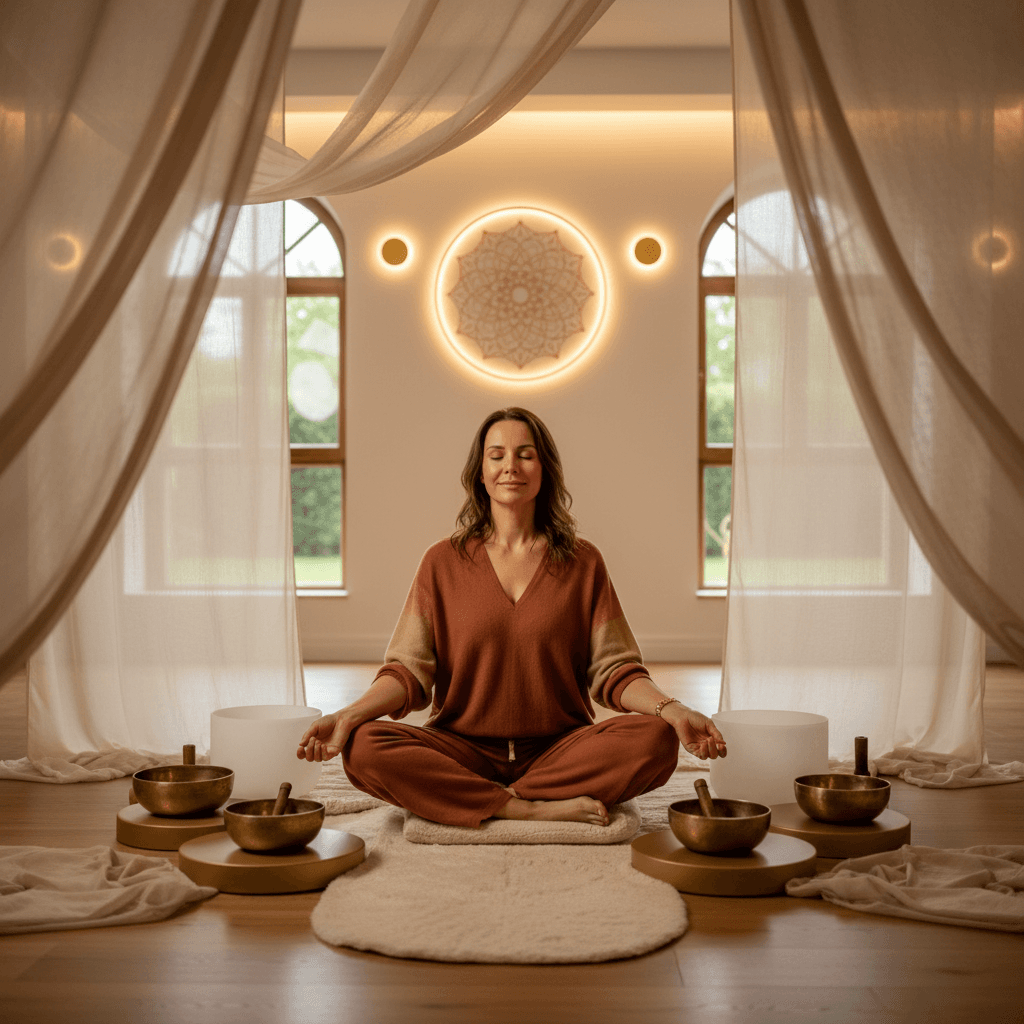
Sound for Travel Fatigue: A Flight Attendant's Path to Well-being
Key Insights
Explore how sound wellness offers flight attendants a unique path to mitigate travel fatigue, circadian disruption, and stress at Soul Art Dubai.
The Invisible Burden: Flight Attendant Fatigue
Imagine a profession that demands unwavering vigilance, exceptional service, and constant adaptation, all while navigating multiple time zones, fluctuating cabin pressures, and persistent background noise. This is the reality for flight attendants, the unsung heroes of the skies. While their smiles are ever-present, an invisible burden often accompanies them: travel fatigue.
This comprehensive article delves into the unique challenges faced by flight attendants and explores how sound wellness, a scientifically-grounded practice, may offer a profound solution for restoration and rejuvenation. We'll uncover the physiological roots of fatigue and reveal how the therapeutic frequencies at Soul Art, founded by Larissa Steinbach, can help mitigate its effects, fostering a deeper sense of well-being. Prepare to discover how sound can transform your approach to self-care in a demanding career.
The Science Explained: Unpacking Flight Attendant Fatigue
Flight attendant fatigue is far more complex than simple tiredness; it’s a multifaceted phenomenon influenced by biological, environmental, and occupational factors. Research consistently highlights several key contributors that profoundly impact their physical and mental health. Understanding these underpinnings is crucial to appreciating the potential benefits of complementary wellness practices like sound healing.
Circadian Disruption and Sleep Debt
One of the most significant challenges is the constant disruption of the body’s natural circadian rhythm. Flight attendants frequently cross time zones, leading to circadian desynchrony, where their internal biological clock falls out of sync with external light-dark cycles (Nesthus et al., 2007). This misalignment can severely impact sleep quality and quantity.
Accumulated sleep loss becomes a significant sleep debt towards the end of a workweek, leading to increased sleepiness and reduced cognitive function (Roehrs et al., 2000). Despite the importance of rest, flight attendants often report poor sleep and feeling emotional pressures, especially during multiple-day trips. This chronic lack of restorative sleep can impair their ability to perform duties safely, with surveys indicating that a high percentage believe fatigue affects their safety performance (Brown, 2009).
High Workload Demands and Physical Strain
Beyond sleep issues, the physical demands of the job contribute substantially to fatigue. Flight attendants experience high workload demands, with studies showing that a significant majority report this as a primary factor (Morley-Kirk & Griffiths, 2003). This includes constant movement, with on-duty walking distances often exceeding off-duty distances, directly correlating with duty day length and reported fatigue (Hagihara, Tarumi, & Nobutomo, 2001).
Short-duration flights, surprisingly, can be particularly fatiguing due to intense, repeated service demands (Galipault, 1980). This relentless physical activity, combined with cognitive load, contributes to both physical exhaustion and mental weariness, underscoring the need for effective recovery strategies.
The Impact of Noise Exposure
The aircraft cabin environment is inherently noisy, and this constant exposure has significant, often underestimated, fatiguing effects. Noise levels in aircraft cabins can exceed 70 dB(A) during cruising and often surpass 80 dB(A) during takeoff and landing (Heow Pueh Lee et al.). While pilots are directly addressed in FAA advisories regarding noise, cabin crew are similarly exposed.
Studies have shown that the fatiguing effects of noise are increased in individuals who are mentally active rather than resting (FAA AC 91-35). Chronic exposure to such levels can not only contribute to fatigue but also impact overall well-being and potentially lead to long-term issues like reduced hearing sensitivity (FAA AC 91-35) and increased anxiety (HYENA study, PMC). The body's constant effort to filter or adapt to persistent noise adds a hidden layer of stress.
How Sound Wellness May Offer Support
Sound wellness, through practices like sound baths, operates on a profound physiological level, offering a unique counter-response to these stressors. The carefully curated frequencies and vibrations aim to:
- Promote Deep Relaxation: Therapeutic sounds can guide brainwave states from active beta waves to calmer alpha and theta waves, associated with deep relaxation and meditative states. Some studies suggest that specific frequencies may even facilitate delta wave states, which are crucial for restorative sleep.
- Activate the Parasympathetic Nervous System: The gentle, resonant sounds encourage the body to shift from the "fight or flight" (sympathetic) response to the "rest and digest" (parasympathetic) response. This helps reduce stress hormones like cortisol, lower heart rate, and regulate breathing.
- Support Circadian Rhythm Reset: By promoting deep, quality relaxation and potentially improving sleep onset and duration, sound baths may assist the body in gradually recalibrating its natural sleep-wake cycles, offering a complementary strategy for managing circadian disruption.
- Mitigate Noise Overload: Immersing oneself in intentional, harmonious sound can offer a powerful contrast to the chaotic, often jarring, noise of daily life and air travel. This can give the auditory system a break and provide a restorative sonic environment.
"The subtle yet powerful vibrations of sound bypass the analytical mind, gently guiding the body and spirit into states of profound rest and self-restoration, a much-needed sanctuary for those constantly in motion."
These mechanisms collectively aim to address the multifaceted nature of flight attendant fatigue, offering a holistic avenue for renewal and resilience.
How It Works in Practice: The Sound Experience
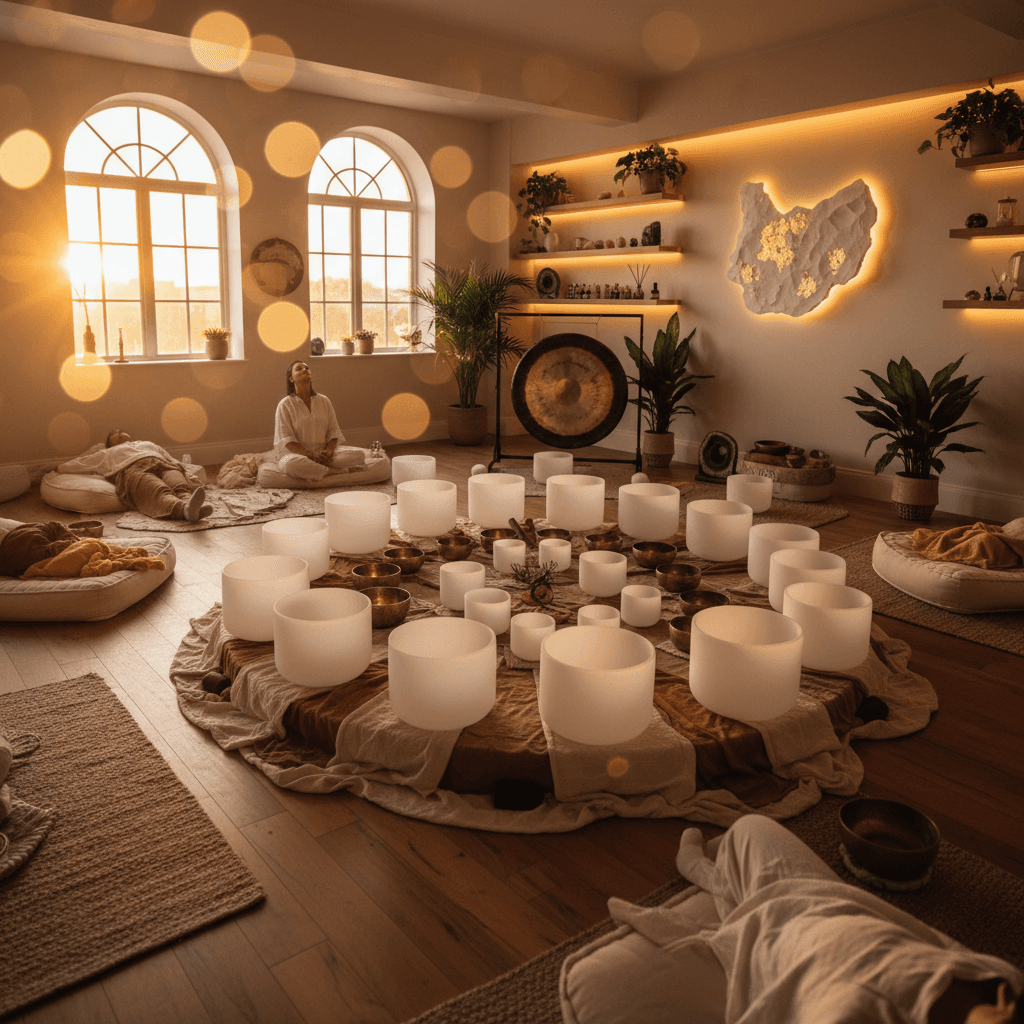
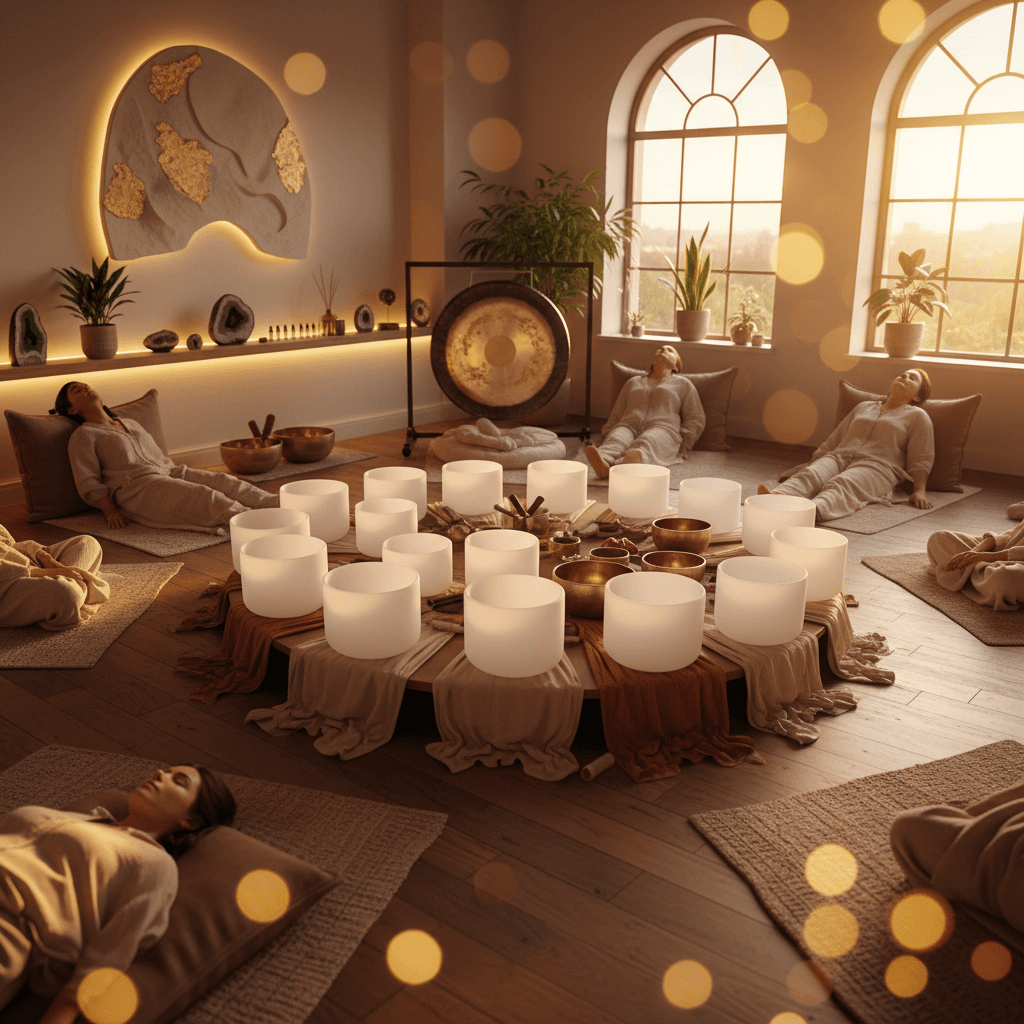
Stepping into a sound wellness session is a departure from the sensory overload of an airport or airplane cabin. It's an invitation to a serene environment where carefully selected instruments create an immersive sonic landscape. For flight attendants accustomed to constant stimulation, this practice can be uniquely transformative.
Imagine lying comfortably, enveloped in soft blankets, as the pure, resonant tones begin. The sounds are not just heard; they are felt. Vibrations from instruments like crystal singing bowls, gongs, and chimes ripple through the air and through your body, creating a subtle, internal massage. This somatic experience helps to release tension held deep within muscles and fascia, often accumulated from long hours of standing and moving.
As the sound washes over you, the mind naturally begins to quiet. The constant mental chatter, the endless checklists, the worries about schedules and passenger needs, gradually recede. Many people report a sensation of floating or deep grounding, as if their nervous system is being gently recalibrated. The intricate interplay of frequencies may support the brain in shifting into a more relaxed state, fostering a sense of peace and mental clarity that can be elusive amidst the demands of travel. Clients often emerge feeling lighter, more centred, and deeply rested, having found a moment of profound stillness in their ever-moving world.
The Soul Art Approach: Larissa Steinbach's Unique Vision
At Soul Art Dubai, Larissa Steinbach brings a distinctive blend of scientific understanding and intuitive artistry to sound wellness. Her approach is rooted in the belief that true well-being comes from harmonising the physical, mental, and energetic aspects of the self. Recognising the specific stressors faced by professionals like flight attendants, Larissa tailors experiences that are both deeply restorative and profoundly impactful.
What makes the Soul Art method unique is its commitment to creating a bespoke journey for each individual. Larissa carefully selects instruments and compositions to address specific needs, whether it's acute stress relief, deeper sleep support, or emotional release. Her sessions often feature a rich tapestry of sound, incorporating:
- Alchemy Crystal Singing Bowls: Made from quartz crystal and infused with precious minerals, these bowls produce pure, sustained tones and powerful vibrations that resonate deeply within the body.
- Symphonic Gongs: Known for their ability to create a "wall of sound," gongs facilitate deep relaxation and can help to clear energetic blockages, promoting a sense of release and renewal.
- Himalayan Singing Bowls: Traditional hand-hammered bowls that offer rich, complex overtones and grounding vibrations, connecting participants to ancient healing traditions.
- Chimes and Other Percussion: Used to add delicate textures and ethereal qualities, these instruments help to guide the listener into contemplative states.
Larissa's expertise extends beyond simply playing instruments; she creates a sacred space, guiding participants with a gentle presence and profound understanding of the therapeutic power of sound. The focus is on cultivating an environment where flight attendants can truly disconnect from external pressures and reconnect with their inner calm, an essential component for managing chronic travel fatigue.
Your Next Steps: Integrating Sound into Your Well-being Routine
For flight attendants seeking effective strategies to manage the unique challenges of their profession, integrating sound wellness into your self-care routine may offer significant benefits. Here are practical steps you can take today to begin your journey towards deeper rest and enhanced resilience:
- Explore Sound Baths: Seek out reputable sound wellness studios like Soul Art Dubai. Attending a group or private sound bath can provide an immediate and profound experience of deep relaxation and stress reduction.
- Incorporate Mindful Listening: Even short bursts of intentional listening can be beneficial. Try listening to calming music or nature sounds for 10-15 minutes before or after a shift, focusing solely on the auditory experience.
- Create a Rest Ritual: Develop a pre-sleep routine that includes elements of sound. This could involve listening to ambient soundscapes, binaural beats designed for sleep, or simply tuning into the quiet of your space to signal to your body that it's time to rest.
- Prioritise Regular De-stressing: Given the high workload and emotional pressures, scheduling dedicated time for de-stressing is crucial. Sound wellness can be a powerful tool in this arsenal, offering a dedicated period for nervous system regulation.
- Stay Hydrated and Nourished: Complement sound wellness with fundamental health practices. Proper hydration and nutrient-rich foods support overall bodily functions, enhancing your capacity to recover from fatigue.
By consciously integrating these practices, you empower yourself to build a robust foundation of well-being, helping to mitigate the cumulative effects of travel fatigue and enhancing your overall quality of life.
In Summary: A New Horizon for Flight Attendant Well-being
The demanding life of a flight attendant, marked by circadian disruption, high workload, and persistent noise exposure, underscores a critical need for effective fatigue management. Scientific literature consistently highlights the profound impact of these factors on health and safety. Sound wellness, as a complementary approach, offers a powerful avenue for addressing these challenges.
By promoting deep relaxation, activating the parasympathetic nervous system, and aiding in the reduction of stress, sound baths provide a holistic path to restoration. Larissa Steinbach’s vision at Soul Art offers a uniquely tailored experience, guiding flight attendants towards a harmonious state where the body and mind can truly recover. Embrace the transformative power of sound to navigate the skies with greater vitality and inner peace.
Bookings Coming Soon
Soul Art is still in preparation. Session details and booking will be published here after launch.
Coming Soon
Wellness Disclaimer: This article is for educational and informational purposes only. It does not constitute medical advice, diagnosis, or treatment. Soul Art Dubai provides non-medical wellness experiences focused on relaxation, stress management, and general wellbeing. Sound wellness is a complementary practice and should not replace professional medical care.
Related Articles
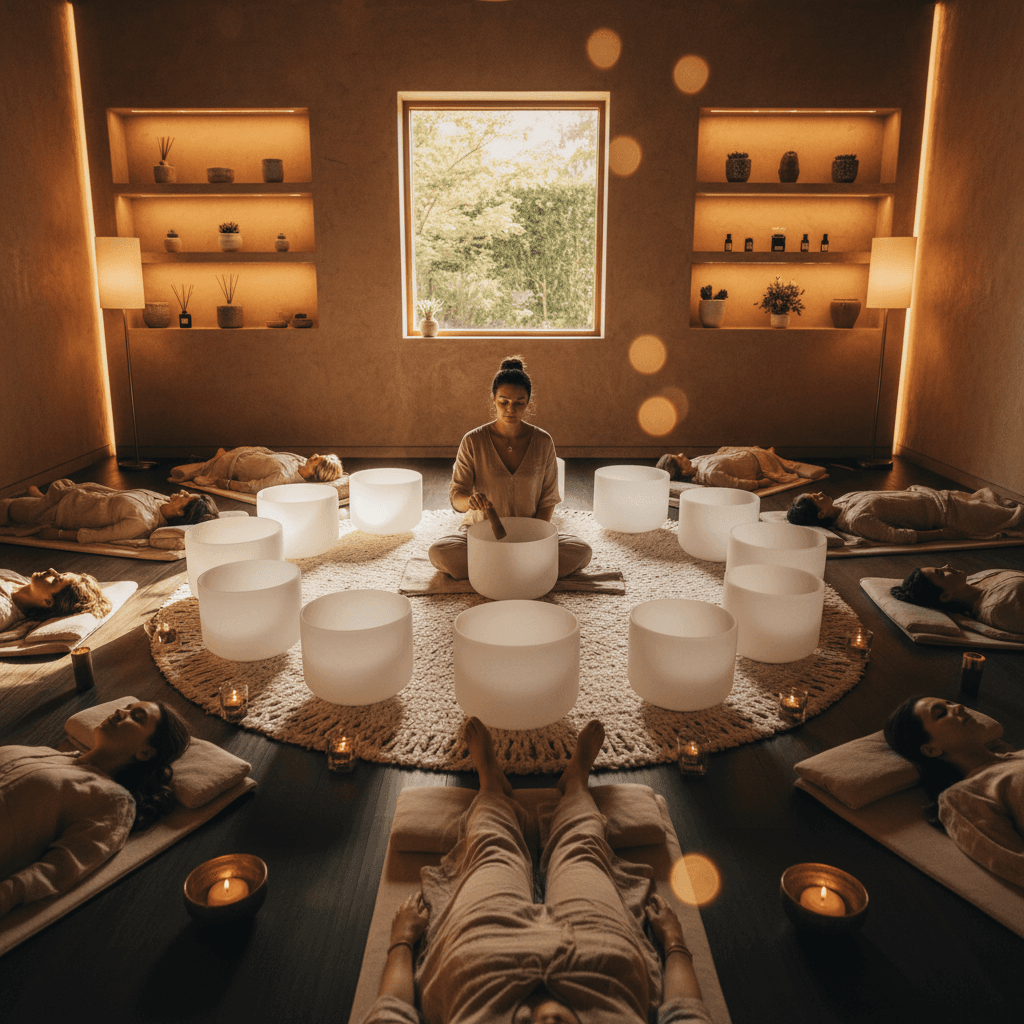
Chefs: Mastering Kitchen Pressure Through Sound Wellness
Sound for Death Workers: Managing Stress for Funeral Directors
Sound Wellness: Respite for Retail's Customer-Facing Heroes