Sound for Resilience: First Responders & Noise Stress
Key Insights
Discover how sound wellness helps first responders manage noise-induced stress, promoting recovery and mental clarity with Soul Art Dubai.
First Responders: Sound for Emergency Workers
Imagine a world where your workplace environment consistently exposes you to sound levels exceeding those of a rock concert. For first responders—EMTs, firefighters, paramedics, and emergency department staff—this isn't an exaggeration; it's a daily reality. The constant barrage of sirens, alarms, and the chaotic din of emergency scenes can profoundly impact their physical and mental wellbeing.
At Soul Art Dubai, founded by Larissa Steinbach, we understand the unique challenges faced by these dedicated individuals. We believe that intentional sound wellness practices can offer a vital sanctuary, helping to mitigate the cumulative effects of occupational noise exposure and chronic stress. This article delves into the scientific basis of how sound affects the human system, and how specialized sound journeys can support the resilience of our frontline heroes.
Join us as we explore the hidden auditory stressors impacting first responders and unveil how sound can become a powerful ally in their journey towards holistic wellbeing. We will examine the research, connect it to practical applications, and highlight Soul Art's unique approach to fostering deep rest and nervous system regulation.
The Science Explained: Unpacking the Auditory Assault
First responders operate in environments that are inherently, and often dangerously, loud. This relentless noise exposure is not just an inconvenience; it triggers significant physiological responses that can compromise their health and performance over time. Understanding the science behind this impact is the first step towards offering effective solutions.
Decibel Hell: The Reality of Emergency Environments
Research consistently highlights the extreme noise levels experienced by emergency personnel. For instance, studies show that during emergency responses, ground ambulances frequently expose EMTs to noise levels well above the national occupational health regulation of 85 dB(A). Mean measurements inside ambulance cabins with sirens engaged have reached as high as 96 dB(A).
This high-intensity noise, even if intermittent, contributes to a significant cumulative load. While the average daily noise exposure for physicians in Mobile Emergency Care Units (MECUs) and Helicopter Emergency Medical Services (HEMS) might appear lower (around 71-73 dB(A) Leq8h), single flight missions with HEMS can expose personnel to noise levels up to 90 dB(A). Firefighters are also regularly exposed to decibel levels exceeding 100 dB during incidents, with some emergency operations reaching over 120 dB.
These figures underscore a critical point: the overall pre-hospital noise exposure during active emergency responses often exceeds the E.U. Regulative threshold for noise, which is 80 dB(A). This sustained exposure, even in brief bursts, creates an environment ripe for physiological stress.
Beyond the Ears: The Systemic Impact of Noise Stress
The impact of high-decibel noise extends far beyond potential hearing damage. Our bodies are hardwired to interpret sudden, loud sounds as threats, triggering an immediate fight-or-flight response. This ancient survival mechanism, while vital in genuine danger, becomes detrimental when constantly activated.
When exposed to sudden noise, the body releases cortisol, a primary stress hormone. This leads to an increased heart rate, altered breathing patterns, and heightened muscle tension. One study on firehouse tones observed firefighters' resting heart rates of 40 bpm instantly shooting up to 160 bpm, often remaining elevated throughout the response. This chronic activation of the sympathetic nervous system disrupts the body's natural balance.
Prolonged noise exposure has been associated with more serious health concerns, including hypertension and potentially ischemic heart disease. Furthermore, the auditory system remains active even during sleep, making first responders particularly susceptible to noise-induced sleep disturbances and circadian rhythm disruption. This lack of restorative rest exacerbates overall stress.
Moreover, noise significantly impairs cognitive function. Studies in operating rooms and emergency departments have shown that high ambient noise can reduce mental efficiency, impair short-term memory, and even affect clinical decision-making. For professionals where precision and clear communication are paramount, this represents a serious challenge. The delayed onset of measurable hearing loss, often appearing years after initial exposure, further complicates prevention and early intervention efforts.
The Cumulative Burden: A Call for Proactive Wellness
The cumulative effect of these repeated stressors—high noise, physiological responses, sleep disruption, and cognitive impairment—creates a substantial burden on first responders. While better insulation or ear protection are often recommended, these measures only address part of the problem. What is also needed are robust wellness practices that actively help the body and mind recover and build resilience against chronic stress.
Understanding the deep impact of this continuous "auditory assault" emphasizes the critical need for proactive, holistic wellness strategies. Sound wellness, in this context, offers a complementary approach to help first responders recalibrate their nervous systems and find moments of profound peace amidst the chaos.
How It Works in Practice: Restoring Inner Harmony Through Sound
Connecting the scientific understanding of noise-induced stress to practical solutions is where sound wellness truly shines. At Soul Art, we translate complex physiological responses into tangible experiences of calm and restoration. Our sound journeys are designed to gently guide the body and mind away from the stress response and towards a state of deep relaxation.
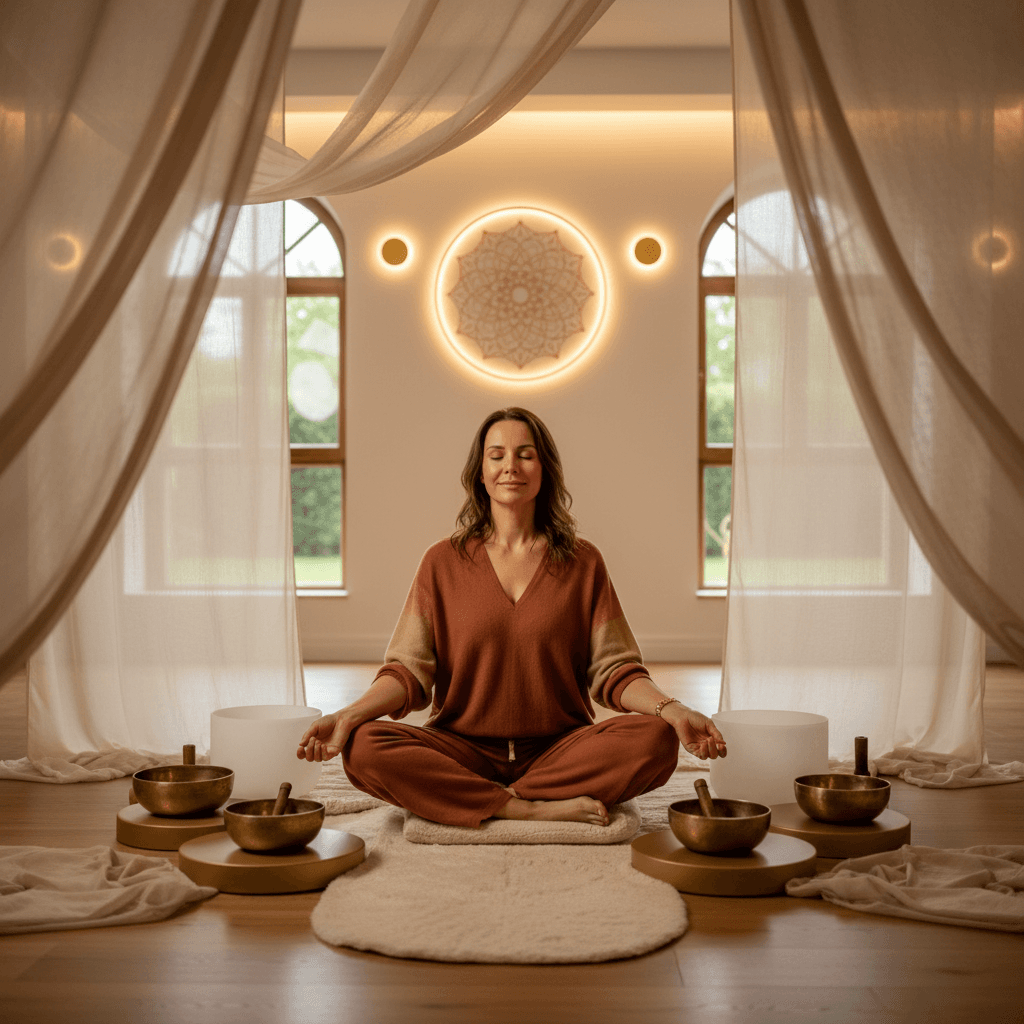
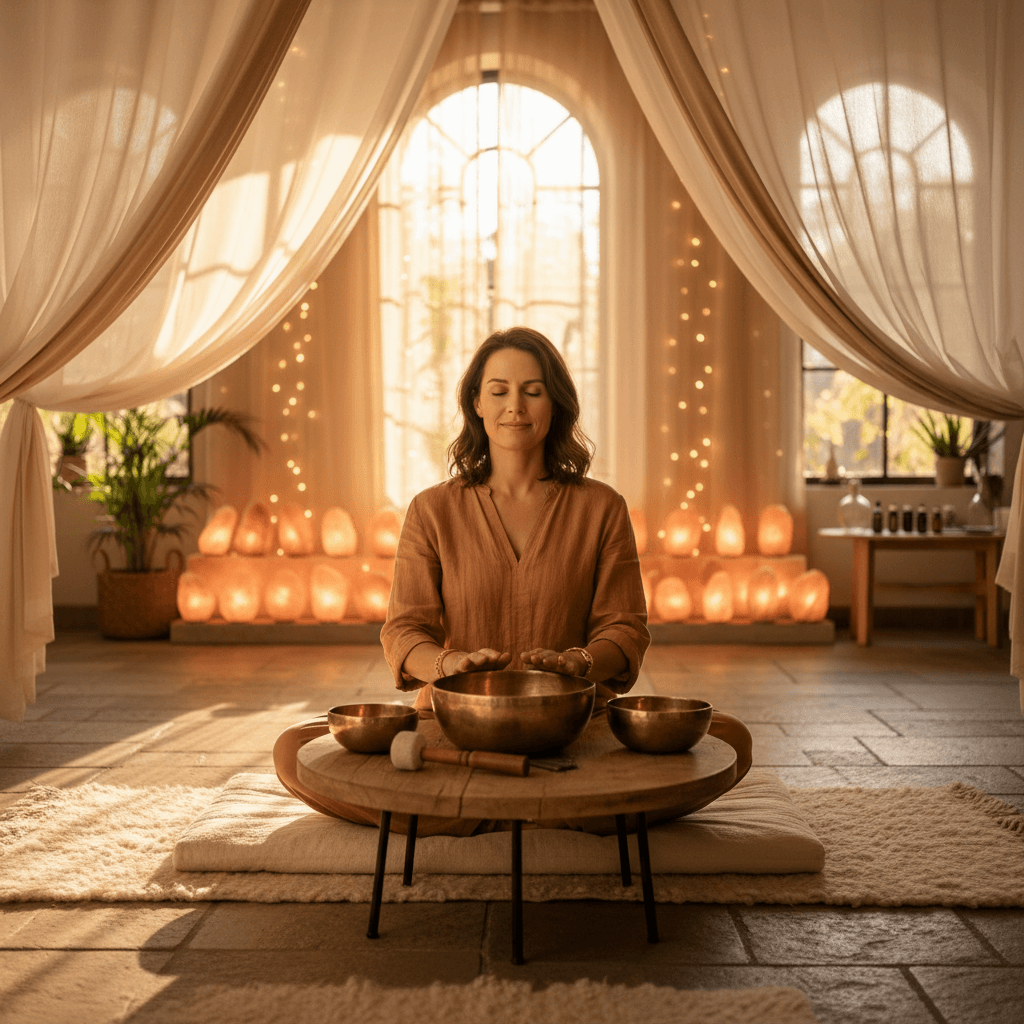
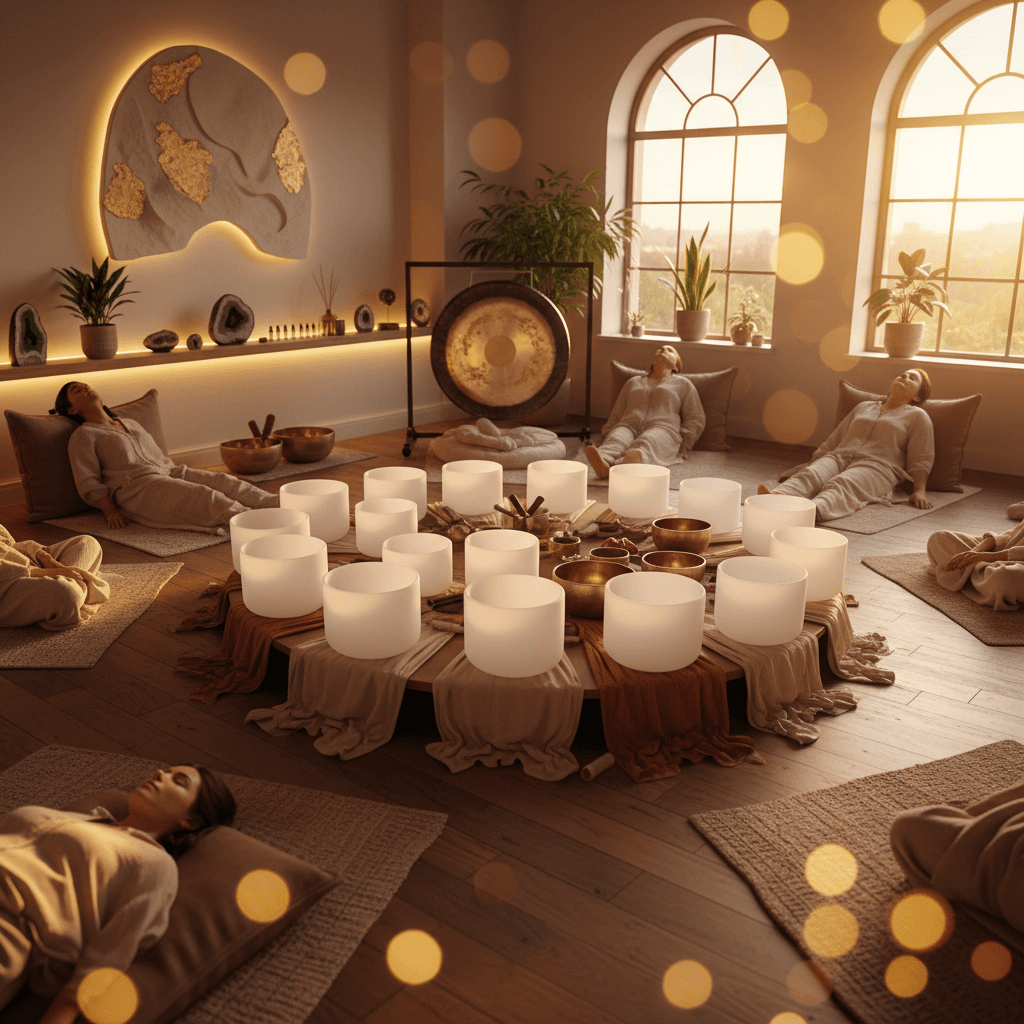
When first responders enter a Soul Art session, they step into a meticulously crafted environment designed for complete sensory respite. The external cacophony is replaced by a carefully curated soundscape of resonant frequencies. Here, the experience is not just about listening; it's about feeling the sound vibrations permeate every cell of the body.
The gentle, sustained tones of various instruments induce brainwave states associated with deep relaxation, such as alpha and theta waves. This shift from the alert, high-frequency beta waves of daily stress allows the parasympathetic nervous system to activate. As the body enters this "rest and digest" mode, the physiological indicators of stress begin to reverse. Heart rate slows, breathing deepens and becomes more regular, and muscle tension starts to release.
Many clients report a profound sense of peace, often describing it as an effortless journey into a meditative state. The subtle yet powerful vibrations from gongs and singing bowls travel through the body's tissues, encouraging the release of stored tension and energetic blockages. This can lead to reduced levels of stress hormones like cortisol, helping to reset the body's internal chemistry.
The experience is deeply personal, yet universally impactful. Without the need for mental effort or active participation beyond simply being present, the body's innate capacity for self-regulation is gently reawakened. This provides a crucial counterpoint to the constant overstimulation and high-alert state that is characteristic of a first responder's professional life.
"In the quiet embrace of intentional sound, the nervous system finds its way home, unraveling the knots of everyday stress and restoring a profound sense of equilibrium."
Regular engagement with sound wellness can help train the nervous system to more readily return to a state of calm. This improves overall resilience, offering a vital tool for mental and emotional recovery. It fosters a space where the mind can truly detach from the demands of the job, allowing for much-needed cognitive and emotional processing.
The Soul Art Approach: Larissa Steinbach's Vision for Resilience
At Soul Art Dubai, Larissa Steinbach has cultivated a unique sanctuary for profound transformation through sound. Her approach is rooted in both scientific understanding and intuitive artistry, creating bespoke sound journeys that cater to the specific needs of each individual, particularly those experiencing high levels of occupational stress like first responders.
Larissa's methodology integrates a diverse array of ancient and contemporary instruments, including Himalayan singing bowls, crystal bowls, gongs, chimes, and various percussion tools. Each instrument is carefully selected for its unique vibrational quality and ability to elicit specific physiological and psychological responses. The resonance from these instruments is not merely heard but felt, creating a deeply immersive and full-body experience.
What makes the Soul Art method particularly unique is Larissa's profound understanding of frequency and intention. She orchestrates soundscapes that are designed to guide the brain into deeper states of relaxation, moving from the active beta state to the meditative alpha and restorative theta waves. This intentional sequencing supports the nervous system in shifting from a state of fight-or-flight to one of profound rest and repair.
Larissa Steinbach emphasizes personalized attention. She understands that each first responder carries a unique pattern of stress and tension. Therefore, while the core principles remain consistent, each session is intuitively guided, allowing the sound frequencies to address individual areas of need, whether it's acute stress, sleep deprivation, or simply a need for mental clarity. The studio environment itself is curated to enhance the experience, providing a serene escape from the urban energy of Dubai.
Clients at Soul Art often report enhanced mental clarity, improved sleep quality, and a greater sense of emotional balance. These benefits are particularly critical for first responders, enabling them to recharge their resilience and maintain their compassionate effectiveness in demanding roles. Larissa's commitment is to provide a powerful, yet gentle, pathway to deep inner peace and nervous system recalibration.
Your Next Steps: Cultivating Inner Calm
For first responders, integrating self-care practices into a demanding schedule is not a luxury, but a necessity for long-term health and career sustainability. Prioritizing your wellbeing can significantly enhance your resilience and ability to perform your vital work. Here are some actionable steps you can implement today:
- Prioritize Small Moments of Stillness: Even five minutes of quiet, focused breathing can make a difference. Step away from noisy environments during breaks to reset your auditory system and mind.
- Explore Calming Soundscapes: Experiment with ambient nature sounds, instrumental music, or binaural beats designed for relaxation. These can serve as a gentle auditory "reboot" after high-stress situations.
- Practice Mindful Breathing Techniques: Deep, diaphragmatic breathing activates the parasympathetic nervous system, helping to counteract the physiological effects of stress. Simple box breathing can be done anywhere, anytime.
- Educate Yourself on Noise Impact: Understanding the long-term effects of noise exposure empowers you to advocate for better protective measures and prioritize your auditory health.
- Consider Professional Sound Wellness: Experiences like those offered by Soul Art provide a structured and deeply immersive opportunity to recalibrate your nervous system. These sessions can be a powerful tool for profound relaxation and stress management.
Investing in your wellbeing is an investment in your ability to continue serving your community effectively and compassionately. Soul Art Dubai offers a unique space where you can gently release the burdens of your demanding profession and reconnect with your inner peace.
In Summary: A Sanctuary of Sound for Our Heroes
First responders are undeniably subjected to extreme noise exposure and chronic stress, which can have profound and lasting impacts on their physical, mental, and emotional health. From the deafening sirens of an ambulance to the chaotic din of emergency scenes, these environments consistently challenge their nervous systems and overall wellbeing. This constant "auditory assault" contributes to elevated stress hormones, disrupted sleep, and potential long-term health issues.
Sound wellness offers a powerful, complementary approach to counteract these stressors. By engaging the body's natural capacity for self-regulation through resonant frequencies, practices like those at Soul Art Dubai provide a much-needed sanctuary for deep relaxation and nervous system recalibration. Larissa Steinbach's expert guidance helps first responders find resilience, mental clarity, and profound peace, empowering them to continue their vital work with renewed strength. We invite you to discover this transformative path to wellbeing.
Bookings Coming Soon
Soul Art is still in preparation. Session details and booking will be published here after launch.
Coming Soon
Wellness Disclaimer: This article is for educational and informational purposes only. It does not constitute medical advice, diagnosis, or treatment. Soul Art Dubai provides non-medical wellness experiences focused on relaxation, stress management, and general wellbeing. Sound wellness is a complementary practice and should not replace professional medical care.
Related Articles
Chefs: Mastering Kitchen Pressure Through Sound Wellness
Sound for Death Workers: Managing Stress for Funeral Directors
Sound Wellness: Respite for Retail's Customer-Facing Heroes