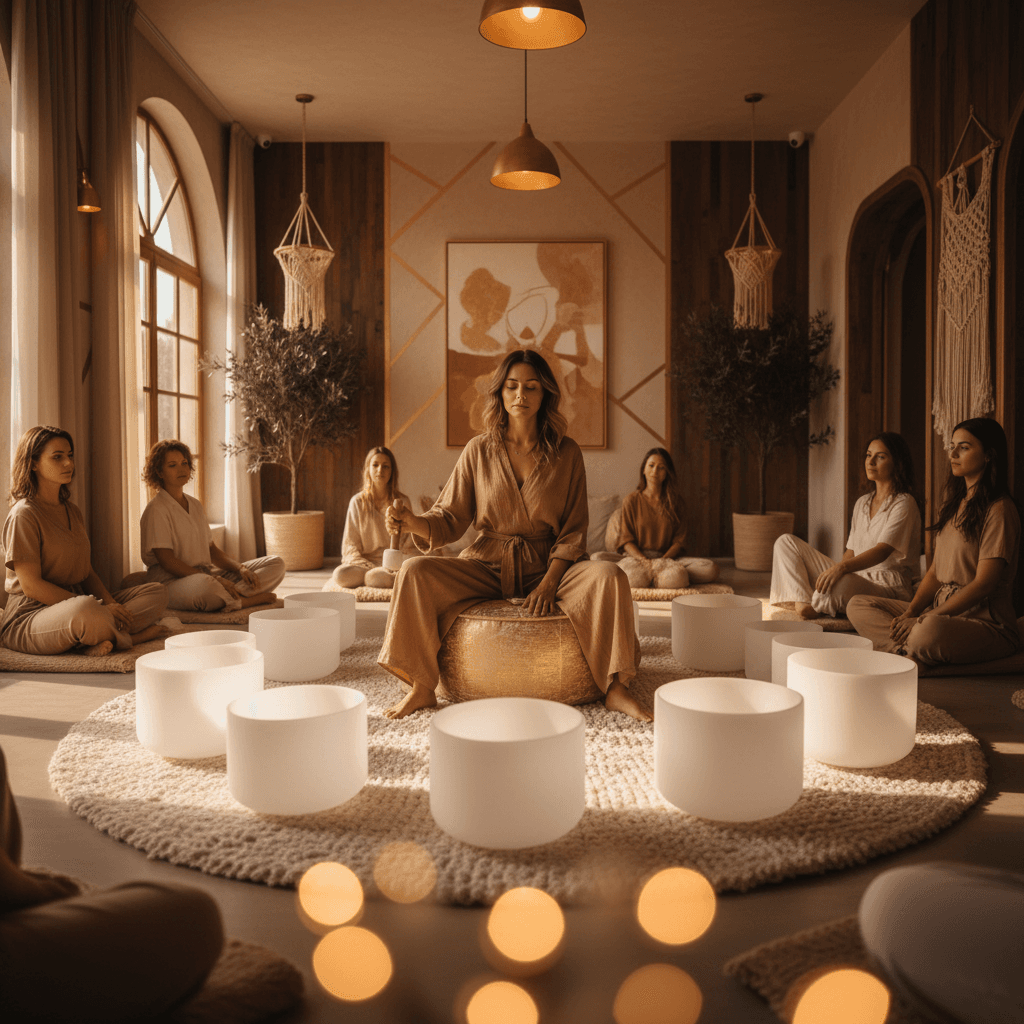
Unlock Focus: Sound Prep for Exam Stress & Student Wellness
Key Insights
Discover how sound wellness at Soul Art Dubai, founded by Larissa Steinbach, can help students manage exam stress, improve focus, and enhance academic performance.
Compelling Introduction
Imagine standing at the precipice of an important exam, heart pounding, mind racing, unable to recall information you know you studied just yesterday. This isn't an uncommon scenario; a significant majority of students, often exceeding 75%, report feeling stressed before exams, with many experiencing difficulty sleeping the night prior. This profound impact on well-being and performance often goes unaddressed, leaving students to navigate intense pressure alone.
At Soul Art, Dubai's premier sound wellness studio founded by Larissa Steinbach, we understand the intricate dance between stress and cognitive function. This article delves into the scientifically-backed methods by which sound preparation can transform exam anxiety into focused calm. We'll explore the physiological mechanisms at play and reveal how intentional sound practices offer a powerful, complementary tool for academic success and holistic student well-being.
Join us as we uncover how the ancient wisdom of sound, coupled with modern understanding, can create a sanctuary for the student mind. Discover how embracing sound wellness may support not just better grades, but a more balanced and resilient approach to academic challenges and life beyond.
The Science Explained
Exam stress is far more than just a fleeting feeling of worry; it triggers a profound physiological response within the body. When students face the pressure of academic performance, their bodies react as if facing a physical threat. This intricate system, designed for survival, often becomes overactive in the academic environment.
The Physiology of Stress and its Academic Impact
The primary driver of the stress response is the sympathetic nervous system, often dubbed the "fight or flight" system. Under pressure, this system releases stress hormones like cortisol and adrenaline, leading to increased heart rate, shallow breathing, and heightened muscle tension. Research indicates that distractions, particularly auditory ones like background noise, significantly contribute to this physiological stress during tests, causing measurable changes in respiratory amplitude and elevated stress hormone levels. A 1980 study by Isling and Gunther specifically found increased levels of stress hormones, such as cortisol, when individuals were exposed to noise during high-concentration tasks.
Chronic exposure to these stress hormones, common during prolonged exam periods, can have detrimental effects. It may lead to burnout, emotional exhaustion, and the emergence of mental health difficulties, including depression and generalized anxiety disorder. This sustained stress can also impair cognitive functions crucial for learning and recall.
How Noise and Distraction Undermine Performance
The external world constantly bombards us with stimuli, and during exams, seemingly innocuous sounds can become powerful distractors. Noise, defined as unwanted or unpleasant sounds, has been shown to increase feelings of annoyance, and as exposure lengthens, individual stress and anxiety levels rise. This happens because the brain interprets these sounds as potential threats, diverting precious cognitive resources away from the task at hand.
A study investigating the effect of distractors found that everyday classroom noises, such as pencil tapping or paper rustling, can be magnified in a test-taking situation and cause a physiological stress response. This means that students are not just annoyed by these sounds; their bodies are actively reacting to them, making it harder to concentrate, process information, and perform optimally. High test anxiety has also been linked to making it harder for students to acquire knowledge during preparation, suggesting early intervention is crucial.
The Role of Sound in Nervous System Regulation
Conversely, specific sound frequencies and structured soundscapes can profoundly influence the nervous system, guiding it away from a state of hyperarousal. Sound wellness practices leverage the principle of auditory entrainment, where the brain's electrical activity synchronizes with external rhythmic stimuli. This synchronization can gently shift brainwave patterns from the rapid beta waves associated with alertness and anxiety to slower alpha and theta waves, characteristic of deep relaxation and meditative states.
This shift helps activate the parasympathetic nervous system, the "rest and digest" counterpart to the sympathetic system. When activated, the parasympathetic system lowers heart rate, deepens breathing, reduces muscle tension, and promotes a sense of calm. This physiological state is conducive to learning, memory consolidation, and improved focus, directly counteracting the negative effects of exam stress. Preliminary studies and anecdotal evidence suggest that targeted sound interventions, such as listening to specific music or soundscapes, can significantly reduce exam anxiety and promote mental clarity. One research review highlighted various music intervention studies, including one using "Beethoven Moon Sound" for 20 minutes before a test, demonstrating effectiveness in reducing anxiety.
The Connection Between Stress, Sleep, and Learning
The impact of exam stress extends significantly into a student's sleep patterns, creating a vicious cycle. A cross-sectional study revealed that a substantial majority of students, around 68%, reported being unable to sleep the night before an exam. Poor sleep quality is strongly associated with increased levels of depression, anxiety, and stress, which in turn further impair academic performance and daily functioning.
Sound wellness practices may offer a supportive pathway to improving sleep quality. By inducing a state of deep relaxation before bedtime, sound can help quiet the overactive mind and nervous system, making it easier to fall asleep and achieve restorative rest. This improved sleep can enhance memory consolidation, boost cognitive function, and better equip students to handle academic demands. When students are well-rested, their ability to absorb and recall information is naturally supported, breaking the negative feedback loop of stress and sleeplessness.
How It Works in Practice
Transitioning from the scientific understanding to practical application, sound wellness sessions offer a tangible experience of stress reduction and mental clarity. It's about more than just listening; it's about deeply feeling the vibrations and allowing them to recalibrate your internal state.
The Experiential Journey of Sound
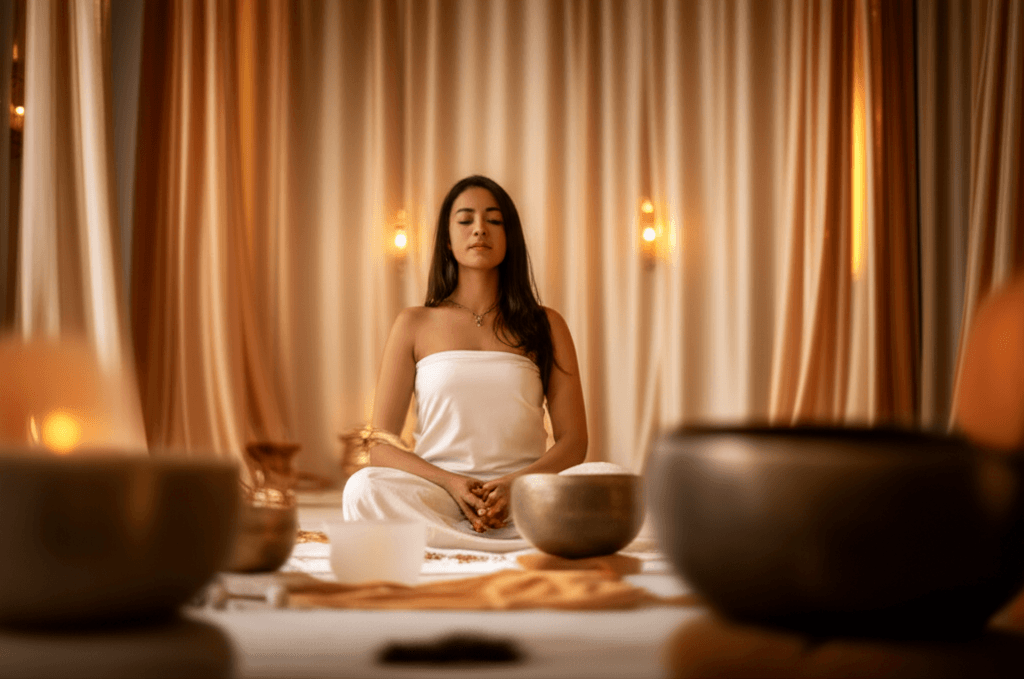
During a sound wellness session, clients are invited to recline comfortably, often closing their eyes, allowing their other senses to recede. The practitioner then introduces specific sounds, perhaps from crystal singing bowls, gongs, or tuning forks. These instruments produce rich, resonant tones that permeate the space and the body.
The experience is deeply personal, yet commonly described as profoundly relaxing. Many people report feeling a gentle wave of calm wash over them, often starting with a slowing of thoughts and a release of physical tension. The layered frequencies and sustained vibrations create an immersive soundscape that encourages the mind to settle into a meditative state. Clients often describe feeling "lighter" or "more open" after a session, as if a mental fog has lifted.
Rebalancing the Nervous System Through Vibration
The effectiveness of sound wellness lies in its ability to directly influence the vagus nerve, a crucial component of the parasympathetic nervous system. Specific sound frequencies, especially those with sustained resonance, are thought to stimulate the vagus nerve, encouraging the body to shift from sympathetic (fight-or-flight) dominance to parasympathetic (rest-and-digest) activation. This rebalancing is not just perceived; it manifests as a measurable decrease in heart rate variability, shallower breathing, and reduced cortisol levels, as suggested by preliminary studies on music and relaxation.
The vibrations generated by instruments like gongs and singing bowls travel through the body's tissues, reaching deep cellular levels. This internal "massage" may help release stored tension, improve circulation, and promote a sense of energetic alignment. Many anecdotal reports indicate that these physical sensations contribute significantly to the overall feeling of profound relaxation and emotional release.
Enhancing Focus and Cognitive Function
Beyond immediate relaxation, consistent engagement with sound wellness practices may foster long-term improvements in focus and cognitive resilience. By training the brain to access calmer brainwave states, students may find it easier to concentrate during study sessions and maintain composure during exams. The quietude achieved during a session translates into greater mental clarity in daily life.
This enhanced mental state can directly support academic performance. When the mind is less cluttered by anxiety, it is better equipped to absorb new information, critically analyze problems, and retrieve learned material. It offers a complementary approach to traditional study techniques, providing a foundation of inner calm and improved cognitive capacity. This holistic wellness approach recognizes that mental and emotional states are intrinsically linked to academic success.
"In the stillness created by sound, students find not just a reprieve from stress, but a deeper connection to their innate capacity for clarity and learning."
The Soul Art Approach
At Soul Art, Larissa Steinbach has meticulously crafted a unique sanctuary designed to guide individuals, especially students, towards profound inner peace and mental resilience. Her approach is rooted in both ancient practices and a modern understanding of neuroacoustics, creating an experience that is deeply transformative.
Larissa Steinbach's Vision for Student Wellness
Larissa Steinbach, the visionary founder of Soul Art, is passionate about empowering students to navigate academic pressures with grace and effectiveness. She believes that true academic success is intrinsically linked to mental and emotional well-being. Her method extends beyond simple relaxation, aiming to cultivate a sustainable state of inner calm and heightened cognitive function.
Larissa's expertise lies in her ability to intuitively blend various sound modalities to address the specific needs of each individual. She understands that every student's experience of stress is unique, and thus, the soundscapes created at Soul Art are never one-size-fits-all. Her compassionate guidance creates a safe and supportive environment for exploration and healing.
The Unique Soul Art Methodology
What makes the Soul Art method unique is its holistic, multi-sensory immersion designed to re-tune the body and mind. It's not just about ambient sound; it's a carefully curated experience that integrates specific frequencies, rhythms, and intentions. This approach directly targets the nervous system, helping to shift it from a stressed state to one of deep relaxation and receptivity.
Soul Art sessions often begin with a brief consultation to understand the student's current stressors and goals, ensuring a personalized experience. The environment itself is designed to promote tranquility, using soft lighting, comfortable spaces, and a palpable sense of calm upon entry. This attention to detail enhances the overall efficacy of the sound journey.
Specific Instruments and Techniques
Larissa utilizes a diverse array of instruments, each selected for its unique vibrational qualities and therapeutic benefits. Himalayan singing bowls and crystal singing bowls are central to many sessions, producing pure, sustained tones that resonate deeply within the body. Their harmonious overtones are particularly effective at inducing alpha and theta brainwave states, perfect for relaxation and mental integration.
Gongs, with their powerful, encompassing vibrations, create immersive sound baths that can facilitate deep cellular release and emotional clearing. Tuning forks are also employed, often placed directly on the body or near specific energy points, to deliver precise frequencies that may support localized healing and energetic rebalancing. These tools, combined with Larissa's expert guidance, create a symphonic experience designed to restore equilibrium and enhance cognitive function.
Your Next Steps
Embracing sound wellness as a preparation strategy for exams is an empowering choice that can lead to significant benefits. You don't have to wait until stress becomes overwhelming; proactive engagement can build resilience. Here are practical steps you can integrate into your routine today.
- Explore Sound Meditation Apps: Begin with accessible tools. Many free and paid apps offer guided sound meditations, binaural beats, or ambient soundscapes designed for focus and relaxation. Dedicate 10-15 minutes daily to cultivate a sense of calm.
- Create a Calming Study Playlist: Select instrumental music, nature sounds, or specific classical pieces (like "Beethoven Moon Sound" as noted in some research) that promote concentration without distraction. Ensure your chosen sounds are consistently relaxing, avoiding anything with unpredictable rhythms or lyrics.
- Prioritize Rest and Relaxation: Integrate short sound breaks during long study sessions. Even 5 minutes of mindful listening to calming music or a simple bell tone can help reset your focus and prevent mental fatigue, aligning with the concept of self-care practice.
- Practice Mindful Breathing with Sound: As you listen to calming sounds, consciously slow and deepen your breath. Inhale to the count of four, hold for four, exhale for six, and hold for two. This simple technique, combined with sound, enhances the parasympathetic response.
- Consider a Professional Sound Wellness Session: For a deeper, more tailored experience, explore a session at Soul Art. Our experienced practitioners, led by Larissa Steinbach, can guide you through bespoke sound journeys designed to address specific academic stressors and enhance your overall well-being. This complementary approach offers a powerful pathway to sustained calm and focus.
In Summary
Exam stress is a pervasive challenge for students, profoundly impacting their physiological state, cognitive abilities, and overall mental well-being. From distracting noises that elevate stress hormones to chronic anxiety that impedes knowledge acquisition and sleep, the academic journey can take a heavy toll. However, the ancient wisdom of sound, backed by contemporary scientific understanding, offers a powerful, complementary path to resilience and calm.
At Soul Art, Larissa Steinbach's unique sound wellness methodology provides a sanctuary for students to rebalance their nervous systems, enhance focus, and cultivate inner peace. Through instruments like crystal singing bowls and gongs, our sessions create immersive soundscapes that may support the shift from stress to deep relaxation. Embrace sound as your ally in academic preparation, fostering not just better performance, but a healthier, more balanced student life.
Bookings Coming Soon
Soul Art is still in preparation. Session details and booking will be published here after launch.
Coming Soon
Wellness Disclaimer: This article is for educational and informational purposes only. It does not constitute medical advice, diagnosis, or treatment. Soul Art Dubai provides non-medical wellness experiences focused on relaxation, stress management, and general wellbeing. Sound wellness is a complementary practice and should not replace professional medical care.
Related Articles
Moving Home: How Sound Wellness Supports Child Adaptation
Sound Wellness for Sibling Adjustment: Nurturing Family Harmony

Teen Identity & Sound: Self-Discovery for Adolescents at Soul Art Dubai