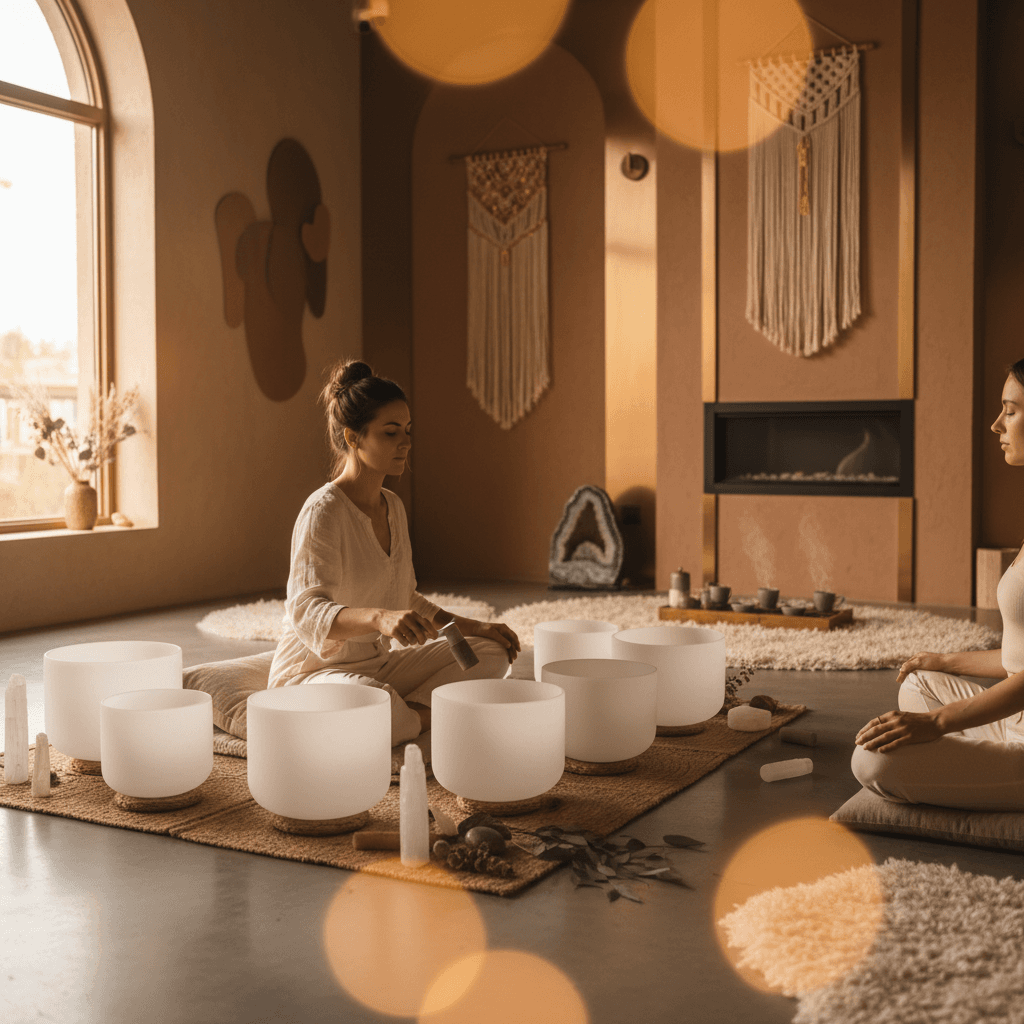
Harmonizing Slumber: The Science of Sound for Deeper Sleep Together
Key Insights
Explore how intentional sound, from specific frequencies to synchronized rhythms, may enhance sleep quality, memory, and intimate connection with Soul Art founder Larissa Steinbach.
The gentle hum of the city, the lingering thoughts of the day, or perhaps simply the relentless march of modern life – truly restful sleep can often feel like an elusive luxury. We spend a significant portion of our lives asleep, yet for many, the quality of this essential period of restoration is severely compromised. But what if the very air around you, transformed into intentional sound, held the key to unlocking deeper sleep and more profound rest?
At Soul Art Dubai, we explore the sophisticated connection between sound and sleep, guided by founder Larissa Steinbach. This article delves into the fascinating science behind using sound to enhance your evening wind-down ritual, promoting not just solitary rest, but also a harmonious journey into slumber, together. We will uncover how specific frequencies and rhythms may interact with your brain's natural sleep cycles, offering a scientifically-grounded approach to optimize your nightly restoration and foster a deeper sense of well-being. Understanding these intricate mechanisms empowers you to cultivate a more intentional path to peace and truly rejuvenating sleep.
The Science Explained: Resonating with Rest
Sleep is far more than a period of inactivity; it's a dynamic state essential for physical restoration, emotional regulation, and vital cognitive functions like memory consolidation. Within this intricate process, specific brainwave patterns emerge, each playing a crucial role. Among these, the slow oscillations that characterize deep, slow-wave sleep (SWS) are paramount for retaining memories and overall cognitive health.
The Symphony of Slow-Wave Sleep and Memory
Groundbreaking research has shed light on how these slow oscillations are instrumental for memory. Dr. Born and his colleagues, in tests published in the journal Neuron and highlighted by Sleep Education, demonstrated a remarkable link between sound stimulation and memory enhancement. Their studies found that when volunteers were exposed to specific stimulating sounds, precisely synchronized with the brain’s slow oscillation rhythm during sleep, they exhibited improved recall of word associations learned the previous evening.
This precise timing is critical. The effectiveness of the sound stimulation was observed only when the sounds occurred in synchrony with the ongoing slow oscillation rhythm during deep sleep. Dr. Born explains that by presenting acoustic stimuli whenever a slow oscillation "up state" was upcoming, researchers were able to strengthen these oscillations, resulting in higher amplitude and longer duration. This non-invasive method offers a compelling avenue to influence human brain activity, potentially improving sleep quality and enhancing memory. It underscores that it's not just any sound, but precisely timed sound, that holds the power.
The Nuance of "Noise": Pink, White, and Brown
Beyond targeted stimulation, certain types of continuous sounds, often referred to as "color noises," have gained popularity for sleep. While the evidence on their overall efficacy remains an area of ongoing research, specific frequencies within these sound profiles may offer benefits.
-
Pink Noise: Unlike white noise, which contains all audible frequencies at equal intensity, pink noise features more intense, lower frequencies. This gives it a "deeper" or "softer" sound, often compared to natural phenomena like steady rainfall or the gentle rush of a waterfall. Several studies have explored pink noise's potential. A small 2013 German study found that pink noise prolonged deep sleep and improved memory. Furthermore, the Northwestern team studied older adults, a population that often struggles with adequate deep sleep. Their research indicated that a specific pink noise algorithm increased deep or slow-wave sleep and improved memory in cognitively healthy adults in their 70s. Dr. Zee's lab at Northwestern uses a unique algorithm of pink noise delivered on an "intermittent basis," specifically when the subject's brain is in the deeper stages of sleep. This controlled delivery aligns with the principle of synchronicity observed in Dr. Born's work, suggesting that targeted rather than continuous exposure might be more beneficial. Harvard Health also notes that pink noise may enhance deep sleep and improve cognitive performance, decreasing the time it takes to fall asleep and improving sleep quality when timed appropriately during the night.
-
White Noise: Often described as a consistent static sound, white noise can be effective for sound masking. It essentially creates a uniform background hum that can cover up jarring environmental noises like traffic, sirens, or noisy neighbors. This masking effect can be particularly helpful for individuals living in urban settings or those who are hyperaware of their surroundings, creating a more consistent auditory environment conducive to sleep.
The Role of Acoustic Modulation Before Sleep
Beyond direct stimulation during sleep, studies also suggest that acoustic stimulation before sleep may positively influence subjective sleep reports. A systematic review from PMC indicates that music or other acoustic interventions prior to sleep can support relaxation and ease the transition into slumber. For instance, research has shown that listening to relaxing music improved subjective sleep quality compared to listening to a control text. This highlights the powerful psychological and physiological impact of intentionally curated soundscapes as part of an evening wind-down routine.
Important Considerations and Nuances
While the potential benefits of sound for sleep are compelling, it's crucial to acknowledge the scientific discourse around continuous sound. Some experts, like Dr. Mathias Basner, suggest that if continuous sound is introduced all night, the brain is constantly perceiving and analyzing those signals. This raises questions about whether continuous sound could be beneficial or, conversely, detrimental over the long term, with current evidence for general continuous noise being "inconclusive and very low quality" (CNN). However, the systematic review in PMC notes that while "no strong evidence" supports continuous auditory stimulation, "none of the studies reported any adverse effects with short-term application." This distinction between short-term, intentional, and synchronized sound, versus continuous, undifferentiated background noise, is vital. The precision and intention behind the sound application are key.
How It Works in Practice: A Gentle Descent into Tranquility
Connecting these scientific insights to real-world application reveals the profound potential of sound as a wellness practice. When engaging with sound for sleep, it's not merely about playing background noise; it's about curating an experience that guides your mind and body towards a state of deep relaxation and receptivity to rest.
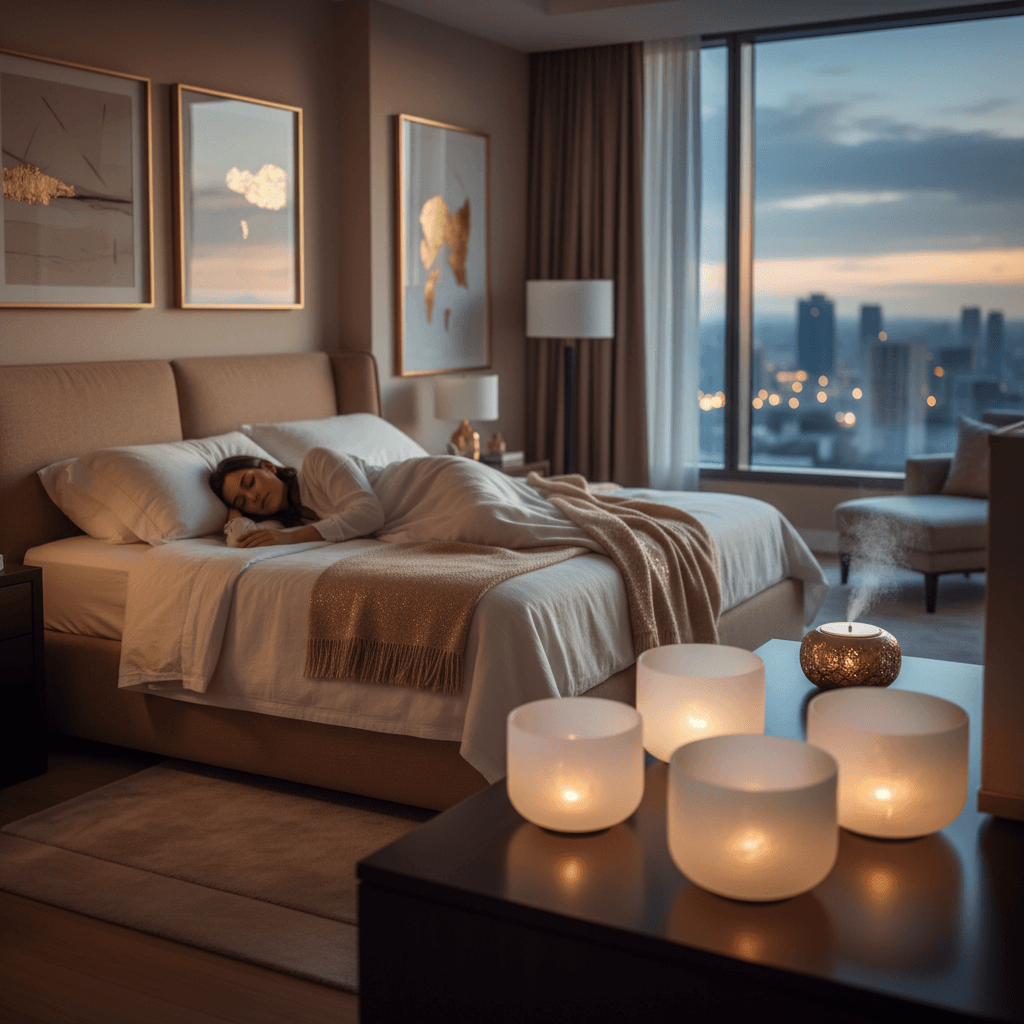
Imagine stepping into an environment where the very air seems to hum with intention. This is what clients often experience. The journey begins with sound acting as a powerful cue for your brain to relax. Just as certain smells can evoke memories, specific sounds can signal to your nervous system that it is time to unwind, to release the day's tensions, and to prepare for slumber. This deliberate transition helps to shift your mental state from alert to serene.
Beyond its role as a cue, intentional sound also excels at sound masking. In today's often-noisy world, external disruptions are a primary culprit behind fragmented sleep. The consistent, gentle frequencies of carefully chosen soundscapes can effectively "mask" sudden, jarring noises – a car horn, a distant conversation, or the clatter of a neighbor. This creates a sonic cocoon, allowing your brain to let go of its vigilance and settle into deeper stages of sleep without interruption. This is particularly valuable in bustling urban environments like Dubai.
The true magic unfolds as the sound gently interacts with your internal rhythms. As discussed, sounds precisely synchronized with your brain's slow oscillations may actively enhance the restorative power of deep sleep. While individual home setups may not achieve the precise synchronicity of laboratory conditions, the types of sounds offered—such as those rich in lower, "pink noise" frequencies—are chosen for their propensity to encourage these deeper states. Clients report feeling a sense of being lulled, guided into a profound sense of calm that permeates their entire being. This is a subtle yet powerful sensation, as if the sound waves themselves are gently smoothing out the ripples of the day.
The experience is holistic, extending beyond just the act of falling asleep. It encompasses the reduction of mental chatter, the easing of physical tension, and the promotion of emotional tranquility. Many people report that the presence of soothing sound before and during sleep helps to alleviate anxiety and restlessness, fostering a more positive relationship with their sleep routine. It’s an immersive sensory journey designed to prepare your mind, body, and spirit for a truly restorative night.
The Soul Art Approach: Larissa Steinbach's Curated Serenity
At Soul Art, Larissa Steinbach brings a distinctive blend of scientific understanding and intuitive artistry to the realm of sound wellness. Her approach is rooted in the belief that sound, when intentionally crafted and delivered, can be a profound catalyst for deep relaxation, nervous system regulation, and enhanced sleep quality. Soul Art’s methodology goes beyond generic white noise, focusing on bespoke, targeted sound experiences that resonate with the individual’s needs and the scientific principles of acoustic modulation.
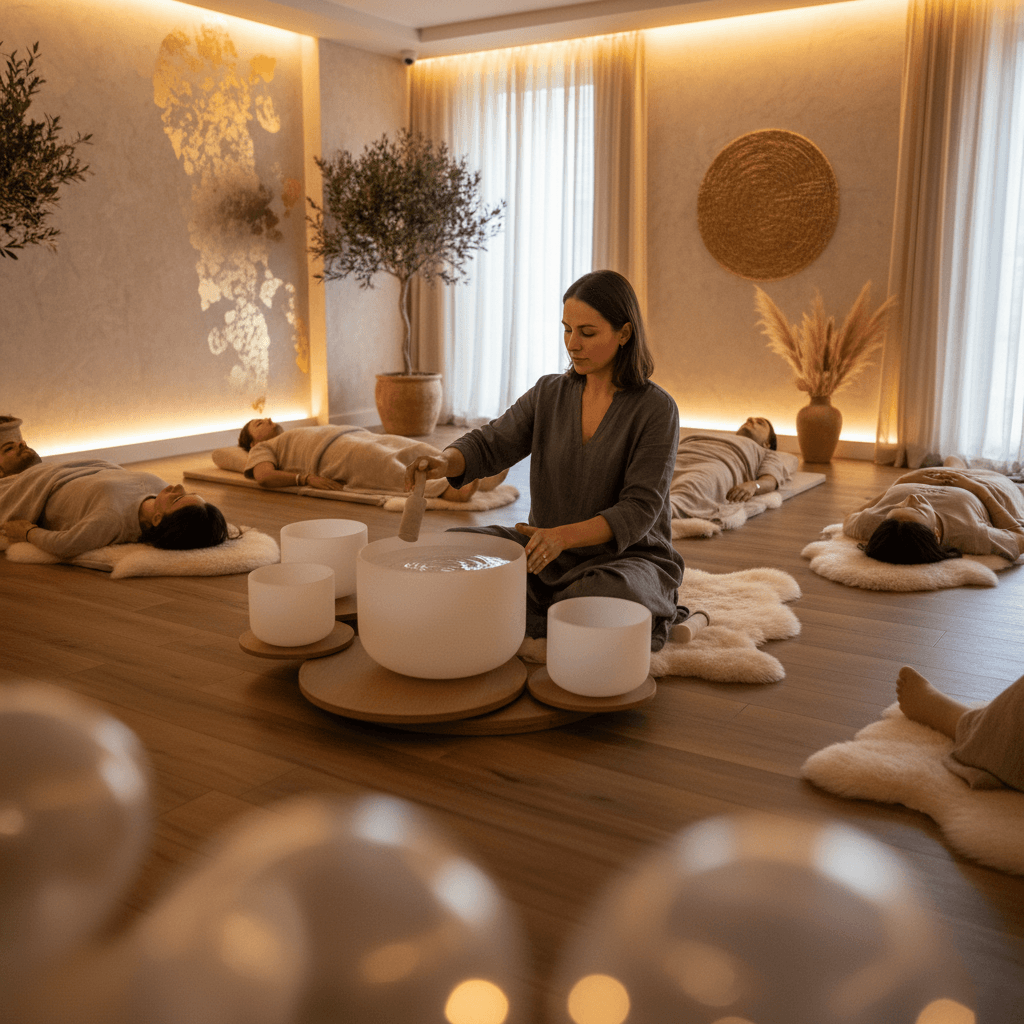
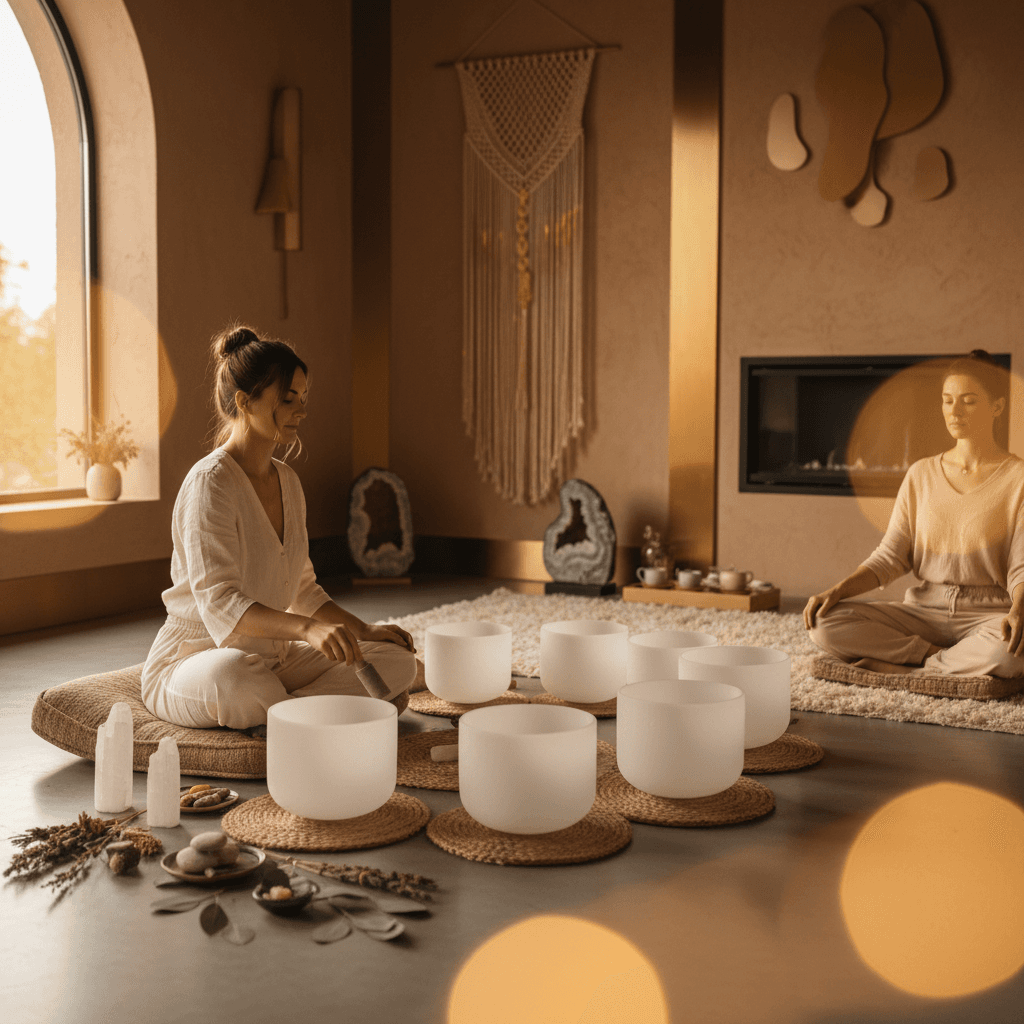
Larissa Steinbach meticulously curates soundscapes, often incorporating specific instruments like crystal singing bowls, gongs, and chimes, known for their pure, resonant frequencies. These instruments produce sounds rich in harmonic overtones, which may have a deeply calming effect on the brain and body. The frequencies generated are carefully selected to encourage brainwave states associated with relaxation and deep sleep, such as alpha and theta waves, creating an optimal environment for your brain to transition into restorative slumber.
What makes the Soul Art method unique is its emphasis on intentionality and quality. Larissa and her team understand that a haphazard application of sound may not yield the desired results. Instead, they focus on:
- Precise Frequency Modulation: Leveraging knowledge of how different frequencies interact with the brain, Soul Art sessions often feature sounds with characteristics similar to pink noise – those deeper, slower frequencies that have been associated with enhancing slow-wave sleep.
- Harmonic Richness: The use of specific, high-quality instruments creates rich, complex sound profiles that are inherently more soothing and engaging for the nervous system than synthetic white noise. These natural vibrations resonate deeply within the body.
- Creating a Sonic Sanctuary: The studio environment itself is designed to optimize sound immersion, minimizing external distractions and maximizing the impact of the sound experience. This mindful setting complements the carefully chosen sounds, fostering a holistic sense of peace and safety.
- Guidance and Presence: Beyond the sound itself, the experience at Soul Art often includes guided elements, helping clients to consciously unwind and surrender to the sound. This therapeutic presence enhances the overall effectiveness of the session, aligning with research suggesting that suggestive narratives can also promote deeper sleep states.
Larissa Steinbach’s dedication ensures that each Soul Art experience is a journey towards integrated well-being, where sound acts as a gentle yet powerful guide to restorative sleep and a calmer nervous system. It’s a complementary approach that respects the body’s natural rhythms while offering a sophisticated tool for enhanced relaxation.
"True rest is not merely the absence of activity, but the presence of profound internal harmony. Sound, when treated with intention, can be the conductor of that harmony, guiding us home to ourselves." — Larissa Steinbach
Your Next Steps: Cultivating a Sound Sleep Sanctuary
Integrating sound as a conscious tool into your evening routine can significantly elevate your sleep quality and overall well-being. It’s important to remember that sound wellness is a complementary approach to good sleep hygiene, not a replacement for fundamental practices. Here are some actionable steps you can implement today to harness the power of sound for deeper, more refreshing sleep:
- Establish a Consistent Wind-Down Routine: Begin winding down at least one hour before your desired sleep time. This means dimming lights, avoiding screens, and engaging in calming activities. Sound can be a beautiful anchor for this transition.
- Experiment with Intentional Soundscapes: Instead of continuous, undifferentiated noise, explore sounds rich in lower, natural frequencies, similar to pink noise. Consider gentle nature sounds like rain or distant ocean waves, or calming instrumental music with a slow tempo.
- Prioritize a Dark and Cool Sleep Environment: Sound works best when paired with other optimal sleep conditions. Ensure your bedroom is dark, quiet (or has intentional sound), and cool.
- Listen Actively Before Sleep: Dedicate 15-30 minutes to actively listen to your chosen soundscape without distractions. Allow the sounds to gently guide your attention away from the day's stresses and towards a state of relaxation.
- Explore Professional Guidance: For a truly immersive and expertly guided experience, consider visiting Soul Art. Larissa Steinbach and her team offer personalized sound wellness sessions designed to help you discover the precise frequencies that resonate with your unique path to deeper relaxation and sleep. This allows for a much more refined approach than simply trying various apps at home.
In Summary: The Resonance of Restorative Sleep
The journey into deep, restorative sleep is a cornerstone of overall health, impacting everything from memory and cognitive function to emotional resilience. While many factors influence sleep quality, the emerging science of sound offers a compelling, non-invasive avenue for enhancement. Research highlights the potential of precisely synchronized sounds to boost slow-wave sleep and memory, with specific frequencies like those found in pink noise showing promise in deepening rest.
At Soul Art Dubai, Larissa Steinbach masterfully translates these scientific insights into a tangible wellness experience. Through expertly curated soundscapes and the resonance of natural instruments, Soul Art provides a sophisticated sanctuary for individuals and couples seeking to harmonize their nervous systems and unlock profound nocturnal restoration. Embracing intentional sound as part of your evening wind-down ritual may support not just better sleep, but a richer, more vibrant waking life. We invite you to explore this transformative practice and discover a new depth of serenity.
Bookings Coming Soon
Soul Art is still in preparation. Session details and booking will be published here after launch.
Coming Soon
Wellness Disclaimer: This article is for educational and informational purposes only. It does not constitute medical advice, diagnosis, or treatment. Soul Art Dubai provides non-medical wellness experiences focused on relaxation, stress management, and general wellbeing. Sound wellness is a complementary practice and should not replace professional medical care.
Related Articles
Anniversary Sound: Deepening Love Through Vibrational Wellness
Sound for Recommitment: Deepening Vows with Soul Art
Attachment Styles: Sound for Security – Building Inner Resilience