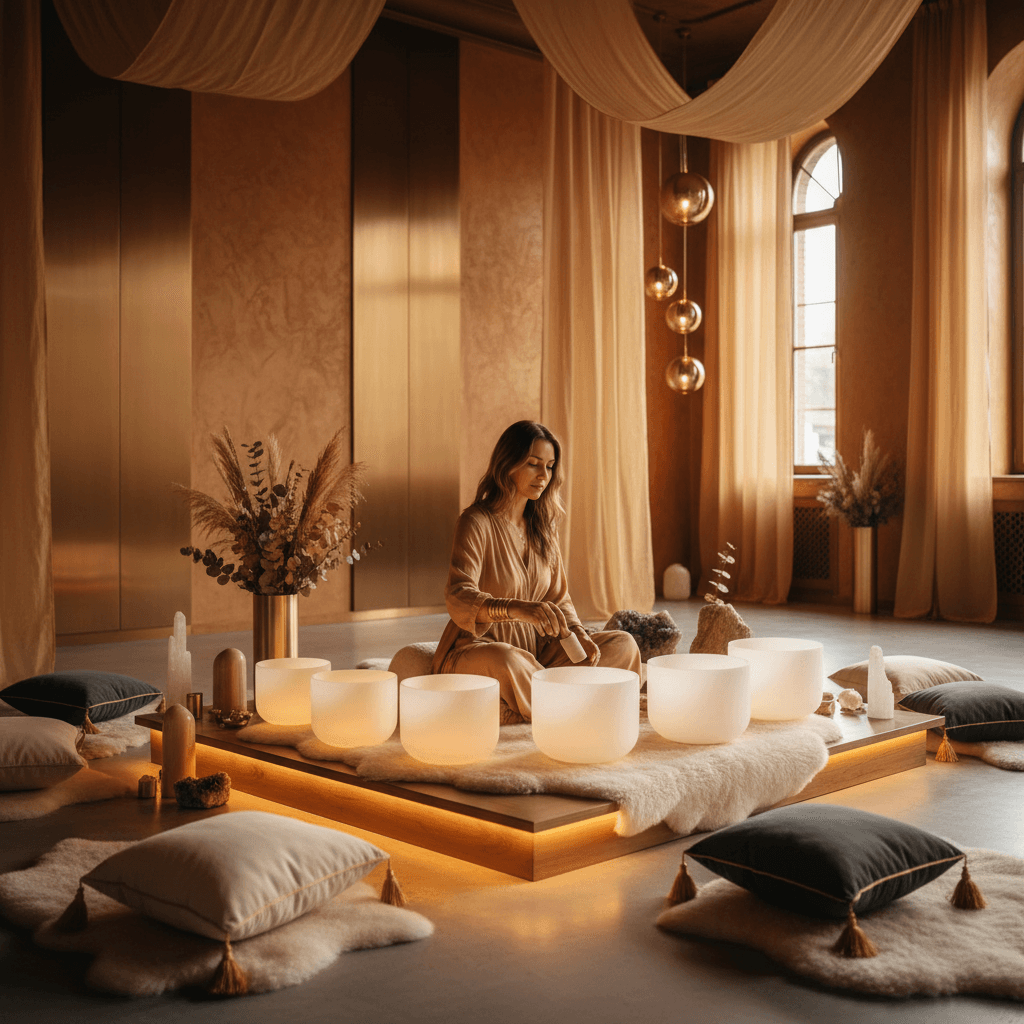
Sound-Led Wind-Down: Ditching Work Stress for Deep Rest
Key Insights
Discover how sound wellness can transform your end-of-day routine, helping you detach from work, reduce stress, and achieve profound rest.
Have you ever found yourself still replaying the day's emails or planning tomorrow's meetings long after you've left the office? This mental loop, a pervasive form of "work creep," is a significant barrier to true relaxation and restful sleep. It often feels like an invisible tether, pulling your mind back to the demands of your professional life, even when you crave peace.
The human brain, astonishingly efficient yet remarkably stubborn, craves completion. When tasks remain unfinished or unresolved, they linger in our consciousness, making it incredibly challenging to fully disengage. This article delves into the fascinating science behind why we struggle to switch off and introduces the transformative power of sound wellness as a sophisticated tool for mental and emotional detachment.
At Soul Art, Dubai’s premier sound wellness studio founded by Larissa Steinbach, we understand the unique pressures of a demanding modern life. We believe that transitioning from work to rest doesn't have to be a battle; it can be a beautiful, intentional journey. By exploring evidence-based strategies and the profound benefits of incorporating sound into your end-of-day ritual, you will learn how to reclaim your evenings and prepare your mind and body for restorative rest.
The Science Explained: Why Your Brain Struggles to Switch Off
Our brains are hardwired to prioritize incomplete tasks. This phenomenon, known as the Zeigarnik Effect, describes our natural tendency to remember unfinished tasks more readily than completed ones. It's an evolutionary mechanism that keeps us motivated to pursue goals, but in a modern work context, it can become a significant impediment to relaxation.
When your workday ends abruptly, leaving a host of open loops – unreplied emails, pending decisions, or half-formed plans – these mental fragments continue to demand cognitive attention. They persist in the background, subtly contributing to feelings of anxiety and making it difficult for your mind to fully unwind. This constant mental chatter effectively steals your precious rest time, one lingering thought at a time.
The Power of Detachment and "Offloading"
To counteract the Zeigarnik Effect, researchers suggest actively "offloading" these lingering thoughts. A simple yet effective strategy is to jot down any worries, tasks, or "open loops" for tomorrow before you finish your workday. This act of transferring thoughts from your mind to paper signals to your brain that these items are acknowledged and will be addressed, thereby freeing up mental space for rest.
New international research, involving studies from the University of South Australia and Eindhoven University of Technology, has highlighted the profound impact of not detaching from work. Continuously engaging with work-related communications, such as checking emails or messages on your phone after hours, has been associated with both short-term and long-term negative effects on sleep and stress levels. This pervasive "work creep" can diminish your ability to relax and recharge, paradoxically leading to decreased productivity the following day.
Your Nervous System and the "Demonstrative Anchor"
Beyond cognitive offloading, our physiological response to the end of the day plays a crucial role. When we rush the transition from a busy workday to an evening of rest, our nervous system often remains in a heightened state of "fight or flight," making true relaxation elusive. This is where the concept of a "demonstrative anchor" becomes invaluable.
A demonstrative anchor is a consistent, repeatable ritual that signals to your body and mind that the workday is officially over. When you follow the same simple steps each evening, your body begins to recognize this rhythm. You are, in essence, training your brain to wind down through a series of cues rather than relying solely on willpower. The real magic lies in the fact that your nervous system learns safety in repetition. A predictable wind-down routine helps your body exhale, easing "anticipatory stress" and signaling that it is safe to enter a state of rest and recovery.
Studies indicate that low-effort activities, such as reading, watching television, or listening to music, can effectively help individuals switch off from work. Even care activities like housework, cooking, and looking after children have been positively related to improved sleep quality, as they offer a form of mental and emotional detachment. Physical exercise is also a powerful tool for recovery and stress reduction, though experts advise against intense workouts late in the evening, as they may elevate adrenaline and cortisol levels, hindering sleep.
The Transformative Benefits of a Deliberate Wind-Down
Implementing a deliberate end-of-day wind-down routine offers a cascade of benefits that extend far beyond simply feeling less stressed. These evidence-based advantages contribute significantly to your overall well-being:
- Better Sleep: By calming your mind and preparing your body for rest, you may find it easier to fall asleep faster and experience deeper, more restorative sleep. Quality sleep is fundamental to both physical and mental health.
- Less Stress: A structured wind-down period allows you to consciously let go of the day's worries, easing anxiety and creating a mental buffer between your work and personal life. This intentional release can significantly reduce the burden of accumulated stress.
- Improved Memory: Consistently achieving quality sleep is crucial for cognitive function, including memory consolidation and mental clarity. A relaxed mind is better equipped to process and retain information.
- Better Mood: Engaging in relaxing activities before bed can promote emotional well-being and a sense of ease, helping to regulate your mood and fostering a more positive outlook. This contributes to overall emotional resilience.
- Feel Prepared for Tomorrow: A good night's rest, facilitated by an effective wind-down, means waking up refreshed, alert, and genuinely ready to tackle the challenges of the new day. This proactive approach to rest can enhance your productivity and focus.
How It Works in Practice: The Sensory Journey of Sound
Connecting the science of detachment with real-world application, sound wellness offers a uniquely potent "demonstrative anchor" for transitioning from work to rest. Unlike passive listening, an immersive sound experience at Soul Art actively guides your brain into states conducive to relaxation and recovery.
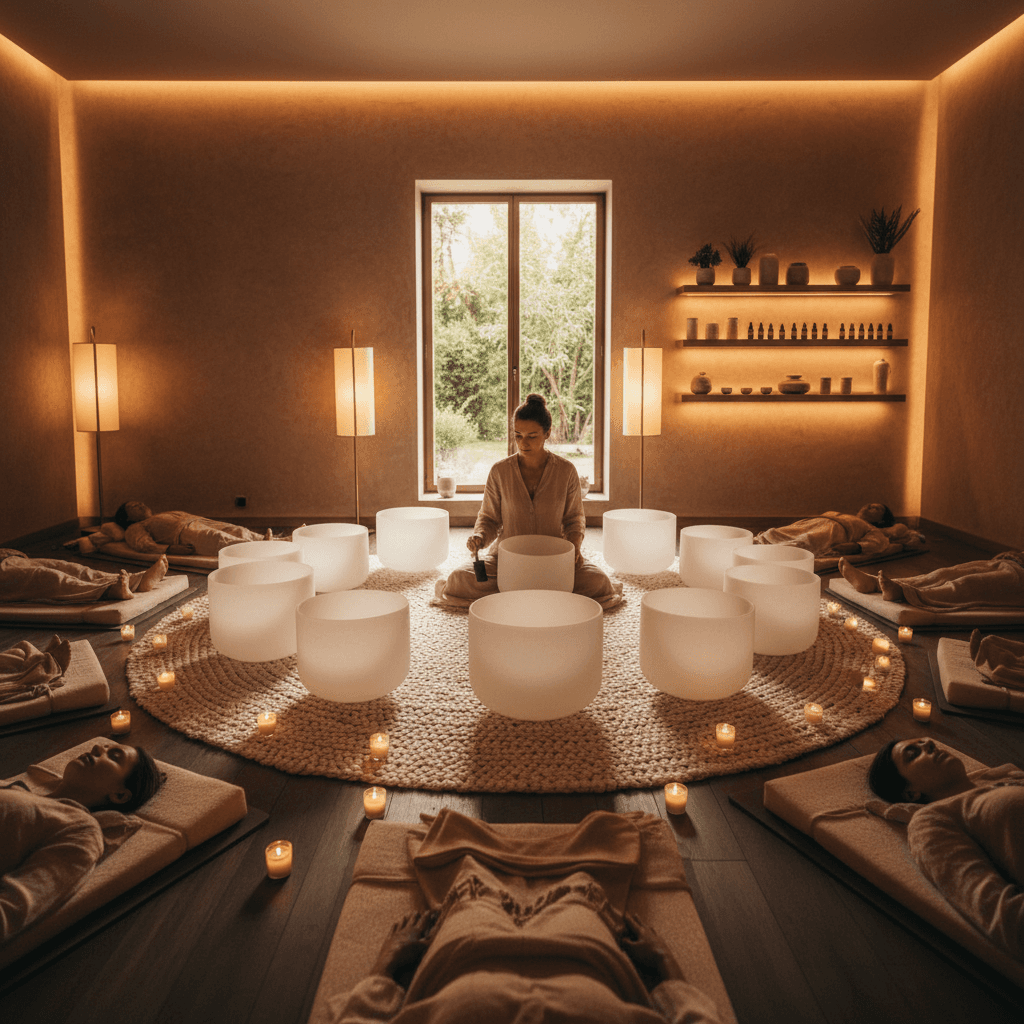
Imagine stepping into a serene space, the gentle aroma of essential oils filling the air. As you lie down, perhaps on a comfortable mat, the ambient lighting softens, signaling a departure from the harsh, stimulating environment of your workday. This carefully curated environment immediately begins to quiet the external noise, preparing you for the inner journey.
The session begins with the resonant hum of singing bowls, gongs, or chimes, played by an experienced practitioner. These aren't just pleasant sounds; they are carefully chosen frequencies and vibrations that interact with your body's natural rhythms. Preliminary studies indicate that listening to specific frequencies, such as 432 Hz music, may lead to reductions in anxiety and physiological indicators like respiratory rate and systolic blood pressure, while 440 Hz music has also been associated with anxiety reduction.
As the sounds wash over you, your focus naturally shifts from the mental clutter of unfinished tasks to the present moment. The sustained tones and harmonic overtones create a "sonic cocoon," a space where your mind can finally release its grip on the day's demands. Many people report a profound sense of calm washing over them, a feeling akin to floating or gentle surrender.
"The vibrations aren't just heard; they are felt. They gently coax your nervous system out of its activated state, signaling that it is finally safe to exhale, to let go, and to simply be."
This sensory immersion provides a powerful, multi-modal cue for your brain to wind down. The auditory input, combined with the somatic experience of vibration, creates a clear boundary between your working self and your resting self. It’s a dedicated period where your only task is to receive and relax, an intentional act of self-care that re-patterns your end-of-day routine.
Research specifically exploring singing bowl sound meditation has shown participants reporting significantly reduced tension, anger, fatigue, and depressed mood after a session. Interestingly, those new to this type of meditation often experience an even greater reduction in tension. These findings underscore the direct, tangible impact of sound on emotional and physical states, making it an excellent tool for psychological detachment.
The Soul Art Approach: Larissa Steinbach’s Vision for Tranquility
At Soul Art, Larissa Steinbach, the visionary founder, has meticulously crafted an approach to sound wellness that transcends mere relaxation. Drawing upon deep scientific understanding and intuitive wisdom, the Soul Art method is designed to provide a truly transformative end-of-day wind-down experience, specifically tailored for the dynamic pace of Dubai life. Larissa believes that true rest is not just about sleep; it’s about restoring the nervous system and recalibrating one's internal rhythm.
Larissa Steinbach’s unique methodology integrates a diverse range of instruments, including Himalayan singing bowls, crystal singing bowls, gongs, chimes, and other therapeutic percussion. Each instrument is chosen for its specific frequency and resonant qualities, carefully orchestrated to guide participants through a journey of progressive relaxation. The aim is to move from beta brainwave states (associated with alertness and focus) towards alpha (relaxed awareness) and theta (deep relaxation, meditation, light sleep) states.
What makes the Soul Art method particularly distinctive is its emphasis on creating a holistic experience. It’s not just about the sounds, but the entire environment – the calming aesthetics, the comfortable setup, and the intention-setting that precedes each session. This holistic design serves as a potent "demonstrative anchor," preparing both the conscious and subconscious mind for profound rest. Larissa often incorporates gentle guided meditation and breathwork into her sessions, further enhancing the body’s natural ability to relax and let go.
The studio's curated sound journeys are designed to facilitate psychological detachment, a critical component of stress recovery. By immersing oneself in carefully selected frequencies and vibrations, the mind is given an opportunity to disengage from the mental loops of the workday. Preliminary studies on sound healing, utilizing techniques like tuning forks delivered virtually, have shown clinically significant reductions in anxiety levels, negative affect, and perceived stress, further validating the potential of biofield-based sound therapy.
Larissa Steinbach’s commitment at Soul Art is to empower individuals with accessible, effective tools for stress management and wellbeing. The end-of-day wind-down sessions are a testament to this philosophy, offering a sanctuary where the demands of the day can dissolve, paving the way for a refreshed and revitalized self. It's an investment in your mental capital, allowing you to return to your responsibilities not just rested, but truly restored.
Your Next Steps: Integrating Sound into Your Evening Ritual
Transforming your end-of-day routine is an intentional act of self-care that can profoundly impact your well-being. By incorporating principles of detachment and the power of sound, you can create a personalized wind-down ritual that signals to your body and mind that it's time to rest. Here are actionable steps you can implement today:
- Create a Digital Detox Zone: Set a strict cut-off time for work-related emails and notifications. Consider charging your phone outside your bedroom. Studies show that continuing to check devices after hours negatively impacts sleep.
- Implement an "Offloading" Practice: Before closing your laptop, take 5-10 minutes to jot down your top priorities, unfinished tasks, and any lingering worries for the next day. This simple act of writing can trick the Zeigarnik Effect, clearing mental space.
- Establish a "Demonstrative Anchor": Pair an existing end-of-day habit (e.g., closing your laptop, tidying your desk) with a new, calming action. This could be putting on a specific piece of relaxing music, engaging in light stretching, or brewing a calming herbal tea.
- Incorporate Mindful Sound: Integrate short periods of mindful listening into your evening. This could be 10-15 minutes of calming instrumental music, nature sounds, or exploring guided sound meditations. Let the sounds wash over you, drawing your attention away from mental chatter.
- Consider a Professional Sound Journey: Experience the profound benefits of a curated sound wellness session at Soul Art. Allow Larissa Steinbach and her team to guide you through an immersive sound bath designed to deeply relax your nervous system and facilitate complete detachment from your day.
Transitioning from the intensity of work to the tranquility of your personal life is a skill that can be cultivated. By embracing these scientifically-grounded practices, you are investing in your sleep, your mood, and your overall capacity to thrive.
In Summary: Reclaim Your Evenings with Sound
The modern world often blurs the lines between work and rest, leaving our minds entangled in endless tasks and anxieties. The Zeigarnik Effect reminds us that our brains crave closure, and without it, unfinished thoughts can steal our peace. However, by embracing intentional detachment strategies and creating demonstrative anchors, we can train our nervous systems to truly wind down.
Sound wellness offers a uniquely powerful and accessible pathway to achieve this vital transition. From the soothing frequencies that calm the nervous system to the immersive vibrations that promote psychological detachment, sound provides a profound cue for relaxation. Soul Art, under the guidance of Larissa Steinbach, stands as a sanctuary where you can rediscover this ancient yet scientifically supported practice. Prioritize your end-of-day wind-down; it's an investment in a calmer mind, deeper sleep, and a more vibrant tomorrow.
Bookings Coming Soon
Soul Art is still in preparation. Session details and booking will be published here after launch.
Coming Soon
Wellness Disclaimer: This article is for educational and informational purposes only. It does not constitute medical advice, diagnosis, or treatment. Soul Art Dubai provides non-medical wellness experiences focused on relaxation, stress management, and general wellbeing. Sound wellness is a complementary practice and should not replace professional medical care.
Related Articles
Sound Resilience for First-Time Managers: Thrive as a New Leader
Harmonizing Global Teams: Sound Healing for Time Zone Stress
Transforming Workplace Conflict: Sound for Team Harmony