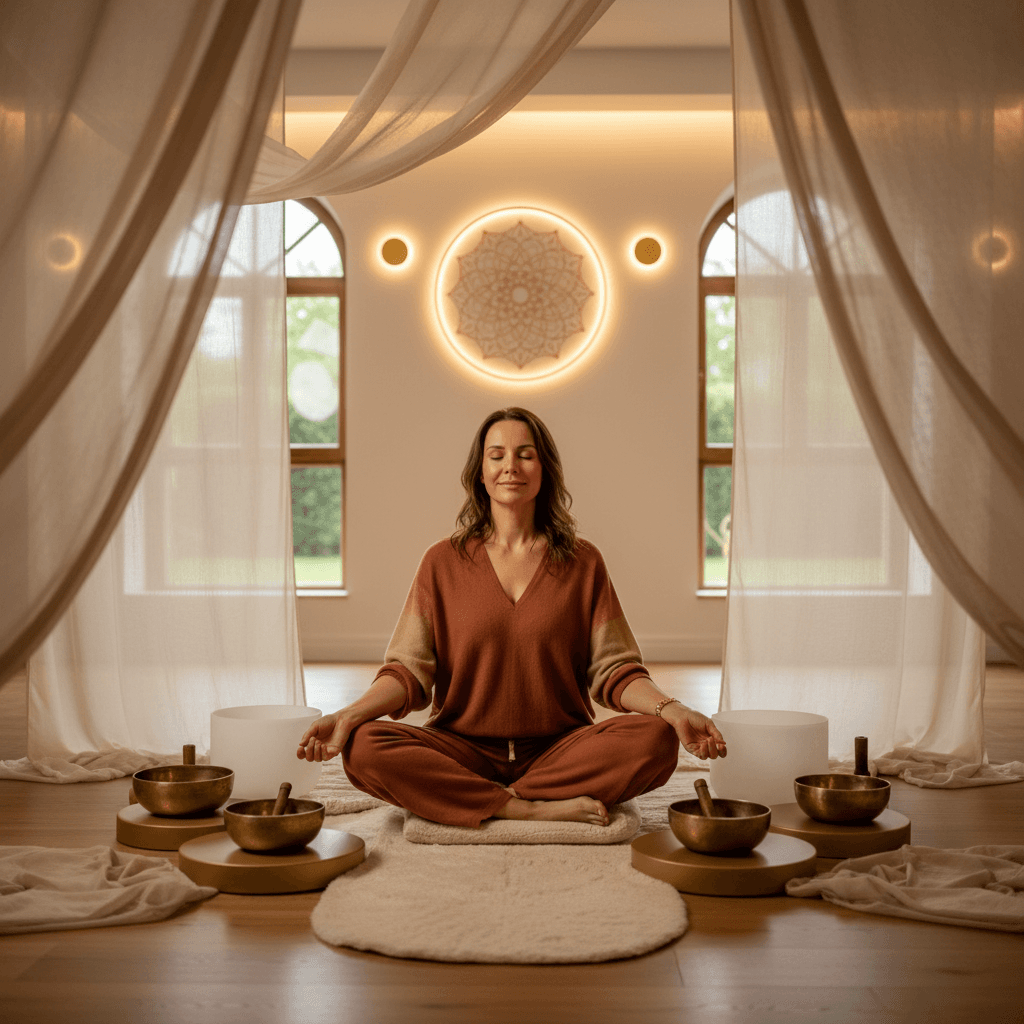
Sonic Sanctuary: Sound Wellness for Emergency Medicine Staff
Key Insights
Explore how sound wellness can mitigate stress and enhance resilience for ER staff, a crucial self-care practice from Soul Art Dubai.
The hum of machines, the urgent calls, the rhythmic beeping of monitors – this is the constant auditory backdrop of an Emergency Department (ED). Far from being mere background noise, this intricate soundscape profoundly impacts the mental and physical well-being of the dedicated professionals who work within it. Could the very frequencies that often contribute to stress also hold the key to profound healing and resilience?
At Soul Art, Dubai's premier sound wellness studio, founded by Larissa Steinbach, we explore how precisely calibrated sound experiences can offer a vital respite for those in high-stakes environments. This article delves into the often-overlooked science of sound in emergency medicine, revealing its detrimental effects, and proposing how targeted sound wellness practices may support the restoration of calm, focus, and overall well-being for ER staff. Prepare to discover how embracing the power of sound can transform the relentless demands of critical care into moments of profound self-care.
The Unseen Burden: How Sound Shapes the ER Environment
The notion that emergency departments are inherently noisy has long been an unspoken truth, yet its objective measurement and profound impact on staff have only recently gained significant scientific attention. Unlike a simple annoyance, the sonic environment of an ED contributes to a cascade of physiological and psychological responses that can compromise staff well-being and performance.
The Auditory Landscape of Emergency Medicine
Research consistently corroborates the pervasiveness and impact of sound in the ED environment. Studies measuring sound levels within emergency departments have found them to be consistently at or below 70 dB, a decibel range often equated to normal conversation at a short distance. However, these objective measurements only tell part of the story.
The nature of the sounds encountered is often more critical than their sheer volume. A case study on noise in an Emergency Ward utilized staff workshops to map auditory experiences, revealing distinct categories of sound:
- Red: Chaotic and disruptive sounds, such as alarms, urgent announcements, and the clatter of equipment.
- Yellow: Lively sounds, often associated with busy but controlled activity.
- Blue: Sounds perceived as boring or monotonous, like the constant drone of ventilation.
- Green: Calm sounds, indicative of periods of relative peace or therapeutic interventions.
Most ED staff reported experiencing disruptive noises, particularly those categorized as chaotic (red), highlighting the impact on their well-being. Interestingly, some nurses, particularly those with years of experience, overwhelmingly rated noise as "low" or "not loud," suggesting an acclimatization or desensitization to their noisy surroundings. However, this subjective perception does not negate the physiological impact of constant auditory stimulation.
Beyond Decibels: Noise and Cognitive Function
The impact of noise extends far beyond mere discomfort, directly affecting cognitive functions vital for clinical decision-making. Studies have shown that sustained exposure to noisy environments can significantly reduce mental efficiency and impair short-term memory, particularly in high-pressure medical settings. For example, research on radiology residents found that physicians accustomed to reading X-rays in quiet environments performed better under quiet conditions than noisy ones, demonstrating how ambient noise can affect diagnostic accuracy.
Furthermore, the ED environment presents unique communication challenges. The widespread use of face masks, while essential for safety, has been reported by staff to induce stress due to difficulties in clear communication. This impediment, compounded by disruptive background noise, can lead to:
- Increased stress and fatigue: The constant effort to communicate and process information in a noisy environment is mentally exhausting.
- Potential for errors: Reduced mental efficiency and communication breakdowns may elevate the risk of mistakes in critical situations.
- Burnout: The chronic stress from such conditions contributes significantly to the alarming rates of burnout among emergency clinicians. Preliminary studies indicate that a substantial percentage of non-physician and physician employees in ICUs believe that better working conditions are indispensable to mitigate this crisis.
"The cacophony of the ED is not just an auditory inconvenience; it's a silent assailant on the cognitive reserves and emotional resilience of our frontline healthcare professionals."
This foundational knowledge, rooted in scientific research, teaches us that the auditory environment of the Emergency Department is not just an incidental feature but a critical factor influencing staff well-being, job performance, and patient safety. Recognizing this opens the door to exploring interventions that may support a more harmonious and supportive working environment.
From Cacophony to Calm: Integrating Sound Wellness
Understanding the profound impact of the ER's soundscape leads us to a crucial question: if disruptive sounds can impair well-being, can therapeutic sounds restore it? The burgeoning field of sound wellness offers a compelling answer, providing a complementary approach that directly addresses the sonic stressors faced by emergency medical staff.
The detrimental effects of sustained noise exposure manifest in a variety of ways for ER personnel. They often experience:
- Chronic fatigue: The constant vigilance required to navigate a noisy, high-stakes environment drains mental and physical energy.
- Compromised decision-making: Cognitive overload from noise can lead to slower reaction times and reduced accuracy.
- Communication breakdowns: Beyond face masks, the underlying noise pollution creates a hostile environment for clear and empathetic exchanges.
- Elevated physiological stress: The body remains in a heightened state of alert, impacting sleep, digestion, and overall immune function.
Sound wellness interventions aim to counteract these effects by shifting the body's physiological state from sympathetic (fight-or-flight) dominance to parasympathetic (rest-and-digest) activation. This shift is crucial for recovery and resilience. Scientific literature supports the positive impact of structured sound experiences. Two studies identified in a systematic review demonstrated that organizational-level interventions, such as exposing staff to various types of music or natural sounds during work breaks or shifts, yielded beneficial outcomes. One study, for instance, used a music player for 60 minutes at the beginning and end of each shift, playing nature sounds like a blend of bird songs and waterfall audio. Another examined the effects of listening to music during work breaks, comparing it to routine breaks without music, in reducing stress and anxiety levels among ED nurses.
The Client Experience: A Journey into Sonic Restoration
When engaging in a sound wellness session, individuals are guided into a deeply immersive sensory experience designed to quiet the mind and soothe the nervous system. This is not simply about listening to pleasant melodies; it’s about engaging with specific frequencies and vibrations that resonate with the body's natural rhythms.
Clients often report a profound sense of deep relaxation and mental clarity. The process typically involves:
- Slowing brainwave activity: Therapeutic sounds may encourage the brain to shift from faster beta waves (associated with alertness and stress) to slower alpha and theta waves (linked to relaxation, meditation, and creative states).
- Reducing physiological markers of stress: Heart rate may slow, blood pressure may decrease, and muscle tension may dissipate.
- Enhanced emotional regulation: The calming vibrations may support the release of accumulated emotional tension and promote a sense of inner peace.
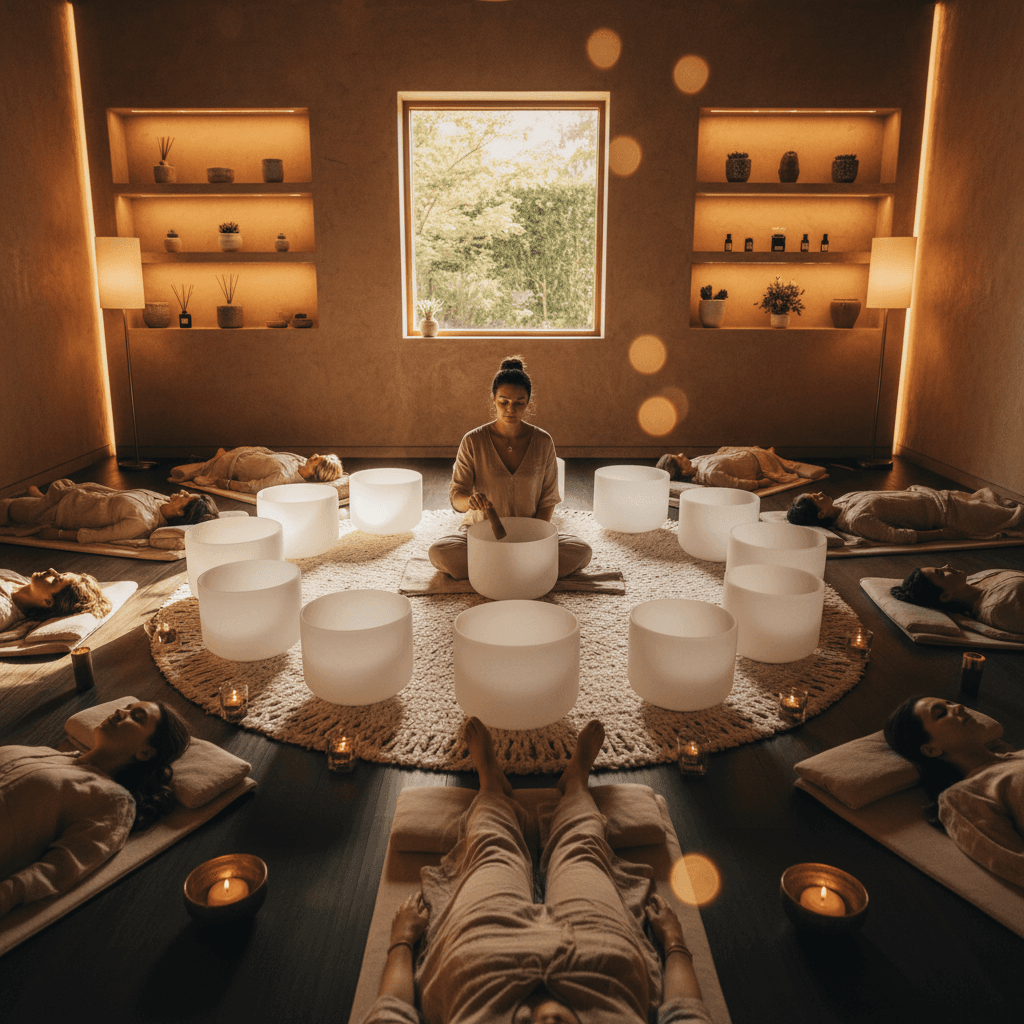
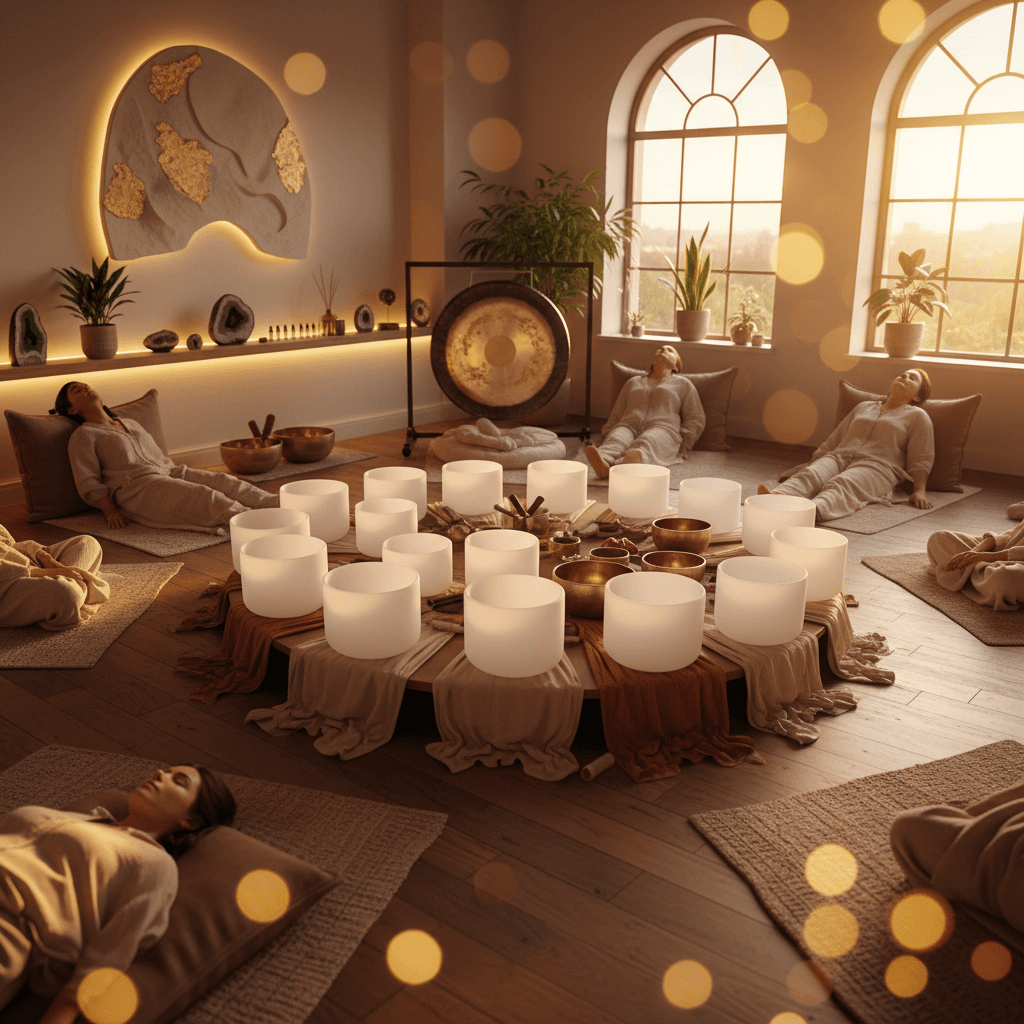
Imagine a highly stressed ER nurse, after a grueling shift, lying comfortably while the gentle yet pervasive vibrations of a gong wash over them. They might feel the subtle resonance throughout their body, a soothing massage from the inside out. The mind, typically racing with patient details and urgent tasks, begins to settle, allowing for a much-needed mental reset. This sensory immersion helps to re-tune the nervous system, offering a powerful antidote to the constant alarm and disruption experienced in their professional environment. It’s an opportunity to recalibrate, recenter, and emerge with a renewed sense of calm and focus, ready to face another demanding day.
Soul Art's Sanctuary: A Bespoke Approach to Sonic Relief
At Soul Art, Larissa Steinbach and her team are dedicated to harnessing the therapeutic power of sound, translating scientific understanding into deeply transformative wellness experiences. Recognizing the unique and intense stressors faced by emergency medical professionals, Soul Art offers a bespoke approach designed to provide genuine sonic relief and foster sustainable resilience.
Larissa Steinbach's philosophy at Soul Art is rooted in the belief that sound is a powerful tool for nervous system regulation and holistic well-being. She integrates scientific principles, such as the impact of specific frequencies on brainwave states and physiological responses, with an intuitive understanding of energetic flow. Her method extends beyond mere relaxation; it aims to create an internal sanctuary for individuals who constantly operate in external chaos.
What truly makes the Soul Art method unique for professionals like ER staff is its intentionality and depth:
- Targeted Nervous System Support: Sessions are meticulously crafted to specifically address the chronic sympathetic activation prevalent in high-stress careers. The goal is to gently guide the body and mind into a deep parasympathetic state, allowing for true rest and rejuvenation.
- Vibrational Immersion: It's not just about what you hear, but what you feel. The carefully selected instruments produce rich overtones and palpable vibrations that resonate through the body, potentially releasing stored tension and promoting cellular harmony.
- Personalized Experience: While group sound baths are offered, Soul Art can also curate private sessions, allowing for a more focused and personalized approach to address individual stress patterns and wellness goals.
Soul Art utilizes a diverse array of sacred and contemporary instruments, each chosen for its unique vibrational qualities:
- Himalayan Singing Bowls: Hand-beaten metal bowls that produce rich, sustained tones and powerful vibrations, often placed directly on the body for a deeper experience.
- Gongs: Large, resonant instruments capable of creating immersive soundscapes that can facilitate deep meditative states and emotional release.
- Chimes: Delicate instruments that produce ethereal, twinkling sounds, often used to cleanse and uplift the energetic field.
- Tuning Forks: Precision-tuned instruments that apply specific frequencies to acupuncture points or energy centers, promoting balance and healing.
- Ambient Soundscapes: Carefully curated blends of nature sounds (like gentle rain or distant waterfalls) or subtle binaural beats, designed to entrain brainwaves for specific states of consciousness.
Larissa Steinbach's expertise ensures that each session is more than just a listening experience; it's an invitation to recalibrate one's entire being. For ER staff, this means a dedicated space where the alarm bells of the hospital fade, replaced by frequencies that may support grounding, release mental chatter, and restore a sense of inner calm. Soul Art's unique blend of ancient wisdom and modern scientific understanding provides a vital resource for those on the front lines, helping them to not only cope but to thrive amidst extraordinary demands.
Cultivating Resilience: Practical Steps for ER Professionals
Recognizing the pervasive impact of sound on your well-being as an ER professional is the first step towards reclaiming your inner calm. Integrating sound wellness practices, whether small daily habits or structured sessions, may significantly support your resilience and overall health. Here are some actionable steps you can begin to implement today:
- Conscious Sound Breaks: Even 5-10 minutes during a break can make a difference. Step away from the immediate noise. Find a quiet corner and listen to calming music, nature sounds, or a guided meditation with sound. Many people report that this brief mental reset can prevent stress accumulation.
- Mindful Breathing with Sound Focus: Incorporate a simple breathing exercise. Close your eyes (if safe and possible) and focus on the sound of your own breath, or listen to a repetitive, soothing sound. This practice helps ground you in the present moment and may reduce physiological stress responses.
- Create a Personal "Sound Sanctuary": Invest in quality noise-canceling headphones. During your commute or immediately after a shift, listen to binaural beats, ambient soundscapes, or classical music. Some research suggests that exposure to specific frequencies or natural sounds can help mitigate job stress and improve satisfaction.
- Advocate for Sound Interventions in the Workplace: Discuss the impact of noise with hospital management or your wellness committee. Brainstorm potential solutions such as designating quiet zones for breaks, exploring sound-absorbing materials, or introducing short, guided sound wellness sessions during staff wellness initiatives.
- Explore Structured Sound Wellness Sessions: Engage with professionals like Larissa Steinbach at Soul Art. A dedicated sound bath or individual session can provide a deeper, more immersive experience, allowing for profound nervous system regulation and stress release that may be difficult to achieve independently in short bursts.
These steps are not replacements for necessary medical treatments or adequate rest, but rather powerful complementary tools for self-care and stress management. By consciously engaging with sound, ER professionals may find a vital pathway to sustained well-being, even amidst the most challenging of environments.
Reclaiming Inner Calm in Critical Care
The Emergency Department is a crucible of human experience, demanding unwavering focus and profound resilience from its staff. Yet, the constant barrage of disruptive sounds poses a significant, often overlooked, threat to their well-being, impacting everything from cognitive function to emotional stability. As we've explored, the pervasive noise contributes to stress, fatigue, and potential errors, making effective communication and mental clarity challenging.
However, the very frequencies that disturb can also heal. Sound wellness offers a scientifically-grounded, complementary approach to mitigate these challenges, providing a vital pathway to restoration. Practices like those championed by Larissa Steinbach at Soul Art leverage targeted vibrations and frequencies to gently guide the nervous system from a state of alert to one of deep rest and healing. This may support stress reduction, improve mental focus, and enhance overall well-being.
For the heroes of emergency medicine, embracing sound wellness is not a luxury, but a powerful act of self-care. It's an opportunity to create an internal sanctuary, ensuring that those who care for us are also deeply cared for. Discover the profound calm that awaits you.
Bookings Coming Soon
Soul Art is still in preparation. Session details and booking will be published here after launch.
Coming Soon
Wellness Disclaimer: This article is for educational and informational purposes only. It does not constitute medical advice, diagnosis, or treatment. Soul Art Dubai provides non-medical wellness experiences focused on relaxation, stress management, and general wellbeing. Sound wellness is a complementary practice and should not replace professional medical care.
Related Articles
Chefs: Mastering Kitchen Pressure Through Sound Wellness
Sound for Death Workers: Managing Stress for Funeral Directors
Sound Wellness: Respite for Retail's Customer-Facing Heroes