Harmonizing Senior Sleep: Sound for Deeper Rest & Early Waking
Key Insights
Explore how specific sound frequencies, like pink noise, can enhance deep sleep and improve cognitive function in older adults. Discover Soul Art's unique approach with Larissa Steinbach.
Have you ever wondered if the secret to a restful night's sleep for older adults might lie in the very air around us – in sound? For many seniors, the once effortless rhythm of sleep becomes fragmented, leading to frustrating early awakenings and daytime fatigue. This common experience is not merely an inconvenience; it can significantly impact overall quality of life, memory, and mood.
At Soul Art, Dubai's premier sound wellness studio, we believe in unlocking the body's innate capacity for restoration through scientifically-informed sound practices. This article delves into the fascinating world of auditory stimulation and its potential to enhance deep sleep cycles in older adults. We will explore the latest research, explain how specific frequencies work, and reveal how Larissa Steinbach and the Soul Art team integrate these findings into unique, transformative experiences designed to foster profound rest. Join us as we uncover how the right sounds can help orchestrate a return to deeper, more restorative slumber.
Understanding the Symphony of Senior Sleep: The Science Behind Sound
As we age, our sleep architecture undergoes significant changes, often characterized by more frequent awakenings and a reduction in the restorative deep sleep stages. This shift can leave older adults feeling less refreshed, impacting everything from cognitive function to mood and physical energy. The good news is that emerging research points to promising, non-invasive approaches to help recalibrate these natural rhythms, with sound leading the way.
The Crucial Role of Slow-Wave Sleep (SWS)
Deep sleep, also known as slow-wave sleep (SWS), is a critical phase where the brain processes memories, clears metabolic waste, and consolidates learning. For older adults, the amount and intensity of SWS tend to decline, which may contribute to sleep problems like early waking and difficulties with memory. Dr. Winter, a sleep expert, suggests that these changes can stem from lifestyle shifts, such as reduced physical activity, and a natural alteration in the body's internal clock or circadian rhythm.
The reduction in SWS is particularly noteworthy because slow waves in the brain have been closely associated with declarative memory performance. Research indicates that a decline in slow-wave activity (SWA) may be linked to age-related changes in brain structures like the medial prefrontal cortex. Therefore, enhancing SWS is not just about feeling rested; it is a vital wellness practice that may support cognitive vitality and overall brain health in later years. Promoting slow-wave synchronization during sleep is a biologically plausible strategy to support memory storage and recall in older adults.
The Power of Pink Noise: Enhancing Deep Sleep
Among the various auditory interventions, pink noise has garnered significant attention for its potential benefits. Unlike white noise, which contains all audible frequencies at equal intensity, pink noise features more intense, lower frequencies, giving it a deeper, more natural sound, akin to steady rain or a gentle waterfall. This subtle difference is key to its unique effects on sleep.
A compelling study involved playing pink noise through a headband to 16 adults aged 62 to 78 while they slept at home. The study data showed that this pink noise stimulation during deep sleep increased slow waves in the brain for some participants. This finding is particularly exciting because it suggests a potential to improve older adults’ sleep and brain function through a fully remote and non-invasive method. Researchers noted the significant potential in these findings, highlighting the possibility of leveraging sound to foster better sleep from the comfort of one's own home. While further research is always ongoing, these preliminary studies indicate a promising avenue for enhancing deep, restorative sleep.
Beyond Pink Noise: Other Auditory Interventions
The scientific exploration into sound and sleep extends beyond pink noise, revealing a broader spectrum of auditory interventions that may support sleep quality in older adults. Experts have been developing an understanding of this relationship for years, with a growing body of research contributing to our knowledge.
- Targeted Frequencies and Memory: A 2017 study found that playing sounds at certain frequencies enhanced slow-wave brain activity and improved sleep-dependent memory in older adults. This research was built upon earlier findings from 2016, which showed that playing noise when people reached deep sleep during a nap helped their declarative memory—the long-term memory of facts or events. These studies collectively suggest that precisely timed auditory stimuli can have a measurable impact on both sleep architecture and cognitive function.
- White Noise and Sleep Quality: While white noise is distinct from pink noise, its effects on sleep have also been studied. A meta-analysis published in 2025 by Ding et al. investigated the impact of white noise across different age groups. For older adults (aged greater than or equal to 65 years), white noise significantly reduced PSQI (Pittsburgh Sleep Quality Index) scores, indicating an improvement in subjective sleep quality. However, the overall results on objective measures like sleep efficiency (SE) and wakefulness after sleep onset (WASO) varied, suggesting that while many people report benefits, the impact can be nuanced and individual.
- Music Interventions: The soothing power of music has long been associated with relaxation. A narrative review on music interventions for older adults found mixed evidence regarding its efficacy for improving sleep quality. Some randomized controlled trials (RCTs) reported significant improvements in sleep quality in intervention groups, particularly with sedative and calming music. However, other studies found no difference or noted that meditation groups showed greater improvements. This suggests that the type of music and how it's integrated into a routine may be key factors.
- "Brain Music": Inspired by the resemblance between brain waves and musical rhythms, some scientists have explored "brain music." This involves converting EEG recordings of sleep waves into music. A pioneering 1998 randomized controlled trial by Levin revealed that such "brain music" had beneficial effects on over 80% of patients with insomnia, as assessed by both subjective and objective criteria. This fascinating concept highlights the potential for highly personalized auditory interventions.
These diverse studies underscore the complexity and promise of sound as a complementary approach to address sleep challenges in older adults. While more research is always needed to fully understand the mechanisms and optimize interventions, the existing evidence provides a strong foundation for exploring sound-based wellness practices.
"The subtle frequencies of sound hold a profound potential, not just to lull us into sleep, but to recalibrate the very rhythms that define our restorative rest and cognitive vitality."
Translating Science into Serenity: Your Sound Wellness Journey
Understanding the science behind how sound may support deeper sleep is one thing; experiencing its practical application is another. At Soul Art, we bridge this gap by meticulously crafting sound environments that resonate with your body's natural need for restoration. Our approach connects the theoretical benefits of specific frequencies to a tangible, deeply relaxing experience that clients consistently report as transformative.
When you engage in a sound wellness session focused on sleep enhancement, the experience is designed to be gentle, immersive, and non-invasive. Instead of disruptive noise, you are enveloped in carefully chosen soundscapes. These might incorporate elements of pink noise, delivered at optimal decibel levels (often between 40-50 dB, a soft background hum), to subtly encourage the brain into a state conducive to slow-wave activity. The goal is not to force sleep, but to create an internal environment where deep rest can naturally unfold.
Clients often describe a profound sense of calm washing over them, as the external world fades and their mental chatter quiets. The auditory stimuli are not overt; rather, they form a subtle, consistent backdrop that supports the brain’s natural progression through sleep stages. For those experiencing early waking, the aim is to help extend the duration and quality of deep sleep, thereby reducing the likelihood of fragmented rest. By promoting more sustained periods of slow-wave sleep, the body and mind may achieve a deeper, more complete cycle of rejuvenation, making early awakenings less frequent and less abrupt.
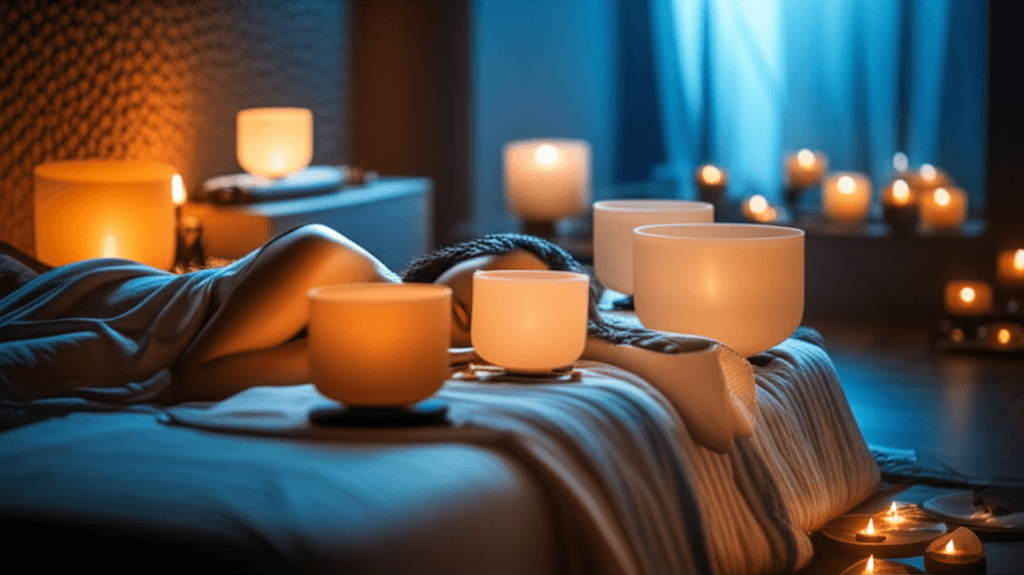
The experience may also include other carefully selected sounds, such as binaural beats or specific musical compositions known for their sedative qualities, as highlighted in studies on music interventions. The sensory details extend beyond just hearing; many people report a feeling of physical relaxation, as if their nervous system is being gently guided into a state of repose. This holistic approach supports the body’s innate ability to self-regulate and find its way back to a more balanced sleep rhythm, making it a powerful self-care practice for addressing sleep challenges associated with aging.
Larissa Steinbach's Signature: The Soul Art Method for Senior Sleep
At Soul Art, Larissa Steinbach, our visionary founder, has cultivated a unique methodology that synthesizes cutting-edge scientific understanding with profound intuitive wisdom. Her approach to enhancing senior sleep cycles is deeply personalized and holistic, recognizing that each individual's journey to restful sleep is distinct. Larissa and the Soul Art team understand that the decline in slow-wave sleep and the challenges of early waking demand a nuanced strategy that goes beyond generic solutions.
What makes the Soul Art method truly distinctive is its thoughtful blend of empirically-backed sound frequencies, like the research-supported pink noise, with a rich tapestry of other calming, vibrational elements. Larissa's expertise allows her to craft customized soundscapes that are precisely tuned to support the brain's natural ability to enter and sustain deep, slow-wave sleep. This is not merely about playing background sounds; it's an artful orchestration of frequencies designed to resonate with the body's internal rhythms.
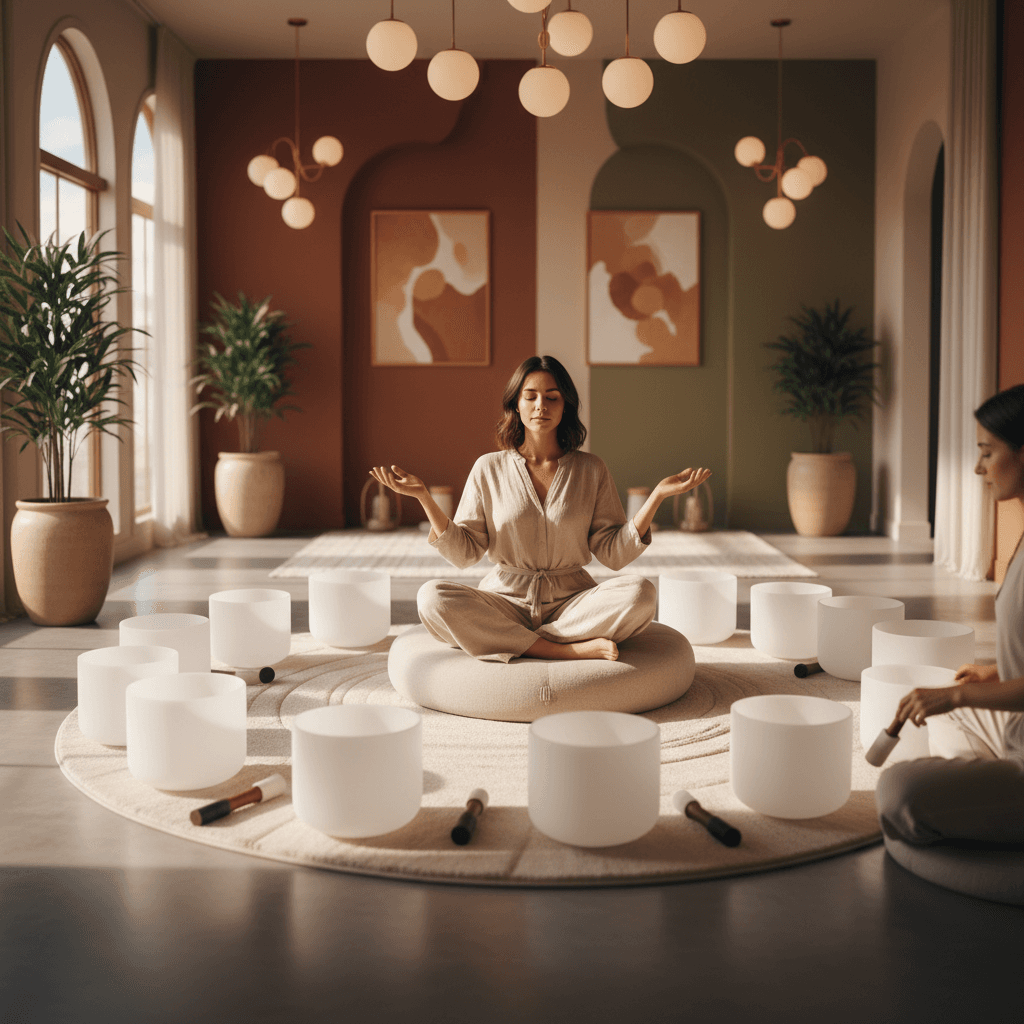
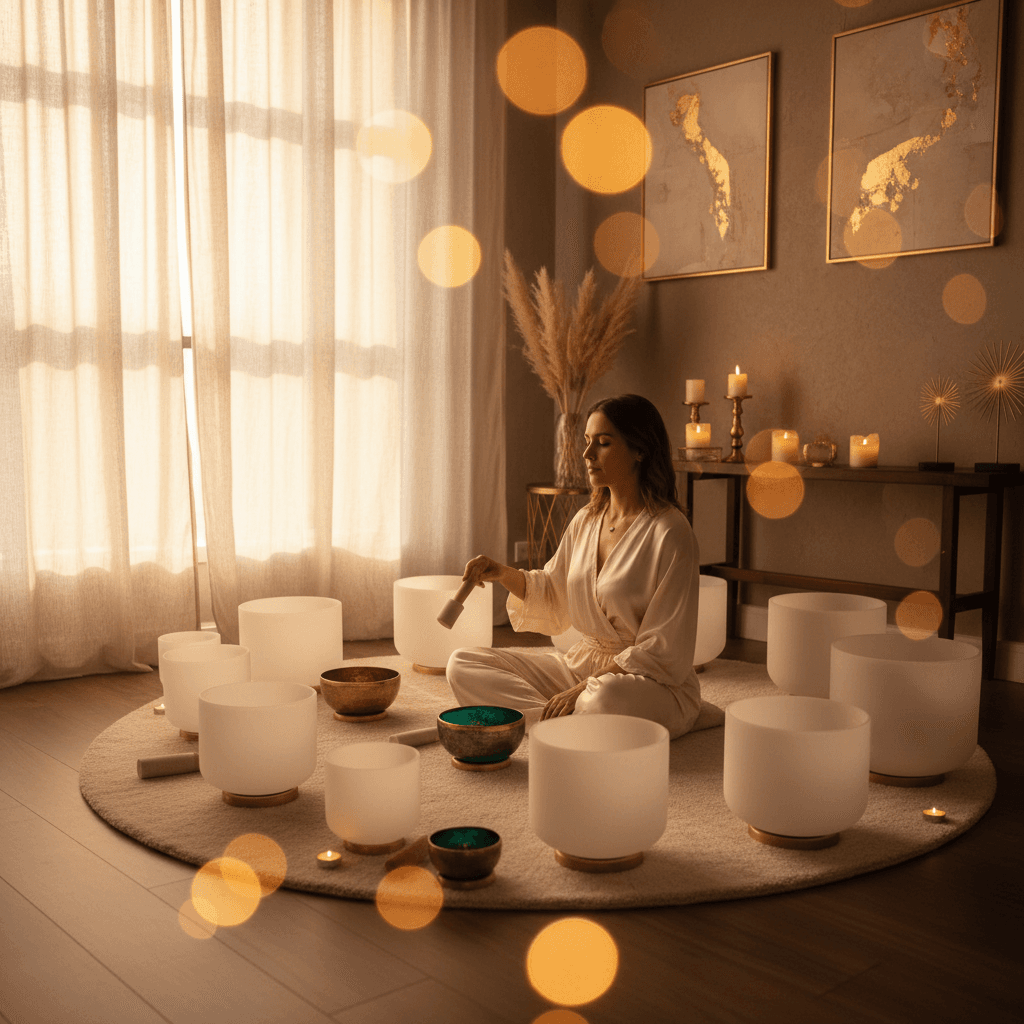
Specific instruments, such as crystal singing bowls, Himalayan singing bowls, and resonant gongs, are often incorporated into Soul Art sessions. These instruments produce rich, sustained tones and vibrations that can have a deeply calming effect on the nervous system. While the scientific studies often focus on specific noise types delivered through headbands, Larissa's method offers a broader, more immersive experience. The subtle yet powerful vibrations permeate the space, inviting a state of profound relaxation that many people report to be deeply restorative.
Larissa's signature technique also involves gentle guidance and the creation of an optimal, serene environment, embodying a true sense of quiet luxury. This mindful curation of space and sound amplifies the potential for therapeutic benefit. By combining targeted sound frequencies with the deeply relaxing qualities of vibrational instruments, Soul Art offers a comprehensive wellness practice aimed at improving sleep architecture, reducing fragmented sleep, and ultimately supporting older adults in achieving more sustained, restful nights. It's a testament to Larissa Steinbach’s commitment to providing an advanced, empathetic, and effective approach to holistic wellbeing.
Empowering Your Rest: Practical Steps for Enhanced Sleep
Restoring healthy sleep patterns, especially as we age, is a journey that benefits from intentionality and the right tools. While a session at Soul Art offers a deeply immersive experience, there are several practical steps you can integrate into your daily life to complement these efforts and promote better sleep. Embracing these self-care practices can significantly impact your overall well-being and help address early waking.
Here are some actionable recommendations to support your sleep journey:
- Incorporate Calming Sounds at Bedtime: Experiment with gentle, consistent sounds like pink noise, white noise, or calming music. There are many apps and devices available that can generate these sounds. Aim for a low, steady volume that acts as a soothing backdrop rather than a distraction. Some research suggests that tailored soundscapes can cue the body for sleep and mask environmental disturbances.
- Establish a Consistent Sleep Routine: Go to bed and wake up at roughly the same time each day, even on weekends. This helps regulate your body’s natural circadian rhythm. A consistent routine may support the body in producing the necessary slow waves for deep sleep more effectively.
- Create a Conducive Sleep Environment: Ensure your bedroom is dark, quiet, and cool. Remove electronics, as the blue light emitted from screens can interfere with melatonin production, a hormone essential for sleep. A calm environment reinforces the relaxation response.
- Limit Stimulants and Heavy Meals Before Bed: Avoid caffeine and nicotine in the late afternoon and evening, as they are stimulants. Heavy meals close to bedtime can also interfere with digestion and make it harder to fall and stay asleep. Opt for lighter, easily digestible snacks if you're hungry.
- Consider a Sound Wellness Session: Explore a specialized sound wellness session, particularly if you are struggling with persistent sleep challenges. A personalized session with experts like Larissa Steinbach at Soul Art can provide targeted auditory support tailored to your unique needs, offering a unique path to deep relaxation and enhanced sleep quality.
Taking these steps can create a foundation for more restful nights and less frustrating early waking. Remember, consistent effort and a holistic approach are key to optimizing your sleep.
Bookings Coming Soon
Soul Art is still in preparation. Session details and booking will be published here after launch.
Coming Soon
Restoring the Rhythm of Rest: A Summary
The journey through aging often brings challenges to sleep, particularly a reduction in vital slow-wave sleep and the frustration of early waking. However, a growing body of scientific research underscores the significant potential of sound as a complementary approach to address these issues. From the targeted enhancement of slow waves by pink noise to the broader benefits of carefully curated soundscapes, auditory interventions are emerging as a powerful tool for holistic wellness.
At Soul Art, under the discerning guidance of Larissa Steinbach, we harness these scientific insights to create bespoke sound wellness experiences. Our method aims to gently guide your brain towards deeper, more restorative sleep, supporting cognitive function and overall vitality. By embracing the transformative power of sound, older adults may find a pathway back to sustained rest and wake up feeling truly refreshed. We invite you to explore this profound journey towards enhanced well-being with us.
Wellness Disclaimer: This article is for educational and informational purposes only. It does not constitute medical advice, diagnosis, or treatment. Soul Art Dubai provides non-medical wellness experiences focused on relaxation, stress management, and general wellbeing. Sound wellness is a complementary practice and should not replace professional medical care.
Related Articles
Downsizing: Navigating Life's Big Changes with Sound Wellness
Restless Legs Relief: Sound Wellness for Deeper Nighttime Comfort
Embracing Age with Inner Peace: Sound Wellness for Acceptance