Unlock Creative Potential: Sound, Dreams & Subconscious
Key Insights
Discover how sound wellness and targeted dream incubation can unlock your creative subconscious. Explore Soul Art's unique approach with Larissa Steinbach.
Have you ever faced a complex problem, pondered it before bed, and woken up with a sudden, brilliant solution? Many people report breakthrough ideas emerging from dreams, a phenomenon often attributed to the simple wisdom of "sleeping on it." This age-old advice, it turns out, may be profoundly grounded in scientific reality, suggesting that our subconscious mind holds an untapped reservoir of creative potential.
What if you could gently nudge your dreams in a creative direction, inviting solutions and novel ideas to emerge from the depths of your sleeping mind? Recent neuroscientific research is beginning to unveil the fascinating ways in which our nocturnal journeys can be subtly influenced, potentially boosting our creative problem-solving abilities. This article delves into the intriguing intersection of dreams, sound, and creativity, exploring how these elements can converge to unlock new insights.
At Soul Art, Dubai's premier sound wellness studio, founded by Larissa Steinbach, we understand the profound connection between deep relaxation, subconscious states, and creative flow. We explore how strategically crafted sound experiences can serve as a powerful complementary approach to nurturing your inner wellspring of innovation and insight. Join us as we uncover the science and practice behind harnessing your dreams for enhanced creativity and well-being.
The Science Explained: Nudging the Creative Subconscious
For centuries, artists, scientists, and thinkers have credited dreams with moments of profound inspiration. From the periodic table appearing to Mendeleev to the double helix structure revealing itself to James Watson, the sleeping mind has been a powerful incubator for new ideas. Modern neuroscience is now providing a glimpse into how this might happen and how these creative sparks can be fostered.
Targeted Memory Reactivation (TMR) and Dream Incubation
Pioneering research from Northwestern University has shown it is possible to influence dream content through a technique called targeted memory reactivation (TMR). Scientists exposed participants to subtle sound cues during sleep, specifically when brain monitoring confirmed they were in a sleep state. These sounds were previously associated with unsolved puzzles that participants had struggled with while awake.
The results were remarkable: an astonishing 75% of participants reported dreams that included elements or ideas related to the unsolved puzzles that were cued with sounds. More significantly, those puzzles that appeared in dreams were solved at a much higher rate the next day. Participants solved 42% of the dream-related puzzles, compared to only 17% of those that did not appear in dreams. This suggests that "nudging" dreams with specific auditory cues may support creative problem-solving.
The findings support the idea that dream content can indeed be steered, even without explicit lucidity, potentially leading to a more fruitful waking life. This innovative approach highlights the power of the subconscious mind to process information and generate solutions when gently guided by external stimuli.
REM Sleep: The Creative Sweet Spot
The research further supports the long-held belief that REM sleep—the rapid eye movement stage where vivid and often lucid dreams occur—is particularly fertile ground for creative insight. During REM sleep, the brain actively processes information, forming new connections and breaking free from rigid thought patterns. This uninhibited processing is believed to be crucial for generating novel ideas.
Karen Konkoly, lead author of the Northwestern study, noted an intriguing finding: "Even without lucidity, one dreamer asked a dream character for help solving the puzzle we were cueing." This anecdote beautifully illustrates how the sleeping mind can engage with problems, even without conscious awareness or control. The ability of the brain to "follow instructions" implicitly through sound cues during sleep highlights the powerful, yet often overlooked, potential of our subconscious. This suggests that the brain can actively work on challenges during REM, even forming new, unexpected connections.
It is important to acknowledge that while these findings are exciting, the initial sample size for the Northwestern study was relatively small, involving 20 participants. Researchers also note that it is challenging to definitively separate the exact moment of creative insight—whether it occurs during the dream itself or in the unconscious processing that continues after waking. Future studies aim to explore whether this "dream engineering" can also boost divergent creativity (generating many novel ideas), beyond just convergent creativity (finding a single correct solution). These ongoing explorations continue to deepen our understanding of the brain’s incredible capabilities.
The Role of Ambient Sound and Noise in Creativity
Beyond sleep, the very sounds in our environment can influence our waking creativity. Research suggests an inverted-U relationship between noise levels and creative performance. Too little noise can lead to monotony, potentially hindering abstract thought, while too much can be distracting and impair information processing. The "sweet spot" appears to be around 70 decibels, roughly equivalent to a passenger car on a highway or the moderate hum of a bustling coffee shop.
Professor Ravi Mehta of the University of Illinois explains, "Our findings imply that instead of burying oneself in a quiet room trying to figure out a solution, walking outside of one’s comfort zone and getting into a relatively noisy environment like a cafe may actually trigger the brain to think abstractly, and thus generate creative ideas." This moderate ambient sound may create a level of cognitive disfluency, encouraging the brain to make broader, less conventional associations, which can be beneficial for creative thinking. It challenges the brain just enough to foster novel connections.
It's crucial to distinguish between beneficial "sound" and detrimental "noise." "Changing-state" sounds, like popular music with familiar lyrics, can often hinder concentration and creative tasks more than "steady-state" sounds, such as white noise or the consistent hum of a cafe. This distinction helps us understand why some auditory environments foster creativity while others impede it. This research provides a valuable framework for understanding how various soundscapes, including those curated for wellness, may impact our cognitive processes both awake and asleep.
How It Works in Practice: Cultivating the Conditions for Creative Dreams
Connecting these scientific insights to practical application means understanding how to create an optimal environment for your subconscious mind to engage in creative processing. While we cannot directly "program" our dreams in a wellness setting, we can certainly cultivate the conditions that may support deeper sleep, enhanced dream recall, and a more receptive subconscious state. This is where sound wellness practices offer a unique and powerful pathway.
Imagine preparing for a session with a particular problem or creative challenge gently held in your mind. As you settle into a state of profound relaxation, the carefully chosen sounds, vibrations, and frequencies envelop you. This experience is designed to guide your brain into calmer brainwave states, such as alpha and theta waves, which are associated with deep relaxation, meditation, and the hypnagogic state—the transitional phase between wakefulness and sleep. These brainwave states are known to facilitate introspection and imaginative thinking.
During these deeply relaxed states, the conscious mind's chatter begins to subside. This allows the subconscious mind, often brimming with unprocessed thoughts and insights, to come forward. The gentle, rhythmic sounds create a consistent, non-distracting auditory environment—much like the beneficial moderate ambient noise described by researchers—but specifically tailored for internal exploration. This focused auditory input can gently occupy the analytical mind, allowing creative pathways to open and new connections to form.
Clients often report a sense of mental clarity and emotional release during and after sound wellness sessions. Some describe vivid imagery, spontaneous insights, or a feeling of "reset." While specific dream content cannot be guaranteed, the profound relaxation and mental spaciousness cultivated through sound may make the mind more receptive to internal processing. This relaxed state, maintained even as one transitions to sleep, could prime the brain to engage with pre-sleep intentions, potentially influencing the themes and ideas that emerge in dreams. It's about nurturing the conditions for the subconscious to do its best creative work, offering a supportive backdrop for your mind to "sleep on it" with enhanced potential.
The Soul Art Approach: Larissa Steinbach's Unique Method
At Soul Art, Larissa Steinbach, the visionary founder, has meticulously crafted a unique sound wellness methodology that deeply resonates with these scientific principles. Her approach is rooted in creating an immersive auditory experience designed to guide individuals into states of profound relaxation, making the subconscious mind more accessible for introspection and creative incubation. It is a holistic wellness practice that honors the intricate connection between mind, body, and spirit.
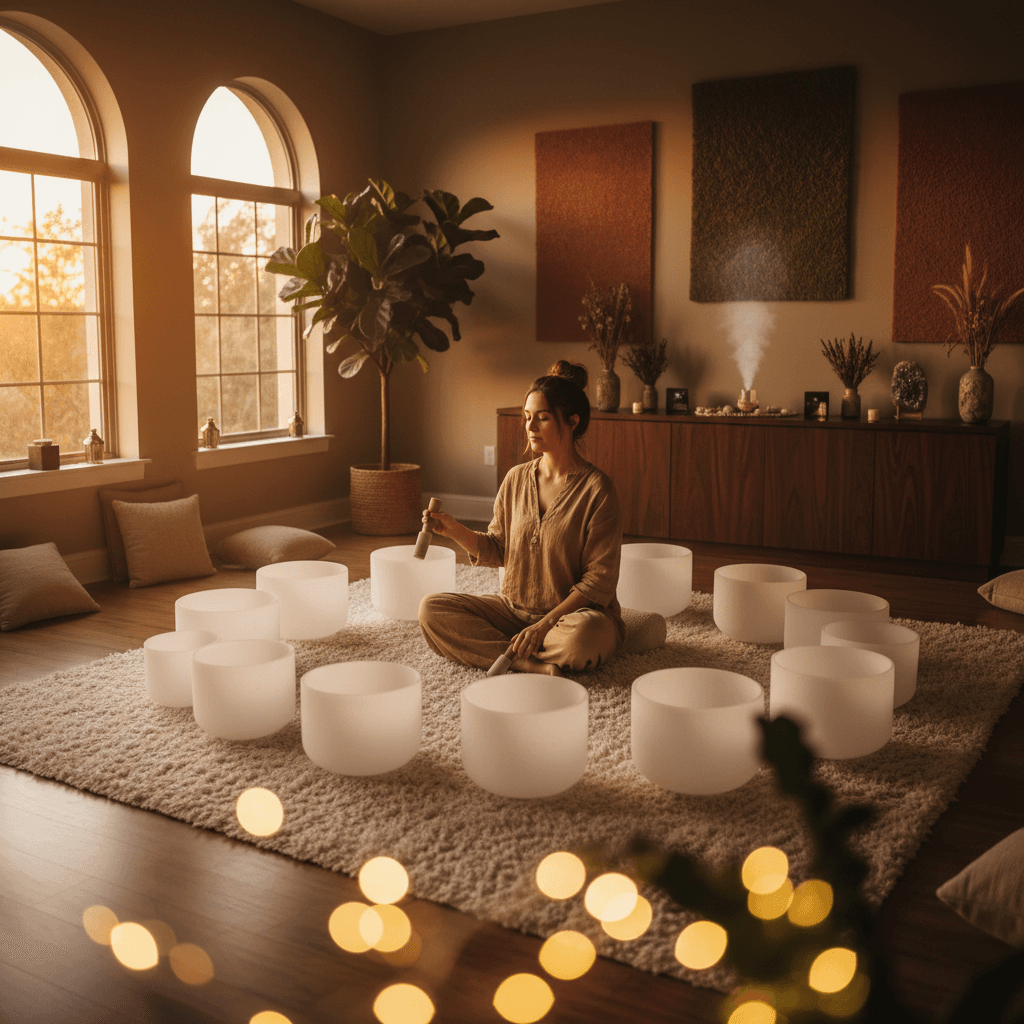
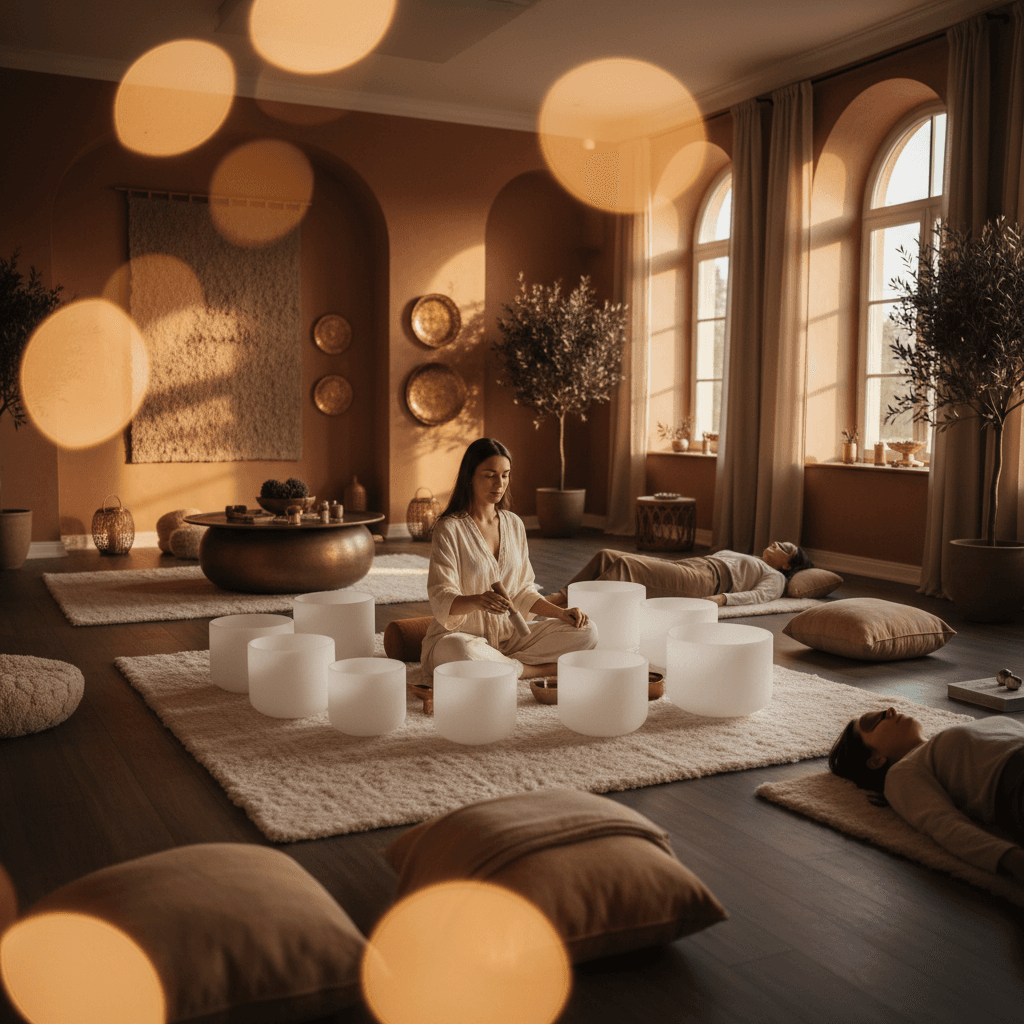
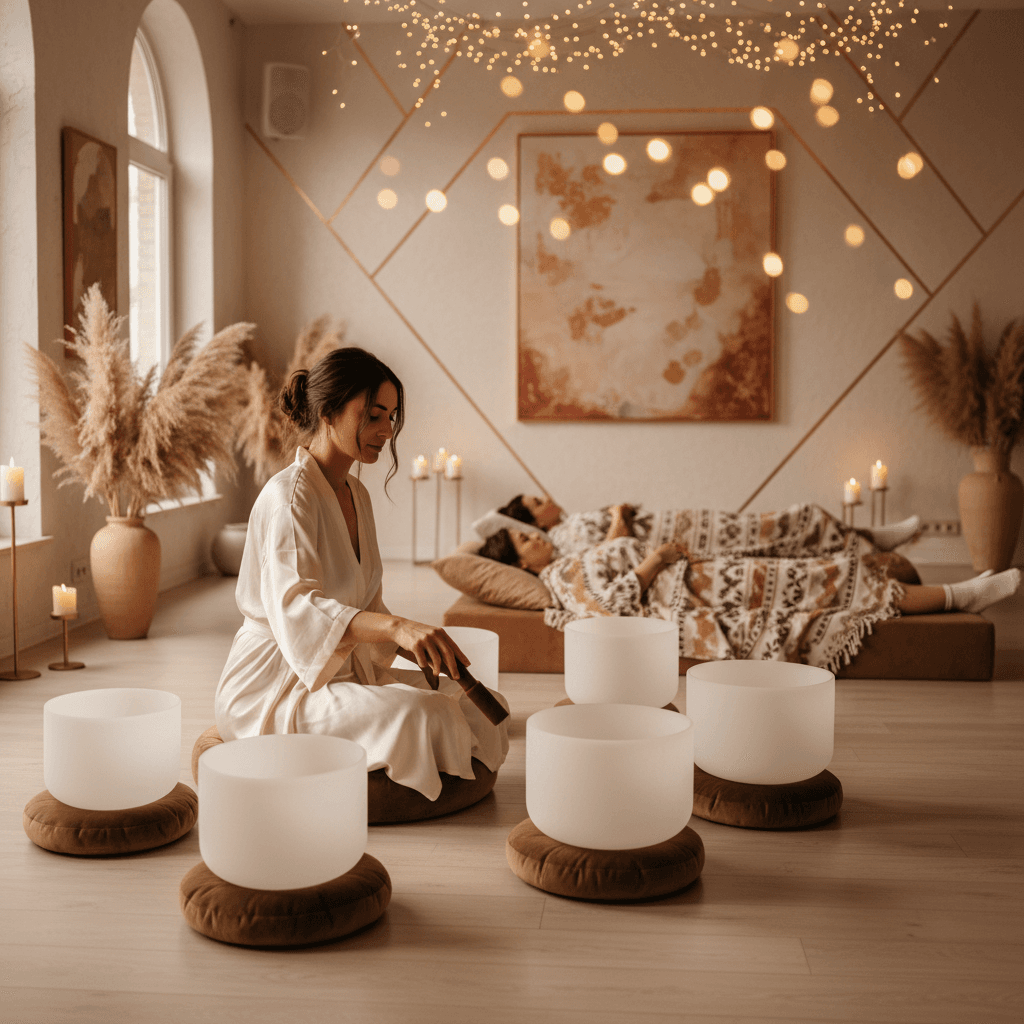
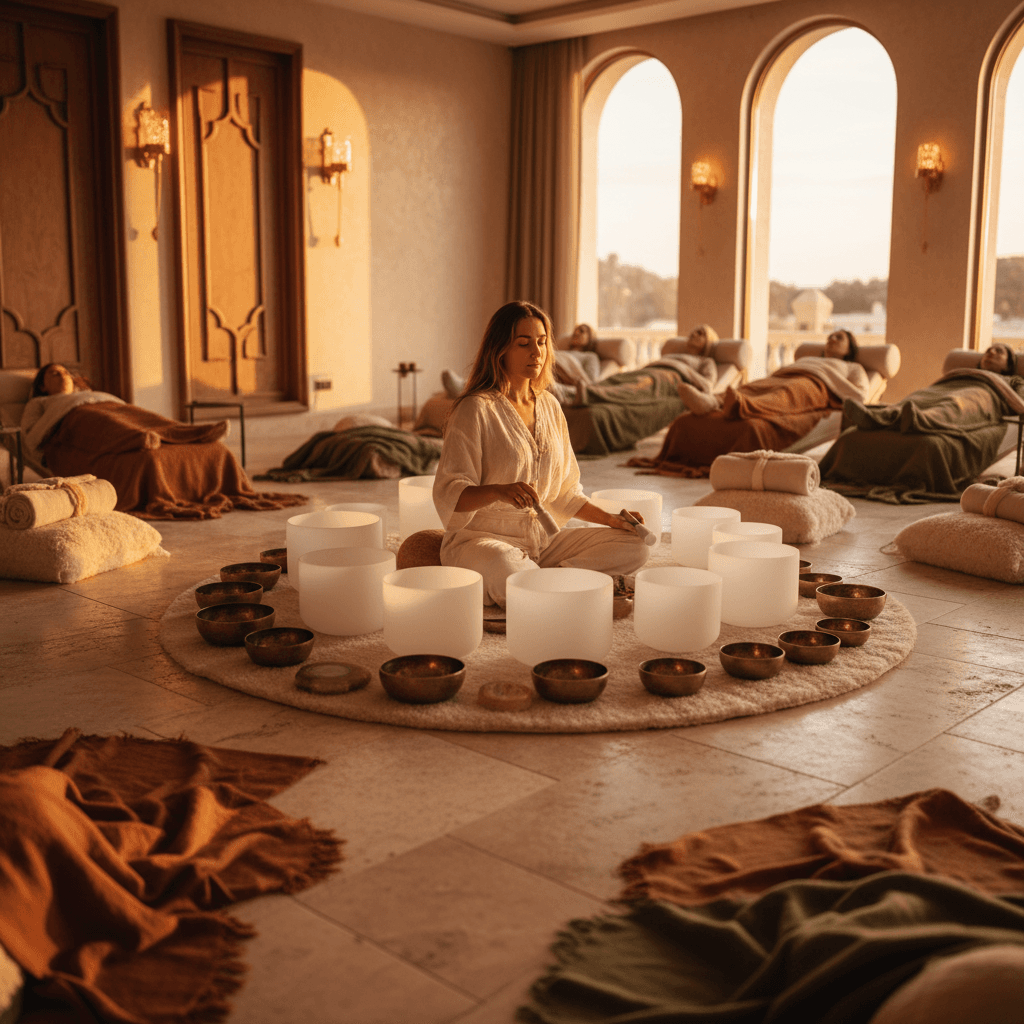
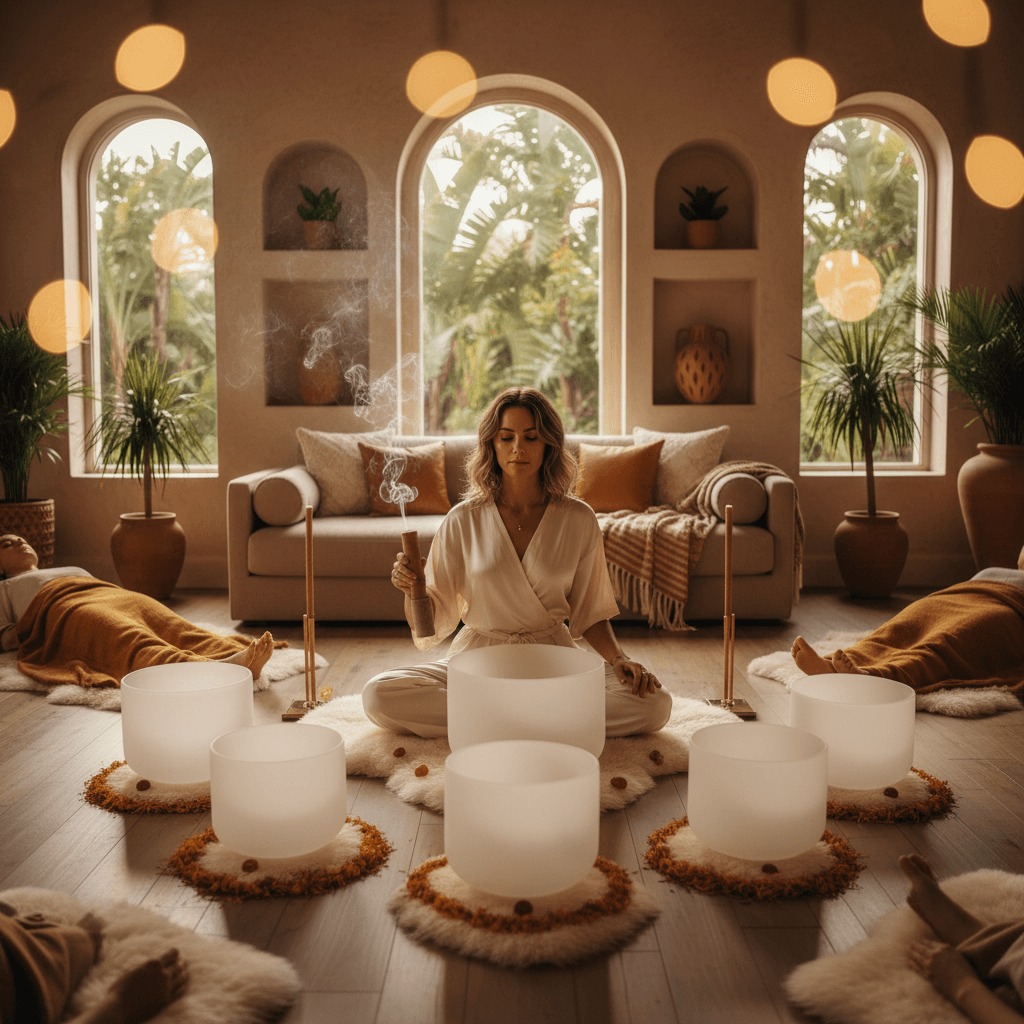
Larissa's sessions are not merely passive listening; they are active engagements with sound as a medium for transformation. She expertly weaves together the rich, resonant tones of crystal singing bowls, the deep vibrations of gongs, the delicate chimes, and other therapeutic instruments. These instruments produce specific frequencies and overtones that are believed to harmonize with the body's natural energetic systems and help entrain brainwaves towards beneficial states, promoting a sense of inner balance and calm.
The Soul Art method focuses on creating a "steady-state" auditory environment, avoiding jarring or "changing-state" sounds that could disrupt cognitive flow. Instead, the carefully orchestrated soundscapes provide a gentle, consistent backdrop, allowing the busy conscious mind to quieten and the subconscious to surface. Larissa encourages clients to set an intention before a session, perhaps a creative problem they wish to explore or a new idea they seek to develop. This pre-session intention, coupled with the deeply relaxing sound experience, may create a fertile ground for the mind to continue processing these themes, even into sleep.
"Our aim at Soul Art is to create a sanctuary where the mind can truly unwind, allowing insights to naturally unfurl. We provide the vessel, through sound, for your inner wisdom to come forth and illuminate your creative path." - Larissa Steinbach
Through Larissa's guidance, Soul Art clients learn to surrender to the sound, fostering a state of deep mental and emotional openness. This unique combination of intentional focus and profound relaxation, facilitated by expertly delivered sound, offers a complementary approach to unlocking the subconscious mind's creative potential, aligning with the research on dream incubation and optimal auditory environments for creativity. It's an invitation to explore your inner landscape with curiosity and trust, enhancing your overall well-being.
Your Next Steps: Cultivating Creativity and Dream Insights
Ready to invite more creativity and clarity into your life, perhaps even from your dreams? Integrating sound wellness and mindful practices into your routine can be a gentle yet powerful way to support your subconscious mind's natural abilities. Here are some actionable steps you can begin today:
- Set Intentions Before Sleep: Before drifting off, hold a creative problem or question gently in your mind. Don't actively try to solve it; simply acknowledge it and express a quiet intention for insight to emerge during sleep.
- Create a Serene Sleep Environment: Minimize light and noise distractions. Consider incorporating gentle, steady-state ambient sounds, like soft nature soundscapes or specific sound frequencies, to foster a calming atmosphere conducive to deep, restorative sleep.
- Practice Dream Journaling: Keep a notebook by your bed. Upon waking, immediately jot down any fragments, images, or feelings from your dreams, even if they seem nonsensical. Over time, patterns and insights may emerge, offering clues to your subconscious processing.
- Embrace Mindful Sound Experiences: Regularly engage in sound wellness practices, such as those offered by Soul Art. These sessions may help reduce stress, calm the nervous system, and create the optimal brainwave states for subconscious processing and creative flow.
- Take "Creative Breaks": If you're stuck on a problem, step away. Engage in a relaxing activity, like a walk in nature, or attend a sound bath. This allows your brain to shift focus, similar to how dreams facilitate new connections and perspectives.
By consciously preparing your mind and environment, you may enhance your natural capacity for creative breakthroughs, allowing your subconscious to work its magic. These practices are not a magic bullet, but rather a holistic wellness approach to support your overall mental and creative wellbeing.
Ready to deepen your connection to your creative self through the power of sound?
Bookings Coming Soon
Soul Art is still in preparation. Session details and booking will be published here after launch.
Coming Soon
In Summary: Harnessing Subconscious Creativity with Sound
Our journey through the intriguing world of dreams and creativity reveals that the age-old wisdom of "sleeping on it" holds significant scientific weight. Groundbreaking research on targeted memory reactivation demonstrates that dreams can be subtly nudged with sound cues, potentially unlocking solutions to complex problems and fostering creative breakthroughs. The REM stage of sleep, coupled with specific auditory environments, appears to be a powerful incubator for novel ideas.
At Soul Art, Larissa Steinbach's unique sound wellness methodology harnesses these principles, creating a sanctuary where deep relaxation and intentional soundscapes may support the subconscious mind's natural creative processes. By integrating mindful sound experiences into your life, you can cultivate conditions that are conducive to enhanced introspection, deeper sleep, and a more vibrant flow of creative insights. It’s an invitation to explore the profound potential of your inner world and elevate your well-being.
Wellness Disclaimer: This article is for educational and informational purposes only. It does not constitute medical advice, diagnosis, or treatment. Soul Art Dubai provides non-medical wellness experiences focused on relaxation, stress management, and general wellbeing. Sound wellness is a complementary practice and should not replace professional medical care.