Unlocking Dopamine: Rhythmic Sound for Enhanced Well-being at Soul Art

Key Insights
Explore how rhythmic sound stimulation at Soul Art Dubai, founded by Larissa Steinbach, naturally boosts dopamine for improved mood, motivation, and cognitive function. Discover the neuroscience.
Imagine a state of profound calm, enhanced focus, and a natural uplift in mood, all achieved through the gentle power of sound. This isn't just a pleasant thought; it's a scientifically supported reality rooted in our brain's intricate chemistry. Modern neuroscience is increasingly revealing the profound impact that rhythmic auditory stimulation has on our well-being.
At the heart of this lies dopamine, a crucial neurotransmitter often associated with pleasure, motivation, and reward. It plays a central role in how we experience joy and drive. Many people report feeling revitalized and inspired after engaging with sound wellness practices.
This article delves into the fascinating connection between rhythmic sound and dopamine release. We will explore the underlying neuroscience, demonstrate how these principles are applied in practice, and reveal how Soul Art, under the guidance of Larissa Steinbach, harnesses this potential. Understanding this mechanism can empower you to proactively support your mental and emotional health.
The Science Explained: Rhythmic Sound and Your Brain's Chemistry
Our brains are exquisitely wired to respond to auditory stimuli, especially rhythmic patterns. This responsiveness is not merely about perception; it extends to deep biochemical changes within our neural networks. Scientific research has begun to unravel the complex interplay that leads to feelings of reward and well-being.
What is Dopamine?
DDopamine is a powerful neurochemical messenger, functioning as both a neurotransmitter and a neuromodulator within the brain. It is synthesized in key regions such as the substantia nigra, ventral tegmental area (VTA), and hypothalamus. Its primary roles encompass pleasure, motivation, motor control, and cognitive functions like planning and focus.
This vital compound is central to our brain's reward system, signaling when something feels good and encouraging us to repeat behaviors. It drives our seeking behavior and plays a significant part in our ability to learn and engage with the world. Balanced dopamine levels contribute to feelings of happiness, alertness, and motivation.
When dopamine is released, it travels across synapses to bind with receptors on other nerve cells, transmitting crucial information. This intricate process underpins many of our daily experiences, from savoring a delicious meal to enjoying a beautiful piece of music. Disruptions in this system can impact mood, movement, and overall cognitive performance.
Music, Sound, and the Brain's Reward System
The brain's response to music and sound is remarkably similar to its reaction to other biologically significant stimuli like food or social interaction. Research consistently shows that auditory stimulation, particularly melodic music, can trigger a robust release of dopamine. This release occurs in areas intrinsically linked to reward processing.
Studies using ligand-based PET scanning have observed dopamine release in the dorsal and ventral striatum, including the nucleus accumbens (NAc) and the caudate putamen, during peak emotional arousal from listening to preferred music. This indicates that music directly impacts the brain's "feel-good" circuitry. A 2018 study in Neuroscience Letters highlighted how melodic music increased dopamine activity in the caudate-putamen (CPu) and nucleus accumbens (NAcc) in rat forebrain areas associated with reward and motor control. The research also noted increased serotonin activity in the CPu.
Further pharmacological studies have established a causal link between dopamine release and musical reward experience. Participants who received a dopamine precursor, such as levodopa, reported enhanced pleasure from music, while those given dopamine receptor inhibitors, like risperidone, experienced impaired musical enjoyment. This suggests that dopamine neurotransmission is a crucial condition for experiencing pleasure from music. It underlines that music, although not biologically vital, activates the same ancient reward pathways as other fundamental life experiences.
The Role of Rhythmic Stimulation
Beyond just melodic content, the rhythmic aspects of sound play a distinct and powerful role in dopamine modulation. Rhythmic patterns can entrain our brainwaves, influencing our mental and physical states. The predictability and anticipation inherent in rhythm can be particularly rewarding.
As observed in studies, dopamine is released not only during the experience of reward but also during its anticipation. Rhythmic sound creates this anticipation, building a reinforcing cycle that encourages engagement and pleasure. This phenomenon has been associated with learning, behavior reinforcement, and sensorimotor integration.
The rhythmic pulse of sound also engages motor control centers, even when we are not physically moving. This deep engagement may contribute to the sense of coherence and grounding many individuals experience during sound wellness sessions. It creates a subtle but profound connection between auditory input and the body's internal rhythms.
Neuroplasticity and Long-Term Benefits
Consistent exposure to rhythmic sound stimulation may contribute to the brain's remarkable capacity for neuroplasticity. This is the brain's ability to reorganize itself by forming new neural connections throughout life. Regular engagement with sound wellness practices may support positive structural and functional changes in the brain.
Preliminary studies indicate that auditory stimuli, such as music, may promote modulation of synaptic plasticity and neuronal learning. This could enhance human cognitive performance and support memory function. Individuals with musical training, for example, have been observed to exhibit better memory, executive function, and visuospatial perception.
The sustained engagement of multiple brain areas during rhythmic sound practices can lead to an increase in the volume and activity of the corpus callosum, the crucial bridge connecting the two hemispheres of the brain. This suggests that sound wellness is not merely a transient experience but a practice that may offer enduring benefits for brain health and cognitive resilience. These findings highlight the potential of sound as a complementary approach to holistic well-being.
"The brain, an orchestra of electrical and chemical signals, finds its rhythm and harmony amplified through the external symphony of sound, leading to a natural crescendo of well-being."
How It Works in Practice: Experiencing Rhythmic Dopamine Release
Connecting the scientific understanding of dopamine with the tangible experience of sound wellness reveals a profound pathway to inner calm and revitalization. When you step into a sound session, you're not just listening; you're immersed in a carefully crafted auditory environment designed to resonate with your deepest physiological responses.
The experience often begins with a sense of gentle immersion, as carefully selected frequencies and rhythms fill the space. Instruments like crystal singing bowls, gongs, and chimes produce complex overtones and vibrations that can be felt not only through the ears but throughout the body. These physical sensations contribute significantly to the overall experience.
As these resonant sounds wash over you, your brain begins to interpret the rhythmic patterns. The consistent, often slow and meditative, rhythms may encourage your brainwaves to shift into states associated with deep relaxation, such as alpha or theta waves. This shift creates an optimal environment for the natural release of dopamine.
Many clients report a distinct sense of pleasure, calm, and sometimes even euphoria during or after a sound session. This is an anecdotal testament to the biochemical cascade unfolding within. The brain's reward system responds to the harmonious stimulation, much like it would to other enjoyable activities, fostering a sense of contentment and motivation.
The sustained rhythmic engagement helps to quiet the "chatter" of the mind, allowing for a deeper focus and presence. This focused attention, combined with the pleasurable neural responses, helps to reinforce a positive feedback loop. Each session may gently guide the brain towards a greater capacity for self-regulation and emotional balance.
The Soul Art Approach: Larissa Steinbach's Vision for Sound Wellness
At Soul Art in Dubai, Larissa Steinbach has meticulously curated an environment and methodology that synergistically blends ancient wisdom with modern scientific understanding. Her vision is to offer a sophisticated yet accessible pathway to holistic well-being, leveraging the transformative power of sound. The Soul Art approach is distinguished by its intentionality and personalized touch.
Larissa Steinbach’s expertise lies in her ability to select and orchestrate a diverse array of instruments, each chosen for its unique vibrational qualities and capacity to induce specific brainwave states. Gongs, with their expansive and immersive soundscapes, are skillfully played to create a profound sense of release and journey. Crystal singing bowls, renowned for their pure, resonant tones, are employed to gently balance and harmonize the energy centers of the body.
The Soul Art method emphasizes rhythmic consistency and varied sonic textures, expertly guided to facilitate optimal dopamine release and deep relaxation. Every session is designed not just as a listening experience, but as a full-body vibrational journey. The carefully modulated frequencies and rhythms are intended to guide the nervous system into a state of profound rest and restoration, fostering an internal sense of peace and clarity.
This unique approach focuses on creating a safe and sacred space where clients can fully surrender to the sound. The combination of intention, expert facilitation, and high-quality instruments differentiates Soul Art’s offering. It's about more than just sound; it's about a holistic experience that nourishes the mind, body, and spirit, inviting a natural state of well-being. Larissa Steinbach ensures that each session is a bespoke exploration of sound's capacity to elevate and rejuvenate.
Your Next Steps: Integrating Sound into Your Life
Understanding the powerful connection between rhythmic sound and dopamine is the first step towards enhancing your daily well-being. You don't need a medical diagnosis to seek out practices that support your natural reward system and promote relaxation. There are many ways to integrate sound into your self-care routine, whether you're new to the concept or looking to deepen an existing practice.
Here are a few actionable steps you can implement today to invite more rhythmic harmony and potential dopamine release into your life:
- Mindful Listening: Dedicate time each day to listen to calming, rhythmic music or natural soundscapes. Focus on the nuances of the sound, allowing it to gently guide your attention away from stressors. This is a simple, accessible wellness practice.
- Explore Guided Meditations with Sound: Many apps and online resources offer guided meditations that incorporate ambient music, binaural beats, or natural sounds. These can be particularly effective in promoting relaxation and mental clarity. This complementary approach may support stress management.
- Engage in Rhythmic Movement: Gentle activities like walking, dancing, or even rhythmic breathing combined with music can enhance the effect. The synchronicity of movement and sound may further activate reward pathways. Many people report feeling more energized and focused.
- Create a Soothing Sound Environment: Use gentle chimes, a white noise machine, or soft background music in your home or office. This can help to create a serene atmosphere that may support focus and reduce ambient stress. Anecdotal evidence suggests this can significantly improve mood.
- Experience a Professional Sound Session: For a deeper, more immersive experience, consider booking a sound wellness session at a reputable studio like Soul Art. Expertly guided sound journeys can offer profound relaxation and recalibration, providing a holistic wellness experience.
In Summary: Harmonizing Your Inner World
The intricate relationship between rhythmic sound stimulation and dopamine release offers a compelling pathway to enhanced well-being. Our journey through the science has illuminated how carefully composed auditory experiences can naturally activate the brain's reward centers, promoting feelings of pleasure, motivation, and deep relaxation. This isn't about treating conditions, but about empowering individuals with a powerful self-care practice.
Soul Art, under the inspired guidance of Larissa Steinbach, stands at the forefront of this innovative field in Dubai. They offer expertly crafted sound wellness sessions designed to harmonize your inner world and support your nervous system. By embracing rhythmic sound, you are choosing a complementary approach that may enhance your cognitive function, emotional balance, and overall quality of life. We invite you to explore this profound connection and discover the revitalizing benefits for yourself.
Bookings Coming Soon
Soul Art is still in preparation. Session details and booking will be published here after launch.
Coming Soon
Wellness Disclaimer: This article is for educational and informational purposes only. It does not constitute medical advice, diagnosis, or treatment. Soul Art Dubai provides non-medical wellness experiences focused on relaxation, stress management, and general wellbeing. Sound wellness is a complementary practice and should not replace professional medical care.
Related Articles
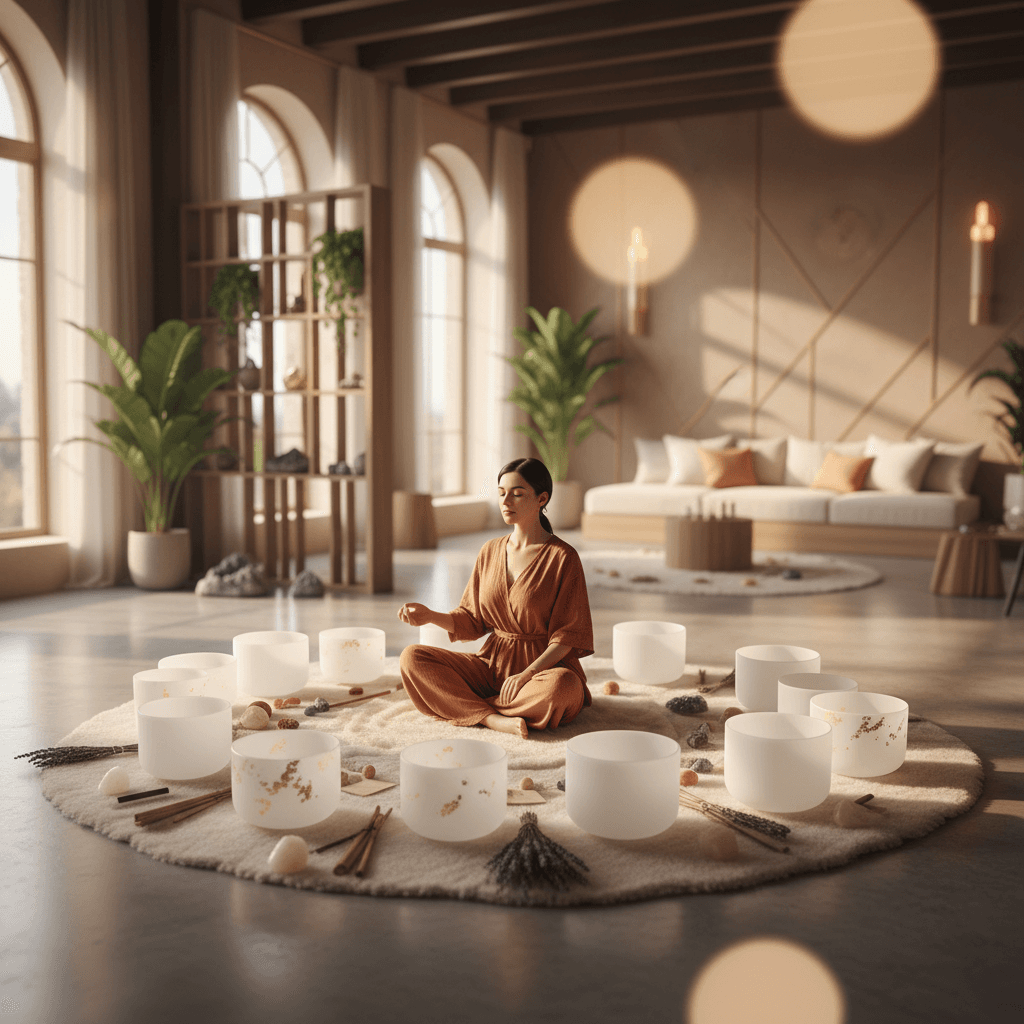
Cluster Headaches: Unveiling Pain and the Promise of Frequencies in Wellness
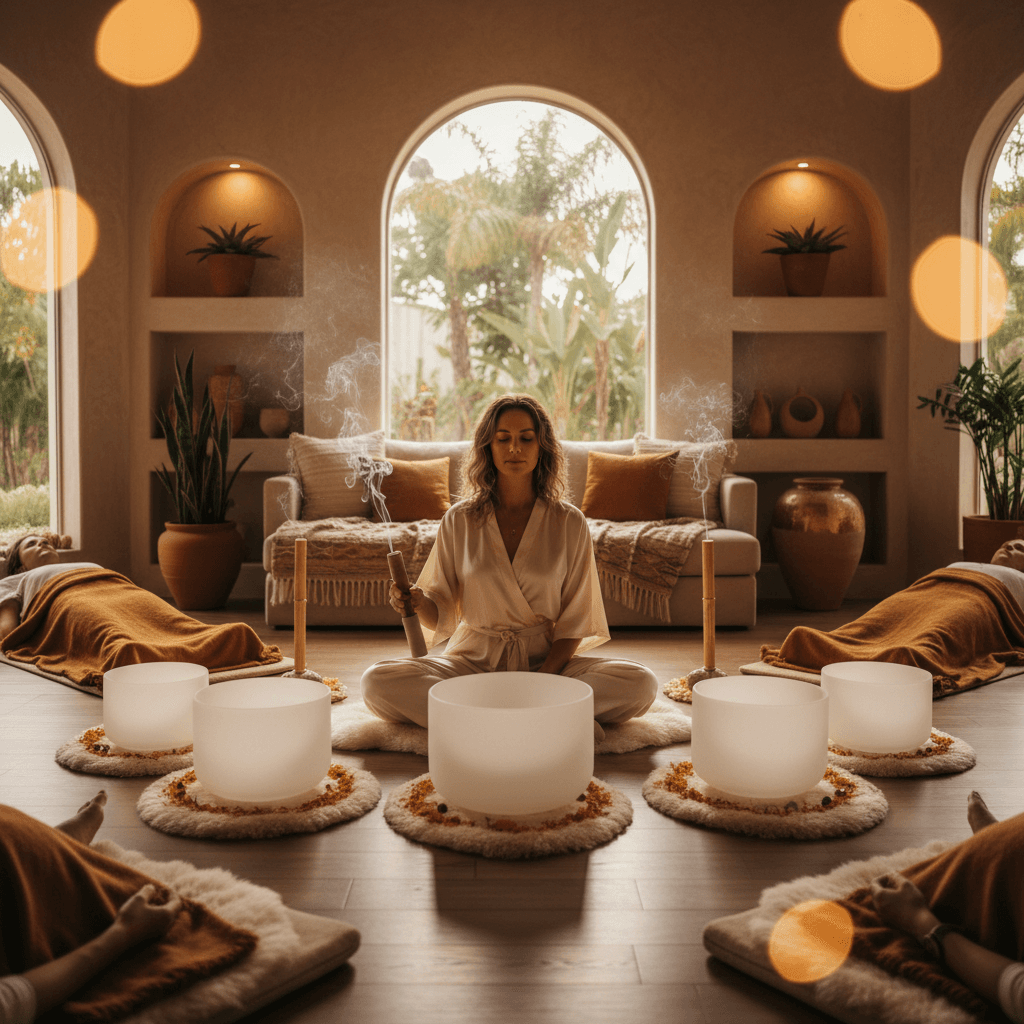
Epilepsy & Sound: Safety, Serenity, and Emerging Wellness Paths
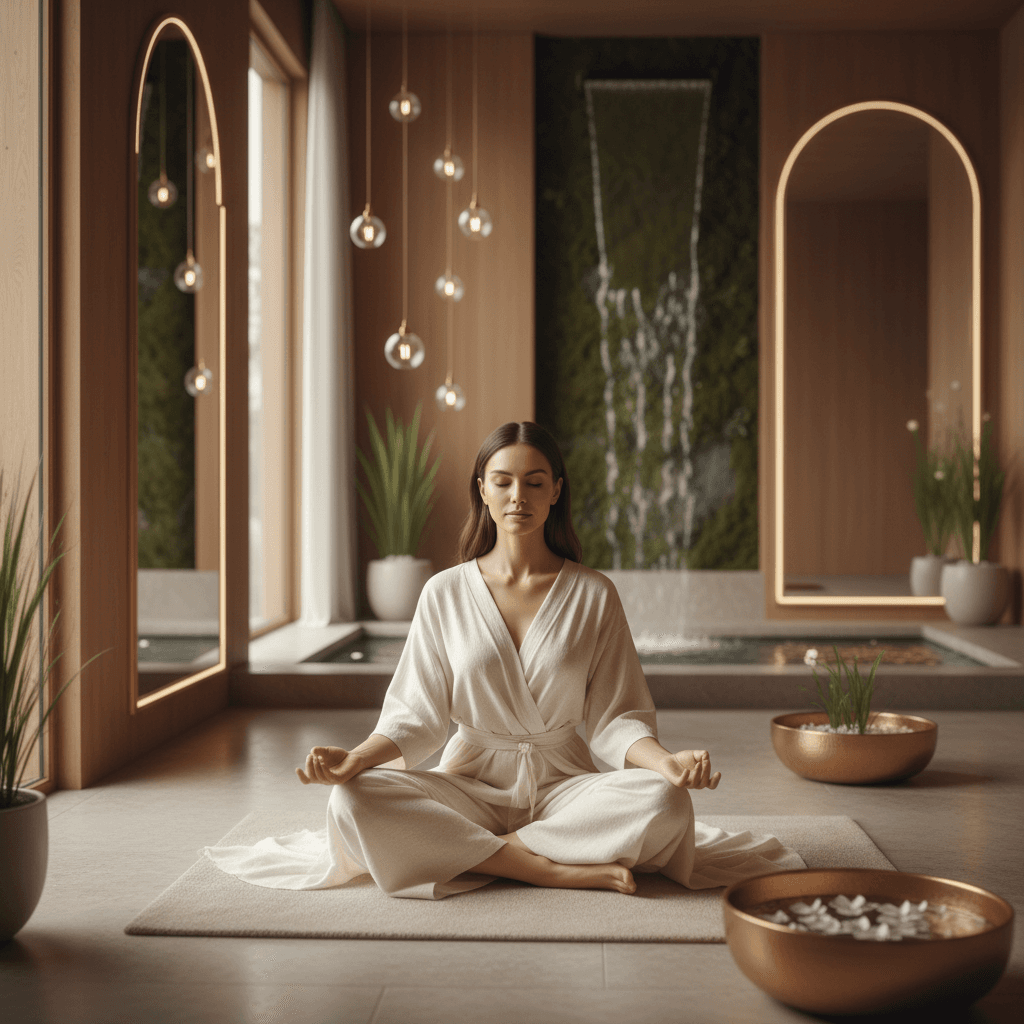
Mastering Focus: Analytical Listening & Brain Engagement at Soul Art