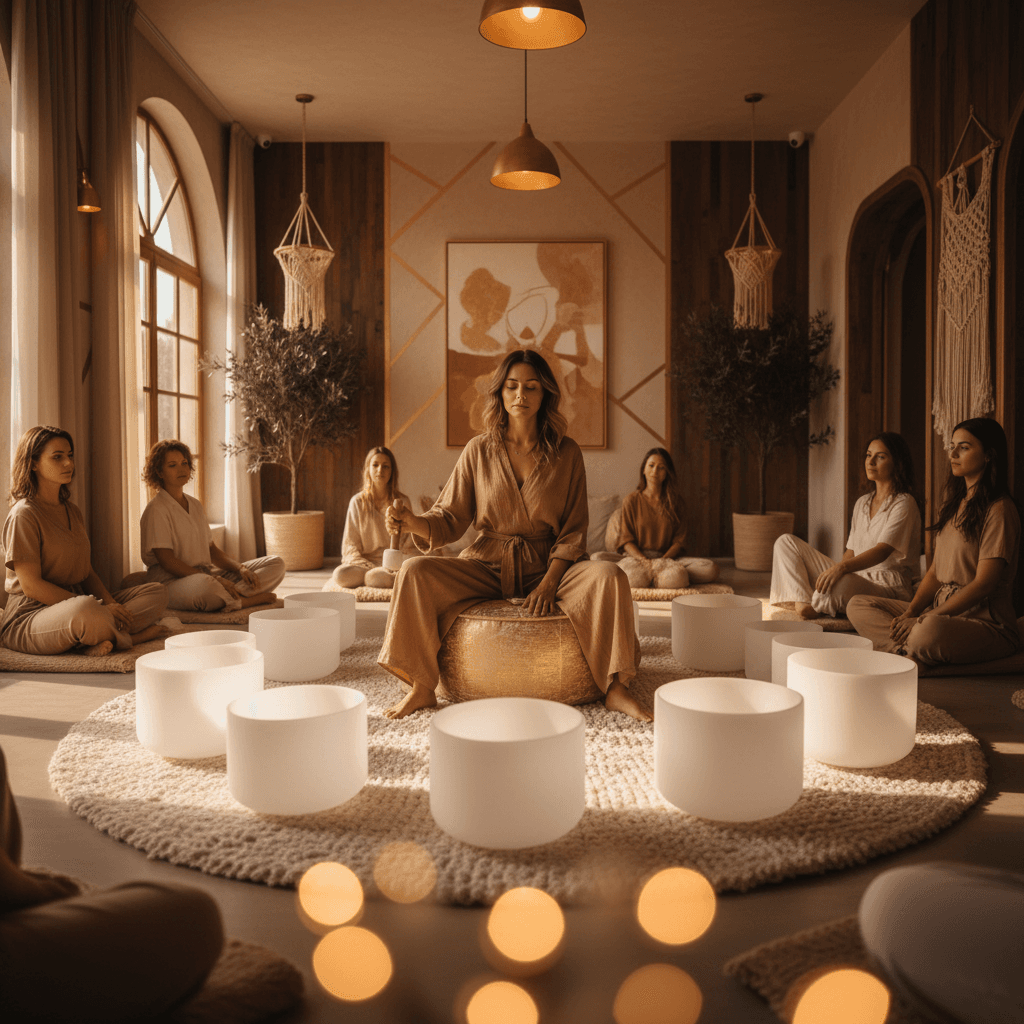
Sound Support for Children Navigating Divorce Transitions
Key Insights
Explore how sound wellness can gently support children through parental divorce, fostering emotional resilience and calm transitions in Dubai.
Divorce and Children: Sound Support for Transition
Divorce, a profound restructuring of family life, impacts countless individuals globally. In America alone, approximately 1.5 million children experience their parents' divorce annually, highlighting the widespread nature of this challenging transition. While parents navigate complex emotional and logistical changes, the crucial task remains to support their children through this often unsettling period.
Children, with their developing emotional frameworks, may react to divorce with a spectrum of feelings, from anxiety and anger to shock and disbelief. This article delves into the scientific understanding of how divorce affects children and, crucially, explores how the gentle, evidence-informed practices of sound wellness, championed by Larissa Steinbach at Soul Art Dubai, can offer a profound complementary layer of support. We aim to provide parents with insights and actionable strategies to foster resilience and emotional equilibrium in their children during this sensitive time.
The Science Explained: Navigating the Emotional Landscape of Divorce
The dissolution of a marriage creates significant upheaval, reverberating through every member of the family unit. For children, this period of change can trigger a complex interplay of physiological and psychological responses. While children are remarkably resilient, the initial adjustment phase is often marked by heightened stress.
Research consistently indicates that the primary factor influencing a child's adjustment is not the divorce itself, but rather the level of parental conflict experienced before, during, and after the separation. High levels of destructive conflict between parents can double the likelihood of children developing mental disorders years after the divorce. This exposure to persistent tension keeps a child's nervous system in a state of alert, impacting their sense of safety and stability.
The Neurological Impact of Stress and Change
When children experience the stress of parental conflict or the instability of divorce, their bodies activate the "fight or flight" response. This involves the release of stress hormones like cortisol and adrenaline, leading to increased heart rate, muscle tension, and heightened vigilance. Prolonged exposure to these stress hormones can affect developing brains.
Specifically, it may impact areas responsible for emotional regulation, executive function, and memory, such as the prefrontal cortex and hippocampus. Children might exhibit difficulties concentrating, managing big emotions, or even experience disruptions in sleep patterns. These physiological responses underscore the need for interventions that promote calming and nervous system regulation.
Emotional and Behavioral Manifestations in Children
Children’s reactions to divorce are diverse and often depend on age, temperament, and the specific circumstances of their family. Short-term effects often include anxiety, anger, shock, and disbelief, which typically diminish within the first two years post-divorce for many children. However, a minority may experience longer-lasting challenges.
A 25-year study found that 25 percent of adults whose parents divorced experienced serious social, emotional, or psychological troubles, compared to 10 percent from stable families. This suggests that while most children adjust well, a significant minority face ongoing difficulties. These can manifest as depression, lowered self-esteem, and anxiety, particularly in cases involving stepparents or high post-divorce conflict. Some children may also exhibit internalized (e.g., withdrawal), externalized (e.g., aggression), or academic issues, sometimes combined with risky behavior.
The Power of Protective Factors
Despite these challenges, children are powerful agents of change, especially when supported by consistent protective factors. A stable, loving relationship with one or both parents serves as a robust buffer against stress. Warm and supportive parent-child connections are consistently linked to better post-divorce adjustment.
"The power of parenting in stressful times is truly unparalleled. You might not be able to stop stress from reaching your child, but you can be like a sturdy anchor in rough waters, providing them with a sense of emotional safety and security." - Emily Oster, ParentData.
Other crucial factors include open lines of communication, maintaining consistent rules and routines across households, and shielding children from parental conflict. Parents who manage to display comfort and collaboration during the post-divorce transition help their children adapt more smoothly. When the transition is not chaotic, children tend to adjust more effectively.
How It Works in Practice: Sound for Emotional Regulation
Understanding the science behind divorce's impact leads us to explore practical, complementary strategies for support. Sound wellness is emerging as a powerful, non-invasive method for helping children (and adults) manage stress, regulate emotions, and foster a sense of inner calm during tumultuous times. It offers a unique pathway to address the physiological and emotional imbalances triggered by significant life changes.
The body's response to specific frequencies and vibrations is both profound and subtle. When immersed in therapeutic soundscapes, the brain often shifts from an active beta state to more relaxed alpha and theta brainwave states. These states are associated with deep relaxation, meditation, and improved emotional processing. This shift can help to counteract the chronic stress response that children might experience during divorce.
The Sensory Experience of Sound Wellness
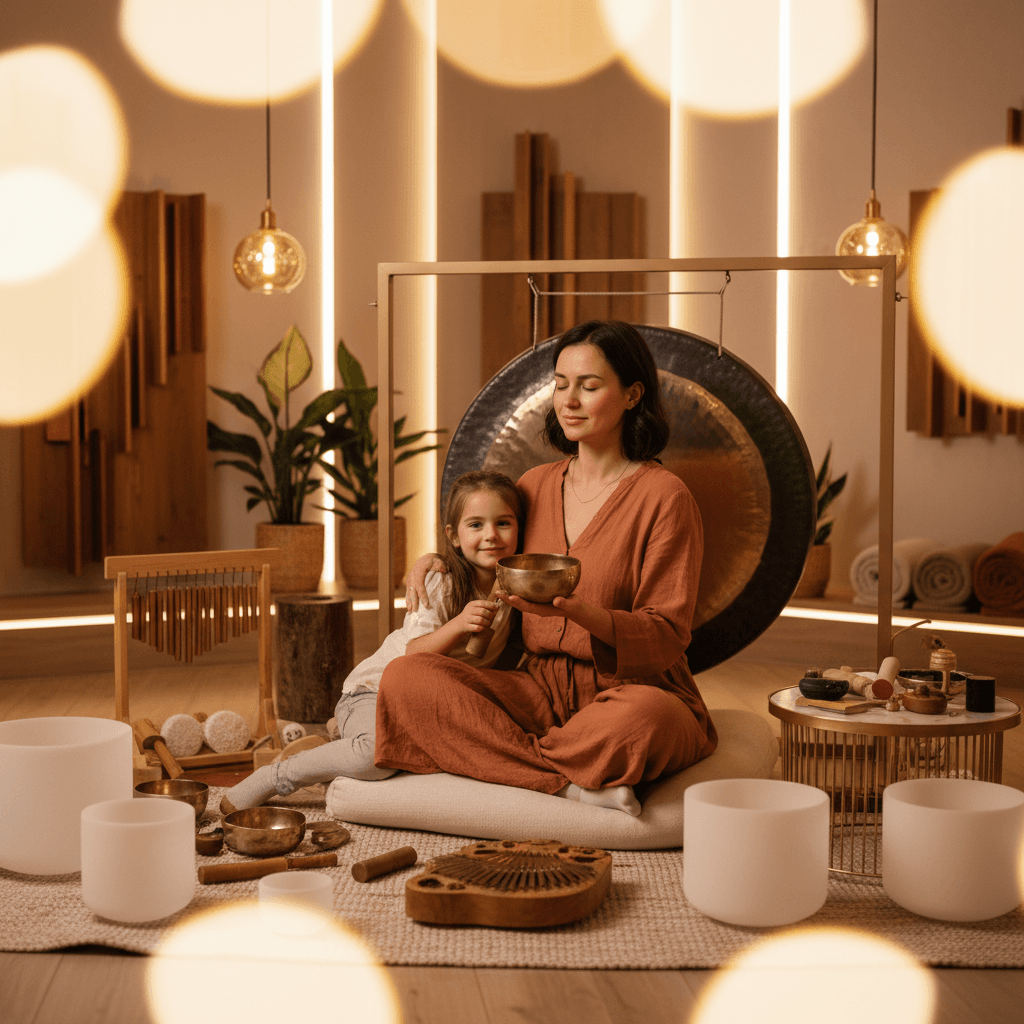
During a sound wellness session, children are gently guided into a state of relaxation, often lying down comfortably. Instruments such as Himalayan singing bowls, crystal bowls, gongs, and chimes are played intuitively around them. The sounds are not just heard; they are felt as vibrations permeating the body.
This sensory experience can create a deeply grounding effect, allowing the nervous system to downregulate. The rhythmic patterns and harmonic frequencies may stimulate the vagus nerve, which is central to the parasympathetic nervous system and the "rest and digest" response. Activating this system helps to reduce cortisol levels and promote a sense of safety and calm.
Supporting Emotional Processing and Expression
Children often struggle to articulate complex emotions like sadness, confusion, or anger surrounding divorce. Sound wellness may provide a safe, non-verbal outlet for these feelings. The immersive experience can help release tension held in the body and facilitate emotional expression in a gentle way.
Many people report a sense of emotional release or clarity after a sound session. For children, this could translate into a calmer disposition, fewer outbursts, or an increased ability to communicate their feelings more openly. It offers a space where they can simply be with their emotions without the pressure to talk about them immediately.
Enhancing Sleep and Focus
One common manifestation of stress in children during divorce is disrupted sleep patterns and difficulty focusing. By promoting deep relaxation, sound wellness may support improved sleep quality. When the nervous system is calmer, the body is better able to enter restful sleep cycles, which are vital for cognitive function and emotional recovery.
Similarly, the enhanced state of calm and mental clarity that can arise from sound practices may help children concentrate better in school and in daily activities. It provides a sense of grounding that can make the external chaos of transition feel less overwhelming, helping them regain a semblance of internal order.
The Soul Art Approach: Nurturing Young Hearts Through Sound
At Soul Art Dubai, Larissa Steinbach and her team understand the unique sensitivities of children navigating significant life changes. Our approach to sound wellness for children undergoing parental divorce is rooted in creating a sanctuary of calm and stability, offering a gentle yet powerful tool for emotional support and resilience building. We believe in empowering children to find their inner anchor amidst turbulent waters.
Larissa Steinbach's methodology is highly personalized, recognizing that each child's experience of divorce is unique. Sessions are designed to be age-appropriate and delivered in a nurturing environment where children feel safe and unpressured. The focus is on creating a space for self-regulation and emotional processing, rather than direct therapeutic intervention.
Unique Techniques and Instruments
Soul Art incorporates a diverse array of instruments specifically chosen for their calming and harmonizing properties. These include:
- Himalayan Singing Bowls: Known for their deep, resonant vibrations that can penetrate the body, promoting deep relaxation and release of tension.
- Crystal Singing Bowls: Produce pure, clear tones that are often associated with balancing chakras and enhancing mental clarity.
- Gongs: Offer a powerful, immersive experience that can facilitate emotional release and a profound sense of inner journey.
- Chimes and Koshi Bells: Provide gentle, ethereal melodies that can soothe the mind and create a sense of wonder.
These instruments are played with intention, creating a soundscape designed to entrain the brain to slower, more meditative frequencies. This process may support the child's nervous system in shifting from a stress response to a more relaxed state, fostering emotional equilibrium. Larissa Steinbach also emphasizes breathwork and guided visualizations tailored for young minds, integrating these elements to enhance the sound experience and teach children simple self-soothing techniques they can use daily.
Creating a Safe Haven
A cornerstone of the Soul Art philosophy, especially for children in transition, is the establishment of a safe, non-judgmental space. Children are encouraged to simply relax and receive the sounds, without any expectation or pressure to "perform" or articulate their feelings. This quiet luxury environment, away from the complexities of home life, offers a crucial emotional respite.
Larissa Steinbach’s expertise lies in her ability to intuitively guide these sessions, responding to the child's energy and needs. This empathetic approach allows children to process their experiences on a subconscious level, supporting their innate capacity for resilience. Our wellness practice is a complementary approach, offering a holistic avenue for children to manage stress and cultivate inner peace.
Your Next Steps: Practical Support for Your Child
Supporting your child through divorce requires consistency, patience, and a deep understanding of their needs. Beyond considering complementary practices like sound wellness, there are several practical steps you can implement to create a more stable and supportive environment. These actions are grounded in research and aim to minimize distress while maximizing your child's ability to adjust.
Here are actionable steps you can implement today:
- Minimize Parental Conflict: Research clearly shows that high conflict between parents is the most detrimental factor for children. Strive to keep disagreements away from children and communicate collaboratively, even when discussing difficult topics. Schedule discussions when children are not present and avoid speaking negatively about the other parent.
- Maintain Consistency and Routine: Children thrive on predictability. As much as possible, keep school routines, extracurricular activities, and household rules consistent across both homes. If a move is required, try to limit other major changes to provide stability.
- Foster a Strong Parent-Child Connection: A loving, stable relationship with at least one parent is a powerful buffer against stress. Dedicate quality time, listen actively, and provide emotional support without burdening your child with adult responsibilities or details of the divorce.
- Validate Their Emotions: Give your children permission to feel sadness, anger, confusion, or fear. Avoid pressuring them to "be happy" too quickly. Acknowledge their feelings and let them know it's okay to feel whatever they feel, without judgment.
- Consider Professional Support: If you notice drastic or prolonged changes in your child's behavior, mood, or academic performance, seek guidance from a school counselor, physician, or mental health professional. Complementary wellness practices like sound healing at Soul Art can work alongside professional advice to support emotional wellbeing.
By actively implementing these strategies and exploring holistic wellness practices like sound support, you can help your child navigate this transition with greater resilience and emotional stability.
In Summary: Embracing Resilience with Sound
The journey through divorce is undoubtedly challenging, but children possess an incredible capacity for resilience. While the initial adjustment can be difficult, the long-term impact is largely shaped by the supportive environment parents create. Minimizing conflict, maintaining consistency, and fostering strong parent-child connections are critical foundations for healthy adaptation.
Sound wellness at Soul Art Dubai, under the guidance of Larissa Steinbach, offers a beautiful complementary approach to this support. By providing a tranquil space and gentle, vibrational frequencies, it may help children process emotions, reduce stress, and restore a sense of inner calm. It is a powerful self-care practice for young hearts, assisting them in finding their anchor during times of change. Discover how Soul Art can support your child's emotional wellbeing and foster a smoother transition.
Bookings Coming Soon
Soul Art is still in preparation. Session details and booking will be published here after launch.
Coming Soon
Wellness Disclaimer: This article is for educational and informational purposes only. It does not constitute medical advice, diagnosis, or treatment. Soul Art Dubai provides non-medical wellness experiences focused on relaxation, stress management, and general wellbeing. Sound wellness is a complementary practice and should not replace professional medical care.
Related Articles
Moving Home: How Sound Wellness Supports Child Adaptation
Sound Wellness for Sibling Adjustment: Nurturing Family Harmony

Teen Identity & Sound: Self-Discovery for Adolescents at Soul Art Dubai