Sound Truth: Distinguishing Science from Pseudoscience in Wellness
Key Insights
Explore how to discern genuine, evidence-based sound wellness practices from pseudoscientific claims, guided by Soul Art Dubai and Larissa Steinbach.
Bookings Coming Soon
Soul Art is still in preparation. Session details and booking will be published here after launch.
Coming Soon
Compelling Introduction
In an era saturated with information, how do we navigate the vast landscape of wellness claims, particularly when it comes to the intricate world of sound? From ancient traditions to modern innovations, sound has always held a fascinating place in human experience. Many people are drawn to its potential for deep relaxation and mental clarity.
However, the proliferation of information also brings the challenge of distinguishing genuine, evidence-based practices from those that lack scientific rigor. This article aims to equip you with the tools to critically evaluate claims in sound wellness, empowering you to make informed choices for your wellbeing. We will delve into the core principles that separate science from pseudoscience, applying them specifically to the field of sound.
Understanding these distinctions is crucial, not only for your peace of mind but also for ensuring that the self-care practices you embrace genuinely support your holistic wellness journey. At Soul Art, we believe in providing experiences that are both deeply transformative and grounded in a commitment to understanding how sound influences our physiology and psychology.
The Science Explained
Science, at its heart, is a systematic pursuit of knowledge about the natural and social world through observation and experimentation. It is a dynamic process, constantly evolving as new evidence emerges, and its strength lies in its adherence to rigorous methodologies. When we speak of sound wellness, applying scientific principles helps us understand how specific frequencies and vibrations may support our nervous system, encourage relaxation, and potentially influence our mental states.
Pseudoscience, meaning "fake science," often masquerades with the language and superficial trappings of science but fundamentally lacks its core tenets. It frequently appeals to emotion, makes extraordinary claims without sufficient evidence, and tends to ignore contradictory findings. Recognizing these differences is vital for navigating the complex wellness landscape.
Empirical Evidence and Falsifiability
Genuine science is firmly rooted in empirical evidence, meaning it relies on data obtained through systematic observation, controlled experimentation, and meticulous data collection. This ensures the credibility and objectivity of its findings. For instance, studies on the effects of binaural beats on brainwave states involve measurable physiological responses, such as electroencephalogram (EEG) readings.
Pseudoscience, in contrast, frequently lacks robust empirical support, often leaning instead on anecdotal evidence, personal testimonials, or unsubstantiated claims. While personal experiences are valuable, they do not, by themselves, constitute scientific proof. A key characteristic of scientific theories is falsifiability, a concept championed by Karl Popper. This means that a scientific hypothesis must be capable, in principle, of being proven false through experimentation or observation. If a claim cannot be tested or disproven, it falls outside the realm of science.
For example, a claim that a specific sound frequency "cures" a particular disease, without any pathway for empirical testing or the possibility of being shown incorrect, is often pseudoscientific. If, however, research indicates that certain sound frequencies may induce alpha or theta brainwave states associated with relaxation, this is a falsifiable and testable hypothesis.
Methodological Rigor and Peer Review
The methodological rigor of scientific inquiry is paramount. Scientific experiments are designed to be controlled, meaning variables are isolated to understand cause-and-effect relationships, and they must be repeatable by other researchers to verify results. This commitment to replicability ensures that findings are not accidental or unique to one experimenter. Genuine scientific literature undergoes peer review, a critical process where experts in the field assess the validity, methodology, and significance of research before publication. This scrutiny is a cornerstone of scientific integrity.
Pseudoscientific "research," however, is often characterized by sloppiness and a disregard for these stringent criteria. It may rely on unverifiable eyewitness testimony, hearsay, or misinterpretations of existing scientific literature. Pseudoscientific claims frequently bypass peer review entirely, opting instead for self-published materials or sensationalized media outlets. Trustworthy information in sound wellness typically originates from reputable scientific journals and institutions that uphold rigorous standards for research and publication.
Openness, Skepticism, and Evolution
Science is inherently open and skeptical. Its methods and findings are shared publicly, allowing the wider scientific community to scrutinize, replicate, and build upon previous work. A healthy skepticism is encouraged, where beliefs are dictated by evidence, not the other way around. Furthermore, science is connected, meaning new findings are integrated into a broader, existing body of knowledge. It is also evolving, readily revising or abandoning theories when new, compelling evidence emerges.
Pseudoscience often exhibits the opposite tendencies. It may present claims as "secret knowledge" inaccessible to the public or the "establishment." Proponents frequently show a lack of skepticism, disregarding any evidence that contradicts their existing beliefs. They tend to adhere rigidly to their initial ideas, even in the face of contradictory data, often employing ad hoc hypotheses—escape clauses or loopholes—to explain away negative findings. For instance, if a sound "healing" method fails, a pseudoscientist might claim the "vibes weren't right" or "skeptics were present," making the claim unfalsifiable. This rigidity and lack of evolution starkly differentiate pseudoscience from genuine scientific inquiry, which thrives on dynamic adaptation and critical self-correction.
"The surest way to spot a fake is to know as much as possible about the real thing." – Rory Coker, Ph.D.
This means understanding the nature of science, not just scientific facts, is key to discerning valid sound wellness practices from unsubstantiated ones. At Soul Art, Larissa Steinbach and her team are dedicated to providing experiences informed by this scientific understanding, focusing on verifiable physiological responses rather than vague, untestable claims.
How It Works in Practice
When sound wellness is approached scientifically, the focus shifts from mystical claims to observable physiological and psychological effects. This allows us to understand how specific sound frequencies and vibrations interact with the human body and mind. The practice becomes about creating an environment that supports the body’s innate capacity for self-regulation and restoration.
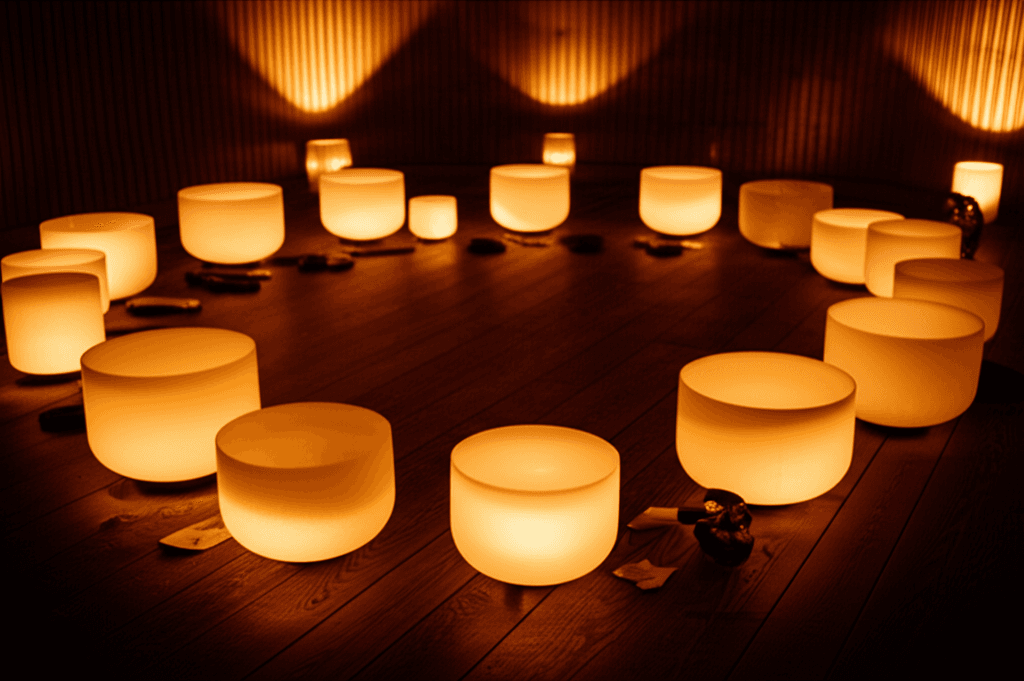
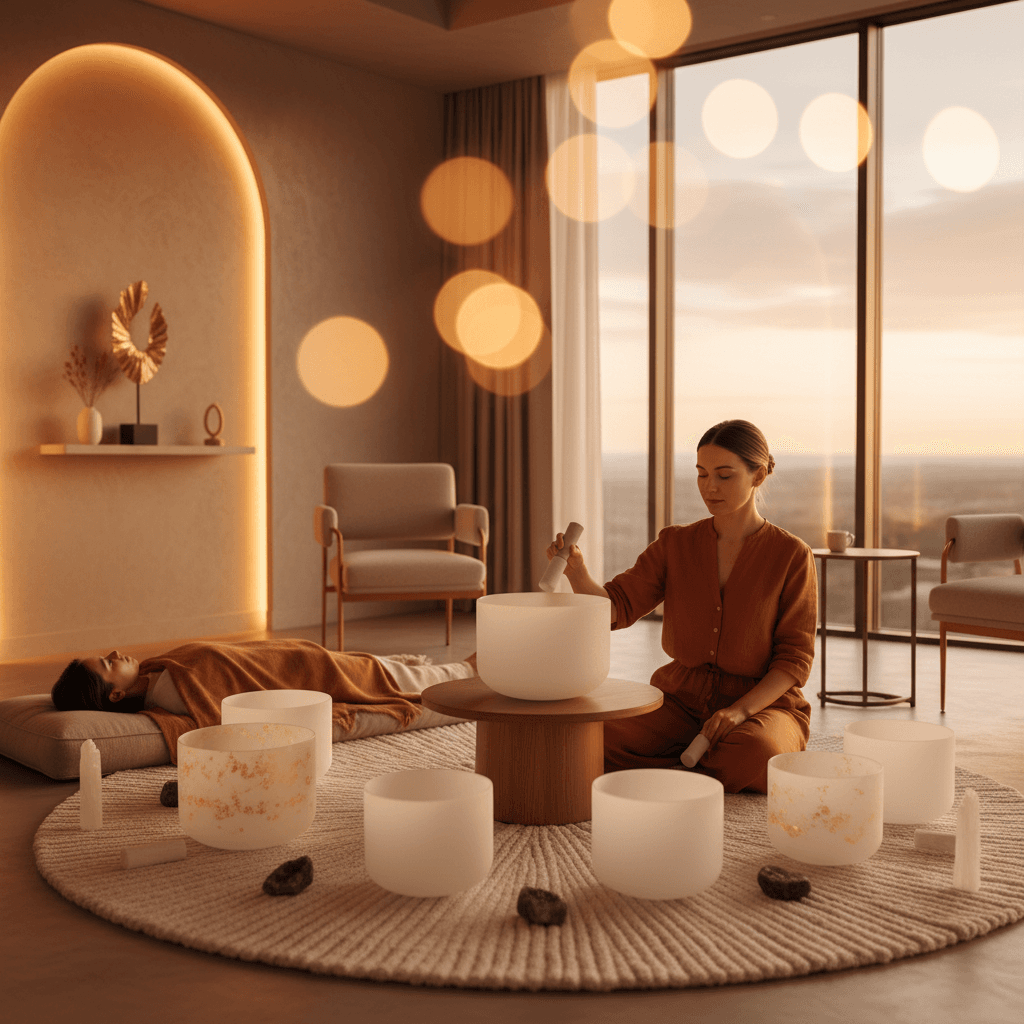
In a carefully curated sound session, instruments like crystal singing bowls, gongs, and chimes produce intricate harmonic overtone series. These sounds can profoundly influence the nervous system, potentially shifting it from a state of sympathetic dominance (fight-or-flight) to parasympathetic activation (rest-and-digest). Many people report experiencing a deep sense of calm and relaxation as their body responds to these resonant frequencies.
The phenomenon of brainwave entrainment is a key aspect, where rhythmic auditory stimuli can encourage brainwave frequencies to synchronize with the external rhythm. For example, specific sound patterns may help guide the brain into alpha waves, associated with relaxed wakefulness, or theta waves, linked to deep meditation and creativity. This is a measurable effect, observed in preliminary studies using EEG monitoring.
Clients often describe a journey through different states of consciousness during a session, moving from active thought to a tranquil, almost dreamlike state. The rich, enveloping soundscape can help to quiet the mental chatter, allowing for emotional processing and a release of accumulated tension. The experience is deeply sensory, with vibrations often felt subtly throughout the body, further enhancing the sense of grounding and presence. This approach emphasizes sound as a tool for stress management and holistic wellness, rather than a cure for specific ailments.
The Soul Art Approach
Larissa Steinbach, the visionary founder of Soul Art Dubai, is deeply committed to offering sound wellness experiences that are both profoundly transformative and intellectually grounded. Her approach meticulously integrates ancient wisdom with contemporary scientific understanding. This ensures that every session at Soul Art is designed not just for profound relaxation but also with an awareness of the physiological mechanisms at play.
Larissa and her team utilize a carefully selected array of instruments, including pure quartz crystal singing bowls, resonant gongs, and delicate chimes. These instruments are chosen for their specific frequencies and harmonic qualities, which may support the body's natural relaxation responses. The intention is not to make unsubstantiated claims but to facilitate an environment conducive to deep rest and nervous system regulation.
What makes the Soul Art method unique is its dedication to creating a sensory journey that is guided by subtle shifts in sound and vibration, fostering an environment where clients can safely explore states of profound peace. Larissa Steinbach emphasizes the role of sound as a powerful complementary approach to overall wellbeing, focusing on its potential to reduce stress, improve sleep quality, and enhance mental clarity. The studio's commitment to educating clients about the potential benefits, while respecting scientific boundaries, sets a high standard in the wellness industry. Soul Art's practice is rooted in observed effects and reported experiences, aligned with a scientific understanding of how sound can influence the human physiological and psychological landscape.
Your Next Steps
Navigating the world of sound wellness with discernment empowers you to choose practices that truly resonate with your needs and are grounded in credible understanding. Taking an informed approach is a valuable step in your self-care practice.
Here are some practical steps you can take today:
- Ask for Evidence: When encountering claims about sound wellness, politely inquire about the scientific basis or research supporting them. Look for references to peer-reviewed studies or reputable institutions.
- Prioritize Empirical Observations: Focus on observable and reported benefits like relaxation, improved sleep, or reduced stress, rather than claims of "curing" medical conditions. Understand that sound wellness is a stress management tool.
- Seek Reputable Practitioners: Choose studios and facilitators who are transparent about their methods and education, much like Larissa Steinbach at Soul Art, who prioritize an evidence-informed perspective. They will articulate how sound may support wellbeing, rather than making definitive medical promises.
- Listen to Your Body: Pay attention to how different sound experiences make you feel. While scientific understanding provides a framework, your personal experience of deep relaxation and calm is a valuable indicator of effectiveness for your individual wellness journey.
- Embrace Sound as Complementary: View sound wellness as a powerful addition to your holistic health routine, working in conjunction with other healthy lifestyle choices and, crucially, not as a replacement for professional medical advice or treatment.
In Summary
Distinguishing science from pseudoscience is a critical skill in today's wellness landscape, particularly in the nuanced field of sound. Genuine sound wellness is characterized by its reliance on empirical evidence, falsifiable hypotheses, rigorous methodology, and the openness of peer review. It focuses on measurable physiological responses like nervous system regulation and brainwave entrainment, and aims to support overall holistic wellness.
Pseudoscience, conversely, often relies on anecdotes, avoids critical scrutiny, and makes untestable claims, promising miraculous "cures" without scientific backing. At Soul Art, Larissa Steinbach champions an approach where sound is understood and utilized for its verifiable potential to foster deep relaxation, manage stress, and promote mental clarity. We invite you to experience the thoughtful, evidence-informed sound journeys at Soul Art, where your wellbeing is always at the forefront.
Bookings Coming Soon
Soul Art is still in preparation. Session details and booking will be published here after launch.
Coming Soon
Wellness Disclaimer: This article is for educational and informational purposes only. It does not constitute medical advice, diagnosis, or treatment. Soul Art Dubai provides non-medical wellness experiences focused on relaxation, stress management, and general wellbeing. Sound wellness is a complementary practice and should not replace professional medical care.
Related Articles

40 Hz Sensory Stimulation and Alzheimer's Research
Unlocking Wellness: The Science of Sound Healing Research Design

Unlocking Wellness: Biomarkers for Effective Sound Therapy