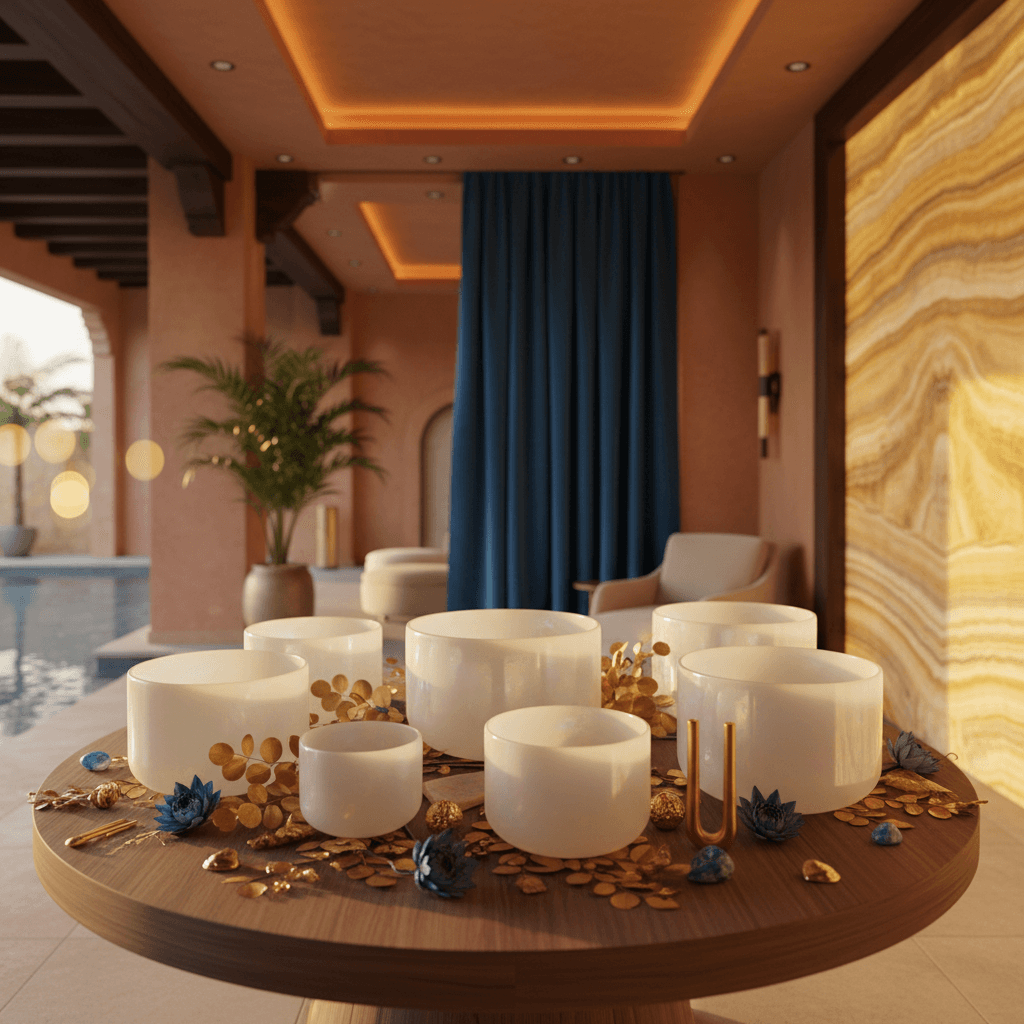
Harmonic Pathways: How Music & Sound Sustain Cognitive Vitality in Dementia
Key Insights
Explore how music and sound wellness, through methods like those at Soul Art Dubai, may support cognitive function and enhance wellbeing for individuals living with dementia.
Imagine a world where the melody of a cherished song could unlock memories, stir emotions, and even improve communication for someone facing the challenges of dementia. This isn't just a hopeful dream; it's a profound reality increasingly supported by scientific research. As we age, the spectre of cognitive decline, particularly dementia and Alzheimer's disease, becomes a growing concern for many.
However, emerging insights into neuro-wellness offer a beacon of hope. This article delves into how intentional engagement with music and sound may offer a powerful, non-pharmacological pathway to preserve cognitive function and enhance the quality of life for individuals navigating dementia. Join us as we explore the fascinating neuroscience behind this connection and discover practical applications that may support brain health.
At Soul Art, founded by Larissa Steinbach, we are passionate about harnessing the transformative power of sound for holistic wellbeing. Understanding its potential impact on cognitive vitality is central to our mission.
The Science Explained: Unlocking the Brain's Musical Potential
The human brain is an intricate symphony, and when faced with conditions like dementia, certain pathways can become disrupted. However, what if we could tap into resilient neural networks using a universal language – music? Research indicates that music and sound interventions may act as powerful stimuli, engaging multiple brain regions in ways that support cognitive preservation.
Differential Preservation of Brain Regions
One of the most compelling aspects of music's impact on dementia care lies in the brain's unique response to musical stimuli. Scientific findings suggest that areas of the brain responsible for long-term musical memory, as well as the limbic system which governs emotion, often remain less affected by neurodegeneration compared to other cognitive functions. This phenomenon, often termed "differential preservation," explains why individuals in advanced stages of dementia might still recognize and react to familiar melodies, even when other memories have faded.
This resilience provides a crucial "bridge" to other brain areas, as highlighted by Northwestern Medicine Neurologist Dr. Borna Bonakdarpour. By activating these intact musical centers, we may stimulate connectivity and function in adjacent regions that are struggling. It's a testament to the brain's remarkable plasticity and its inherent connection to sound.
The Power of Active Engagement: Rhythmic and Active Music Therapy
Recent randomized controlled trials (RCTs) and network meta-analyses (NMAs) have provided robust evidence, not just for the general effectiveness of music interventions, but for comparing and ranking specific types. A landmark study involving 14 RCTs and 1056 participants, registered in IPLASY (INPLASY202430082), meticulously evaluated various music therapies. This comprehensive research indicated that Rhythmic Music Therapy (RMT), Active Music Therapy with Singing (AMT + Sing), and Active Music Therapy (AMT) all significantly support cognitive functions in individuals with dementia.
RMT, for instance, focuses on engaging with rhythm through movement or instruments, which may improve psychomotor speed and attention. AMT involves active participation in music-making, which can stimulate motor skills, language, and memory. The combination of AMT with singing amplifies these benefits, as singing engages speech centers, memory (for lyrics), and emotional processing simultaneously. These active approaches consistently showed stronger positive associations with cognitive improvements compared to passive listening alone.
Quantifying the Impact: Significant Cognitive Support
The aforementioned NMA provided quantitative evidence, demonstrating notable standardized mean difference (SMD) values for these interventions. RMT showed an SMD of 0.76 (95% CI = 0.32–1.21), AMT + Sing an SMD of 0.79 (95% CI = 0.03–1.49), and AMT an SMD of 0.57 (0.18–0.96). These figures suggest a meaningful impact on cognitive functions. Notably, the study also found no increased dropout risk associated with any music therapy type compared to usual care, underscoring their safety and acceptability.
This body of evidence highlights that music interventions, particularly those involving active participation and rhythmic engagement, are not just pleasant distractions but may be a powerful tool in a holistic wellness strategy for dementia. They may aid in preserving memory, enhancing language abilities, improving attention, and supporting overall cognitive vitality.
Beyond Cognition: Emotional and Behavioral Benefits
The scientific support for music's role extends beyond just cognitive functions. Systematic reviews of over 80 high-quality studies consistently reveal that non-pharmacological approaches like music therapy are effective in enhancing mood, social interaction, and reducing behavioral and psychological symptoms of dementia (BPSD) such as agitation, depression, and anxiety. This holistic impact is crucial for overall wellbeing, as emotional regulation and social engagement are intrinsically linked to cognitive health. Music may stimulate neural pathways involved in emotional and social processes, thereby contributing to a more positive and connected experience for individuals living with dementia.
How It Works in Practice: The Sensory Experience of Sound
Translating scientific findings into tangible, beneficial experiences requires a nuanced understanding of how music and sound truly resonate with individuals. For someone with dementia, the practical application of sound wellness isn't about rote learning, but about awakening inherent responses and fostering a sense of connection and joy.
The Power of Personalization
One of the most significant insights from research is the effectiveness of personalized musical experiences. Individualized playlists, curated with familiar and pleasurable songs, have been shown to yield more substantial cognitive and behavioral benefits. This includes improvements in orientation, language expression, and a reduction in anxiety and depression. The act of hearing a beloved song can tap into autobiographical memories, allowing individuals to reconnect with parts of their personal history that might otherwise seem inaccessible.
When a person with dementia listens to music from their youth or songs associated with significant life events, it often elicits a profound response. This might manifest as a smile, tapping a foot, humming along, or even singing lyrics that they might not have uttered in years. These moments are not merely anecdotal; they represent the brain actively retrieving stored information and engaging emotional centers.
Active Participation and Sensory Engagement
The practical application often involves active participation rather than passive listening alone. This can take many forms:
- Singing: Engaging in singing, whether solo or in a group, is incredibly powerful. It can improve communication by bridging language difficulties, as the rhythm and melody may bypass damaged speech centers. The act of singing also strengthens respiratory muscles and can elevate mood.
- Rhythmic Movement: Clapping hands, tapping feet, or using simple percussion instruments in time with music can enhance motor coordination, attention, and provide a sense of structure and engagement.
- Instrument Play: Simple instruments like shakers, drums, or even playing a few notes on a piano can provide sensory stimulation and a creative outlet, stimulating fine motor skills and auditory processing.
- Recalling Music and Memories: Using music as a prompt to recall specific events or feelings. This can be supported by visual cues or open-ended questions, transforming a listening session into a rich, interactive memory exercise.
These practices activate multiple sensory pathways—auditory, motor, and sometimes visual—creating a multi-dimensional stimulus that may help to preserve cognitive functions. The shared experience of music in a group setting can also foster social interaction and reduce feelings of isolation, providing vital emotional and psychological support.
"Caregivers find the person lost to them in the context of music."
This quote eloquently captures the profound impact music can have, not just on the individual with dementia, but on their loved ones, offering moments of reconnection and shared joy that transcend the challenges of the condition. It underscores the potential for music to bridge gaps in communication and foster deeper bonds.
The Soul Art Approach: Harmonizing Wellness and Cognitive Support
At Soul Art, Dubai's premier sound wellness studio, Larissa Steinbach and her team are dedicated to crafting experiences that resonate deeply, fostering relaxation, rejuvenation, and profound internal balance. While Soul Art focuses on general wellness and relaxation, the scientific principles underpinning music and sound's impact on cognitive function are intrinsically woven into our understanding of holistic wellbeing. Our approach may offer a complementary pathway for individuals seeking to support their cognitive health.
Intentional Soundscapes for Mind and Spirit
Larissa Steinbach's vision for Soul Art is rooted in the belief that specific frequencies and curated soundscapes can influence our mental and emotional states. While we do not provide medical therapy, our sessions are designed to create an environment conducive to deep relaxation, stress reduction, and mental clarity – all factors that indirectly support cognitive health. The gentle immersion in resonant frequencies may help to calm the nervous system, potentially making the brain more receptive to positive stimuli and less burdened by stress-induced cognitive fog.
We recognize the importance of personalized experiences, even within a wellness context. Our skilled practitioners, under the guidance of Larissa Steinbach, thoughtfully select instruments and sound profiles designed to create a sense of safety and tranquility. This careful curation may help to activate those preserved emotional and musical memory centers in the brain, fostering a sense of familiarity and comfort.
Unique Instruments and Techniques
Soul Art's sessions often incorporate a diverse array of instruments, each chosen for its unique vibrational qualities and potential to induce a state of relaxation and mental peace.
- Himalayan Singing Bowls: Known for their rich, sustained tones and harmonic overtones, these bowls create a deeply immersive sound bath that can promote profound relaxation.
- Gongs: The powerful, sweeping vibrations of gongs are often used to clear mental chatter and facilitate a meditative state.
- Crystal Singing Bowls: These bowls produce pure, clear tones that are believed to resonate with specific energy centers in the body, promoting balance and clarity.
- Ocean Drums and Chimes: These instruments evoke natural soundscapes, transporting the listener to a peaceful, natural environment, reducing anxiety and promoting a sense of calm.
Through these thoughtfully crafted sound experiences, Soul Art aims to provide an environment where the brain can rest and reset. This unique combination of carefully selected instruments, expert guidance, and a serene setting creates a sanctuary for the mind, supporting overall wellbeing and potentially enhancing the brain's natural capacity for resilience.
Your Next Steps: Integrating Sound into Your Wellness Journey
Embracing the potential benefits of music and sound for cognitive wellbeing is a proactive step towards holistic health. While professional medical consultation is always paramount for specific conditions, incorporating sound wellness practices into daily life may offer a gentle yet powerful complementary approach. Here are some actionable steps you can take today:
- Create Personalized Playlists: Curate playlists of music that holds significant personal meaning or evokes positive emotions for yourself or a loved one. Focus on familiar songs from different life stages that spark memories.
- Explore Active Musical Engagement: Consider opportunities for singing, playing simple instruments, or engaging in rhythmic movement to music. Look for community groups or trained facilitators who can guide these activities.
- Integrate Gentle Soundscapes: Use calming nature sounds, binaural beats (if comfortable), or meditative music during quiet times to promote relaxation and mental focus.
- Seek Professional Guidance: For targeted support in dementia care, consult with a trained music therapist who can tailor interventions to specific needs and cognitive levels.
- Experience Structured Sound Wellness: Visit a dedicated sound wellness studio like Soul Art to explore guided sound bath sessions. These experiences, led by experts like Larissa Steinbach, offer a unique opportunity for deep relaxation and a profound connection with sound frequencies, supporting overall mental and emotional wellbeing.
In Summary: The Enduring Harmony of Mind and Sound
The journey through dementia presents unique challenges, yet the scientific exploration into music and sound offers a compelling narrative of hope and potential. Research consistently indicates that active engagement with music, particularly Rhythmic Music Therapy and Active Music Therapy with Singing, may significantly support cognitive functions and reduce behavioral symptoms in individuals with dementia. The resilience of musical memory and the brain's profound response to sound provide an accessible and compassionate pathway to enhance quality of life.
By activating intact neural pathways and fostering emotional connection, music and sound offer a holistic approach to preserving cognitive vitality. At Soul Art, Larissa Steinbach and her team are dedicated to harnessing this innate power, creating serene sound wellness experiences that may support overall wellbeing and complement cognitive health journeys. Discover the profound peace and potential clarity that awaits within the world of sound.
Bookings Coming Soon
Soul Art is still in preparation. Session details and booking will be published here after launch.
Coming Soon
Wellness Disclaimer: This article is for educational and informational purposes only. It does not constitute medical advice, diagnosis, or treatment. Soul Art Dubai provides non-medical wellness experiences focused on relaxation, stress management, and general wellbeing. Sound wellness is a complementary practice and should not replace professional medical care.
Related Articles
Cluster Headaches: Unveiling Pain and the Promise of Frequencies in Wellness
Epilepsy & Sound: Safety, Serenity, and Emerging Wellness Paths
Mastering Focus: Analytical Listening & Brain Engagement at Soul Art