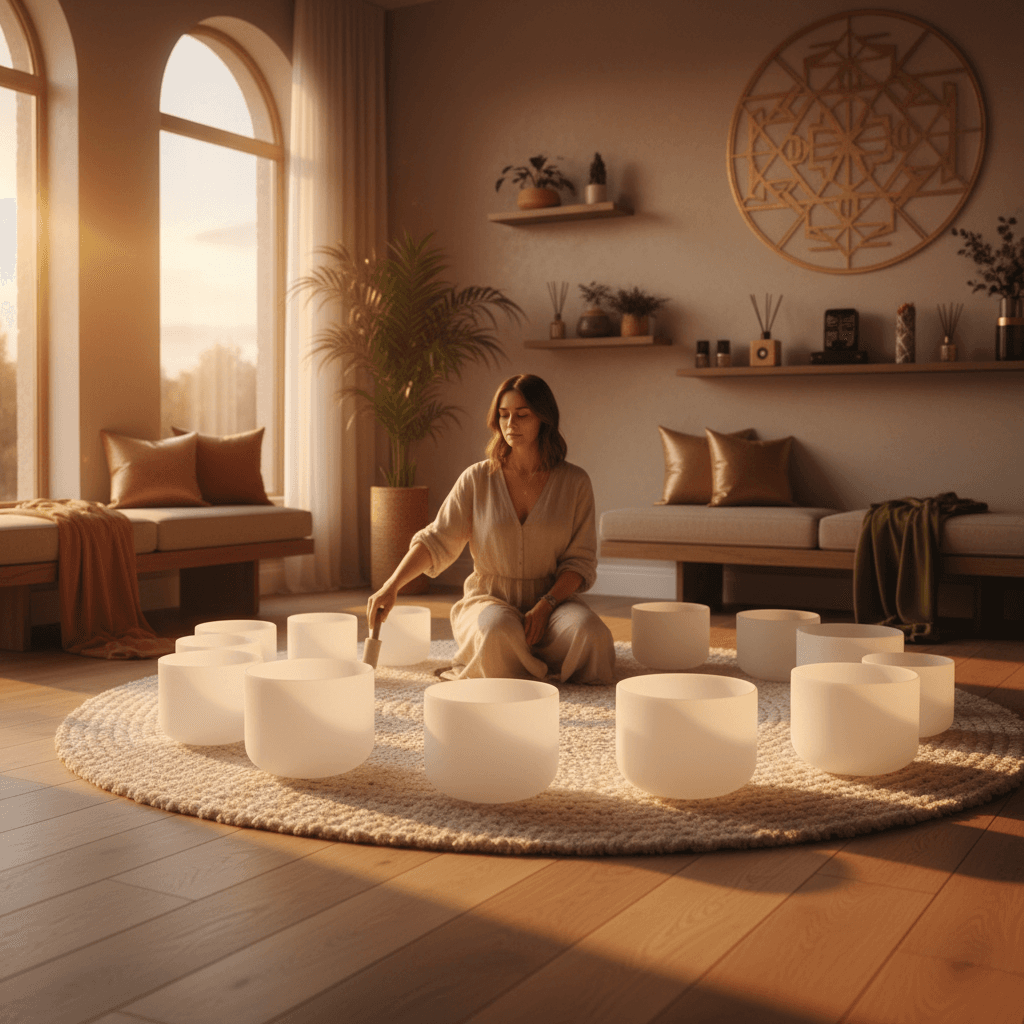
Safe Decibels: Unlocking Wellbeing Through Sound Healing
Key Insights
Explore the science of safe decibel levels in sound healing. Learn how Soul Art and Larissa Steinbach ensure transformative, gentle experiences.
The Art of Auditory Wellness: Navigating Decibels for Profound Healing
Did you know that the sound of a normal conversation can be considered a safe decibel level for your ears, but just a slight increase in volume, sustained over time, can cause irreversible damage? In our modern world, we are constantly immersed in a cacophony of sound, from bustling city streets to personal listening devices, often without fully understanding its profound impact on our health and wellbeing. Yet, sound, when consciously controlled and calibrated, holds immense potential for deep relaxation, stress reduction, and cognitive enhancement.
At Soul Art, Dubai's premier sound wellness studio, we believe in harnessing this gentle power with scientific precision and profound intention. This comprehensive article delves into the crucial relationship between decibel levels and safe sound healing, exploring the latest research, practical applications, and the unique methodology pioneered by our founder, Larissa Steinbach. Join us as we uncover how an informed understanding of sound can transform your journey toward holistic wellness, ensuring every frequency contributes to your inner harmony, not your auditory burden.
The Science of Sound: Unpacking Decibels and Our Auditory Health
Understanding the science behind sound is the first step towards embracing its full wellness potential. Sound is not just what we hear; it’s a wave of energy that interacts with our entire being, influencing everything from our nervous system to our cognitive function. The intensity of this energy is measured in decibels (dB), a unit that, while seemingly straightforward, holds logarithmic complexity.
Understanding Decibels: The Language of Loudness
Decibels (dB) quantify the intensity of sound. It's crucial to understand that the decibel scale is logarithmic, not linear. This means that a small increase in decibels represents a significantly larger increase in sound intensity. For instance, a sound at 20 dB is 10 times more intense than a sound at 10 dB and is perceived as twice as loud. This rapid escalation underscores why even seemingly minor volume increases can have substantial effects on our auditory system.
The National Institute on Deafness and Other Communication Disorders (NIDCD) provides a clear guideline: sounds at or below 70 A-weighted decibels (dBA) are unlikely to cause hearing loss, even after long exposure. A-weighted decibels specifically emphasize frequencies heard in human speech, providing a practical measure for everyday environments. A normal conversation typically registers around 60 dB, falling comfortably within this safe zone. Conversely, sounds above 70 dBA can damage hearing over time, highlighting the importance of mindful listening in all aspects of life. Children, whose auditory systems are still developing, require even greater protection, making the 70 dBA average exposure limit particularly important for them.
The Cumulative Impact: Duration, Intensity, and Intermittency
It's not just the instantaneous loudness of a sound that matters; the duration of listening and the frequency of exposure to loud sounds profoundly impact our hearing health. The World Health Organization (WHO) illustrates this vividly: you can safely listen to an average sound level of 80 dBA for up to 40 hours a week. However, if the sound level increases to 90 dBA, the safe listening time drastically reduces to just four hours per week. This rapid decrease in safe exposure time as intensity rises underscores the exponential risk associated with louder environments.
Moreover, research now highlights the particular dangers of "noise intermittency" – sudden, loud punctuations of sound amid softer background noise. Even when decibel averages are the same, the fluctuation of intense sounds, such as those from trains or traffic, has been associated with serious health conditions including heart disease, heart attacks, heart failure, and stroke. The U.S. Environmental Protection Agency (EPA) recommends keeping intermittent noise below 70 decibels to prevent hearing loss, while the Occupational Safety and Health Administration (OSHA) requires hearing conservation programs for workers exposed to an average of 85 decibels or higher over an eight-hour day. This means if you need to shout to be heard by someone an arm’s length away, the noise level could already be above 85 decibels.
Beyond Hearing Loss: The Broader Health Implications
The impact of noise extends far beyond auditory damage. Chronic exposure to elevated decibel levels has been associated with a range of non-auditory health issues, quietly affecting our overall wellbeing.
"The issue is that it’s not just the workplace that we experience loud sounds—it’s also during our commute or while out to dinner or the movies—as well as our use of personal listening devices." – Hearing Health Foundation.
Studies have revealed concerning links between environmental noise and cognitive function. Research involving residents in Chicago, Germany, and London indicated that higher residential noise levels were associated with an increased risk for mild cognitive impairment (MCI) and even Alzheimer’s disease. For example, a 10 dBA increase in residential noise was linked to a 36% increase in the risk for MCI. This suggests that the constant assault of ambient noise can subtly erode our mental clarity and long-term brain health.
In healthcare settings, hospitals often exceed WHO noise recommendations by up to 75%, creating environments where elevated decibel levels directly impede patient healing. Noise above recommended levels disrupts sleep cycles, elevates stress hormones like cortisol, delays tissue repair, and intensifies pain perception, leading to extended hospital stays and increased medication needs. The WHO recommends maximum ambient noise levels of 35 dB in patient rooms at night and 40 dB in general ward areas during the day, with peak limits of 55 dB to protect sleep quality and physiological healing. These insights powerfully demonstrate that sound is a powerful determinant of health, capable of both harm and profound healing, depending on its intentional application.
Sound Wellness in Action: Harnessing Frequencies for Wellbeing
Understanding the potential harms of excessive noise paves the way for appreciating the profound benefits of intentionally calibrated, safe sound. Sound wellness practices leverage specific frequencies and carefully controlled decibel levels to guide the body and mind into states of deep relaxation and restoration. This is where the science of sound meets the art of healing.
The Gentle Power of Controlled Sound
Sound therapy, often delivered through practices like sound baths, relies on the carefully orchestrated sounds heard with our ears, as well as the subtle vibrations received through the skin. Experts believe that both these auditory and somatic experiences may contribute to potential health benefits. When the brain is given the "task" of listening to soothing, harmonically rich sounds, it can help quiet racing thoughts, reduce mental chatter, and foster a state of heightened relaxation. This process has been observed to lower heart rate and blood pressure, creating an internal environment conducive to healing.
Preliminary studies on sound meditation sessions, particularly those involving singing bowls, have shown significant effects after just one session. Participants often report feeling less tension, anger, fatigue, and depression. While more extensive data is needed to fully conclude the long-term effects, these early indications suggest that engaging with safe, controlled sound environments can significantly enhance mood and emotional balance. This highlights sound wellness as a powerful, non-invasive tool for stress management and emotional regulation.
Vibroacoustic Experience: Beyond Auditory Input
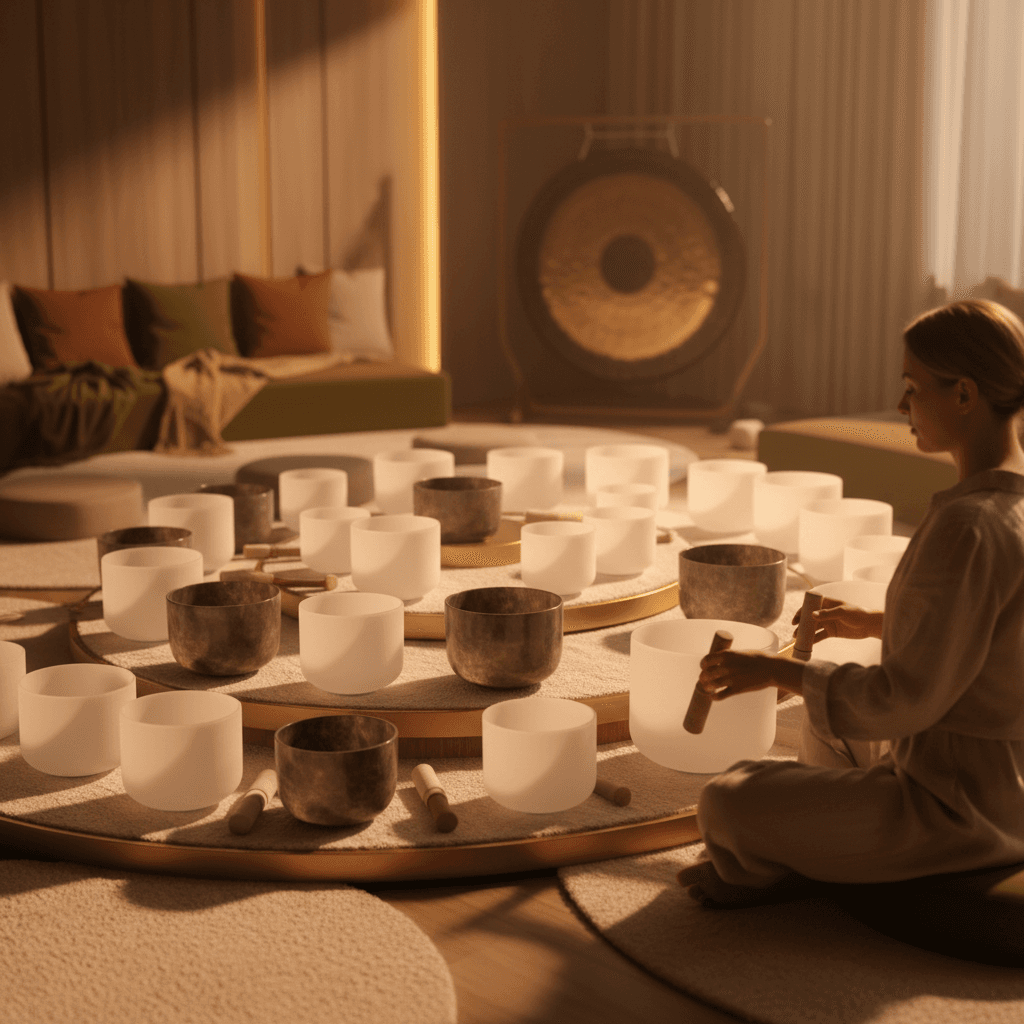
A unique aspect of many sound wellness practices, including those at Soul Art, is the integration of vibroacoustic elements. This means that the sound isn't just heard; it's felt throughout the body as gentle vibrations. Instruments like crystal singing bowls and gongs produce powerful resonant frequencies that can travel through the air and resonate within the body’s tissues and cells. This somatic experience is distinct from auditory perception alone, offering another pathway to relaxation and therapeutic benefit.
When the body receives these carefully modulated sound waves through the skin, it may help to release physical tension, promote cellular relaxation, and improve circulation. Many people report a profound sense of grounding and internal massage during vibroacoustic sessions, experiencing a deeper level of relaxation that permeates beyond the mental state into the physical realm. This dual input – auditory and vibrational – creates a truly holistic and immersive wellness experience.
The Importance of a Calibrated Environment
The effectiveness and safety of sound healing hinge entirely on the precision and intention with which sound is applied. It's not simply about creating "quiet" or playing soft music. A professional sound wellness studio like Soul Art meticulously controls the acoustic environment and calibrates instrument decibel levels to remain within safe, therapeutic ranges. This deliberate approach ensures that every session delivers optimal benefits without ever risking auditory strain.
This calibration involves not only keeping peak decibel levels well below harmful thresholds but also selecting specific frequencies that are known to support states of relaxation, cognitive focus, or emotional balance. The goal is to create a resonant field that gently guides the client's internal state, promoting harmony and restoration. This scientific grounding, combined with the artistic delivery of sound, forms the bedrock of truly transformative sound wellness.
The Soul Art Difference: Precision, Intention, and Transformative Frequencies
At Soul Art, the philosophy of sound wellness is deeply rooted in scientific understanding, intentional practice, and a profound commitment to client wellbeing. Our founder, Larissa Steinbach, has meticulously developed an approach that elevates sound healing beyond a mere trend, establishing it as a sophisticated, scientifically-grounded complementary wellness practice.
Larissa Steinbach's Philosophy: Conscious Sound Design
Larissa Steinbach’s vision for Soul Art is built on the principle of "conscious sound design." This means every aspect of the sound experience, from the selection of instruments to the composition of each session, is carefully considered for its physiological and psychological impact. She combines her intuitive understanding of sound with a rigorous adherence to safety guidelines, ensuring that every frequency offered supports the body's natural healing processes without compromising auditory health. This commitment to precision and safety is what sets Soul Art apart, creating a space where clients can fully surrender to the healing power of sound with complete confidence.
The "quiet luxury" of Soul Art is not just in its serene ambiance, but in the meticulous attention to detail in its sound architecture. Larissa Steinbach and her team understand that true luxury in wellness means providing experiences that are not only deeply relaxing but also intelligently designed for optimal benefit. This involves a continuous study of how different frequencies interact with the human body and mind, always within the safe decibel limits recommended by leading health organizations.
Crafting a Sanctuary of Sound
The Soul Art studio is more than just a space; it's a meticulously crafted sanctuary designed for acoustic perfection and profound energetic resonance. The environment is engineered to minimize external noise interference, allowing for the precise delivery of therapeutic frequencies. Larissa Steinbach utilizes a curated collection of world-class instruments, including Himalayan singing bowls, crystal singing bowls, gongs, chimes, and other resonant tools. Each instrument is chosen not just for its beauty, but for its specific vibrational qualities and its ability to produce rich, harmonic overtones.
During a Soul Art session, the decibel levels are scrupulously monitored and maintained within the safe, therapeutic range, typically well below the 70 dBA threshold recommended for sustained exposure. This ensures that the experience is deeply immersive and restorative, never jarring or stressful for the auditory system. The intention behind each sound journey is to foster specific states: from profound relaxation and stress reduction to enhanced cognitive clarity and emotional release. By blending scientific understanding with heartfelt intention, Larissa Steinbach and Soul Art offer a unique pathway to holistic wellbeing, enabling clients to experience the transformative potential of sound in a truly safe and sacred space.
Nurturing Your Auditory Wellbeing: Actionable Insights
Empowering yourself with knowledge about decibel levels and sound safety is a crucial step towards holistic wellbeing. Integrating mindful auditory practices into your daily life, alongside exploring professional sound wellness, can significantly enhance your quality of life and protect your most vital senses.
Here are some practical steps you can implement today to nurture your auditory wellbeing:
- Mind Your Personal Listening Devices: When using headphones or earbuds, aim for a volume level of 50-60% of the maximum. This helps protect your hearing and allows for longer, safer listening. Utilize your phone's settings to limit maximum volume, especially for Bluetooth-enabled devices.
- Monitor Environmental Noise: Become more aware of the decibel levels in your daily surroundings. Consider downloading a sound level meter app (such as the free National Institute for Occupational Safety and Health's app for iOS) to gauge noise levels in your home, workplace, or commute. If you consistently find yourself in environments above 70 dBA, look for ways to reduce exposure or use hearing protection.
- Protect Developing Ears: Be especially vigilant about noise exposure for children, whose auditory systems are more vulnerable. Limit their exposure to loud toys, music, and noisy environments, keeping average sound levels below 70 dBA.
- Embrace Moments of Quiet: Intentionally seek out moments of quiet throughout your day to give your ears and nervous system a break. Even short periods of silence can be restorative and help to reset your auditory awareness.
- Explore Professional Sound Wellness: Consider incorporating scientifically-grounded sound wellness practices, such as those offered at Soul Art, into your self-care routine. These sessions provide controlled, safe, and deeply restorative auditory and vibroacoustic experiences designed for optimal wellbeing.
By taking proactive steps to manage your sound exposure and engaging with intentional sound practices, you can safeguard your hearing and unlock deeper levels of relaxation and inner balance.
In Summary: Embracing Sound for Holistic Wellbeing
The journey to holistic wellbeing is intimately connected to our auditory environment. Understanding the logarithmic nature of decibels and the cumulative impact of sound intensity, duration, and intermittency is vital for protecting our hearing and overall health. As we've explored, excessive noise can silently contribute to hearing loss, cognitive decline, and chronic stress, while carefully calibrated sound holds immense potential for relaxation, mood enhancement, and deep restoration.
At Soul Art, Larissa Steinbach has meticulously fused scientific rigor with profound intention, creating a sanctuary where sound is consciously designed for healing. Our sessions are engineered to operate within optimal, safe decibel ranges, ensuring that every frequency supports your wellbeing without auditory strain. By choosing Soul Art, you're not just experiencing a sound bath; you're stepping into a scientifically informed, luxuriously gentle practice dedicated to nurturing your body, mind, and spirit. We invite you to experience the transformative power of safe, intentional sound and embark on a path to profound inner harmony.
Bookings Coming Soon
Soul Art is still in preparation. Session details and booking will be published here after launch.
Coming Soon
Wellness Disclaimer: This article is for educational and informational purposes only. It does not constitute medical advice, diagnosis, or treatment. Soul Art Dubai provides non-medical wellness experiences focused on relaxation, stress management, and general wellbeing. Sound wellness is a complementary practice and should not replace professional medical care.
Related Articles
40 Hz Sensory Stimulation and Alzheimer's Research
Unlocking Wellness: The Science of Sound Healing Research Design
Unlocking Wellness: Biomarkers for Effective Sound Therapy