Dancers: Unleash Movement Potential Through Sound Wellness
Key Insights
Discover how sound wellness profoundly enhances a dancer's aesthetic experience, embodied response, and performance. Explore Soul Art's scientific approach in Dubai.
Can sound be more than just background music for a dancer? What if the subtle vibrations and intricate frequencies of sound held the key to unlocking deeper levels of movement, presence, and injury prevention? For artists dedicated to the language of the body, understanding the profound, scientifically-backed connection between sound and movement is not just an advantage; it's a transformative revelation.
At Soul Art, Dubai’s premier sound wellness studio, founded by the visionary Larissa Steinbach, we delve into this intrinsic relationship. This article explores how carefully curated sound experiences, rooted in neuroscience, can profoundly enhance a dancer's aesthetic experience, optimize physical performance, and foster a more profound mind-body connection. Prepare to discover how targeted sound wellness practices may support dancers in moving with greater fluidity, awareness, and resilience.
The Science Explained: The Profound Link Between Sound and Embodied Movement
The human experience of dance is inherently multimodal, a rich tapestry woven from visual, kinesthetic, and auditory inputs. For dancers, sound is not merely an accompaniment; it's an active participant in shaping and expressing movement. Cutting-edge neuroscience is now revealing the intricate ways our brains and bodies process this dynamic interplay, offering powerful insights for enhancing a dancer’s practice and well-being.
Embodied Response and Multisensory Processing
Research has shown that the perception of sound, particularly in the context of movement, triggers a deeply embodied response. Studies analyzing spectators' experiences of dance demonstrate that sections focusing on breath and subtle movements engage multisensory areas in the parietal cortex and body-sensitive regions in the occipitotemporal cortex. This suggests that sound, when combined with movement, can prompt a shift from a predominantly visual mode of perception to a more corporeally focused, internal experience.
For dancers themselves, this means that the sounds they perceive—whether external music or their own internal rhythms—can directly influence their proprioception and kinesthetic awareness. A heightened sense of one's own physicality, and that of others, is a direct outcome of this multisensory engagement. This deep internal sensing may support dancers in executing complex choreography with greater precision and emotional depth.
Motor Resonance and Neural Activation
Our brains are wired to connect sound with action. Robust evidence indicates that simply listening to action-related sounds activates the neural processes necessary to produce those very sounds. This phenomenon, known as motor resonance, highlights how sound can prime the motor system. When a dancer hears a specific rhythm or sound associated with a particular movement, their brain areas responsible for executing that movement begin to activate.
This motor resonance is significantly strengthened by experience and familiarity. Studies comparing expert dancers with novices show more robust responses in brain networks comprising areas like the dorsolateral and inferior frontal cortex, superior temporal gyrus, and various motor areas, including supplementary motor and premotor cortices. This suggests that expert dancers have developed more refined neural pathways where sound cues instantaneously translate into embodied movement potential. Leveraging this neurological principle through specific sound practices may support dancers in enhancing muscle memory, improving coordination, and refining their kinetic intelligence.
Rhythmic Auditory Stimuli (RAS) and Movement Control
The rhythmic patterns within sound—the beat and syncopation—are fundamental drivers of human movement. Research into Rhythmic Auditory Stimuli (RAS) has provided compelling evidence of its immediate effects on intrinsically rhythmical movements. While much of this research originates from sports and rehabilitation, its principles are highly applicable to dancers.
RAS has been associated with improvements in gait velocity, step cadence, and stride length, as well as reducing variability and improving stability in movements. For dancers, this translates to the potential for enhanced control over intricate footwork, sustained balance, and the precise timing of complex sequences. Music, with its inherent rhythmic structure, acts as a powerful external cue, guiding and stabilizing movement patterns. This suggests that structured sound environments can be a powerful tool for dancers seeking to refine their technical prowess and achieve greater consistency in performance.
Auditory Cues and Dance Perception
For dancers, the auditory stimulus often precedes the movement stimulus; they receive sound cues and dance along with the music. The auditory cortices are continuously active, processing the music's rhythm and syncopation, which are the main elements associated with an individual's movement. This continuous feedback loop between sound perception and motor planning is crucial for a dancer's ability to interpret and embody musicality.
The choice of music, or even specific soundscapes without traditional melodies, can profoundly influence the dancer's internal state and external expression. From the percussive sounds generated by dancers themselves (e.g., tap shoes, chachayotes) to the ambient soundscapes used in contemporary pieces, sound shapes the very essence of the performance. Understanding this dynamic allows dancers to consciously engage with sound, not just as a backdrop, but as a core element of their creative and technical process.
The Brain in Motion: Areas Beyond Simple Movement
The act of dancing engages brain regions far beyond those simply responsible for carrying out motion. Specific areas like the precuneus, medial geniculate nucleus, and anterior vermis contribute to dance in ways that enhance spatial awareness, emotional processing, and coordination. When dancers practice moving to a beat, even without fully executing the movement (e.g., flexing leg muscles in time to music), distinct brain activity is observed.
Furthermore, areas like Broca's area, typically associated with speech, have been implicated in imitation and learning, crucial components of a dancer's training. This highlights how dance is a comprehensive brain activity, integrating perception, emotion, memory, and motor control. Sound, as a direct input to many of these regions, therefore plays a pivotal role in optimizing overall brain function for movement artists.
How It Works in Practice: Experiencing Sound for Enhanced Movement
Translating the intricate science of sound and movement into a dancer's daily practice offers tangible benefits. These practices move beyond merely listening to music, engaging the body and mind in a more profound, holistic way. Dancers who integrate mindful sound experiences into their routines often report significant improvements in various aspects of their art and well-being.
One of the immediate benefits is a heightened sense of kinesthetic awareness. By focusing on sounds—whether external ambient frequencies or the subtle internal sounds of their own breath and body—dancers may develop a more acute sensitivity to their own movements. This increased awareness allows for finer control, more nuanced expression, and a deeper understanding of their body in space. It's about feeling the movement from the inside out, guided by an invisible, auditory compass.
Sound can also be a powerful tool for emotional expression and authenticity. Different frequencies and rhythmic patterns can evoke specific emotional states, which a dancer can then channel into their performance. For example, grounding low frequencies may promote stability and gravitas, while higher, flowing tones could inspire lightness and fluidity. This conscious emotional connection, facilitated by sound, allows dancers to infuse their choreography with greater depth and genuine feeling.
"Sound doesn't just accompany movement; it sculpts it from within, revealing hidden rhythms and unlocking new dimensions of expression."
Beyond performance, sound wellness practices are invaluable for recovery and injury prevention. Deeply relaxing soundscapes, such as those incorporating binaural beats or specific resonant frequencies, may support the nervous system in entering a state conducive to healing. By reducing stress and muscle tension, these practices may aid in faster recovery post-performance or intense training. Furthermore, enhanced body awareness fostered by sound can help dancers identify and correct imbalances, potentially reducing the risk of injury over time. It's a proactive approach to maintaining the delicate balance required for sustained physical artistry.
Clients often describe a profound sense of flow and mental clarity after engaging with sound for movement. The focused attention required to perceive and integrate sound cues helps quiet the mental chatter, allowing dancers to be fully present in their bodies. This state of focused awareness fosters creativity, improves concentration during demanding sequences, and helps dancers access their intuitive movement potential without overthinking. The result is often more graceful, effortless, and impactful performances.
The Soul Art Approach: Larissa Steinbach's Unique Method for Dancers
At Soul Art in Dubai, Larissa Steinbach has meticulously crafted a unique sound wellness methodology specifically designed to cater to the nuanced needs of movement artists. Her approach is rooted in the scientific principles discussed, yet delivered with an intuitive understanding of the dancer's journey—integrating precision, artistry, and deep well-being.
Larissa's method goes far beyond playing background music. She curates immersive sound journeys that activate the sensory pathways crucial for dancers, focusing on nervous system regulation and enhanced mind-body connection. Each session is designed to explore different facets of the sound-movement relationship, whether it's through deep grounding frequencies to foster stability or ethereal soundscapes to inspire fluid, expansive motion.
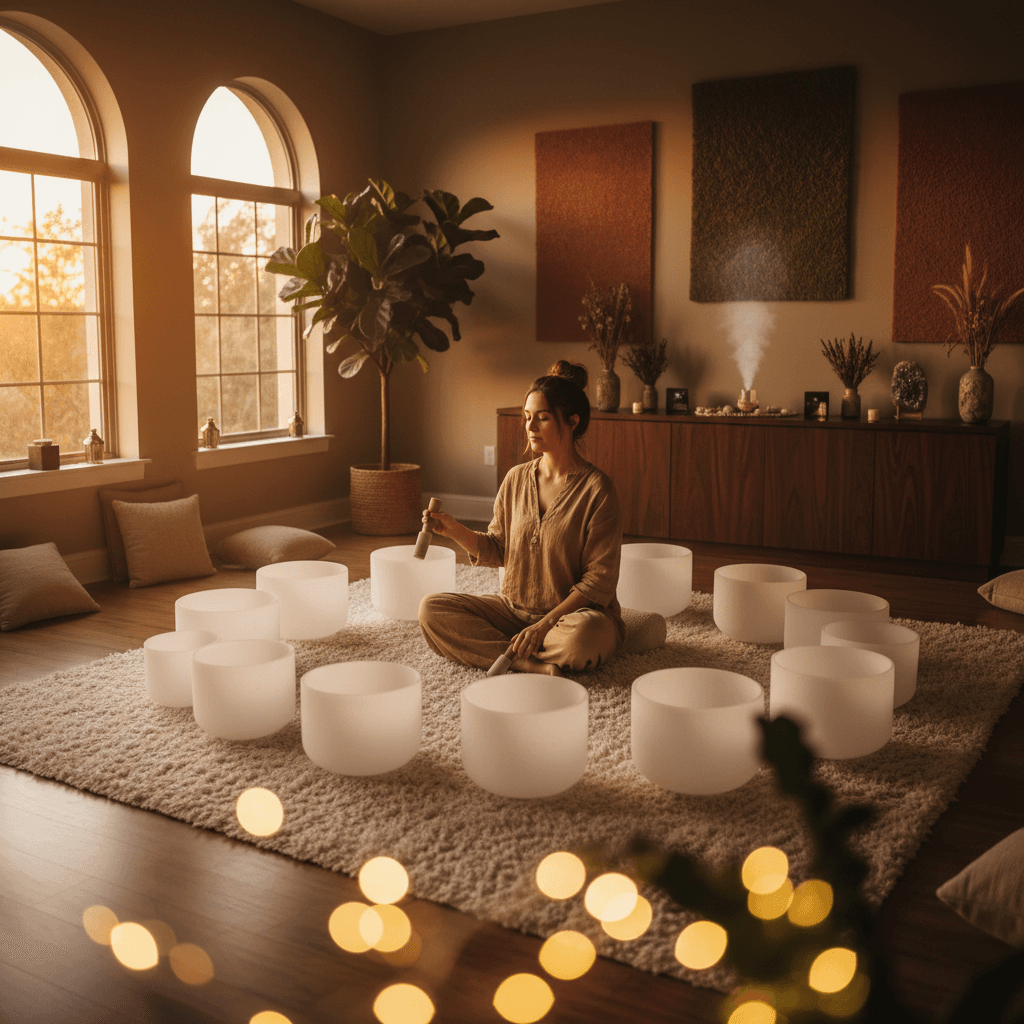
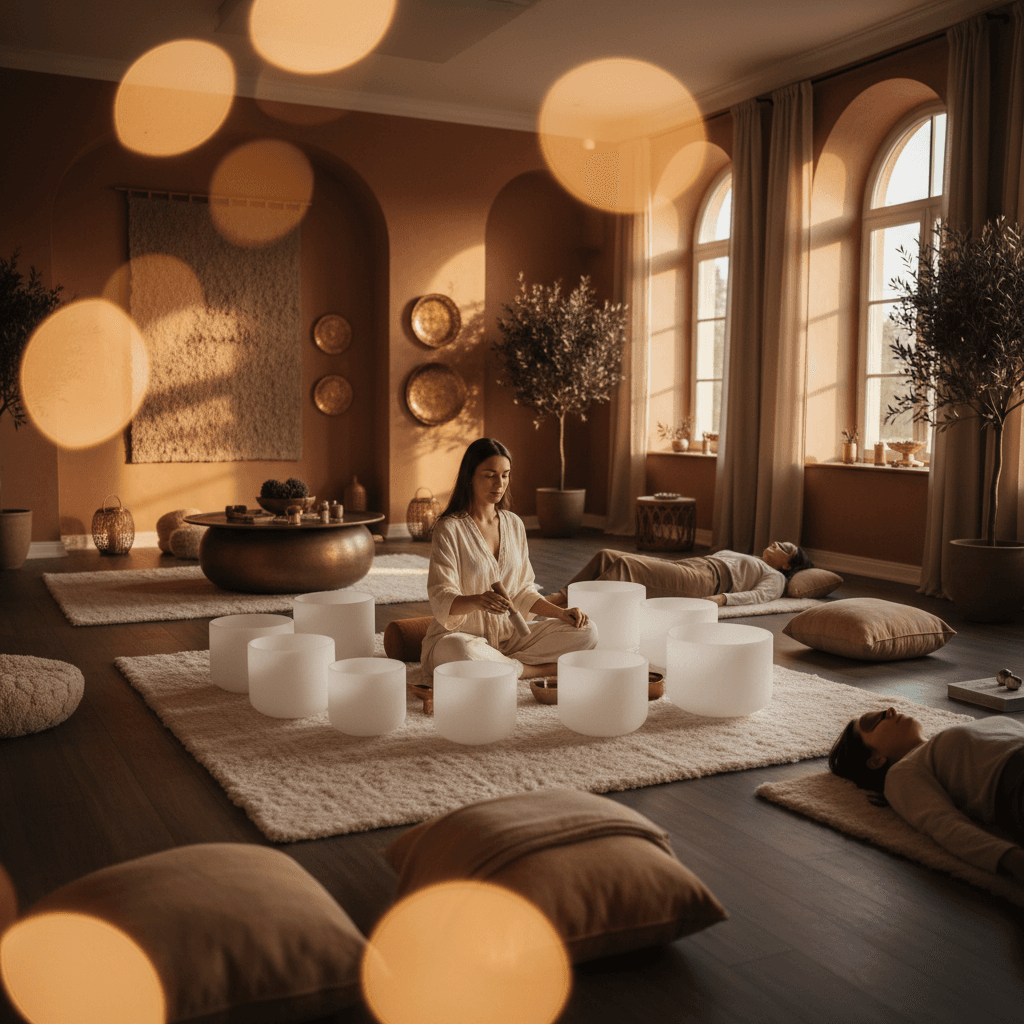
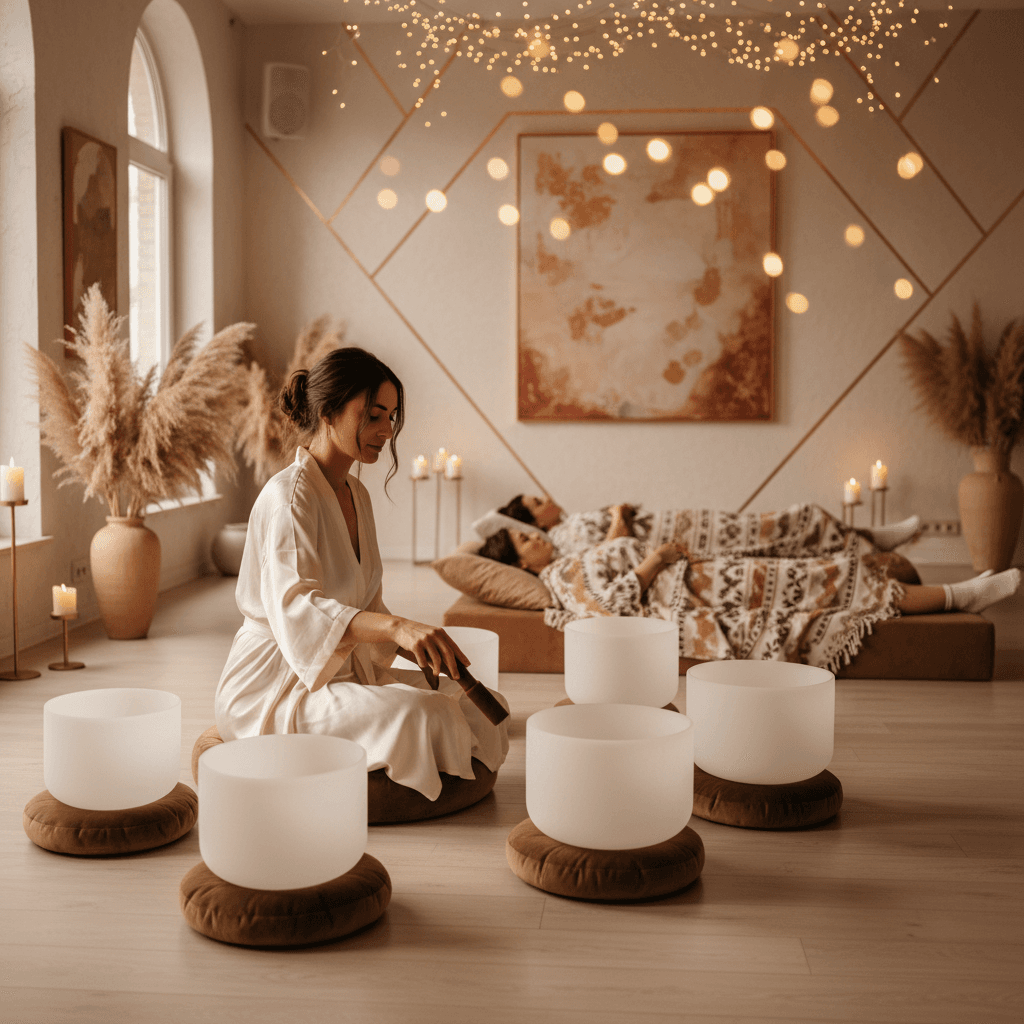
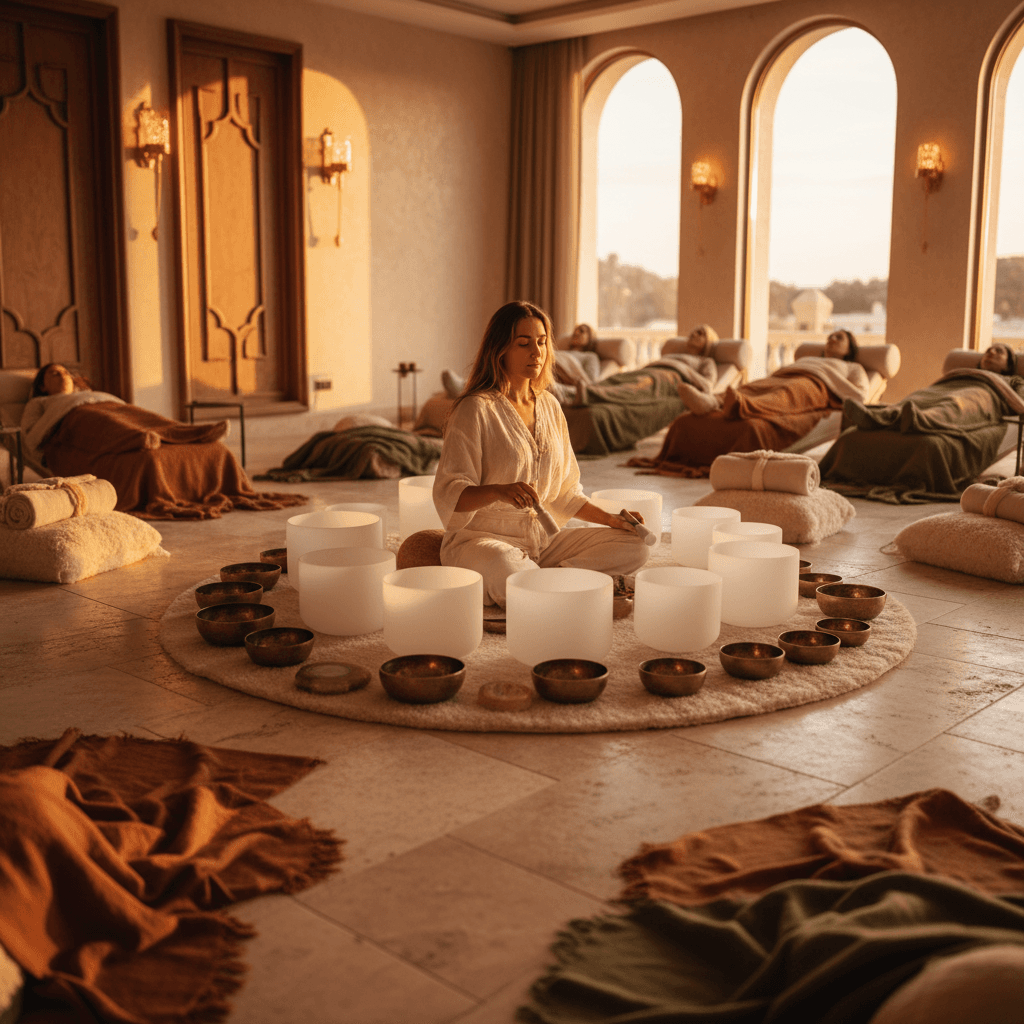
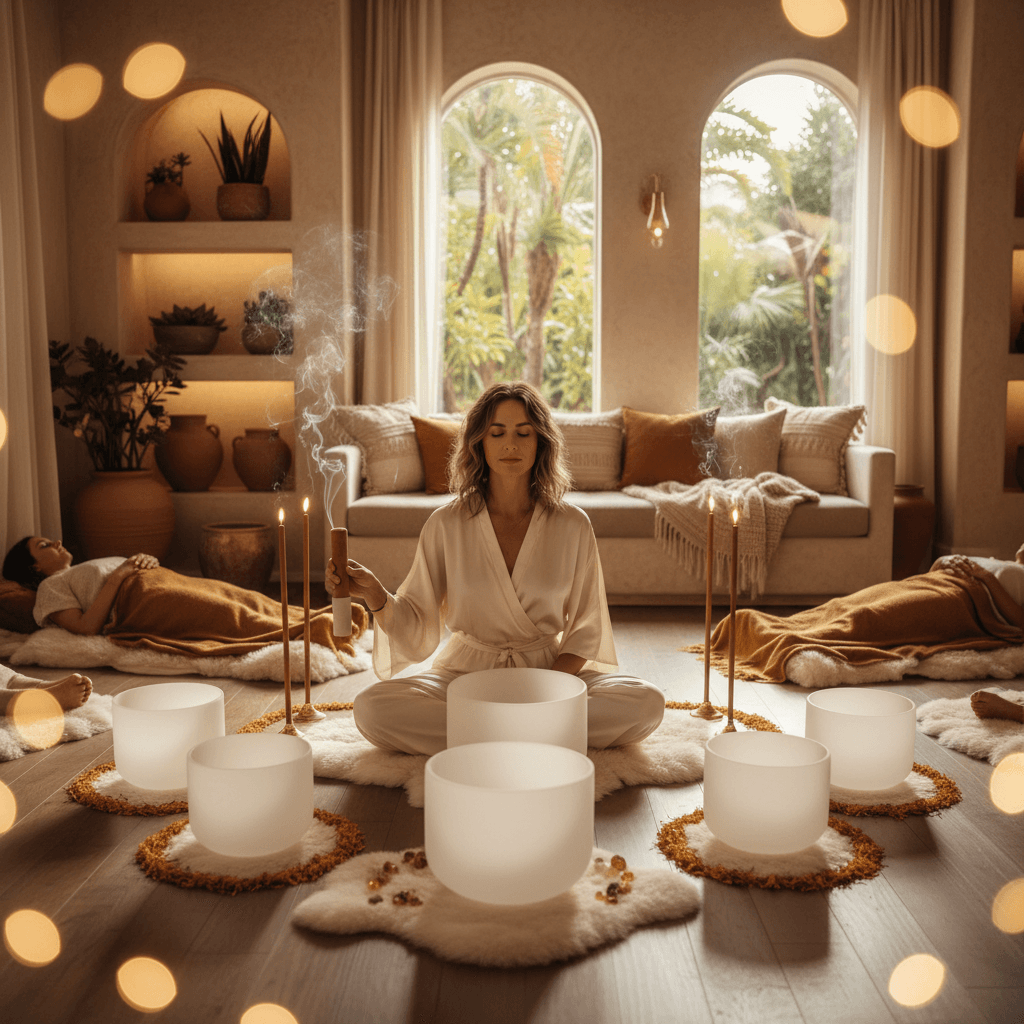
Central to the Soul Art experience is the use of a diverse array of therapeutic instruments. Himalayan singing bowls, crystal singing bowls, gongs, chimes, and various forms of percussion are played live, creating rich, resonant soundscapes. These instruments produce specific frequencies and overtones that interact directly with the body's energetic centers, promoting deep relaxation, releasing tension, and potentially clearing energetic blockages. For a dancer, this means a tangible reduction in physical stiffness and an increased sense of internal spaciousness.
One of the signature elements of Larissa’s practice is the emphasis on vibrational immersion. Dancers are invited to lie down or engage in gentle, guided movements while enveloped in sound. The physical vibrations permeate the body, providing a subtle yet powerful internal massage that may aid in fascial release and muscular relaxation. This direct vibrational input may also enhance cellular resonance, supporting overall tissue health and vitality—critical for bodies under constant physical demand.
Larissa Steinbach's expertise lies in her ability to intuitively select and layer sounds that resonate with the specific intentions of the session. Whether it's to cultivate inner stillness for improved focus, to stimulate creative flow for choreography, or to facilitate deep rest for recovery, the soundscapes are thoughtfully composed. The Soul Art environment itself, a sanctuary of calm in bustling Dubai, amplifies this experience, providing a dedicated space for dancers to reconnect, recalibrate, and rejuvenate. This holistic approach ensures that dancers not only perform better but also sustain their passion with greater well-being and longevity.
Your Next Steps: Integrating Sound into Your Movement Practice
Embracing the power of sound for your movement art is an accessible journey, irrespective of your dance style or experience level. Starting with small, mindful steps can yield profound benefits, enhancing your performance, well-being, and connection to your craft.
Here are 3-5 actionable steps you can implement today to begin harnessing the transformative potential of sound:
- Mindful Listening Practice: Dedicate 10-15 minutes each day to simply listen. Choose a piece of instrumental music or a soundscape, close your eyes, and notice how the sound makes your body feel. Observe any subtle shifts in tension, breath, or emotional state.
- Integrate Rhythmic Awareness: During your warm-ups or cool-downs, consciously focus on your breath rhythm. Pair simple movements with your inhale and exhale, using your internal sound as a guide. This builds a foundational connection between internal rhythm and external motion.
- Explore Ambient Soundscapes: Experiment with ambient soundscapes (e.g., nature sounds, binaural beats designed for relaxation or focus) during periods of stretching, improvisation, or rest. Notice how these different sonic environments influence your body’s receptivity and your mental state.
- Consciously Connect to Performance Sounds: Before a rehearsal or performance, take a moment to truly listen to the music. Visualize how specific sounds or rhythms might translate into your movements. This primes your motor resonance and deepens your expressive connection to the piece.
- Seek Expert Guidance: Consider experiencing a professional sound wellness session. Studios like Soul Art offer expertly guided experiences that provide deep relaxation and targeted sonic immersion, designed to optimize the mind-body connection for movers.
These practices are not just about adding an extra layer to your routine; they are about unlocking a more profound, embodied understanding of your movement potential. They invite you to experience dance not just as something you do, but as something you feel and resonate with on a deeper, cellular level.
In Summary: Harmonizing Movement and Well-being
The intricate dance between sound and movement is far more profound than mere accompaniment. Scientific research consistently illuminates how sound actively shapes a dancer's aesthetic experience, ignites powerful embodied responses, and refines motor control. From triggering neural processes for movement to enhancing kinesthetic awareness and aiding recovery, sound is an indispensable, yet often underutilized, tool for movement artists.
At Soul Art, Larissa Steinbach's specialized approach offers dancers a unique pathway to leverage these insights. Through carefully curated sound journeys and therapeutic instruments, dancers may achieve deeper relaxation, enhanced precision, and a more resilient mind-body connection. Discover how integrating sound wellness can elevate your performance, foster profound well-being, and truly harmonize your artistic journey.
Bookings Coming Soon
Soul Art is still in preparation. Session details and booking will be published here after launch.
Coming Soon
Wellness Disclaimer: This article is for educational and informational purposes only. It does not constitute medical advice, diagnosis, or treatment. Soul Art Dubai provides non-medical wellness experiences focused on relaxation, stress management, and general wellbeing. Sound wellness is a complementary practice and should not replace professional medical care.