Harmonic Healing: Sound After Rejection for Inner Peace
Key Insights
Explore the neuroscience of rejection and how sound wellness, guided by Larissa Steinbach at Soul Art Dubai, supports emotional recovery and resilience.
Have you ever felt the sharp, visceral pain of rejection, an ache that rivals a physical wound? Neuroscientific research offers a surprising explanation: your brain processes social exclusion with the same neural pathways it uses for physical pain. This profound connection between our social and physical selves underscores why recovering from critique or rejection is not merely an emotional challenge, but a holistic journey toward well-being.
In this comprehensive guide, we delve into the intricate science behind rejection's impact on our minds and bodies. We will explore how sound wellness, a powerful and ancient practice, may offer a unique and gentle pathway to soothe these wounds. Discover how Soul Art, under the visionary guidance of Larissa Steinbach, harnesses the power of harmonic frequencies to foster resilience and restore inner peace.
Understanding this deep connection is paramount for anyone seeking to cultivate greater emotional strength and navigate life's inevitable setbacks. Join us as we uncover how the vibrational tapestry of sound can help you reclaim your balance and thrive after experiencing rejection.
Understanding the Sting of Rejection
The experience of rejection, whether from a personal relationship, a professional setback, or an unfulfilled expectation, can be profoundly unsettling. It’s more than just a fleeting moment of disappointment; it often triggers a cascade of physiological and psychological responses that can linger and impact overall well-being. Delving into the science helps us understand why rejection cuts so deep and how to approach its recovery with intention.
The Brain's Pain Response to Social Exclusion
One of the most striking findings in modern neuroscience is the brain's remarkable response to social rejection. Research consistently demonstrates that the brain registers social exclusion in a manner strikingly similar to how it processes physical pain. The anterior cingulate cortex (ACC), a region known for processing the emotional component of physical pain, becomes activated during moments of social rejection.
This neural overlap helps explain why rejection doesn't just "feel bad" emotionally, but can manifest as a genuine ache or discomfort within the body. Beyond the brain, social rejection has been associated with heightened physiological stress responses, which can include increased cardiovascular activity. These physical health effects underscore the importance of addressing the impact of rejection for both emotional and bodily well-being.
The Cycle of Self-Doubt: Self-Esteem and Rejection Sensitivity
Rejection frequently serves as a potent trigger for negative self-talk and a questioning of one's inherent worth. Individuals with a low sense of self-worth tend to internalize rejection more acutely, perceiving it as a personal failing rather than an external circumstance. This often leads to detrimental cycles of self-doubt, impeding emotional recovery.
A related concept is rejection sensitivity, characterized as an amplified awareness and pervasive fear of being rejected. This heightened sensitivity can cause individuals to anticipate rejection even in neutral social situations, fostering anxiety and contributing to insecure attachment styles. Such patterns can create significant barriers to forming and maintaining healthy relationships.
The Body-Mind Connection: Long-Term Impacts
The psychological repercussions of rejection are varied and profound, extending beyond immediate emotional discomfort. Experiencing a lack of interpersonal acceptance has been associated with specific forms of psychological maladjustment in both children and adults. Research in multiple countries, like studies cited by Rohner & Carrasco (2014), highlights how perceived parental acceptance or rejection can significantly influence an offspring's psychological adjustment.
Long-term exposure to rejection can contribute to feelings of loneliness, diminished self-esteem, jealousy, and persistent sadness. In more severe or prolonged cases, these emotional responses may evolve into conditions such as depression and anxiety. While cross-sectional research often reveals a correlation between perceived rejection and psychological maladjustment, it is important to note that determining direct causation versus reciprocal influence in such contexts can be complex. The profound impact on both physical and mental well-being makes active coping and recovery strategies essential.
The Harmonious Path to Healing
Recognizing the deep-seated impact of rejection, the quest for effective recovery strategies becomes paramount. Sound wellness offers a unique, non-invasive, and deeply resonant approach to navigate these emotional and physiological challenges. By engaging our senses in a profound way, sound can bypass cognitive barriers and directly influence our nervous system, facilitating a return to balance.
Activating the Parasympathetic Nervous System
Sound frequencies play a crucial role in shifting our physiological state, moving us from the stress-induced "fight-or-flight" response to a more serene "rest-and-digest" mode. Instruments like gongs and singing bowls are particularly effective in this regard, as their sustained vibrations stimulate the parasympathetic nervous system. This activation helps to calm the body's stress response.
A notable 2016 study conducted at the University of California observed that participants experienced significantly lower cortisol levels and reduced heart rates after engaging in just 20 minutes of singing bowl meditation. These findings underscore sound's potential as a powerful tool for physiological de-stressing. It offers a gentle method to reset the body's internal rhythms and promote deep relaxation, which is vital for emotional recovery.
Reshaping Emotional Responses: Serotonin, Dopamine, and Mood
Listening to harmonic sounds does more than just relax the body; it also has a profound effect on brain chemistry. These resonant frequencies are believed to increase the production of serotonin and dopamine, key neurotransmitters often referred to as the brain's natural "feel-good" chemicals. This biochemical shift helps to explain why many individuals report sensations of peace, tranquility, or even euphoria following a sound session.
Preliminary research published in Frontiers in Human Neuroscience suggests that sound therapy may assist individuals with chronic anxiety in significantly reducing their symptoms over a period of weeks. From a theoretical perspective, the positive emotional experiences fostered by music and sound are thought to counteract the negative emotions elicited by stressors like rejection. This mechanism aligns with the broaden-and-build theory of positive emotions, which posits that positive feelings can promote novel thoughts and behaviors, thereby building resilience over time.
Addressing Pain and Promoting Cellular Wellness
The influence of sound extends beyond emotional and neurological shifts to impact physical sensations, including pain perception. Sound frequencies have the capacity to subtly alter how the brain interprets and processes pain signals. Moreover, the therapeutic vibrations produced by sound instruments may contribute to muscle relaxation, enhance local circulation, and potentially stimulate healing processes at a cellular level.
A 2015 study published in Pain Research and Management provided compelling evidence that music and sound therapy significantly reduced chronic pain in elderly patients. This suggests that sound wellness can be a valuable complementary approach for managing physical discomfort that often accompanies intense emotional stress, like that induced by profound rejection. Integrating sound offers a holistic pathway that addresses both the psychological and physiological dimensions of suffering.
Beyond Words: A Non-Verbal Sanctuary
For individuals grappling with the deep emotional scars of trauma, PTSD, or profound emotional wounds, traditional verbal therapies can sometimes feel overwhelming or inaccessible. Sound offers a uniquely gentle and non-verbal avenue for processing and healing these delicate areas. The calming and consistent nature of therapeutic frequencies helps to settle the brain, bypassing the need for explicit verbalization.
This non-verbal approach fosters a profound sense of safety and trust within the individual, creating a secure internal space for healing to unfold. It allows for a deep emotional release without the pressure of articulation, making it particularly effective for those who find it challenging to express their feelings verbally. Sound thus provides a sanctuary where healing can begin on a deeply intuitive level.
Larissa Steinbach's Vision: Soul Art's Unique Resonance
At Soul Art Dubai, Larissa Steinbach has meticulously crafted a sanctuary dedicated to the profound power of sound wellness. Her approach is rooted in a deep understanding of the scientific principles governing sound's impact on human physiology and psychology, combined with an intuitive sense of how to create truly transformative experiences. Larissa’s vision goes beyond mere relaxation; she aims to facilitate genuine emotional and energetic recalibration.
What makes the Soul Art method distinct is its commitment to a personalized and luxurious wellness experience. Each session is not just an offering of sound but a carefully curated journey designed to meet the individual needs of the client. Larissa's expertise lies in her ability to intuitively select and layer specific frequencies and instruments, creating a rich tapestry of sound that resonates deeply with the body's energetic centers.
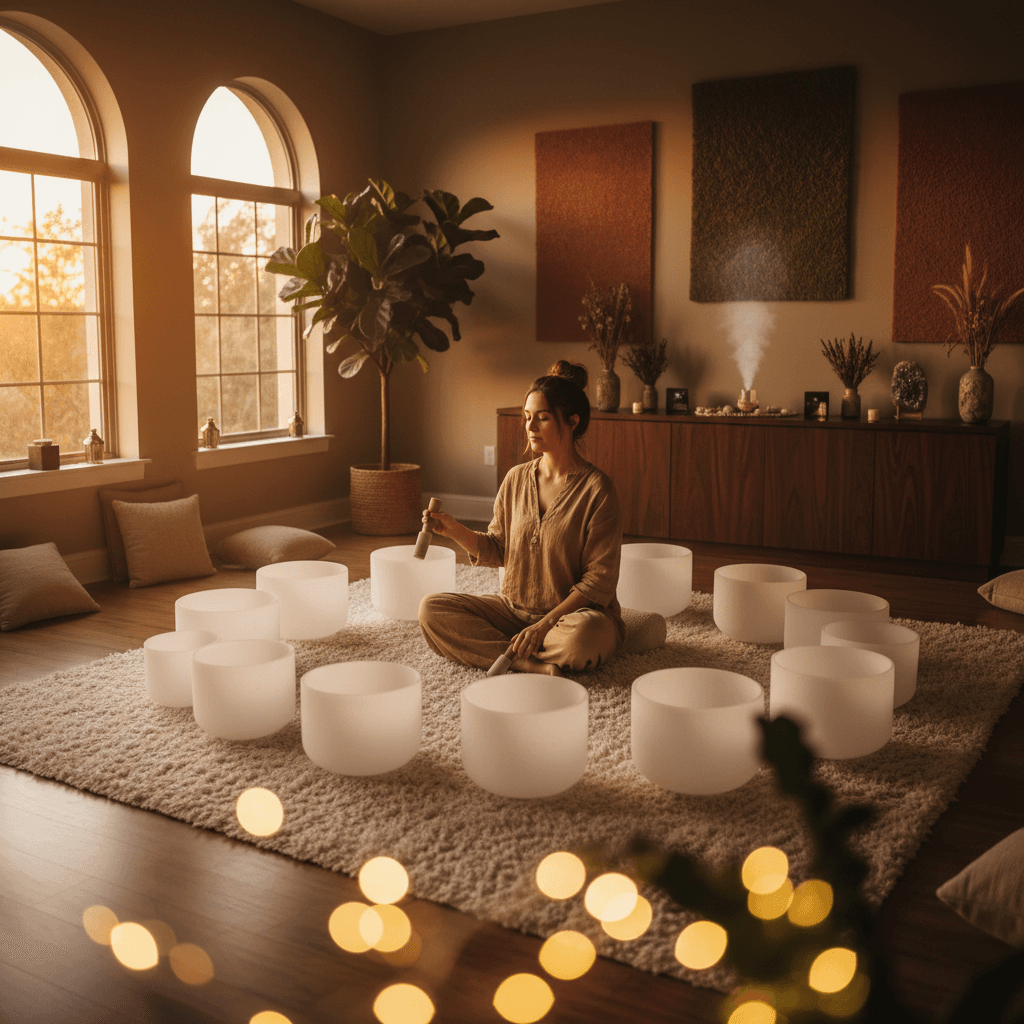
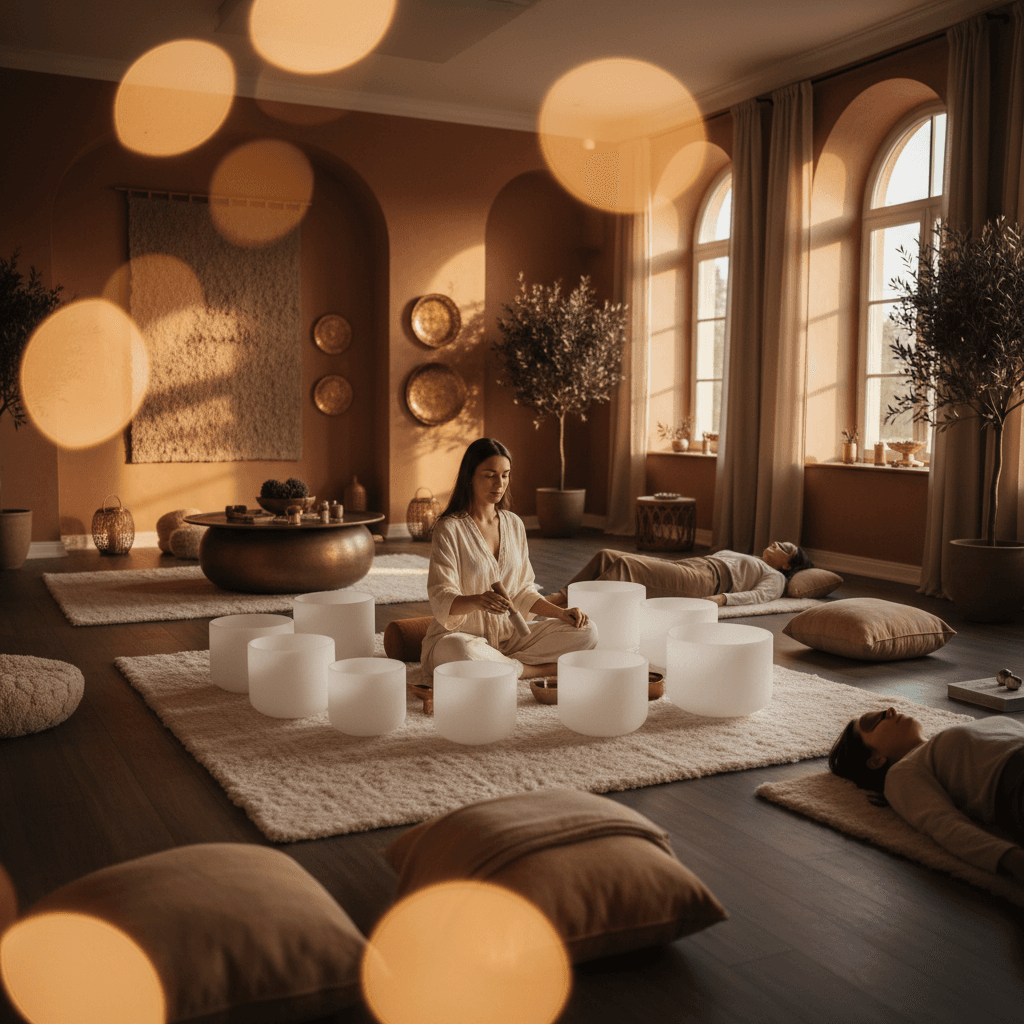
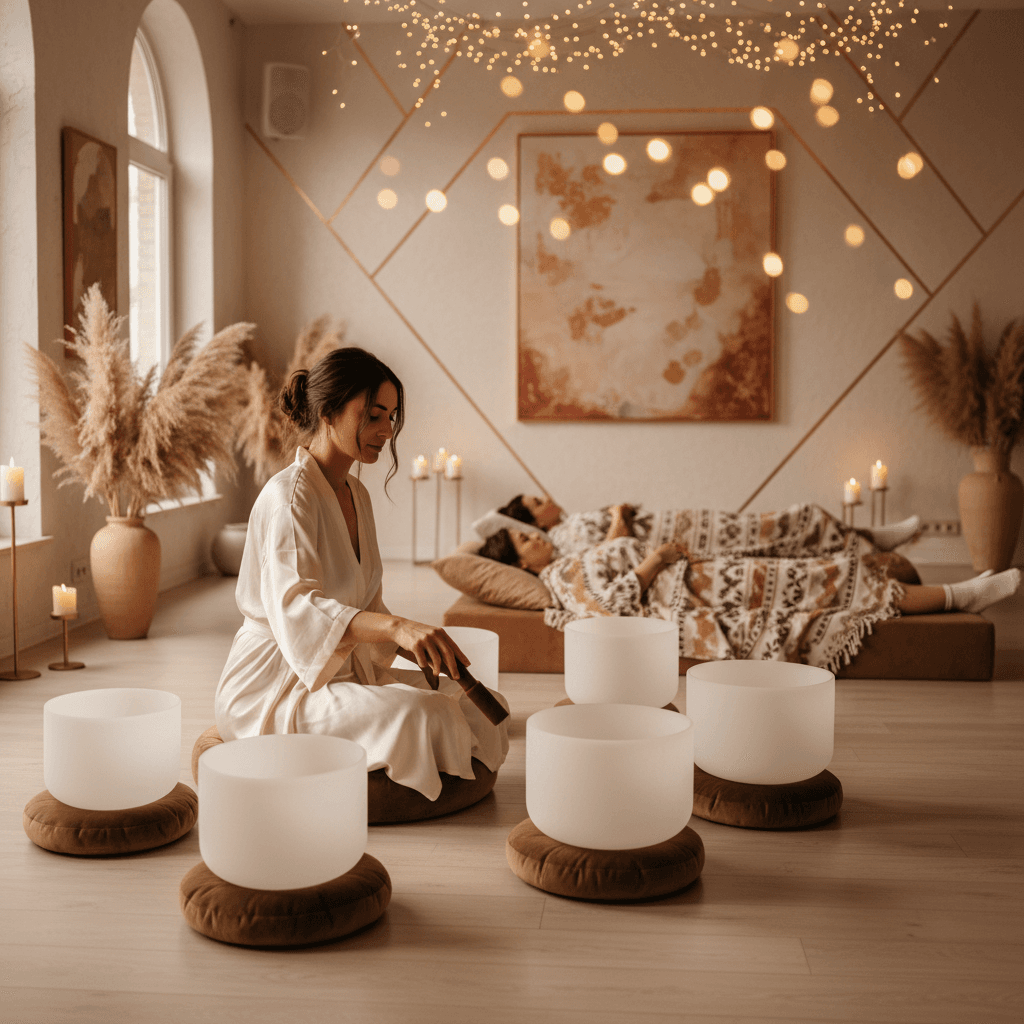
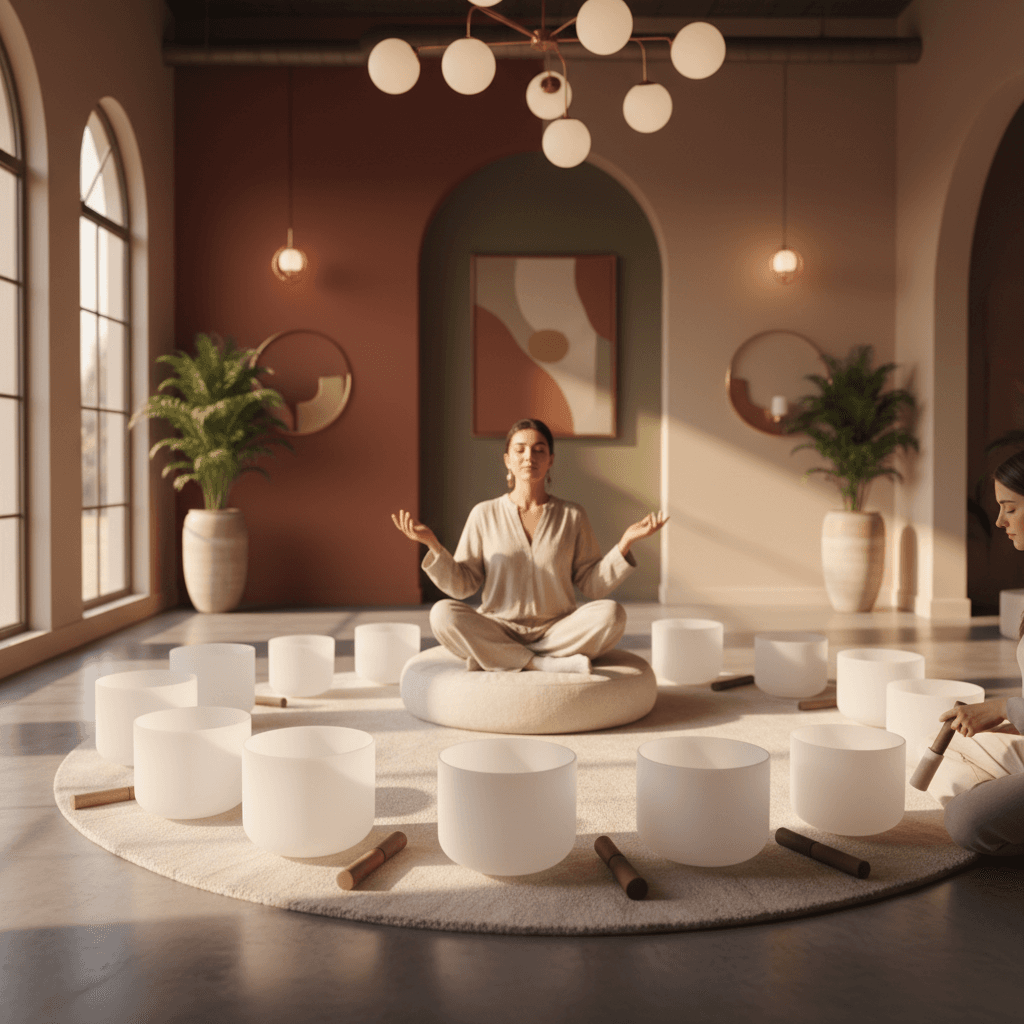
Larissa utilizes a sophisticated array of Tibetan singing bowls, crystal bowls, gongs, and chimes, each chosen for its unique vibrational qualities and therapeutic benefits. These instruments are played with intention, creating a harmonious and immersive soundscape that encourages deep relaxation and emotional release. The emphasis is on fostering a nurturing environment where individuals feel safe to explore their inner landscape and process challenging emotions.
Soul Art’s sessions are designed to help clients gently challenge negative self-talk, which often intensifies after experiences of rejection. By inducing a state of deep calm, the mind becomes more receptive to positive affirmations and a shift in perspective, ultimately building greater emotional resilience. Larissa Steinbach's dedication ensures that every visitor to Soul Art receives not just a sound bath, but a profound experience of self-discovery and holistic well-being.
"Rejection is not a reflection of your worth, but an opportunity for deeper self-discovery. Sound wellness provides the gentle guide back to your intrinsic strength."
Cultivating Resilience: Actionable Insights
Navigating the emotional landscape after rejection requires both understanding and proactive strategies. While the sting may be inevitable, how we choose to respond and recover can significantly impact our long-term well-being and resilience. Incorporating intentional practices can transform a challenging experience into an opportunity for growth.
Here are some practical steps you can implement to support your recovery:
- Challenge Negative Self-Talk: Rejection often triggers a cycle of questioning your self-worth. Employ cognitive restructuring by actively identifying these negative thoughts and reframing them into more balanced and realistic perspectives. Instead of "I failed," consider, "This was a learning experience."
- Embrace Learning and Perspective: Every rejection offers a chance for growth. View the experience not as a definitive failure, but as valuable feedback or a redirection toward a more suitable path. Many highly successful individuals have faced numerous rejections that ultimately led them to greater opportunities.
- Practice Self-Compassion: Be kind to yourself. Recognize that experiencing hurt after rejection is a normal human response. Treat yourself with the same empathy and understanding you would offer a dear friend in a similar situation.
- Seek Supportive Connections: Don't isolate yourself. Lean on your support network of friends, family, or mentors who can offer perspective and affirmation. Sharing your feelings can validate your experience and reduce feelings of loneliness.
- Explore Complementary Wellness Practices: Consider incorporating holistic wellness practices like sound healing, meditation, or mindfulness into your routine. These practices may support stress reduction, emotional regulation, and a sense of inner calm, complementing other coping strategies.
Taking these proactive steps can empower you to move through the experience of rejection with grace and emerge with newfound strength. If you are ready to explore a profound path to emotional rejuvenation, Soul Art offers an unparalleled experience.
Reclaiming Your Inner Harmony
The journey through rejection can be complex, often leaving us feeling depleted and questioning our worth. As we've explored, the brain's response to social exclusion mirrors that of physical pain, underscoring the necessity of a holistic approach to recovery. Sound wellness, with its capacity to activate the parasympathetic nervous system, balance mood-enhancing neurochemicals, and gently soothe the physical body, offers a profound pathway to healing.
At Soul Art, Larissa Steinbach's expertly guided sessions provide a unique opportunity to immerse yourself in therapeutic soundscapes. Here, the meticulously selected frequencies from gongs and bowls create a sanctuary where emotional wounds can begin to mend, resilience is cultivated, and inner harmony is restored. Allow the gentle vibrations to re-align your spirit and empower you to move forward with renewed strength and peace.
Bookings Coming Soon
Soul Art is still in preparation. Session details and booking will be published here after launch.
Coming Soon
Wellness Disclaimer: This article is for educational and informational purposes only. It does not constitute medical advice, diagnosis, or treatment. Soul Art Dubai provides non-medical wellness experiences focused on relaxation, stress management, and general wellbeing. Sound wellness is a complementary practice and should not replace professional medical care.