Harmonizing Creativity: Sound Wellness for Artistic Recovery
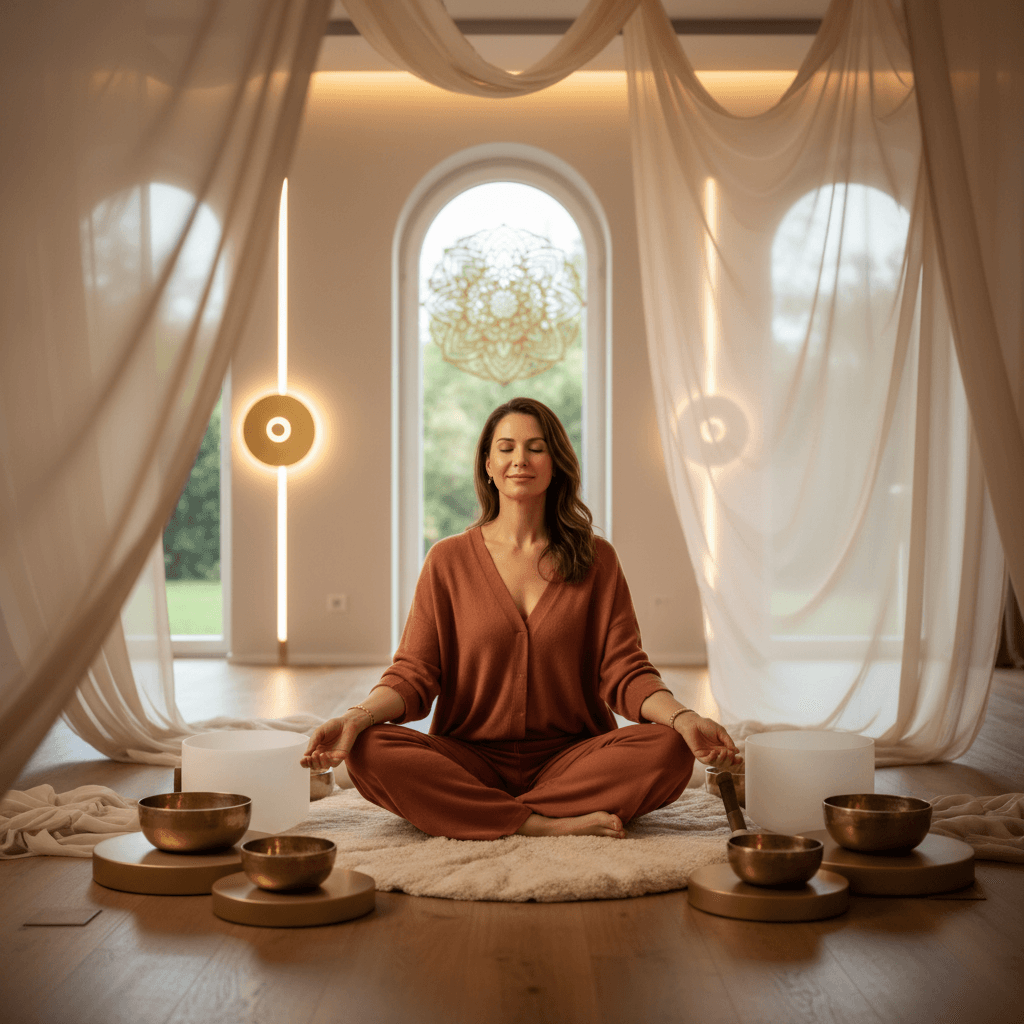
Key Insights
Explore how sound wellness at Soul Art, founded by Larissa Steinbach, offers a scientifically-grounded path for artists to overcome creative burnout and rediscover their flow.
Have you ever found yourself staring at a blank canvas, an empty document, or an uninspired stage, the wellspring of your creativity seemingly dry? For many artists, the intense demands of the creative process can paradoxically lead to creative burnout, a state of mental and emotional exhaustion that stifles inspiration and productivity. It's a profound challenge that can leave artists feeling lost and disconnected from their passion.
At Soul Art, Dubai’s premier sound wellness studio, founded by the visionary Larissa Steinbach, we understand this journey. We offer a sophisticated, scientifically-grounded approach to help creatives navigate burnout and rediscover their innate artistic vitality. This article delves into how sound wellness may support artistic recovery, offering insights into its profound effects on mental and emotional well-being.
Join us as we explore the intricate science behind sound interventions, how they translate into practical, transformative experiences, and the unique method Larissa Steinbach employs at Soul Art. You will learn actionable steps to integrate sound into your self-care routine, fostering a sustainable and joyful creative practice.
The Neuroscience of Sound and Stress
The human body and mind are intricately connected, and our responses to stress are deeply physiological. Creative burnout is not merely a mental state; it manifests with tangible bodily changes that impact our capacity for innovation and focus. Understanding these mechanisms is the first step towards recovery.
The Body's Stress Response
When stress escalates, such as during periods of intense creative pressure or prolonged lack of rest, the body activates its stress response system. This involves the release of hormones like cortisol, often referred to as the stress hormone. Elevated cortisol levels have been associated with reduced cognitive function and emotional dysregulation, making creative thinking difficult.
Research consistently tracks instrumental body responses and subjective experiences to quantify the effectiveness of sound interventions. Markers like salivary cortisol, heart rate variability (HRV), and electrodermal activity are often measured in psychophysiological studies. These validated measures help elucidate how sound may influence our internal state, moving us from stress to a more balanced equilibrium.
Studies in this field, including randomized controlled trials and laboratory experiments, prioritize rigorous scientific information to clarify sound's therapeutic potential. For instance, preliminary studies indicate that certain sound interventions may help in reducing these stress markers. This suggests a potential pathway for sound to support the body’s return to a state of calm.
From Dissonance to Harmony: How Sound Intervenes
Sound is not merely perceived through the ears; it is experienced by the entire body through vibrations that travel through the air and resonate within us. Simon Heather likens the body to a symphonic orchestra: when every part is in tune, the music is harmonious. When elements are out of tune, the result is dissonance, which can manifest as stress, anxiety, or emotional imbalance.
Sound interventions work by engaging various physiological and neurological pathways. Certain centers in the left brain, for example, have been observed to be stimulated by sound, potentially eliciting feelings of peace, serenity, and optimism. This engagement may contribute to improved emotional regulation, a critical factor in managing mental well-being and mitigating the effects of stress.
Research suggests that the type of sound can influence these responses. Experimental studies have shown that major mode music, often perceived as uplifting, may reduce stress more effectively than minor mode music. Pleasant music, in general, has been associated with improved physiological recovery after stressful experiences, potentially enhancing the body's natural restorative processes. Even beyond conventional music, the vibrational effects of sounds and rhythms, such as those from tuning forks, have a long history of use for relaxation.
Enhancing Cognitive Function and Emotional Well-being
Beyond stress reduction, sound interventions may offer a multi-faceted approach to enhancing mental faculties crucial for artistic endeavors. A comprehensive study on the effects of Tibetan singing bowl meditation, for example, showed dramatic improvements in mood, anxiety, pain, and spiritual well-being among participants. This highlights sound's potential to foster a sense of holistic wellness.
In another study involving adults facing type 2 diabetes, sound therapy was associated not only with reduced cortisol and stress levels but also with a significant increase in cognitive abilities, focus, and attention. For creatives struggling with mental fog and lack of concentration due to burnout, this suggests a promising avenue for recovery. The ability to concentrate and maintain focus is paramount for deep creative work.
Interestingly, research also suggests a complex relationship between mood and creativity. One study found that individuals who listened to self-selected sad music subsequently created artistic drawings assessed as more creative and emotional. This points to the potential for sound to facilitate mood regulation or even harness mixed emotional states in a way that positively impacts artistic output, offering new perspectives on navigating creative blocks.
"The subtle yet profound vibrations of sound have the power to recalibrate our internal landscape, inviting a gentle return to our inherent state of balance and creative flow."
How It Works in Practice
Connecting the scientific understanding of sound's effects to the tangible experience of a sound wellness session reveals a powerful pathway to recovery from creative burnout. Clients often find these experiences deeply restorative, moving beyond conventional relaxation to a state of profound inner alignment.
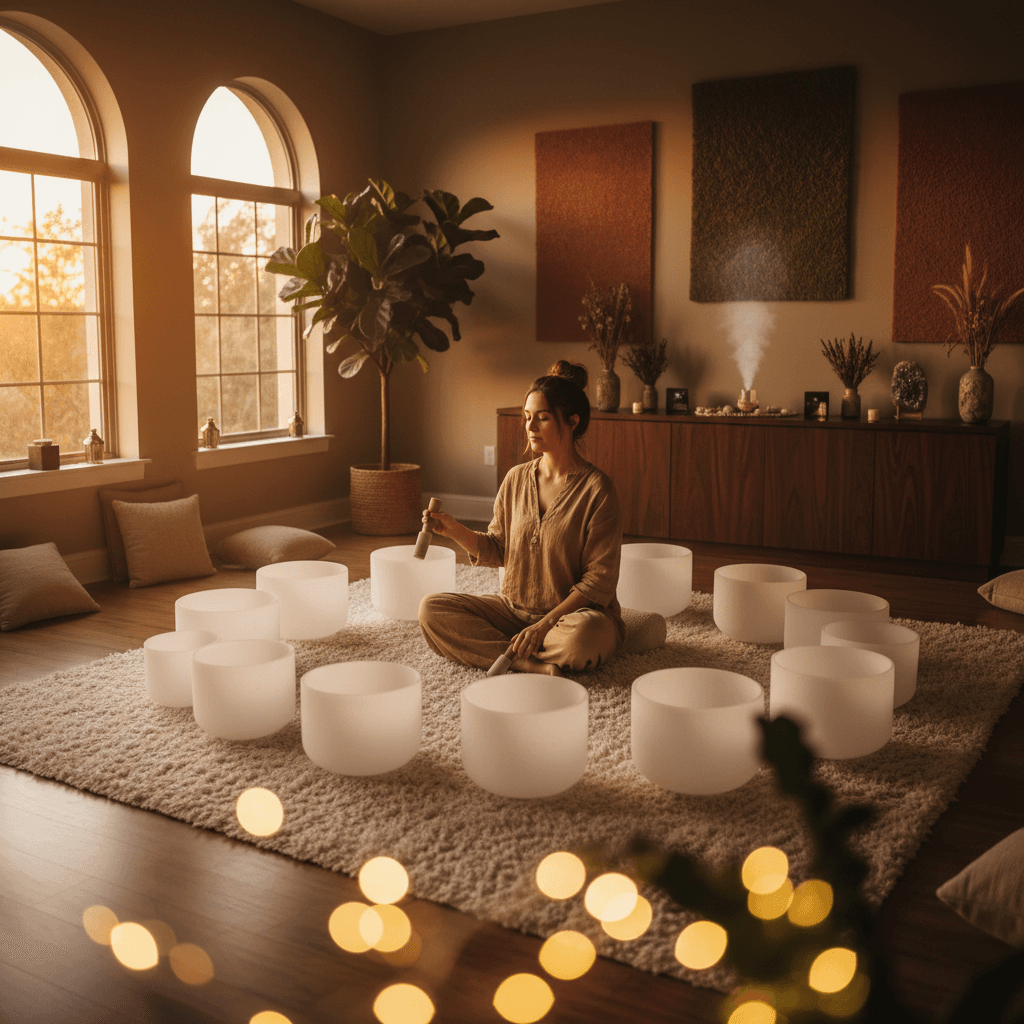
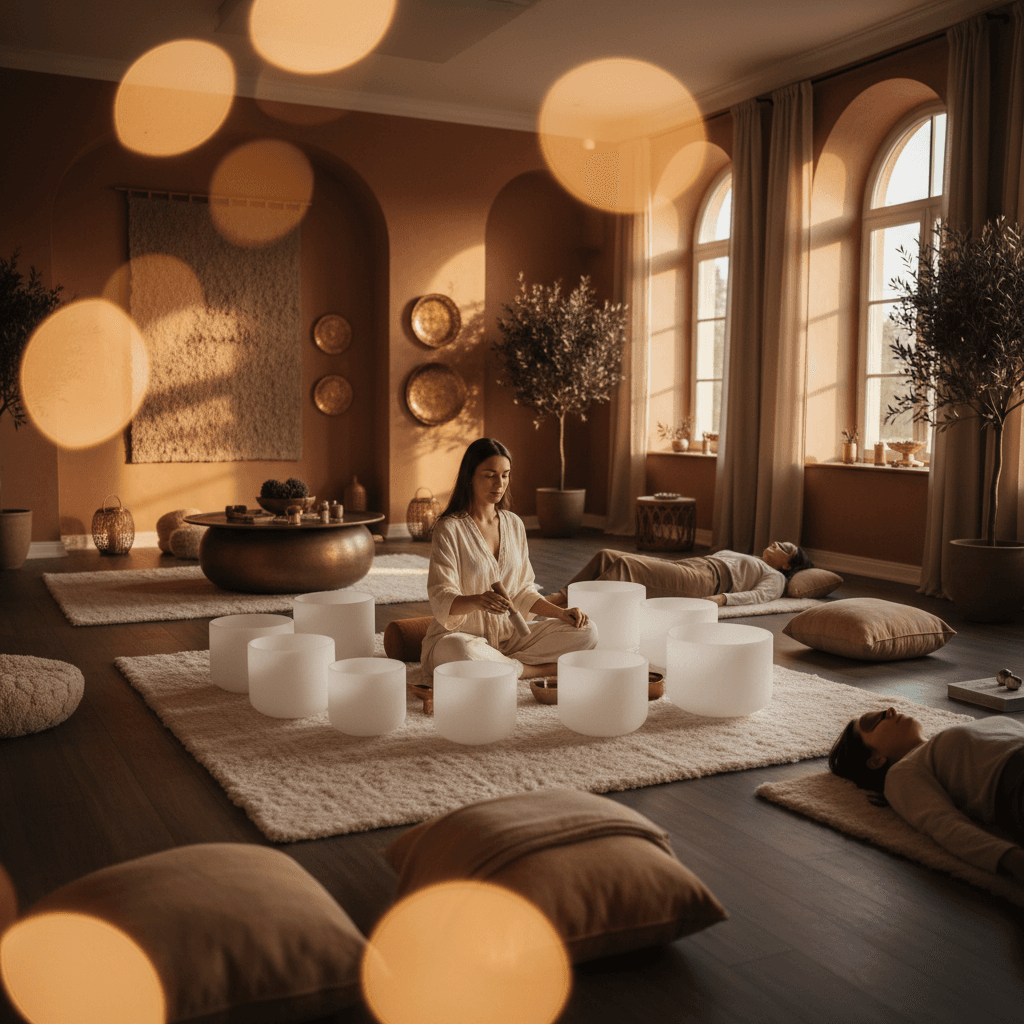
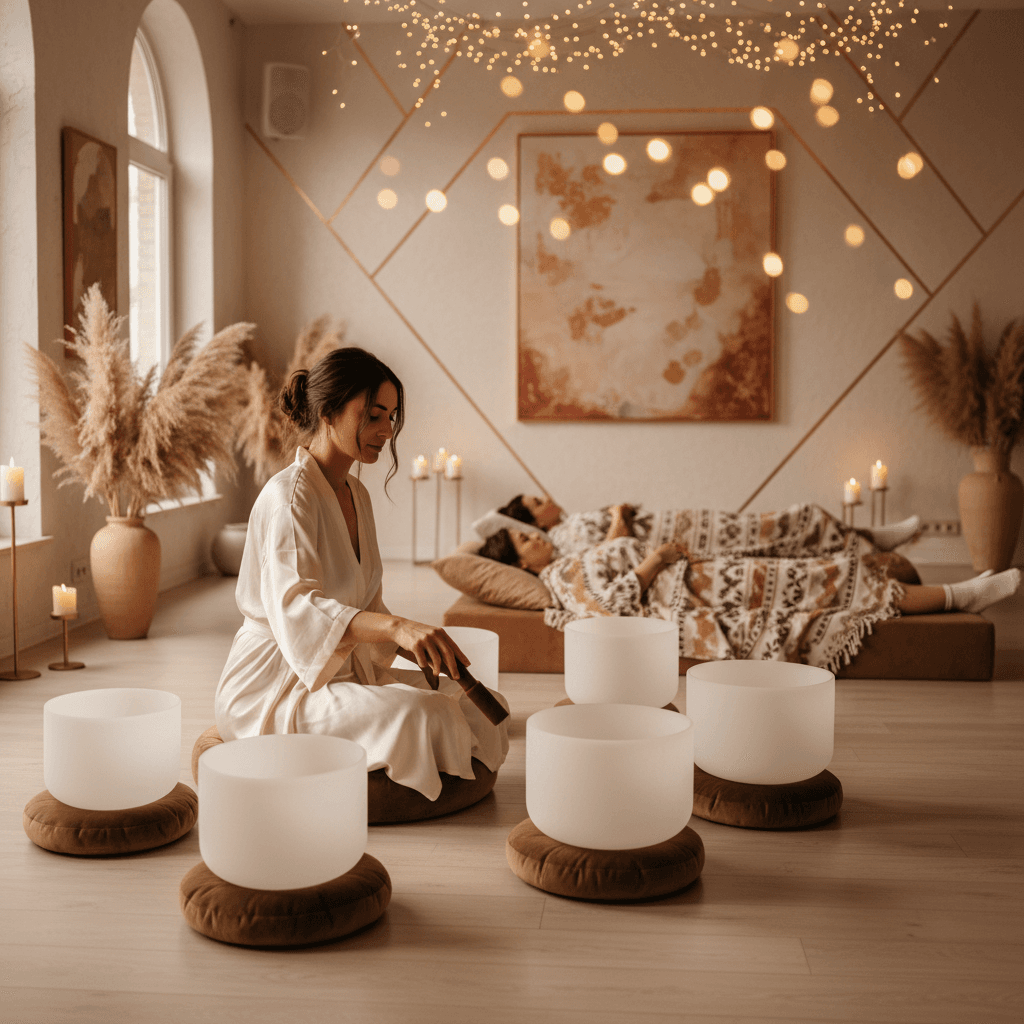
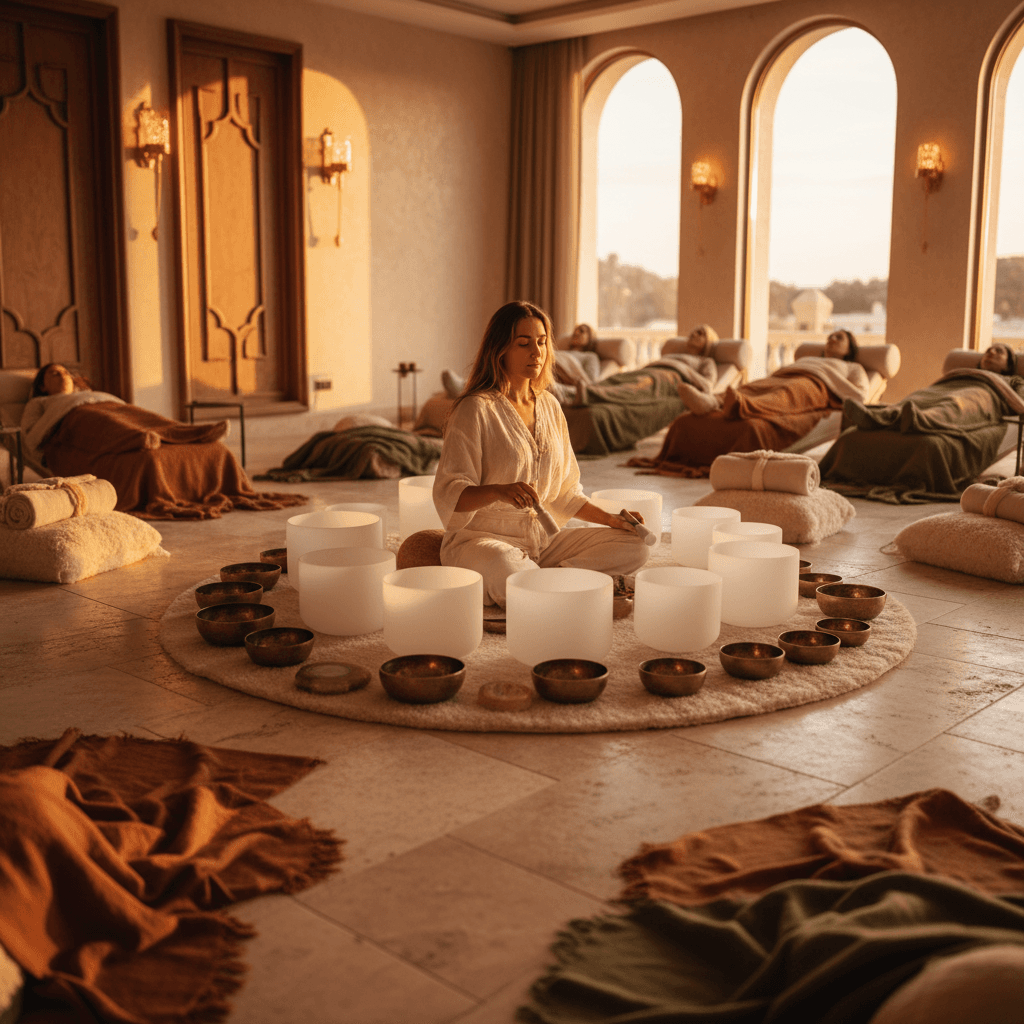
During a sound wellness session, clients typically lie comfortably, often surrounded by a carefully curated array of instruments. These may include singing bowls, gongs, chimes, and other resonant tools. The facilitator, through skillful playing, creates a rich tapestry of sounds and vibrations that envelop the space and, crucially, penetrate the body.
The sound waves are not just heard but felt, creating a gentle internal massage at a cellular level. This somatic experience may help to release tension stored in the body, which is often a physical manifestation of prolonged stress and creative exhaustion. Clients often report a sensation of deep relaxation, where the mind quiets, and the body unwinds.
One of the significant benefits of sound wellness is its accessibility. Unlike some meditation practices that require significant discipline, sound baths and guided sound meditations may offer a form of stress reduction that does not demand prior experience or a specific mental state. Participants may simply allow the sounds to wash over them, fostering a state of effortless mindfulness. This "non-disciplined form of meditation" has been associated with significant reductions in tension and anxiety, alongside increased feelings of spiritual well-being.
The immediate effects can be quite profound, often including a decrease in heart rate and an improvement in the body's rest and relaxation response. Over time, consistent engagement with sound wellness practices may support improved emotional well-being, decreased pain, and enhanced concentration. For artists, this can translate into a clearer mental space, renewed focus, and a more open channel for inspiration to flow, allowing them to tap back into their creative essence.
The Soul Art Approach
At Soul Art, Larissa Steinbach has meticulously crafted a sound wellness experience designed to nurture the well-being of Dubai's vibrant creative community. Her approach transcends a mere listening experience, offering a holistic journey that integrates ancient wisdom with contemporary scientific understanding. This unique methodology is tailored to address the specific challenges faced by artists, including the pervasive issue of creative burnout.
Larissa Steinbach’s philosophy centers on the transformative power of resonant frequencies to reharmonize the mind, body, and spirit. She believes that by carefully selecting and playing instruments, she can create an environment where clients can release energetic blocks and rediscover their natural rhythm. This personalized attention ensures that each session is a bespoke experience, deeply attuned to the individual's needs.
The Soul Art method leverages a diverse array of instruments, each chosen for its unique vibrational qualities. Clients may experience the deep, enveloping resonance of large gongs, known for their powerful ability to induce meditative states. The soothing tones of Tibetan singing bowls, with their rich overtones, are often used to promote deep relaxation and emotional release. Additionally, crystal singing bowls, chimes, and tuning forks are incorporated to fine-tune energy fields and restore balance.
These carefully orchestrated soundscapes at Soul Art are not just about passive listening; they are about active vibrational immersion. Larissa Steinbach guides participants through a journey where the sounds become a conduit for self-discovery and inner peace. Her expertise ensures that the frequencies are delivered with intention, facilitating a space where creative blocks can dissolve, and fresh perspectives can emerge. The emphasis is always on supporting the body's natural capacity for self-regulation and encouraging a gentle return to a state of creative flow and inner harmony.
Your Next Steps
Overcoming creative burnout and nurturing a sustainable artistic practice requires intentional self-care. Integrating sound wellness into your routine can be a gentle yet powerful step towards restoring your energy and reigniting your passion. Here are some actionable steps you can begin to implement today:
- Mindful Listening Breaks: Even short, intentional listening sessions can be beneficial. Take 5-10 minutes each day to listen to calming ambient music, nature sounds, or a guided sound meditation. Allow yourself to fully immerse in the auditory experience without distraction.
- Create a Resonant Space: Designate a corner in your home or studio as a "sound sanctuary." This might involve comfortable seating, soft lighting, and perhaps a small chime or a simple instrument you enjoy. Use this space for brief moments of quiet reflection and sonic immersion.
- Explore Guided Sound Meditations: Many online platforms offer free or subscription-based guided sound meditations featuring singing bowls, gongs, or gentle music. These can provide a structured way to experience the benefits of sound, especially when feeling overwhelmed.
- Prioritize Regular Self-Care: Recognize that creative endeavors are marathon, not a sprint. Schedule regular breaks, engage in activities that bring you joy outside of your art, and ensure adequate rest. Sound wellness is a powerful complement to these foundational self-care practices.
- Experience Professional Sound Wellness: To truly understand the depth of this practice, consider attending a professional sound wellness session. Larissa Steinbach and the team at Soul Art offer expertly guided sessions designed to address the specific needs of creatives, providing a dedicated space for deep relaxation and recovery.
Embarking on a sound wellness journey may support your path to artistic recovery, offering tools to manage stress, enhance focus, and tap back into your boundless wellspring of creativity.
In Summary
Creative burnout is a significant challenge that can leave artists feeling depleted and disconnected from their craft. However, the emerging field of sound wellness offers a profound, scientifically-grounded pathway to recovery and renewed inspiration. From calming the nervous system by reducing stress markers like cortisol, to enhancing focus and emotional regulation, sound interventions provide a holistic approach to well-being.
The powerful vibrations of sound may help to re-tune the body and mind, fostering states of deep relaxation, clarity, and optimism. At Soul Art, Larissa Steinbach expertly guides individuals through immersive sound experiences, blending ancient wisdom with modern understanding to create bespoke sessions that address the unique needs of creatives. By embracing sound wellness, artists may rediscover their creative flow, mitigate stress, and cultivate a sustainable, joyful artistic journey. We invite you to explore this transformative practice and experience the harmonizing frequencies at Soul Art.
Bookings Coming Soon
Soul Art is still in preparation. Session details and booking will be published here after launch.
Coming Soon
Wellness Disclaimer: This article is for educational and informational purposes only. It does not constitute medical advice, diagnosis, or treatment. Soul Art Dubai provides non-medical wellness experiences focused on relaxation, stress management, and general wellbeing. Sound wellness is a complementary practice and should not replace professional medical care.