Unlock Your Flow: Sound Therapy for Liberating Stuck Artists
Key Insights
Explore how sound therapy, guided by Larissa Steinbach at Soul Art Dubai, offers a profound pathway to navigate creative blocks and rekindle artistic flow through a blend of science and ancient practices.
Have you ever found yourself staring at a blank canvas, a silent instrument, or an empty page, feeling an unbearable sensation of being utterly "clogged"? This isn't merely a mental hurdle; research suggests that creative blocks often manifest with profound physical sensations, described by artists as a "heaviness" or "murkiness" within the body. It’s a moment when the vibrant spark of an idea hesitates, on the very precipice of becoming something tangible, yet action feels almost impossible as "matter itself seems to have some mysterious intransigency."
At Soul Art, Dubai's premier sound wellness studio, founded by the visionary Larissa Steinbach, we understand that these moments of creative stagnation are not failures but signals. They are often harbingers of potential growth, inviting us to look deeper at underlying patterns. This article delves into the fascinating scientific interplay between the mind, body, and creative spirit, exploring how sound therapy offers a sophisticated, evidence-informed pathway to navigate these formidable blocks and reignite your artistic flow. We will uncover how ancient sound practices, supported by modern neuroscience, can help you transform that feeling of being "stuck" into a powerful "leap of imagination."
The Science Explained
Creative blocks are more than just psychological phenomena; they deeply intertwine with our physiological and neurological states. Understanding this intricate connection is the first step toward finding effective strategies to move through them.
The Physicality of Creative Resistance
The language we instinctively use to describe creative stagnation—"feeling blocked," "stuck," or "clogged"—powerfully reflects its physical dimension. Composer and violinist Stephen Nachmanovitch (1990) vividly articulated this, noting that "When the creative processes grind to a halt, we have that unbearable feeling of being totally clogged." This isn't just metaphorical; our minds and bodies are profoundly interdependent. Stanford researchers Oppezzo and Schwartz (2014) highlighted this by demonstrating how walking significantly improves creative cognition, underscoring "the neglect of the body in favor of the mind ignores their tight interdependence."
Artists frequently report a sense of "heaviness or murkiness in the torso" and the overwhelming presence of an "inner critic" when grappling with creative resistance. These sensations point to the profound embodiment of our mental states. Acknowledging these physical manifestations is crucial, as giving a block physical expression, whether through sound or movement, may help to release and transform that "stuck" energy, fostering a sense of liberation.
Neurobiology of Creativity and Blocks
From a neurological perspective, creativity is a complex dance involving various brain regions. Neurologist Alice Weaver Flaherty (2004) theorizes that while the cerebral cortex is central to writing and creative thought, creative blocks may be linked to a shift towards the fight-or-flight responses of the limbic system. This suggests that when stress or anxiety heighten, our primal survival responses can inadvertently suppress the very parts of the brain responsible for imagination.
Successful creative output appears to correlate strongly with drive rather than mere skill, and critically, states of depression and anxiety tend to decrease creativity. The brain's frontal lobes, responsible for imagination, work in concert with the temporal lobes, where editing and evaluation occur. Achieving a state of "flow" — that coveted experience of deep immersion and effortless creation — involves quieting the inner critic and enhancing the activation of imagination and salience networks within the brain (Kaufman, 2013). This "flow" is not merely an acquired skill; it is quite literally a distinct state of mind, characterized by heightened connectivity within specific neural networks.
Emerging research in neuroplasticity further supports the idea that creative engagement can induce beneficial changes in brain function. Creativity is associated with shifts in functional connectivity and the expression of genes linked to synaptic plasticity. For instance, studies on art therapy and neuroscience suggest that creative insights are accompanied by changes in the connectivity of the default mode network (DMN), a brain system often linked to self-referential thought and mind-wandering. These findings propose a plausible framework for how artistic engagement can positively influence mental states and potentially alleviate symptoms related to various mental health challenges, although this remains an active area of research.
How Sound Influences the Brain and Body
Sound, particularly organized sound like music or sound vibrations, possesses a unique ability to influence our physiological and psychological states. The National Institutes of Health and the Kennedy Center's Sound Health study has shown that music can trigger a release of dopamine, a neurotransmitter associated with pleasure and motivation, in the brain. This suggests a direct connection between musical engagement and well-being, exploring how different genres, rhythms, and tempos affect the mind.
Sound therapy, as a specific application of sound, may support individuals in achieving a state of resonance, where the body and mind reconnect and align. This can be particularly beneficial for navigating feelings of disconnection or overwhelm. During a sound session, many people report that their breathing slows, their cells seem to align, and distracting thoughts begin to dissipate. This shift can facilitate access to meditative states, which are deeply conducive to relaxation and fostering internal balance.
For individuals experiencing sensitivity or heightened stress, regular exposure to soft tones combined with slow, focused, rhythmic breathing may help them gradually feel safer and more grounded in their bodies. This gradual desensitization and reconnection can be a powerful tool for self-soothing and promoting a sense of calm. The therapeutic potential of sound lies in its capacity to non-invasively influence brainwave states, gently guiding the mind from agitated beta waves towards more relaxed alpha or even deep meditative theta states, which are often associated with profound creativity and insight.
Moreover, engaging with sound can significantly reduce both physiological and psychological measures of stress. By influencing the autonomic nervous system, sound wellness practices may help to shift the body from a fight-or-flight response towards a more restorative "rest and digest" state. This reduction in stress is paramount for artists, as chronic stress and anxiety are known inhibitors of creative output.
How It Works in Practice
Connecting the scientific understanding of creative blocks with the practical application of sound wellness reveals a profound pathway for artists seeking liberation. Soul Art harnesses the intricate relationship between sound, mind, and body to facilitate a return to creative flow.
The physical sensations of being "clogged" or "heavy" are directly addressed through the somatic experience of sound. Vibrations from instruments, felt deep within the body, can gently encourage the release of muscular tension often held unconsciously during periods of stress or creative struggle. This direct, non-cognitive engagement can bypass the analytical mind, which often fuels the inner critic, allowing for a more primal and holistic shift in state.
Clients at Soul Art often report a tangible sense of tension release as they immerse themselves in the soundscapes. The focus on deep, rhythmic breathing, often a natural consequence of the calming frequencies, helps to regulate the nervous system, drawing attention away from anxious thoughts and towards the present moment. This deliberate shift helps to quiet the overactive limbic system, creating a more conducive environment for the frontal and temporal lobes to engage in imaginative exploration rather than self-judgment.
An integral part of the process at Soul Art involves gentle guidance to explore the block itself. Inspired by approaches that give space to resistance, clients may be invited to consider: "What sound might your resistance make? Does it have words?" This gentle inquiry, facilitated within a safe and non-judgmental space, allows the hidden aspects of a creative block to emerge. Giving voice, whether literally or metaphorically, to this internal resistance can transform stuck energy, making it pliable and less intimidating.
Through immersive sound experiences, individuals may gradually feel safer within their bodies, a critical foundation for creative risk-taking. As the body and mind reconnect through resonant frequencies, a state of "connected flow" can be regained. This experience is not about forcing creativity but about nurturing the internal conditions where it can naturally re-emerge, akin to a gentle awakening of the imaginative spirit. The sensory richness of a sound session – the enveloping vibrations, the slowing breath, the profound inner quiet – guides individuals back to their core essence, where the wellspring of creativity resides.
The Soul Art Approach
Larissa Steinbach, the founder of Soul Art, approaches creative blocks with a unique blend of empathetic understanding, scientific insight, and ancient wisdom. Her philosophy centers on the belief that true creative liberation stems from holistic well-being, where the mind, body, and spirit are in harmonious resonance. She recognizes that for artists, their craft is intrinsically linked to their overall state of being, and blocks are often symptoms of deeper energetic imbalances.
The Soul Art method is distinctive in its carefully curated immersive experiences, designed to create a sanctuary where artists can safely explore and release their creative inhibitions. Larissa Steinbach emphasizes the creation of a non-judgmental space, inviting curiosity about resistance rather than avoidance. This compassionate approach encourages the block to be seen not as an enemy, but as a messenger offering insights for personal and artistic growth.
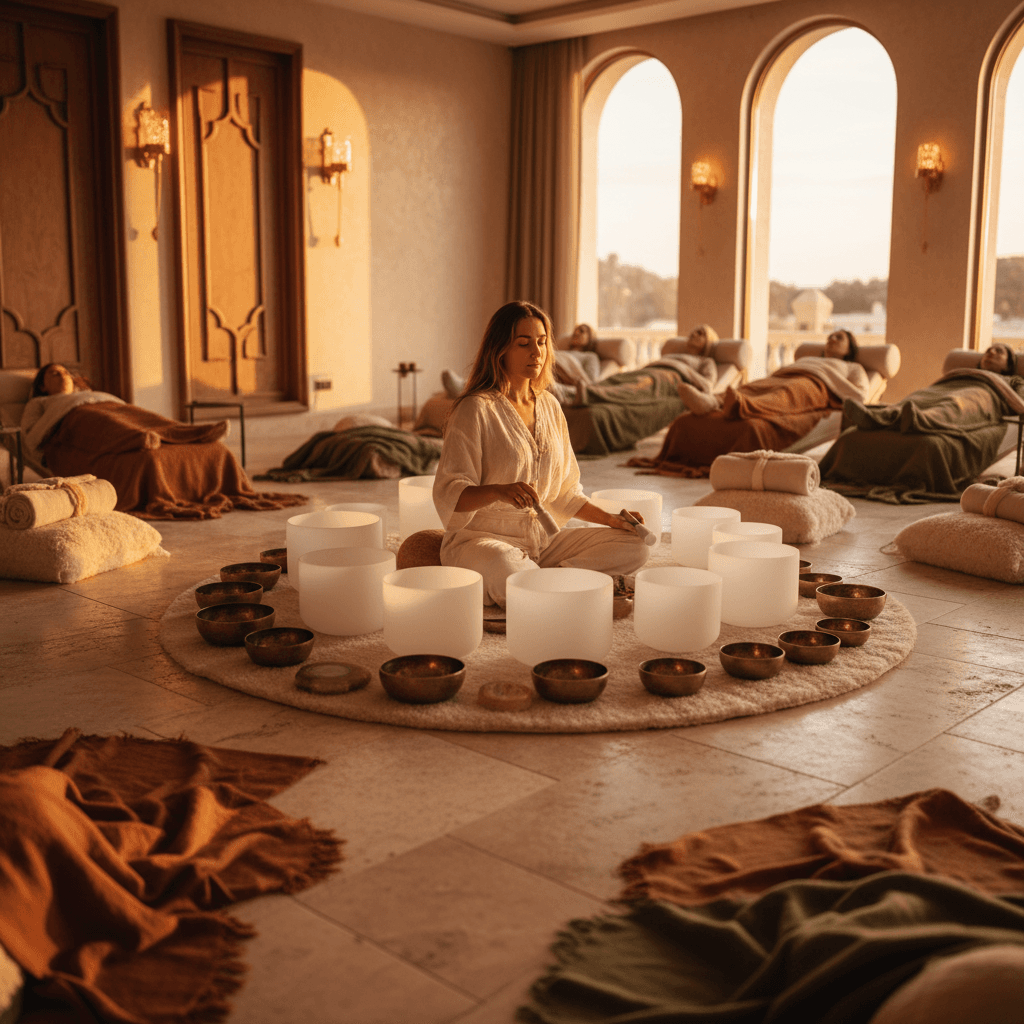
At Soul Art, a range of meticulously selected instruments is utilized to craft bespoke soundscapes that resonate deeply with the individual. These include:
- Tibetan Singing Bowls: Their rich, sustained tones and palpable vibrations are known to induce deep relaxation and help to balance energetic centers.
- Gongs: The expansive, complex sounds of gongs create a powerful sonic field that can facilitate profound shifts in consciousness and release tension held within the physical and subtle bodies.
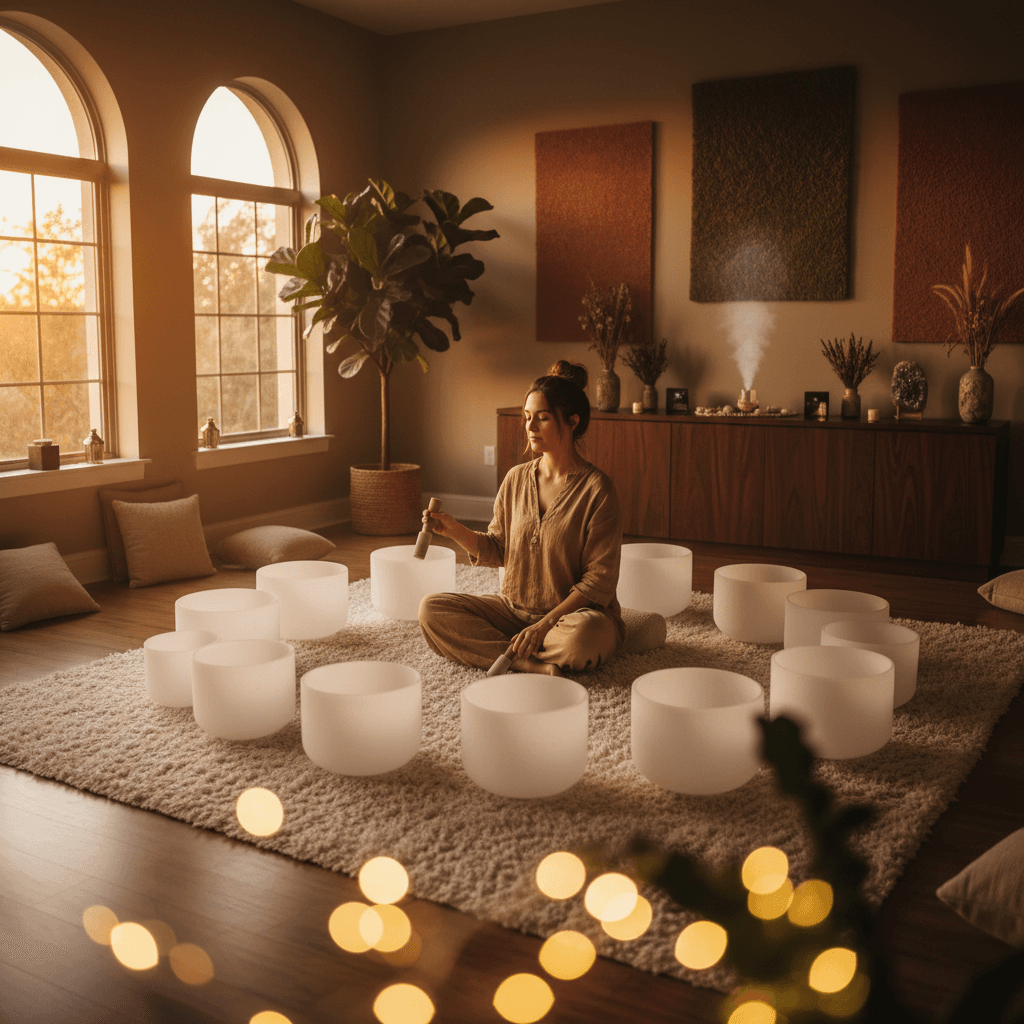
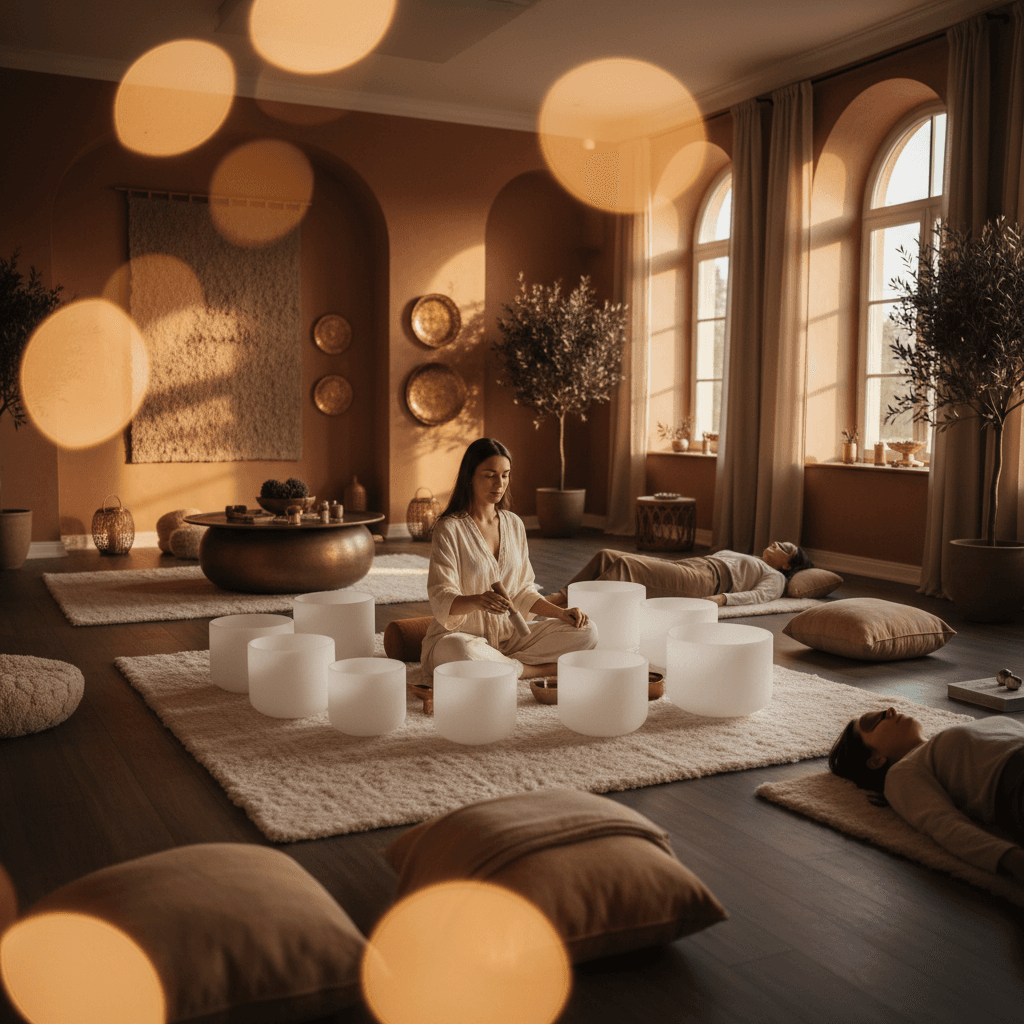
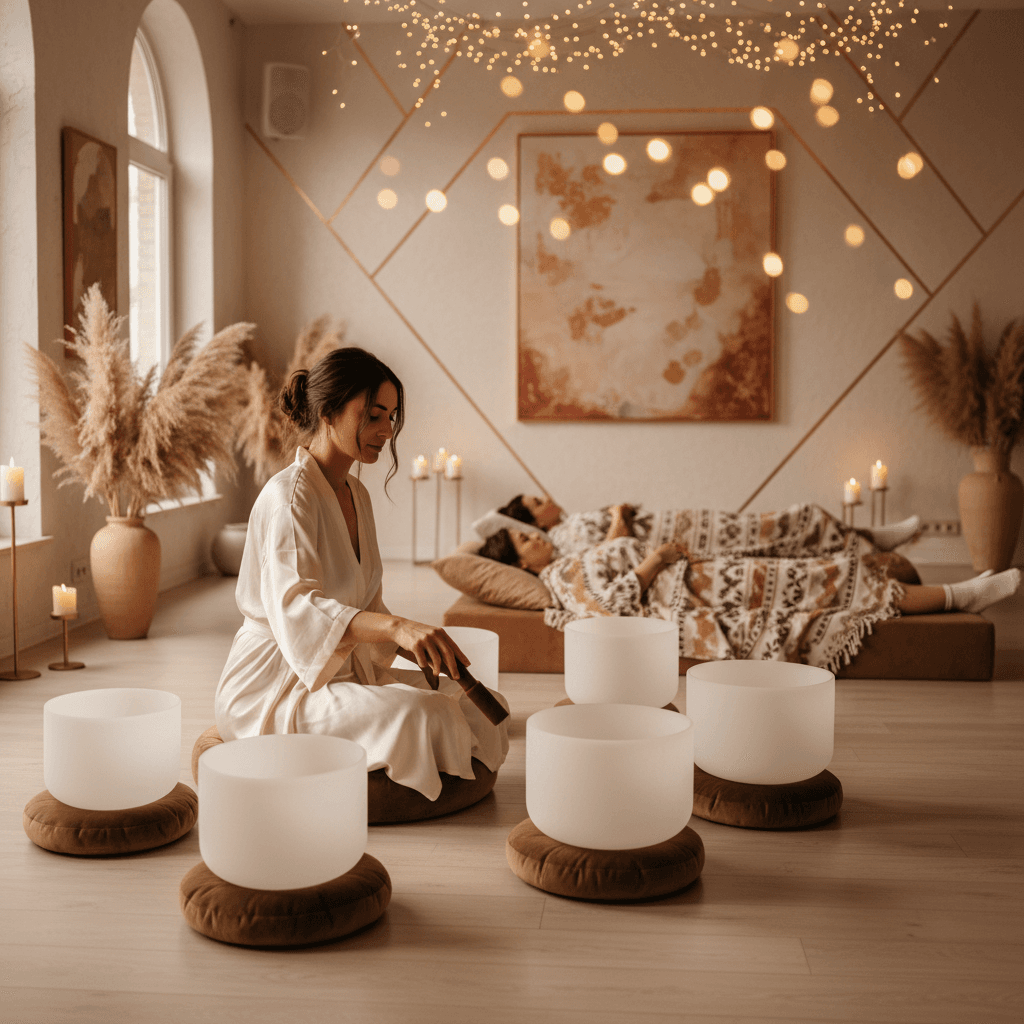
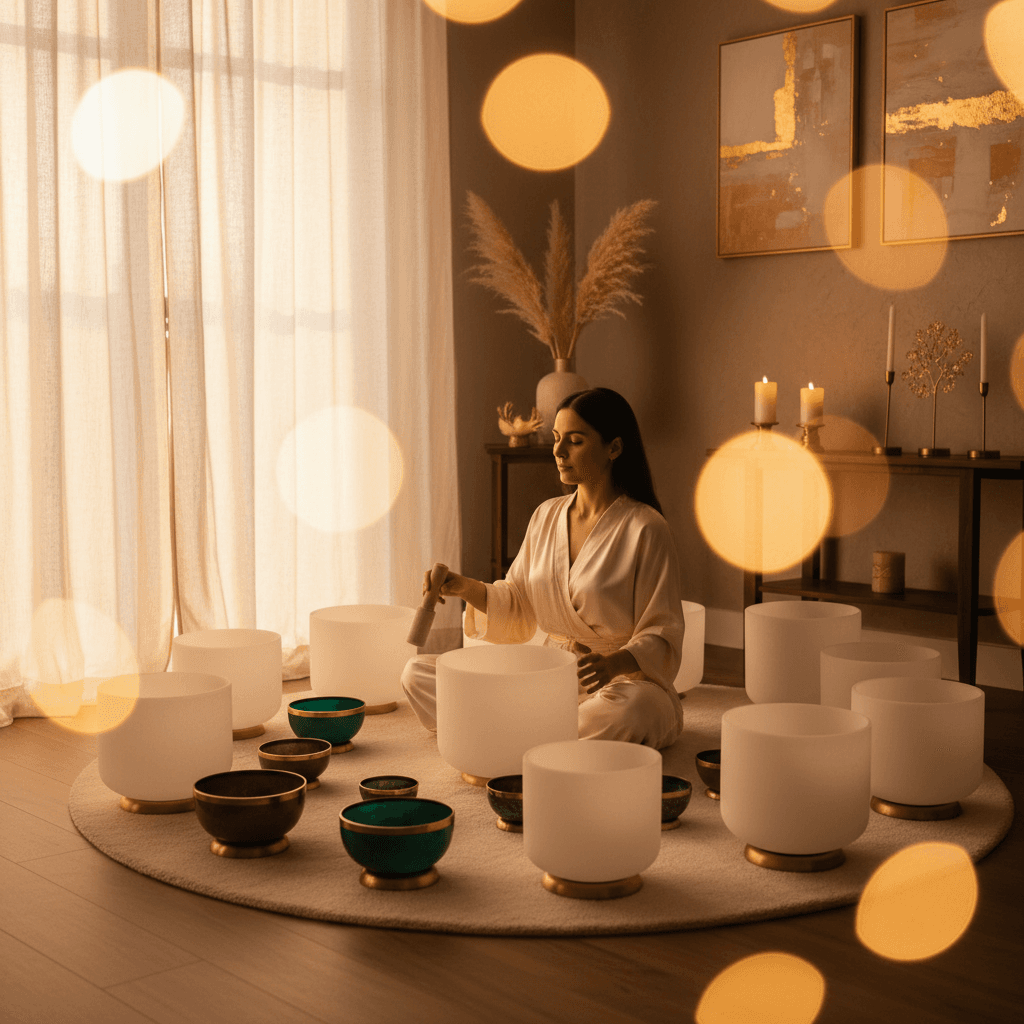
- Crystal Singing Bowls: Made from pure quartz, these bowls produce pure, resonant frequencies that are often experienced as deeply cleansing and uplifting, promoting clarity and inner peace.
- Tuning Forks: Applied strategically, tuning forks offer precise, targeted vibrations that can support nervous system regulation and address specific areas of stagnation.
Larissa Steinbach's sessions integrate various techniques, including guided relaxation, intentional breathwork, and immersive sound baths. The goal is to gently guide participants into a state of deep meditative calm, a brainwave state (often alpha or theta) where the inner critic quietens, and the imagination is more readily activated. This environment fosters neuroplasticity, potentially supporting new neural pathways conducive to creative thinking and problem-solving. By providing a profound opportunity for self-soothing and mental recharge, Soul Art helps artists to move beyond burnout and reconnect with their inherent drive and inspiration, seeing their creative struggles as necessary developmental steps toward greater personal and artistic relevance.
Your Next Steps
Navigating creative blocks is a journey, not a destination, and there are practical steps you can take today to begin fostering a more fluid, inspired state of being. Integrating these simple practices can gently re-open the channels of your imagination and prepare you for deeper transformation.
- Mindful Movement: As Stanford research suggests the strong link between body and mind, try incorporating gentle, intentional movement into your routine. A 15-minute walk, stretching, or mindful dance can shift stagnant energy and spark new perspectives.
- Dedicated "No-Pressure" Creative Time: Set aside a small window each day for your art, but remove all expectations. Simply show up, allow whatever wants to emerge, even if it's just a doodle or a single word. This practice reclaims the joy of creation without the weight of performance.
- Journaling Your Resistance: Instead of fighting your creative block, invite it to speak. Write down exactly how it feels, what it sounds like in your mind, or what fears it might be protecting you from. Giving it space on the page can often diminish its power and reveal underlying insights.
- Curated Sound Immersion: Explore different types of music or soundscapes. Pay attention to how certain frequencies or melodies affect your mood and energy. Soft tones and ambient sound can create a calming background for focused work or relaxation.
- Set Intentions for Release: Before engaging in your creative practice or a relaxation technique, set a clear intention. For example, "I intend to release any tension holding back my creative flow" or "I am open to new ideas and perspectives." This mental preparation can enhance the effectiveness of your efforts.
These practices are not about forcing creativity, but about cultivating a fertile ground for it to flourish. When you are ready to explore deeper, more transformative pathways to overcome creative blocks and cultivate profound artistic freedom, consider the immersive experiences offered by Larissa Steinbach at Soul Art.
In Summary
Creative blocks, often experienced as a frustrating cessation of artistic output, are deeply interconnected with our physical and neurological states, manifesting as both mental stagnation and tangible bodily sensations. Far from being artistic failures, these periods often signal an invitation for introspection and growth, aligning with neurobiological insights that link creative flow to specific brainwave states and the regulation of stress responses. Sound therapy, a sophisticated wellness practice, offers a profound and scientifically-grounded pathway to navigate these challenges.
By leveraging resonant frequencies and therapeutic vibrations, sound sessions at Soul Art, guided by Larissa Steinbach, gently guide the nervous system into states conducive to relaxation and imaginative activation. This complementary approach supports the release of physical tension, quiets the inner critic, and fosters a renewed connection between body and mind. It helps artists move through periods of struggle, transforming moments of being "stuck" into opportunities for significant personal and creative expansion.
Bookings Coming Soon
Soul Art is still in preparation. Session details and booking will be published here after launch.
Coming Soon
Wellness Disclaimer: This article is for educational and informational purposes only. It does not constitute medical advice, diagnosis, or treatment. Soul Art Dubai provides non-medical wellness experiences focused on relaxation, stress management, and general wellbeing. Sound wellness is a complementary practice and should not replace professional medical care.