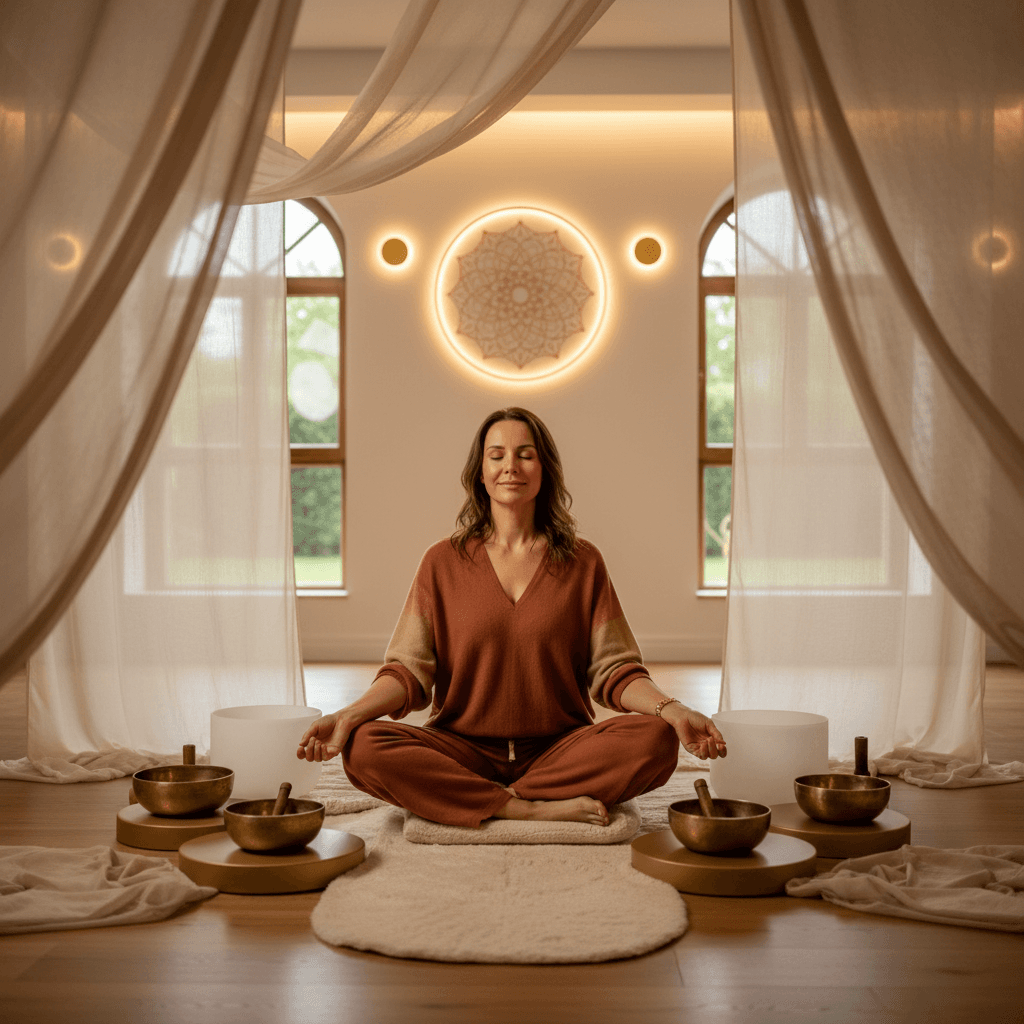
Reclaiming Inner Peace: Sound Wellness for Counselor Vicarious Trauma
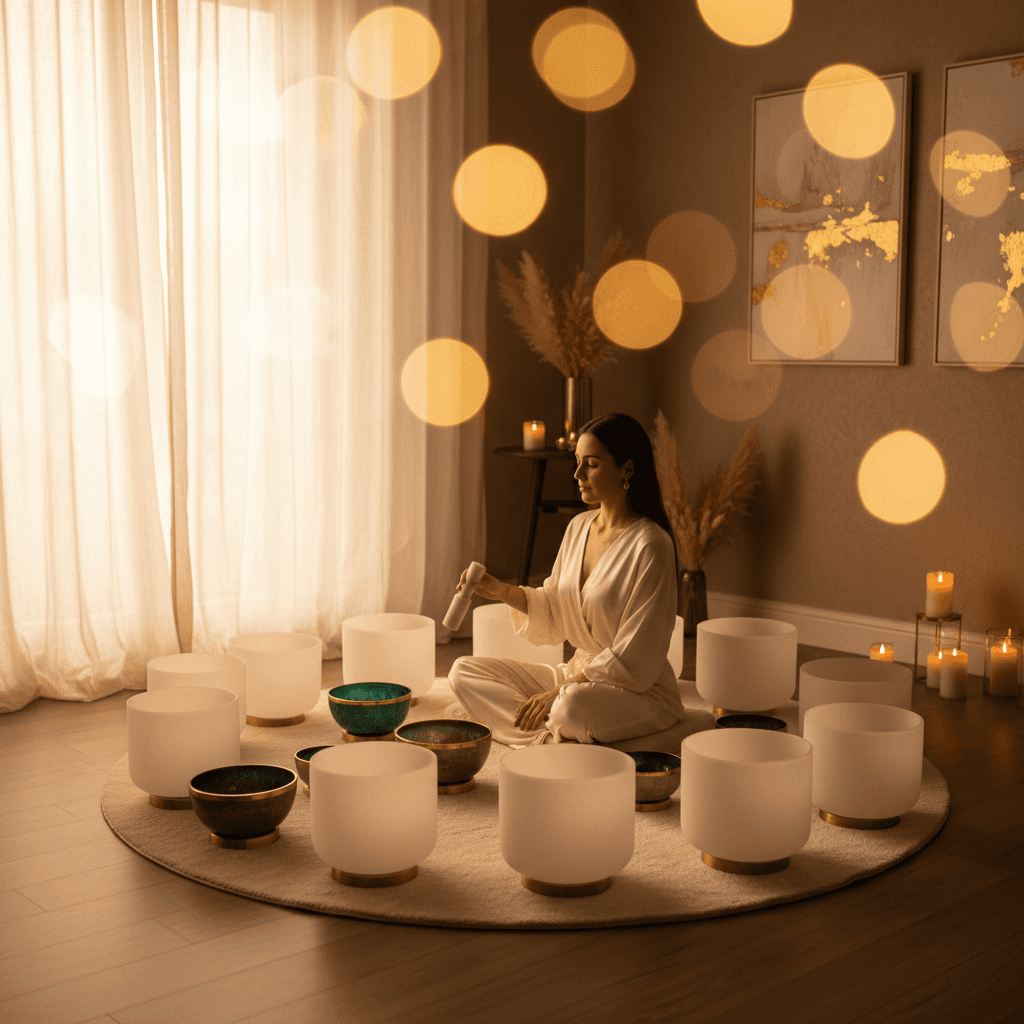
Key Insights
Explore how sound wellness offers a complementary path for counselors to manage vicarious trauma symptoms, restore nervous system balance, and enhance well-being.
Have you ever considered the invisible burden carried by those who dedicate their lives to helping others heal? Counselors, therapists, and mental health professionals routinely absorb the emotional echoes of their clients’ deepest traumas, a phenomenon known as vicarious trauma. Startling research indicates that nearly half of practicing counselors experience all measured vicarious trauma symptoms, with the vast majority reporting intrusive thoughts about work outside of client sessions.
This article delves into the profound impact of vicarious trauma (VT) on these compassionate individuals, exploring its scientific underpinnings and the subtle yet powerful ways it can erode well-being. More importantly, we will uncover how complementary wellness practices, particularly sound, offer a promising avenue for nervous system regulation, emotional release, and the cultivation of profound inner peace. For those who give so much, understanding these pathways to self-care is not just beneficial—it's essential for sustained health and professional longevity.
Understanding Vicarious Trauma: The Unseen Burden
The path of a counselor is one of deep empathy and unwavering support, often involving prolonged exposure to harrowing narratives of suffering and resilience. This profound engagement, while crucial for client healing, comes at a significant cost: the potential development of vicarious trauma (VT). Unlike general stress or burnout, VT is a transformative process, subtly altering a helper's inner experience, cognitive beliefs, and core perceptions of the world.
What is Vicarious Trauma?
Vicarious trauma is more intricate than secondary traumatic stress (STS) or compassion fatigue, focusing on the insidious changes that occur within a professional's worldview and belief systems as a direct result of continuous, empathic engagement with traumatized clients. Mental health care providers—psychiatrists, psychologists, counselors, and therapists—are all at risk, particularly those who consistently work with trauma survivors. Research highlights that the symptoms of vicarious trauma are often problematic to recognize because they comprise cognitive distortions and fundamental shifts in core beliefs, distinguishing it from the more acute distress of STS.
For example, counselors frequently listen to repeated graphic descriptions of traumatic recollections, requiring them to remain empathically engaged throughout these difficult discussions. This sustained emotional immersion can lead to deleterious effects, shaping the counselor’s own understanding of safety, trust, intimacy, and control. Over time, these shifts can profoundly impact both their personal and professional lives.
The Alarming Prevalence Among Counselors
The prevalence of vicarious trauma among practicing counselors is a critical concern. A significant study found that 49.5% of participants experienced all measured vicarious trauma symptoms, indicating a widespread impact across various dimensions of their lives. Even more striking, 85.5% of counselors reported thinking about their work with clients when they did not intend to outside of work hours, a clear sign of porous boundaries and intrusive thoughts.
Beyond specific VT symptoms, the study also identified that all participants experienced 17 of the 20 measured subthreshold PTSD symptoms. This suggests that the continuous exposure to trauma narratives places counselors in a state of chronic activation, predisposing them to symptoms that mirror, though may not meet full diagnostic criteria for, Post-Traumatic Stress Disorder. The lack of adequate training and support on VT means many counselors must learn about this phenomenon through personal experience, often struggling with coping strategies and self-care in isolation.
Several internal and external factors contribute to the manifestation of VT. A counselor’s personal trauma history, the meaning they ascribe to traumatic life events, their psychological and interpersonal styles, and their current stressors and support systems all play a role in their vulnerability to vicarious trauma. Without robust self-care practices and systemic support, counselors face increased work-related stress, decreased job satisfaction, and reduced longevity in their crucial helping roles.
The Physiological Impact of Chronic Stress
When counselors are vicariously traumatized, their nervous system often remains in a heightened state of alert, even when outside the clinical setting. This constant state of vigilance activates the sympathetic nervous system, commonly known as the "fight-or-flight" response. Physically, this can manifest as increased heart rate, muscle tension, disturbed sleep patterns, and digestive issues.
Chronically living in this state prevents the body from engaging its natural recovery mechanism: the parasympathetic nervous system (PNS), or the "rest and digest" response. The inability to properly downregulate the nervous system can lead to emotional exhaustion, cognitive fatigue, and a diminished capacity for empathy, ironically impacting the very qualities essential for their profession. Addressing vicarious trauma therefore requires interventions that can help counselors consciously and effectively shift their physiological state, moving from chronic activation to profound restoration.
The Soothing Resonance: How Sound Wellness Supports Healing
Amidst the significant challenges posed by vicarious trauma, an increasing body of research points to the potential of sound wellness as a powerful, non-invasive complementary approach. Sound-based interventions offer a unique pathway to calm the nervous system, release emotional tension, and restore a sense of equilibrium, often bypassing the cognitive defenses that can hinder other therapeutic modalities.
The Neuroscience of Sound and Relaxation
Specific sound frequencies and vibrations have a measurable impact on our physiology, particularly on brainwave patterns and autonomic nervous system activity. Low-frequency sounds, in particular, may support a profound shift from a state of heightened arousal to one of deep relaxation. Emerging research indicates that vibroacoustic sound massage, which delivers low-frequency sound and vibration through specialized equipment, can induce measurable physiological changes.
A 2024 study published in Sensors found that participants undergoing vibroacoustic stimulation demonstrated decreased arousal and greater relaxation, evident in both heart-rate and brain-wave patterns. Similarly, a 2022 study in Frontiers in Psychology reported that brief sessions of low-frequency sound vibration reduced acute stress and muscle tension in university students while improving heart-rate variability, a key indicator of autonomic balance. These findings suggest that sound can actively engage the parasympathetic nervous system, guiding the body into its natural "rest and digest" state. This deep physiological shift is profoundly beneficial for counselors whose nervous systems are often overactivated by constant exposure to trauma.
Accessing Emotions and Processing Trauma
Sound’s connection to our emotional landscape is deeply ingrained. Music, in its broader sense, has been shown to shape how individuals emotionally experience and interpret moments. For instance, studies have revealed that music can influence subjects’ interpretation and memory of events in a mood-congruent fashion, suggesting its profound link to our emotional processing. This capacity allows sound to serve as a non-verbal avenue for individuals to access and process their feelings in a gentle, supported manner.
Furthermore, research exploring the brain’s ability to actively erase unwanted memories by quieting specific neurons offers intriguing parallels. Sound-based interventions, by fostering deep relaxation and potentially altering brainwave states, may support the brain’s natural capacity to "downregulate" distressing memory traces. While further research is needed, this suggests sound could be a non-invasive modality to help individuals make space for what's important by dampening access to irrelevant or distressing details, thus supporting emotional regulation and recovery for individuals affected by stress and trauma. It offers a unique opportunity for counselors to gently address the cumulative emotional impact of their work.
The Holistic Impact
The benefits of sound wellness extend beyond physiological changes, encompassing a holistic impact on mental, emotional, and energetic well-being. The immersive nature of sound baths and vibroacoustic sessions can create a profound sense of safety and grounding. This sanctuary-like environment allows individuals to release built-up tension, both physical and emotional, without needing to verbally process their experiences, which can be particularly appealing for counselors who spend their days in intense verbal dialogue.
Sound’s ability to create a "critical listening positionality"—an attempt to understand the moment of contact between listening body and listened-to sound—acknowledges the subjective yet profound power of auditory experiences. For those experiencing vicarious trauma, sound wellness offers a complementary practice that may facilitate a subtle recalibration of core beliefs and perceptions, helping to restore a sense of inner harmony and resilience. It is a powerful tool for self-care that acknowledges the unique demands of the helping profession.
The Soul Art Difference: A Bespoke Path to Resilience
At Soul Art, Dubai's premier sound wellness studio, we recognize the profound dedication and often unseen sacrifices made by counselors. Our approach, meticulously crafted by founder Larissa Steinbach, is designed to offer a bespoke path to resilience, specifically addressing the cumulative stress and transformative effects of vicarious trauma. We believe that true well-being for those in helping professions is not a luxury, but a necessity.
Larissa Steinbach's vision for Soul Art is to create a sanctuary where the profound power of sound can facilitate deep healing and nervous system regulation. Our method goes beyond mere relaxation; it is a carefully curated experience aimed at recalibrating the internal landscape. We understand that counselors require a unique space where they can release the energetic residue of their work and reconnect with their inherent calm.
What makes the Soul Art method unique is its intentional application of various sound modalities to target the specific needs of an overstimulated nervous system. We utilize a rich tapestry of instruments, each chosen for its distinct vibrational quality and ability to influence physiological states:
- Himalayan Singing Bowls and Crystal Bowls: These instruments produce rich, resonant overtones and gentle vibrations that can deeply penetrate the body, encouraging cellular relaxation and promoting alpha and theta brainwave states associated with meditation and deep rest.
- Gongs: The expansive, intricate sounds of gongs create an immersive soundscape that can help to clear energetic blockages, facilitate emotional release, and induce profound meditative states.
- Chimes and Tuning Forks: Used for targeted vibrational therapy, these instruments can help to balance energy centers, release localized tension, and promote a sense of harmony within the body.
At Soul Art, we focus on delivering low-frequency sound and vibration specifically designed to activate the parasympathetic nervous system (PNS). This intentional engagement of the body’s "rest and digest" response is crucial for counselors seeking relief from the chronic sympathetic activation associated with vicarious trauma. Each session is an immersive journey, guiding the body and mind into deep restorative states, allowing for the release of accumulated stress and the fostering of renewed inner strength. Our aim is to provide a powerful, complementary tool for self-care, supporting counselors in maintaining their well-being and enhancing their professional longevity.
"The compassionate work of a counselor is invaluable, yet it often comes at an unseen cost. At Soul Art, we offer a dedicated space where these essential caregivers can recalibrate, release, and replenish their own vital energy, using the profound wisdom of sound." – Larissa Steinbach
Cultivating Counselor Wellness: Practical Steps for Self-Care
Recognizing the symptoms of vicarious trauma is the vital first step toward addressing its impact. However, effective self-care for counselors extends beyond mere awareness; it demands intentional, structured practices to build resilience and foster long-term well-being. The challenge often lies in prioritizing these practices amidst demanding professional lives, yet the longevity and effectiveness of a counselor's career, and indeed their personal health, depend on it.
Here are some practical steps you can implement to cultivate your own wellness journey:
- Prioritize Regular Self-Reflection and Symptom Check-ins: Dedicate time each week to intentionally check in with your physical, emotional, and mental state. Are you experiencing intrusive thoughts, changes in your worldview, or increased irritability? Acknowledging these early signs can prevent deeper impacts.
- Implement Structured Self-Care Routines: Beyond spontaneous acts of relaxation, build consistent self-care into your schedule. This might include mindfulness meditation, spending time in nature, engaging in creative hobbies, or regular physical activity. Treat these appointments with yourself as non-negotiable.
- Seek Supportive Supervision or Peer Consultation: Do not carry the burden alone. Engage in regular, trauma-informed supervision that specifically addresses the impact of your client work. Peer support groups can also provide a safe space for shared experiences and validation.
- Explore Complementary Wellness Practices: Investigate modalities that resonate with you, such as sound meditation, vibroacoustic therapy, or restorative yoga. These practices can offer powerful tools for nervous system regulation and emotional release, often working on a non-verbal level.
- Establish Clear Boundaries Between Work and Personal Life: Consciously create a buffer zone between your professional and personal hours. This might involve a ritual to "decompress" after work, limiting work-related conversations outside the office, or designating specific "no-work" zones in your home.
Taking proactive steps for your well-being is not selfish; it is a profound act of self-preservation that ultimately enhances your capacity to serve others.
In Summary: Reclaiming Your Well-being
Counselors play an indispensable role in healing, yet the inherent demands of their profession leave them vulnerable to the profound effects of vicarious trauma. This unseen burden can erode well-being, shift core beliefs, and impact the nervous system, potentially compromising their vital work and personal health. Recognizing the pervasive nature of VT symptoms and the urgent need for robust self-care is paramount for the longevity and effectiveness of these dedicated professionals.
Sound wellness emerges as a powerful, scientifically-backed, and complementary tool that may support nervous system regulation, emotional processing, and deep relaxation. Through the precise application of low-frequency sound and vibration, practices like those offered at Soul Art by Larissa Steinbach can activate the parasympathetic nervous system, guiding the body and mind toward profound restoration. By embracing such holistic wellness practices, counselors can cultivate greater resilience, replenish their vital energy, and continue their essential work with renewed strength and inner peace.
Bookings Coming Soon
Soul Art is still in preparation. Session details and booking will be published here after launch.
Coming Soon
Wellness Disclaimer: This article is for educational and informational purposes only. It does not constitute medical advice, diagnosis, or treatment. Soul Art Dubai provides non-medical wellness experiences focused on relaxation, stress management, and general wellbeing. Sound wellness is a complementary practice and should not replace professional medical care.
Related Articles
Chefs: Mastering Kitchen Pressure Through Sound Wellness
Sound for Death Workers: Managing Stress for Funeral Directors

Sound Wellness: Respite for Retail's Customer-Facing Heroes