Concussion Recovery: Unlocking Brain Healing with Sound Wellness at Soul Art
Key Insights
Explore how sound-based brain healing and acoustic stimulation may support concussion recovery and ease post-concussive symptoms at Soul Art Dubai with Larissa Steinbach.
Have you ever considered that the soothing power of sound could hold a key to unlocking deeper recovery after a concussion? Mild traumatic brain injury (mTBI), commonly known as a concussion, can leave a lasting imprint far beyond the initial impact. For many, post-concussive symptoms (PCS) such as persistent headaches, dizziness, cognitive fog, and emotional fluctuations become a daily challenge, significantly impacting their quality of life.
While traditional rehabilitation remains vital, emerging research is shedding light on innovative complementary approaches. This article delves into the fascinating world of sound-based brain healing and acoustic stimulation, exploring its potential to support the journey back to neurological harmony. At Soul Art, Dubai's premier sound wellness studio, Larissa Steinbach integrates these scientifically-backed principles to offer a unique path towards enhanced well-being and brain revitalization.
Join us as we explore the science behind sound's therapeutic potential, understand how it translates into practice, and discover how Soul Art is pioneering a sophisticated approach to holistic brain health. This exploration aims to provide valuable insights for anyone seeking to understand and manage the complex aftermath of a concussion, empowering them with knowledge about supportive wellness practices.
The Science Explained: How Sound Interacts with the Concussed Brain
A concussion is more than just a bump on the head; it’s a complex event that causes microscopic changes in the brain’s structure and function. This mild traumatic brain injury can disrupt crucial neural pathways, impact neurotransmitter balance, and even trigger neuroinflammation. These underlying changes often manifest as Post-Concussive Syndrome (PCS), a constellation of symptoms that can persist for weeks, months, or even years.
Symptoms of PCS are diverse and debilitating, ranging from physical discomfort like headaches and nausea to cognitive challenges such as difficulty concentrating, memory issues, and slowed processing speed. Emotional disturbances, including anxiety, irritability, and mood swings, are also common, further complicating recovery and diminishing overall well-being. Traditional treatments often focus on rest, cognitive rehabilitation, and symptom management. However, the search for more comprehensive and integrative solutions continues.
Acoustic Stimulation and Brain Resilience
One promising area of research involves the use of acoustic stimulation, also known as sound therapy, as a complementary approach to support brain healing. The core idea is that specific sound frequencies and patterns can interact with brainwave activity and influence the central nervous system. This interaction may help to restore balance and promote neuroplasticity – the brain's remarkable ability to reorganize itself by forming new neural connections.
A recent study by Cole et al. (2024) underscored the potential of acoustic stimulation in reducing post-concussive symptoms. Participants receiving this innovative treatment experienced a notable decrease in the severity of their headaches, difficulties with concentration, and emotional instability. This research suggests that sound can play a role in calming an overactive nervous system and supporting the brain's natural recuperative processes.
Modulating Brainwaves and Enhancing Cognitive Function
The human brain operates on different brainwave frequencies, each associated with distinct states of consciousness. For example, delta waves are linked to deep sleep, theta to relaxation and creativity, alpha to calm alertness, and beta to active thinking. After a concussion, these delicate brainwave patterns can become dysregulated, contributing to symptoms like brain fog and difficulty focusing.
Acoustic stimulation, particularly when engineered with specific frequencies, may help guide the brain into more balanced states. While further research is ongoing, preliminary studies indicate that this process may support improved cognitive function. Individuals engaging with therapeutic sound have reported enhanced memory, attention, and overall mental clarity, which are often major challenges for those with PCS.
The Paradox of Noise Sensitivity and Therapeutic Sound
Interestingly, a significant number of concussion patients – approximately 50-59% – report heightened sensitivity to ordinary noises, a condition known as hyperacusis. For these individuals, the clatter of dishes or a child's laughter can be overwhelmingly painful or irritating. This symptom often co-occurs with light sensitivity, with 80% of patients experiencing both. This makes the idea of using sound for healing seem counterintuitive at first glance.
However, the key lies in the type of sound and the controlled environment in which it is delivered. Therapeutic acoustic stimulation is carefully crafted, often devoid of harsh or sudden elements, and presented at gentle volumes. Unlike the chaotic assault of everyday noise, therapeutic soundscapes are designed to soothe, regulate, and invite the brain into a state conducive to healing. This distinction is crucial for understanding how sound can transform from an irritant into a supportive tool for recovery.
"The brain's incredible capacity for adaptation, even after injury, is a testament to its resilience. Sound wellness offers a gentle yet profound pathway to re-align and re-energize these inherent healing mechanisms."
Supporting the Autonomic Nervous System
Concussions often throw the autonomic nervous system (ANS) out of balance, shifting it into a perpetual state of "fight or flight." This sympathetic overdrive contributes to anxiety, sleep disturbances, and a feeling of being constantly on edge. Therapeutic sound has a remarkable ability to encourage a shift towards the parasympathetic "rest and digest" state. This deep relaxation is not merely pleasant; it is physiologically vital for recovery.
By engaging the vagus nerve and reducing cortisol levels, sound wellness practices help to decrease physiological stress. This reduced stress load allows the body to allocate more resources towards repair and regeneration, supporting the brain in its complex healing process. The sustained benefits observed in some studies, lasting for several months post-treatment, underscore the potential for lasting nervous system regulation through consistent acoustic engagement.
How It Works in Practice: Experiencing Sound-Based Brain Healing
Transitioning from scientific theory to practical application, sound-based brain healing offers a unique, non-invasive experience. Unlike cognitive exercises or physical therapy, sound wellness engages the individual on a deeply sensory and often subconscious level. The experience is designed to be restorative, creating an environment where the brain and nervous system can find profound rest and encourage self-regulation.
When clients step into a sound wellness session, they enter a carefully curated space, often dimly lit and serene, optimized for relaxation. They typically lie comfortably in a zero-gravity chair or on a padded mat, eyes closed, allowing themselves to fully surrender to the auditory experience. The sounds are not just background noise; they are active, intentional frequencies and vibrations that envelop the listener.
The Sensory Journey
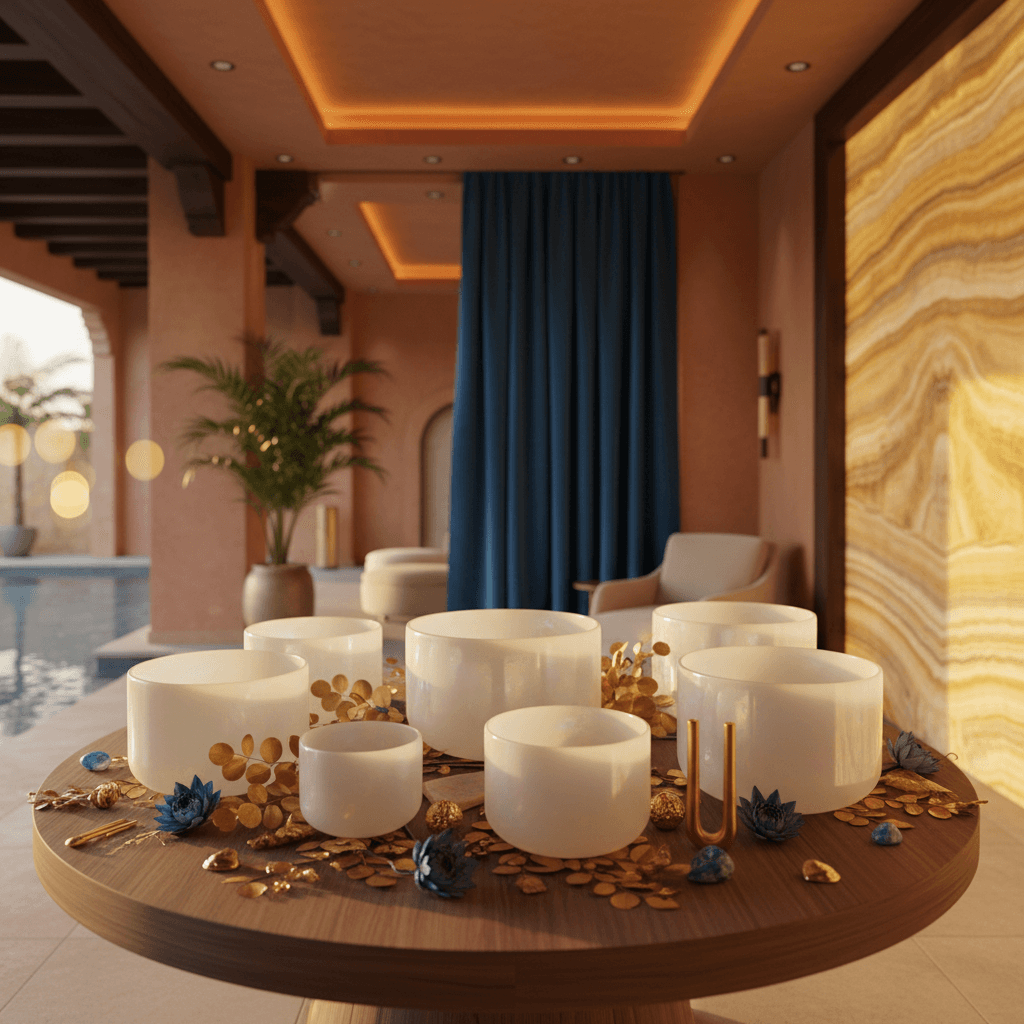
The journey begins as waves of sound wash over and through the body. This isn't just about hearing with the ears; it's about feeling the resonance within every cell. Instruments like crystal singing bowls produce pure, sustained tones that resonate deeply, while gongs create complex, multi-tonal soundscapes that invite a meditative state. Chimes and other percussive instruments add intricate layers, guiding the mind into a state of deep relaxation.
Many clients describe feeling a gentle "massage" at a cellular level, a sensation that promotes release and ease. This is particularly relevant for individuals experiencing persistent tension or headaches post-concussion. The vibrations are thought to penetrate tissues, promoting circulation and reducing muscular and neurological tension. The coherent, structured nature of therapeutic sound provides a stark contrast to the often chaotic or overwhelming auditory environment experienced by those with noise sensitivity, creating a safe auditory haven.
Cultivating Inner Calm and Mental Clarity
The primary goal of these sessions is to calm the nervous system and quiet the incessant mental chatter that often accompanies PCS. As the brain processes the carefully designed sound frequencies, it often shifts from higher-frequency beta waves (associated with active, sometimes anxious, thinking) to lower-frequency alpha and theta waves (associated with relaxation, creativity, and deeper meditative states). This shift can facilitate a profound sense of peace and mental clarity.
Clients often report significant reductions in stress and anxiety levels after a session. They may experience improved sleep, a common challenge post-concussion, and an enhanced ability to focus and manage daily tasks. The consistent exposure to these harmonizing frequencies can support the brain in re-establishing healthier patterns, encouraging the neuroplastic changes necessary for long-term recovery and well-being.
The Soul Art Approach: Larissa Steinbach's Vision for Neuro-Wellness
At Soul Art, Dubai's premier sound wellness studio, Larissa Steinbach brings a sophisticated and deeply empathetic approach to sound-based brain healing. Understanding the unique challenges faced by individuals recovering from concussion, Larissa meticulously crafts each experience to be both profoundly relaxing and strategically supportive of neurological well-being. Her philosophy centers on providing a sanctuary where the science of sound meets the art of deep restoration.
Larissa's method goes beyond simply playing instruments; it involves a deep understanding of resonance, frequency, and their impact on the human energy system. She curates bespoke sound journeys, blending various instruments with intentional sequences to create specific therapeutic effects. This meticulous approach ensures that each session is not just an auditory experience but a holistic immersion designed to guide the body and mind towards equilibrium.
Curated Soundscapes and Signature Instruments
Soul Art’s signature approach incorporates a diverse array of high-quality, resonant instruments chosen for their specific vibrational properties. These include:
- Alchemy Crystal Singing Bowls: Made from pure quartz crystal infused with precious minerals, these bowls produce incredibly pure, sustained tones that resonate deeply within the body. Their clear frequencies are particularly effective for promoting cellular harmony and deep relaxation.
- Symphonic Gongs: The expansive, complex overtones of gongs create an immersive sound bath that can help to clear mental fog and facilitate profound meditative states. Their vibrations are powerful tools for nervous system regulation and stress release.
- Chimes and Other Percussion: Delicate chimes and other percussive elements are used to add texture and subtle shifts in frequency, guiding the listener through various states of relaxation and mental clarity.
Larissa Steinbach’s expertise lies in orchestrating these instruments to create specific "sound prescriptions" tailored to the needs of those seeking concussion recovery support. The sessions are designed to gently encourage the brain to downshift from states of overwhelm or hyper-vigilance into restorative alpha and theta brainwave patterns, which are conducive to healing and rest.
A Sanctuary for Holistic Well-being
What makes the Soul Art method unique is its holistic integration of science, intention, and environment. The studio itself is an embodiment of "quiet luxury," a tranquil oasis designed to minimize external distractions and maximize the internal experience. Every detail, from the ambient lighting to the comfortable seating, is calibrated to support deep relaxation and nervous system reset.
Larissa’s intuitive guidance complements the sound, ensuring a safe and nurturing space for clients to explore their inner landscapes. Her approach emphasizes that sound wellness is a powerful complementary practice that supports the body's innate capacity for healing. It provides a non-pharmacological pathway to manage symptoms, reduce stress, and enhance cognitive and emotional resilience, fostering a renewed sense of well-being for those navigating the complexities of post-concussion life.
Your Next Steps: Integrating Sound into Your Wellness Journey
Navigating concussion recovery is a personal journey, often requiring a multifaceted approach. While sound wellness is a complementary practice, integrating it can offer significant support for managing persistent symptoms and enhancing overall quality of life. Embracing these practices can empower you to take an active role in your brain health and well-being.
Consider these actionable steps to explore the potential benefits of sound-based brain healing and enhance your recovery journey:
- Consult Your Healthcare Provider: Always discuss new complementary wellness practices with your medical doctor or neurologist, especially when managing a condition like a concussion. Sound wellness is intended to support, not replace, medical treatment.
- Explore Professional Sound Wellness Sessions: Seek out experienced practitioners and studios, like Soul Art Dubai with Larissa Steinbach, who understand the nuances of therapeutic sound. A guided session in a calming environment can provide a powerful introduction to its benefits.
- Practice Mindful Listening: Even outside of formal sessions, dedicate time to listening to calming, instrumental music or nature sounds. Focus on the textures and patterns of the sound to gently encourage relaxation and mental focus.
- Create a Restorative Environment: Minimize exposure to harsh, sudden, or overwhelming noises, especially if you experience noise sensitivity. Cultivate quiet spaces in your home for relaxation and contemplation, using gentle sounds as a supportive backdrop.
- Incorporate Daily Relaxation Techniques: Combine sound wellness with other stress-reducing practices such as deep breathing exercises, gentle stretching, or short meditations. Consistency in these practices can compound their benefits for nervous system regulation.
In Summary: Harmonizing the Brain for Enhanced Recovery
Concussion recovery is a nuanced process, and persistent post-concussive symptoms can profoundly affect daily life. While traditional medical approaches form the foundation of care, emerging research highlights the significant potential of complementary wellness practices like acoustic stimulation. Sound-based brain healing offers a sophisticated and non-invasive avenue to support the brain's natural recuperative abilities.
From reducing PCS symptoms and enhancing cognitive function to regulating the nervous system, therapeutic sound provides a unique path toward holistic well-being. Larissa Steinbach at Soul Art Dubai is at the forefront of this movement, offering meticulously crafted sound journeys that invite deep relaxation and support brain revitalization. By embracing the harmonizing power of sound, individuals can discover a profound complementary tool for navigating their recovery and fostering lasting brain health.
Bookings Coming Soon
Soul Art is still in preparation. Session details and booking will be published here after launch.
Coming Soon
Wellness Disclaimer: This article is for educational and informational purposes only. It does not constitute medical advice, diagnosis, or treatment. Soul Art Dubai provides non-medical wellness experiences focused on relaxation, stress management, and general wellbeing. Sound wellness is a complementary practice and should not replace professional medical care.
Related Articles
Cluster Headaches: Unveiling Pain and the Promise of Frequencies in Wellness

Epilepsy & Sound: Safety, Serenity, and Emerging Wellness Paths
Mastering Focus: Analytical Listening & Brain Engagement at Soul Art