Harmonizing the Mind: Sound for Unlocking Music Creation
Key Insights
Explore the neuroscience of composition and how sound wellness, guided by Larissa Steinbach at Soul Art, can enhance creative flow.
Have you ever wondered about the mysterious "spark" that ignites a composer’s mind, transforming silence into a symphony? Music creation is often described as one of the most enigmatic forms of human creativity, a process that can feel beyond conscious awareness. For centuries, artists have intuitively sought ways to enter these profound states of flow and inspiration.
Today, advanced neuroscience is beginning to demystify this process, revealing the specific brain states that underpin musical genius. Understanding these neural networks offers exciting insights not just for composers, but for anyone seeking to cultivate deeper creative capacities. At Soul Art, we bridge this scientific understanding with ancient sound wellness practices to support your journey into enhanced focus, intuition, and innovative thought.
This article delves into the cutting-edge research on the composer's brain, exploring how sound — both as a medium and a tool — can profoundly influence our ability to create. We'll uncover the unique neural signatures of composition and reveal how intentional sound experiences may support the unlocking of your own creative potential, contributing to your overall wellbeing.
Unlocking the Brain's Symphony: The Neuroscience of Music Creation
The act of creating music is far more than simply arranging notes; it involves a complex interplay of cognitive, emotional, and motor processes. Scientists have long been fascinated by how the brain orchestrates this intricate dance. Recent breakthroughs in neuroimaging, particularly functional magnetic resonance imaging (fMRI), are now offering unprecedented glimpses into the minds of professional composers at work.
The Composer's Unique Brain State
A landmark study published in Scientific Reports by Lu, J. et al. (2015) utilized fMRI to observe the brains of professional composers during the act of creation, comparing it to their resting state. The findings revealed a distinct functional connectivity pattern that characterizes the composing period. This suggests that composers enter a specific, optimized brain state when immersed in their craft.
During composition, the study observed a decrease in functional connectivity within primary networks of the bilateral occipital lobe (associated with visual processing) and the bilateral postcentral cortex (linked to motor functions). This is a crucial insight. It suggests that the brain may be de-emphasizing external visual and basic motor processing to reallocate resources. By reducing reliance on these primary sensory-motor areas, the brain might be freeing up capacity for internal, abstract thought.
Simultaneously, the researchers identified significantly stronger functional connectivity between several key brain regions. These included the anterior cingulate cortex (ACC), the right angular gyrus, and the bilateral superior frontal gyrus. Each of these areas plays a vital role in higher-order cognitive functions essential for creative expression.
The anterior cingulate cortex (ACC) is known for its involvement in cognitive control, decision-making, and emotional regulation. Its heightened activity during composition may support the composer’s ability to focus attention, evaluate musical ideas, and integrate emotional content. The right angular gyrus is a hub for multisensory integration and attention, suggesting its role in combining diverse elements of musical thought. Lastly, the bilateral superior frontal gyrus is crucial for working memory, planning, and self-awareness, all indispensable for constructing complex musical structures. This intricate network forms the neural foundation of a "composer's mind," allowing for deep focus, emotional depth, and structural ingenuity.
The Interplay of Auditory and Motor Networks
Beyond these higher-level cognitive hubs, the foundational neural architecture of musicians also shows unique characteristics. Research indicates that auditory and motor networks are strongly linked in the musician’s brain. Even when a task primarily involves only auditory or motor processing, co-activation of these areas can be observed. This inherent connection allows musicians to seamlessly translate internal musical ideas into physical expression and vice versa.
Furthermore, a similar strong relationship has been observed between auditory and visual cortices during musical imagery. This suggests that our brains process imagined sounds and sights with similar neural principles, integrating these sensory experiences. The Lu et al. study posits that during actual music creation, the neurons of the visual and motor areas might be actively recruited to connect with the auditory cortex. This complex integration establishes new functional connections with areas like the ACC and the right angular gyrus, creating a sophisticated network for comprehensive musical thought.
This nuanced neural restructuring allows composers to "hear what is not yet there, but should be," as described by some artists. It's a process of intuiting melodies and harmonies, working with existing structures, and then filling in the missing pieces. The sensation is often likened to "channeling," hinting at the profound depths from which musical ideas can emerge.
The Role of Brainwaves and Cognitive Function
Modern neuroscience is also exploring how specific sound interventions, like binaural beats, can influence brainwave activity and cognitive function. Dr. Yune S. Lee's research at UT Dallas investigates how controlled frequencies of sound can alter mental states. His work focuses on the impact of binaural beats on higher-order cognitive functioning.
Dr. Lee's studies manipulate two frequencies played to subjects, ensuring the offset frequency falls within the gamma band range (above 30 hertz). Gamma waves are one of the five primary brainwave frequencies and are believed to be primarily involved in complex cognitive processes. Preliminary data from his pilot study revealed that exposure to binaural beats may support an increase in coherence within the bilateral prefrontal area of the brain.
This enhanced prefrontal coherence may be associated with improved performance on cognitive tasks, such as complex language comprehension. While this research is ongoing, it offers a compelling avenue for understanding how precisely crafted sounds may support the brain states necessary for intricate creative tasks, including musical composition. By influencing brainwave patterns, specific sound environments may support states of heightened focus, integration, and problem-solving, all crucial for the creative process.
How It Works in Practice: Cultivating Creative Flow with Sound
Connecting the dots between neuroscience and real-world application is where the magic happens. The scientific findings regarding the composer's brain offer practical insights into how to cultivate environments and practices that foster deep creative flow. At Soul Art, we leverage these insights to craft immersive sound experiences designed to support your innate creative capacity.
The reduction of functional connectivity in primary visual and motor areas during composition suggests that minimizing external distractions can be profoundly beneficial. When our brains are less occupied with processing immediate sights and movements, they are freer to engage in the intricate internal work of imagination and synthesis. This is where intentional sound environments truly shine. By immersing oneself in a carefully curated soundscape, external sensory overload is gently managed, allowing the mind to turn inward.
Sound experiences, particularly those designed for deep relaxation and focus, may support the brain in entering states akin to the composer's mind. The stronger functional connectivity observed in the anterior cingulate cortex, right angular gyrus, and superior frontal gyrus points to the importance of focused attention, emotional integration, and strategic planning in creativity. Sound journeys, with their gentle rhythms and harmonious frequencies, may support the activation and synchronization of these critical areas. Many people report that specific sounds help them to quiet mental chatter, allowing for a clearer, more direct access to their inner creative wellspring.
The ancient, visceral connection between sound, vibration, and our deep emotional centers is also a powerful tool. As highlighted in research, music serves as a catalyst for bonding and expressing shared tastes, moods, and deeper identifications. Composers intuit this connection, crafting sounds that resonate at a profound level. Similarly, a well-designed sound wellness session may support access to these emotional depths, fostering a sense of authenticity and emotional resonance that is vital for genuine creative expression. This can be akin to the "channeling" sensation composers often describe, a gentle guiding of intuition from the unconscious to the conscious mind.
"The sensation of composing is often described as akin to 'channeling,' perhaps from the unconscious to conscious mind, perhaps from somewhere more esoteric. Like a garden, you plant the seeds of ideas, water and nurture them, and if you have tended well, flowers and fruit will emerge." – Music and emotion—a composer's perspective, PMC - NIH
In practice, this means creating an environment where distractions fade, and internal focus is amplified. It involves specific frequencies and resonant vibrations that may support brainwave states conducive to deep concentration and intuitive insights. Whether you're a composer, writer, artist, or simply seeking to unlock creative solutions in your daily life, leveraging sound can provide a powerful pathway. The goal is to cultivate a mental landscape where ideas can germinate, be nurtured, and blossom into unique expressions, much like a carefully tended garden.
The Soul Art Approach: Larissa Steinbach's Vision for Creative Wellness
At Soul Art, Dubai's premier sound wellness studio, Larissa Steinbach brings a unique blend of scientific understanding and ancient healing wisdom to foster creativity and holistic wellbeing. Recognizing the profound impact of sound on the human mind, Larissa has meticulously crafted experiences that align with the latest neuroscientific findings on creative brain states. Her vision is to offer a sanctuary where individuals can tap into their inner composer, regardless of their musical background.
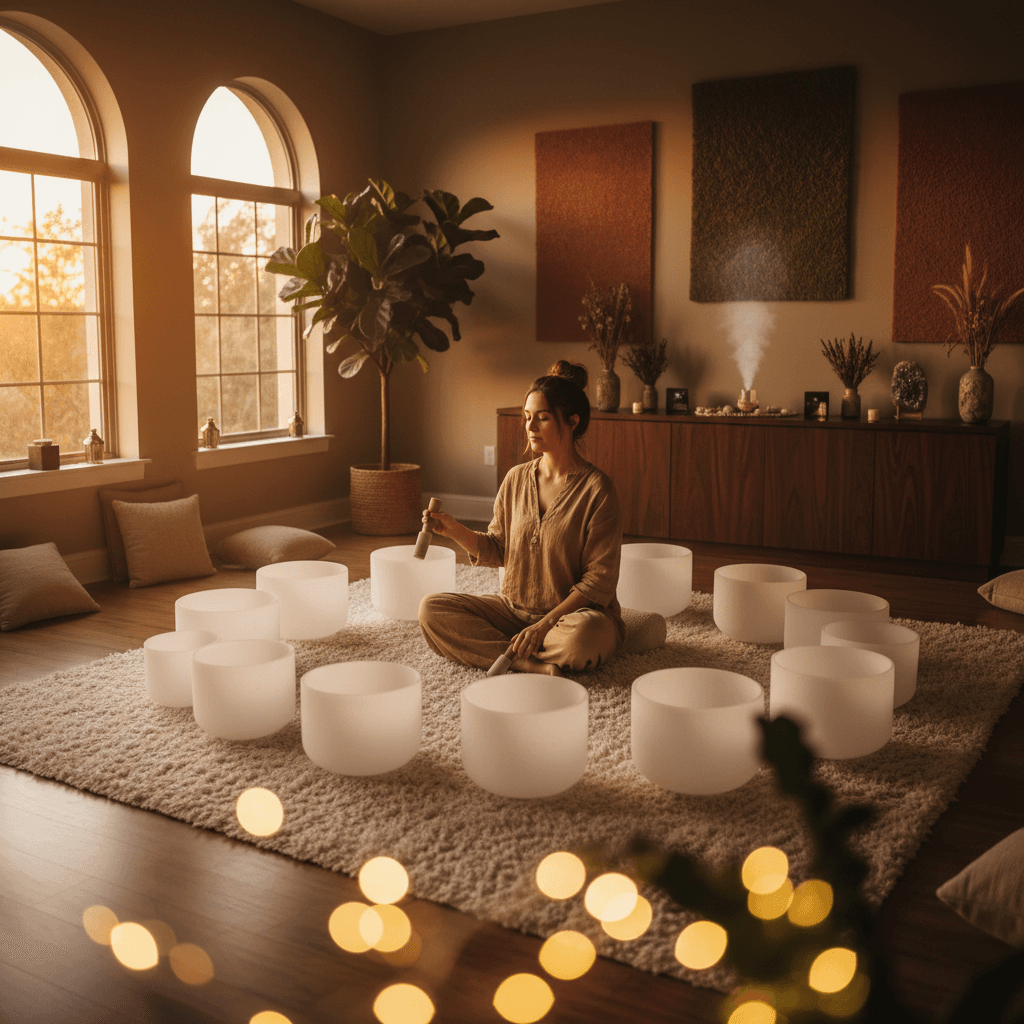
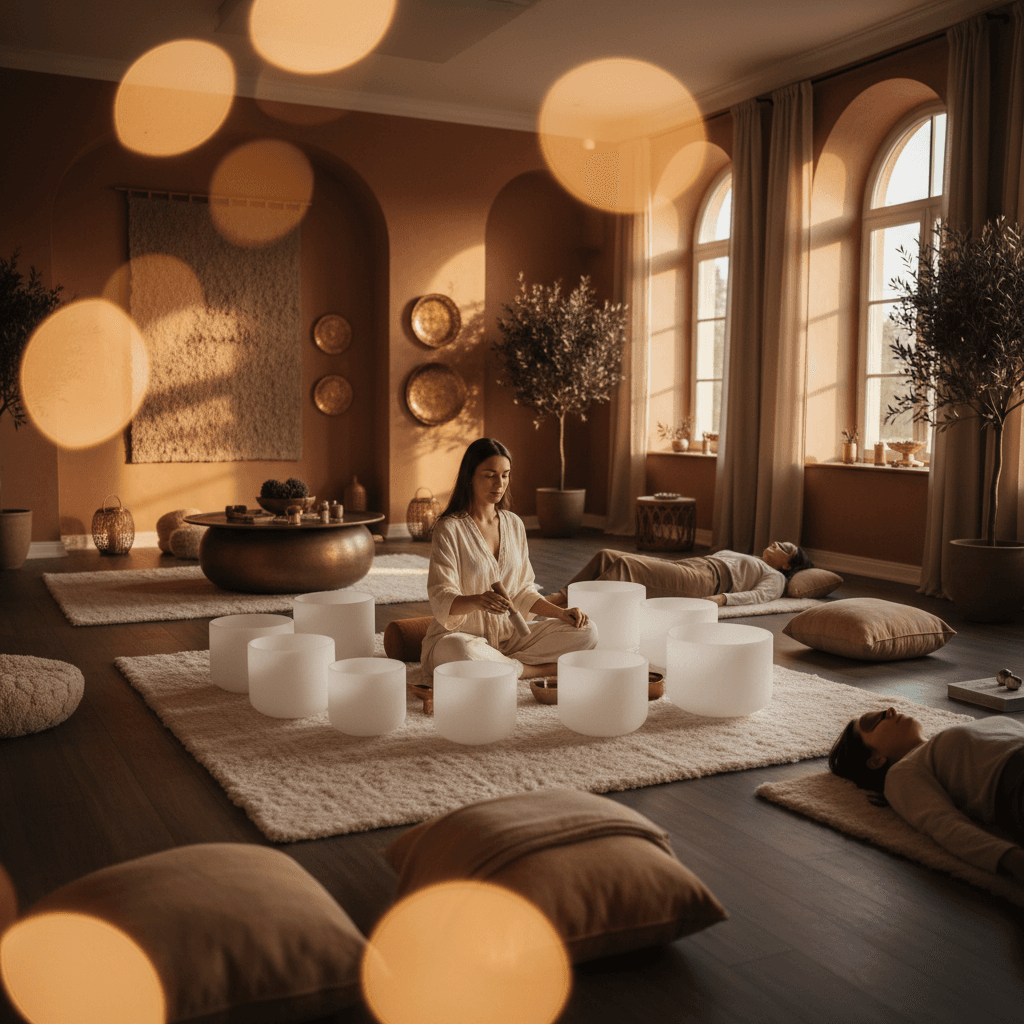
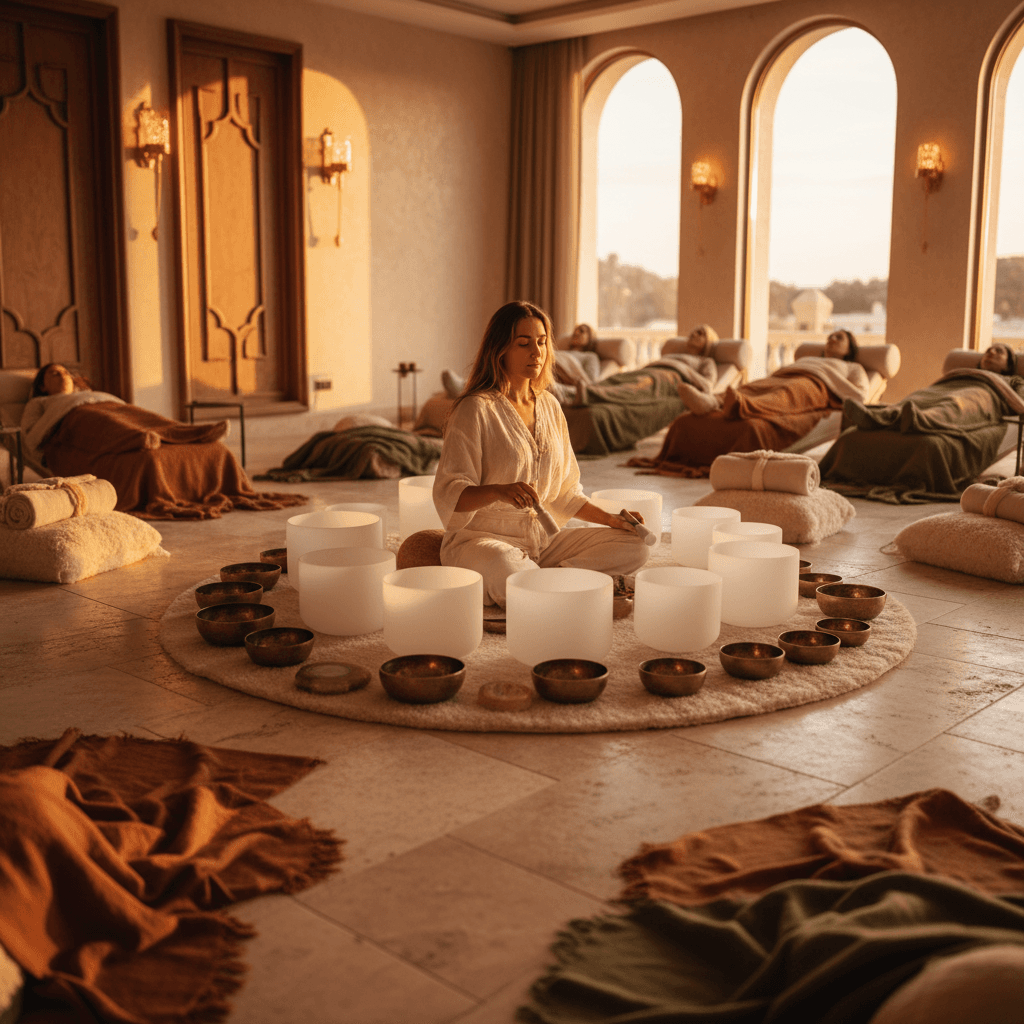
The Soul Art method is built on the premise that a calm, focused, and integrated mind is the foundation for genuine creativity. Our sessions are specifically designed to gently guide the brain into states that may support enhanced cognitive function and emotional balance, mirroring the optimal conditions for musical creation. We utilize a range of exquisite instruments and techniques to achieve this. These include resonant Himalayan singing bowls, powerful gongs, delicate chimes, and precise tuning forks. Each instrument is chosen for its unique sonic properties and its ability to elicit specific brainwave responses.
Larissa's approach emphasizes the careful curation of soundscapes, incorporating elements like binaural beats to gently encourage brainwave entrainment. Depending on the desired outcome, sessions may support the promotion of alpha waves (associated with relaxed alertness), theta waves (linked to deep relaxation and creativity), or even gamma waves (for higher cognitive processing). By influencing these brainwave patterns, Soul Art experiences may support the optimal functional connectivity observed in the creative brain – strengthening pathways to the ACC, angular gyrus, and superior frontal gyrus, while naturally mitigating peripheral sensory distractions.
What makes the Soul Art method unique is its holistic perspective. It's not just about sound; it's about creating an entire experience that may support the restoration of the nervous system, reduction of stress, and fostering of mental clarity. These are all crucial prerequisites for uninhibited creative expression. Whether you are a professional composer seeking to break through a creative block, an artist looking for new inspiration, or simply someone wanting to enhance their problem-solving skills, Larissa Steinbach's expertise ensures a deeply transformative journey. Our sessions are a testament to the idea that by harmonizing the mind, we can unlock an endless wellspring of imaginative potential.
Your Next Steps: Cultivating Your Creative Mind with Sound
Integrating sound into your daily routine or creative practice may support a more focused, intuitive, and inspired state of mind. You don't need to be a professional musician to benefit from the profound effects of sound on your brain. Here are a few actionable steps you can take today to begin your journey:
- Create a Sonic Sanctuary: Designate a quiet space where you can immerse yourself in sound without visual or motor distractions. Consider using headphones for binaural beat tracks or high-quality speakers for ambient soundscapes to optimize your experience.
- Experiment with Frequencies: Explore different types of sound, from classical music and nature sounds to specific binaural beat recordings designed for focus, relaxation, or creativity. Pay attention to how different sounds make you feel and which ones may support your desired mental state.
- Mindful Listening Practice: Dedicate short periods each day (even 5-10 minutes) to simply listening. Close your eyes and focus entirely on the sounds around you or a chosen piece of music. This practice may support enhanced auditory processing and present moment awareness, training your brain for deeper concentration.
- Integrate Sound into Creative Warm-ups: Before starting a creative project, spend some time with sound. This could involve listening to calming music, engaging with a sound bath recording, or even humming and vocalizing. This practice may support shifting your brain into a more receptive and intuitive state, preparing it for creative output.
- Explore Guided Sound Meditations: Many online resources offer guided meditations that incorporate sound elements. These can be particularly helpful for beginners, as they provide structure and direction, gently guiding you into states of relaxation and heightened awareness.
Remember, consistency is key. Just as a composer practices their craft, regularly engaging with intentional sound practices may support the development of stronger neural pathways for creativity and wellbeing.
In Summary
The scientific exploration of the "composer's mind" reveals that music creation is underpinned by a unique and highly integrated brain state. Professional composers exhibit decreased functional connectivity in primary visual and motor areas, while simultaneously showing increased connectivity in regions vital for cognitive control, multisensory integration, and planning, such as the ACC, right angular gyrus, and superior frontal gyrus. This intricate neural dance allows for deep focus, emotional resonance, and innovative thought.
By understanding these mechanisms, we can intentionally cultivate environments and practices that may support our own creative flow. Sound wellness practices, through their ability to influence brainwave patterns and gently manage sensory input, may support these optimal brain states. At Soul Art, Larissa Steinbach artfully combines scientific insights with transformative sound experiences to help you unlock your innate creative potential and enhance overall wellbeing. Embrace the power of sound to harmonize your mind and discover new avenues of inspiration.
Bookings Coming Soon
Soul Art is still in preparation. Session details and booking will be published here after launch.
Coming Soon
Wellness Disclaimer: This article is for educational and informational purposes only. It does not constitute medical advice, diagnosis, or treatment. Soul Art Dubai provides non-medical wellness experiences focused on relaxation, stress management, and general wellbeing. Sound wellness is a complementary practice and should not replace professional medical care.