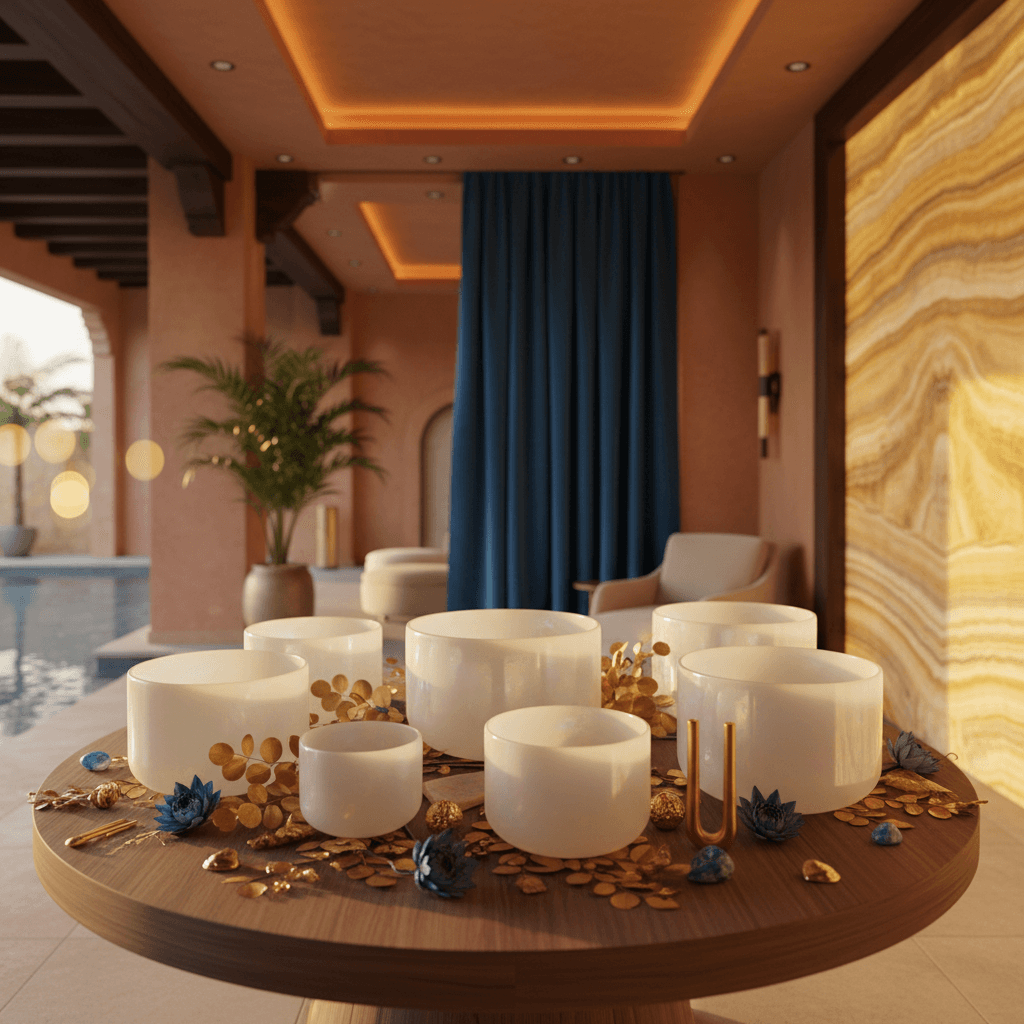
Sound vs. Traditional: Unlocking Wellness with Vibrational Healing
Key Insights
Explore comparative studies of sound therapy and traditional wellness interventions, discovering the science behind vibrational healing at Soul Art Dubai.
The Resonant Shift: Sound Therapy as a Modern Wellness Frontier
Imagine a form of wellness that doesn't just soothe the mind but engages the body at a cellular level, promoting harmony from within. For centuries, various cultures have intuitively understood the power of sound, yet modern science is only now beginning to fully unravel its profound physiological impact. This evolving understanding marks a significant shift, moving sound-based practices from the fringes of wellness into the realm of evidence-supported complementary care.
At Soul Art Dubai, founded by Larissa Steinbach, we stand at the forefront of this evolution, integrating cutting-edge research into practices designed for deep relaxation and holistic well-being. This article delves into comparative studies, exploring how precise acoustic stimulation, a cornerstone of sound therapy, offers unique benefits that complement or even enhance outcomes seen with traditional wellness interventions. We invite you to discover the scientific underpinnings and practical applications that make sound therapy a compelling choice for contemporary self-care.
The Sonic Blueprint: Understanding Vibrational Medicine
The Body's Symphony: How Sound Interacts with Physiology
Sound therapy operates on fundamental principles of physics and biology, revealing how the human body is exquisitely tuned to vibrational input. Researchers are making significant strides in understanding these intricate mechanisms, moving beyond anecdotal experiences to quantifiable effects. This precision differentiates modern sound wellness from general relaxation techniques.
One of the most rigorously studied forms of therapeutic sound intervention is Vibroacoustic Therapy (VAT). VAT typically employs low-frequency sine wave vibrations, ranging from 30 to 120 Hz, which are delivered directly to the body. These specific frequencies are not just heard; they are felt, creating a profound bodily experience.
The human body is equipped with an array of mechanoreceptors, specialized nerve endings that detect mechanical stimuli such as pressure and vibration. Pacinian corpuscles, for instance, are highly sensitive mechanoreceptors capable of detecting vibrations up to 1,000 Hz, playing a crucial role in how we perceive sound through our skin and tissues. When exposed to therapeutic vibrations, these receptors transmit signals that can influence various physiological systems, including the nervous system.
Research highlights that specific frequency ranges appear to promote distinct physiological responses. For example, studies indicate that 40 Hz stimulation can activate gamma brain waves, which are intimately associated with higher-order cognitive processing, memory consolidation, and neural synchronization. This suggests sound therapy may do more than just relax; it could actively support cognitive function. The precise acoustic stimulation used in sound therapy can reduce chronic pain, improve cognitive function, and promote healing at the cellular level, as demonstrated by peer-reviewed research.
Bridging Ancient Wisdom and Modern Neurobiology
For decades, sound-based healing was often relegated to the fringes of wellness, sometimes dismissed by conventional medicine as unscientific. However, a growing body of evidence is now challenging this outdated perception. The scientific community is increasingly demonstrating that specific frequencies and vibrations exert measurable clinical effects on various aspects of health, from pain management to neurological function. This growing evidence base is transforming how sound is perceived and utilized in wellness protocols.
This shift is particularly evident in integrative and naturopathic medical practices, where providers are moving beyond traditional, less evidence-backed approaches toward evidence-based vibrational medicine. Institutions like MIT have contributed to this validation, demonstrating significant therapeutic benefits through their research. This scientific rigor ensures that interventions are based on verifiable outcomes rather than tradition alone.
The integration of sound therapy into comprehensive wellness protocols reflects a broader understanding of human physiology. It acknowledges that the body responds to precise acoustic input in ways that can profoundly influence well-being. From naturopathic medical schools in the Pacific Northwest to clinical practices across the Arizona desert, practitioners are increasingly incorporating sound therapy, supported by peer-reviewed research, into their offerings. This stands in contrast to approaches that may lack the same depth of comparative scientific validation, highlighting sound therapy's emerging role as a sophisticated tool in modern wellness.
From Theory to Tranquility: The Practical Application of Sound Wellness
The Soundscape of Healing: What to Expect
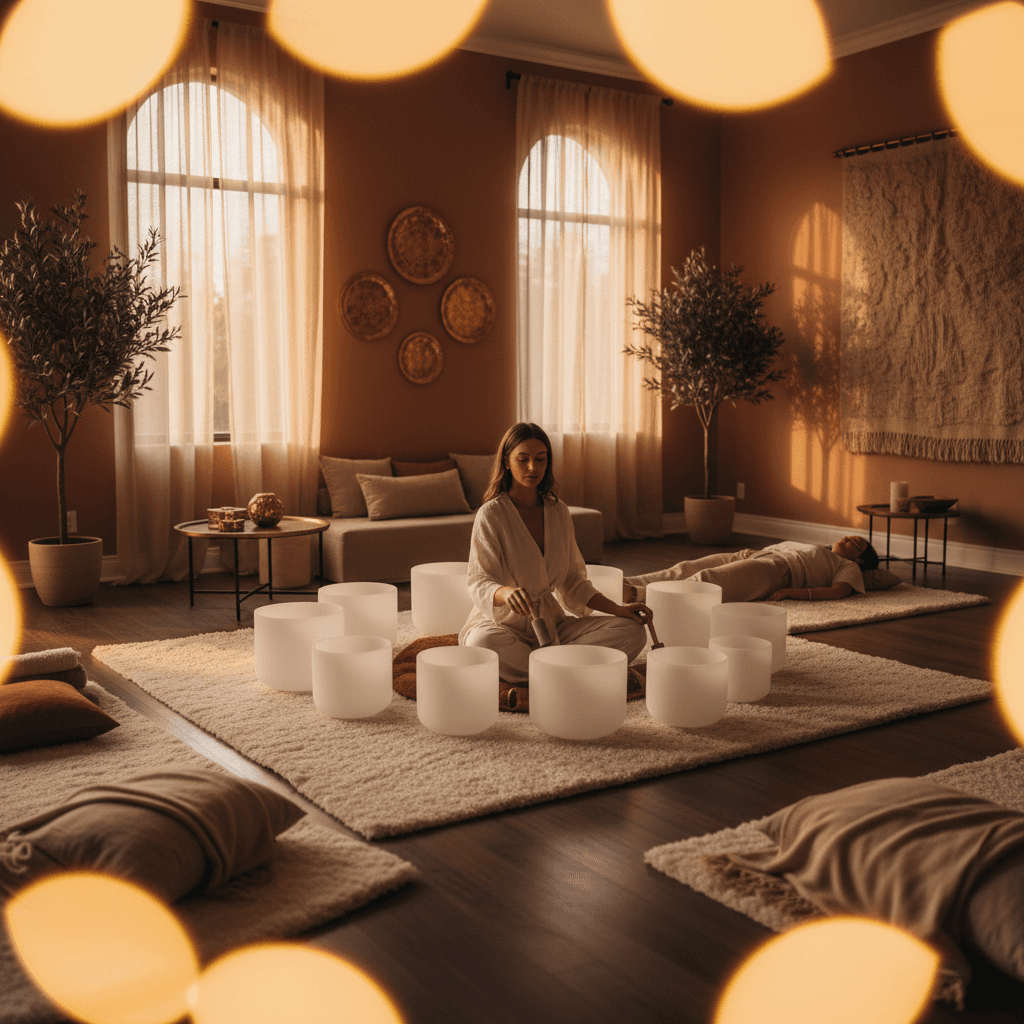
The experience of sound wellness extends beyond mere auditory perception; it's a full-body engagement. When you participate in sound therapy, your body receives sound waves not only through your ears but also through your skin, thanks to the inherent vibrational nature of sound. This dual sensory input contributes to a unique and deeply immersive experience. Experts suggest that both the audible sounds and the physical vibrations contribute to the potential health benefits.
One of the primary and widely reported benefits of sound therapy is an enhanced mood and a profound state of relaxation. Sound baths, for instance, are known to induce a meditative state that can significantly reduce feelings of stress and anxiety. The structured listening experience gives your brain a gentle task, which can help to quiet racing thoughts, lower heart rate, and reduce blood pressure. This natural regulation of physiological responses is a key aspect of its effectiveness for stress management.
A systematic review of comparative effects on critically ill patients, which included 59 articles, demonstrated that both slow-tempo music and nonmusic sound interventions could significantly:
- Decrease pain perception.
- Improve sleep quality.
- Regulate cortisol levels, the body's primary stress hormone.
- Reduce the need for sedatives and analgesics.
- Reduce stress and anxiety, while improving overall relaxation.
These benefits were observed when compared with standard care and noise reduction techniques, highlighting the active therapeutic effect of sound. Furthermore, this review indicated that music interventions might have a more pronounced effect on stress biomarkers, vital signs, and hemodynamic measures compared to nonmusic sound interventions, suggesting different auditory inputs may have specific strengths.
Beyond these well-documented advantages, preliminary studies and ongoing research are exploring promising benefits for other conditions. These include support for lung and respiratory conditions in both adults and children, relief for sleep issues such as insomnia, and assistance with tinnitus—the experience of ringing, buzzing, or hissing in the ears. While more data is continuously being gathered, the existing evidence strongly suggests that sound therapy may offer significant health benefits across a spectrum of wellness needs.
"The subtle power of vibration resonates deep within us, not just as a sound heard, but as a silent conversation with every cell."
The Precision of Frequencies: Beyond General Relaxation
While general relaxation is a common and highly valued outcome of sound therapy, the field is evolving toward more targeted, frequency-specific applications. This pursuit of precision is a key area of comparative study, evaluating whether specific sound interventions can address particular psycho-emotional and physiological conditions more effectively than generalized approaches. For instance, customised sound therapy, such as pitch-matched sounds or altered music, has been compared against non-customised broad-band noise or sound enrichment for conditions like tinnitus.
Research indicates a potential clinical benefit of customized sound therapy in reducing tinnitus distress and severity, suggesting that a tailored approach can be more impactful. However, it is also important to acknowledge that the quality of evidence for some of these specific comparisons, particularly regarding outcomes like depression and anxiety, has sometimes been assessed as low due to factors such as risk of bias and imprecision in study design. This underscores the need for continued, robust scientific inquiry to refine understanding.
The comparison of different sound interventions reveals that varying auditory inputs may indeed have varying degrees of effectiveness for specific patient outcomes. For example, while customised altered music and sound enrichment may show no clinical difference for anxiety, a distinct customised frequency might be more effective for a different outcome. This implies that the 'best' sound intervention is not a one-size-fits-all solution but rather a tailored experience, optimized for individual needs and desired outcomes. The focus is increasingly on identifying specific sound components—such as acoustic properties, emotional associations, or cognitive engagement—that hold the greatest therapeutic potential for particular conditions. This scientific pursuit ensures that sound wellness continues to evolve, offering increasingly refined and evidence-based solutions.
Soul Art's Harmonious Path: Larissa Steinbach's Vision
At Soul Art Dubai, Larissa Steinbach champions an approach to sound wellness that is both deeply scientific and profoundly personal. Recognizing that the journey to well-being is unique for everyone, Larissa has meticulously crafted an environment and methodology that integrates the latest research in vibrational medicine with a holistic understanding of human needs. This commitment to evidence-based practice ensures that every session is not just an experience, but a purposeful step towards enhanced health.
What truly sets the Soul Art method apart is its blend of cutting-edge understanding with an intuitive, empathetic approach. Larissa Steinbach and her team utilize a diverse array of instruments, from resonant singing bowls and gongs to chimes and tuning forks, each selected for their unique vibrational properties and ability to induce specific states of being. These are not merely musical instruments; they are tools for precise acoustic stimulation, carefully chosen to create specific soundscapes and frequencies designed to optimize therapeutic outcomes.
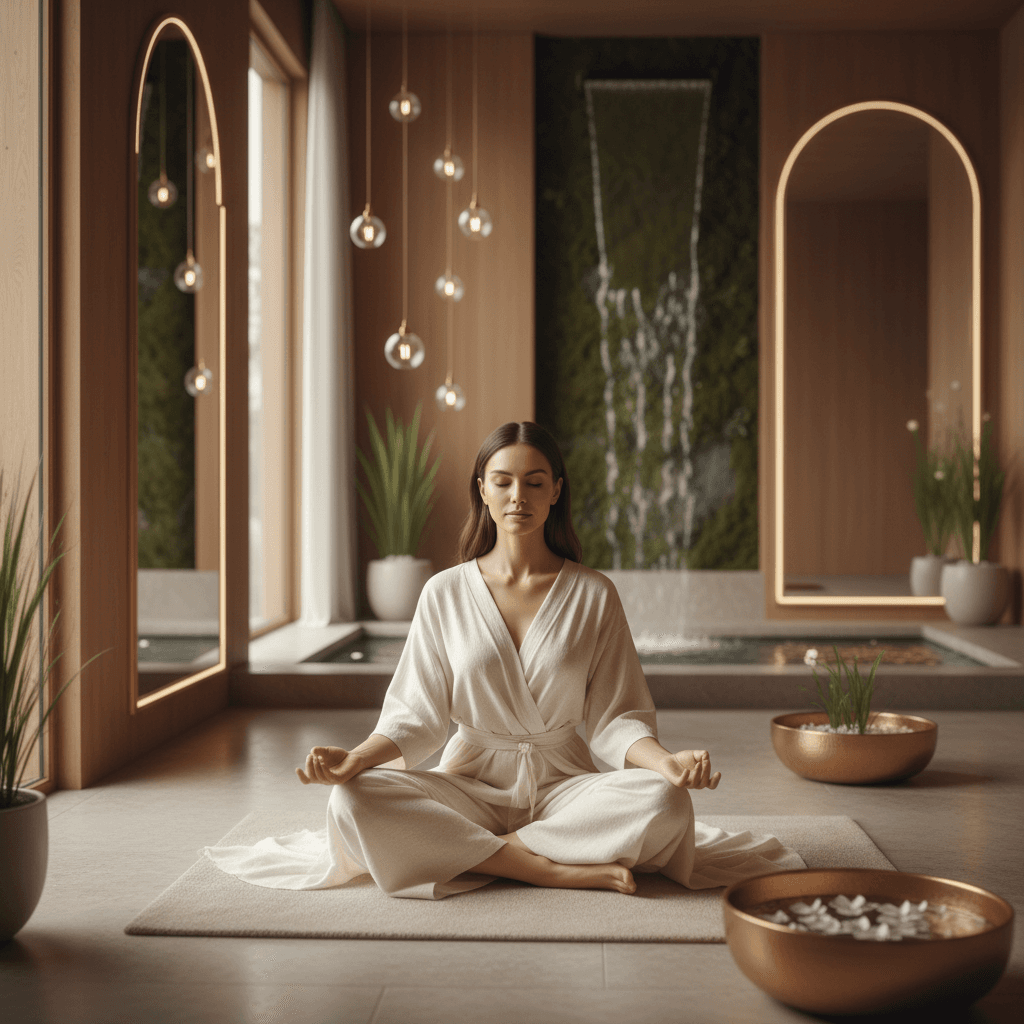
The Soul Art experience is characterized by a "quiet luxury" – a sophisticated yet warm and welcoming atmosphere that immediately promotes a sense of peace. Sessions are often personalized, focusing on individual needs whether it’s deep relaxation, stress reduction, pain management support, or cognitive enhancement. The studio's bespoke approach ensures that the frequencies and vibrations delivered are aligned with the client's specific goals, aiming to activate particular brainwave states, soothe the nervous system, and encourage cellular harmony. Soul Art is more than just a studio; it is a sanctuary where the ancient wisdom of sound meets modern scientific insight, guided by Larissa Steinbach's vision for transformative well-being.
Elevate Your Wellbeing: Practical Steps to Integrate Sound
Integrating sound into your daily wellness routine doesn't require complex setups. It's about consciously introducing beneficial frequencies to support your mind and body. The growing body of research underscores that even simple practices can yield significant benefits for relaxation and stress management.
Here are some actionable steps you can take to harness the power of sound in your life:
- Explore Guided Sound Meditations: Many apps and online platforms offer guided meditations featuring calming music, binaural beats, or nature sounds. Dedicate 10-20 minutes daily to quiet listening to help reduce mental chatter and promote a state of calm. This accessible practice is an excellent starting point for experiencing the immediate benefits of focused sound.
- Create a Personal Sound Sanctuary: Designate a quiet space in your home where you can listen to soothing frequencies without interruption. This might involve ambient music, gentle chimes, or even silence, allowing your mind to rest and reset. The consistent use of such a space can condition your brain to enter a relaxed state more readily.
- Attend a Professional Sound Bath: For a deeper, immersive experience, consider attending a sound bath led by a qualified practitioner. At Soul Art, Larissa Steinbach’s expertly curated sessions provide an unparalleled opportunity to experience full-body vibrational therapy, guided by a professional who understands the science and art of sound healing.
- Incorporate Specific Frequencies: Research into specific frequencies, like 40 Hz for cognitive function, suggests that targeted sound exposure can have distinct benefits. Explore resources that offer tracks designed with these frequencies for focused mental support, but always ensure sources are reputable and aligned with wellness principles.
- Mindful Listening in Nature: Sometimes the most powerful sound therapy comes from the natural world. Spend time outdoors, mindfully listening to the sounds of rustling leaves, flowing water, or birdsong. These natural soundscapes have been shown to reduce stress and improve mood, offering a simple yet profound way to reconnect and rebalance.
Ready to explore the profound potential of sound wellness and experience its benefits firsthand? A session at Soul Art Dubai could be your next step towards a more serene and balanced existence.
The Resonant Future of Wellness: A Soul Art Conclusion
The journey into comparative studies of sound therapy and traditional interventions reveals a compelling narrative: sound wellness is emerging as a scientifically-backed, highly effective complementary practice. No longer a fringe concept, its ability to reduce pain, improve sleep, regulate stress hormones, and enhance mood is increasingly substantiated by peer-reviewed research. From activating specific brainwave states to influencing cellular healing, precise acoustic stimulation offers a sophisticated pathway to holistic well-being.
While traditional interventions certainly hold their place, the targeted, non-invasive approach of sound therapy provides a unique and powerful avenue for self-care and nervous system restoration. At Soul Art, Larissa Steinbach has meticulously integrated these scientific insights, offering bespoke experiences that resonate deeply with the individual's journey. Embrace the future of wellness and discover how the harmonious frequencies curated by Soul Art Dubai can unlock a profound sense of peace and vitality within you.
Bookings Coming Soon
Soul Art is still in preparation. Session details and booking will be published here after launch.
Coming Soon
Wellness Disclaimer: This article is for educational and informational purposes only. It does not constitute medical advice, diagnosis, or treatment. Soul Art Dubai provides non-medical wellness experiences focused on relaxation, stress management, and general wellbeing. Sound wellness is a complementary practice and should not replace professional medical care.
Related Articles
Cluster Headaches: Unveiling Pain and the Promise of Frequencies in Wellness
Epilepsy & Sound: Safety, Serenity, and Emerging Wellness Paths
Mastering Focus: Analytical Listening & Brain Engagement at Soul Art